The Complete Guide to Basement Waterproofing & Foundation Repair in Central Iowa
Glacial till, a 42-inch frost depth, and spring snowmelt put real pressure on Des Moines basements. How water gets in, which fixes last, and what they cost.
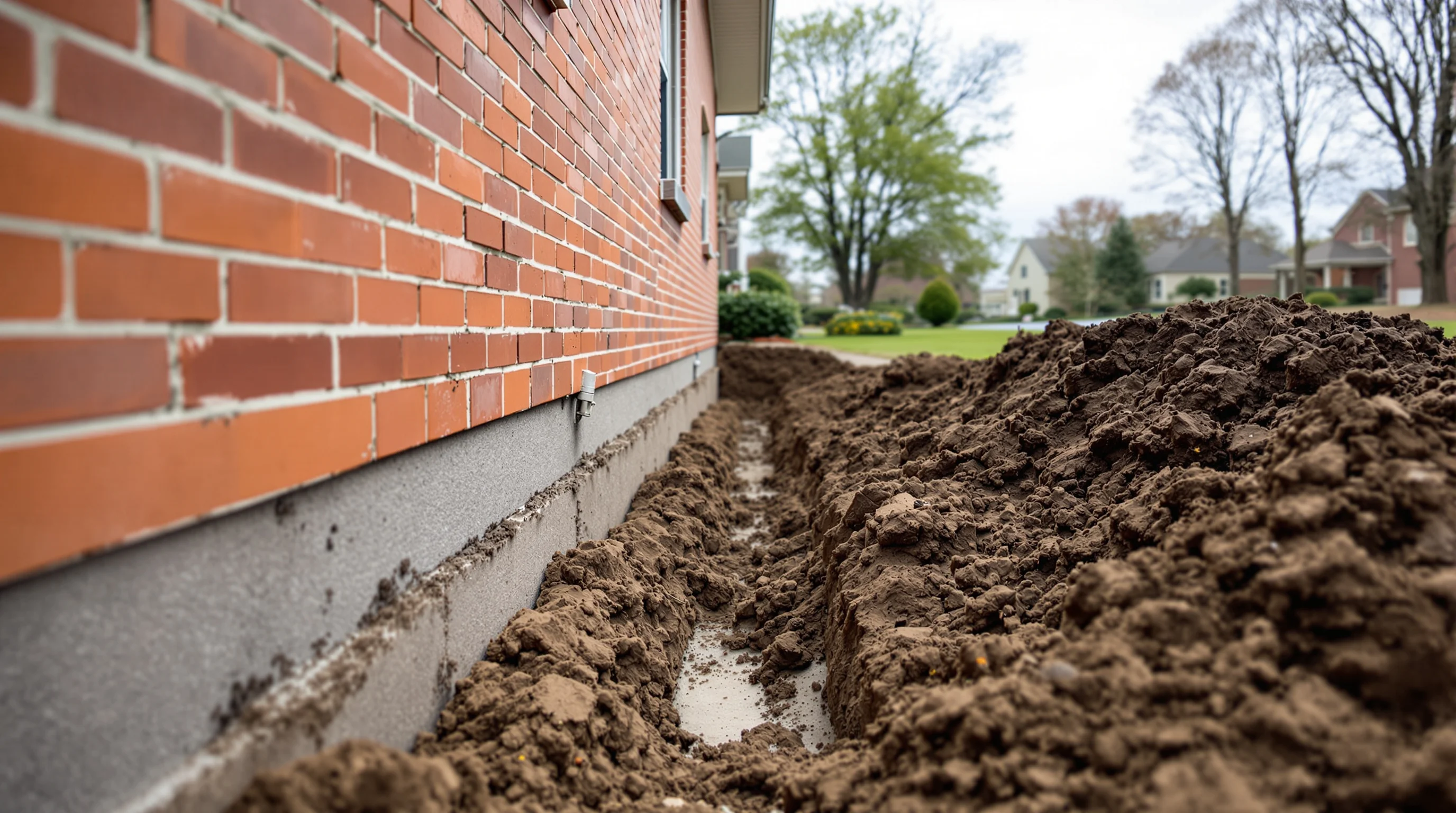
Central Iowa homes sit on some of the most foundation-hostile soil in the Midwest. Des Moines rests on glacial till and loess — dense clay deposits that swell when wet and shrink when dry. Add a 42-inch frost depth and spring snowmelt, and basement walls face serious hydrostatic pressure every year.
This guide explains why local foundations fail, how water actually gets in, which repair methods work, and what the work costs. Whether you own a pre-1980 home in Beaverdale or a new build in Waukee, you'll finish knowing what to look for.
Why Do Central Iowa Foundations Fail?
The culprit is soil. Des Moines sits on glacial till and loess: dense, poorly draining clays left behind by ancient ice sheets, which behave like a sponge. Clay's shrink-swell cycle is the core problem — saturated clay expands, then contracts as it dries, creating voids and uneven pressure beneath your footings. An average two-story home puts tens of thousands of pounds onto its foundation, so any movement below concentrates stress fast.
Our Des Moines water table guide goes deeper on the seasonal cycle, and the crack guide shows which patterns signal active movement.
How Does Water Get Into Your Basement?
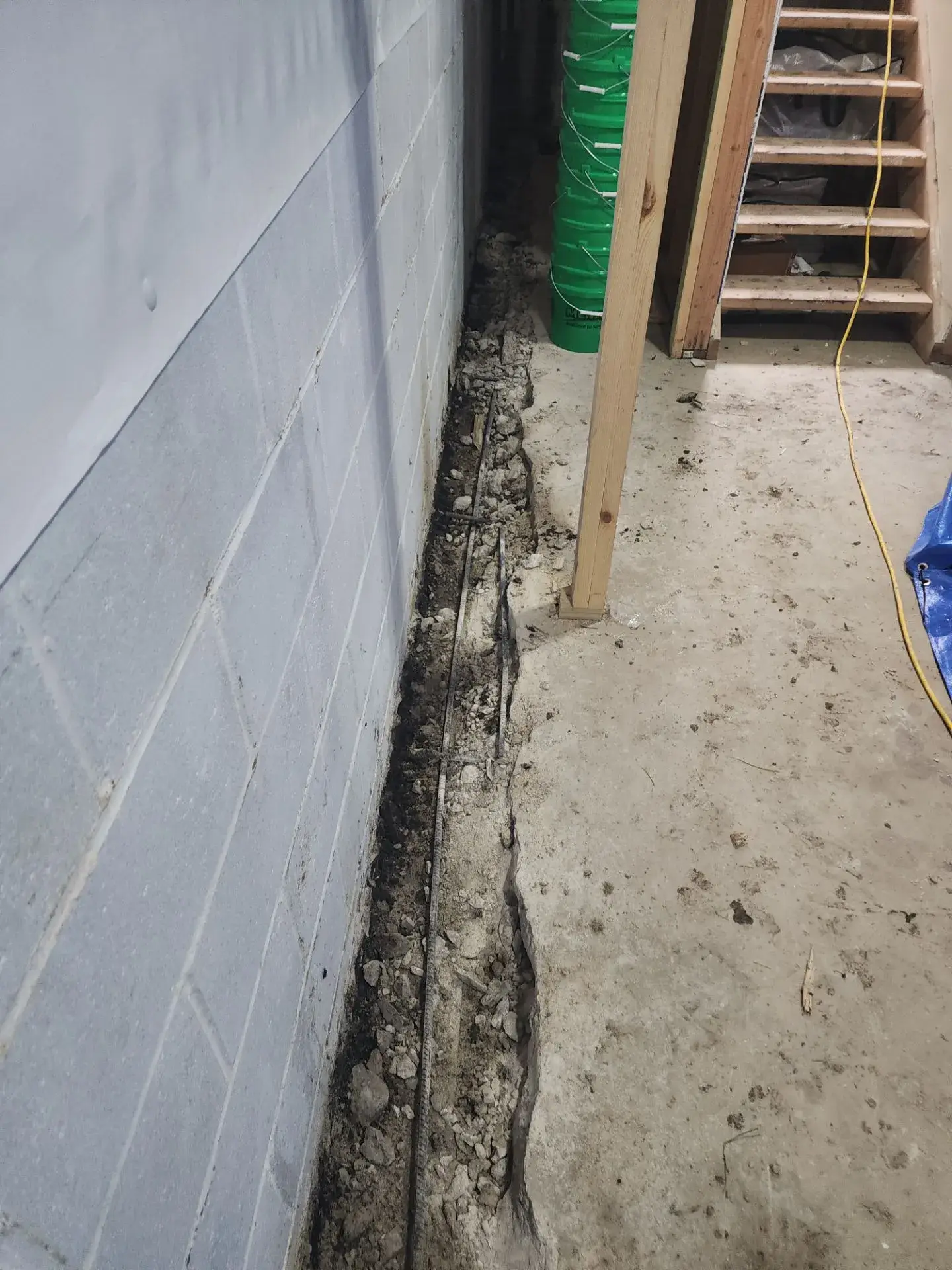
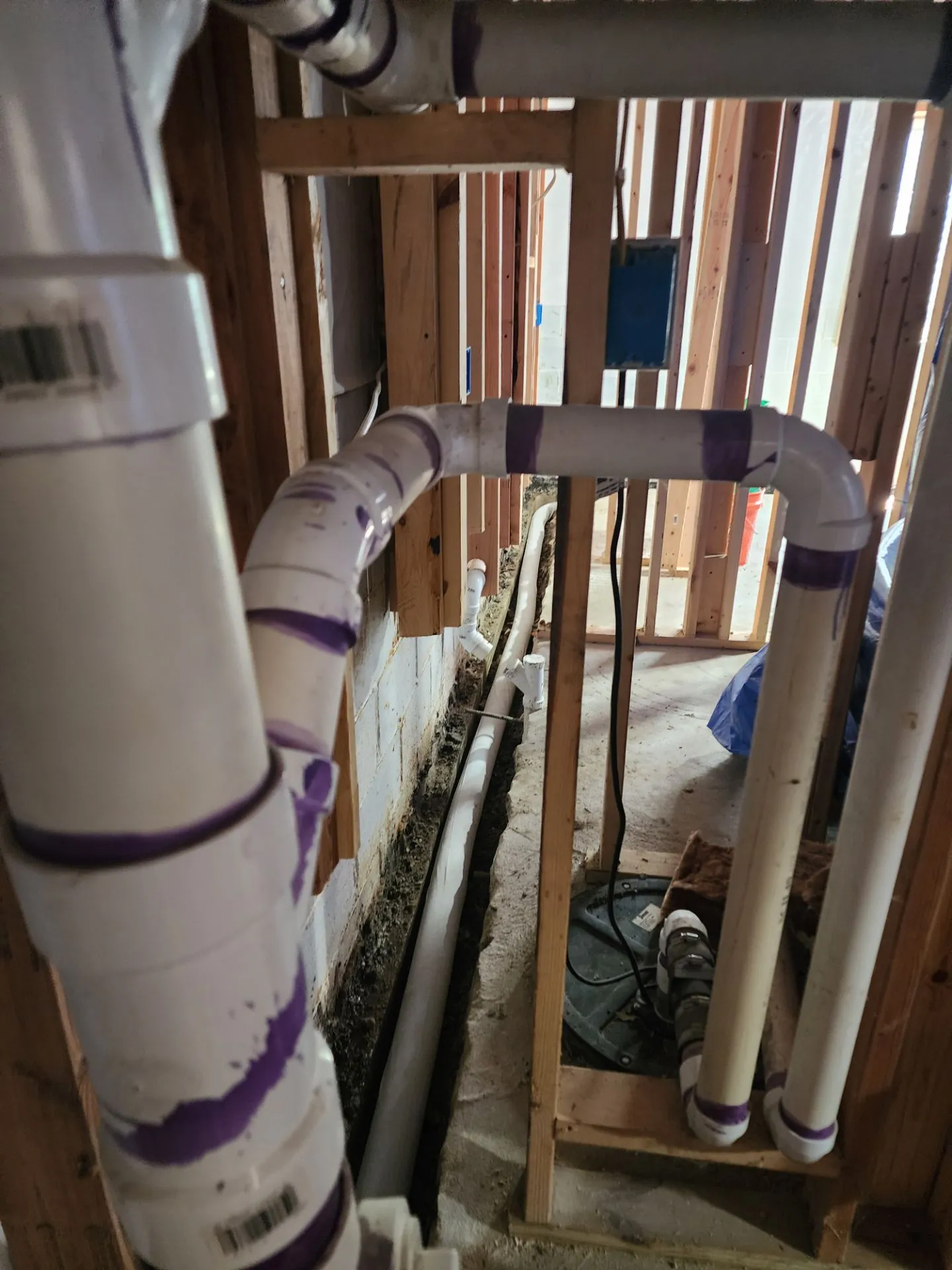
Water finds three paths into your basement, and homeowners usually guess the wrong one first. The cove joint — where the wall meets the floor — is the single biggest source of intrusion, not the visible wall crack that catches your eye.
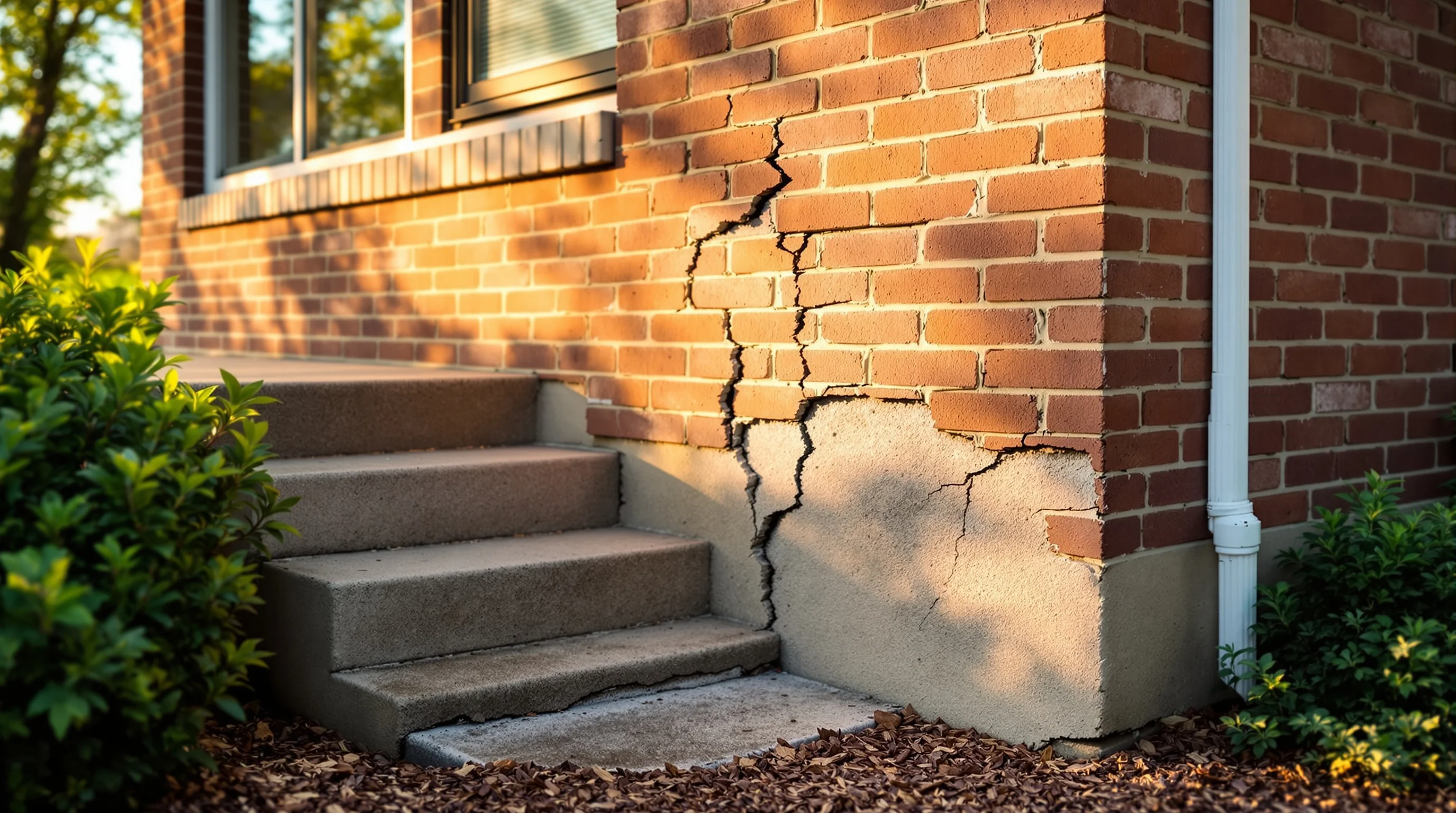
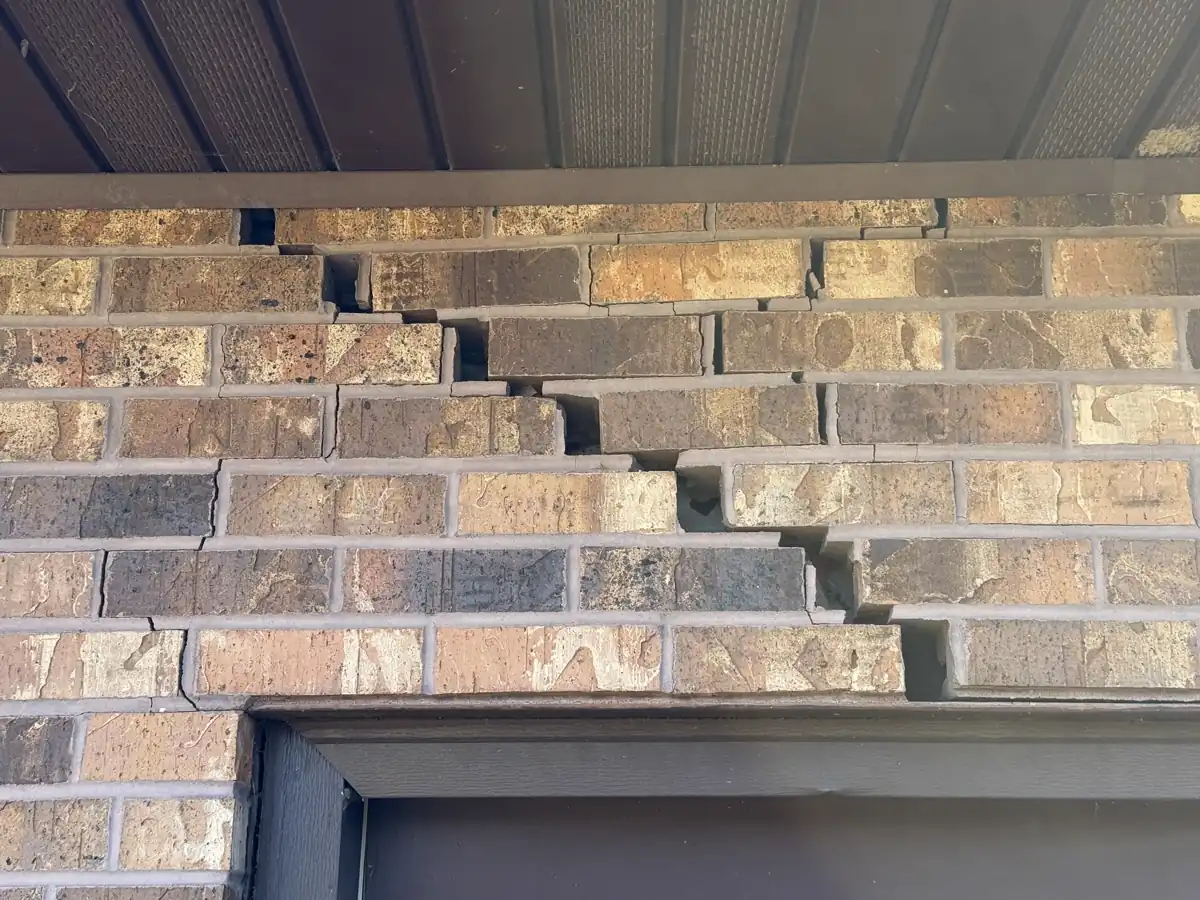
- Cracks. Settlement and pressure open hairline to structural cracks that channel water inward.
- The cove joint. Hydrostatic pressure pushes groundwater up through the wall-floor seam. This is entry point number one.
- Wicking. Porous concrete absorbs moisture and releases it into the air, raising humidity even with no visible pooling.
Relative frequency of each entry path across Central Iowa inspections.
Source: JLB inspection findings, Central Iowa
The permanent solution manages water instead of fighting it. Interior drainage collects intrusion at the footing and routes it to a sump pump, which ejects it away from the home. See JLB's basement waterproofing systems for how these are specified, or compare interior against exterior approaches.
What Foundation Repair Methods Actually Work?
Foundation repair isn't one procedure — it's several distinct engineering solutions matched to a specific failure. The right method depends on whether your problem is settlement, lateral pressure, or outright wall failure.
Push Piers
Push piers are steel shafts hydraulically driven down to load-bearing strata, often 20 to 30 feet deep. Once anchored, hydraulic jacks transfer the home's weight onto the piers, halting settlement and sometimes lifting the structure back toward level. They excel on heavier homes.
Helical Piers
Helical piers screw into the soil like giant anchors, using helix plates for grip. They suit lighter loads and situations where driving force is limited, which makes them a strong choice for additions and porches.
Wall Anchors
Wall anchors counter lateral soil pressure — the force that bows and cracks basement walls horizontally. Steel plates inside connect to earth anchors set in stable soil outside, then tighten over time to straighten the wall. See JLB's Des Moines foundation repair services for the full range.
Foundation Wall Replacement
When a wall is too far gone, replacement is the honest answer. Crews remove and rebuild the failed section with reinforced concrete and integrated drainage. It's the most involved option, reserved for the severe deterioration common in older stone and block foundations. Learn more about foundation wall replacement.
What Basement Waterproofing Systems Should You Consider?
Effective waterproofing manages water rather than blocking it, and a properly designed interior system carries a transferable warranty that follows the home. Basement humidity above 60 percent creates ideal conditions for mold, so controlling moisture protects both structure and air.
Interior Drainage and Drain Tile
Drain tile installs along the interior footing to capture water at the cove joint, channeling it to a collection point invisibly beneath your finished floor. This is the backbone of any real waterproofing system.
Sump Pumps and Battery Backup
The sump pump ejects collected water outside and away from the foundation. A battery backup is not optional in Iowa: the spring storms that flood basements are the same storms that knock out power, exactly when you need the pump running.
Vapor Barriers
Vapor barriers block wicking moisture from porous concrete, cutting the humidity that feeds mold and musty odors. They address the intrusion you can't see, which is often what keeps a basement smelling damp after the visible leaks are fixed.
French Drains and Exterior Drainage
French drains and corrected regrading move water away before it reaches the wall, reducing the hydrostatic load your interior system has to handle. One inch of rain on a 1,000-square-foot roof produces roughly 620 gallons of runoff, so where that water goes matters a great deal.
What Is Crawl Space Encapsulation?
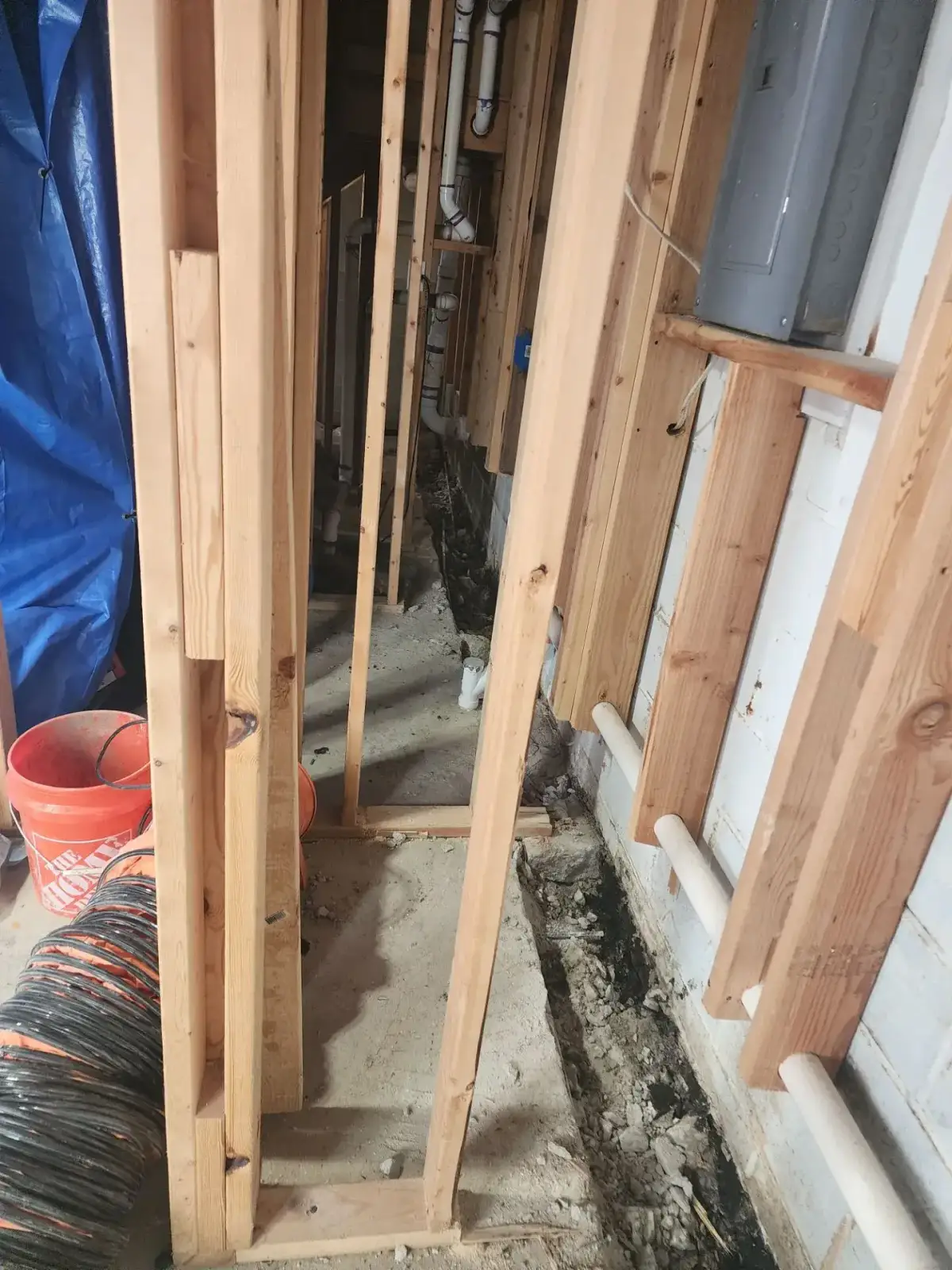
Crawl space encapsulation seals the space with a heavy vapor barrier to stop ground moisture, and it directly improves the air you breathe upstairs. Because of the stack effect, a large share of the air on your main floor originates in the crawl space or basement below.
That's why crawl spaces matter more than people expect. Warm air rises and escapes upstairs, pulling damp, musty crawl space air up behind it. A wet crawl space becomes a whole-house air quality problem.
Learn more about crawl space encapsulation in Central Iowa, or read the crawlspace health guide on how moisture below affects the rooms above.
What Does This Work Cost in Des Moines?
Most residential foundation repair projects in the Des Moines metro run between $3,000 and $15,000, with the final number driven by method, depth, and the extent of movement. Piers are the biggest single variable: push piers typically cost $1,250 to $2,500 each, and most homes need five to twelve. That range alone explains most of the spread in total project cost. Waterproofing is priced by linear footage, so a written estimate always beats a phone quote.
Source: JLB Foundation Repair, Central Iowa project pricing
One financial reality surprises many Iowans: your homeowners insurance probably won't help. Iowa policies generally exclude foundation damage from soil movement and settlement, and only sudden covered perils may qualify. Because of that gap, financing is the common route, and reputable local contractors offer it.
How Do You Choose a Foundation Contractor?
Foundation work is rarely a purchase you make twice, so the vetting matters. State licensing, a transferable warranty, and a written fixed estimate separate reliable local firms from high-pressure sales operations. Use this checklist before you sign:
- Licensed and insured in Iowa, verifiable on request.
- A free written analysis — not a verbal guess or a same-day pressure close.
- A fixed written estimate: the number you see is the number you pay.
- A transferable warranty that adds resale value.
- Local crews rather than subcontractors rotating in from out of state.
- Honesty — a good contractor will tell you when you don't need repair.
About JLB Basement Waterproofing & Foundation Repair
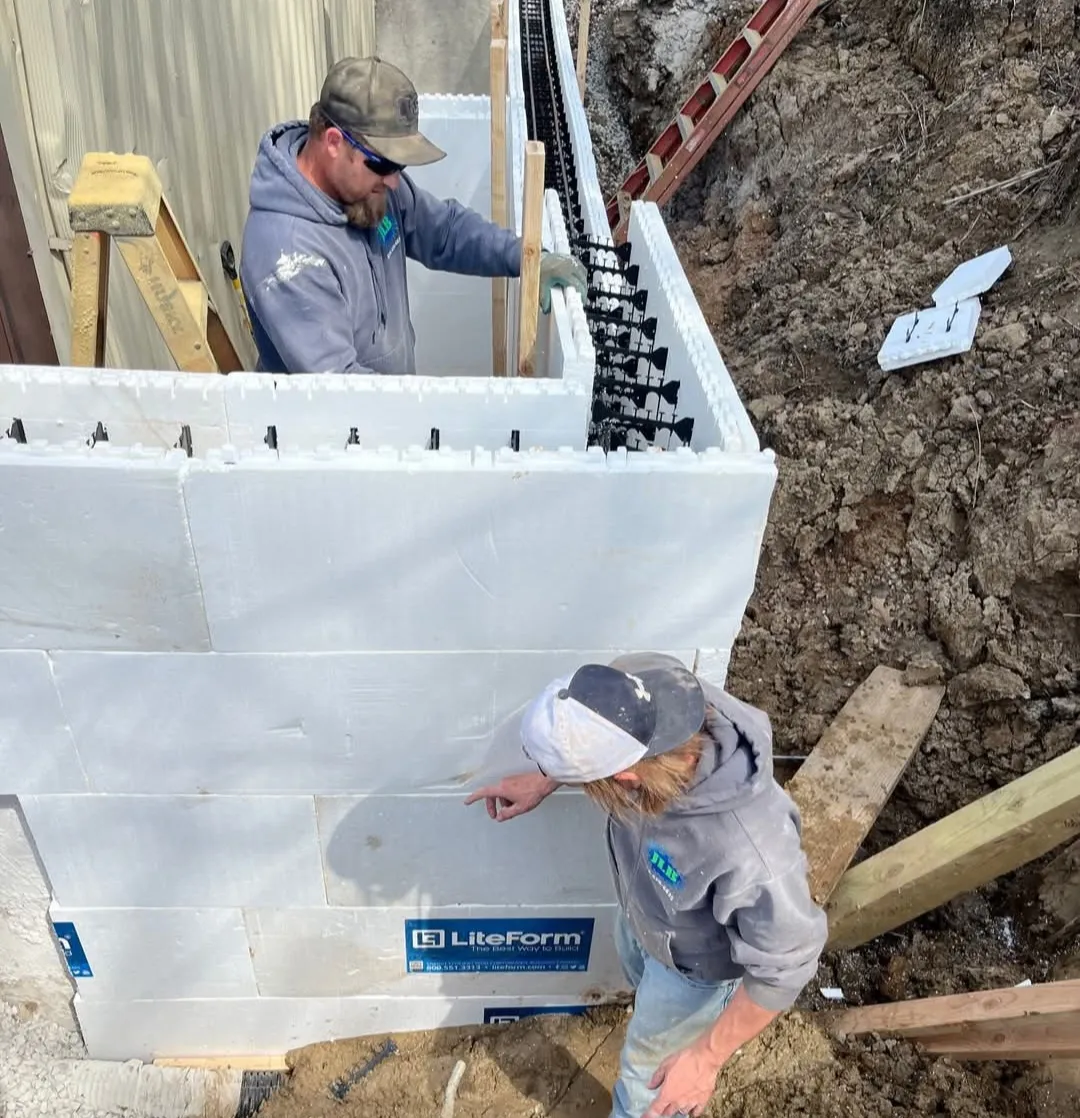
JLB Basement Waterproofing & Foundation Repair has restored more than 2,000 homes since 2015. Unlike national brands spread across dozens of states, JLB focuses on just two metros — the Des Moines area and Central Iowa, plus Kansas City — so the same local crew shows up every time.
Every project starts with a free 45-minute on-site analysis and a written report, so you understand the problem before spending a dollar. The "Ask Hank" AI tool gives you a preliminary read online, any time. Fixed written estimates mean the number you see is the number you pay, warranties are transferable, financing is available, and if your home doesn't need repair, JLB will say so.
Explore JLB's Central Iowa coverage, or start with Des Moines specifically for neighborhood-level detail.
Start With Facts, Not Guesswork
Central Iowa's clay soil, deep frost line, and spring water table make foundation trouble a question of when, not if. The good news is that every problem in this guide has a proven fix. Match the method to the failure, manage water instead of fighting it, and choose a licensed local contractor who gives you a written estimate and a transferable warranty. Catching movement early is what keeps a $3,000 repair from becoming a $15,000 one.
If you've spotted stair-step cracks, a musty smell, or water at the wall-floor joint, don't wait for the next storm. Schedule your free 45-minute analysis and get a fixed written number before you commit.