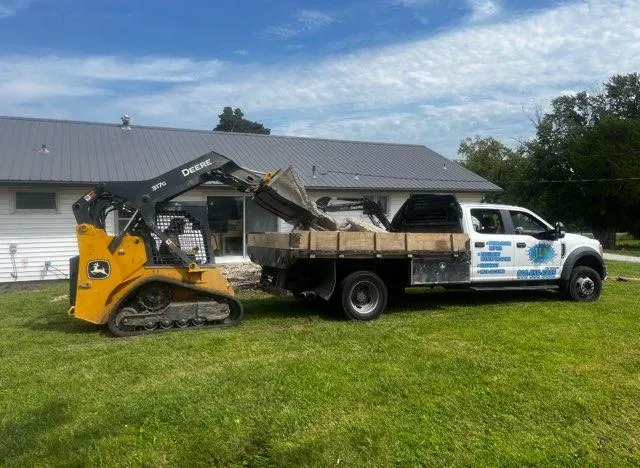
Ankeny IA Foundation Repair for Fast-Growing Suburban Homes
Serving Ankeny and Polk County with 5 specialized foundation and waterproofing services — local crews, engineered repairs, and every estimate is free.

Free 45-Minute Analysis + Written Report
Get a precise analysis of your foundation and waterproofing situation, and a clear estimate on what any fixes or corrections might cost.
Takes 30 seconds. We'll call within 24 hours.
Thank You!
We'll be in touch within 24 hours.
Meet the Team Serving Ankeny
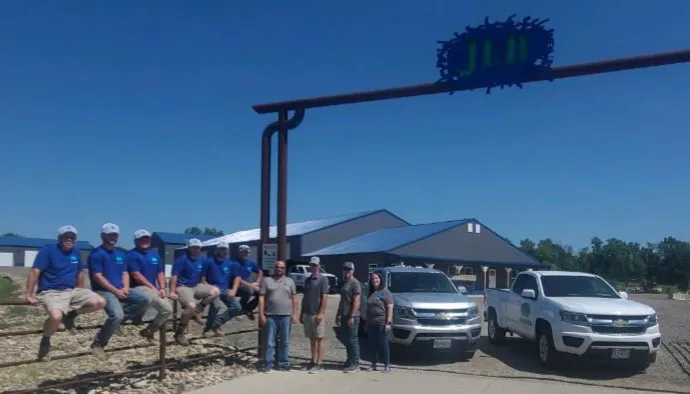
JLB Foundation Repair is a local company — not a franchise. We serve Ankeny and the surrounding Des Moines metro with foundation repair, waterproofing, crawlspace encapsulation, and drainage solutions. Watch to learn who we are and how we work.
Watch Our Work in Ankeny
Foundation Repair and Waterproofing Services in Ankeny
Every foundation problem has a permanent fix. We use engineered systems — not quick patches — backed by transferable warranties and decades of field experience.
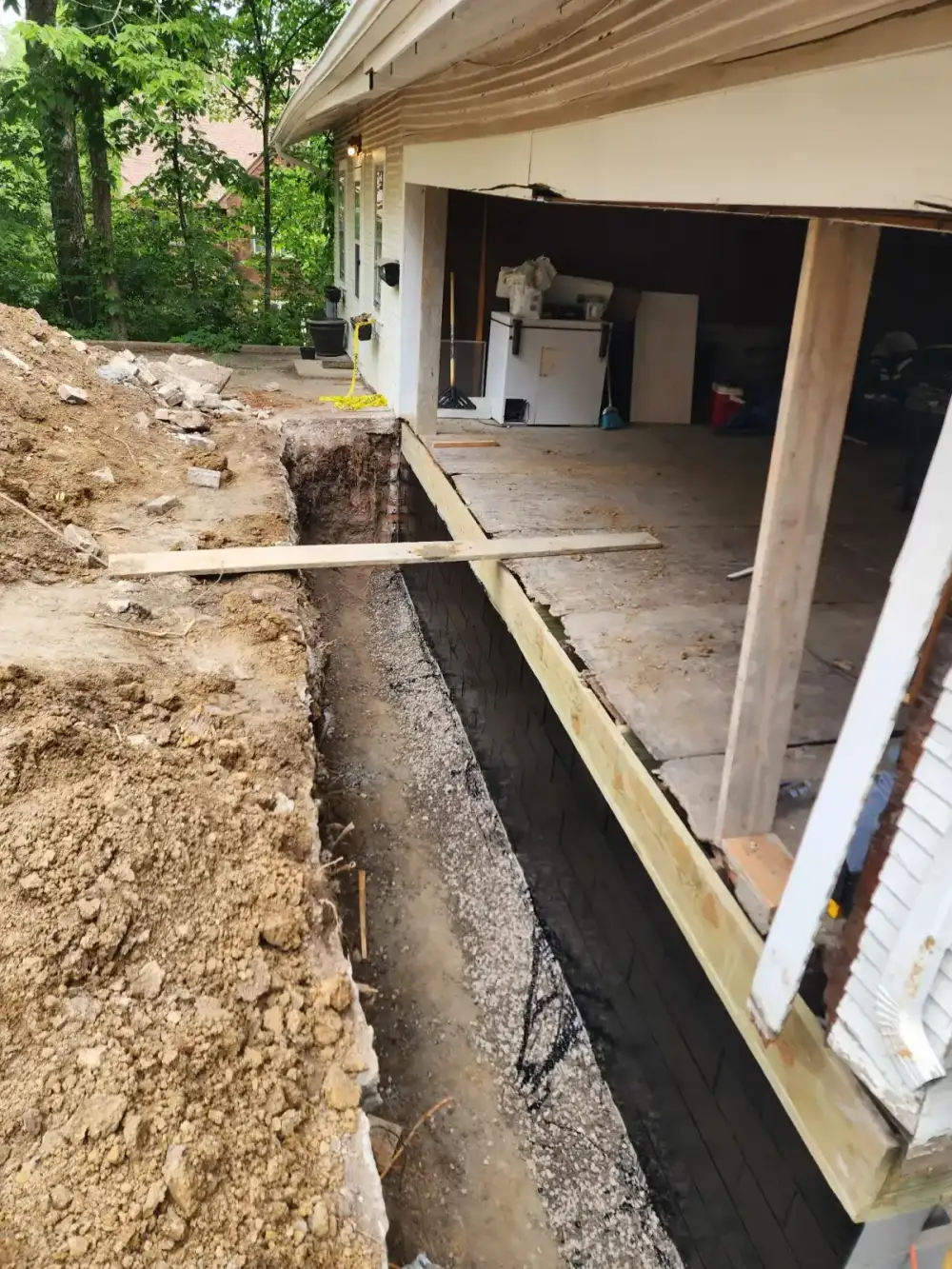
Foundation Repair
Steel push piers and wall anchors to stabilize and lift settling foundations. Stop the cracks, level the floors, save the home.
Learn More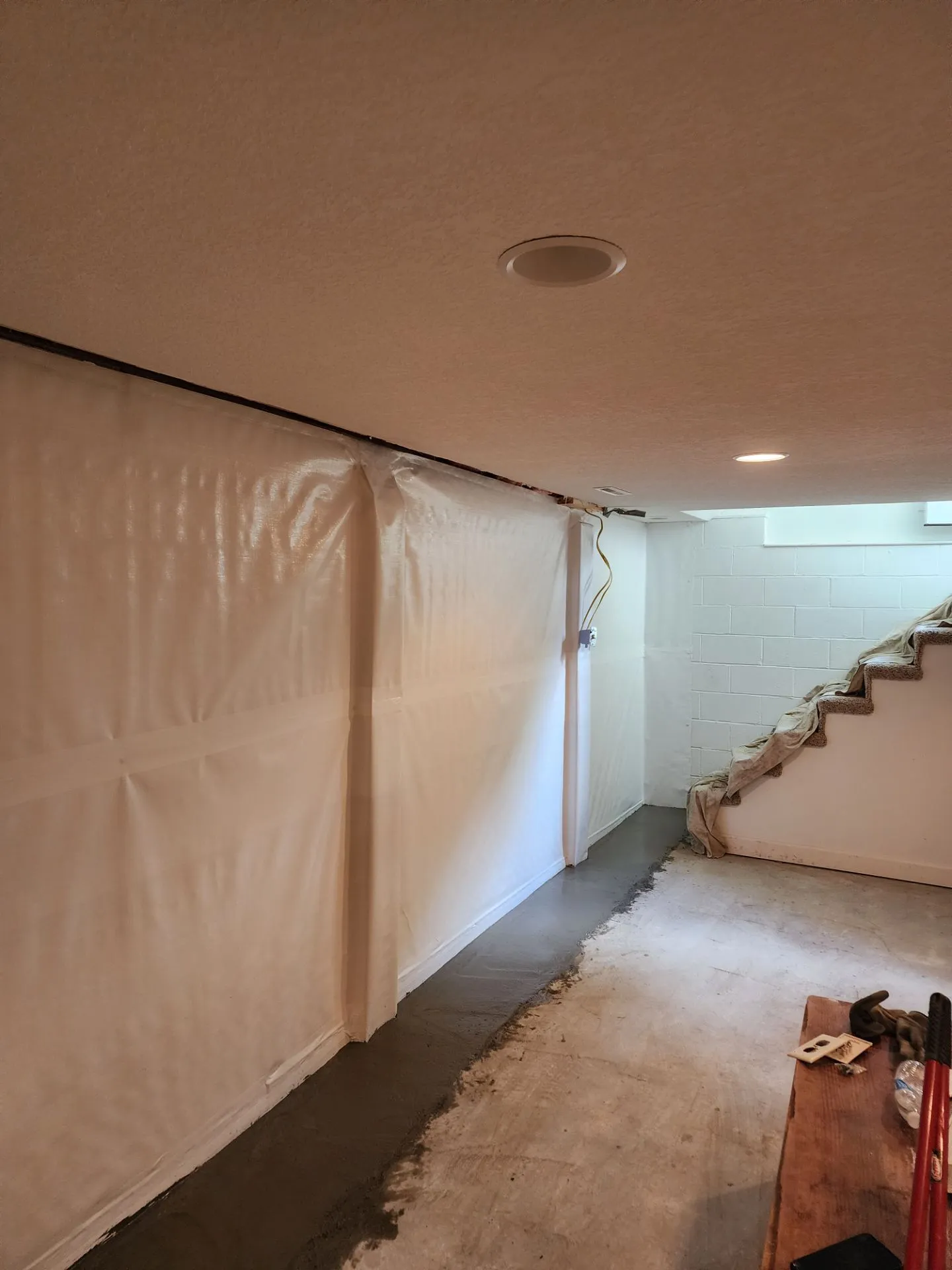
Basement Waterproofing
Interior drainage systems, sump pumps, and vapor barriers to keep your basement permanently dry. No more water. No more worry.
Learn More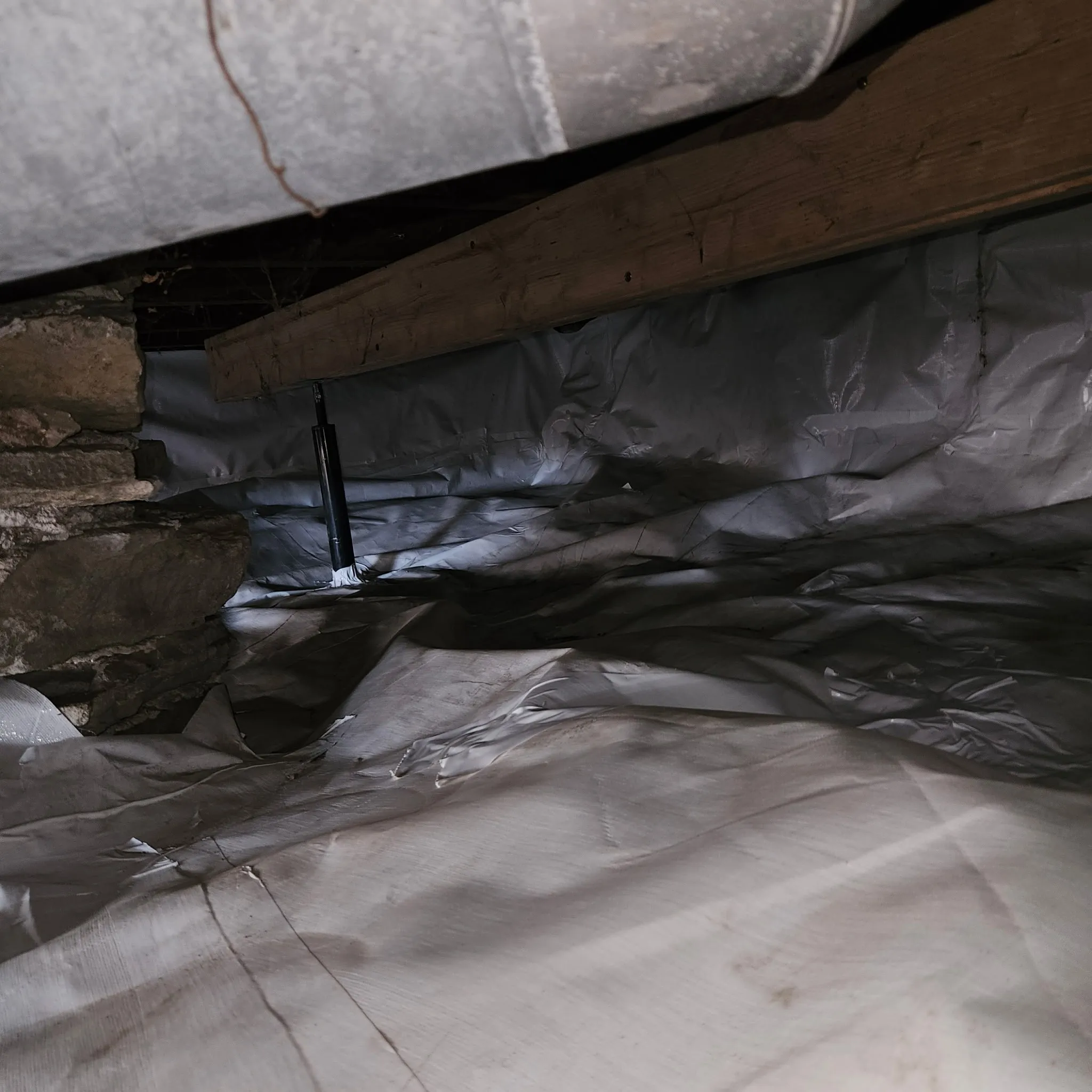
Crawlspace Encapsulation
Full encapsulation with spray foam for BOTH crawlspace and basement — twice the protection competitors offer, at a lower cost.
Learn More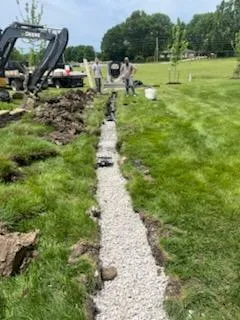
French Drains & Drainage
French drains, extended downspouts, regrading, and drain pipes to redirect water away from your foundation permanently.
Learn More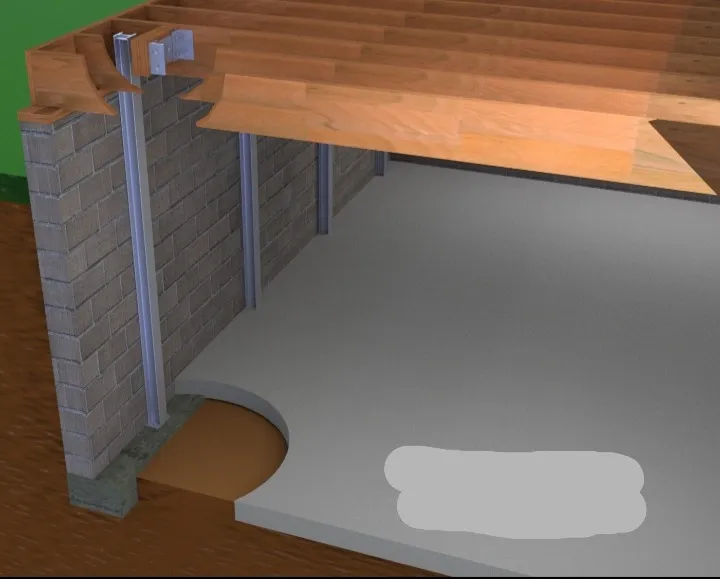
Foundation Wall Replacement
Complete removal and reconstruction of severely damaged foundation walls with new reinforced concrete, drainage, and waterproofing.
Learn MoreTwo Ways to Pay Over Time
12 Months Same As Cash
Pay the full balance within 12 months and you pay no interest.
5 Years at 6.99% APR
A lower monthly payment, spread over 60 months.
On approved credit. Ask for full terms at your free estimate.
Foundation and Waterproofing Services for Ankeny's Newer Construction
Ankeny is one of Iowa's fastest-growing cities, but that explosive growth since the early 2000s means most homes sit on glacial till that hasn't fully consolidated beneath their foundations. Neighborhoods like Prairie Trail and Vintage Heights were built on the Des Moines Lobe's Dows Formation — a 45-to-60-foot-thick layer of clay mixed with glacial sand, gravel, and cobbles deposited over 12,000 years ago. This till has moderate swelling potential, and as homes reach the 5-to-10-year mark, settlement becomes measurable. Stair-step cracks in basement walls, sticky doors, and hairline fractures above windows are showing up across Ankeny's newer housing stock with increasing frequency.
Ankeny's foundation challenges differ from older Des Moines metro communities in a critical way: the housing stock is almost entirely modern poured concrete, but it sits on some of the region's most variable subsurface material. While Sherman Hill and Beaverdale deal with aging stone and block walls, Ankeny homes contend with differential settlement caused by glacial till pockets — areas where sand and gravel lenses drain differently than surrounding clay. Polk County's 42-inch frost depth, deeper than Kansas City's 36 inches, puts more freeze-thaw stress on footings each winter. Combined with a water table that rises to 2-3 feet in spring near low-lying areas, Ankeny homes face hydrostatic pressure from below while snowmelt saturates from above.
JLB's approach in Ankeny accounts for the city's flat glacial plain terrain and uniform modern construction. Most homes here have full basements with poured concrete walls on standard spread footings — which simplifies access but demands precision when addressing settlement on variable till. We use push piers driven through the Dows Formation to reach stable bearing strata, and our interior waterproofing systems are designed for the hydrostatic pressure cycles specific to northern Polk County's spring snowmelt pattern. In the DMACC area and along Delaware Avenue, where lot grading on newer developments sometimes directs surface water toward foundations, we pair French drain systems with sump configurations sized for Ankeny's 36-to-39-inch annual rainfall.
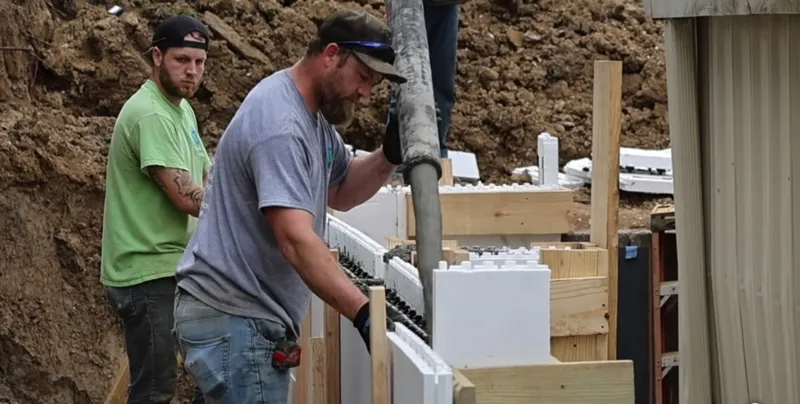
Ankeny at a Glance
Where Does JLB Provide Foundation Repair in Ankeny, IA?
JLB serves homeowners throughout Ankeny and northern Polk County, including Prairie Trail, Delaware Ave, Vintage Heights, and the DMACC area. We also work across the Des Moines metro — from Grimes and Bondurant to Altoona — wherever glacial till creates foundation and waterproofing challenges.
What Happens to Slab Foundations on Polk County's Expansive Clay?
The homes in Ankeny sit on a range of foundation types, each with its own vulnerabilities. Here's what our crews see most often in Polk County.
Poured concrete basement
Poured concrete basements dominate Ankeny's newer housing. These walls are stronger than block but develop shrinkage cracks during curing that become water entry points later. In Polk County's clay soil, hydrostatic pressure exploits every imperfection — especially during the spring thaw and heavy rain seasons.
Slab-on-grade
Many of Ankeny's newer homes sit on slab-on-grade foundations. While cost-effective to build, slabs settle when the clay soil beneath them contracts during dry spells. Cracked tile, uneven floors, and gaps under baseboards are the early signs that the soil has shifted.
Can Newer Ankeny Homes Develop Foundation and Waterproofing Problems?
Most Ankeny homes are less than 20 years old, so foundation problems often look subtle at first. On the Dows Formation glacial till beneath northern Polk County, settlement typically begins 5-10 years after construction. Watch for these signs in your home.
Cracks in basement walls or floors in Ankeny — a sign the clay soil in Polk County is exerting pressure on your foundation
Learn about Foundation Repair →Water entering through hairline cracks or the wall-floor joint after heavy rain — even newer Ankeny basements are vulnerable to hydrostatic pressure from the clay
Learn about Waterproofing →Musty odors, mold, or sagging floors above crawlspaces — in Ankeny's low-lying areas, ground moisture rises into the crawlspace and affects the entire home
Learn about Crawlspace Encapsulation →Doors or windows that suddenly stick or swing open — even newer Ankeny homes experience this when soil settlement shifts the foundation
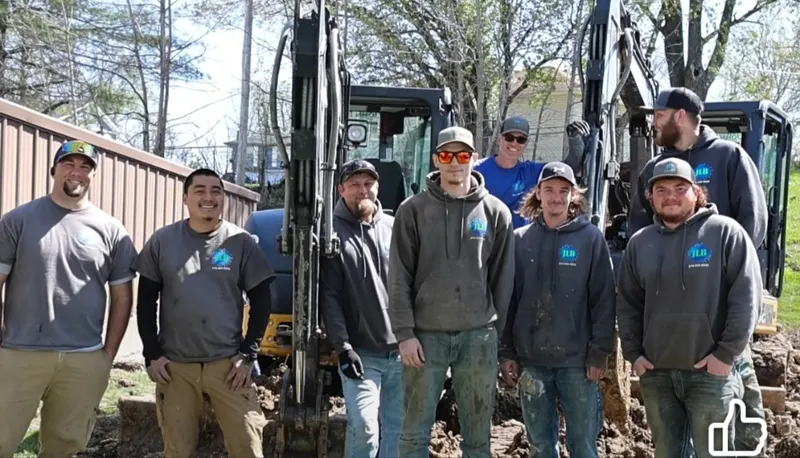
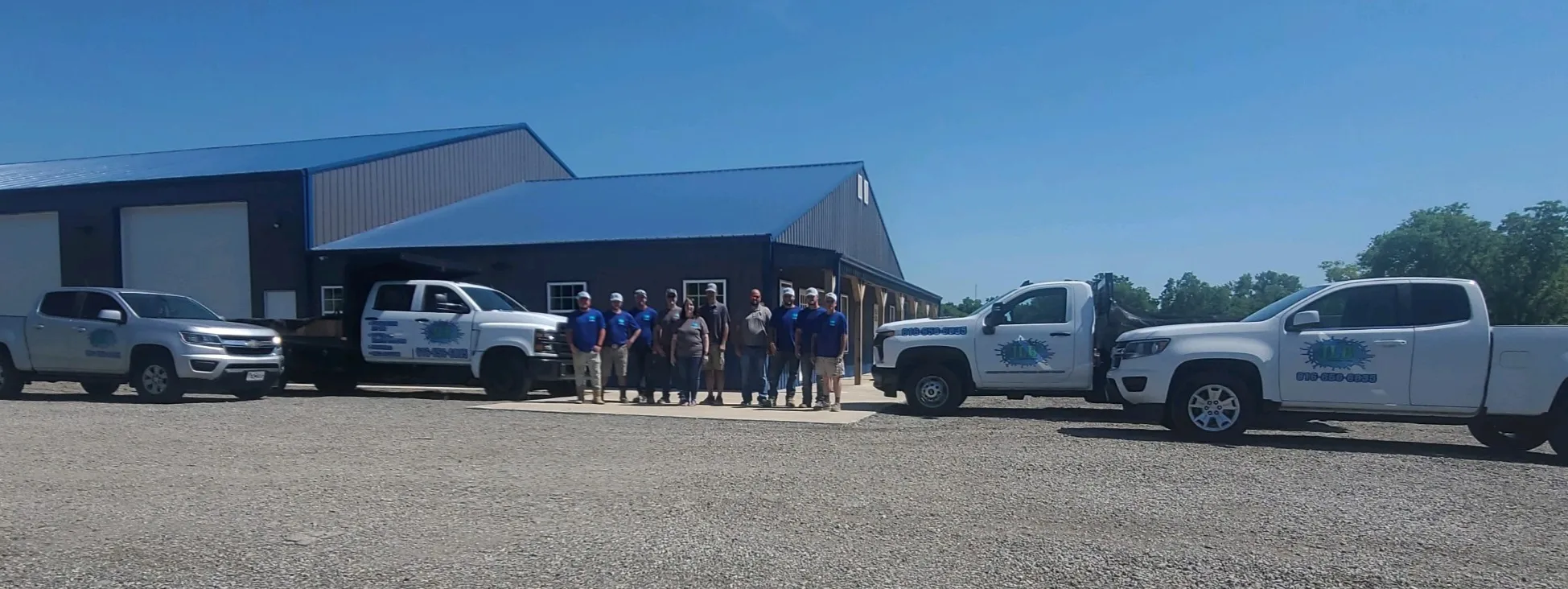
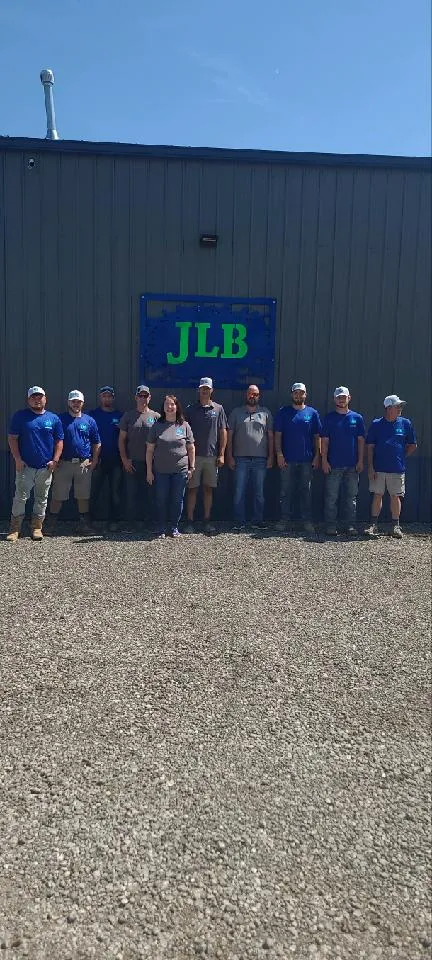
Learn about Foundation Repair →Meet the JLB Team Serving Ankeny and Central Iowa
Numbers That Speak for Themselves
Ankeny Home Showing Cracks? Get a Free Foundation Assessment
If your Ankeny home is 5-15 years old and you're noticing cracks, sticking doors, or damp basement walls, glacial till settlement may be underway. JLB provides free on-site assessments throughout northern Polk County — no pressure, just honest answers about what's happening beneath your foundation.
Not Sure What You're Dealing With?
Click any symptom below to learn what it means, what's likely causing it, and how we can help. Most of these are more common — and more fixable — than you'd think.
Diagonal, stair-step, or horizontal cracks in drywall, plaster, or brick usually trace back to soil movement beneath your foundation. The heavy clay soils in the Kansas City and Des Moines metros expand and contract seasonally, which can shift your foundation over time. The good news: this is very fixable with the right approach.
Water entering through floor joints, wall cracks, or seeping through porous concrete means groundwater pressure is pushing moisture into your basement. An interior drainage system and sump pump can solve this permanently — and we can usually have it done in a day or two.
When a foundation settles unevenly, it can shift your home's frame just enough to make doors and windows bind. This is one of the earlier signs of foundation movement — and catching it early often means a simpler, less expensive repair.
That musty smell is moisture. Up to 40% of the air in your home rises from below — from your crawlspace and basement. If there's excess humidity down there, it affects your whole home. Encapsulation seals it out, and you'll notice the difference in your air quality right away.
Floors that slope toward the center or an exterior wall usually mean the support structure underneath needs attention. Push piers can stabilize your foundation and often lift it back to level — giving your floors a second life.
Water collecting near your foundation means your grading or drainage isn't directing water away effectively. French drains, regrading, extended downspouts, and drain pipes can redirect water away from the house — protecting your foundation for the long haul.
A basement wall that has bowed more than 2 inches inward, shifted off its footing, or shows multiple structural cracks may have moved beyond what bracing can fix. When carbon fiber straps, I-beams, or wall anchors are not enough, the wall needs to be removed and rebuilt with reinforced concrete. This is the last resort — but it is the permanent fix when the wall itself is compromised.
Why Do Ankeny Homeowners Choose JLB Basement Waterproofing & Foundation Repair?
Glacial Till Soil Expertise
Ankeny sits on Des Moines Lobe glacial till — a mix of clay, sand, gravel, and cobbles that behaves unpredictably under foundations. JLB's pier installations account for the variable density of the Dows Formation, driving through inconsistent layers to reach stable bearing strata beneath northern Polk County.
Built for Newer Homes
Most Ankeny homes were built after 2000, and settlement on glacial till typically starts at the 5-to-10-year mark. JLB specializes in catching early-stage problems in modern poured concrete foundations before they escalate — the exact construction type found in Prairie Trail, Vintage Heights, and across Ankeny's growth corridors.
Spring Flooding Solutions Designed Locally
Polk County's spring double-hit — snowmelt from above plus a water table rising to 2-3 feet below grade — is the primary cause of basement flooding in Ankeny. JLB's interior waterproofing systems are sized specifically for this hydrostatic pressure cycle and Ankeny's 36-to-39 inches of annual rainfall.
Deep Frost Depth Knowledge
Ankeny's 42-inch frost depth puts significant freeze-thaw stress on footings every winter — six inches deeper than Kansas City. JLB designs pier placement and waterproofing drainage to account for this deeper frost penetration, protecting your foundation through Polk County's full seasonal cycle.
What Ankeny, IA ZIP Codes Does JLB Cover for Foundation Repair?
What Our Customers Say
"We had cracks running up our walls and doors that wouldn't close. JLB came out, explained exactly what was happening with the soil under our house, and had the piers installed in two days. Floors are level again. Wish we hadn't waited so long."
"Three other companies gave us the runaround. JLB showed up, did a thorough inspection, and gave us a straight answer. The repair held up through an entire Missouri winter with zero new cracking."
"Our crawlspace was a mess — moisture, mold, the works. JLB encapsulated it AND spray-foamed our basement in the same project. The difference in our home's air quality is incredible. Great value for the price."
Real Team. Real Work.
Right Here in Kansas City & Des Moines.
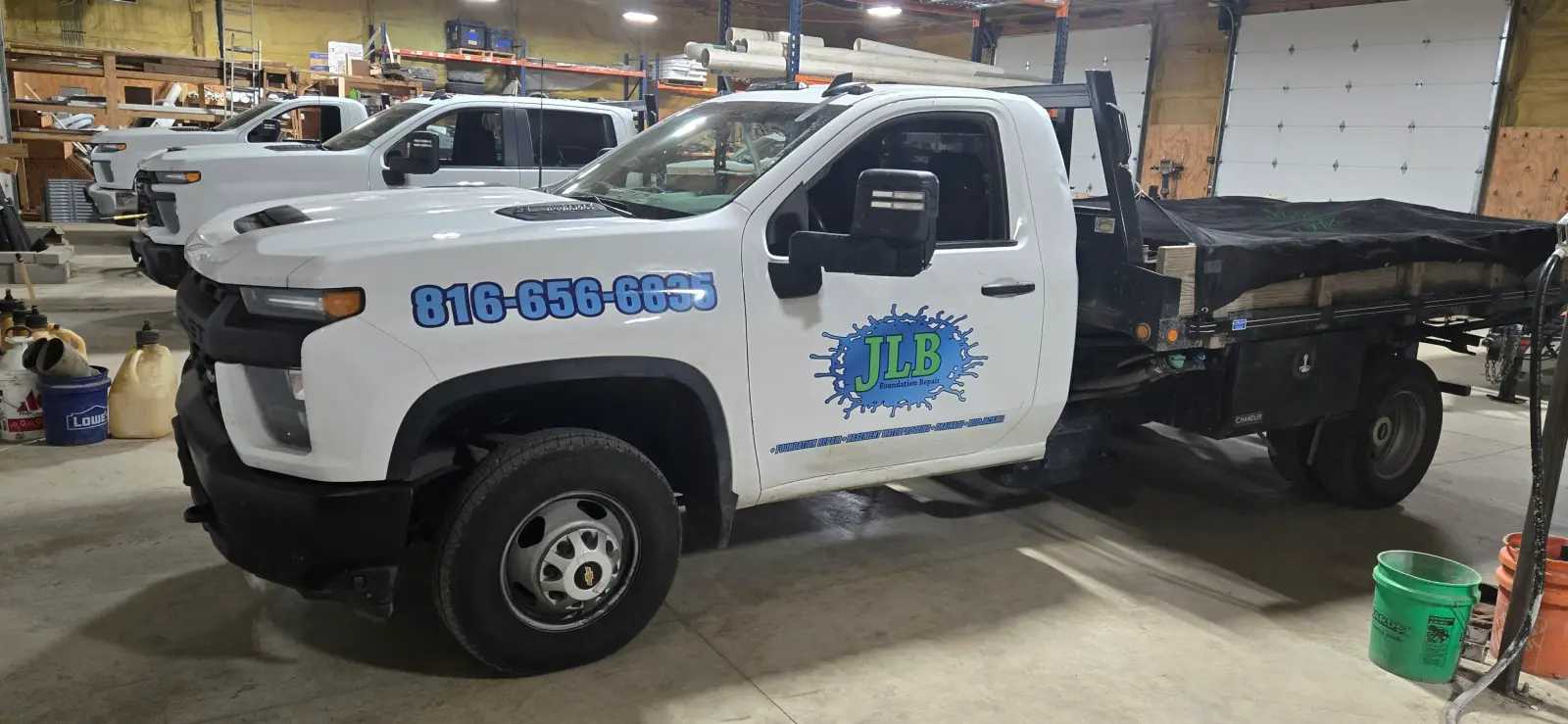
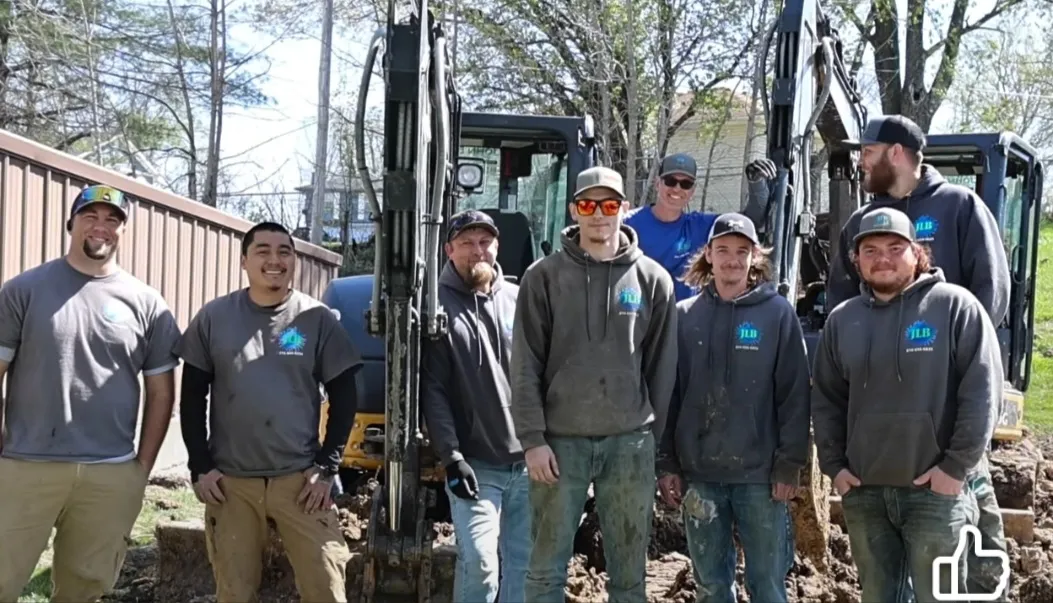
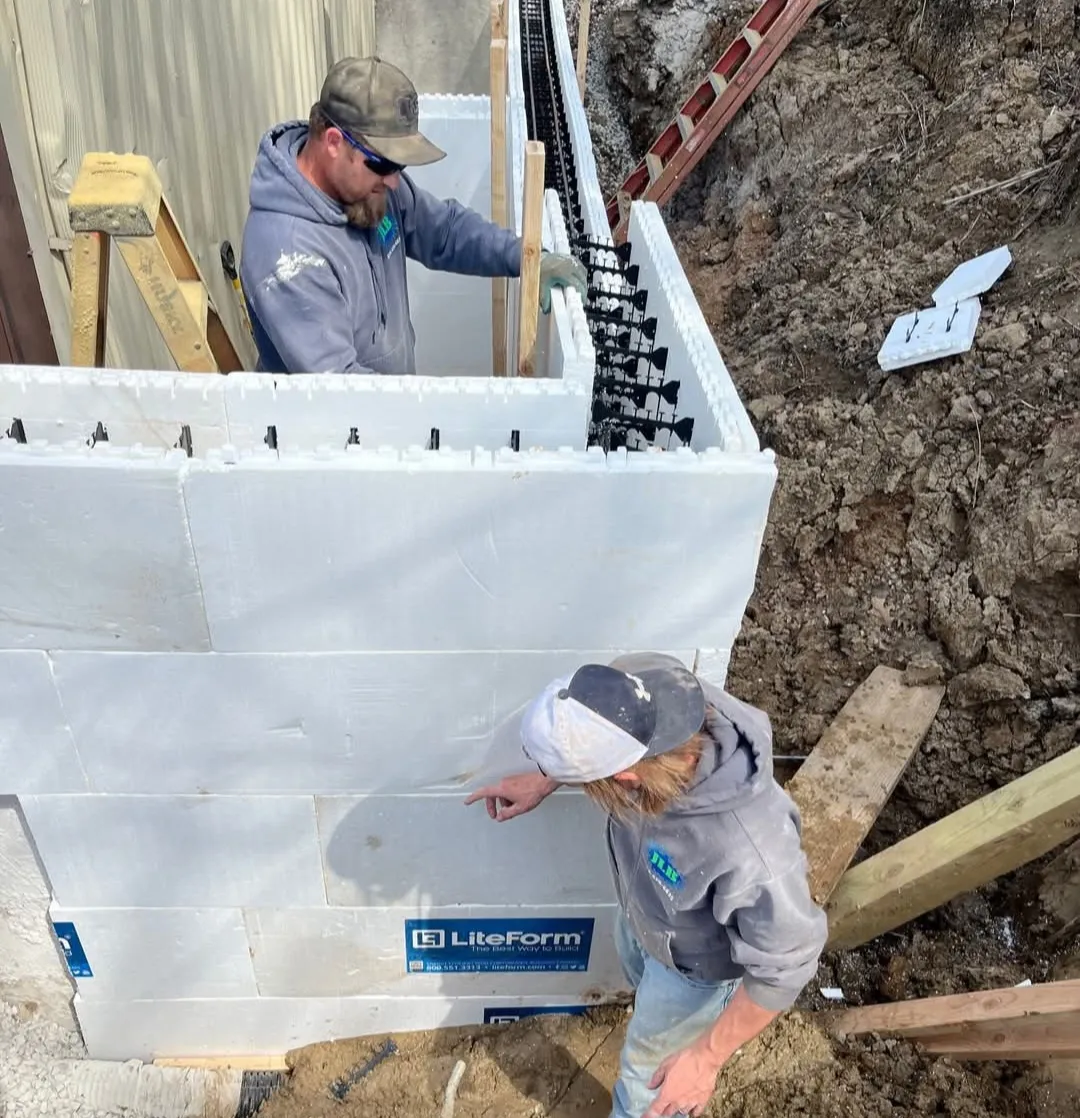
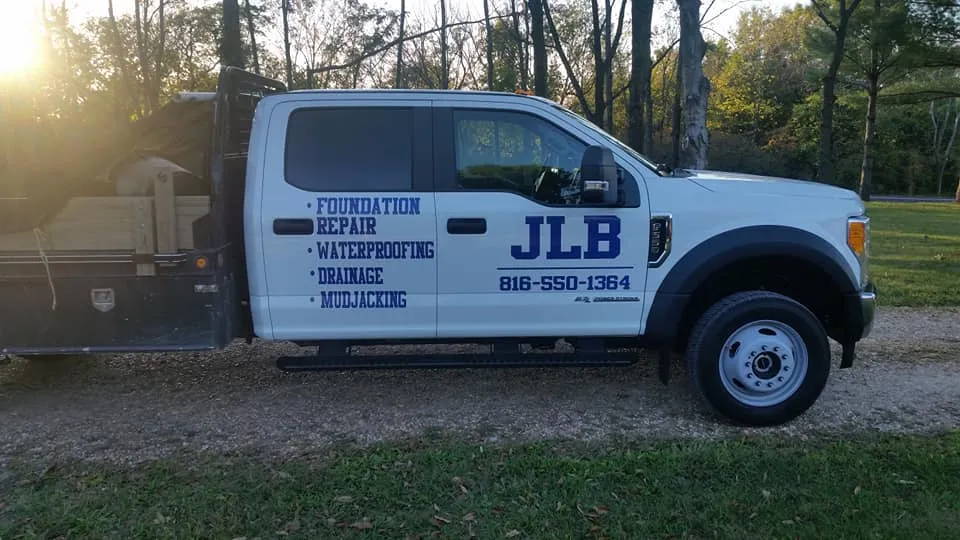
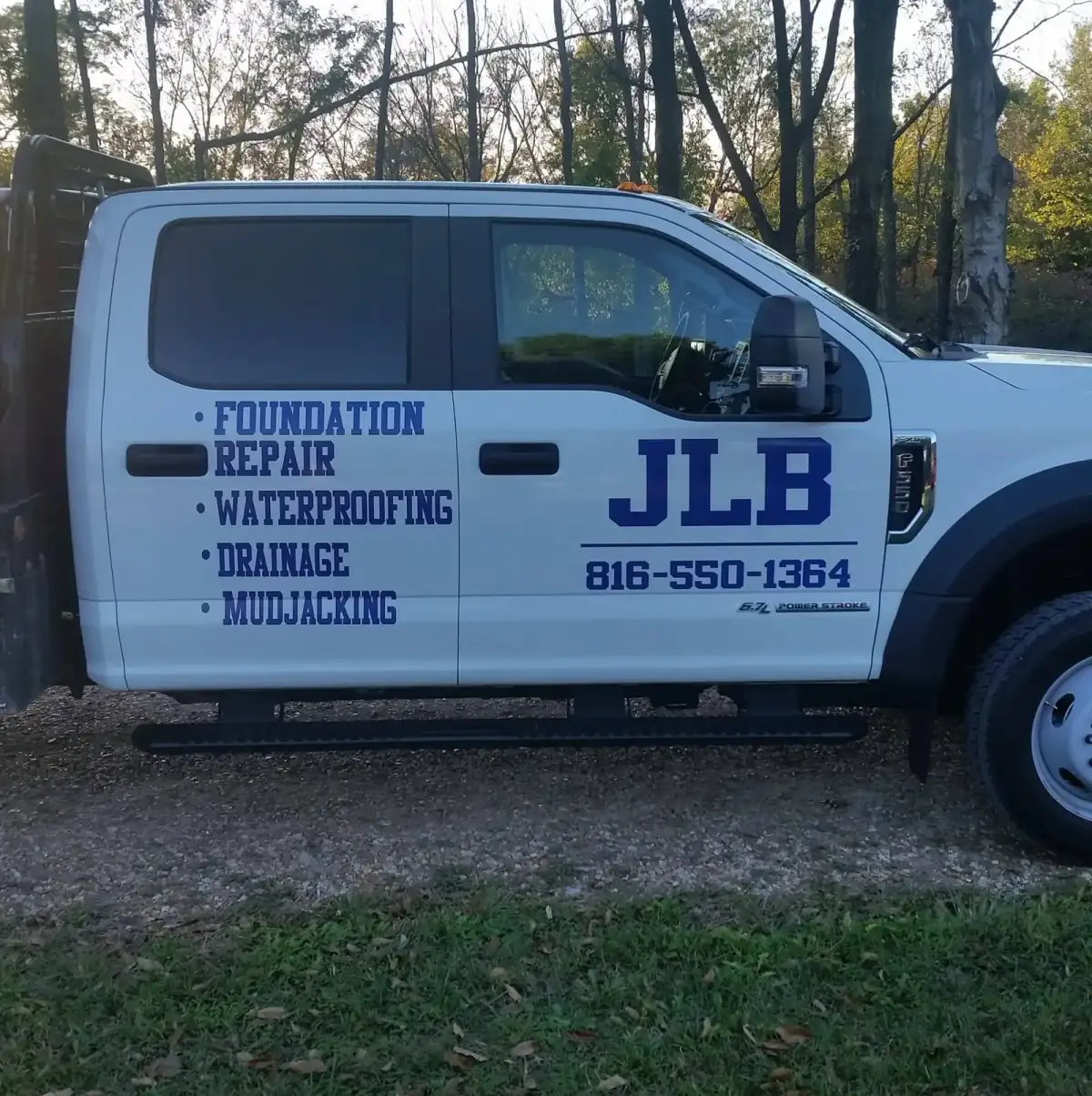
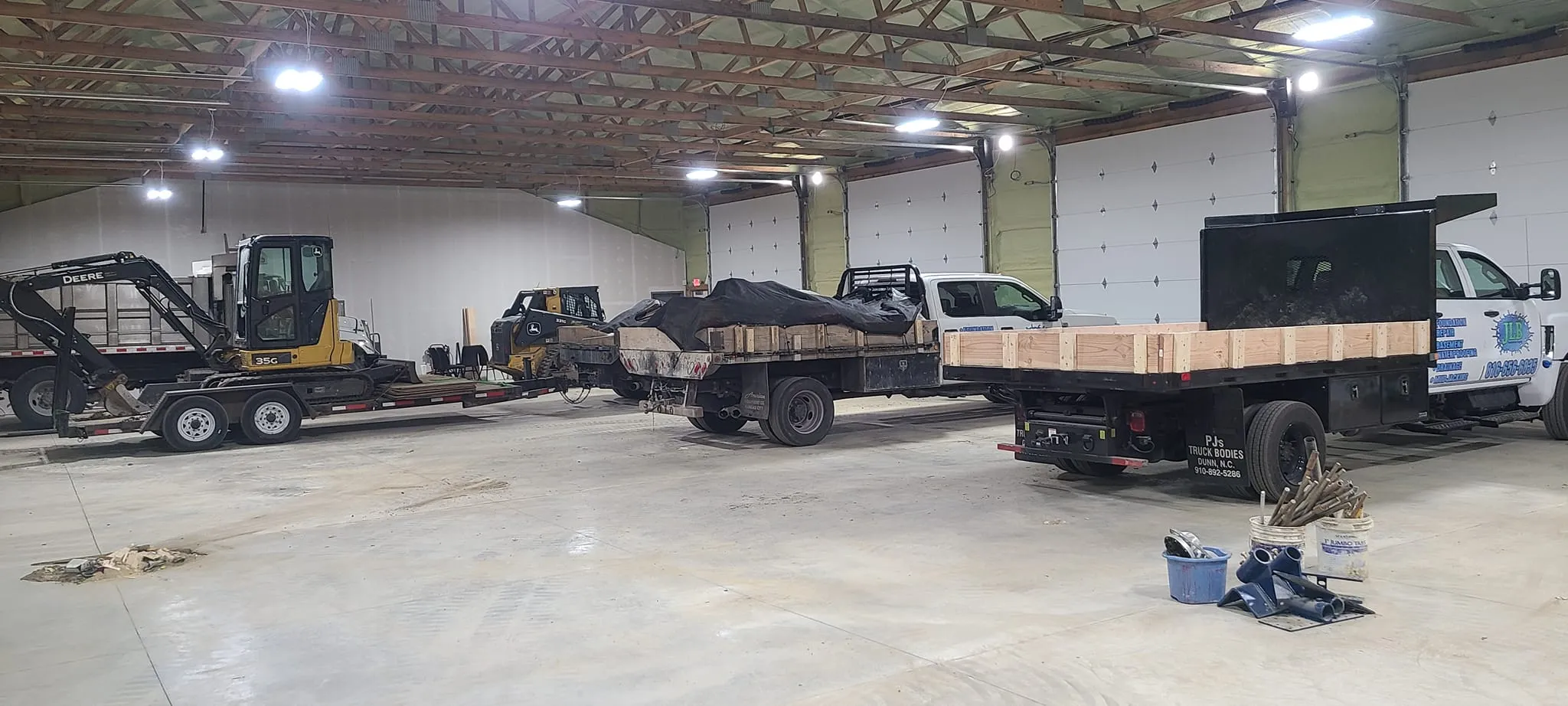
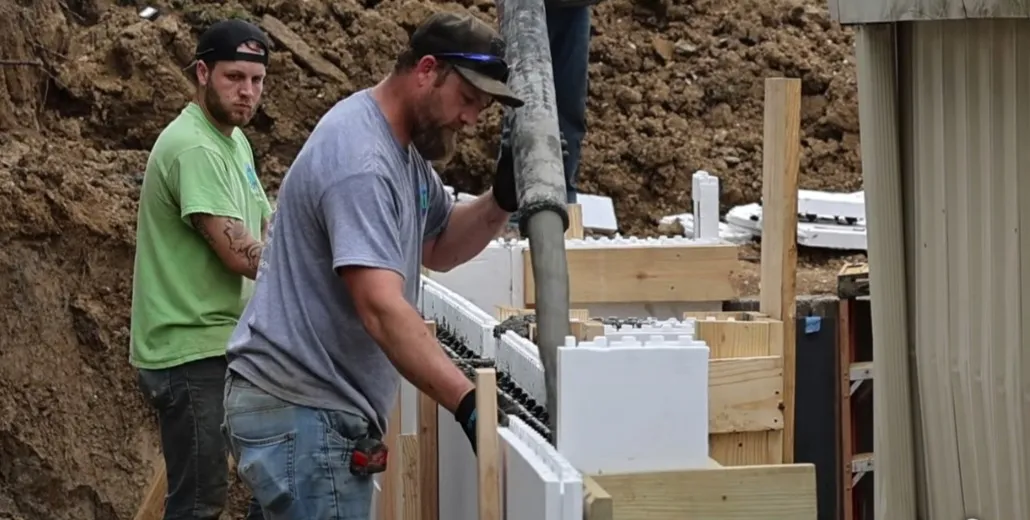
Real Projects. Real Results.
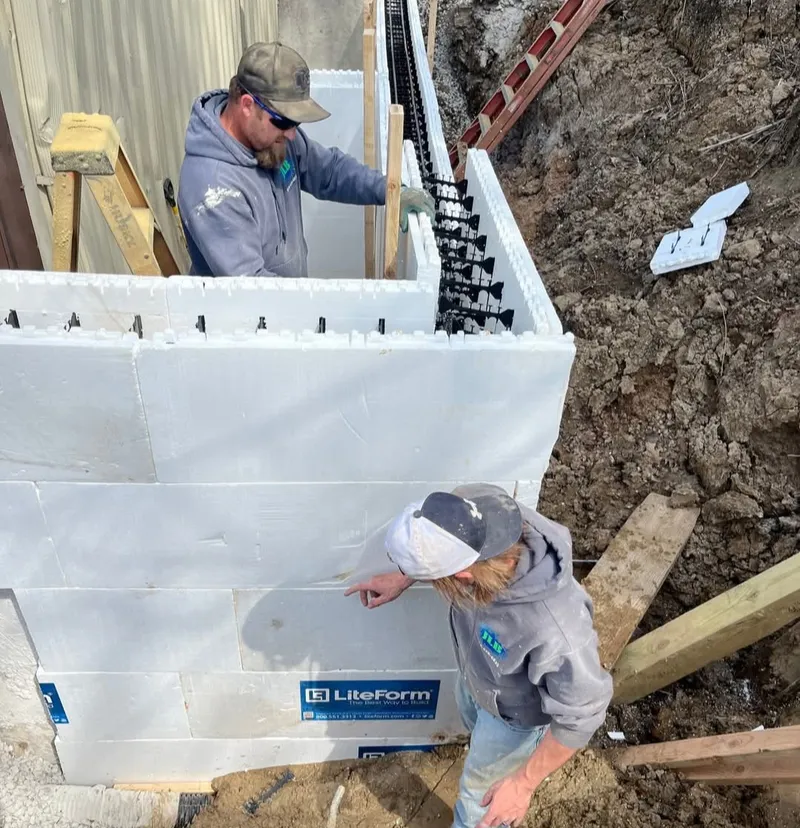
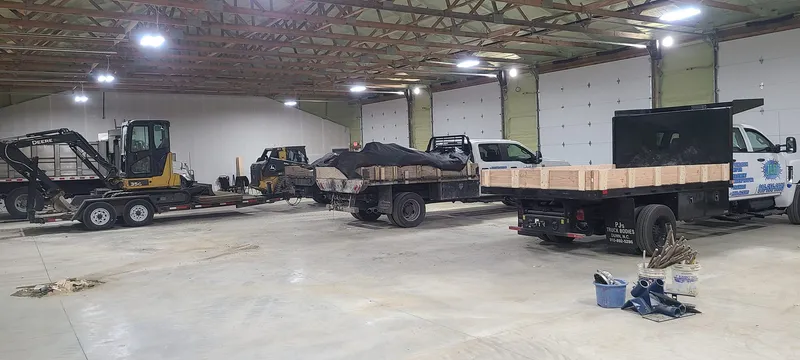
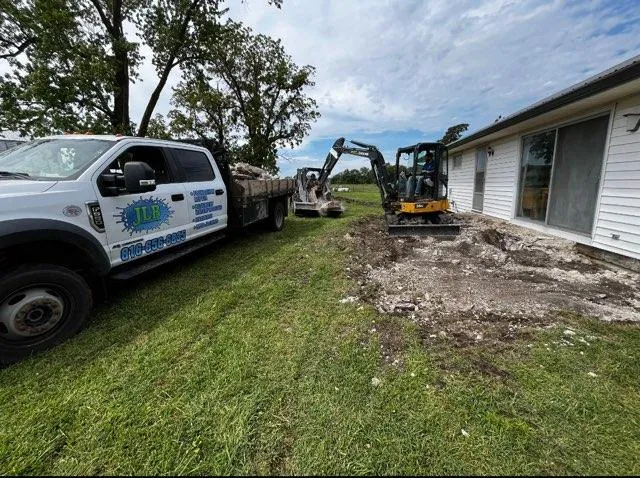
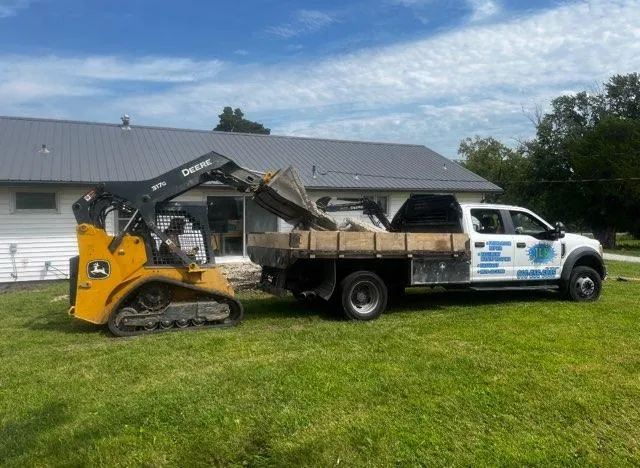
Every photo is from an actual JLB job site — not a stock photo. See the work we do every day across Kansas City and Des Moines.
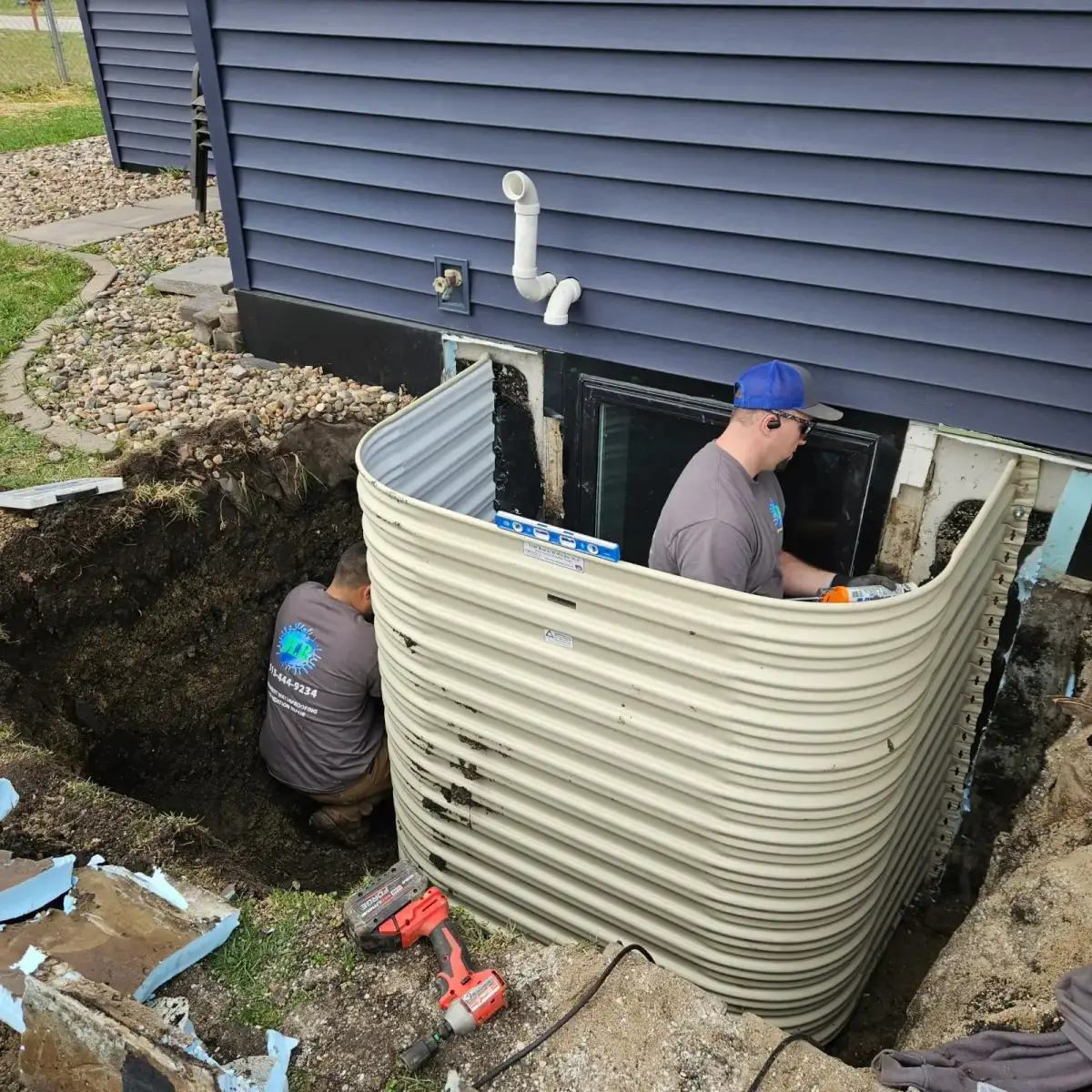
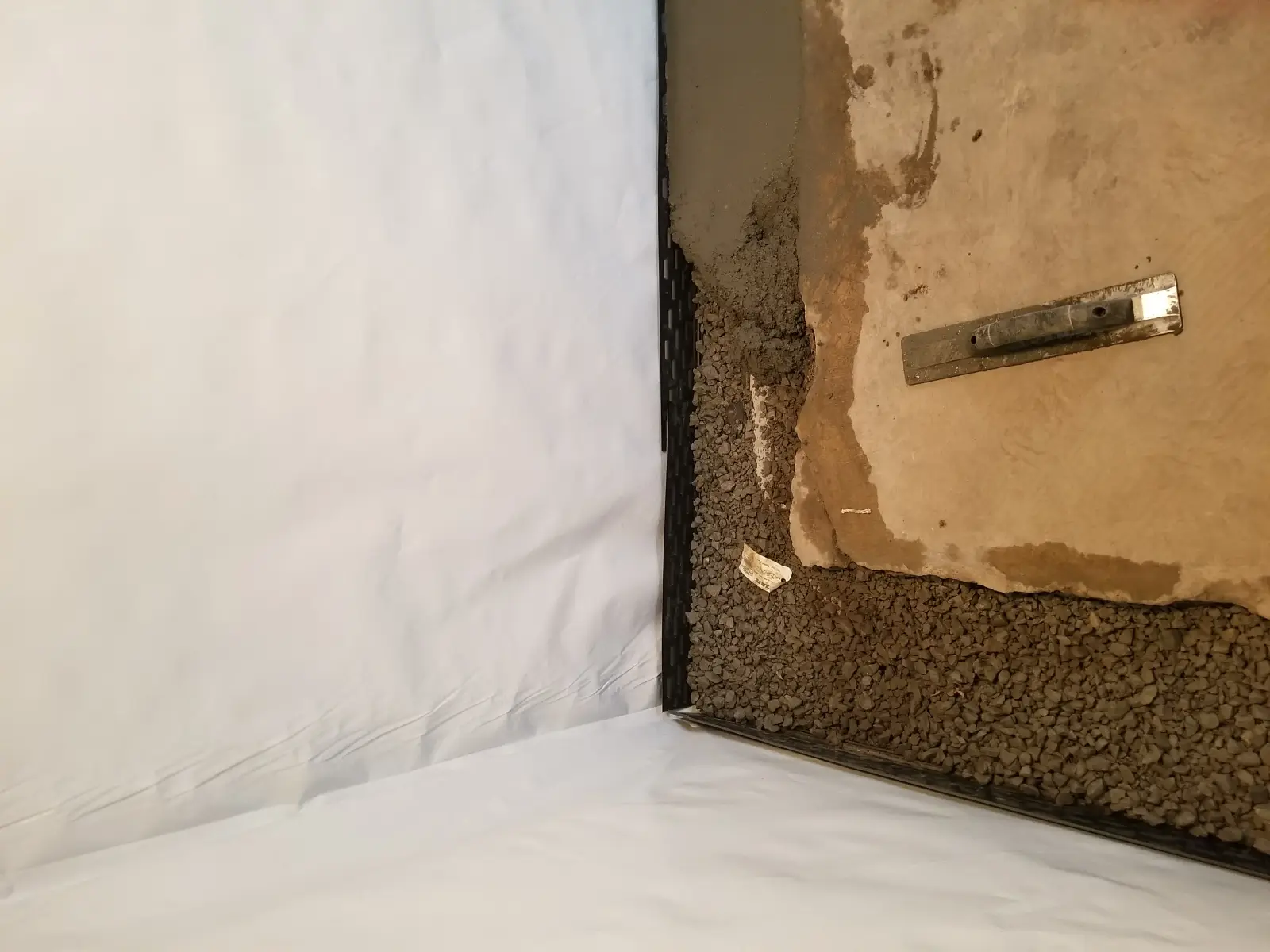
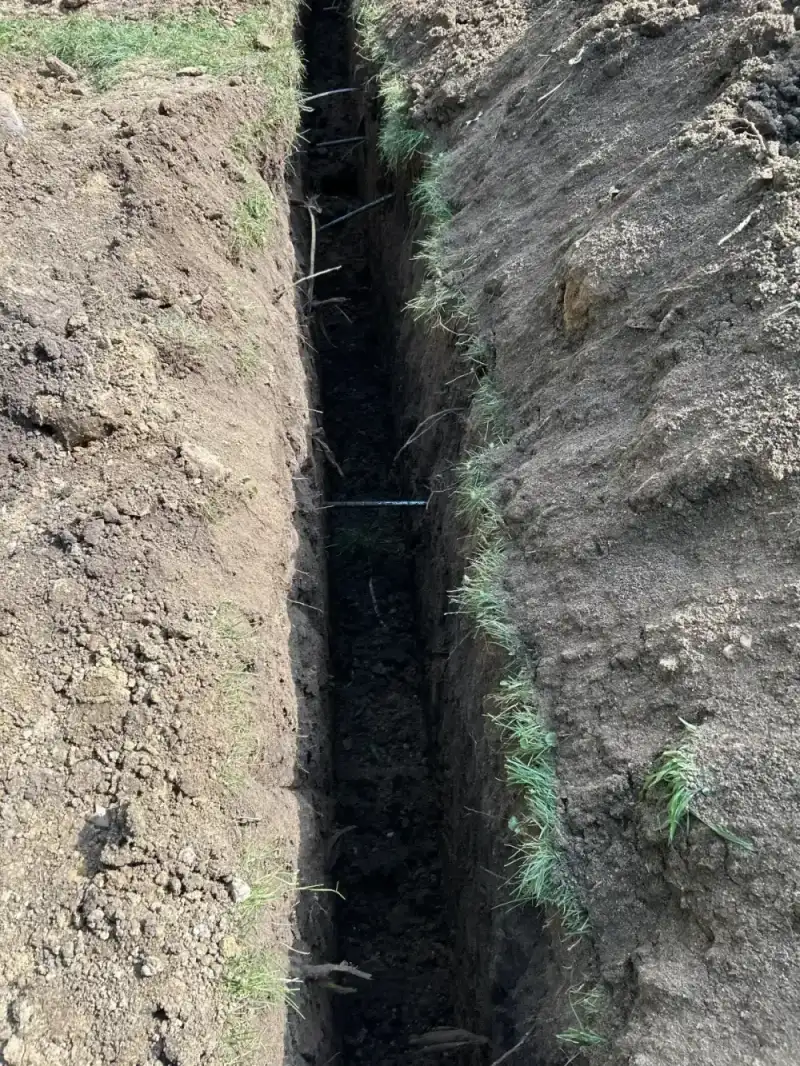
Two Ways to Pay for It
12 Months Same As Cash
Pay the full balance within 12 months and you pay no interest.
Best if you can pay it off within a year.
5 Years at 6.99% APR
A lower monthly payment, spread over 60 months.
Best for bigger projects.
On approved credit. Ask for full terms at your free estimate.
Foundation Repair & Waterproofing Questions for Ankeny Homeowners
Ankeny's explosive growth since the early 2000s placed thousands of homes on the Dows Formation glacial till — a 45-to-60-foot layer of mixed clay, sand, gravel, and cobbles deposited by the Des Moines Lobe over 12,000 years ago. Unlike uniform clay soils, this till contains variable-density pockets. When sand or gravel lenses beneath a footing drain or compact differently than the surrounding clay, one section of your foundation settles while another doesn't. This differential settlement typically becomes visible 5-10 years after construction. In neighborhoods like Prairie Trail and Vintage Heights, where grading was done on relatively flat terrain, the initial compaction may have seemed adequate, but the glacial till continues to consolidate under the sustained load of the structure. Push piers driven to stable bearing strata — typically costing $1,250 to $2,500 per pier in Polk County — can halt and reverse this settlement.
Ankeny homeowners are often surprised by wet basements in late February through April with little recent rainfall. The cause is Polk County's spring double-hit mechanism: snowmelt saturates the ground surface while the subsurface remains partially frozen, preventing downward drainage. Simultaneously, the water table in northern Polk County rises from its typical 4-10 foot depth to as shallow as 2-3 feet in low-lying areas. This creates hydrostatic pressure against your basement walls and floor slab from below. Your sump pump may run constantly but can't keep up because the water isn't entering from a single point — it's pressing against every square inch of your foundation. An interior French drain system, typically $4,000-$7,000 in the Ankeny area, captures this hydrostatic water before it reaches your living space and routes it to a properly sized sump system designed for glacial till moisture conditions.
Iowa's 42-inch frost depth is six inches deeper than Kansas City's 36-inch line, meaning the soil around your Ankeny foundation freezes and thaws through a larger volume each year. On the glacial till beneath neighborhoods like Delaware Avenue and the DMACC area, this freeze-thaw cycle has an outsized effect because the till's clay component holds moisture that expands when frozen. Each winter, the upper 3.5 feet of soil around your footings swells outward, and each spring it contracts — creating lateral pressure cycles that can bow basement walls over time. Newer Ankeny homes with poured concrete walls resist this better than the block walls found in older Des Moines neighborhoods, but after 15-20 years of cycling, even poured walls can develop horizontal cracks at the frost line. JLB accounts for this deeper frost penetration when designing wall stabilization and drainage systems.
Crawlspace homes in Ankeny face a specific combination of challenges: the 42-inch frost depth means crawlspaces get colder than in milder climates, leading to cold floors and higher heating costs. Meanwhile, the glacial till beneath your home holds moisture year-round, releasing it as vapor into your crawlspace regardless of the season. Without encapsulation, this moisture condenses on cold surfaces, promotes mold growth, and degrades floor joists and insulation. JLB uses a dual-seal approach in Ankeny — sealing both the crawlspace and any connected basement areas — because moisture migrates between these spaces through rim joists and shared walls. Encapsulation in Polk County typically runs $5,000 to $15,000 depending on square footage and existing conditions. For Ankeny homes built in the 2000s-2010s, many crawlspaces have builder-grade vapor barriers that have failed, making encapsulation a practical upgrade rather than an emergency repair.
Ankeny's flat glacial plain actually makes drainage problems worse, not better. Hilly terrain creates natural runoff paths, but on Ankeny's level lots — especially in newer developments like Prairie Trail and Vintage Heights — surface water has nowhere obvious to go and tends to pool near foundations. The Dows Formation glacial till beneath Ankeny drains slowly because its clay content ranges from 35-42% in the subsoil, particularly in the Sharpsburg and Otley soil series found on upland positions. Even homes with functioning gutters and proper grading often accumulate subsurface water against foundation walls because the till won't absorb it fast enough. A French drain system intercepts this water before it creates hydrostatic pressure against your basement walls. In northern Polk County, we typically install these systems with sump pumps rated for the spring snowmelt surge, when groundwater rises dramatically over just a few weeks.
In Ankeny, waiting almost always costs more. The Dows Formation glacial till beneath Polk County doesn't stop consolidating on its own — once differential settlement begins, typically at the 5-to-10-year mark on newer homes, it continues until the load-bearing conditions change. A hairline stair-step crack in your basement wall today can become a quarter-inch gap with water infiltration within two to three years. More importantly, settlement that starts at one corner of your foundation often shifts stress to other areas, causing secondary cracking in walls, brick veneer, and interior finishes. Push pier installation in Ankeny currently costs $1,250-$2,500 per pier, but a project that requires four piers today may require eight if settlement is allowed to progress. JLB provides free inspections throughout Ankeny — we'll tell you honestly whether your cracks indicate active settlement on the glacial till or are simply normal concrete curing in a home under 20 years old.
Schedule Your Free Ankeny Foundation Inspection
Whether you're in Prairie Trail, Vintage Heights, or near DMACC, JLB will assess your home's foundation and waterproofing needs on-site. We'll explain exactly what Polk County's glacial till is doing beneath your home and what it means for your specific situation.
Our Locations
We're always close enough to help — our crews are local to your area.
JLB Basement Waterproofing & Foundation Repair — Des Moines
97 Indiana Ave Suite #1Des Moines, IA, 50314(515) 717-8560 View on Google Maps
Stop the Damage. Get Answers Today.
A free estimate takes 45 minutes and tells you exactly what's going on under your house — and exactly what it takes to fix it.