Johnston IA Basement Waterproofing for Lakeside Poured Foundations
Serving Johnston and Polk County with 5 specialized foundation and waterproofing services — local crews, engineered repairs, and every estimate is free.
Free 45-Minute Analysis + Written Report
Get a precise analysis of your foundation and waterproofing situation, and a clear estimate on what any fixes or corrections might cost.
Takes 30 seconds. We'll call within 24 hours.
Thank You!
We'll be in touch within 24 hours.
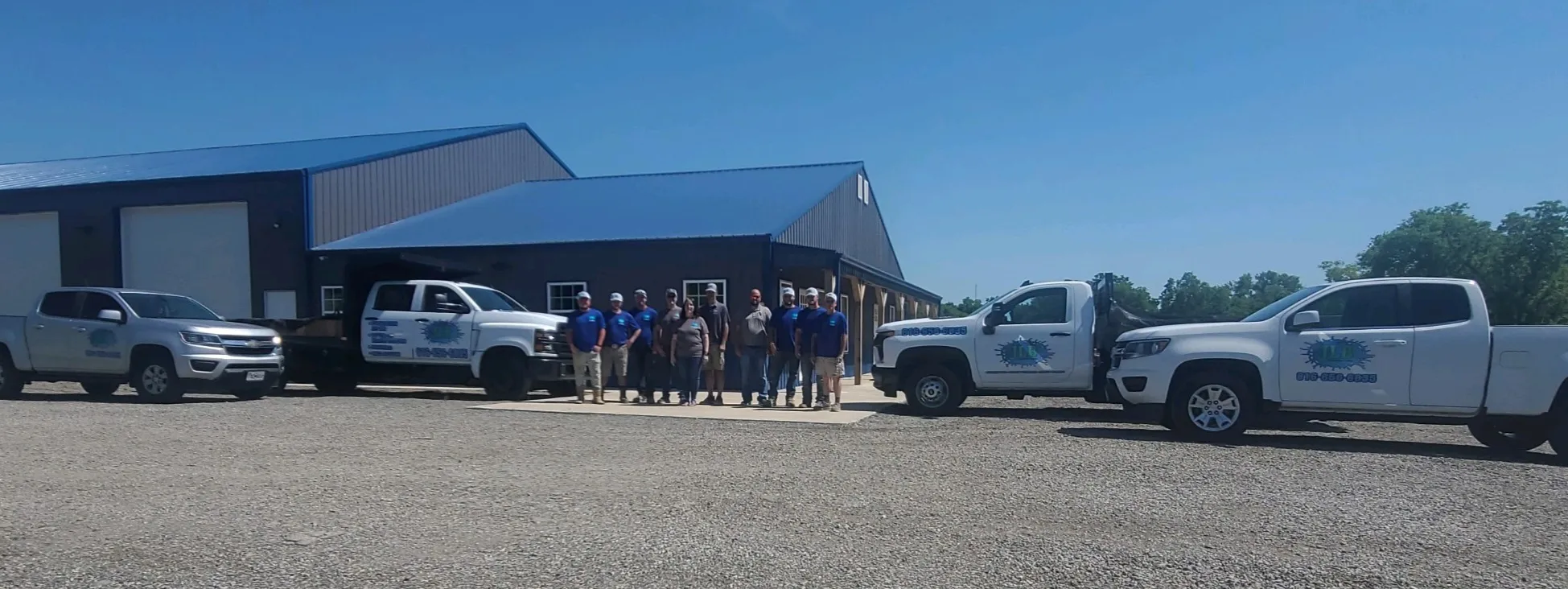
Meet the Team Serving Johnston
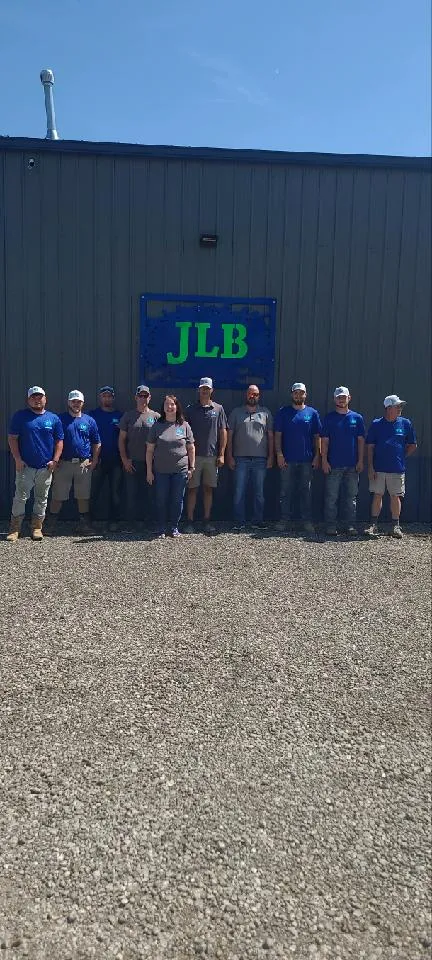
JLB Foundation Repair is a local company — not a franchise. We serve Johnston and the surrounding Des Moines metro with foundation repair, waterproofing, crawlspace encapsulation, and drainage solutions. Watch to learn who we are and how we work.
Watch Our Work in Johnston
Foundation Repair and Waterproofing Services in Johnston
Every foundation problem has a permanent fix. We use engineered systems — not quick patches — backed by transferable warranties and decades of field experience.
Foundation Repair
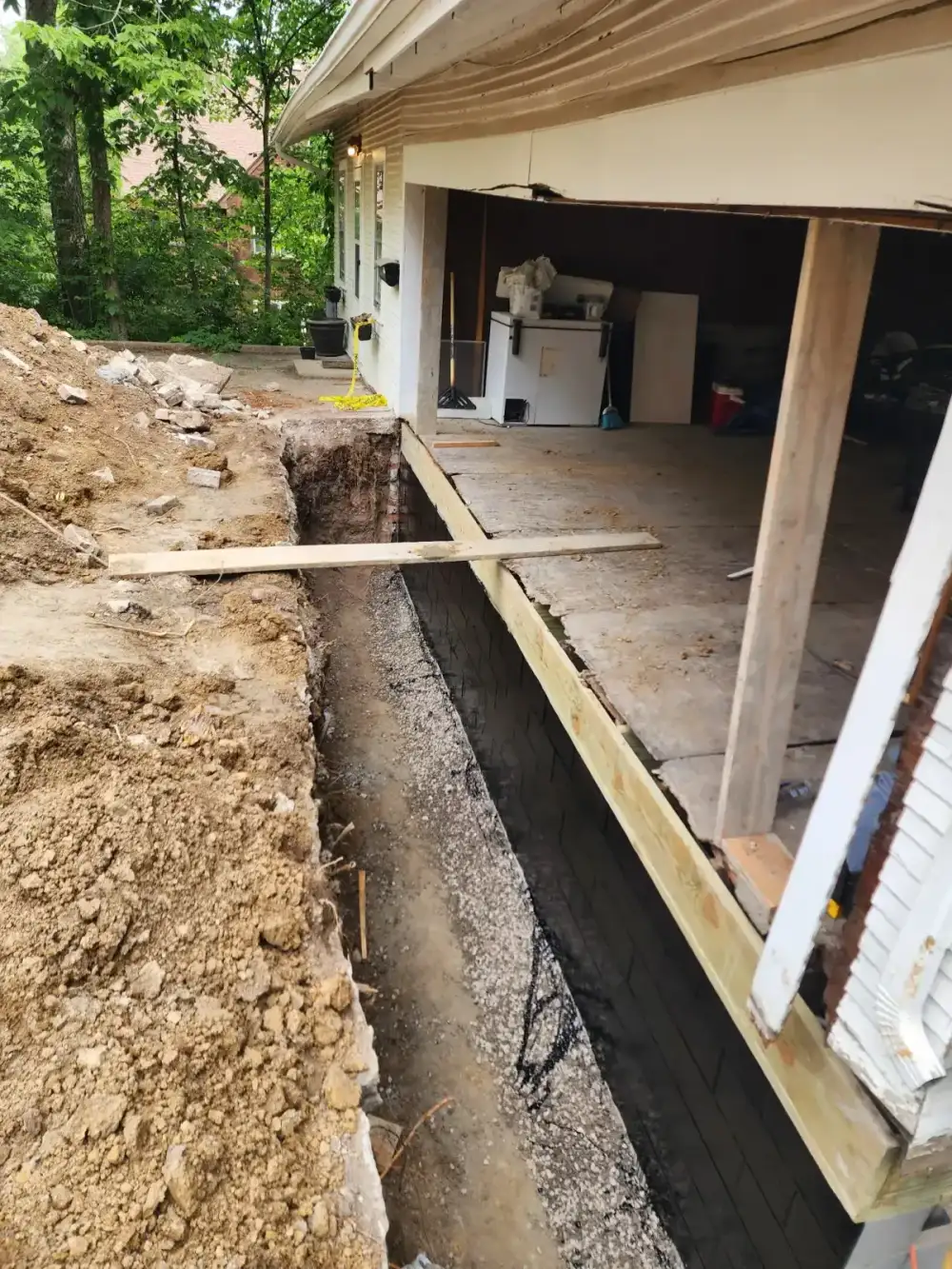
Steel push piers and wall anchors to stabilize and lift settling foundations. Stop the cracks, level the floors, save the home.
Learn More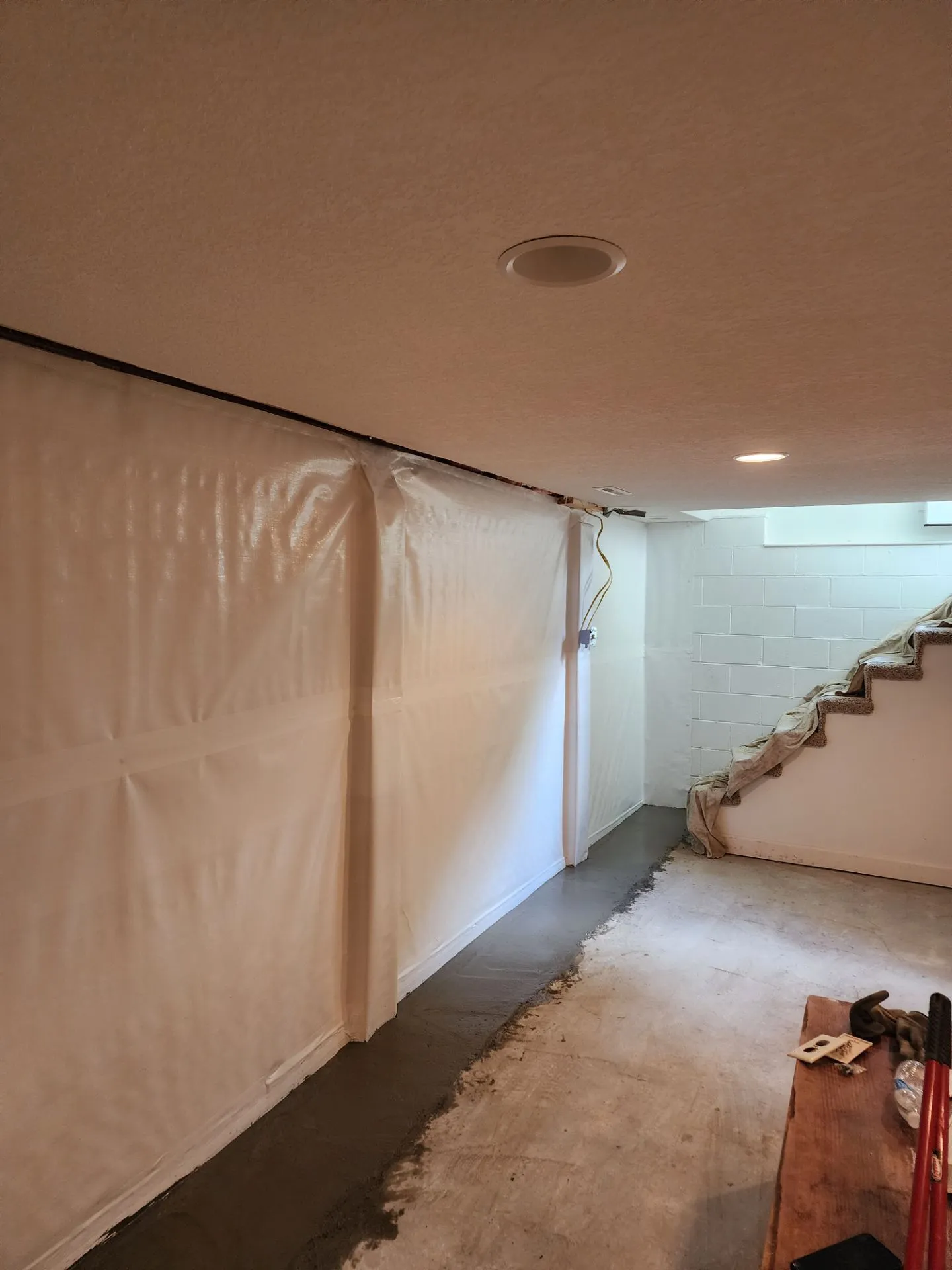
Basement Waterproofing
Interior drainage systems, sump pumps, and vapor barriers to keep your basement permanently dry. No more water. No more worry.
Learn More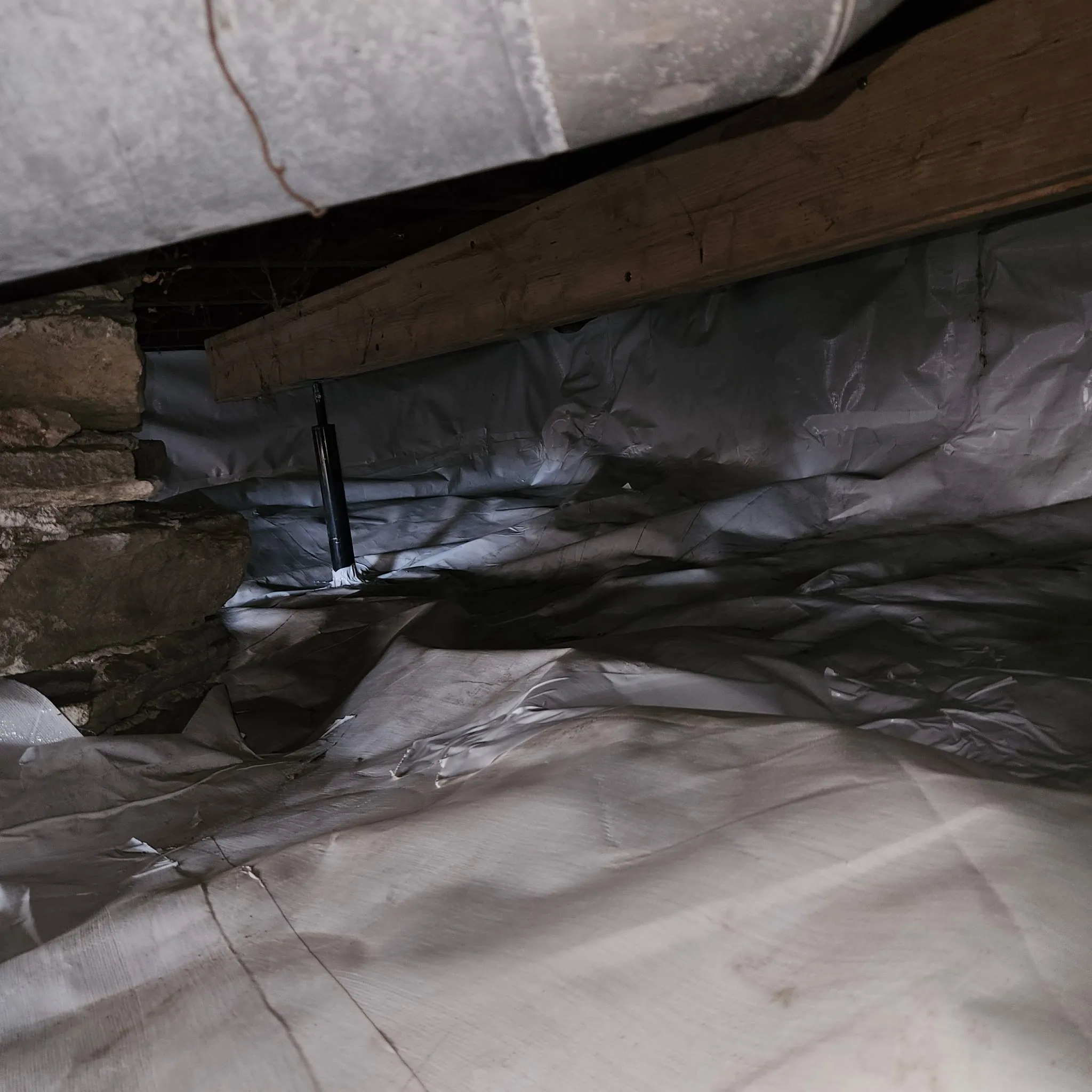
Crawlspace Encapsulation
Full encapsulation with spray foam for BOTH crawlspace and basement — twice the protection competitors offer, at a lower cost.
Learn More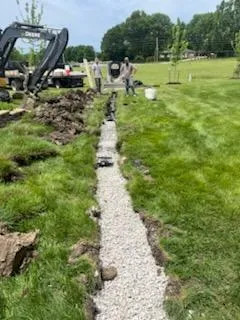
French Drains & Drainage
French drains, extended downspouts, regrading, and drain pipes to redirect water away from your foundation permanently.
Learn More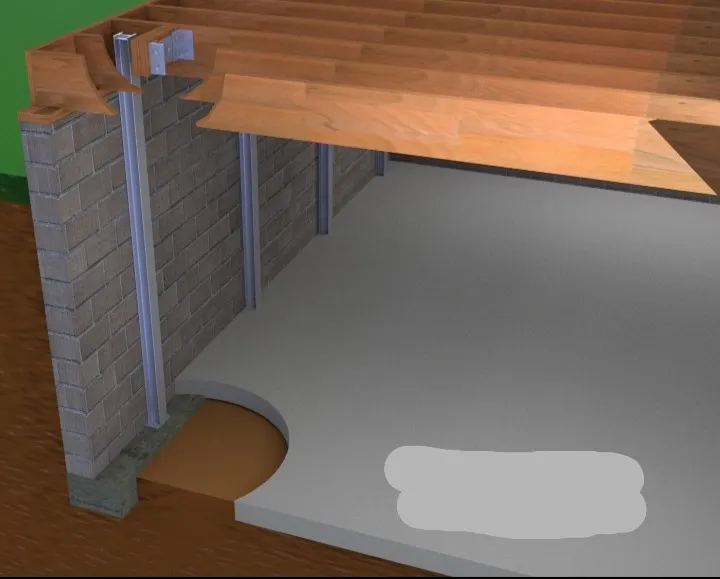
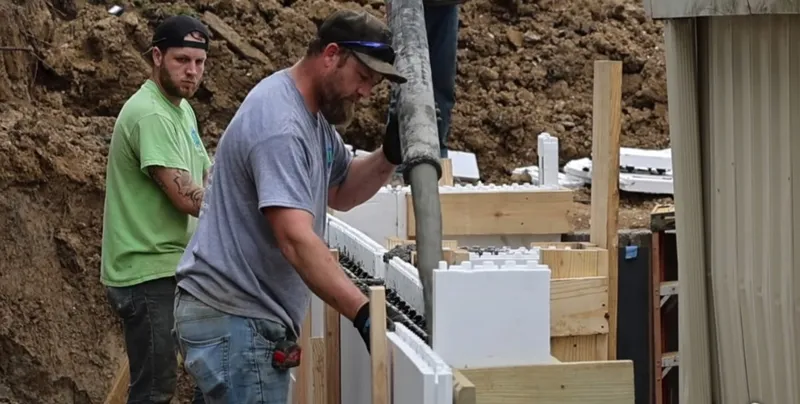
Foundation Wall Replacement
Complete removal and reconstruction of severely damaged foundation walls with new reinforced concrete, drainage, and waterproofing.
Learn MoreTwo Ways to Pay Over Time
12 Months Same As Cash
Pay the full balance within 12 months and you pay no interest.
5 Years at 6.99% APR
A lower monthly payment, spread over 60 months.
On approved credit. Ask for full terms at your free estimate.
What Foundation and Waterproofing Services Are Available in Johnston?
Johnston homes sit squarely on the Des Moines Lobe's glacial till — a dense mix of clay, sand, gravel, and cobbles from the Dows Formation that extends 45 to 60 feet below the surface. This layered till behaves unpredictably, holding moisture in its clay fraction while allowing water to migrate through gravel pockets. Homes along NW Beaver Drive and throughout the Pioneer Parkway corridor, largely built between the 1980s and 2000s, are now reaching the age where original waterproofing membranes have degraded and settlement patterns become visible. With 36 to 39 inches of annual rainfall funneling through the Beaver Creek watershed, hydrostatic pressure against basement walls is the primary cause of water intrusion in Polk County basements.
Johnston's foundation challenges differ from other Des Moines metro communities in several key ways. The city's position within the Beaver Creek drainage basin means water doesn't just come from above — it moves laterally through glacial till toward the creek, pressuring foundations from the side. Iowa's 42-inch frost depth, six inches deeper than Kansas City's, drives freeze-thaw cycling deeper into the soil around footings, creating heave stress that cities with shallower frost lines never experience. The Sharpsburg, Otley, and Ladoga soil series found on Johnston's uplands carry 35 to 42 percent clay in the subsoil, generating moderate swelling that shifts poured concrete walls seasonally. Spring snowmelt over still-frozen subsurface layers creates a double hit: surface water can't percolate down while the water table simultaneously rises to within two to three feet of the surface.
JLB approaches every Johnston project by first evaluating where the home sits within the Beaver Creek watershed and how glacial till drainage patterns affect the specific lot. Homes near Camp Dodge face different groundwater movement than those on the higher ground along Pioneer Parkway, and our crews adjust accordingly. For waterproofing, we account for hydrostatic pressure driven by Johnston's spring water table rise, installing interior drainage systems designed to handle both lateral till seepage and rising groundwater simultaneously. For foundation repair, we factor in the 42-inch frost depth when specifying pier depth and footing reinforcement. Our dual-seal encapsulation method addresses both crawlspace and basement moisture pathways — critical in Johnston where glacial till keeps ground damp year-round beneath homes.
Johnston at a Glance
Foundation Repair Coverage Across Johnston's River-Adjacent Neighborhoods
JLB serves all of Johnston and surrounding Polk County, including NW Beaver Drive, Camp Dodge, and Pioneer Parkway. Our crews work throughout the Beaver Creek watershed corridor and the broader Des Moines metro, with equipment and techniques matched to Johnston's glacial till conditions and local drainage patterns.
How Does Polk County's Glacial Till Affect Johnston Foundations?
The homes in Johnston sit on a range of foundation types, each with its own vulnerabilities. Here's what our crews see most often in Polk County.
Poured concrete basement
Poured concrete basements throughout Johnston are strong, but they're in a tough spot — Polk County's clay soil and the area's high water table create persistent hydrostatic pressure. Cracks that start as hairline fractures become active water channels once the soil is fully saturated during spring thaw.
What Foundation and Basement Warning Signs Appear in Johnston Homes?
Johnston homes built in the 1980s through 2000s on Polk County glacial till develop warning signs that reflect both the moderate swelling clay and the Beaver Creek watershed's seasonal hydrostatic pressure. Here's what to watch for in your home.
Vertical or diagonal cracks in Johnston's poured concrete walls — hairline cracks that grow wider as Polk County's clay continues to shift
Learn about Foundation Repair →Water pooling in your basement after rain or snowmelt — Johnston's proximity to waterways and high water table make basement moisture a persistent challenge
Learn about Waterproofing →Musty odors, mold, or sagging floors above crawlspaces — in Johnston's low-lying areas, ground moisture rises into the crawlspace and affects the entire home
Learn about Crawlspace Encapsulation →Doors, windows, or cabinets that stick, jam, or don't close properly — a common sign of foundation movement in Johnston homes
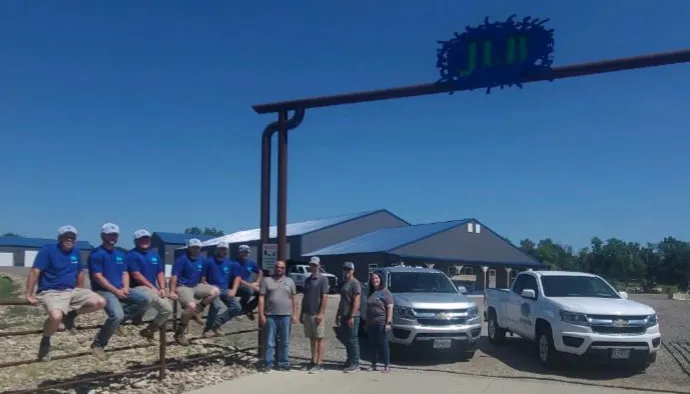
Learn about Foundation Repair →Meet the JLB Team Serving Johnston and Central Iowa
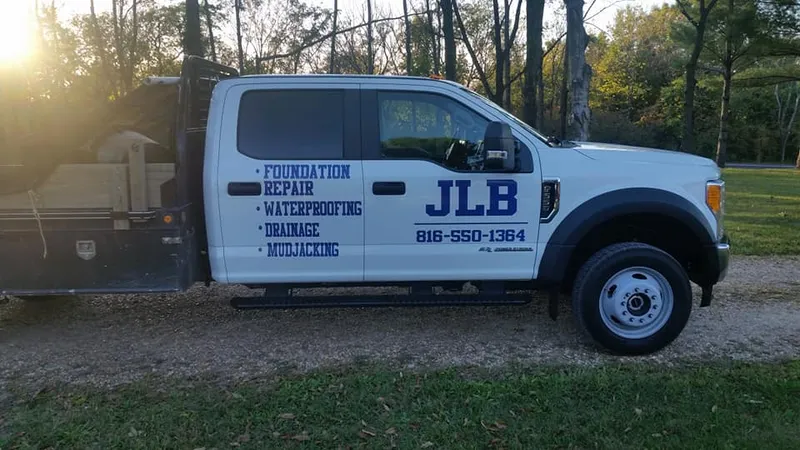
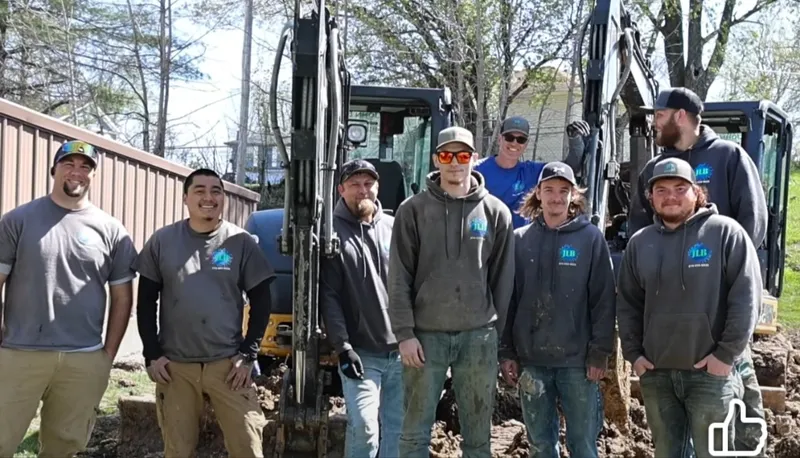
Numbers That Speak for Themselves
Beaver Creek Watershed Putting Pressure on Your Johnston Foundation?
Spring water table levels in Johnston can rise to within two to three feet of the surface, pushing against your basement walls from below while snowmelt presses from above. Schedule a free assessment before seasonal damage compounds.
Not Sure What You're Dealing With?
Click any symptom below to learn what it means, what's likely causing it, and how we can help. Most of these are more common — and more fixable — than you'd think.
Diagonal, stair-step, or horizontal cracks in drywall, plaster, or brick usually trace back to soil movement beneath your foundation. The heavy clay soils in the Kansas City and Des Moines metros expand and contract seasonally, which can shift your foundation over time. The good news: this is very fixable with the right approach.
Water entering through floor joints, wall cracks, or seeping through porous concrete means groundwater pressure is pushing moisture into your basement. An interior drainage system and sump pump can solve this permanently — and we can usually have it done in a day or two.
When a foundation settles unevenly, it can shift your home's frame just enough to make doors and windows bind. This is one of the earlier signs of foundation movement — and catching it early often means a simpler, less expensive repair.
That musty smell is moisture. Up to 40% of the air in your home rises from below — from your crawlspace and basement. If there's excess humidity down there, it affects your whole home. Encapsulation seals it out, and you'll notice the difference in your air quality right away.
Floors that slope toward the center or an exterior wall usually mean the support structure underneath needs attention. Push piers can stabilize your foundation and often lift it back to level — giving your floors a second life.
Water collecting near your foundation means your grading or drainage isn't directing water away effectively. French drains, regrading, extended downspouts, and drain pipes can redirect water away from the house — protecting your foundation for the long haul.
A basement wall that has bowed more than 2 inches inward, shifted off its footing, or shows multiple structural cracks may have moved beyond what bracing can fix. When carbon fiber straps, I-beams, or wall anchors are not enough, the wall needs to be removed and rebuilt with reinforced concrete. This is the last resort — but it is the permanent fix when the wall itself is compromised.
Why Do Johnston Homeowners Choose JLB for Foundation and Drainage Work?
Glacial Till Soil Expertise
Johnston's Dows Formation till mixes clay with sand, gravel, and cobbles, creating unpredictable drainage channels. JLB's pier and waterproofing systems are engineered for this specific Polk County geology, accounting for both clay swelling and subsurface gravel migration that affect foundation stability.
Beaver Creek Drainage Knowledge
Water movement through Johnston follows Beaver Creek watershed patterns, pressuring foundations laterally through glacial till. JLB maps each property's relationship to the drainage basin before recommending solutions, ensuring your French drain or interior system handles the actual water path affecting your home.
Deep Frost Line Experience
Iowa's 42-inch frost depth drives freeze-thaw stress deeper into Johnston soils than most Midwest cities. JLB specifies pier installations and footing repairs that account for this deeper frost penetration, preventing the recurring heave damage that shallower solutions leave unresolved in Polk County.
Johnston Housing Stock Familiarity
Most Johnston homes date from the 1980s through 2000s, featuring poured concrete foundations with specific failure patterns distinct from older Des Moines block construction. JLB's team recognizes how these era-specific walls respond to glacial till pressure and seasonal hydrostatic loading along NW Beaver Drive and Pioneer Parkway.
What Johnston, IA ZIP Codes Does JLB Cover for Foundation Repair?
What Our Customers Say
"We had cracks running up our walls and doors that wouldn't close. JLB came out, explained exactly what was happening with the soil under our house, and had the piers installed in two days. Floors are level again. Wish we hadn't waited so long."
"Three other companies gave us the runaround. JLB showed up, did a thorough inspection, and gave us a straight answer. The repair held up through an entire Missouri winter with zero new cracking."
"Our crawlspace was a mess — moisture, mold, the works. JLB encapsulated it AND spray-foamed our basement in the same project. The difference in our home's air quality is incredible. Great value for the price."
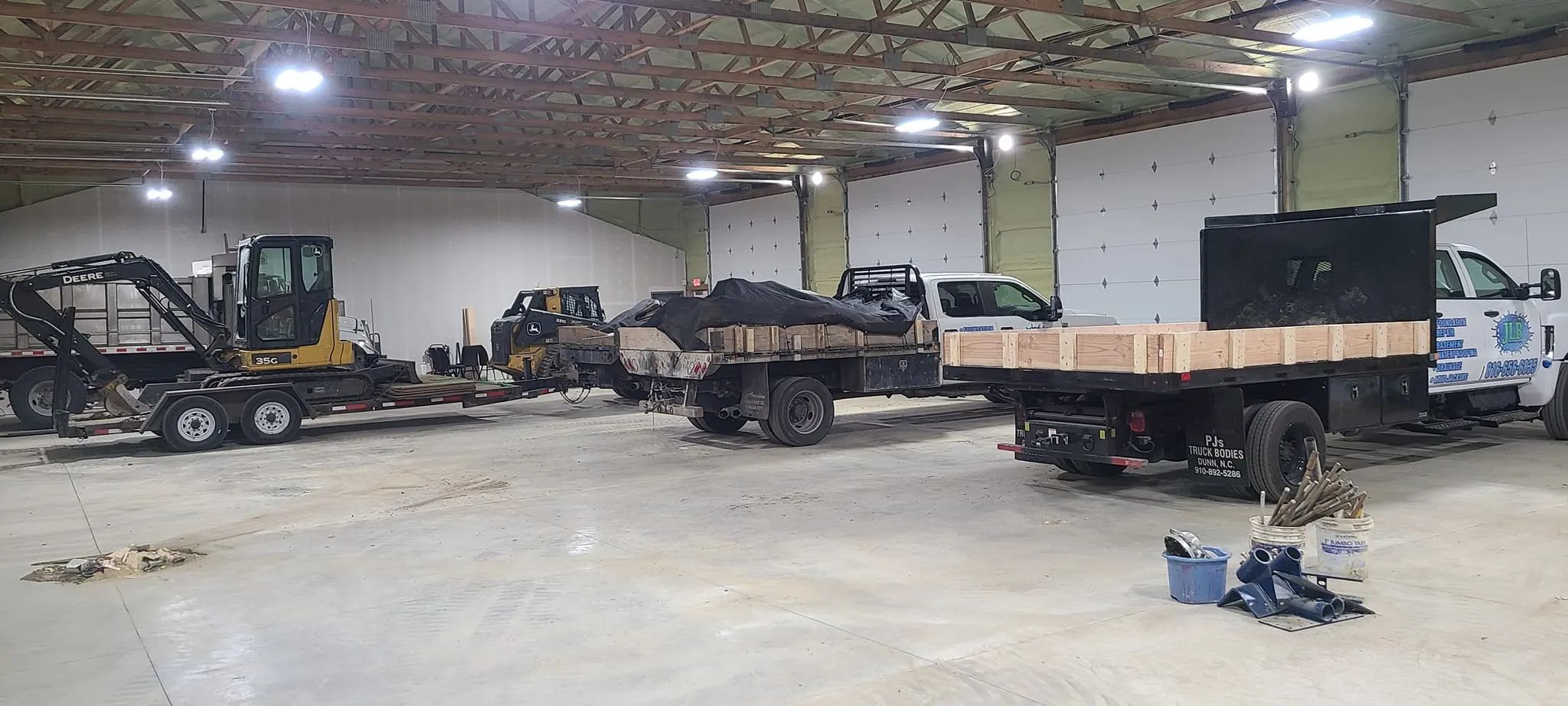
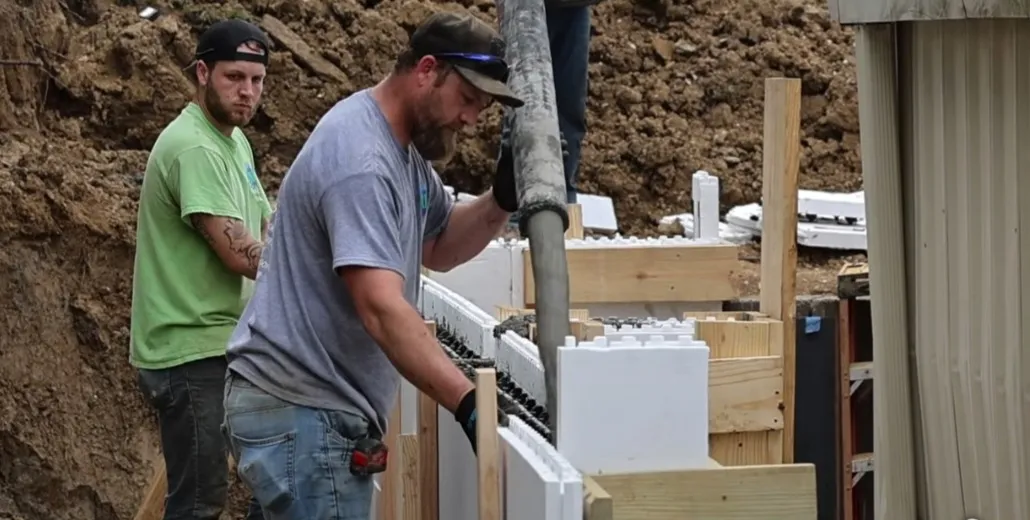
Real Team. Real Work.
Right Here in Kansas City & Des Moines.
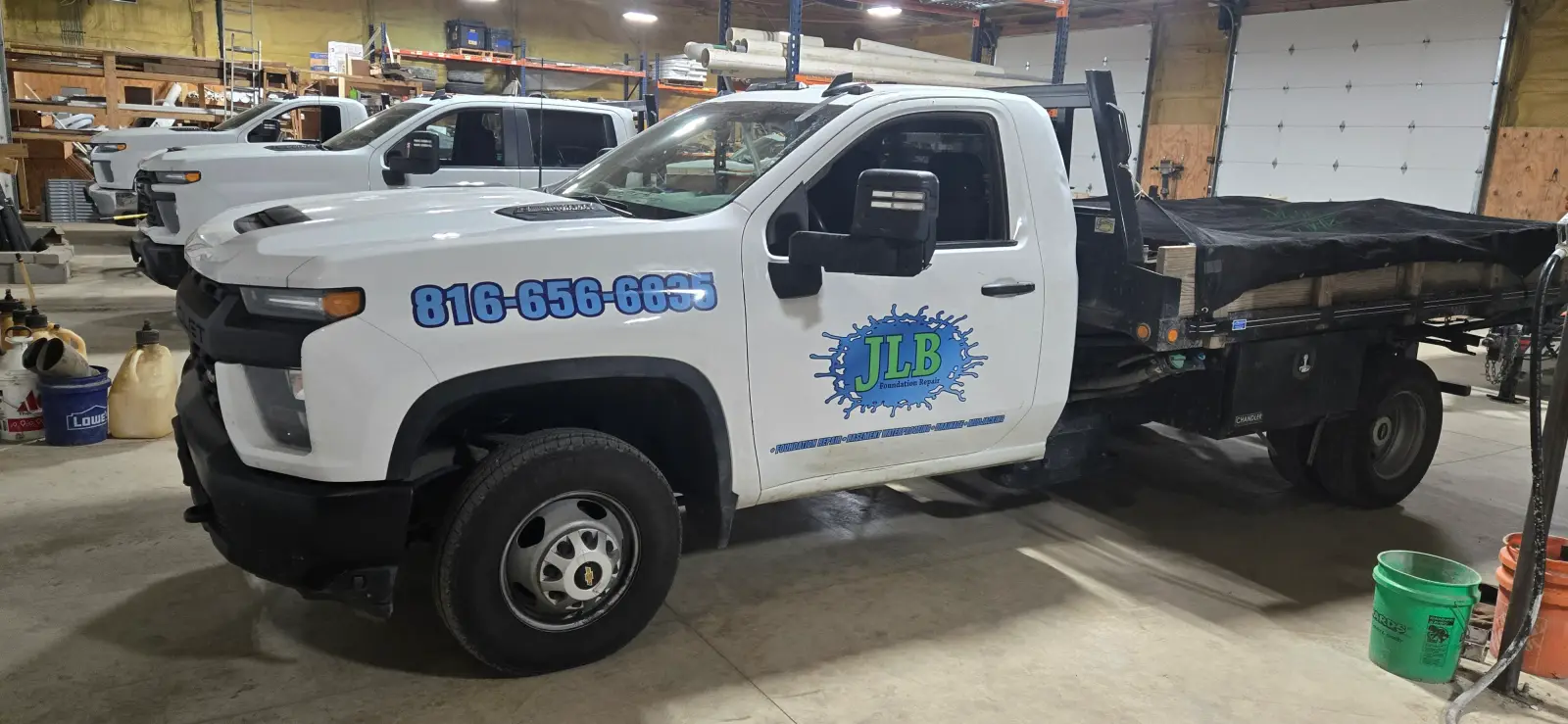
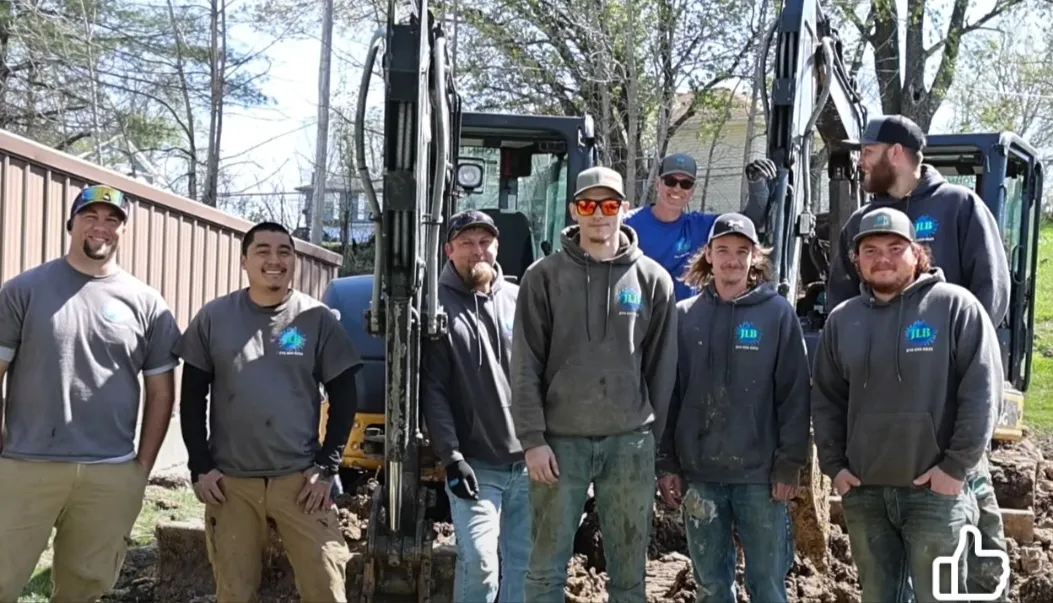
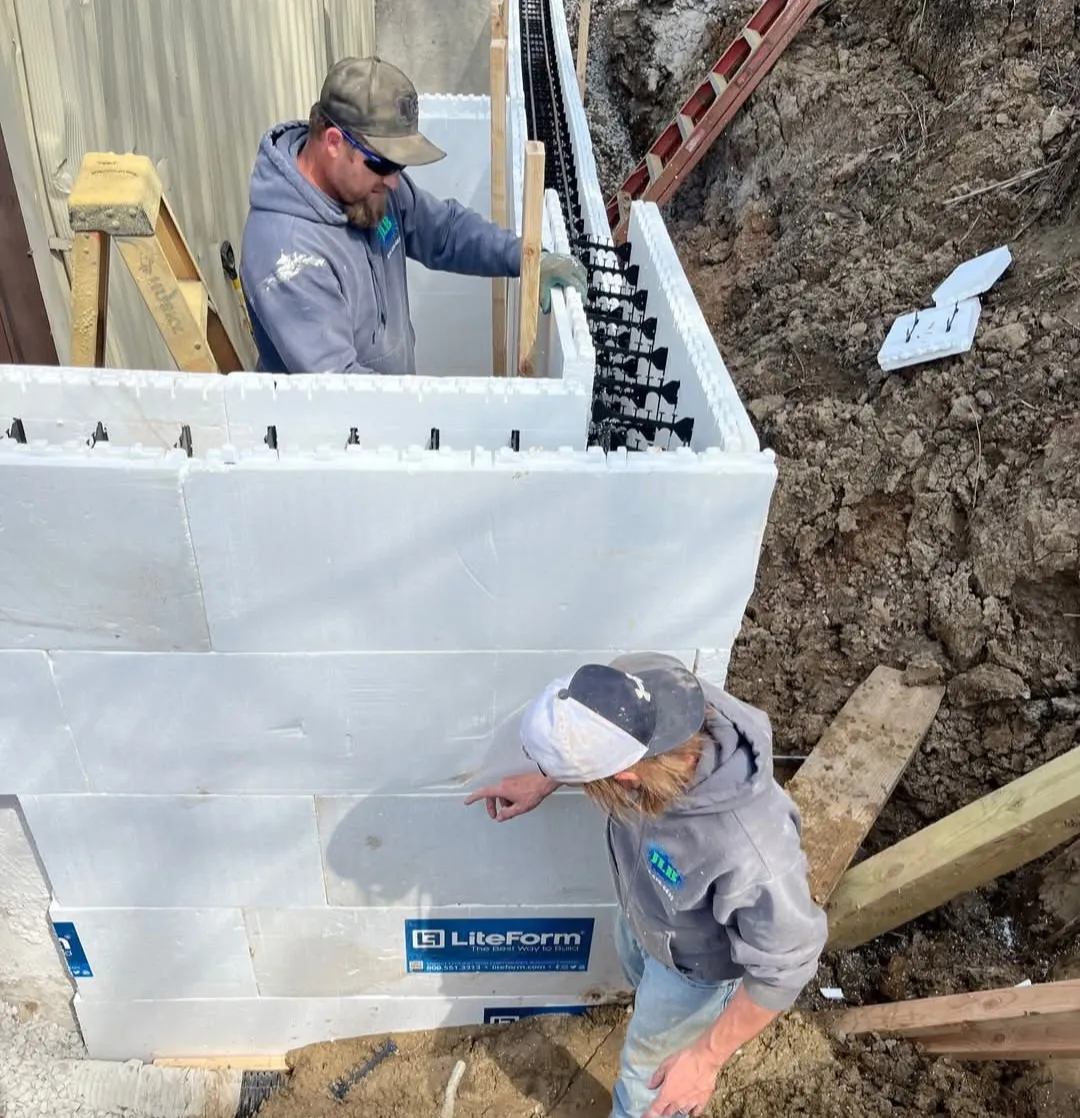
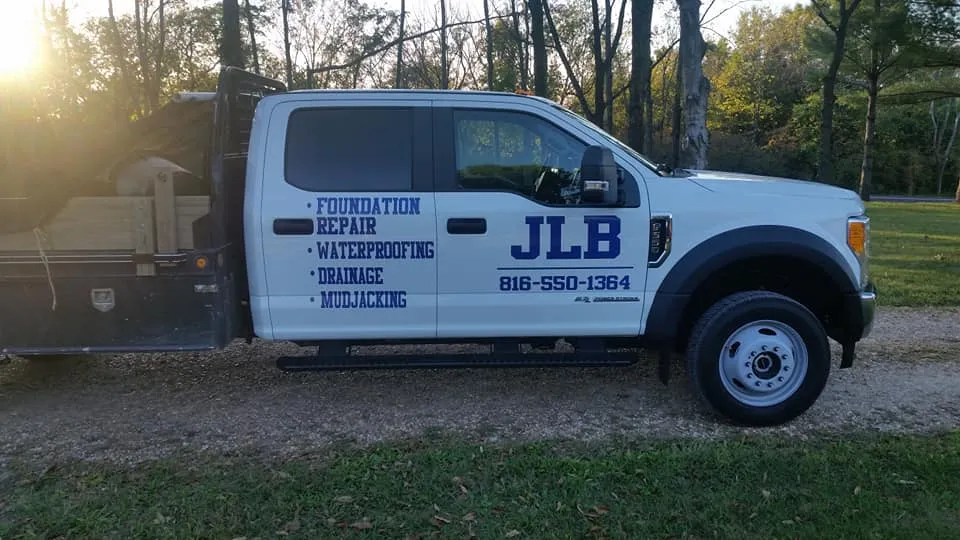
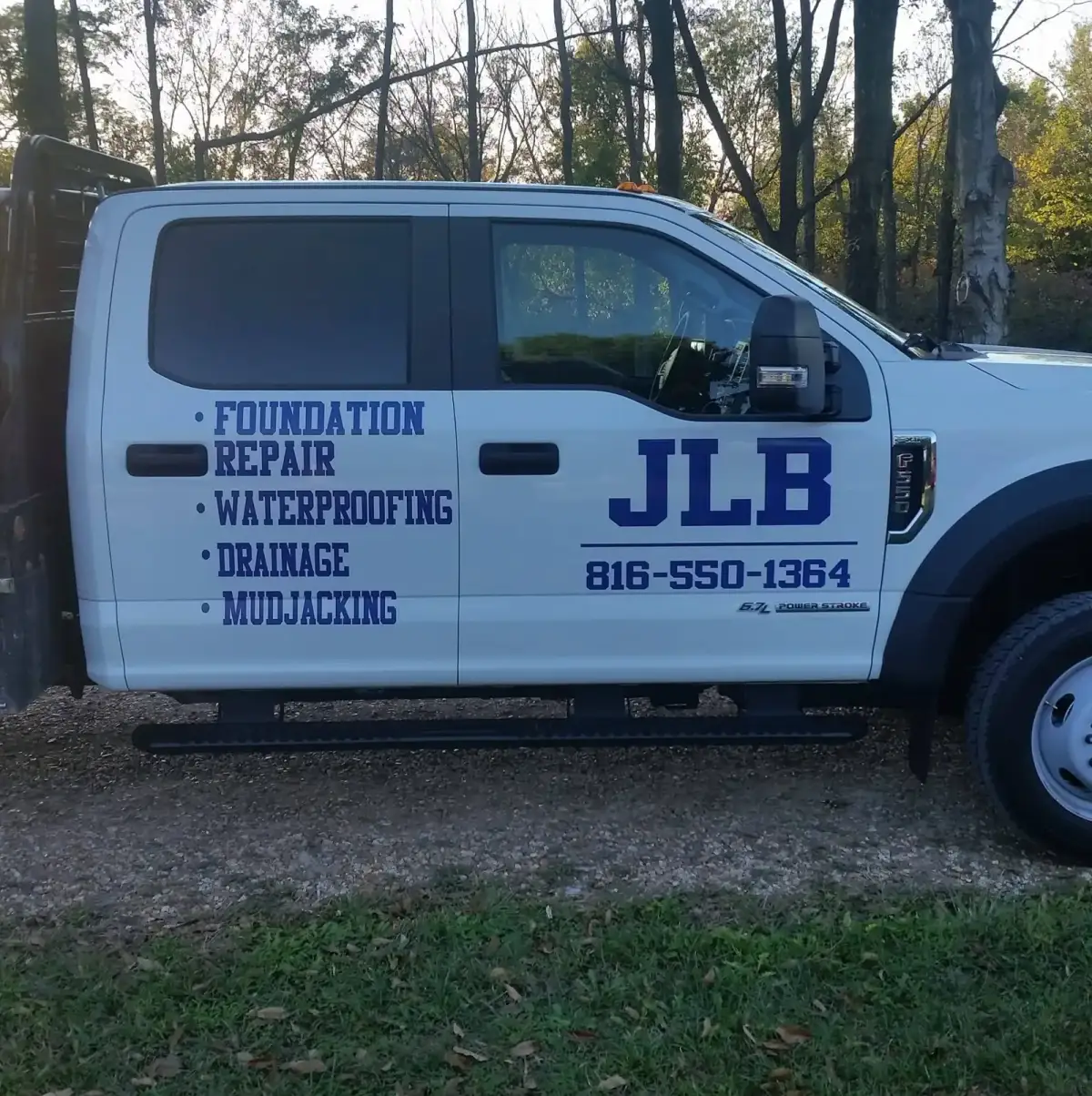
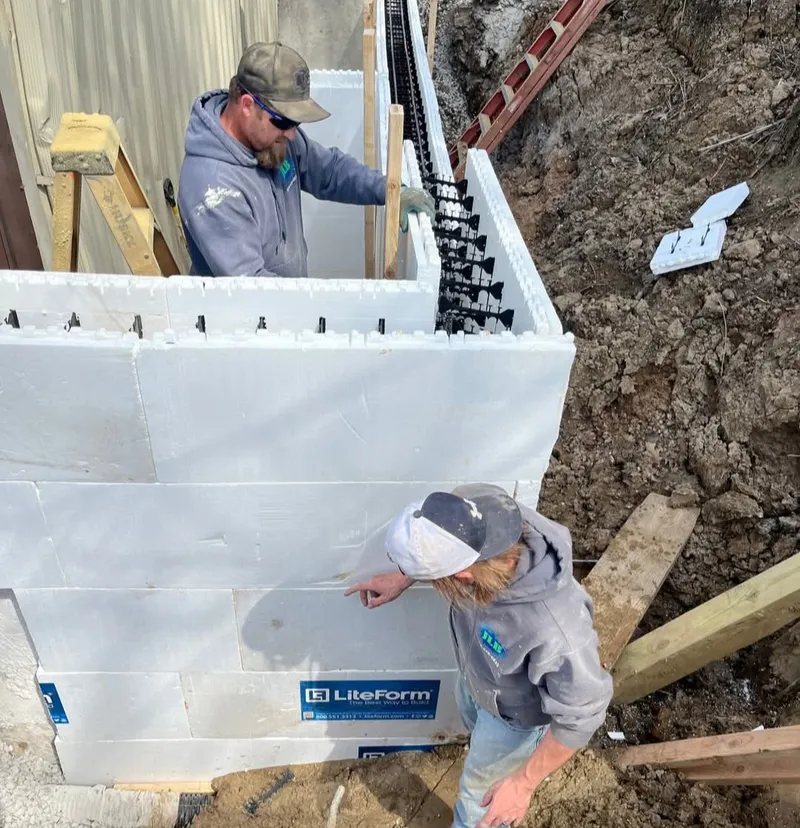
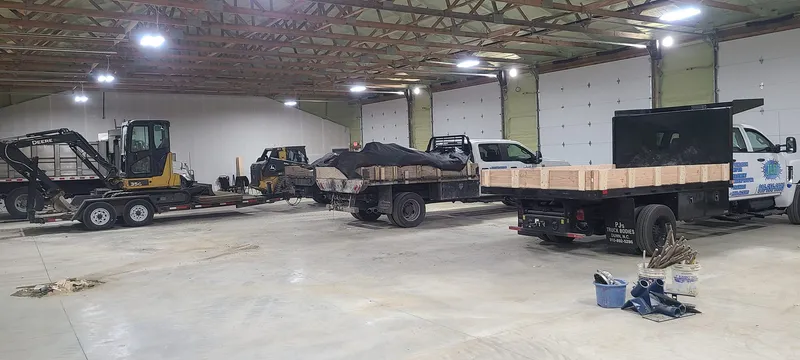
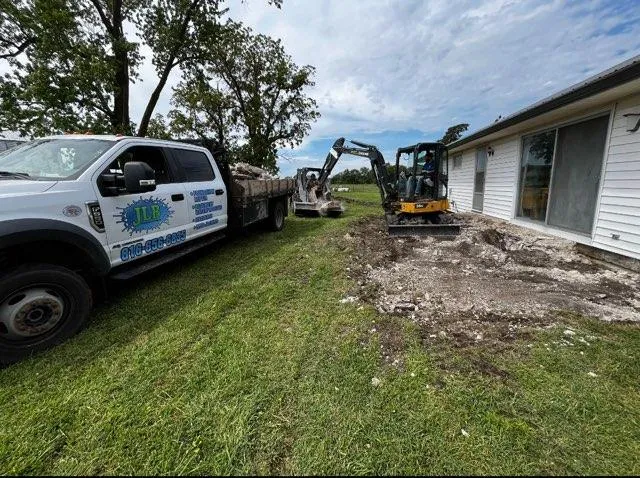
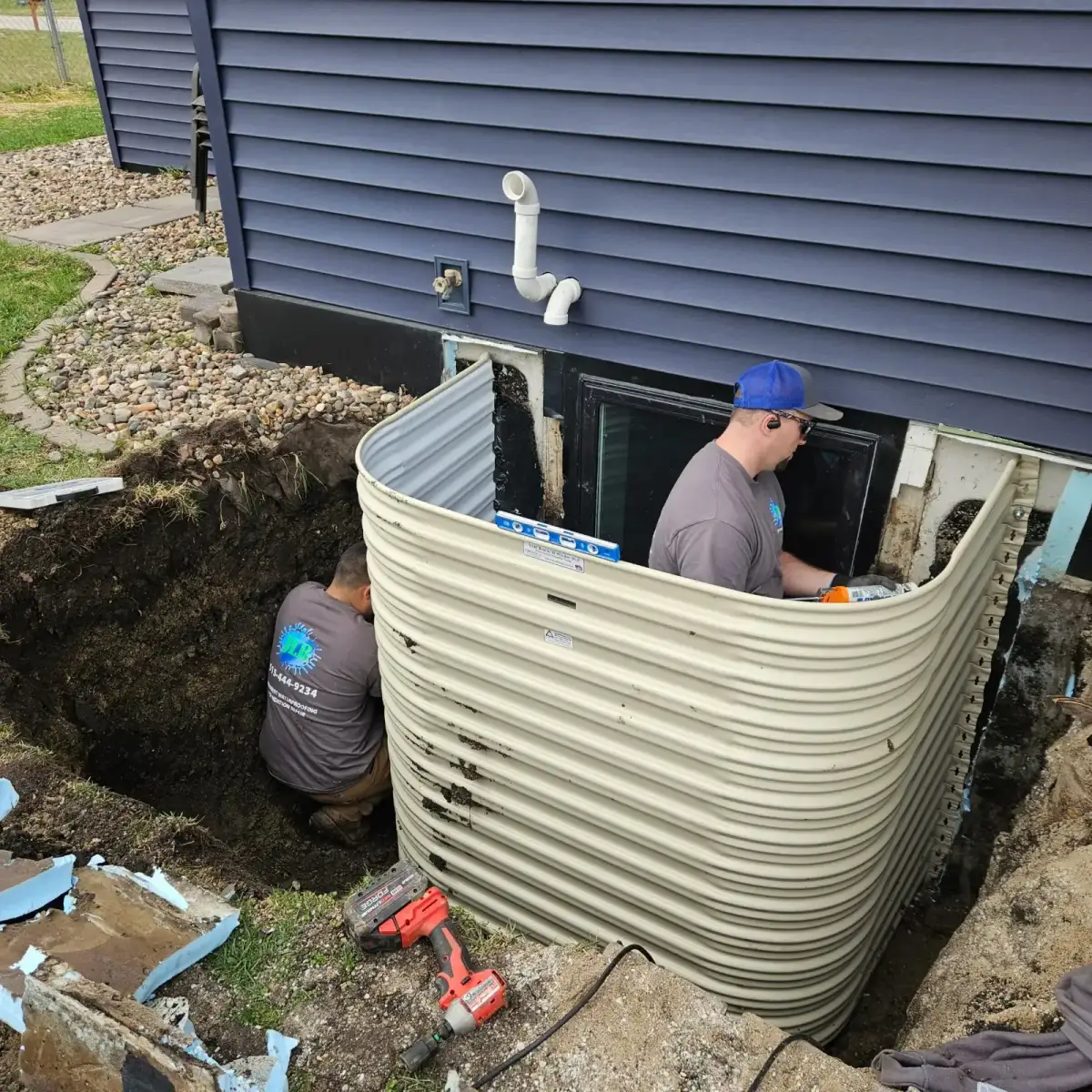
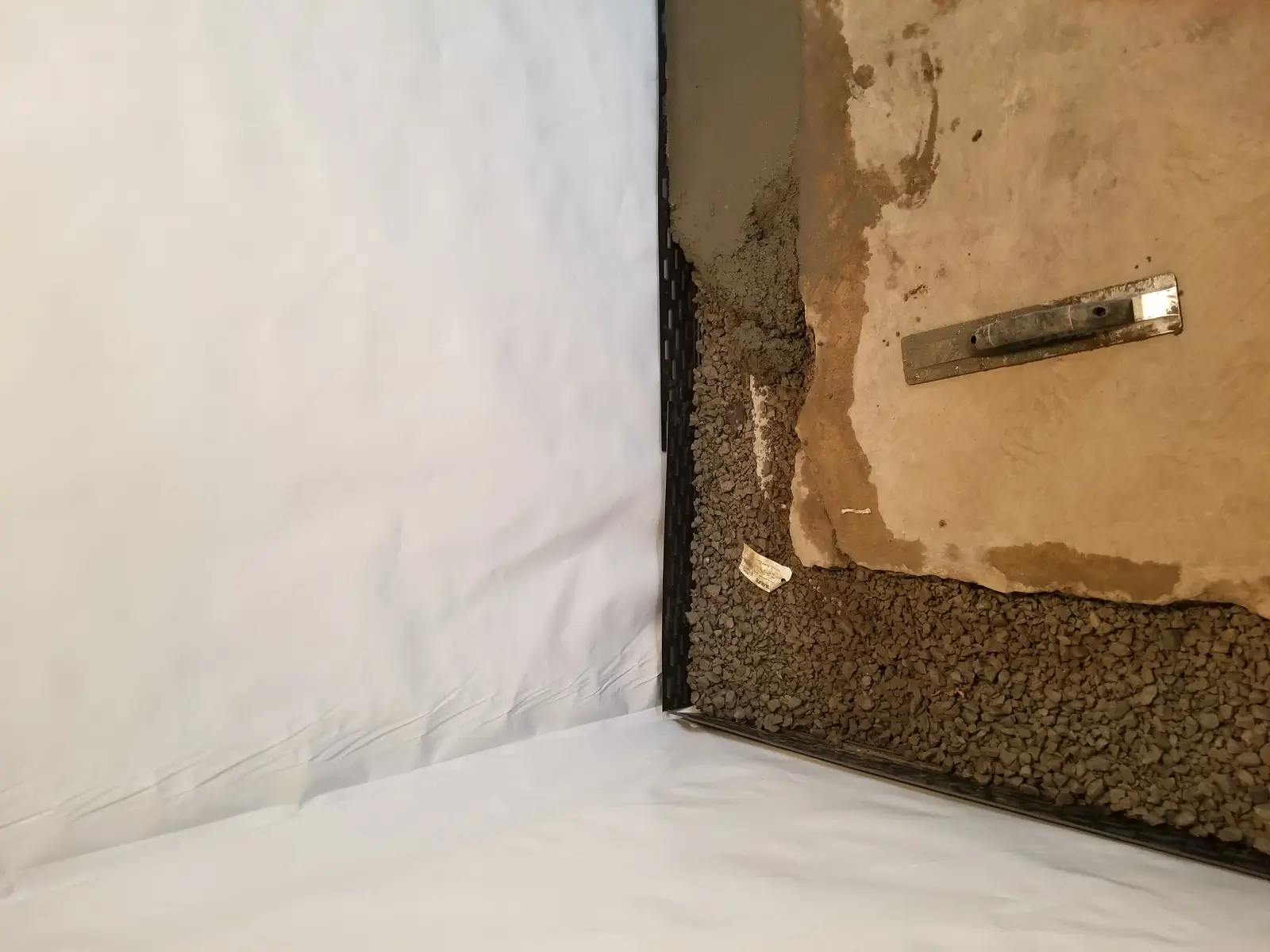
Real Projects. Real Results.
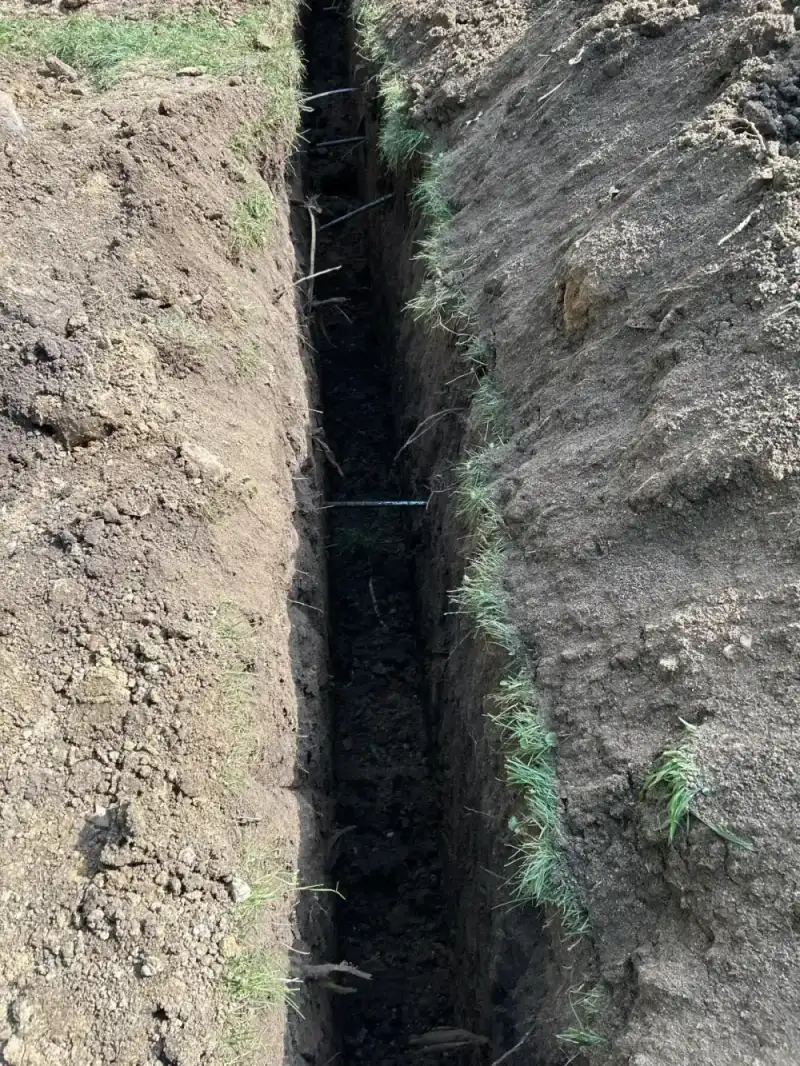
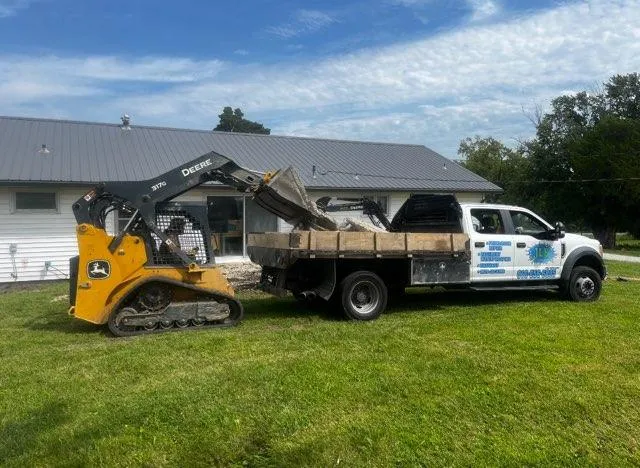
Every photo is from an actual JLB job site — not a stock photo. See the work we do every day across Kansas City and Des Moines.
Two Ways to Pay for It
12 Months Same As Cash
Pay the full balance within 12 months and you pay no interest.
Best if you can pay it off within a year.
5 Years at 6.99% APR
A lower monthly payment, spread over 60 months.
Best for bigger projects.
On approved credit. Ask for full terms at your free estimate.
Foundation Repair & Waterproofing Questions for Johnston Homeowners
Johnston's 1980s and 1990s homes were built on the Dows Formation glacial till, which contains a mix of clay, sand, gravel, and cobbles. Over three to four decades, the clay fraction in this till has gone through roughly 120 to 160 freeze-thaw cycles at Iowa's 42-inch frost depth, gradually consolidating and shifting around foundations. Original waterproofing membranes on poured concrete walls — the standard construction method for that era in Johnston — typically degrade within 15 to 25 years. Once that barrier fails, hydrostatic pressure from the Beaver Creek watershed pushes moisture directly against basement walls. The Sharpsburg and Otley soil series found on Johnston's uplands carry 35 to 42 percent clay in the subsoil, generating enough seasonal swelling to open hairline cracks into pathways for water intrusion. Most homes along NW Beaver Drive and Pioneer Parkway are now in this vulnerability window.
Beaver Creek and its tributaries define Johnston's drainage basin, and your home's position relative to these waterways directly influences your flooding risk. Homes in lower-lying areas near the creek experience spring water tables that rise to within two to three feet of the surface, creating intense hydrostatic pressure against basement walls and floor slabs. But even homes on higher ground along Pioneer Parkway aren't immune — glacial till beneath Johnston contains gravel and sand layers that channel water laterally toward the creek, and your foundation may sit in one of these subsurface flow paths. During spring snowmelt, the frozen subsurface prevents downward percolation while the water table rises simultaneously, creating what we call a double hit. Interior drainage systems with properly sized sump capacity are the most effective response to these Beaver Creek watershed dynamics, typically running $4,000 to $7,000 for Johnston homes.
Push piers in Johnston typically cost $1,250 to $2,500 per pier, with most homes requiring 6 to 12 piers depending on the extent of settlement and the home's footprint. Johnston's glacial till from the Dows Formation presents a specific challenge: the till is 45 to 60 feet thick and contains mixed materials — clay interspersed with sand, gravel, and cobbles. Piers need to reach stable bearing strata below the active zone where freeze-thaw cycling at 42 inches affects soil density. Homes near Beaver Creek or in lower areas of Johnston may require deeper installations because the upper till layers are more saturated and less stable. A typical Johnston project for a home showing settlement along one wall runs $10,000 to $20,000. We determine exact pier count and depth after measuring deflection and probing the till composition at your specific lot.
Johnston's 42-inch frost depth means crawlspaces beneath your home get significantly colder than in cities with shallower frost lines, creating persistent condensation as warmer indoor air meets cold surfaces. The glacial till beneath Johnston holds moisture year-round in its clay fraction, releasing vapor continuously into unsealed crawlspaces regardless of season. This combination — deep frost and perpetually damp till — makes encapsulation more than a comfort upgrade for Johnston homes. Unaddressed crawlspace moisture leads to floor joist deterioration, mold growth, and increased heating costs as damp insulation loses effectiveness. JLB's dual-seal approach addresses both crawlspace and basement moisture pathways, which matters in Johnston where water can migrate between the two zones through the glacial till. Encapsulation costs typically run $5,000 to $15,000 in Polk County depending on crawlspace size and access complexity. Homes in the Camp Dodge area and along NW Beaver Drive with higher water table exposure benefit most.
French drains work well in Johnston, but they must be designed for the specific behavior of the Dows Formation glacial till. Unlike pure clay soils that resist water movement, Johnston's till contains sand and gravel pockets mixed with clay, creating uneven permeability. A French drain installed in a gravel-rich zone will intercept water effectively, but one placed in a clay-dominant layer may underperform without proper gravel backfill and filter fabric. The key in Johnston is accounting for how water moves through the Beaver Creek watershed toward your lot — lateral flow through the till's gravel layers often matters more than surface runoff. Interior French drains along basement perimeters handle the hydrostatic pressure that causes most Polk County basement flooding, redirecting water to a sump system before it reaches your floor slab. Exterior French drains work best on Johnston lots where grading directs surface water toward the foundation, particularly on sloped properties near Beaver Creek.
Yes — newer construction in Johnston isn't immune to the glacial till and watershed conditions that affect older homes. Homes built after 2000 along Pioneer Parkway and in Johnston's expanding subdivisions were constructed on the same Dows Formation till with 35 to 42 percent clay content in the subsoil. While modern building codes improved waterproofing standards, they didn't change the soil. Early signs in post-2000 Johnston homes typically include minor stair-step cracking in garage slabs, drywall cracks near door frames, and dampness along basement wall-floor joints during spring. The 42-inch frost depth affects newer footings just as it does older ones, and homes built on freshly graded lots often experience more settlement in the first 10 to 15 years as disturbed glacial till reconsolidates. Addressing these signs early — before cracks widen and water intrusion begins — is significantly less expensive than waiting. A typical early-stage intervention in Johnston runs far less than a full pier or waterproofing project.
Get Your Free Johnston Foundation Assessment
Tell us about your Johnston home — when it was built, what you're seeing, and where it sits relative to Beaver Creek. Our Polk County team will evaluate your glacial till conditions and provide a detailed scope of work.
Our Locations
We're always close enough to help — our crews are local to your area.
JLB Basement Waterproofing & Foundation Repair — Des Moines
97 Indiana Ave Suite #1Des Moines, IA, 50314(515) 717-8560 View on Google Maps
Stop the Damage. Get Answers Today.
A free estimate takes 45 minutes and tells you exactly what's going on under your house — and exactly what it takes to fix it.