Leavenworth KS Foundation Repair for Historic Brick & Stone Homes
Serving Leavenworth and Leavenworth County with 6 specialized foundation and waterproofing services — local crews, engineered repairs, and every estimate is free.
Free 45-Minute Analysis + Written Report
Get a precise analysis of your foundation and waterproofing situation, and a clear estimate on what any fixes or corrections might cost.
Takes 30 seconds. We'll call within 24 hours.
Thank You!
We'll be in touch within 24 hours.
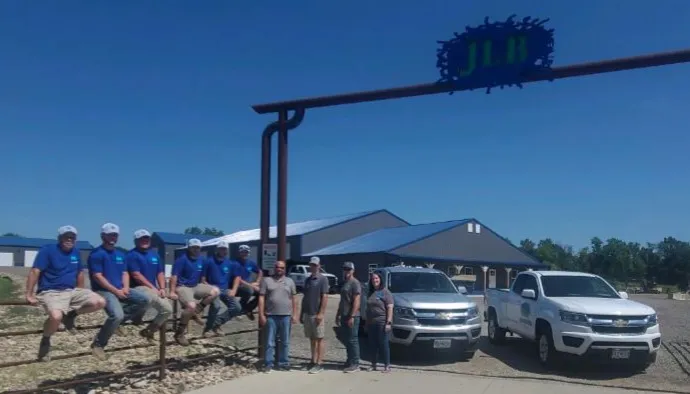
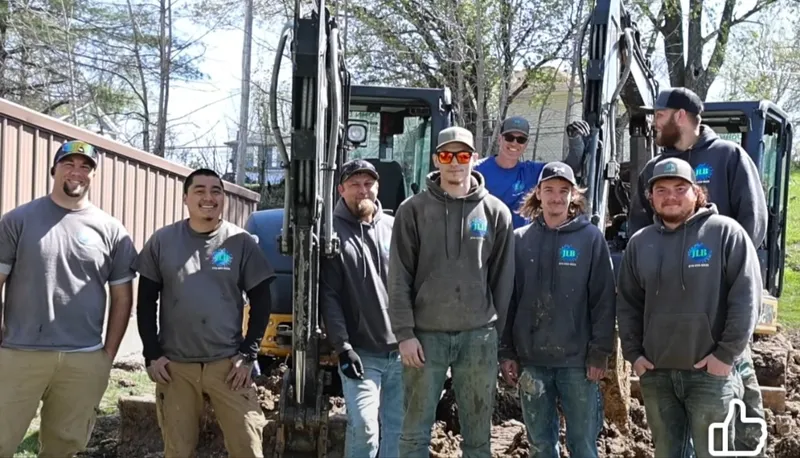
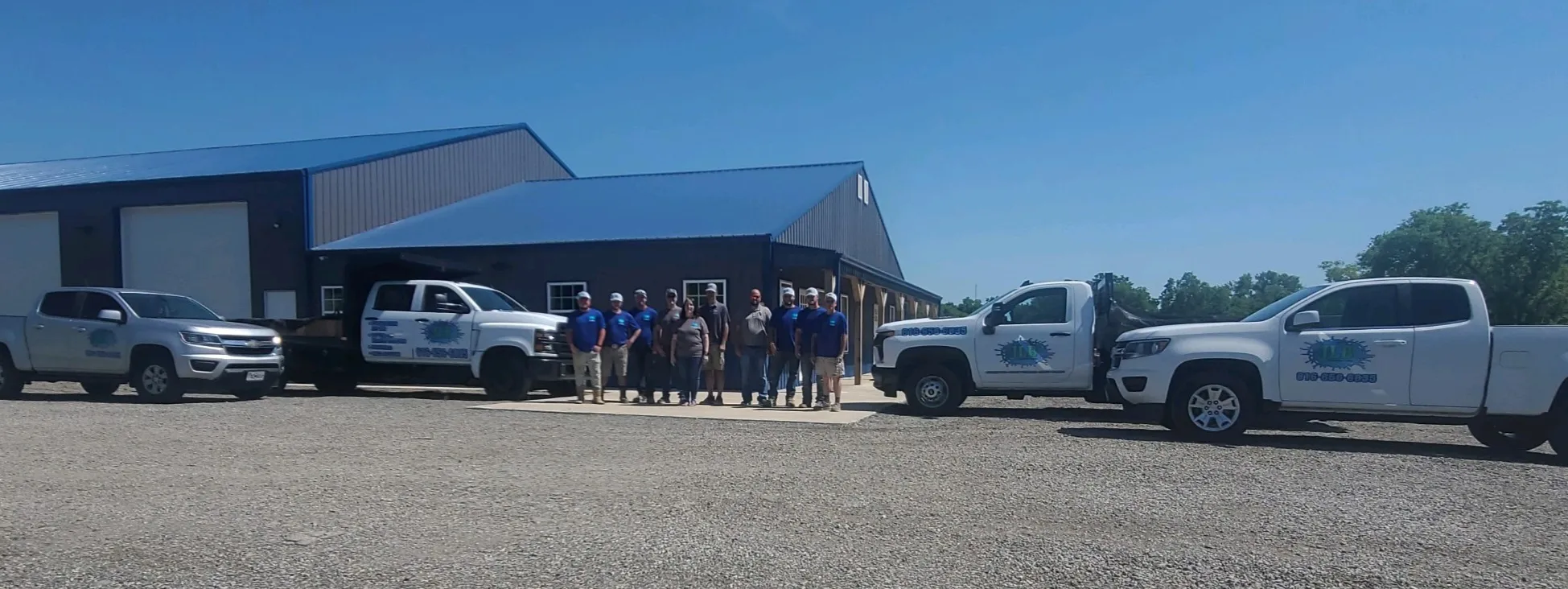
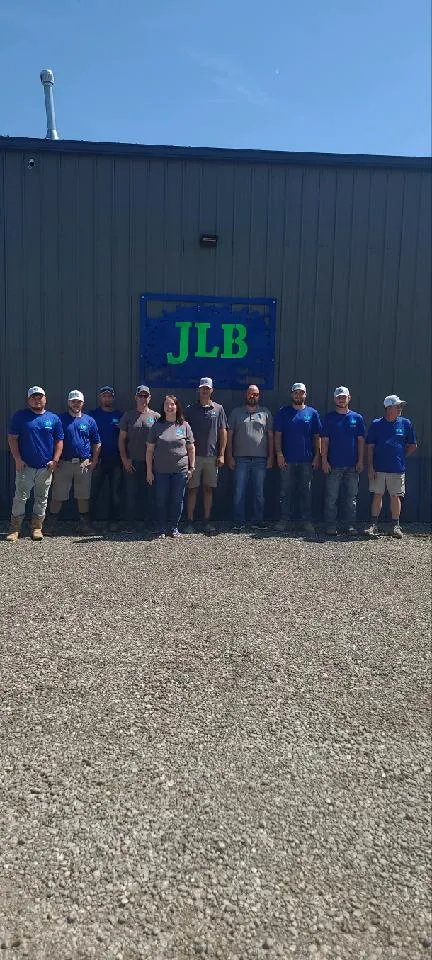
Meet the Team Serving Leavenworth
JLB Foundation Repair is a local company — not a franchise. We serve Leavenworth and the surrounding Kansas City metro with foundation repair, waterproofing, crawlspace encapsulation, and drainage solutions. Watch to learn who we are and how we work.
Watch Our Work in Leavenworth
Foundation Repair and Waterproofing Services in Leavenworth
Every foundation problem has a permanent fix. We use engineered systems — not quick patches — backed by transferable warranties and decades of field experience.
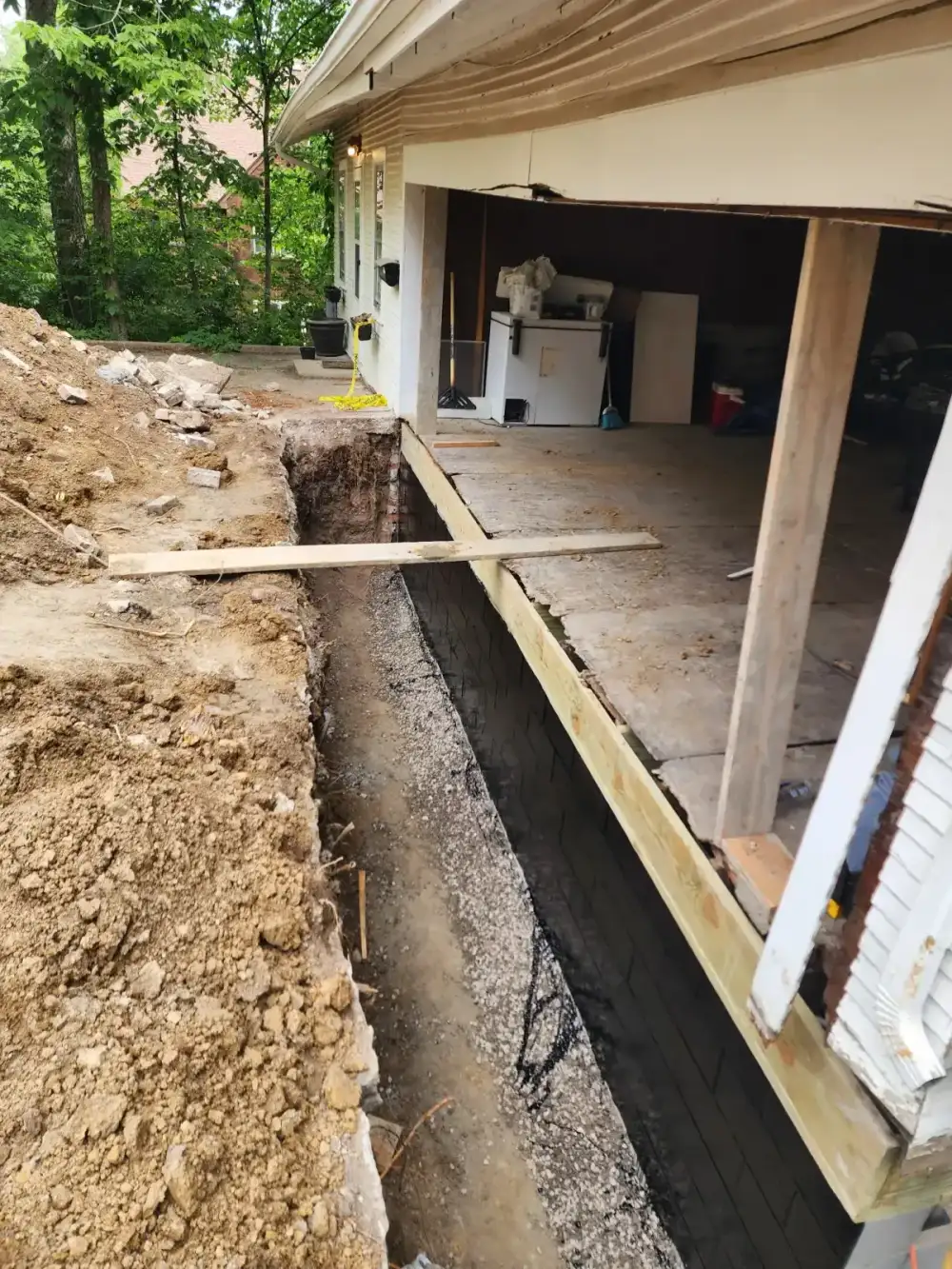
Foundation Repair
Steel push piers and wall anchors to stabilize and lift settling foundations. Stop the cracks, level the floors, save the home.
Learn More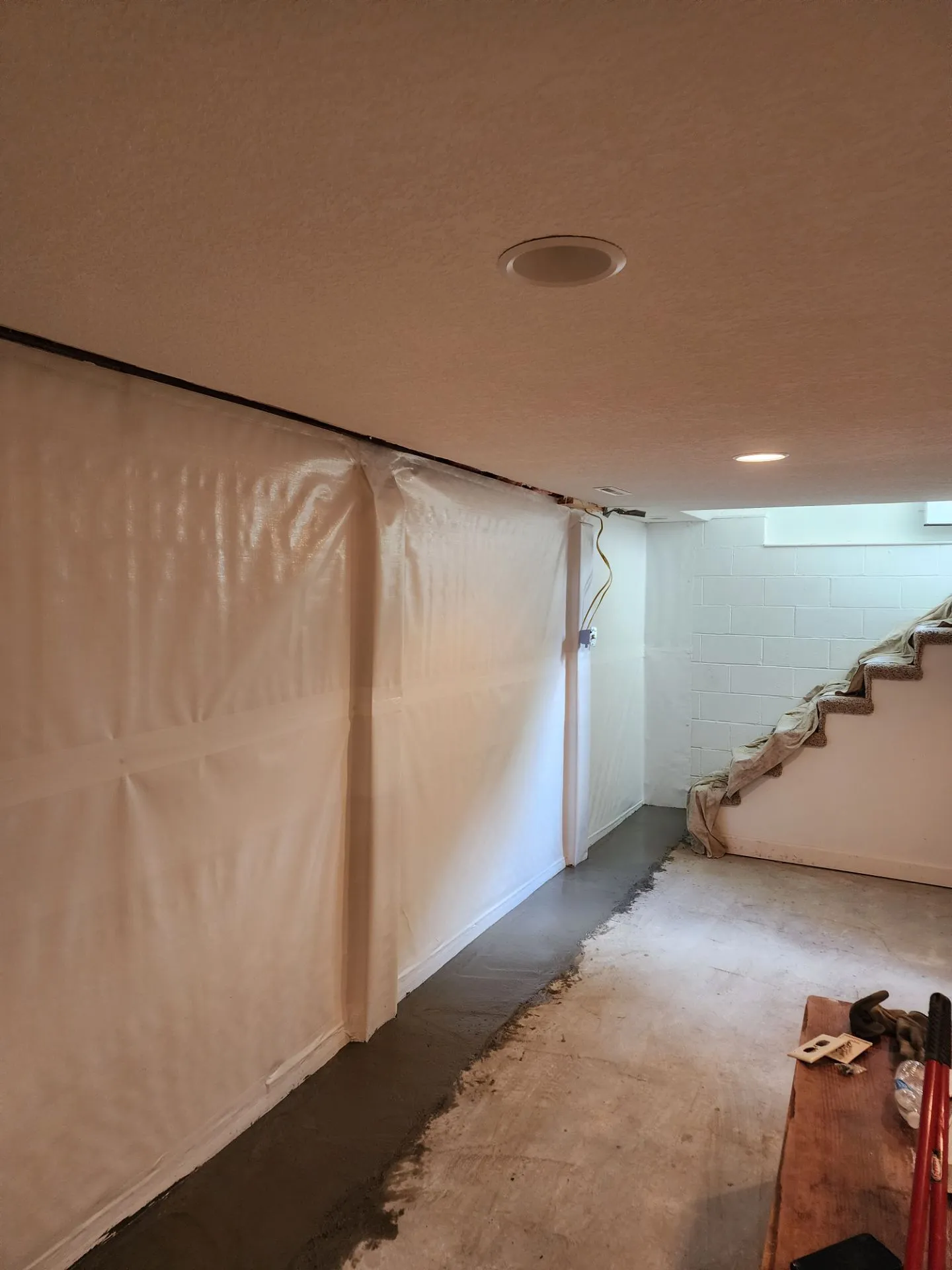
Basement Waterproofing
Interior drainage systems, sump pumps, and vapor barriers to keep your basement permanently dry. No more water. No more worry.
Learn More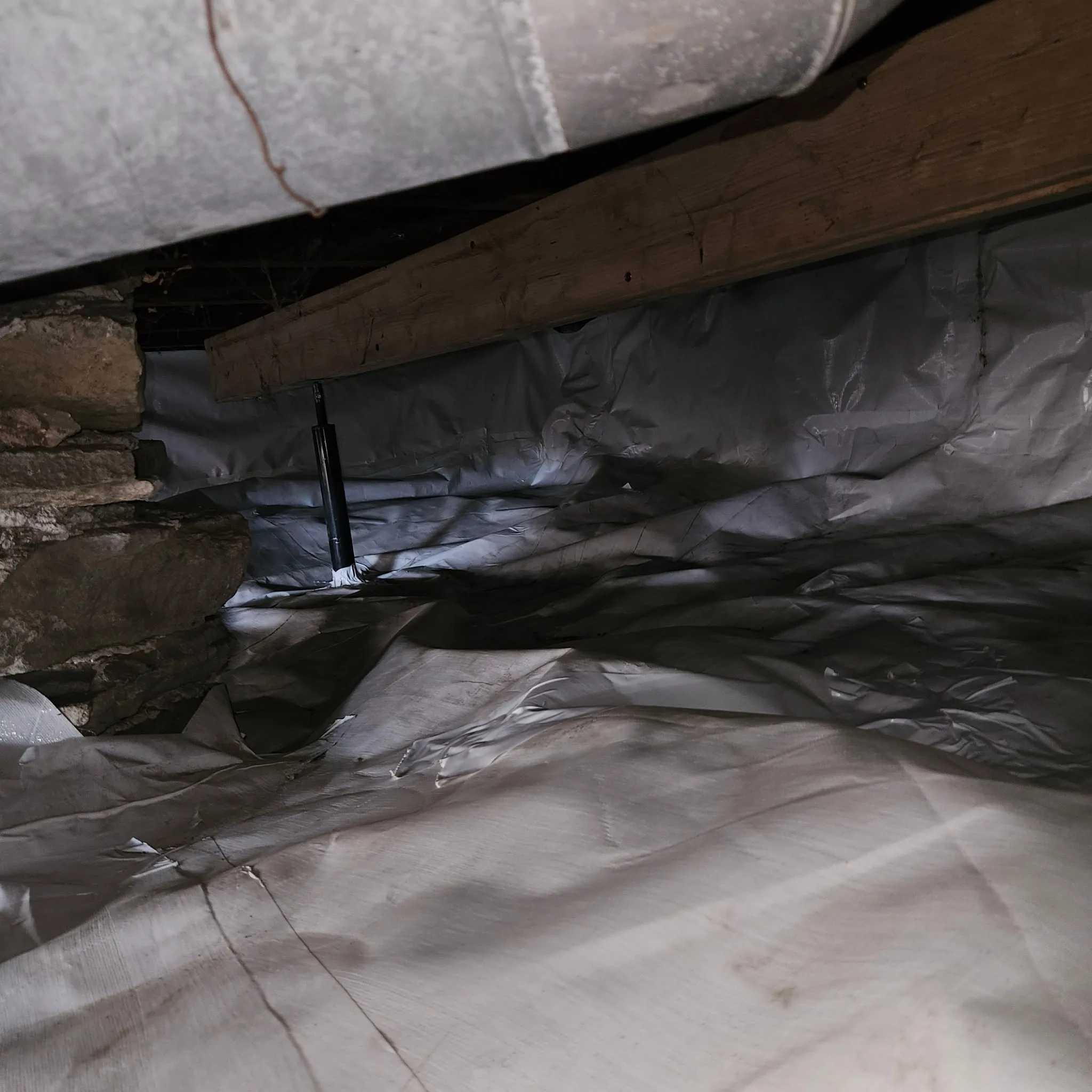
Crawlspace Encapsulation
Full encapsulation with spray foam for BOTH crawlspace and basement — twice the protection competitors offer, at a lower cost.
Learn More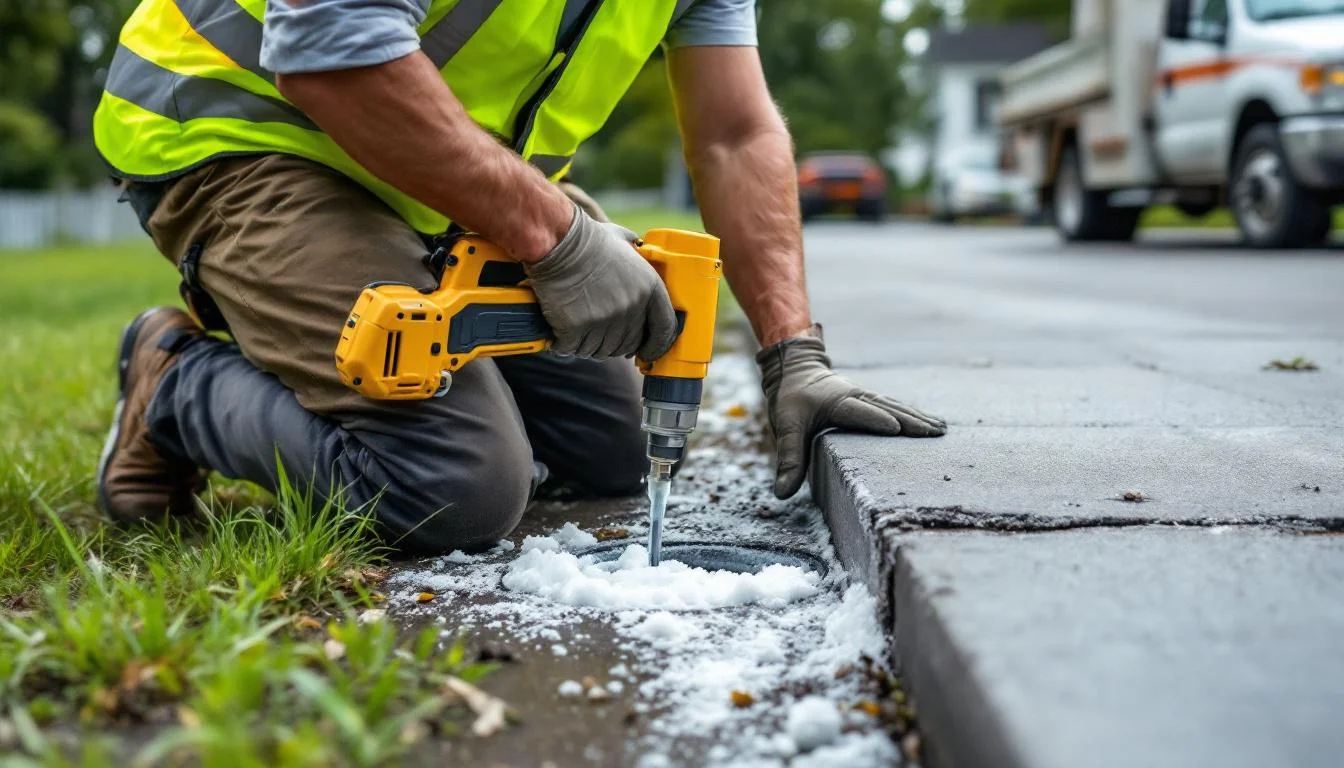
Polyjacking / Concrete Leveling
Lift and level sunken driveways, patios, sidewalks, and garage floors with polyurethane foam injection. Fast, clean, long-lasting.
Learn More
French Drains & Drainage
French drains, extended downspouts, regrading, and drain pipes to redirect water away from your foundation permanently.
Learn More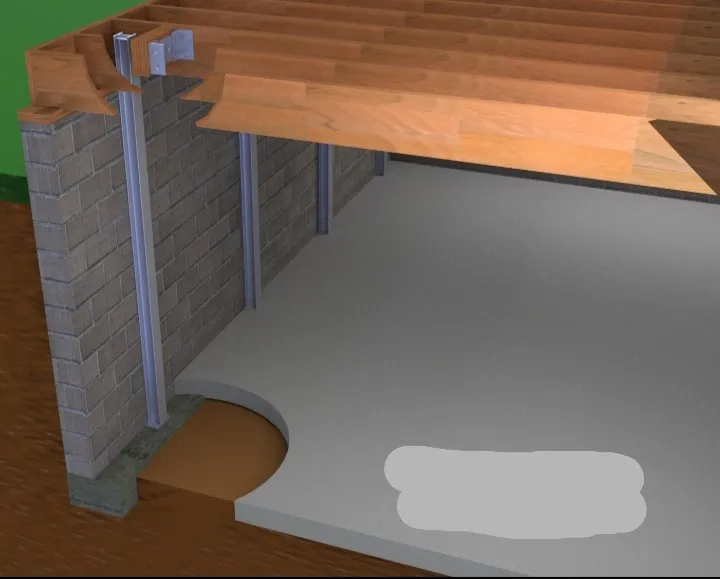
Foundation Wall Replacement
Complete removal and reconstruction of severely damaged foundation walls with new reinforced concrete, drainage, and waterproofing.
Learn MoreTwo Ways to Pay Over Time
12 Months Same As Cash
Pay the full balance within 12 months and you pay no interest.
5 Years at 6.99% APR
A lower monthly payment, spread over 60 months.
On approved credit. Ask for full terms at your free estimate.
Foundation Repair and Waterproofing for Leavenworth's Older Homes
Leavenworth holds the distinction of containing some of the oldest housing stock in Kansas, with homes near Fort Leavenworth dating to the 1860s. Over 21% of the city's homes were built before 1939, many with stone or block foundations that have endured more than a century of Pawnee series glacial till shifting beneath them. This soil—a clay loam surface over dense clay subsoil—behaves differently than the pure expansive clays found elsewhere in the Kansas City metro. Combined with 42 inches of annual rainfall, river bluff terrain, and over 100 freeze-thaw cycles per year, Leavenworth's oldest neighborhoods face compounding structural stress that accelerates with each passing decade.
Most Kansas City metro foundation problems trace back to Wymore-Ladoga clay soils with 60–80% clay content. Leavenworth is different. The Pawnee series soil underlying much of Leavenworth County is glacial till—an unsorted mix of clay, silt, sand, and gravel deposited during the Pleistocene. This heterogeneous composition creates unpredictable drainage patterns: water moves freely through sandy pockets while clay zones trap moisture and swell. River bluff terrain along the Missouri adds slope instability that flat-lot suburbs never experience. Lateral earth pressure on basement walls built into Leavenworth's hillsides can exceed 800 PSF when saturated glacial till combines hydrostatic and soil loads—a scenario unique to bluff-situated homes in this part of the metro.
JLB's approach in Leavenworth accounts for the city's mix of construction eras and terrain challenges. Stone and block foundations from the 1860s through 1940s near Fort Leavenworth and historic downtown require different stabilization methods than the poured concrete basements in south Leavenworth's newer subdivisions. Bluff-side homes often present limited access for equipment, steep grade changes, and existing retaining structures that complicate standard pier installation. Our crews plan each Leavenworth project around the specific soil profile—glacial till doesn't respond to the same repair strategies as the pure clay sites we work across Johnson or Jackson County. We match the pier type, drainage design, and wall reinforcement to what the ground and structure actually demand.
Leavenworth at a Glance
Foundation Repair Coverage Across Leavenworth's River-Adjacent Neighborhoods
JLB serves all of Leavenworth County, including Fort Leavenworth, the historic downtown district, south Leavenworth's newer subdivisions, and surrounding communities along the Missouri River bluffs. Our crews know the terrain, soil conditions, and housing stock across every neighborhood in the city.
How Does Leavenworth County's Clay Affect Leavenworth's Stone and Block Foundations?
The homes in Leavenworth sit on a range of foundation types, each with its own vulnerabilities. Here's what our crews see most often in Leavenworth County.
Stone foundation
Leavenworth's oldest homes often sit on limestone or stone foundations — hand-laid masonry that predates modern engineering. These walls are porous, the mortar is lime-based, and decades of Leavenworth County's clay pressure have taken a toll. Water intrusion, mortar deterioration, and inward leaning are common.
Concrete block basement
Concrete block foundations are common in Leavenworth's pre-1950s homes. After decades of lateral pressure from expanding clay, the mortar joints weaken and walls begin to bow inward. Horizontal cracks near the midpoint of the wall are the classic warning sign — and they need professional attention before the wall fails.
Brick foundation
This foundation type is common throughout Leavenworth. The expansive clay soil in Leavenworth County puts constant stress on all foundation types — the key is catching damage early and applying the right engineered solution for the specific construction method.
What Foundation Warning Signs Are Common in Leavenworth's Pre-1950s Homes?
Leavenworth's glacial till soil and aging housing stock—over 52% built before 1970—produce warning signs that differ from typical Kansas City metro homes. Stone and block foundations show distress patterns you should recognize early before bluff-side terrain compounds the damage.
Cracks along mortar joints in Leavenworth's older stone foundations, where decades of soil movement have weakened the original masonry
Learn about Foundation Repair →Water seeping through porous stone walls or mortar joints — common in Leavenworth's older homes during spring rains and snowmelt
Learn about Waterproofing →Musty smells, mold, or sagging floors above the crawlspace — Leavenworth's older homes often have unsealed crawlspaces that trap moisture year-round
Learn about Crawlspace Encapsulation →Doors and windows that stick or no longer close squarely — in Leavenworth's older homes, this is usually structural movement, not normal settling
Learn about Foundation Repair →Who Handles Foundation Repair and Waterproofing in Leavenworth and Leavenworth County?
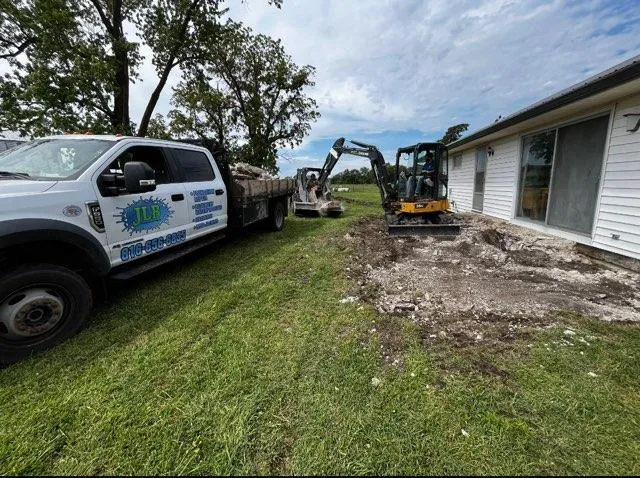
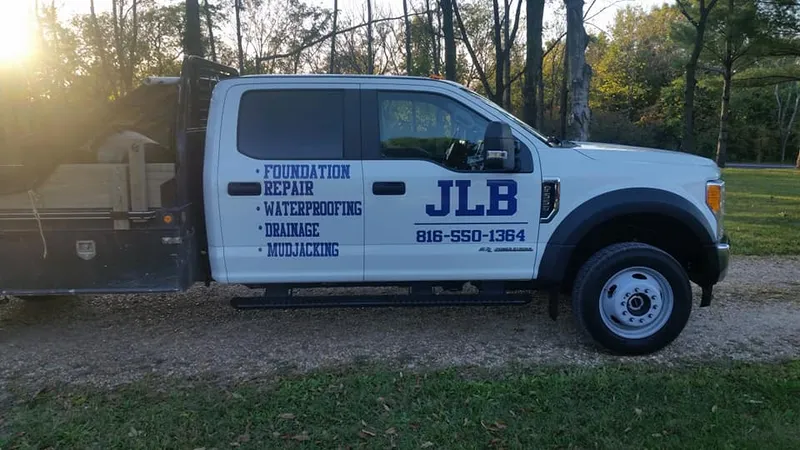
Numbers That Speak for Themselves
Protect Your Leavenworth Home Before Bluff Soil Shifts Further
Glacial till doesn't wait. Leavenworth's river bluff terrain and 42 inches of annual rainfall drive progressive damage to stone, block, and concrete foundations across the city. Schedule a free inspection to identify what's happening beneath your home before the next wet season.
Not Sure What You're Dealing With?
Click any symptom below to learn what it means, what's likely causing it, and how we can help. Most of these are more common — and more fixable — than you'd think.
Diagonal, stair-step, or horizontal cracks in drywall, plaster, or brick usually trace back to soil movement beneath your foundation. The heavy clay soils in the Kansas City and Des Moines metros expand and contract seasonally, which can shift your foundation over time. The good news: this is very fixable with the right approach.
Water entering through floor joints, wall cracks, or seeping through porous concrete means groundwater pressure is pushing moisture into your basement. An interior drainage system and sump pump can solve this permanently — and we can usually have it done in a day or two.
When a foundation settles unevenly, it can shift your home's frame just enough to make doors and windows bind. This is one of the earlier signs of foundation movement — and catching it early often means a simpler, less expensive repair.
That musty smell is moisture. Up to 40% of the air in your home rises from below — from your crawlspace and basement. If there's excess humidity down there, it affects your whole home. Encapsulation seals it out, and you'll notice the difference in your air quality right away.
Floors that slope toward the center or an exterior wall usually mean the support structure underneath needs attention. Push piers can stabilize your foundation and often lift it back to level — giving your floors a second life.
When soil washes out or compacts beneath a concrete slab, the slab drops and becomes uneven. Polyjacking uses expanding polyurethane foam to fill the void and lift the concrete back to grade — usually in under a day, with no heavy equipment needed.
Water collecting near your foundation means your grading or drainage isn't directing water away effectively. French drains, regrading, extended downspouts, and drain pipes can redirect water away from the house — protecting your foundation for the long haul.
A basement wall that has bowed more than 2 inches inward, shifted off its footing, or shows multiple structural cracks may have moved beyond what bracing can fix. When carbon fiber straps, I-beams, or wall anchors are not enough, the wall needs to be removed and rebuilt with reinforced concrete. This is the last resort — but it is the permanent fix when the wall itself is compromised.
Why Do Leavenworth Homeowners With Older Foundations Trust JLB?
Glacial Till Soil Expertise
Leavenworth's Pawnee series glacial till is an unpredictable mix of clay, silt, sand, and gravel—not the uniform expansive clay found in most KC metro counties. JLB designs every repair around this specific soil profile, selecting pier depths and drainage paths based on the till composition at your property.
Historic Foundation Specialists
Over 21% of Leavenworth homes predate 1939, with stone and block foundations that require careful reinforcement rather than aggressive demolition. JLB has stabilized pre-Civil War era structures near Fort Leavenworth using carbon fiber, wall anchors, and pier systems matched to original masonry construction.
River Bluff Terrain Solutions
Leavenworth's Missouri River bluff terrain creates slope instability and lateral soil pressures that flat-lot contractors rarely encounter. JLB accounts for grade changes, limited equipment access, and combined earth-plus-water loads that can exceed 800 PSF against below-grade walls on hillside properties.
Full Leavenworth County Coverage
From Fort Leavenworth's officer housing to south Leavenworth's post-2000 subdivisions, JLB serves every neighborhood in Leavenworth County. We carry the right equipment for tight historic lots downtown and know the permitting requirements specific to military-adjacent and county-regulated properties.
What Leavenworth, KS ZIP Codes Does JLB Cover for Foundation Repair?
What Our Customers Say
"We had cracks running up our walls and doors that wouldn't close. JLB came out, explained exactly what was happening with the soil under our house, and had the piers installed in two days. Floors are level again. Wish we hadn't waited so long."
"Three other companies gave us the runaround. JLB showed up, did a thorough inspection, and gave us a straight answer. The repair held up through an entire Missouri winter with zero new cracking."
"Our crawlspace was a mess — moisture, mold, the works. JLB encapsulated it AND spray-foamed our basement in the same project. The difference in our home's air quality is incredible. Great value for the price."
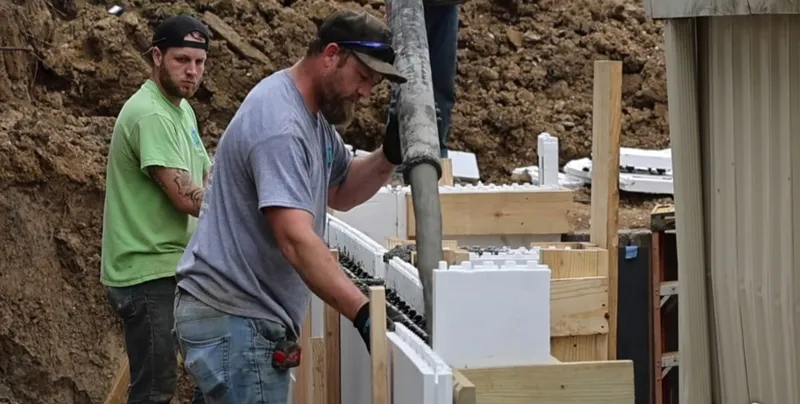
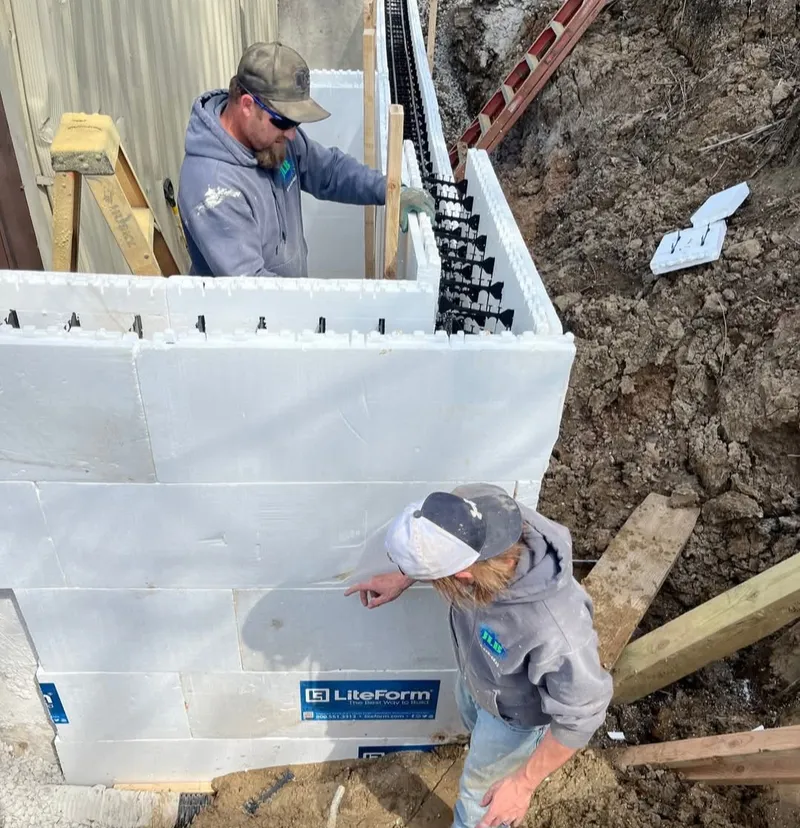
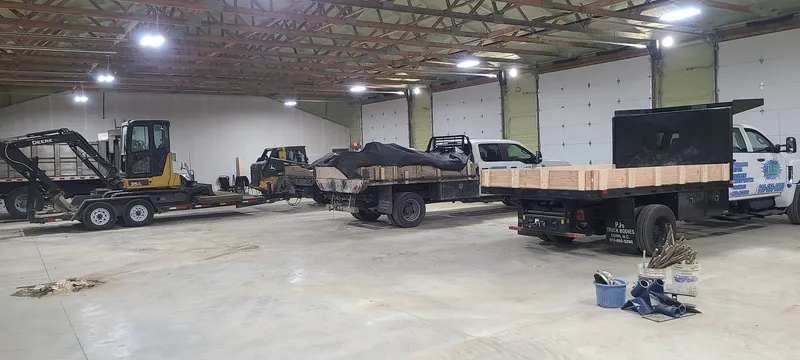
Real Team. Real Work.
Right Here in Kansas City & Des Moines.
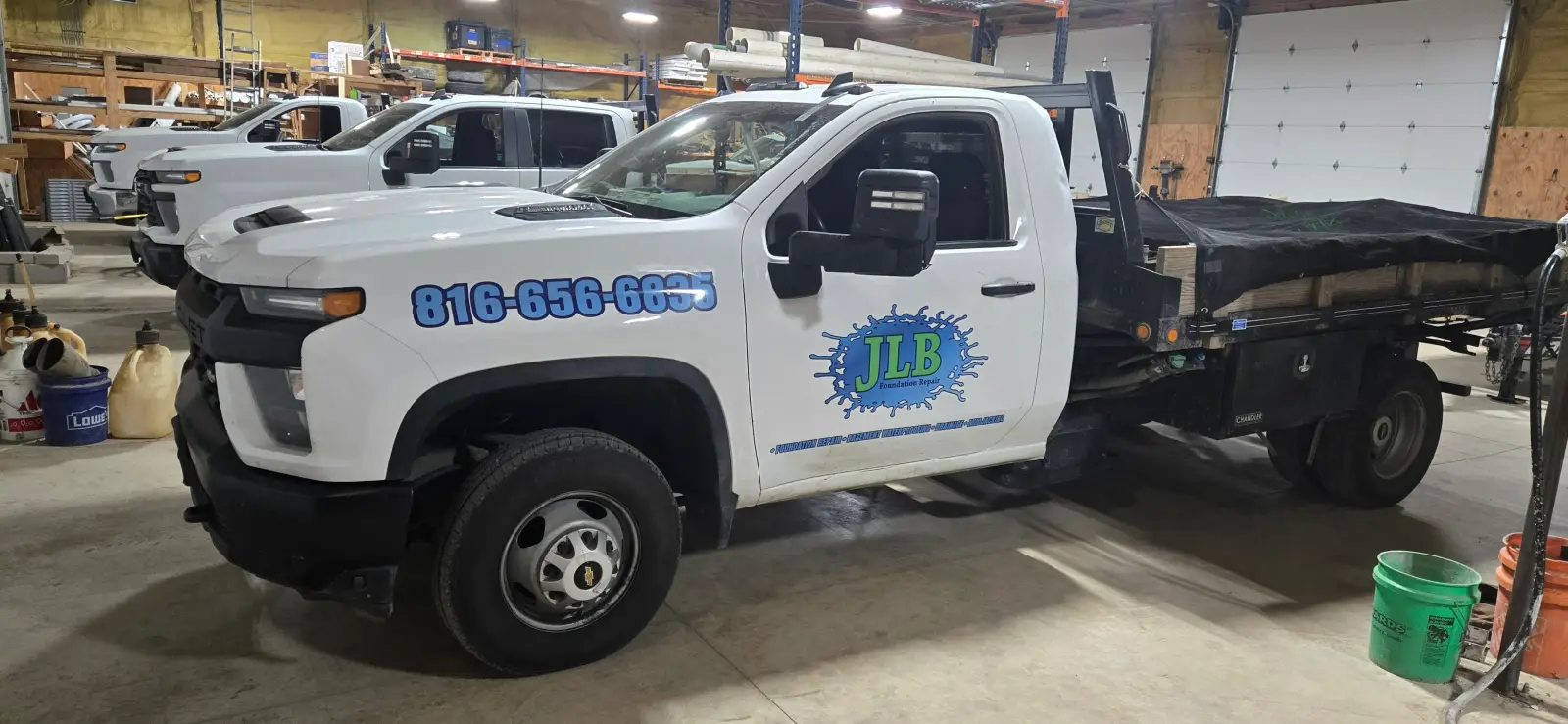
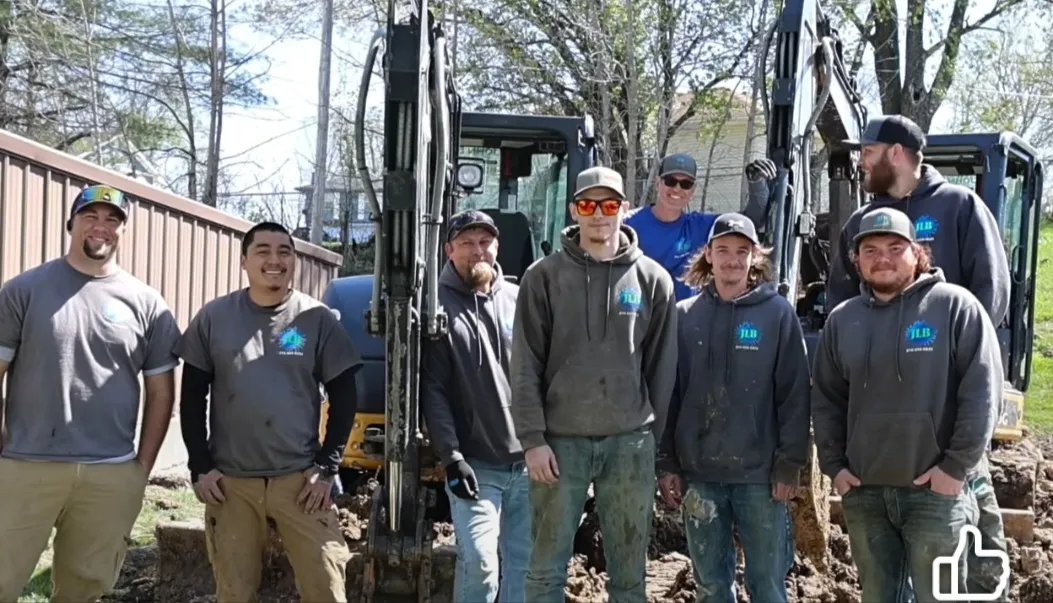
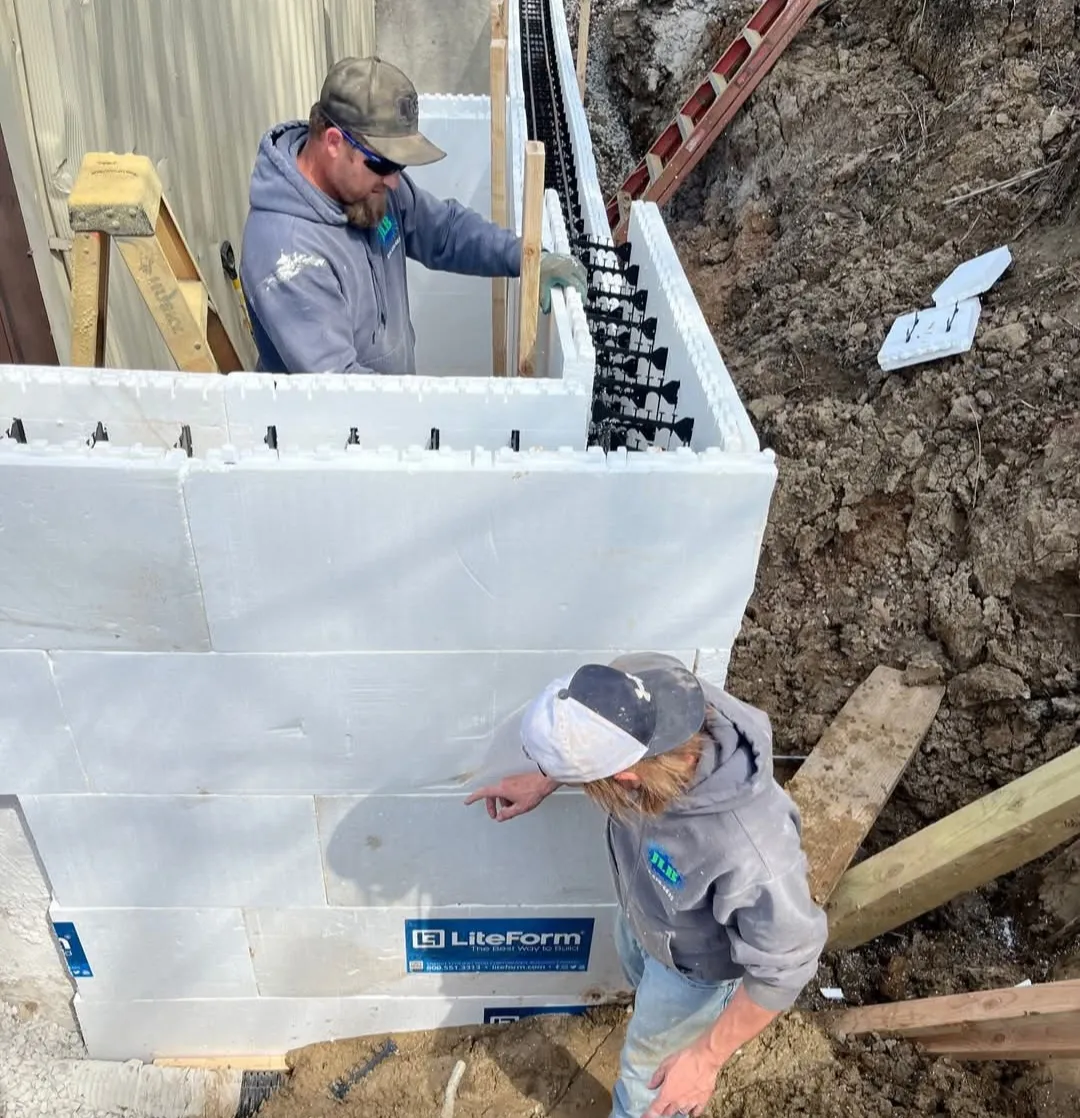
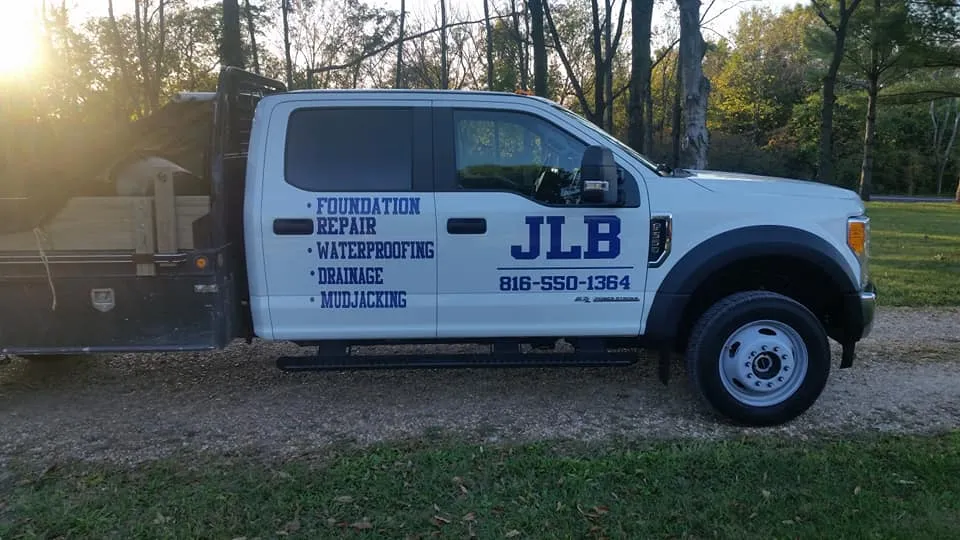
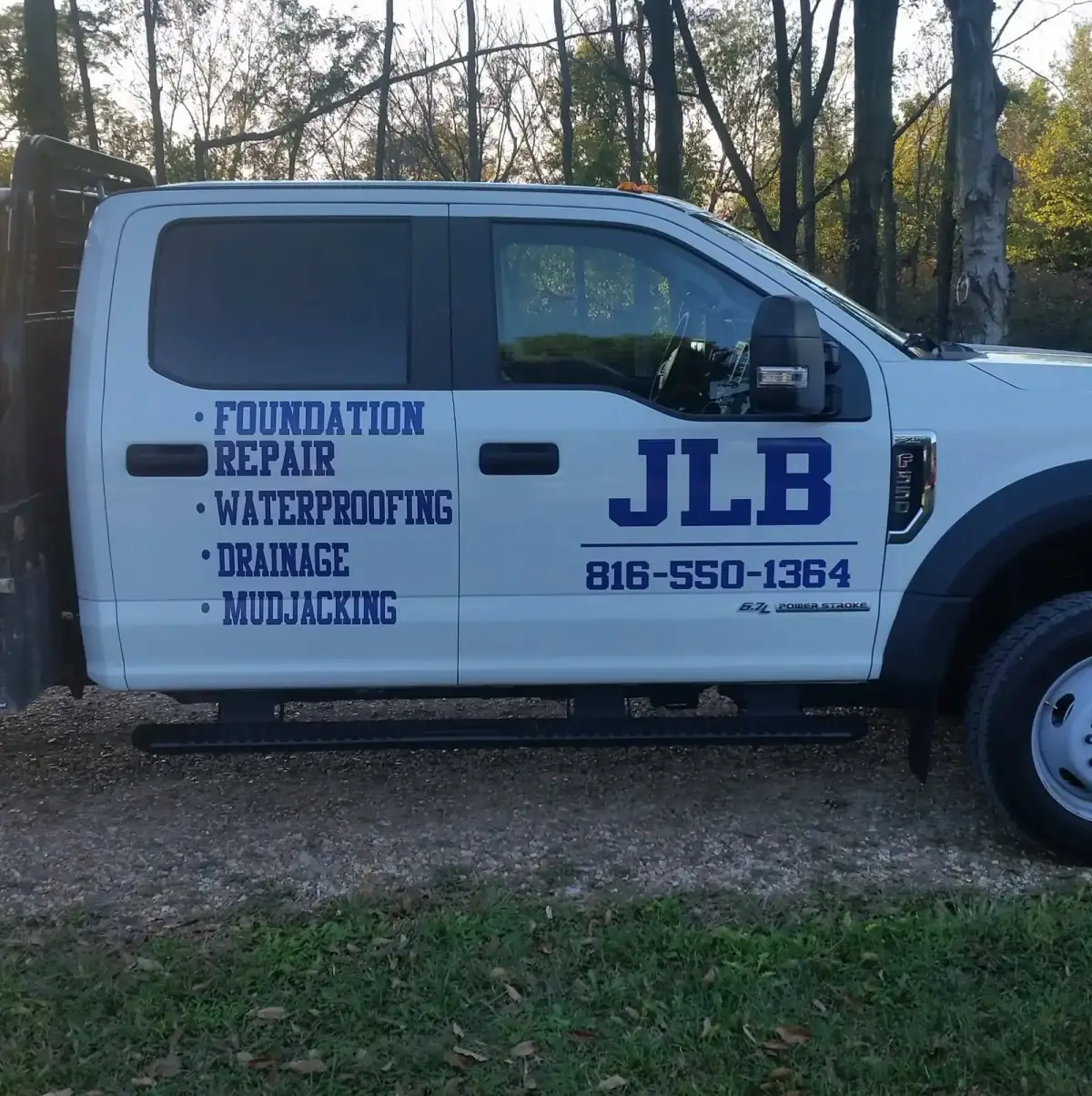
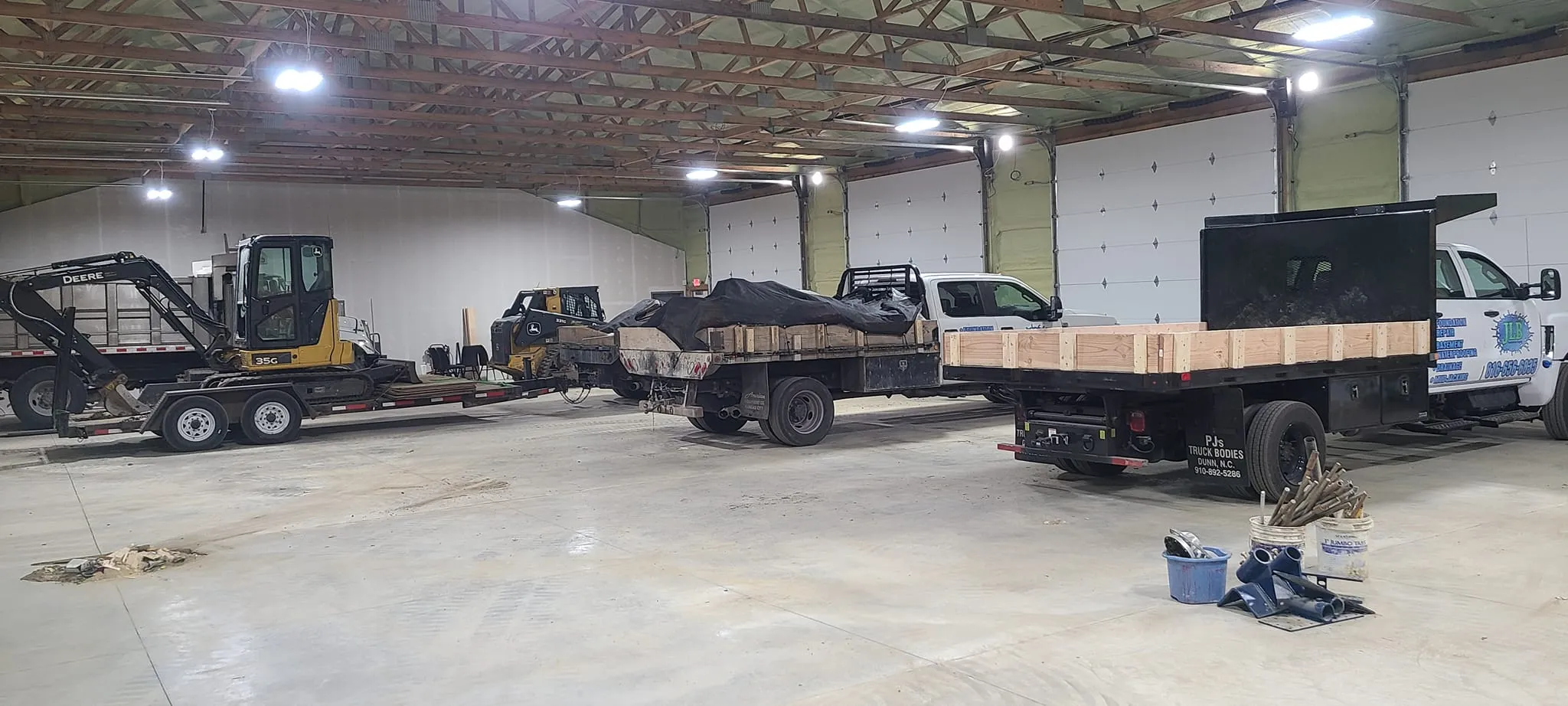
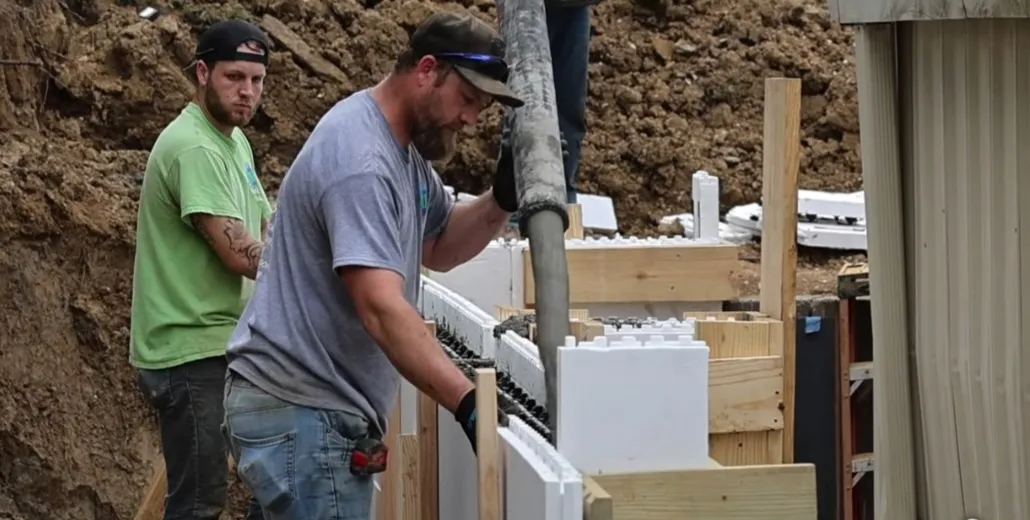
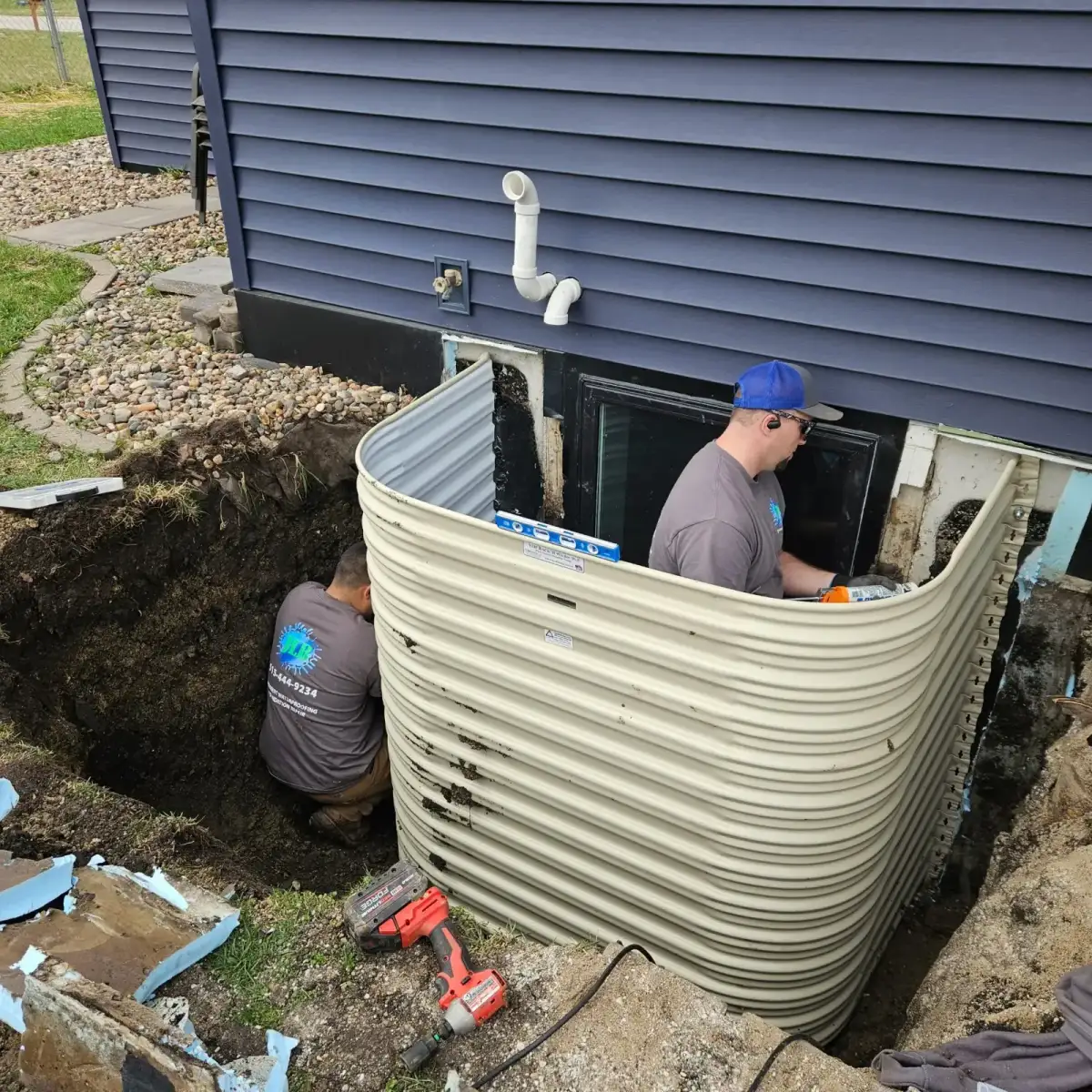
Real Projects. Real Results.
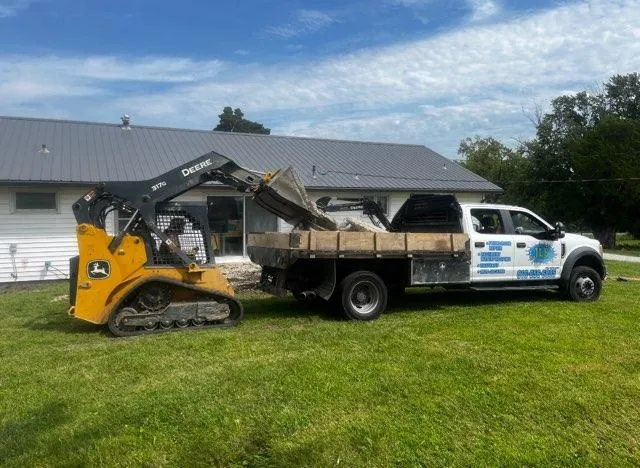
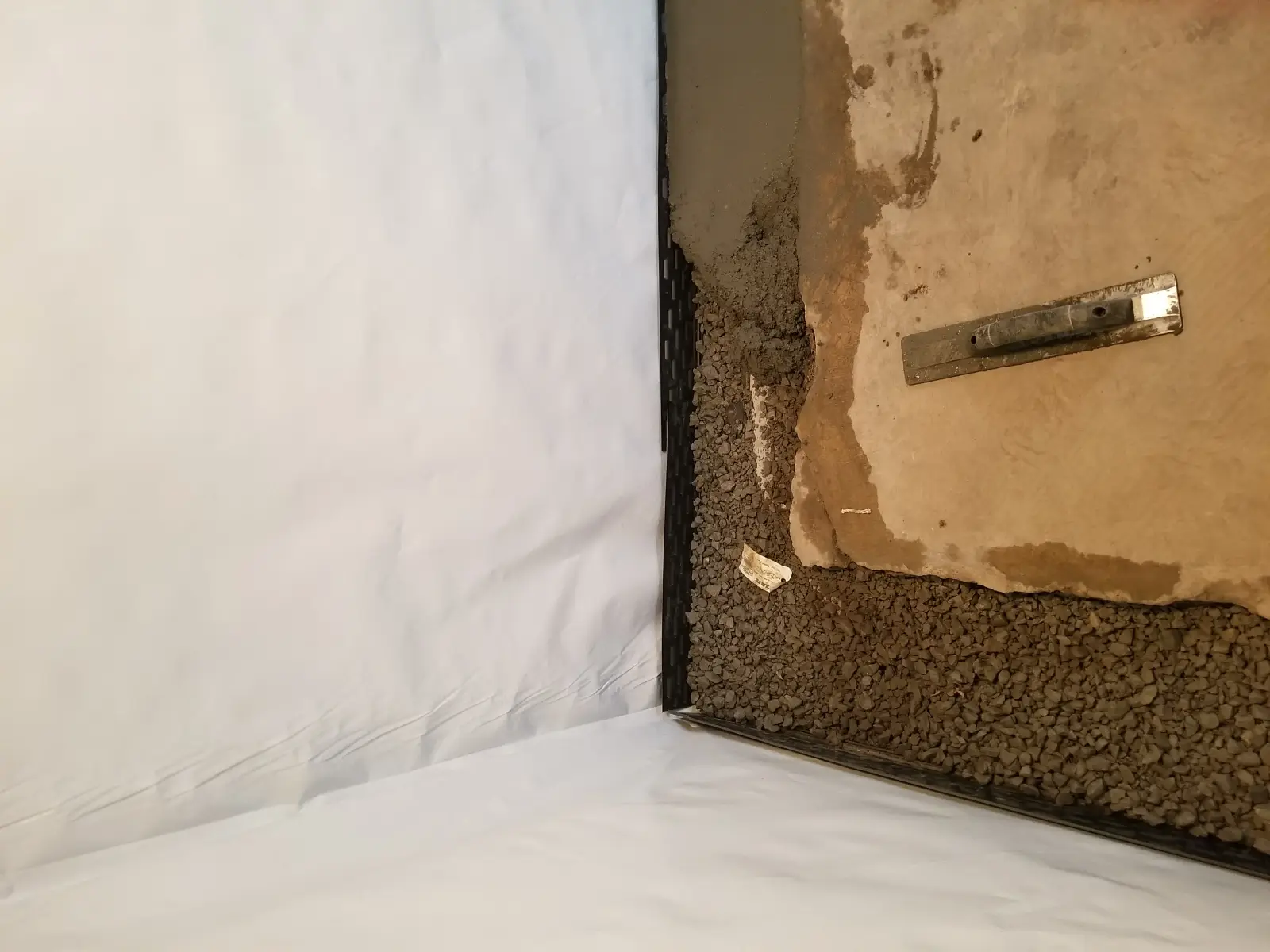
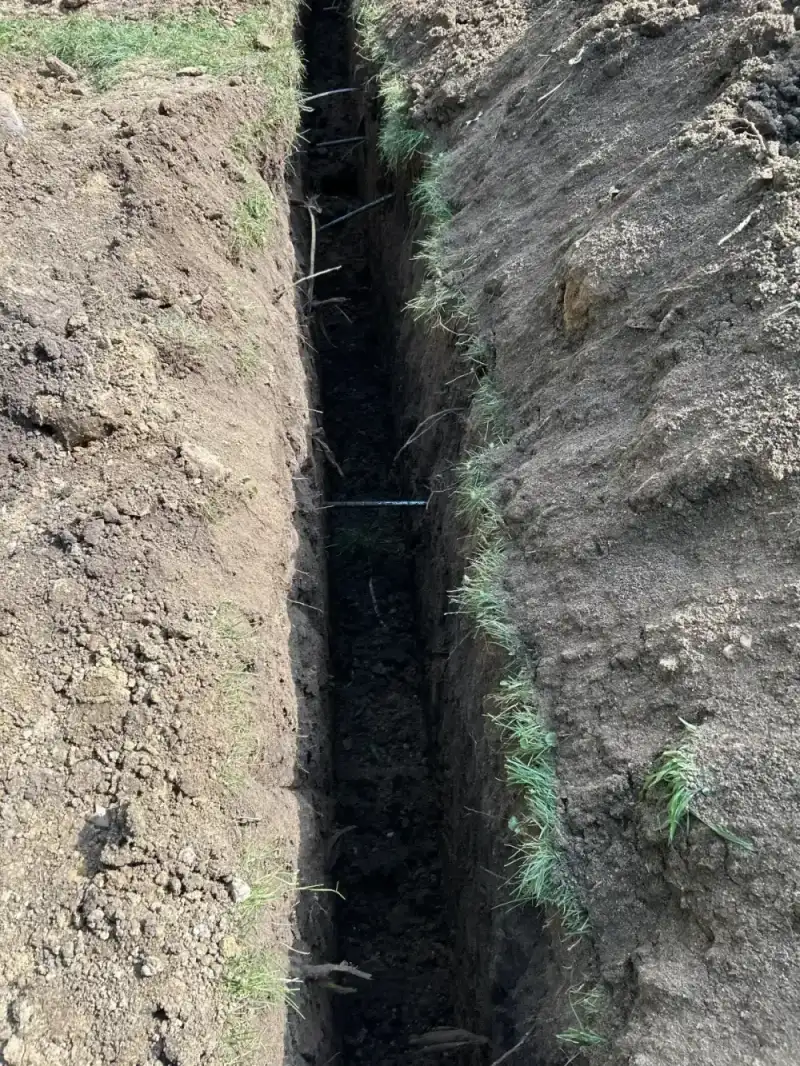
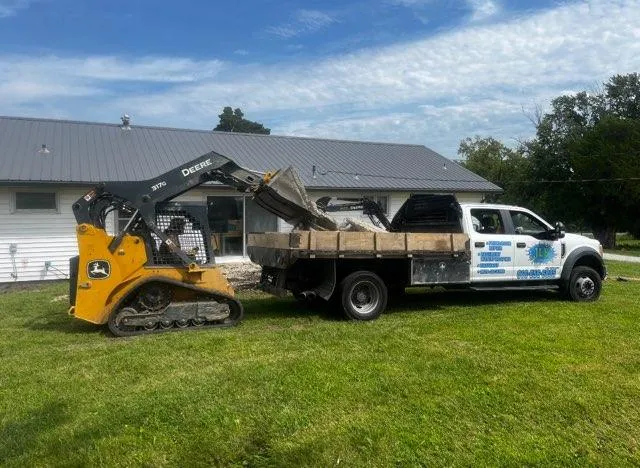
Every photo is from an actual JLB job site — not a stock photo. See the work we do every day across Kansas City and Des Moines.
Two Ways to Pay for It
12 Months Same As Cash
Pay the full balance within 12 months and you pay no interest.
Best if you can pay it off within a year.
5 Years at 6.99% APR
A lower monthly payment, spread over 60 months.
Best for bigger projects.
On approved credit. Ask for full terms at your free estimate.
Foundation Repair & Waterproofing Questions for Leavenworth Homeowners
Most Kansas City metro foundation issues stem from Wymore-Ladoga clay soils with 60–80% clay content that expand and contract uniformly. Leavenworth sits on Pawnee series glacial till—an unsorted Pleistocene deposit mixing clay, silt, sand, and gravel in unpredictable ratios. This means water drains unevenly: sandy pockets allow rapid infiltration while adjacent clay zones trap moisture and swell. Your foundation doesn't experience uniform pressure—it gets pushed differently at different points along the wall. This uneven loading causes diagonal cracking patterns and localized settlement that pure-clay cities don't typically produce. River bluff terrain compounds the problem because gravity pulls saturated till downslope, adding lateral force. Repair strategies must account for variable bearing capacity across your foundation's footprint, which is why standard pier spacing from a Johnson County project won't necessarily apply to a Leavenworth home.
Leavenworth's pre-1939 homes—over 21% of the city's housing stock—typically need more complex repair than newer poured concrete foundations. Push piers run $1,250–$2,500 per pier, and historic stone or block homes near Fort Leavenworth or downtown often require 8–12 piers due to longer wall spans and irregular original construction. Wall stabilization adds cost: carbon fiber straps run $350–$1,000 each, wall anchors $400–$700 per anchor, and I-beams $200–$500 per beam. A typical Leavenworth historic home project ranges from $5,000–$15,000 depending on severity. Stone foundations present additional challenges because mortar joints deteriorate over 100-plus years in glacial till that holds moisture unevenly. The average Kansas City metro foundation project runs about $4,500, but Leavenworth's oldest homes frequently exceed that due to construction complexity and bluff-terrain access limitations.
Yes, significantly. Bluff-side homes in Leavenworth face hydrostatic pressure that flat-lot homes don't experience to the same degree. An 8-foot basement wall with a water table at 4 feet depth endures roughly 250 PSF at its base. On a bluff, saturated glacial till weighing 120–130 PCF per cubic foot adds lateral earth pressure with a K₀ coefficient of 0.5–0.7 for clay, meaning combined loads can exceed 800 PSF against your below-grade walls. Interior drainage systems typically cost $4,000–$7,000 in Leavenworth, with drain tile running $49–$59 per linear foot. Bluff homes often need both interior drainage and exterior grading corrections to redirect the 42 inches of annual rainfall that Leavenworth receives. Flat-lot homes in south Leavenworth's newer subdivisions may need only interior systems since they lack the slope-driven pressure component.
The 1940s–1960s represents Leavenworth's largest construction era at over 30% of total housing stock. These homes typically have poured concrete or concrete block basements built during a period when waterproofing standards were minimal. Bowing occurs when Leavenworth's Pawnee series glacial till becomes saturated—particularly during May, when rainfall peaks at 5.7 inches—and pushes laterally against walls. The 36-inch frost depth in Leavenworth County drives over 100 freeze-thaw cycles annually, which progressively loosens the till and increases its pressure against your walls each winter. Block walls from this era are especially vulnerable because mortar joints act as hinge points. Once a wall bows more than 1–2 inches, carbon fiber straps at $350–$1,000 each can arrest movement. Beyond 2 inches, wall anchors at $400–$700 each or I-beams at $200–$500 each may be necessary to stabilize and gradually straighten the wall.
Many Leavenworth ranch homes from the 1950s–1970s have vented crawlspaces that pull humid Missouri River valley air through the gap between soil and subfloor. The stack effect means 40–50% of your first-floor air originates from below. Research from Advanced Energy shows sealed crawlspaces maintain 52% relative humidity versus 77% in vented ones—well below the 60% threshold where mold colonizes. In Leavenworth, where glacial till traps moisture unevenly and annual rainfall hits 42 inches, vented crawlspaces stay damp for extended periods. Encapsulation in Leavenworth County typically costs $5,500–$8,000 for a standard home, though larger or more complex spaces can reach $15,000. The federal government currently offers a 30% tax credit on insulation materials installed as part of the encapsulation, which can offset $500–$1,500 of your project cost depending on scope. Given Leavenworth's climate, most homeowners see measurable energy savings within the first two years.
Polyjacking works well for Leavenworth's settling concrete because the injected polyurethane foam is impervious to the moisture fluctuations that define glacial till behavior. Unlike mudjacking, which uses a cement slurry that can erode through sandy pockets in the till, closed-cell foam maintains its volume regardless of surrounding soil moisture. Leavenworth's Pawnee series till settles unevenly because its mixed composition—clay, silt, sand, gravel—consolidates at different rates under concrete loads. Polyjacking addresses this by filling voids precisely and lifting slabs to grade. The treatment is not permanent in the absolute sense—if the underlying till continues to erode due to poor drainage, new voids will form. That's why JLB pairs polyjacking with drainage corrections specific to your property's grade and bluff position. Most Leavenworth polyjacking projects cost significantly less than full slab replacement and can be completed in a single day, even on the tight lots common in historic downtown neighborhoods.
Get Your Free Leavenworth Foundation Inspection
Tell us about your Leavenworth home—its age, foundation type, and what you're seeing. Whether you're on a river bluff downtown or a flat lot in south Leavenworth, we'll schedule a no-cost assessment tailored to your property's specific soil and terrain conditions.
Our Locations
We're always close enough to help — our crews are local to your area.
JLB Foundation Repair & Basement Waterproofing — Kearney
24011 State Rte 92Kearney, MO, 64060(816) 656-6835 View on Google Maps
JLB Foundation Repair & Basement Waterproofing — Kansas City
111 NE 72nd St, Ste 111Kansas City, MO, 64119(816) 408-3651 View on Google Maps
Stop the Damage. Get Answers Today.
A free estimate takes 45 minutes and tells you exactly what's going on under your house — and exactly what it takes to fix it.