The Complete Guide to Foundation Repair & Waterproofing in Kansas City
Expansive clay, freeze-thaw winters, and heavy spring rain make foundation problems predictable in KC — and fixable. Everything from warning signs to repair methods to cost factors.
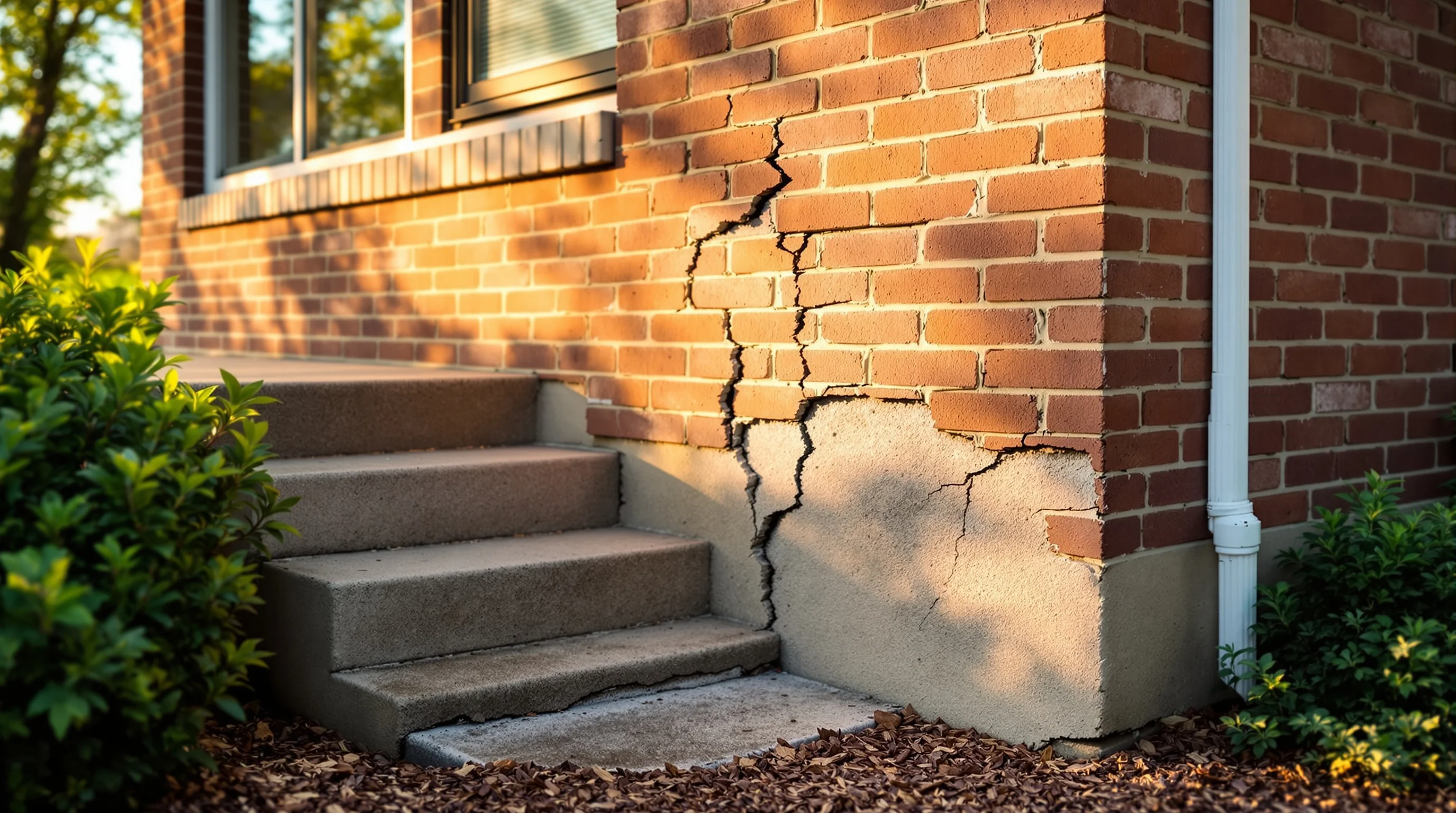
Foundation repair in Kansas City starts with one hard truth: our soil moves. The metro sits on expansive clay that swells when wet and shrinks when dry, and nationally, expansive soils damage more homes each year than floods, earthquakes, and tornadoes combined. Add freeze-thaw winters, heavy spring rain, and thousands of older stone and block homes, and you get a region where foundation problems are common, predictable, and fixable.
This guide covers why KC foundations fail, the warning signs worth acting on, the repair and waterproofing methods that actually hold here, what drives cost, and how to hire a contractor without getting sold something you don't need.
Why Do Kansas City Foundations Fail?
Most Kansas City foundation failures trace back to soil moisture swings. The metro sits on the Wymore-Ladoga clay complex, which expands when saturated and contracts during drought. When soil volume changes underneath a footing, the structure above has nowhere to go but up, down, or sideways. Four local factors stack the deck.
Expansive Clay Soil
Kansas City clay behaves like a sponge. It absorbs water and swells through wet months, then shrinks and pulls away from foundations in dry spells. That cyclical movement stresses footings and walls year after year, and it never fully stops. Our KC soil guide breaks down exactly how the Wymore-Ladoga complex behaves across Johnson, Jackson, and Clay counties.
Freeze-Thaw Cycles
Winter compounds the problem. Water in the soil freezes, expands, then thaws, repeatedly. The KC metro runs through roughly 100 of these cycles a year. Each one nudges soil and masonry and widens hairline cracks a little further.
Seasonal Rain and Drainage
Heavy spring storms saturate the ground fast, and Kansas City clay is classified in the hydrologic soil group with the lowest infiltration rate — meaning water pools against foundation walls rather than draining through. That standing water becomes hydrostatic pressure pushing on basement walls and forcing moisture through cracks and porous concrete.
Older Stone and Block Construction
Many KC neighborhoods feature homes with limestone or concrete-block foundations built decades ago. These systems are more vulnerable to bowing, mortar failure, and water intrusion than modern poured walls, and they need closer monitoring. Homes built between 1950 and 1990 are especially susceptible, because construction methods then didn't account for this much soil movement.
What Are the Warning Signs of Foundation Problems?
Early foundation problems announce themselves through small, specific clues. Homeowners who act at the first sign generally spend far less than those who wait, because damage compounds as movement continues. Watch for these:
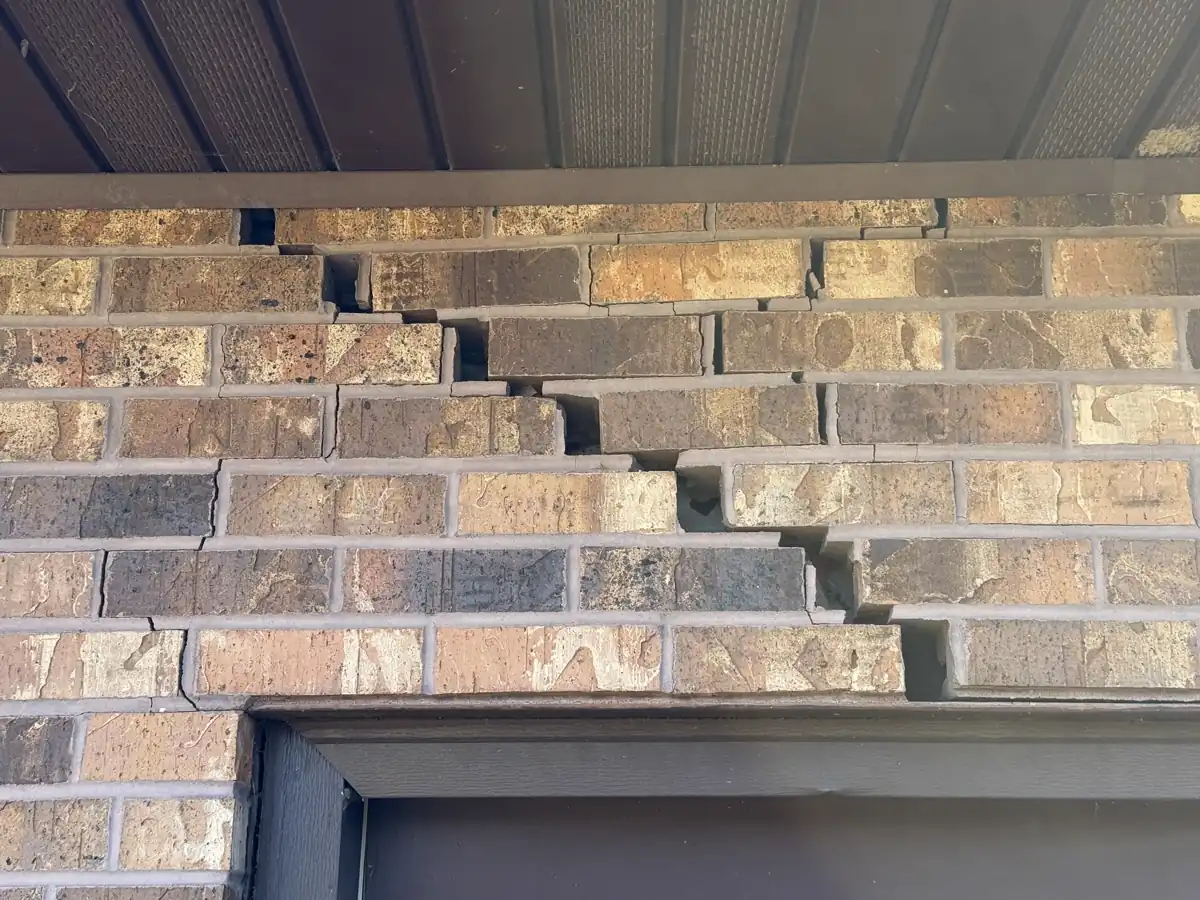
- Stair-step cracks in brick or block, especially near corners and windows.
- Doors and windows that stick or no longer latch cleanly.
- Sloping or uneven floors you can feel underfoot.
- Bowing or leaning basement walls, often with a horizontal crack.
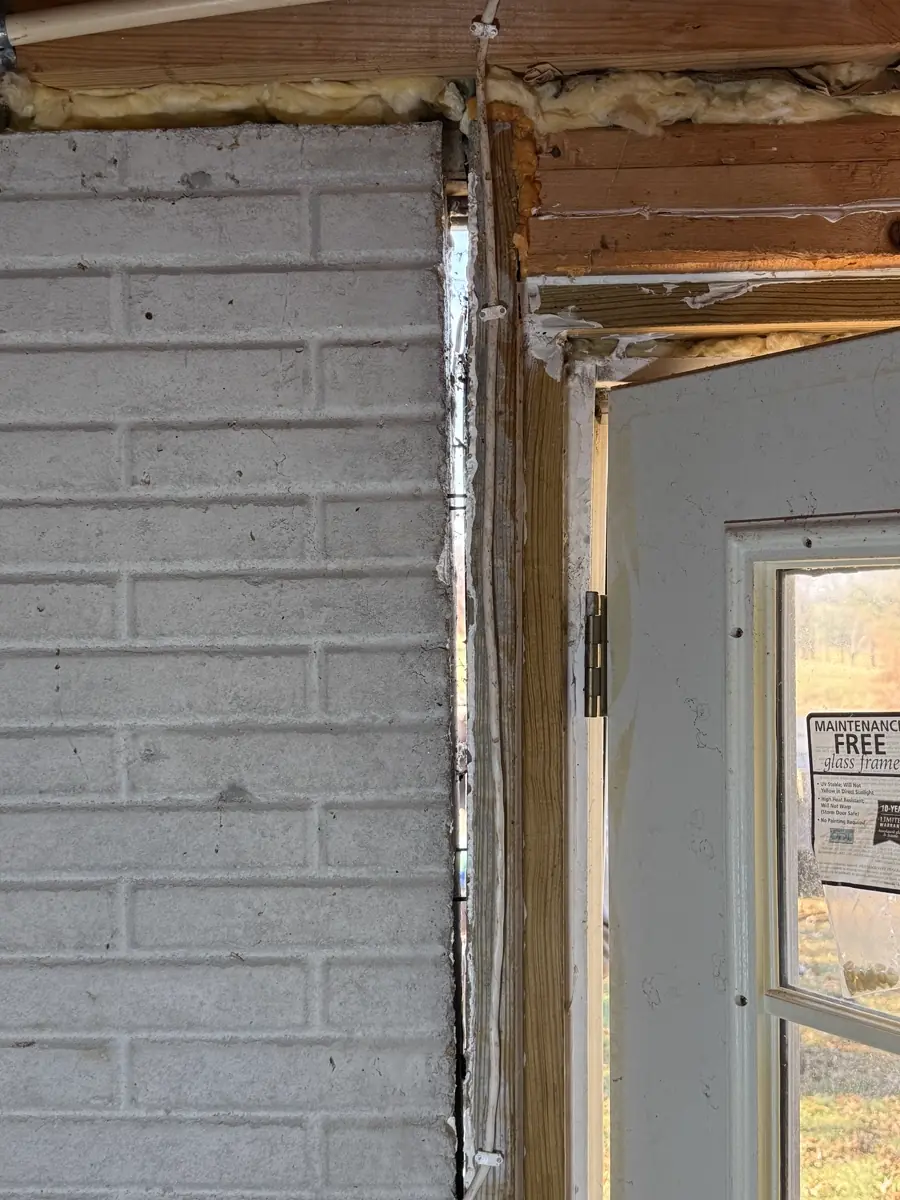
- Gaps where walls meet ceilings, or trim pulling away.
- Water stains, musty odors, or efflorescence on basement walls.
Our crack guide shows what each pattern means visually, and the seasonal checklist walks the 15-minute inspection worth doing each spring and fall.
What Are the Main Foundation Repair Methods?
Effective foundation repair matches the method to the failure. Engineered structural repairs generally last decades, and permanent underpinning systems are designed to stabilize a home for the rest of its life. Here are the core approaches used across Kansas City.
Piering and Underpinning
Piers transfer a home's weight to stable soil or bedrock well below the active clay zone. Steel push piers and helical piers can both hold a settling foundation permanently, and often recover some of the lost elevation. This is the standard fix for homes sinking or settling unevenly. See JLB's foundation repair services for how the systems are specified, or compare piering against slab-lifting methods.
Wall Stabilization and Replacement
Bowing or cracked walls need lateral support. Carbon-fiber straps, steel I-beams, and wall anchors all address moderate movement. A severely failed stone or block wall may need full wall replacement to restore integrity — the most involved option, and the honest answer when a wall is past bracing.
Crack Repair and Sealing
Not every crack is structural. Non-structural cracks can be sealed with epoxy or polyurethane injection to block water and stop them widening. The value is in the diagnosis that comes first, separating cosmetic cracking from a symptom of deeper movement.
How Does Basement Waterproofing and Drainage Work?
Waterproofing controls the water that drives foundation damage in the first place. In a rainy clay region, managing moisture isn't optional — it's the difference between a repair that holds and one that fails in three seasons. Effective systems combine interior and exterior strategies.
Interior vs. Exterior Systems
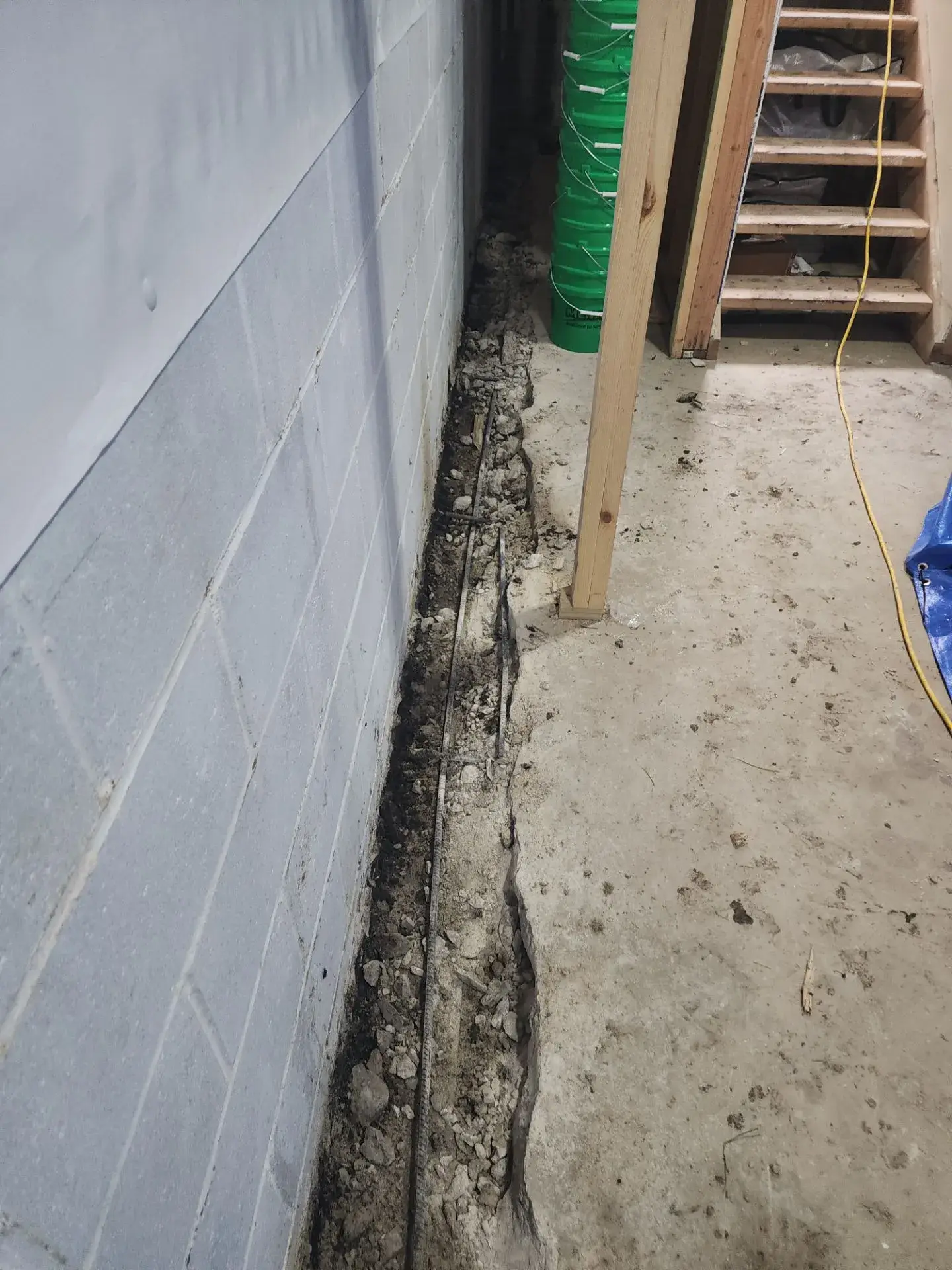
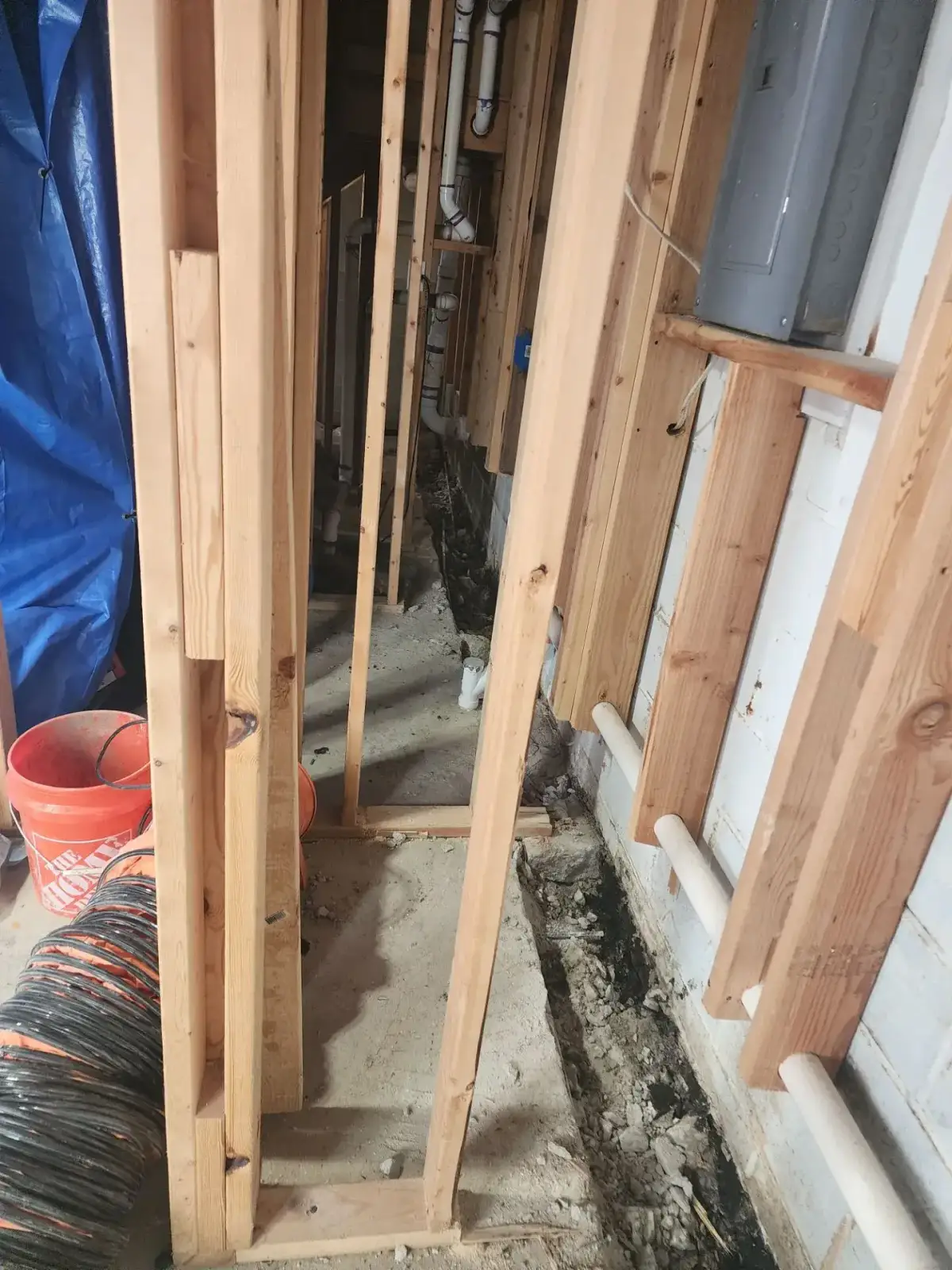
Interior waterproofing manages water that reaches the basement, using perimeter drain tile, vapor barriers, and a sump system to remove it. Exterior waterproofing stops water before entry with membranes, footing drains, and corrected grading. Many KC homes do best with a blend. The full comparison covers when each approach is worth the cost.
Sump Pumps
A sump pump collects water in a pit and discharges it away from the home. A battery backup keeps it running during storm-driven power outages — which is precisely when the pump matters most, since the storm knocking out your power is the same storm flooding your basement.
French Drains
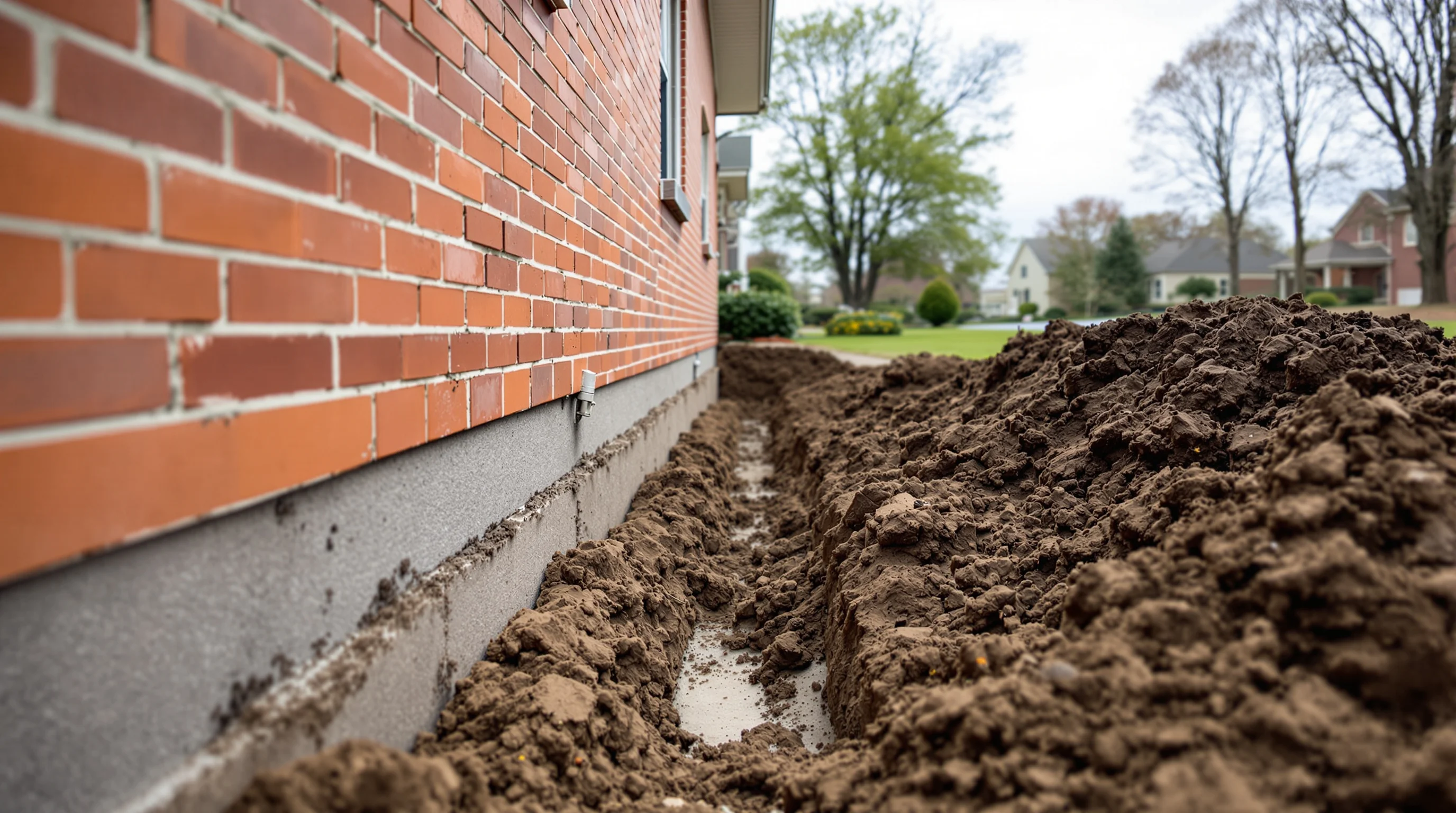
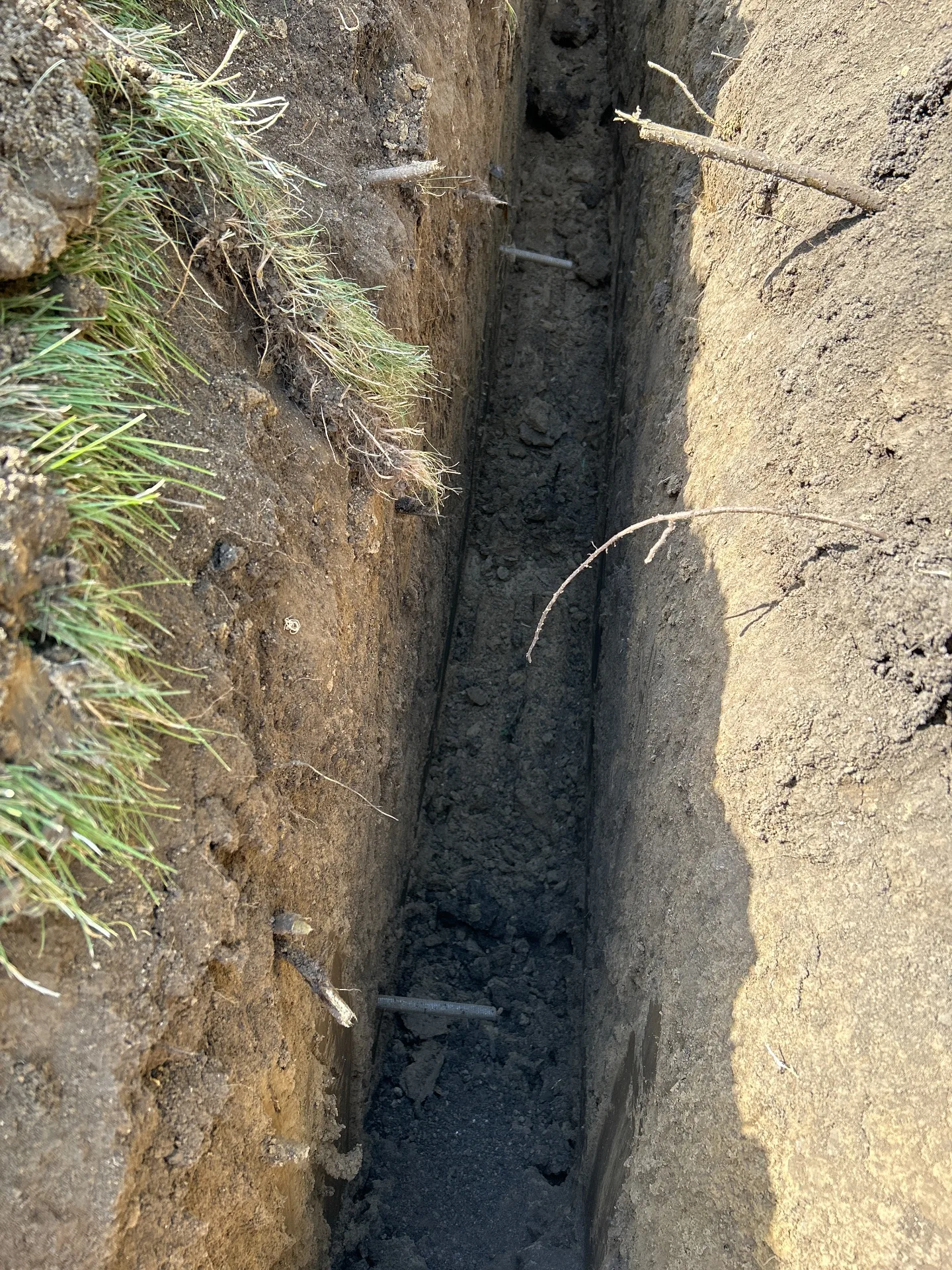
A French drain routes subsurface water away from the foundation through a gravel-bedded perforated pipe. Paired with downspout extensions and proper grade, it relieves the hydrostatic pressure that pushes water through walls in the first place. Explore JLB's waterproofing solutions for interior and exterior options.
What Is Crawl Space Encapsulation?
Crawl space encapsulation seals the space against ground moisture and humidity. A sealed, conditioned crawl space cuts moisture problems and reduces heating and cooling loss, which shows up on utility bills as well as in air quality.
Encapsulation typically means a heavy vapor barrier across floor and walls, sealed vents, drainage, and often a dehumidifier. In KC's humid summers this stops the damp, musty conditions that fuel mold, wood rot, and pests. JLB's approach spray-foams both the crawl space and the basement rather than one or the other — twice the protection, and typically at lower cost than competitors who treat only one. Learn more about crawl space encapsulation in Kansas City.
How Does Concrete Leveling and Polyjacking Work?
Concrete leveling lifts sunken slabs without replacing them. Polyjacking injects expanding polyurethane foam beneath the slab, which sets in minutes and weighs far less than the slurry used in older mudjacking. It restores driveways, patios, garage floors, and walkways that have settled over shifting soil.
The process is fast and minimally invasive. Technicians drill penny-sized ports, inject foam that expands to fill voids and raise the slab, then patch the holes. Because the foam resists moisture and won't wash out, it suits Kansas City's wet-dry soil cycles well. Most jobs finish in a few hours and you can drive on the surface the same day.
Why polyurethane foam has largely replaced cement slurry for slab lifting.
Source: JLB Foundation Repair field practice
How Much Does Foundation Repair Cost in Kansas City?
Foundation repair costs vary by the problem, not by a flat rate. Most residential projects in the KC area land between $3,000 and $15,000, driven mainly by how many steel push piers the home needs. Piers typically run $1,250 to $2,500 each, and most KC homes need five to twelve. Homes on the Wymore-Ladoga complex tend toward the higher end because the soil moves more aggressively.
Source: JLB Foundation Repair estimating practice, Kansas City metro
No honest contractor prices before inspecting. JLB's free 45-minute analysis produces a written report and an itemized estimate for your specific home, and you keep the report whether or not you hire us.
Why Do Kansas City Homeowners Choose JLB?
JLB Foundation Repair & Basement Waterproofing has repaired more than 2,000 KC-area homes since 2015. That volume matters more than it sounds: clay behaves differently block to block, and 11-plus years of metro-focused work builds pattern recognition that newer or out-of-town crews don't have.
The company is licensed, insured, and locally operated, serving the metro across both Missouri and Kansas. Every project starts with a free 45-minute analysis and a written report, so you understand the problem before committing a dollar. Repairs carry transferable warranties, and the full service range — foundation repair, waterproofing, crawl space encapsulation, polyjacking, French drains, wall replacement, and piering — runs under one roof, so you won't get bounced between subcontractors.
Coverage spans the entire Kansas City metro, including Kansas City, Overland Park, Olathe, Independence, Lee's Summit, Shawnee, Blue Springs, Lenexa, Leawood, and Liberty.
Protect Your Home Before the Next Wet Season
Kansas City's clay soil, freeze-thaw winters, and heavy rains make foundation problems a matter of when, not if. The good news is that early action, the right repair method, and sensible water management keep homes stable for decades. Watch for the warning signs, address both structure and moisture, and hire a licensed local expert who diagnoses before pricing.
Ready for answers? Schedule your free 45-minute analysis and get a clear written report on your home's condition, with no obligation.