Raytown MO Foundation Repair for Aging Block Basement Walls
Serving Raytown and Jackson County with 6 specialized foundation and waterproofing services — local crews, engineered repairs, and every estimate is free.
Free 45-Minute Analysis + Written Report
Get a precise analysis of your foundation and waterproofing situation, and a clear estimate on what any fixes or corrections might cost.
Takes 30 seconds. We'll call within 24 hours.
Thank You!
We'll be in touch within 24 hours.
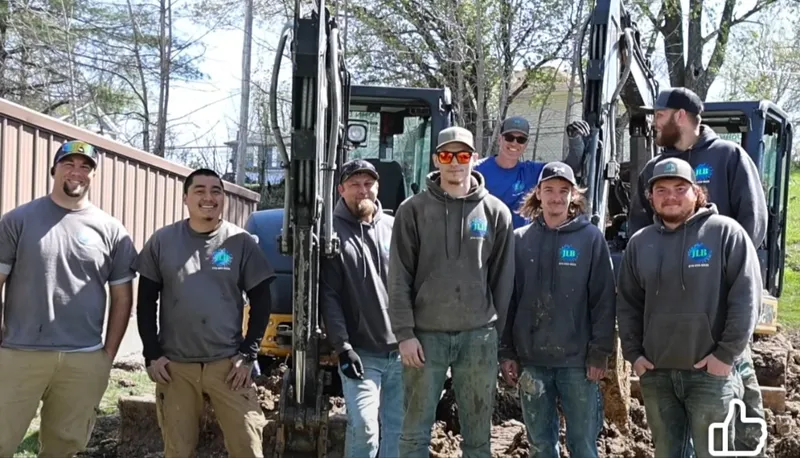
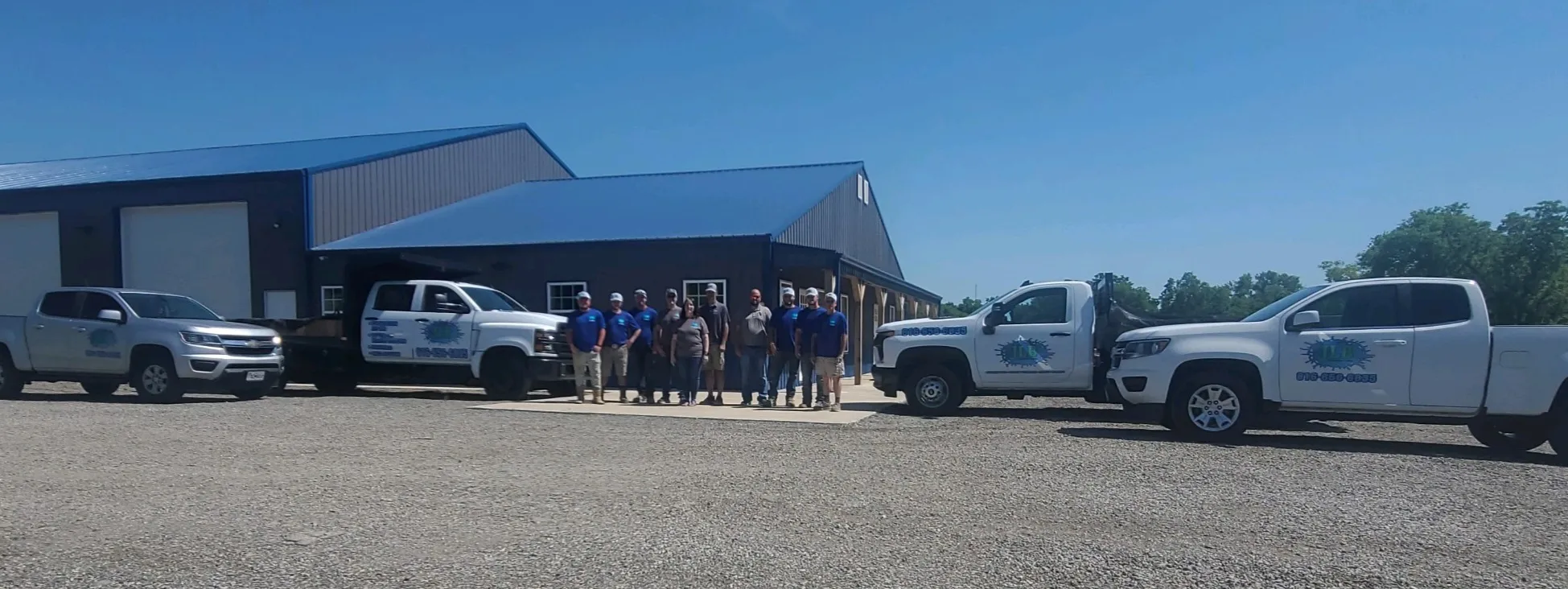
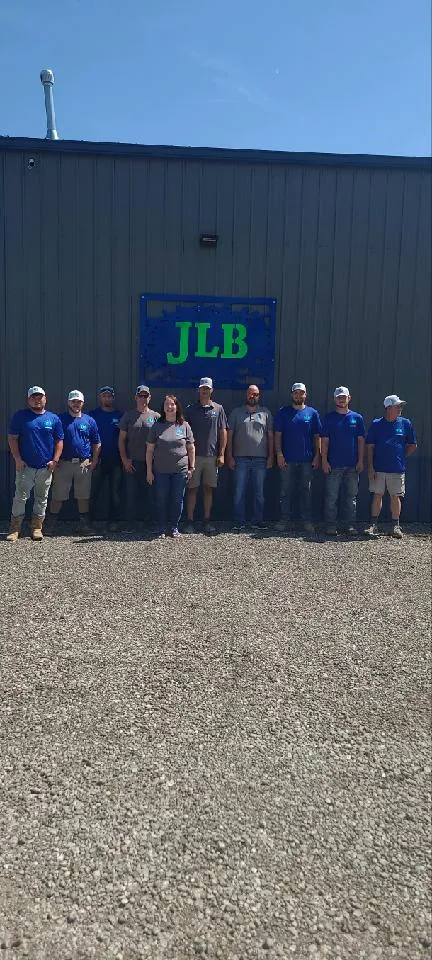
Meet the Team Serving Raytown
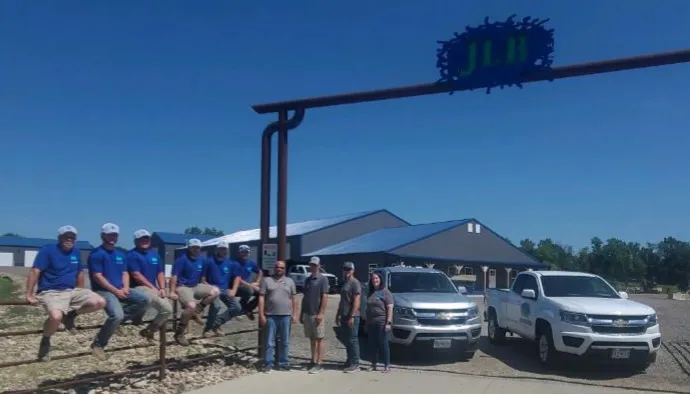
JLB Foundation Repair is a local company — not a franchise. We serve Raytown and the surrounding Kansas City metro with foundation repair, waterproofing, crawlspace encapsulation, and drainage solutions. Watch to learn who we are and how we work.
Watch Our Work in Raytown
Foundation Repair and Waterproofing Services in Raytown
Every foundation problem has a permanent fix. We use engineered systems — not quick patches — backed by transferable warranties and decades of field experience.
Foundation Repair
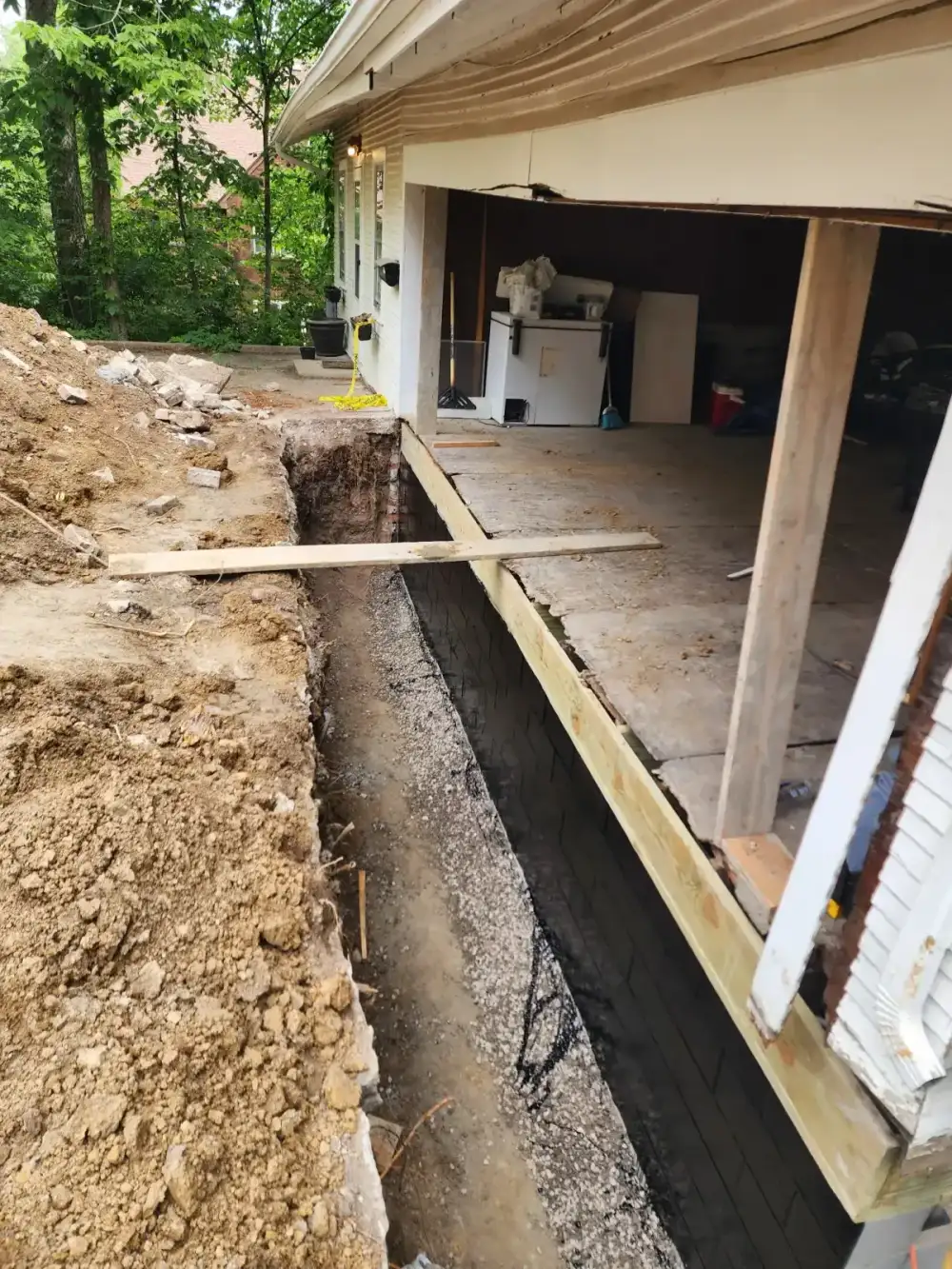
Steel push piers and wall anchors to stabilize and lift settling foundations. Stop the cracks, level the floors, save the home.
Learn More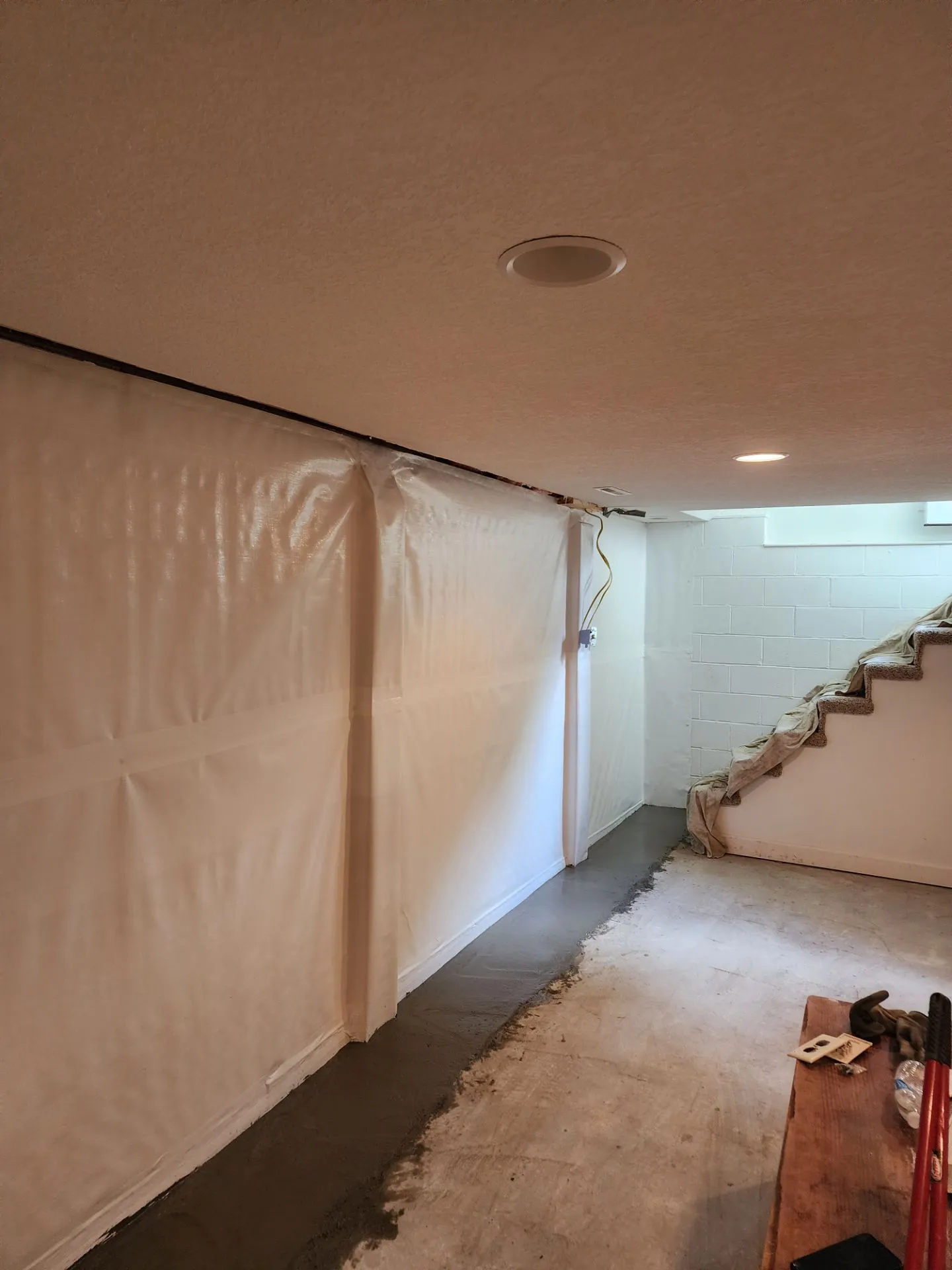
Basement Waterproofing
Interior drainage systems, sump pumps, and vapor barriers to keep your basement permanently dry. No more water. No more worry.
Learn More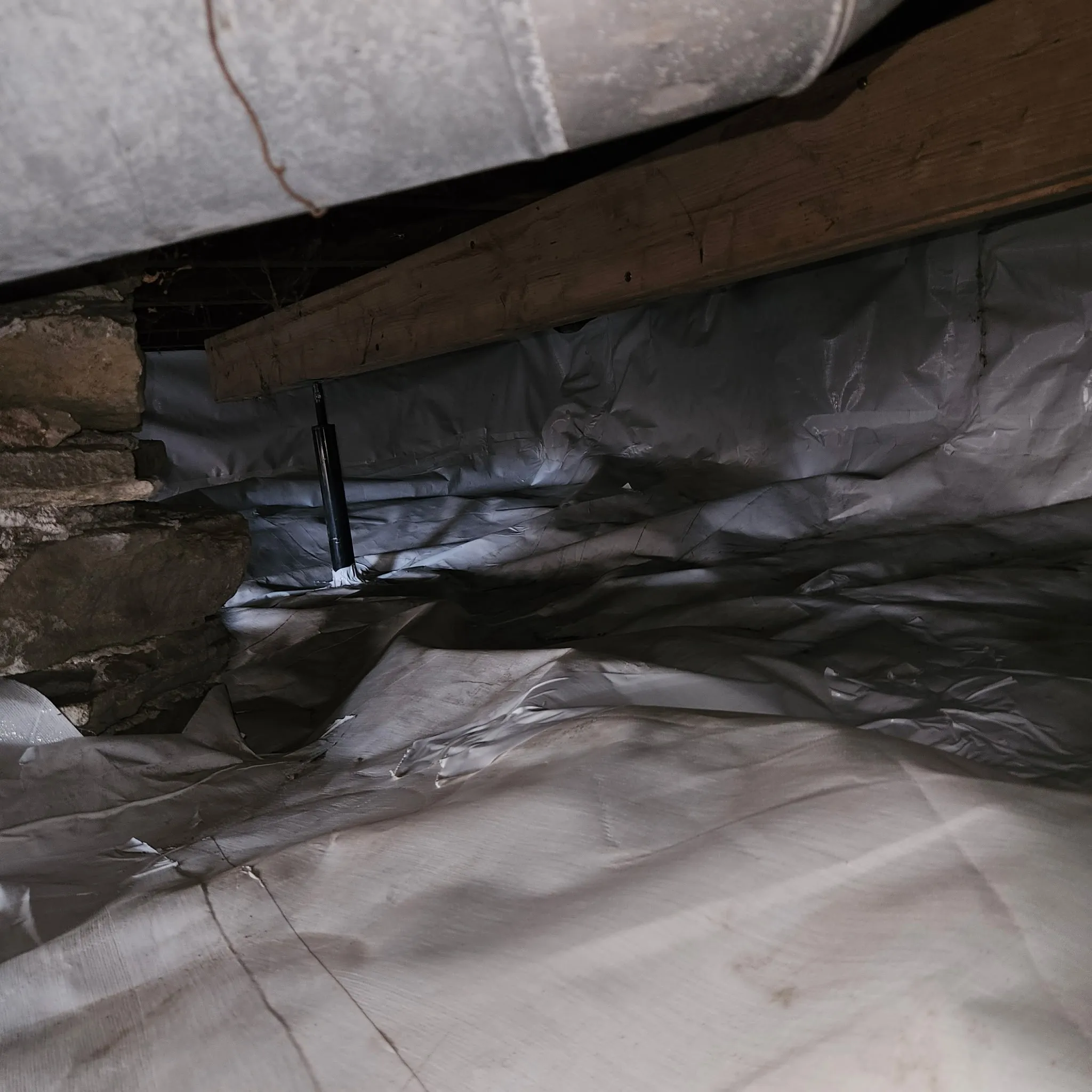
Crawlspace Encapsulation
Full encapsulation with spray foam for BOTH crawlspace and basement — twice the protection competitors offer, at a lower cost.
Learn More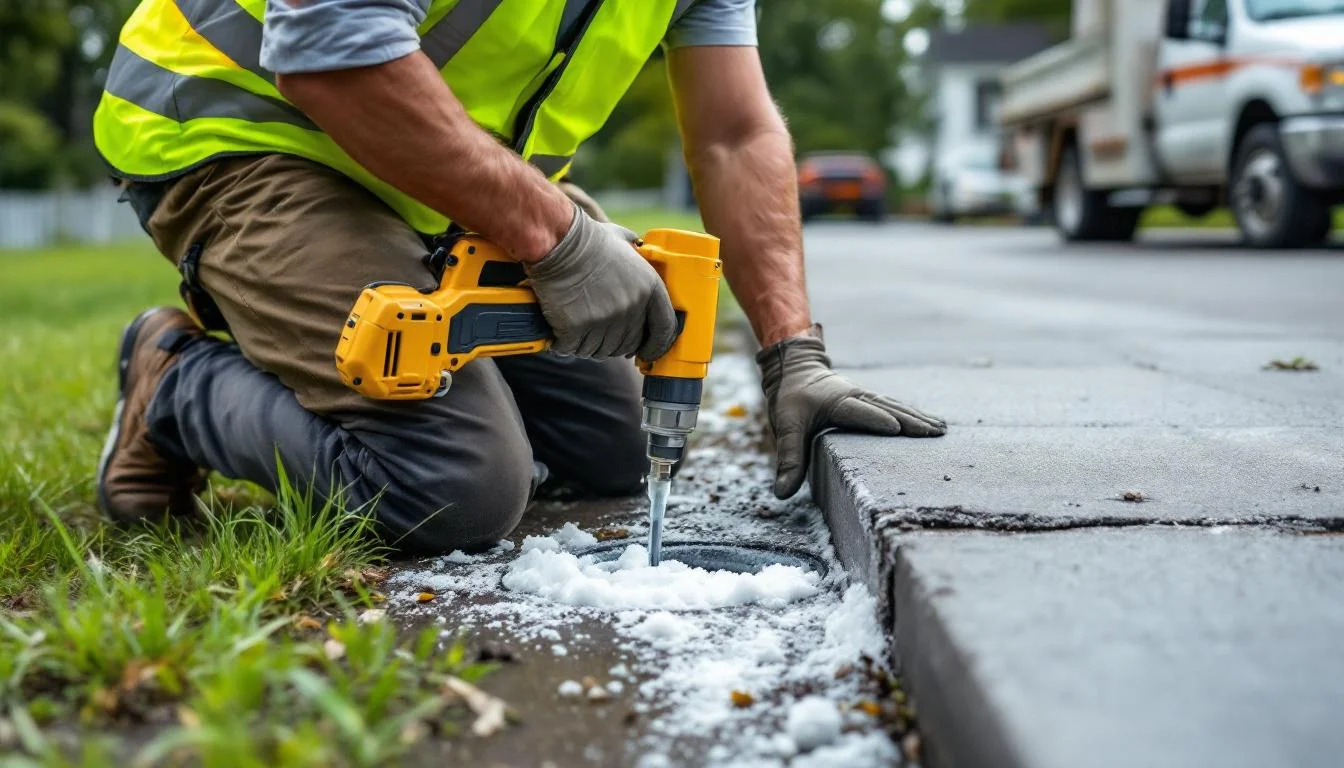
Polyjacking / Concrete Leveling
Lift and level sunken driveways, patios, sidewalks, and garage floors with polyurethane foam injection. Fast, clean, long-lasting.
Learn More
French Drains & Drainage
French drains, extended downspouts, regrading, and drain pipes to redirect water away from your foundation permanently.
Learn More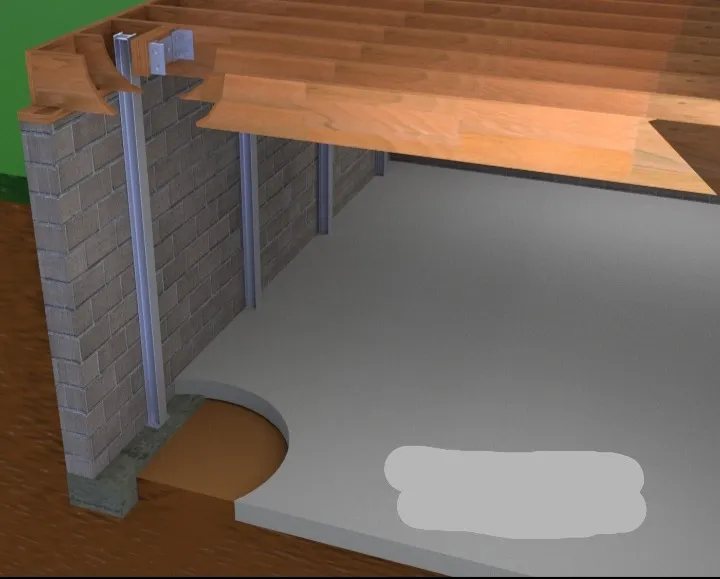
Foundation Wall Replacement
Complete removal and reconstruction of severely damaged foundation walls with new reinforced concrete, drainage, and waterproofing.
Learn MoreTwo Ways to Pay Over Time
12 Months Same As Cash
Pay the full balance within 12 months and you pay no interest.
5 Years at 6.99% APR
A lower monthly payment, spread over 60 months.
On approved credit. Ask for full terms at your free estimate.
Foundation Repair, Waterproofing, and Block Wall Stabilization in Raytown
Raytown sits squarely on the Wymore-Ladoga soil complex — Jackson County clay with 60–80% clay content and a USDA-NRCS rating of "very high" shrink-swell potential. That alone would challenge any foundation, but pair it with the city's dominant 1950s–1970s housing stock and you get a pattern we see repeatedly along the 350 Highway corridor and Blue Ridge Blvd. Over half of Raytown's homes were built between 1940 and 1979, using a mix of block and poured concrete foundations beneath ranch and split-level floor plans. These structures were not designed to handle the cumulative stress that decades of clay movement, 42 inches of annual rainfall, and 100-plus freeze-thaw cycles impose on aging walls and footings.
Raytown's position between Kansas City, Independence, and Lee's Summit makes it unique in the metro. The city's gently rolling terrain creates subtle drainage challenges that flat-lot suburbs don't face — water follows the grade toward foundation walls instead of sheeting away evenly. With Hydrologic Soil Group D classification, Jackson County's clay has the lowest infiltration rate and highest runoff potential of any soil group. That means storm water doesn't absorb; it pools. During May's peak rainfall of 5.7 inches, saturated clay around an 8-foot basement wall can exert lateral pressures exceeding 800 PSF when combined earth and hydrostatic forces act together. Raytown's older block foundations are especially vulnerable to that kind of load.
JLB's approach in Raytown accounts for the realities of working on mid-century homes on rolling lots with mature landscaping and tight setbacks. Many properties along Raytown Road and throughout the 350 Highway corridor have limited equipment access, so our crews plan entry routes and staging before mobilizing. We tailor each repair to the actual foundation type — whether that's a 1955 block wall bowing under lateral clay pressure or a 1970s poured basement with step cracks from differential settlement. Jackson County's 36-inch frost depth dictates our pier installation depth, and we factor in Raytown's cost sensitivity by recommending only the work that the structure actually requires, not a wishlist of upgrades.
Raytown at a Glance
Where Does JLB Handle Foundation Repair Across Raytown's Hilly Terrain?
JLB serves all of Raytown and surrounding Jackson County, including homes along the 350 Highway corridor, Blue Ridge Blvd, and Raytown Road. Our crews work throughout the neighborhoods between Kansas City, Independence, and Lee's Summit — the areas where Jackson County clay does the most damage.
Why Are Raytown's Block Foundations Vulnerable to Jackson County Soil Pressure?
The homes in Raytown sit on a range of foundation types, each with its own vulnerabilities. Here's what our crews see most often in Jackson County.
Concrete block basement
Concrete block foundations are common in Raytown's 1950s-1980s era homes. After decades of lateral pressure from expanding clay, the mortar joints weaken and walls begin to bow inward. Horizontal cracks near the midpoint of the wall are the classic warning sign — and they need professional attention before the wall fails.
Poured concrete basement
Poured concrete basements from Raytown's postwar building boom have had 40-70 years of Jackson County's clay pressing against them. Even solid poured walls develop cracks over that timespan — vertical fractures near corners and horizontal stress lines that indicate sustained lateral pressure from the soil.
What Foundation Problems Should Raytown Homeowners Built in the 1950s–1980s Watch For?
Raytown's 1950s–1970s block and poured foundations show damage in predictable ways. Jackson County's high-shrink-swell clay and 42 inches of annual rainfall create pressure that reveals itself through specific patterns — here's what to watch for in your home.
Stair-step or horizontal cracks in Raytown's block basement walls — a sign of lateral clay pressure pushing inward
Learn about Foundation Repair →Water wicking through hollow-core block walls or seeping at the floor-wall joint — Raytown's block basements are prime targets when Jackson County's soil becomes saturated
Learn about Waterproofing →Musty smells drifting up from below, mold on surfaces, or floors that feel soft — your Raytown crawlspace may be holding moisture that's damaging the structure above it
Learn about Crawlspace Encapsulation →Doors, windows, or cabinets that stick, jam, or don't close properly — a common sign of foundation movement in Raytown homes
Learn about Foundation Repair →Who Handles Foundation Repair and Waterproofing in Raytown and Jackson County?
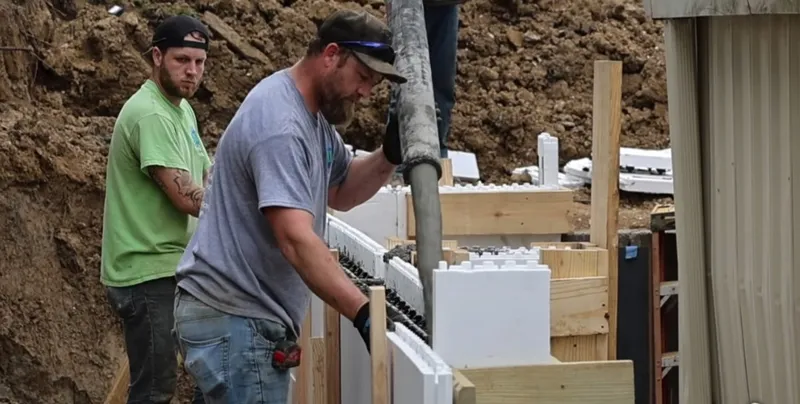
Numbers That Speak for Themselves
Your Raytown Foundation Deserves an Honest Assessment, Not a Sales Pitch
Jackson County clay doesn't stop moving, and Raytown's mid-century foundations feel the pressure every season. Request a no-obligation inspection from a team that knows your soil, your housing stock, and what repairs actually cost in this market.
Not Sure What You're Dealing With?
Click any symptom below to learn what it means, what's likely causing it, and how we can help. Most of these are more common — and more fixable — than you'd think.
Diagonal, stair-step, or horizontal cracks in drywall, plaster, or brick usually trace back to soil movement beneath your foundation. The heavy clay soils in the Kansas City and Des Moines metros expand and contract seasonally, which can shift your foundation over time. The good news: this is very fixable with the right approach.
Water entering through floor joints, wall cracks, or seeping through porous concrete means groundwater pressure is pushing moisture into your basement. An interior drainage system and sump pump can solve this permanently — and we can usually have it done in a day or two.
When a foundation settles unevenly, it can shift your home's frame just enough to make doors and windows bind. This is one of the earlier signs of foundation movement — and catching it early often means a simpler, less expensive repair.
That musty smell is moisture. Up to 40% of the air in your home rises from below — from your crawlspace and basement. If there's excess humidity down there, it affects your whole home. Encapsulation seals it out, and you'll notice the difference in your air quality right away.
Floors that slope toward the center or an exterior wall usually mean the support structure underneath needs attention. Push piers can stabilize your foundation and often lift it back to level — giving your floors a second life.
When soil washes out or compacts beneath a concrete slab, the slab drops and becomes uneven. Polyjacking uses expanding polyurethane foam to fill the void and lift the concrete back to grade — usually in under a day, with no heavy equipment needed.
Water collecting near your foundation means your grading or drainage isn't directing water away effectively. French drains, regrading, extended downspouts, and drain pipes can redirect water away from the house — protecting your foundation for the long haul.
A basement wall that has bowed more than 2 inches inward, shifted off its footing, or shows multiple structural cracks may have moved beyond what bracing can fix. When carbon fiber straps, I-beams, or wall anchors are not enough, the wall needs to be removed and rebuilt with reinforced concrete. This is the last resort — but it is the permanent fix when the wall itself is compromised.
Why Do Raytown Homeowners Choose JLB for Foundation and Drainage Work?
Jackson County Clay Specialists
Raytown's Wymore-Ladoga soil has 60–80% clay content with very high shrink-swell ratings. We design every repair around the specific lateral pressures and settlement patterns that Jackson County's Group D soils create beneath your home's foundation.
Built for Mid-Century Homes
Over 52% of Raytown's housing was built between the 1940s and 1970s using block and poured concrete foundations. Our team works on these systems daily — we know where block walls fail, how split-level footings settle, and what each structure actually needs.
Honest Scoping, Fair Pricing
Raytown homeowners are cost-conscious, and we respect that. With average KC-area foundation projects around $4,500 and interior waterproofing systems running $4,000–$7,000, we recommend only the repairs your structure requires — then explain exactly why each one matters.
Local Terrain Knowledge Matters
Raytown's gently rolling topography between KC and Lee's Summit means water follows the grade toward your foundation instead of sheeting away. We account for lot slope, runoff direction, and the 5.7 inches of peak May rainfall when designing drainage and waterproofing solutions.
What Raytown, MO ZIP Codes Does JLB Cover for Foundation Repair?
What Our Customers Say
"We had cracks running up our walls and doors that wouldn't close. JLB came out, explained exactly what was happening with the soil under our house, and had the piers installed in two days. Floors are level again. Wish we hadn't waited so long."
"Three other companies gave us the runaround. JLB showed up, did a thorough inspection, and gave us a straight answer. The repair held up through an entire Missouri winter with zero new cracking."
"Our crawlspace was a mess — moisture, mold, the works. JLB encapsulated it AND spray-foamed our basement in the same project. The difference in our home's air quality is incredible. Great value for the price."
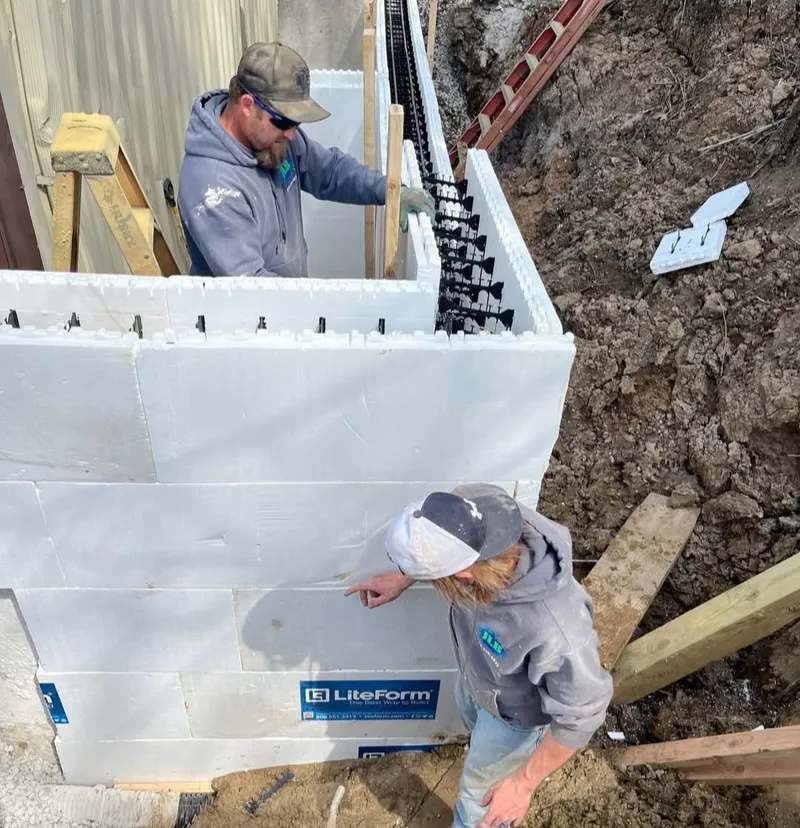
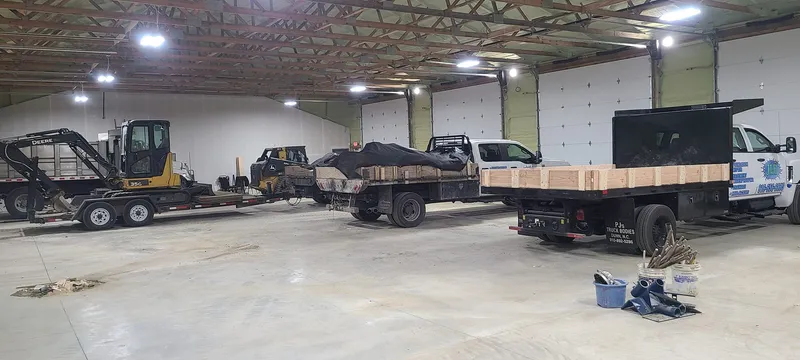
Real Team. Real Work.
Right Here in Kansas City & Des Moines.
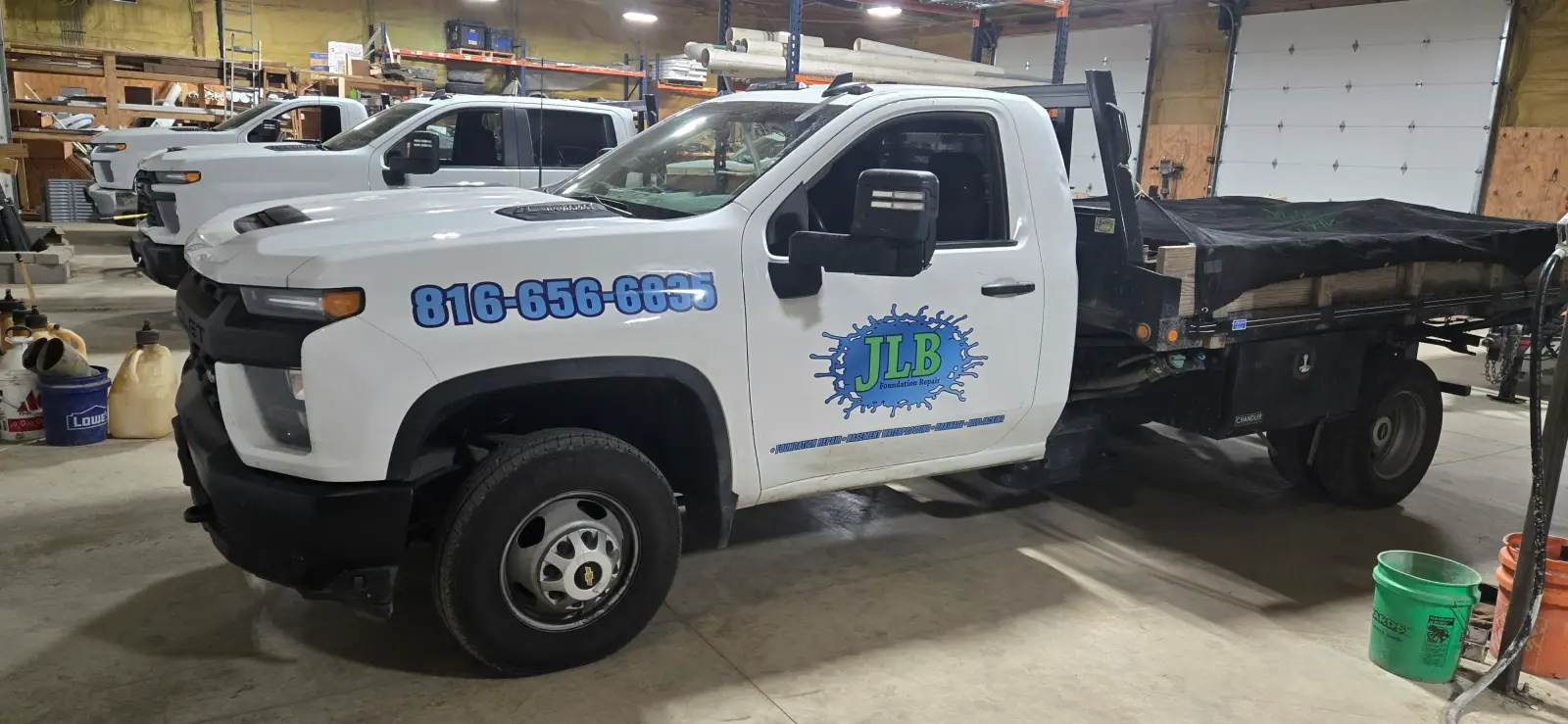
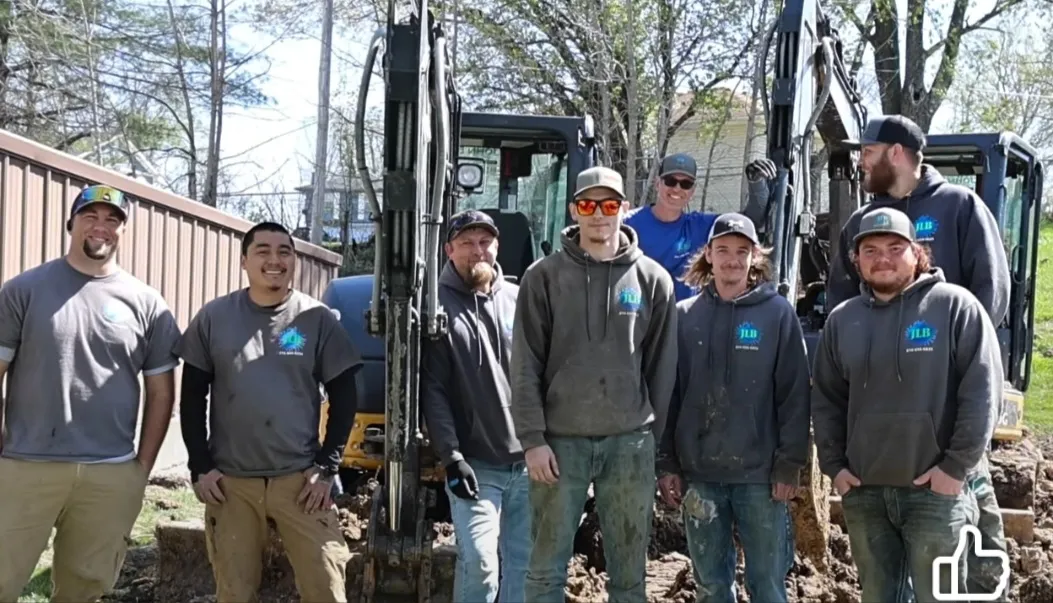
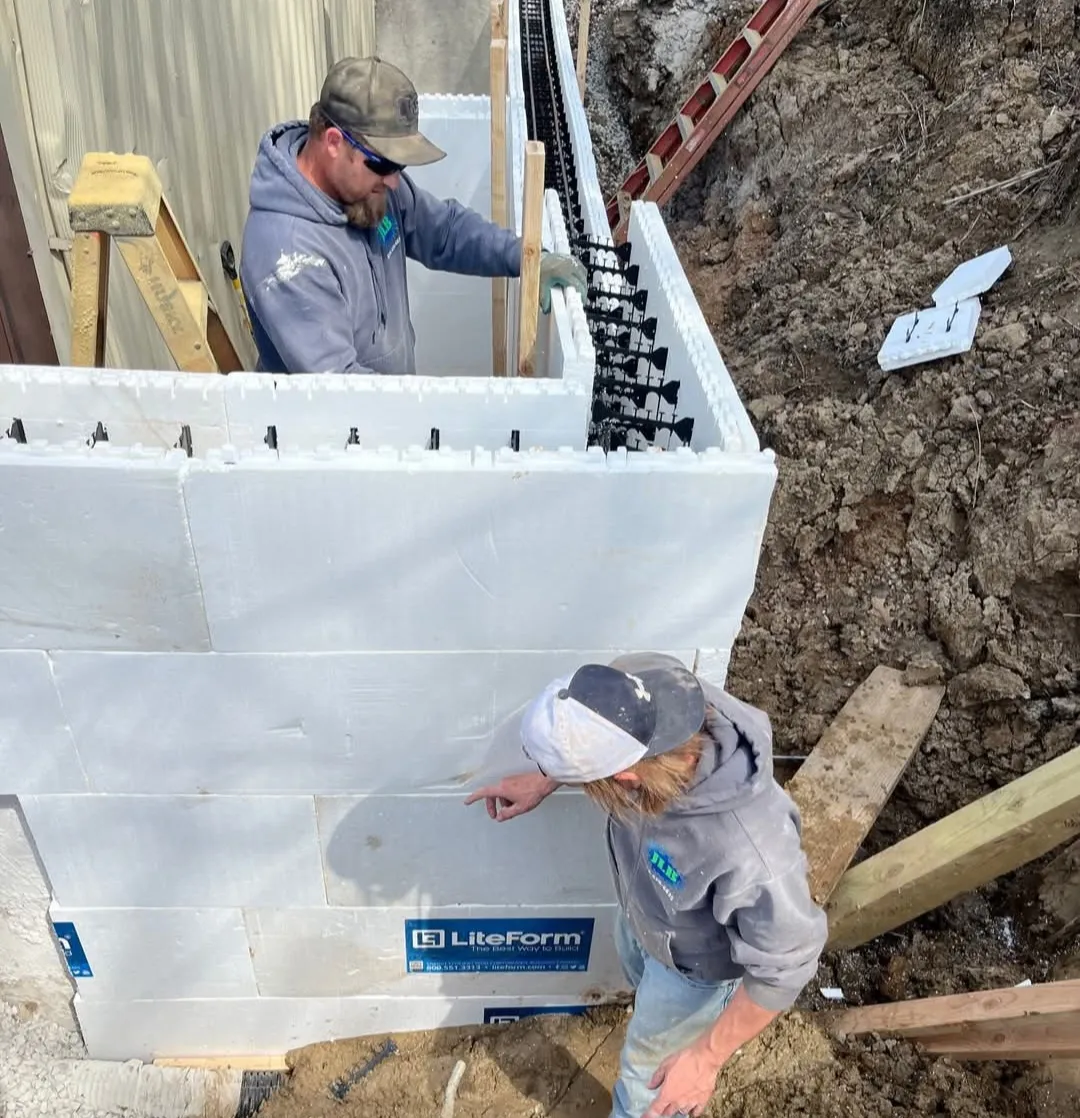
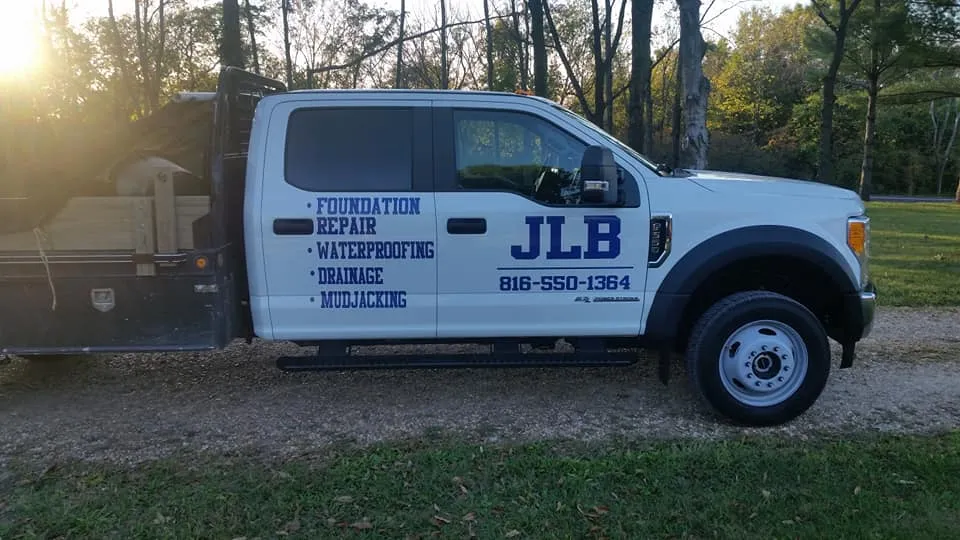
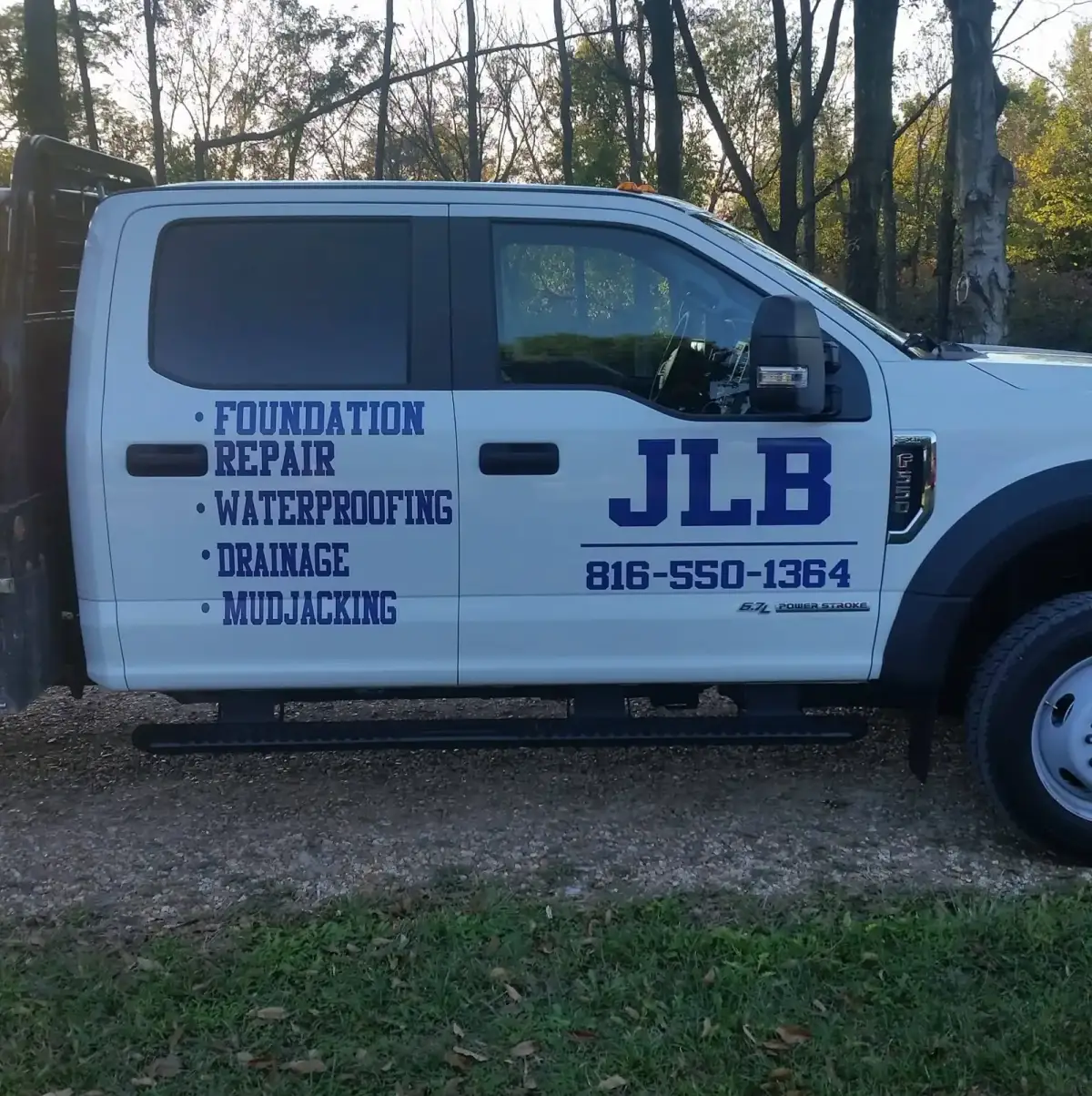
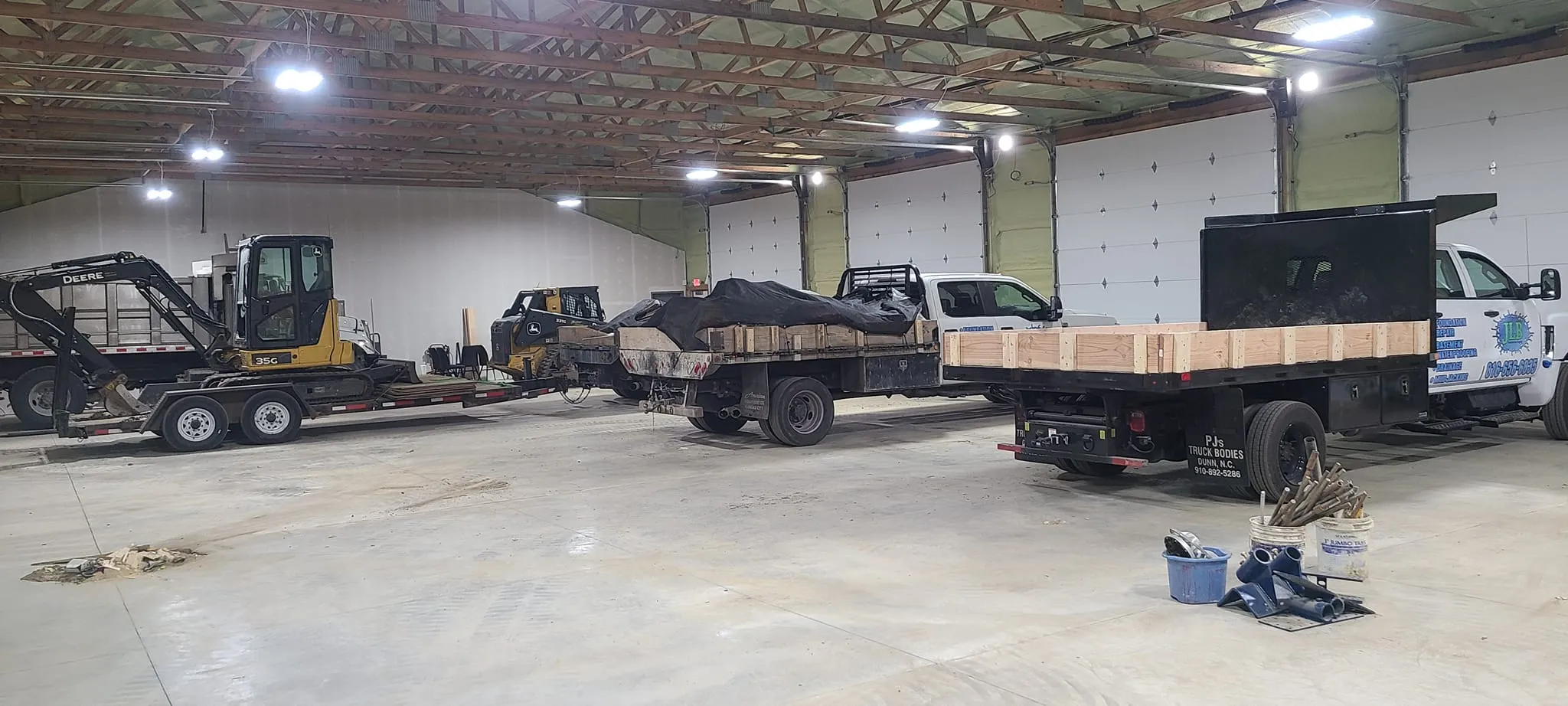
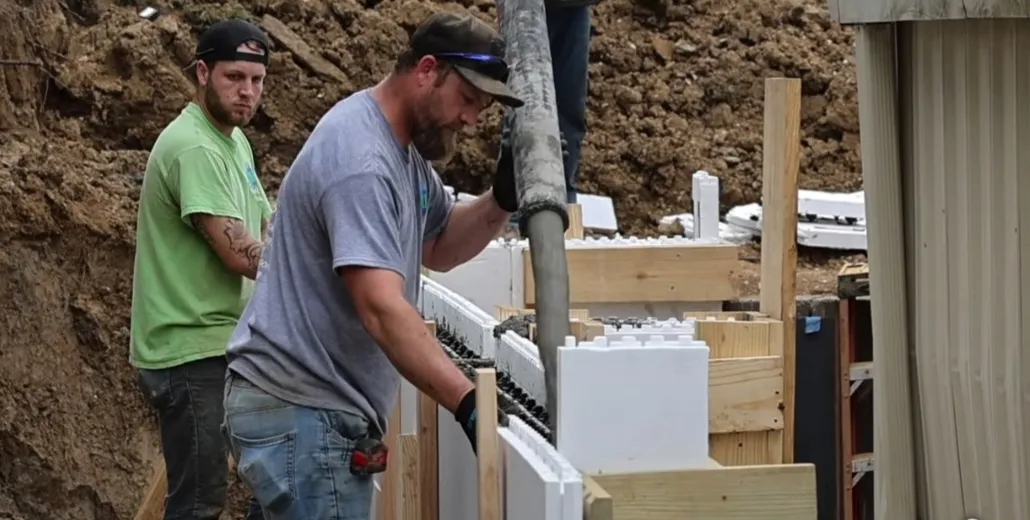
Real Projects. Real Results.
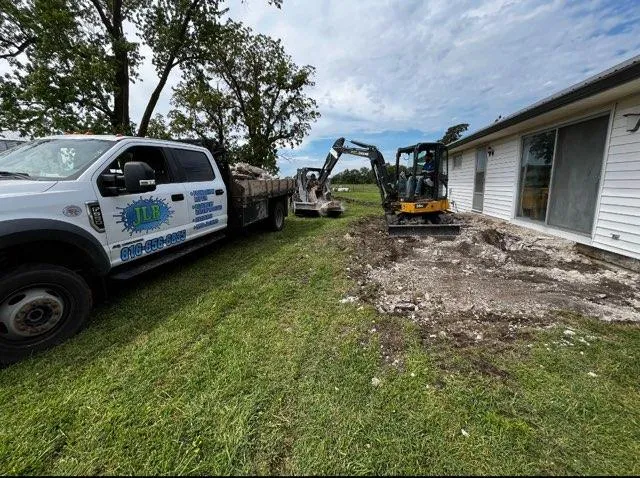
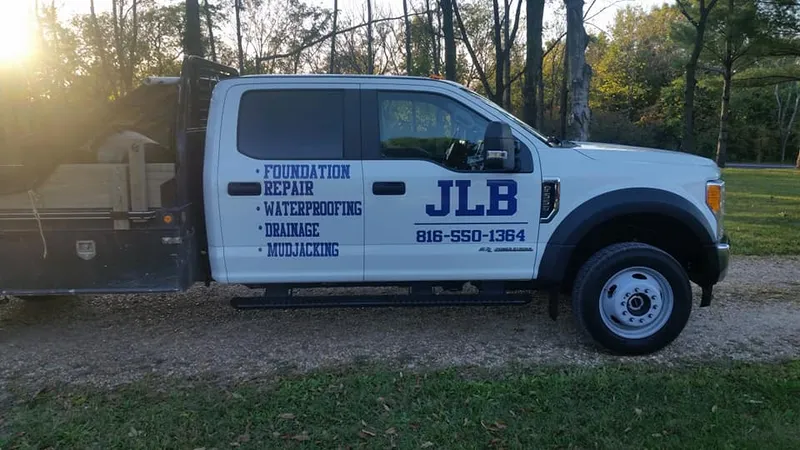
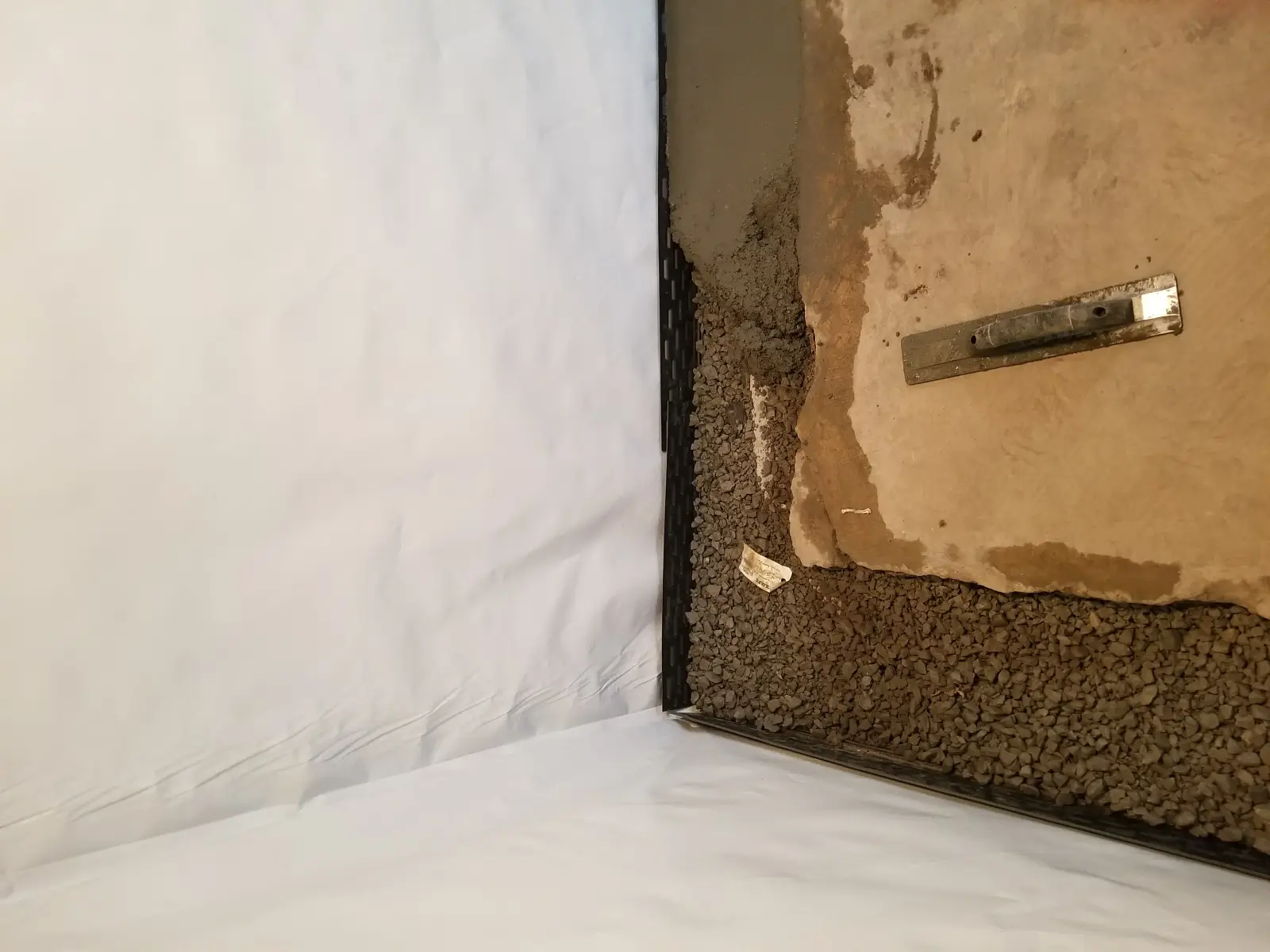
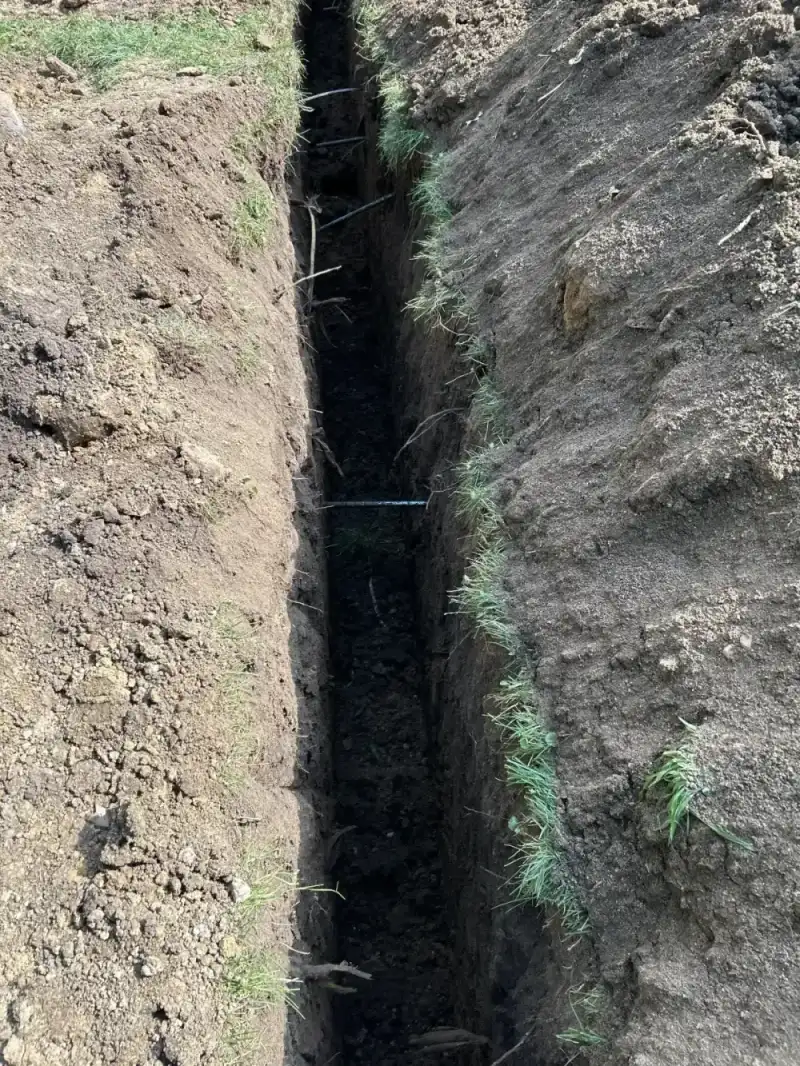
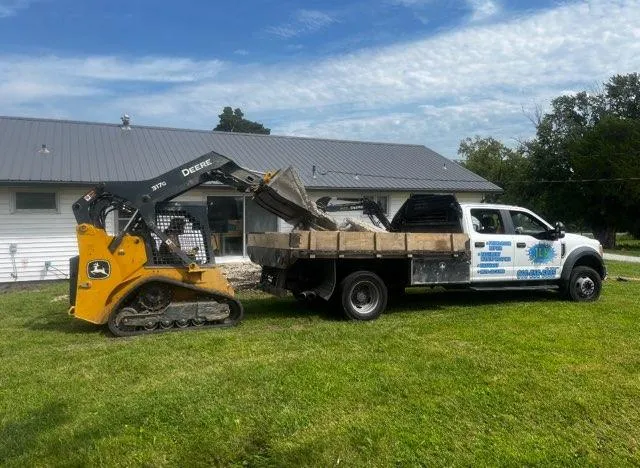
Every photo is from an actual JLB job site — not a stock photo. See the work we do every day across Kansas City and Des Moines.
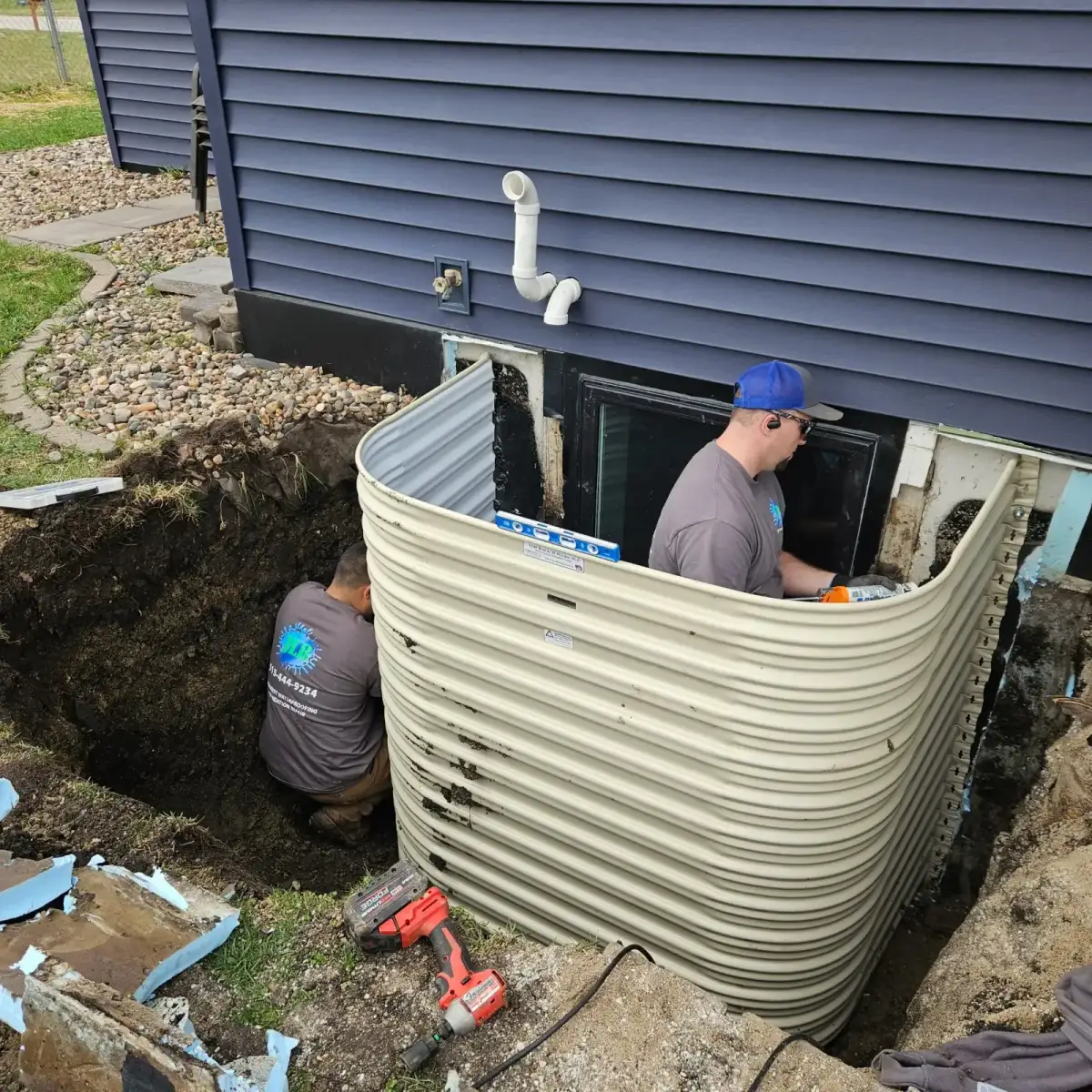
Two Ways to Pay for It
12 Months Same As Cash
Pay the full balance within 12 months and you pay no interest.
Best if you can pay it off within a year.
5 Years at 6.99% APR
A lower monthly payment, spread over 60 months.
Best for bigger projects.
On approved credit. Ask for full terms at your free estimate.
Foundation Repair & Waterproofing Questions for Raytown Homeowners
The block and poured concrete foundations built during Raytown's biggest construction boom — the 1940s through 1960s, which account for over 30% of the city's housing stock — were designed to standards that didn't account for the cumulative effects of Jackson County's expansive clay. The Wymore-Ladoga soil complex beneath most Raytown neighborhoods has 60–80% clay content with very high shrink-swell potential. After 60 to 70 years of seasonal expansion and contraction cycles, the mortar joints in block walls fatigue and the concrete develops micro-fractures. These accumulate silently for decades before visible symptoms appear. Raytown's 100-plus freeze-thaw cycles per year accelerate this process, and the 36-inch frost depth means the upper portion of your foundation wall endures the most stress. The problem isn't sudden — it's been building since the Eisenhower era.
A complete interior waterproofing system in Raytown typically runs $4,000–$7,000, with drain tile installed at $49–$59 per linear foot. The average Kansas City-area waterproofing project costs about $3,708, though Raytown's older block foundations often require additional wall preparation that can push costs slightly higher. The reason interior systems are the standard approach in Jackson County comes down to soil classification: Raytown sits on Hydrologic Soil Group D clay, which has the lowest infiltration rate of any category. Exterior drainage systems struggle because the surrounding soil won't absorb the water you're trying to redirect. Interior drain tile collects water at the wall-floor joint, routes it to a sump system, and removes it mechanically. For Raytown homes along the rolling terrain near Blue Ridge Blvd, this approach manages the hydrostatic pressure — up to 250 PSF at the base of an 8-foot wall with a 4-foot water table — that exterior solutions can't overcome.
Block foundation walls in Raytown typically fail under lateral pressure from Jackson County's expansive clay. With a K₀ coefficient of 0.5–0.7 for clay soils, combined earth and water pressure on an 8-foot wall can exceed 800 PSF — well beyond what unreinforced block was designed to resist. The right repair depends on how far the wall has moved. Walls with less than 2 inches of inward deflection often respond well to carbon fiber straps, which run $350–$1,000 per strap and lock the wall in its current position. Walls with more significant movement may need steel wall anchors at $400–$700 each, which can gradually straighten the wall over time through seasonal tightening. For severely compromised walls in older Raytown homes near the 350 Highway corridor, steel I-beams at $200–$500 per beam provide bracing when anchor placement isn't feasible due to lot constraints.
Many of Raytown's ranch homes built in the 1950s through 1970s have partial crawlspaces, especially split-level designs common along Raytown Road and throughout the city's residential blocks. In Jackson County's climate — 42 inches of annual rainfall and Group D soils that shed water rather than absorb it — vented crawlspaces consistently reach 77% relative humidity, well above the 60% mold threshold. Encapsulation with a sealed vapor barrier drops that to roughly 52%, according to the Advanced Energy study. The stack effect means 40–50% of your first-floor air originates from the crawlspace, so moisture and mold spores below directly affect indoor air quality above. Encapsulation in Raytown typically costs $5,500–$8,000 for an average-sized crawlspace, and insulation materials may qualify for the federal 30% energy tax credit. Given Raytown's cost sensitivity, the long-term reduction in HVAC strain and structural wood rot makes encapsulation a practical investment rather than a luxury.
Raytown's gently rolling topography creates drainage dynamics that flat-lot cities in the metro don't face. Water follows the grade and concentrates against the downhill side of your foundation, creating uneven hydrostatic pressure. While one wall stays relatively dry, the opposing wall may absorb the full force of surface runoff — especially during May storms that average 5.7 inches of rain. This asymmetric loading is why many Raytown homes develop cracks or bowing on only one side of the basement. The Wymore-Ladoga clay across Raytown's landscape holds that water against the wall because Group D soils have virtually no infiltration capacity. Homes along Blue Ridge Blvd and the neighborhoods that slope toward drainage swales are particularly affected. Proper grading, downspout routing, and in many cases French drain installation on the high-pressure side can reduce the load. But once a wall has moved, structural repair — carbon fiber, anchors, or I-beams — is needed before drainage corrections alone can prevent further damage.
Polyjacking works well for lifting settled driveways, sidewalks, porches, and garage floors in Raytown — but its longevity depends on addressing the root cause of settlement. Jackson County's Wymore-Ladoga clay shrinks during dry periods and creates voids beneath slabs. Polyurethane foam fills those voids and lifts the concrete, typically for a fraction of full replacement cost. The foam itself is moisture-stable and won't compress like the mudjacking slurry that was common in decades past. However, if the underlying soil continues cycling through extreme wet-dry swings — which it will in Raytown's 42-inch annual rainfall climate — some movement may recur over many years. We often pair polyjacking with improved drainage to reduce moisture fluctuations in the soil beneath the slab. For Raytown homeowners dealing with tripping hazards on settled walkways or a garage floor pulling away from the foundation wall, polyjacking provides a cost-effective and durable correction that accounts for the reality of living on Jackson County's most active soils.
Schedule Your Free Raytown Foundation Inspection
Tell us what you're seeing — cracks, bowing walls, water in the basement — and we'll schedule a thorough inspection of your Raytown home. Our assessments are free, and we'll give you a written scope specific to Jackson County conditions.
Our Locations
We're always close enough to help — our crews are local to your area.
JLB Foundation Repair & Basement Waterproofing — Kansas City
111 NE 72nd St, Ste 111Kansas City, MO, 64119(816) 408-3651 View on Google Maps
Stop the Damage. Get Answers Today.
A free estimate takes 45 minutes and tells you exactly what's going on under your house — and exactly what it takes to fix it.