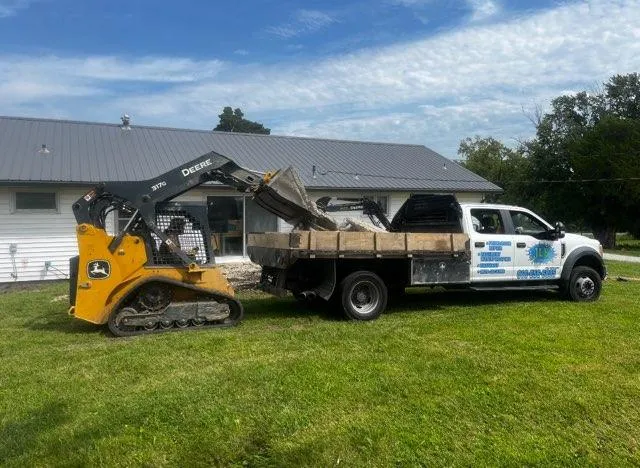
Grimes IA Foundation Contractors for Fast-Growing Prairie Developments
Serving Grimes and Polk County with 5 specialized foundation and waterproofing services — local crews, engineered repairs, and every estimate is free.
Free 45-Minute Analysis + Written Report
Get a precise analysis of your foundation and waterproofing situation, and a clear estimate on what any fixes or corrections might cost.
Takes 30 seconds. We'll call within 24 hours.
Thank You!
We'll be in touch within 24 hours.
Meet the Team Serving Grimes
JLB Foundation Repair is a local company — not a franchise. We serve Grimes and the surrounding Des Moines metro with foundation repair, waterproofing, crawlspace encapsulation, and drainage solutions. Watch to learn who we are and how we work.
Watch Our Work in Grimes
Foundation Repair and Waterproofing Services in Grimes
Every foundation problem has a permanent fix. We use engineered systems — not quick patches — backed by transferable warranties and decades of field experience.
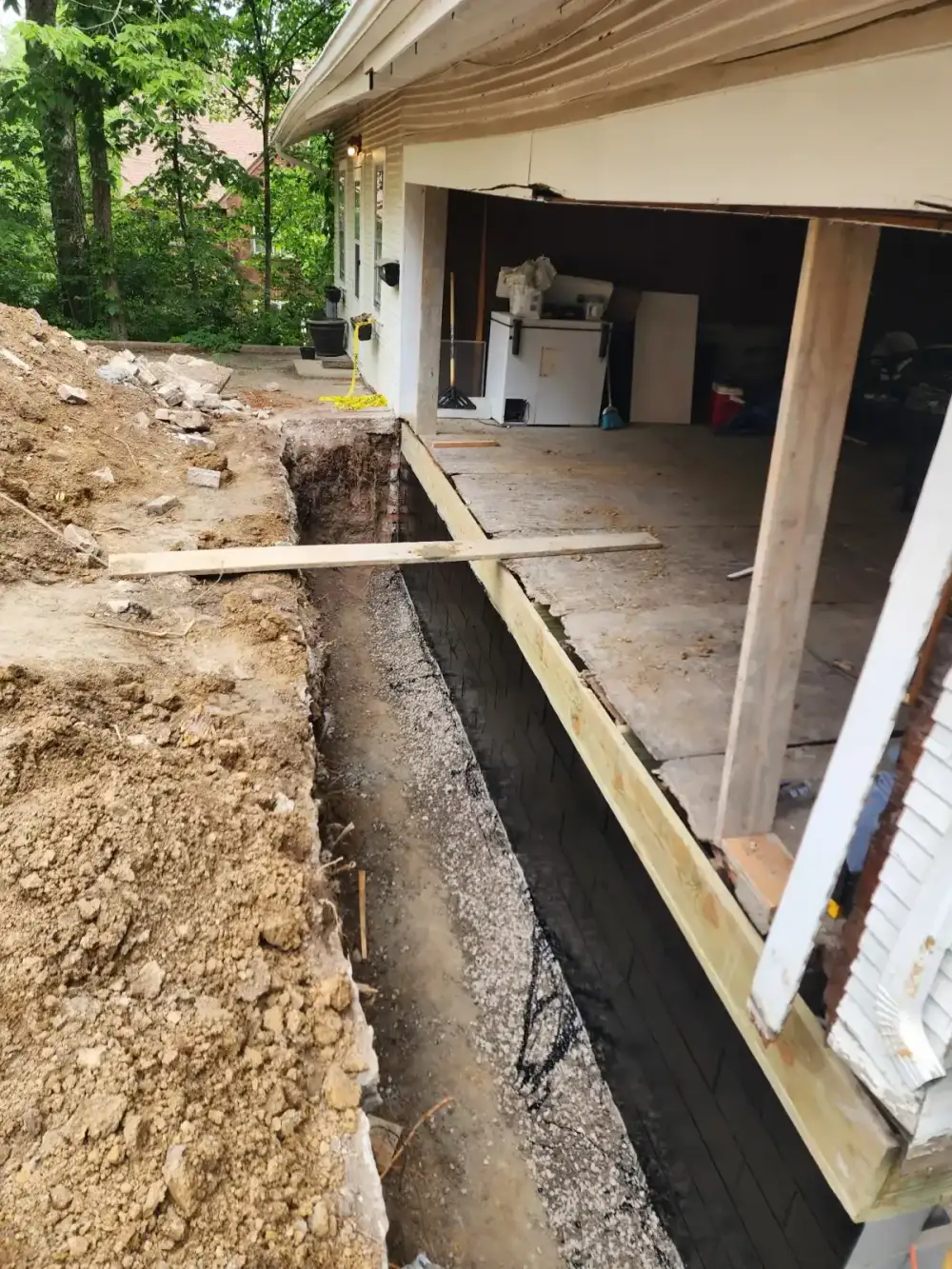
Foundation Repair
Steel push piers and wall anchors to stabilize and lift settling foundations. Stop the cracks, level the floors, save the home.
Learn More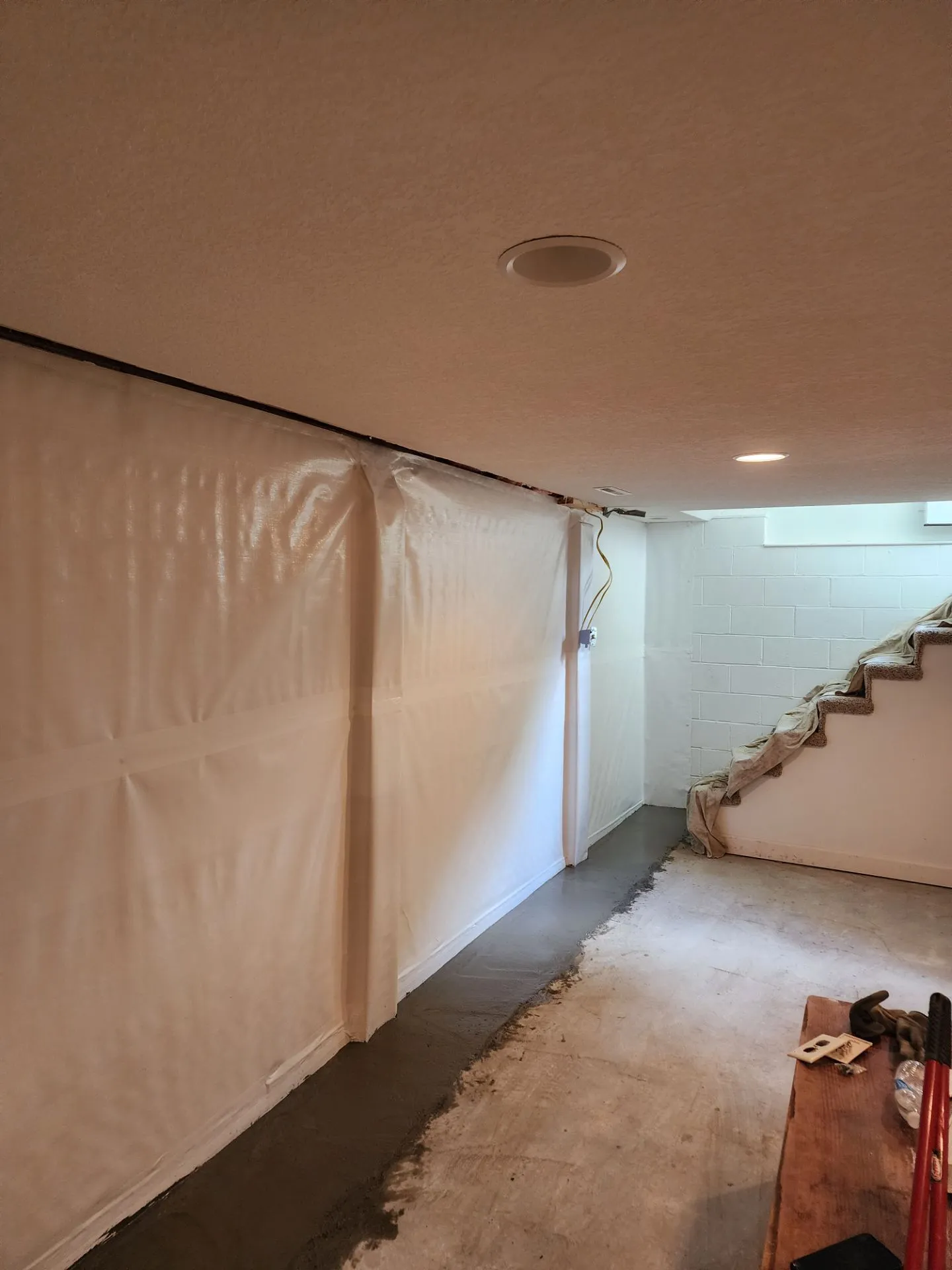
Basement Waterproofing
Interior drainage systems, sump pumps, and vapor barriers to keep your basement permanently dry. No more water. No more worry.
Learn More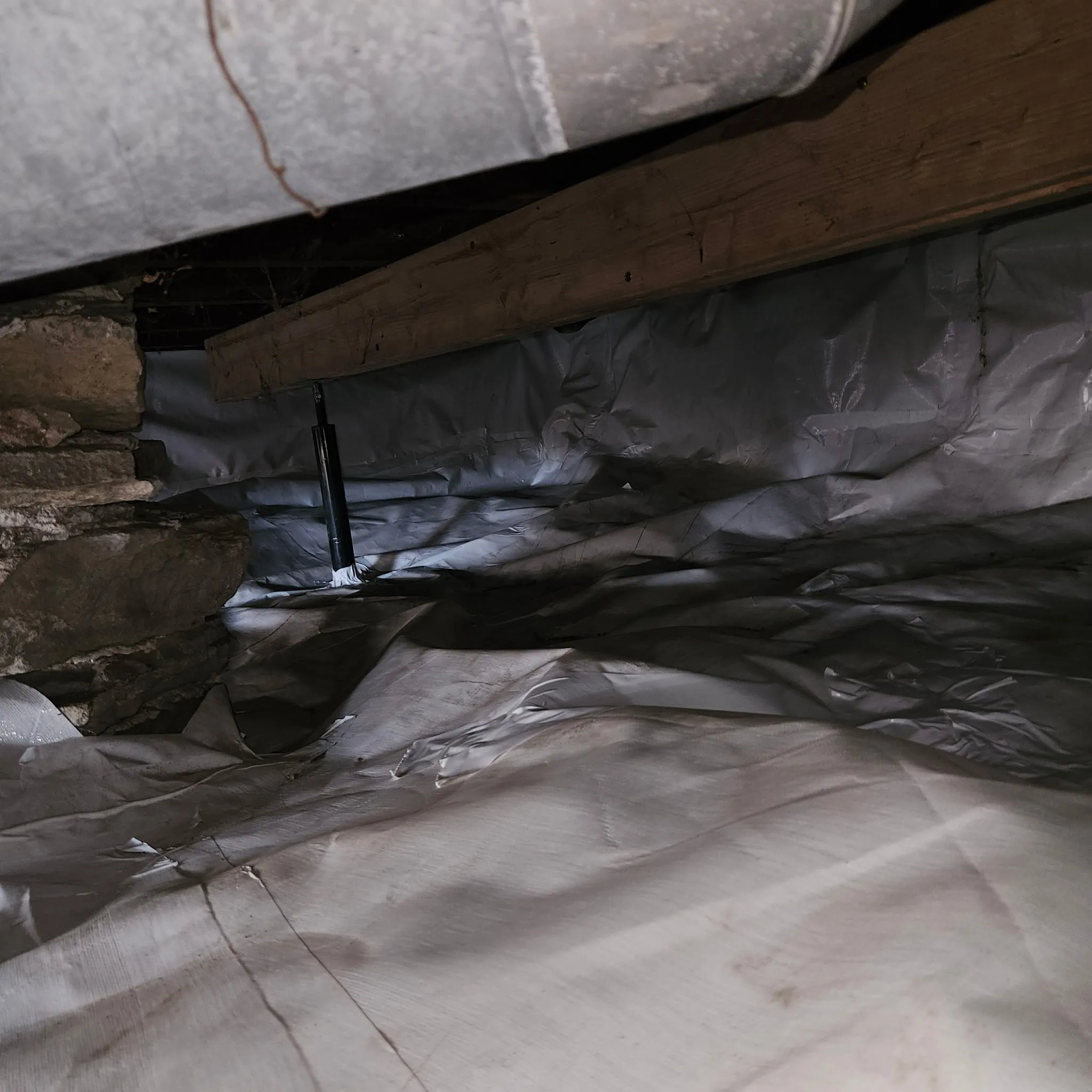
Crawlspace Encapsulation
Full encapsulation with spray foam for BOTH crawlspace and basement — twice the protection competitors offer, at a lower cost.
Learn More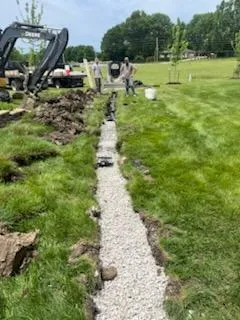
French Drains & Drainage
French drains, extended downspouts, regrading, and drain pipes to redirect water away from your foundation permanently.
Learn More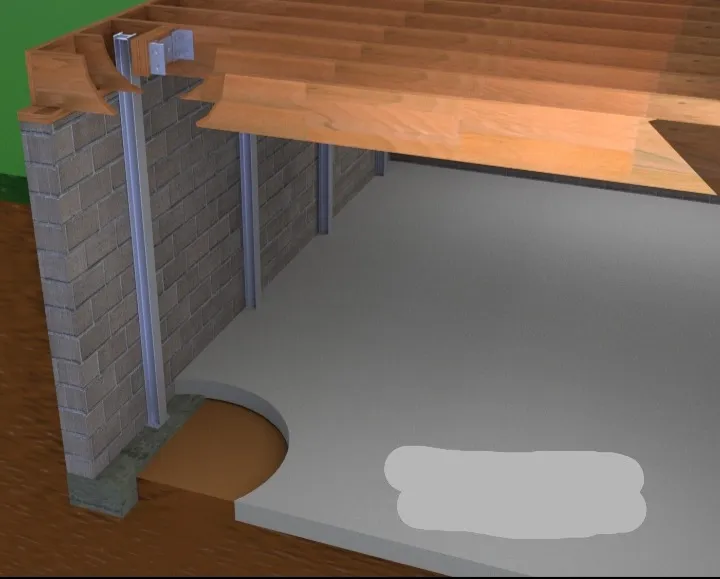
Foundation Wall Replacement
Complete removal and reconstruction of severely damaged foundation walls with new reinforced concrete, drainage, and waterproofing.
Learn MoreTwo Ways to Pay Over Time
12 Months Same As Cash
Pay the full balance within 12 months and you pay no interest.
5 Years at 6.99% APR
A lower monthly payment, spread over 60 months.
On approved credit. Ask for full terms at your free estimate.
What Foundation and Waterproofing Services Are Available in Grimes?
Grimes sits squarely on the Des Moines Lobe's Dows Formation — 45 to 60 feet of glacial till composed of clay, sand, gravel, and cobbles deposited thousands of years ago. As Iowa's fastest-growing city, most homes here date from the 2000s onward, built on land that was recently farmland overlying these ancient glacial deposits. Neighborhoods like Gateway Parks and North Ridge look solid on the surface, but the Sharpsburg and Otley soil series beneath them carry 35–42% clay content in the subsoil. That clay absorbs moisture, expands, and then shrinks during dry spells, creating cyclical pressure against your foundation walls and footings — even on homes that are only 10 to 20 years old.
Grimes differs from older Des Moines metro communities in a critical way: your home is new, but the ground beneath it is geologically complex. Unlike cities with pre-1940 stone foundations or 1960s poured-concrete basements, Grimes homes were built with modern materials on glacial till that hadn't been previously compacted by decades of structures. The flat northern corridor terrain means surface water doesn't naturally drain away — it pools and percolates downward. With a water table that typically sits at 4–10 feet but can rise to 2–3 feet during spring snowmelt, hydrostatic pressure becomes the primary basement flooding cause across Polk and Dallas counties. Add a 42-inch frost depth that drives freeze-thaw stress deeper into footings than most Midwest cities, and Grimes homes face a unique combination of threats.
JLB approaches Grimes projects understanding that this flat northern corridor requires drainage solutions engineered for minimal grade change. Your home likely has a modern poured-concrete foundation, which means our repair strategies focus on addressing settlement caused by poorly consolidated glacial fill beneath newer construction rather than deteriorating masonry. We account for the 42-inch frost depth when designing interior French drain systems and specifying pier depths, ensuring installations reach stable bearing strata below the Dows Formation's variable layers. For crawlspace homes along SE 37th Street and other Grimes subdivisions, our dual-seal encapsulation method addresses both the cold-floor problem created by Iowa's deep frost line and the year-round moisture that wicks upward through glacial till.
Grimes at a Glance
Where Does JLB Handle Foundation Repair Across Grimes's Hilly Terrain?
JLB serves homeowners across Grimes in both Polk and Dallas counties, including the Gateway Parks, North Ridge, and SE 37th Street neighborhoods. Our coverage extends throughout the northern growth corridor, from the newest subdivisions to established areas along Highway 141.
How Does Polk County's Glacial Till Affect Grimes Foundations?
The homes in Grimes sit on a range of foundation types, each with its own vulnerabilities. Here's what our crews see most often in Polk County.
Poured concrete basement
Poured concrete basements in Grimes are the most common type across Polk County. They handle the clay soil better than block, but lateral pressure still creates vertical and diagonal cracks — especially near corners and window wells where the wall is weakest. Catching these early prevents water infiltration.
What Foundation and Basement Warning Signs Appear in Grimes Homes?
Grimes homes built in the 2000s and 2010s on glacial till are showing problems sooner than many homeowners expect. Watch for these signs — especially after spring snowmelt when the water table rises to 2–3 feet in low-lying sections of the northern corridor.
Vertical or diagonal cracks in Grimes's poured concrete walls — hairline cracks that grow wider as Polk County's clay continues to shift
Learn about Foundation Repair →Water seeping into your basement during wet weather — the clay soil around Grimes homes absorbs moisture slowly and pushes it against walls for weeks after a storm
Learn about Waterproofing →Musty smells drifting up from below, mold on surfaces, or floors that feel soft — your Grimes crawlspace may be holding moisture that's damaging the structure above it
Learn about Crawlspace Encapsulation →Doors, windows, or cabinets that stick, jam, or don't close properly — a common sign of foundation movement in Grimes homes
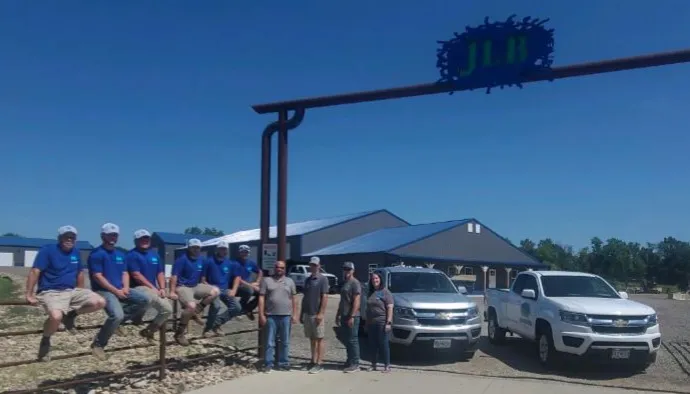
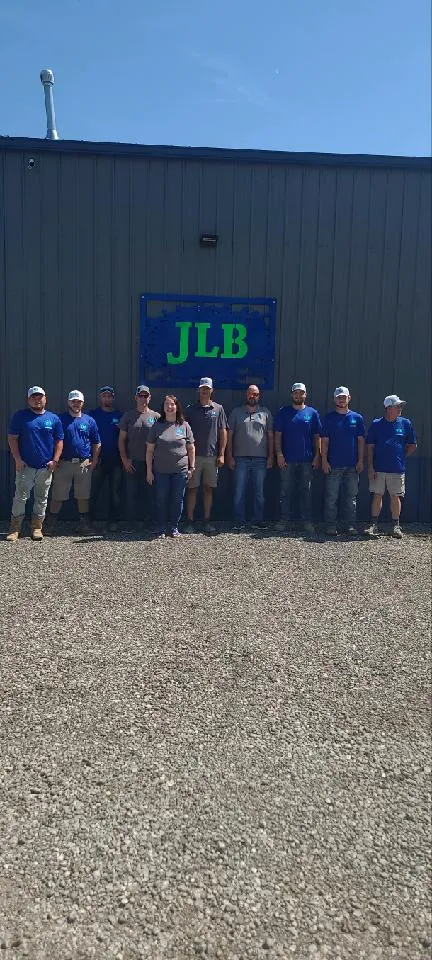
Learn about Foundation Repair →Meet the JLB Team Serving Grimes and Central Iowa
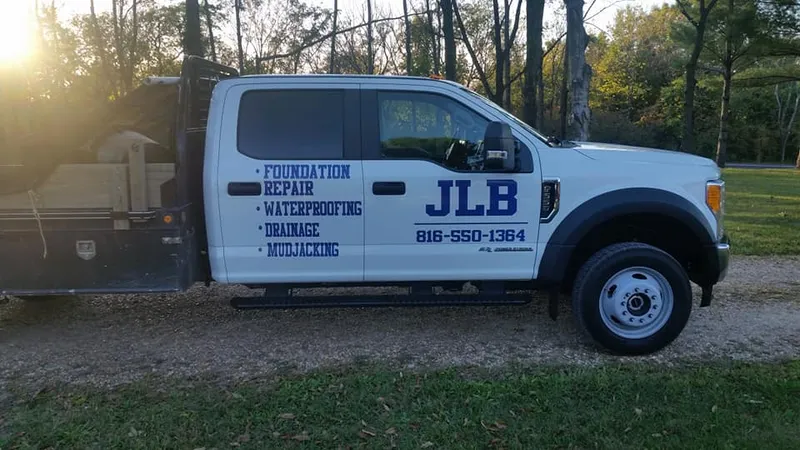
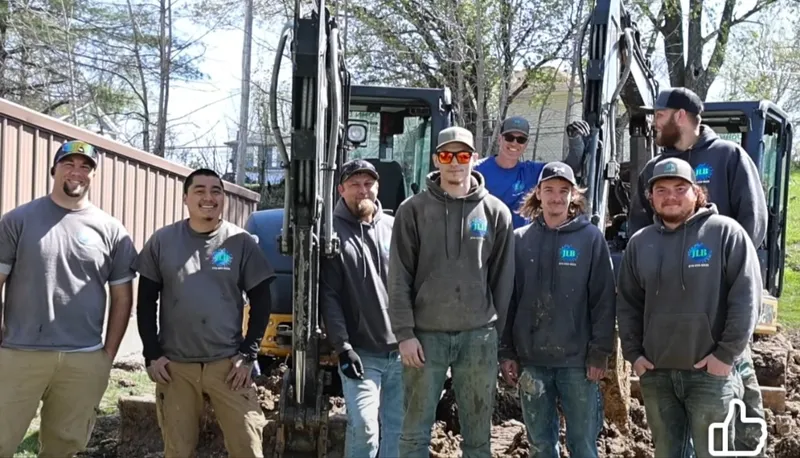
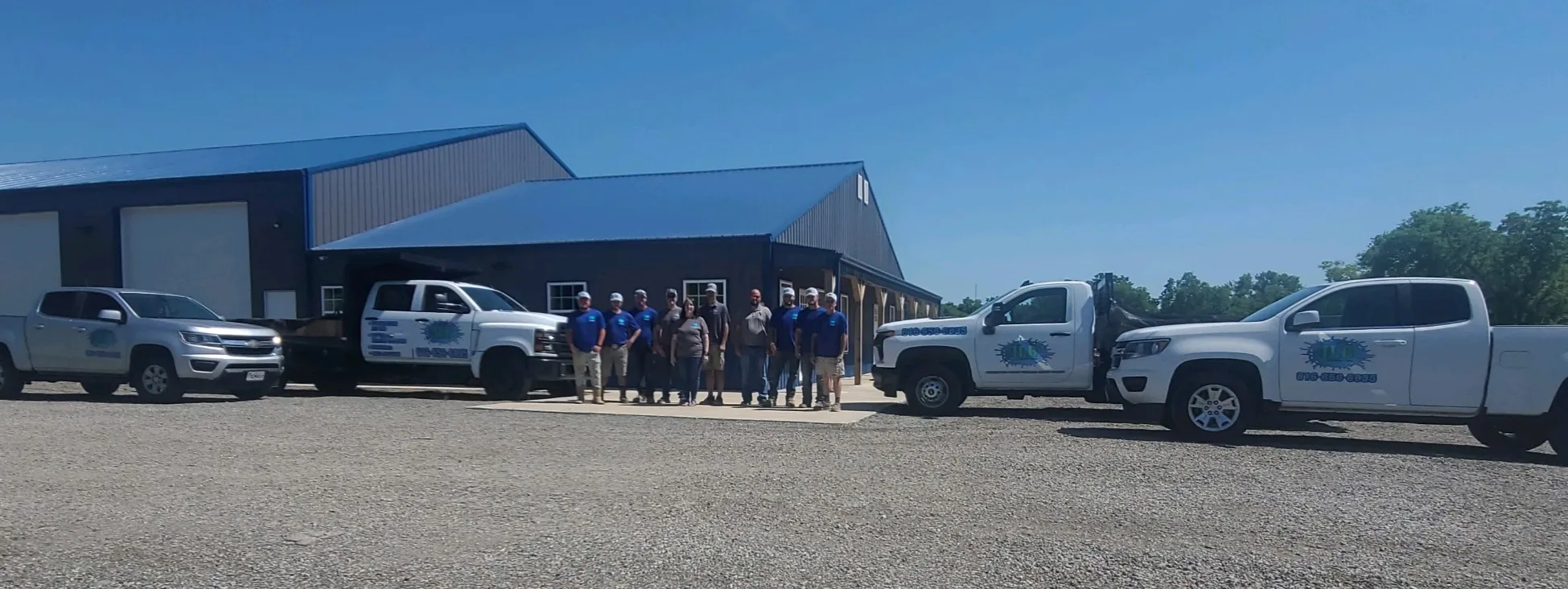
Numbers That Speak for Themselves
Grimes Homeowners: Don't Let Glacial Till Undermine Your Foundation
Hydrostatic pressure from Grimes's rising spring water table is the leading cause of basement flooding in Polk and Dallas counties. A free inspection identifies whether your Gateway Parks, North Ridge, or SE 37th Street home needs intervention before the next snowmelt cycle.
Not Sure What You're Dealing With?
Click any symptom below to learn what it means, what's likely causing it, and how we can help. Most of these are more common — and more fixable — than you'd think.
Diagonal, stair-step, or horizontal cracks in drywall, plaster, or brick usually trace back to soil movement beneath your foundation. The heavy clay soils in the Kansas City and Des Moines metros expand and contract seasonally, which can shift your foundation over time. The good news: this is very fixable with the right approach.
Water entering through floor joints, wall cracks, or seeping through porous concrete means groundwater pressure is pushing moisture into your basement. An interior drainage system and sump pump can solve this permanently — and we can usually have it done in a day or two.
When a foundation settles unevenly, it can shift your home's frame just enough to make doors and windows bind. This is one of the earlier signs of foundation movement — and catching it early often means a simpler, less expensive repair.
That musty smell is moisture. Up to 40% of the air in your home rises from below — from your crawlspace and basement. If there's excess humidity down there, it affects your whole home. Encapsulation seals it out, and you'll notice the difference in your air quality right away.
Floors that slope toward the center or an exterior wall usually mean the support structure underneath needs attention. Push piers can stabilize your foundation and often lift it back to level — giving your floors a second life.
Water collecting near your foundation means your grading or drainage isn't directing water away effectively. French drains, regrading, extended downspouts, and drain pipes can redirect water away from the house — protecting your foundation for the long haul.
A basement wall that has bowed more than 2 inches inward, shifted off its footing, or shows multiple structural cracks may have moved beyond what bracing can fix. When carbon fiber straps, I-beams, or wall anchors are not enough, the wall needs to be removed and rebuilt with reinforced concrete. This is the last resort — but it is the permanent fix when the wall itself is compromised.
Why Do Grimes Homeowners Choose JLB for Foundation and Drainage Work?
Built for Glacial Till
Grimes sits on 45–60 feet of Dows Formation glacial till — a mix of clay, sand, gravel, and cobbles that behaves unpredictably under foundation loads. JLB designs every pier and drainage system around this specific soil composition in the Polk/Dallas County corridor.
New Construction Specialists
Most Grimes homes date from the 2000s forward, built on recently developed farmland. JLB understands why modern foundations on previously unconsolidated glacial deposits settle differently than homes in older Des Moines metro neighborhoods with decades of ground compaction beneath them.
Deep Frost Depth Knowledge
Grimes's 42-inch frost depth pushes freeze-thaw cycles deeper into your footings than most Iowa communities experience. JLB accounts for this when specifying pier depths and drain tile placement, ensuring installations perform through the full severity of northern corridor winters.
Flat Terrain Drainage Solutions
The flat northern corridor around Grimes doesn't offer natural surface drainage. JLB engineers interior French drain and sump systems that manage hydrostatic pressure — the primary flooding cause in Polk and Dallas counties — without relying on gravity-fed exterior slope that simply doesn't exist here.
What Grimes, IA ZIP Codes Does JLB Cover for Foundation Repair?
What Our Customers Say
"We had cracks running up our walls and doors that wouldn't close. JLB came out, explained exactly what was happening with the soil under our house, and had the piers installed in two days. Floors are level again. Wish we hadn't waited so long."
"Three other companies gave us the runaround. JLB showed up, did a thorough inspection, and gave us a straight answer. The repair held up through an entire Missouri winter with zero new cracking."
"Our crawlspace was a mess — moisture, mold, the works. JLB encapsulated it AND spray-foamed our basement in the same project. The difference in our home's air quality is incredible. Great value for the price."
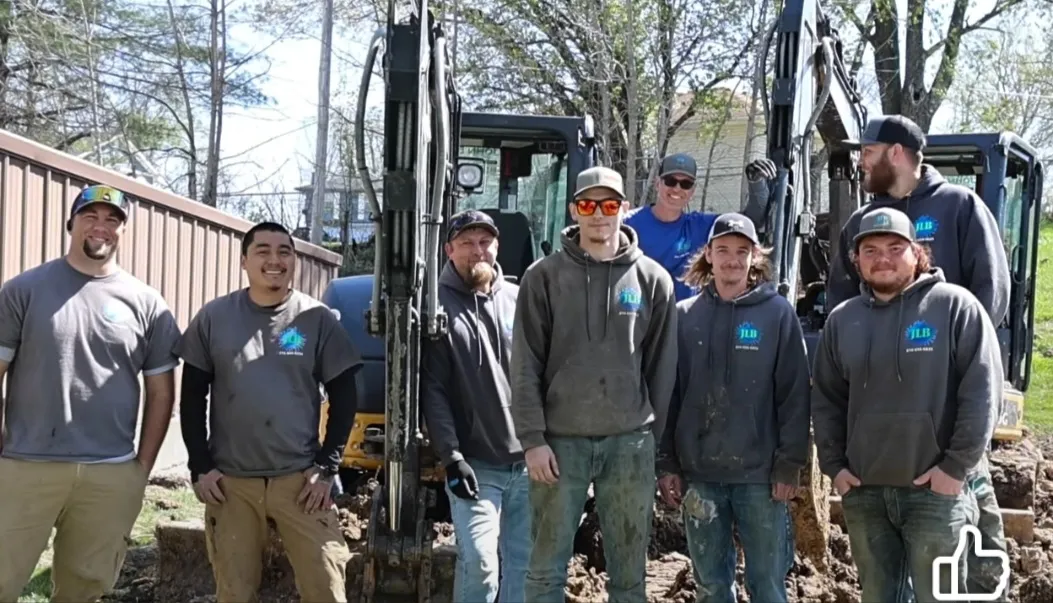
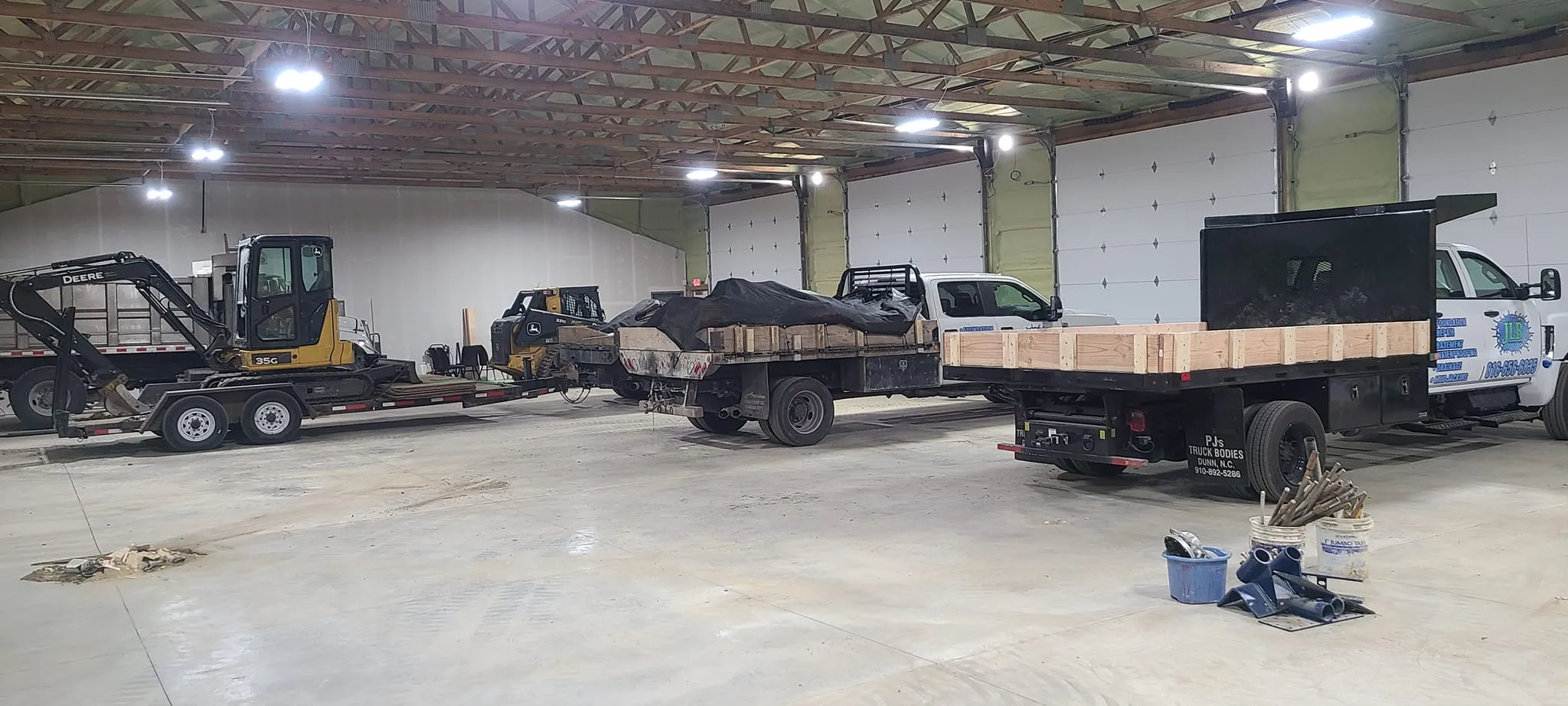
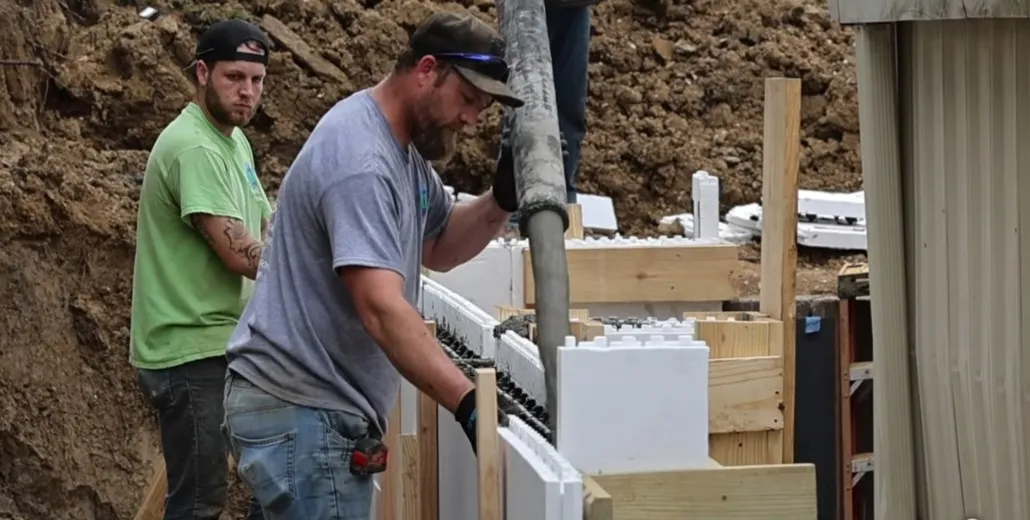
Real Team. Real Work.
Right Here in Kansas City & Des Moines.
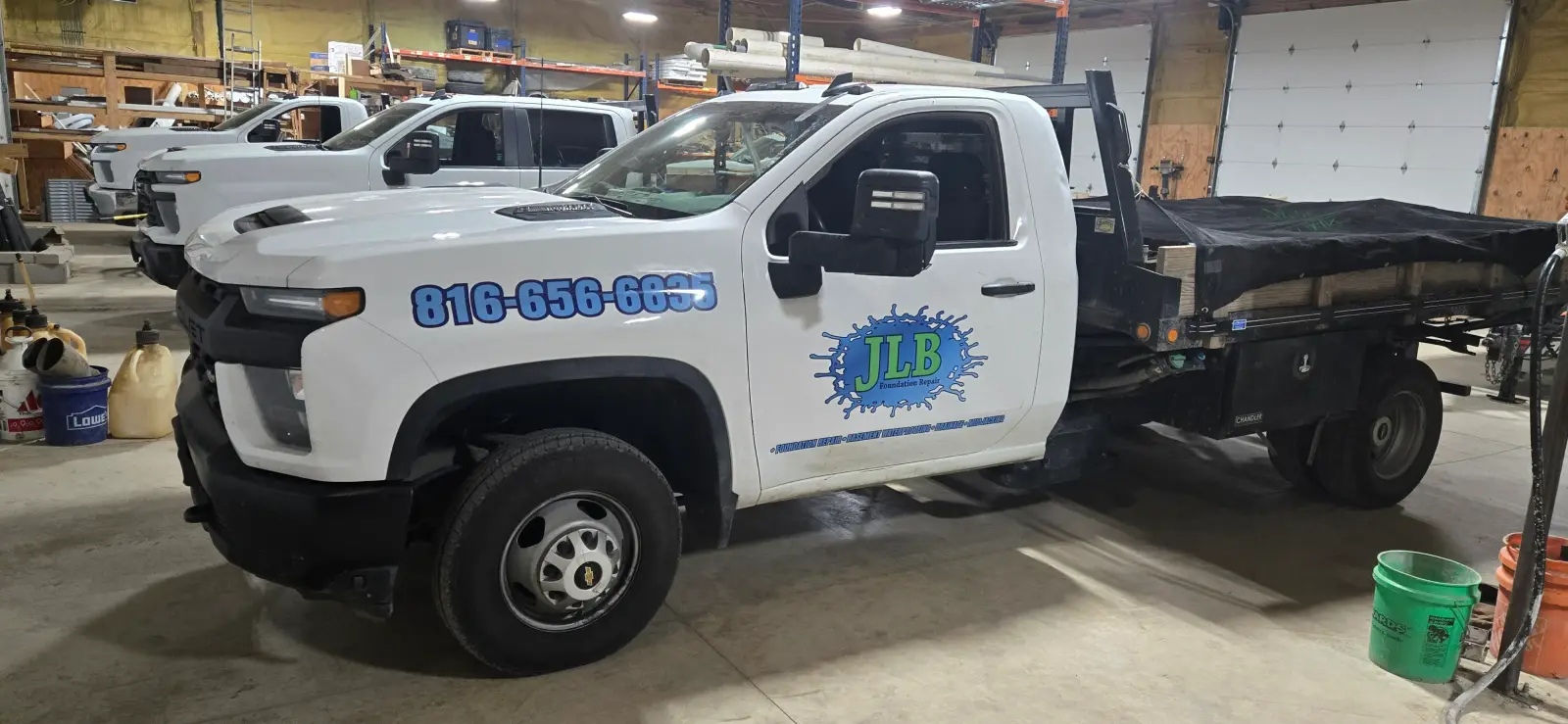
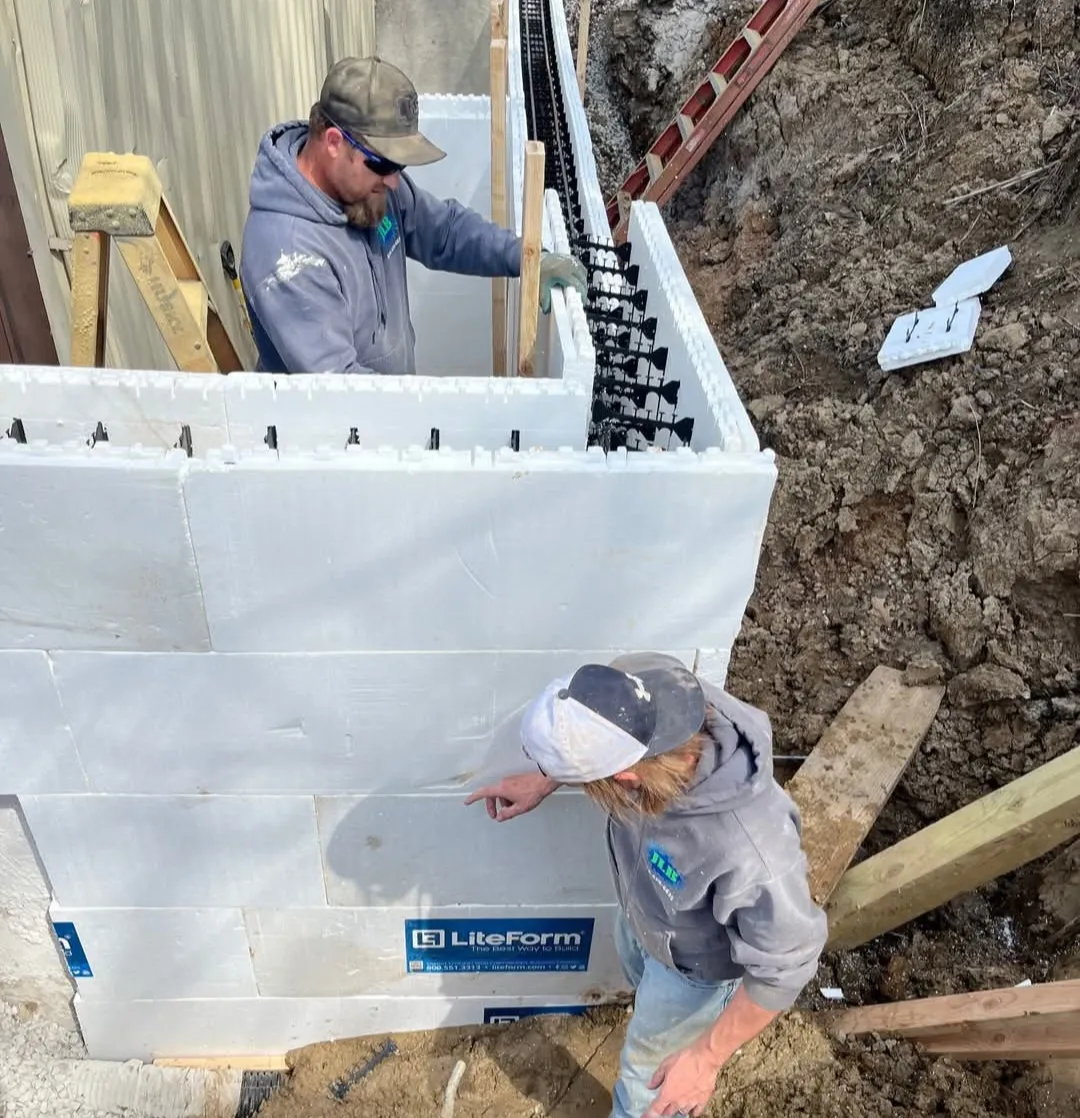
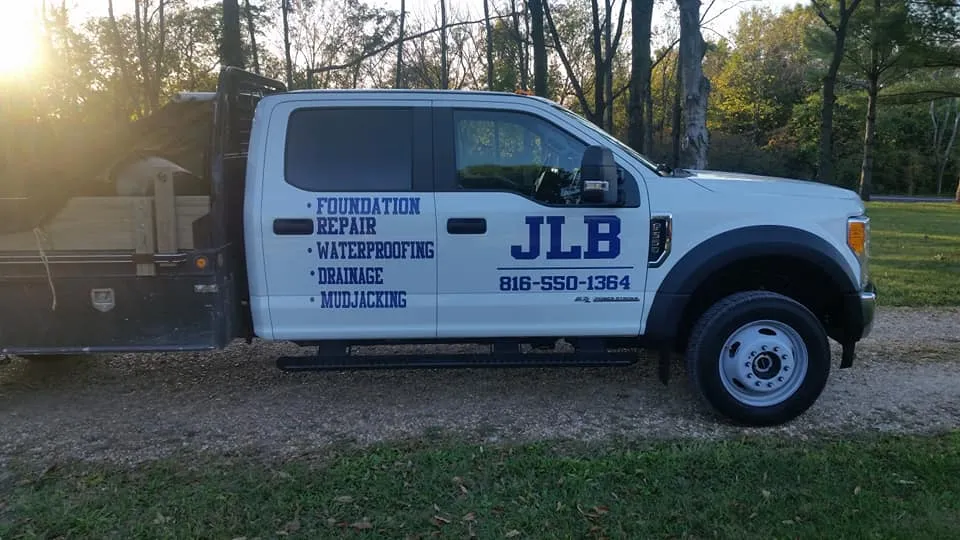
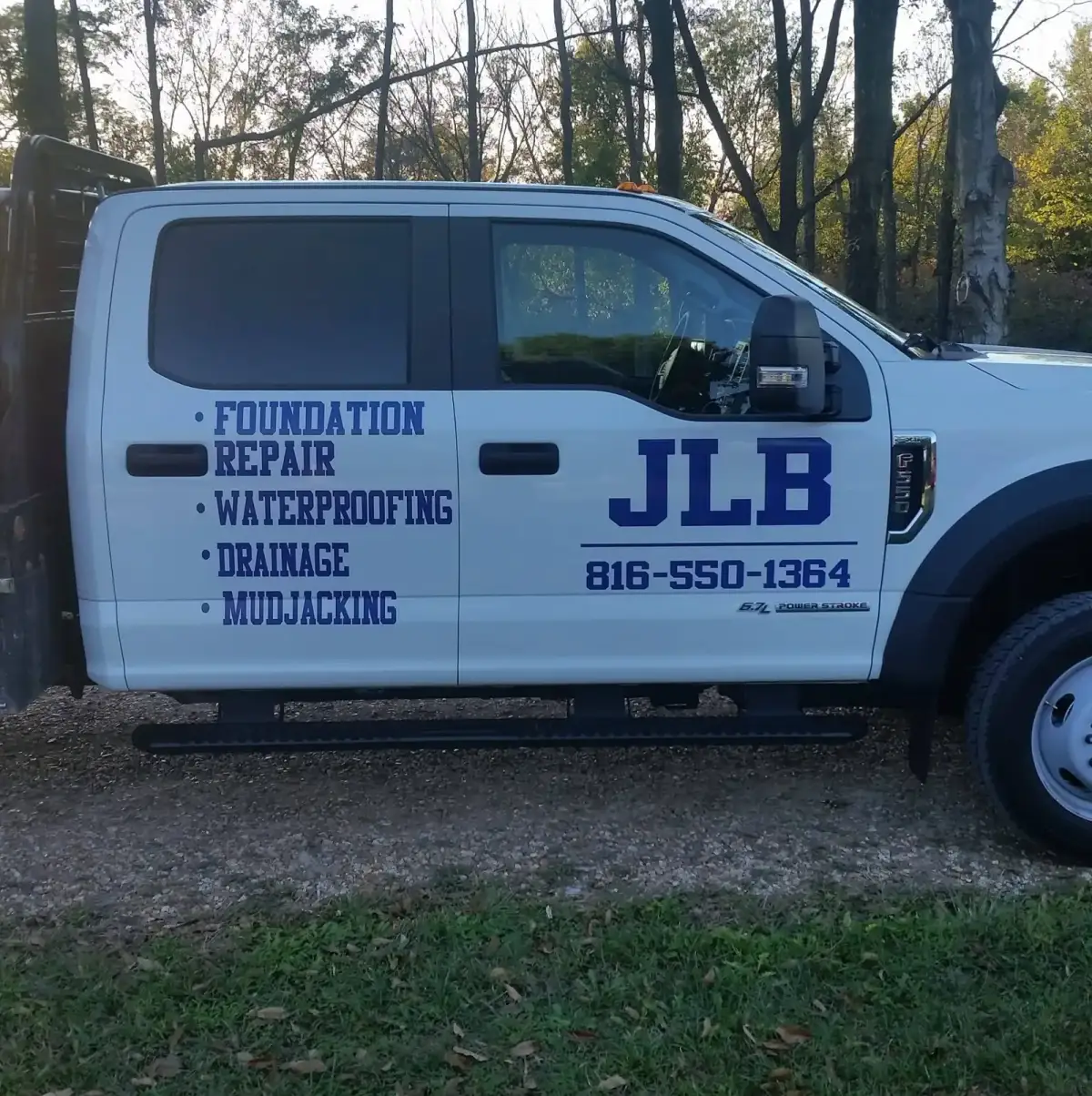
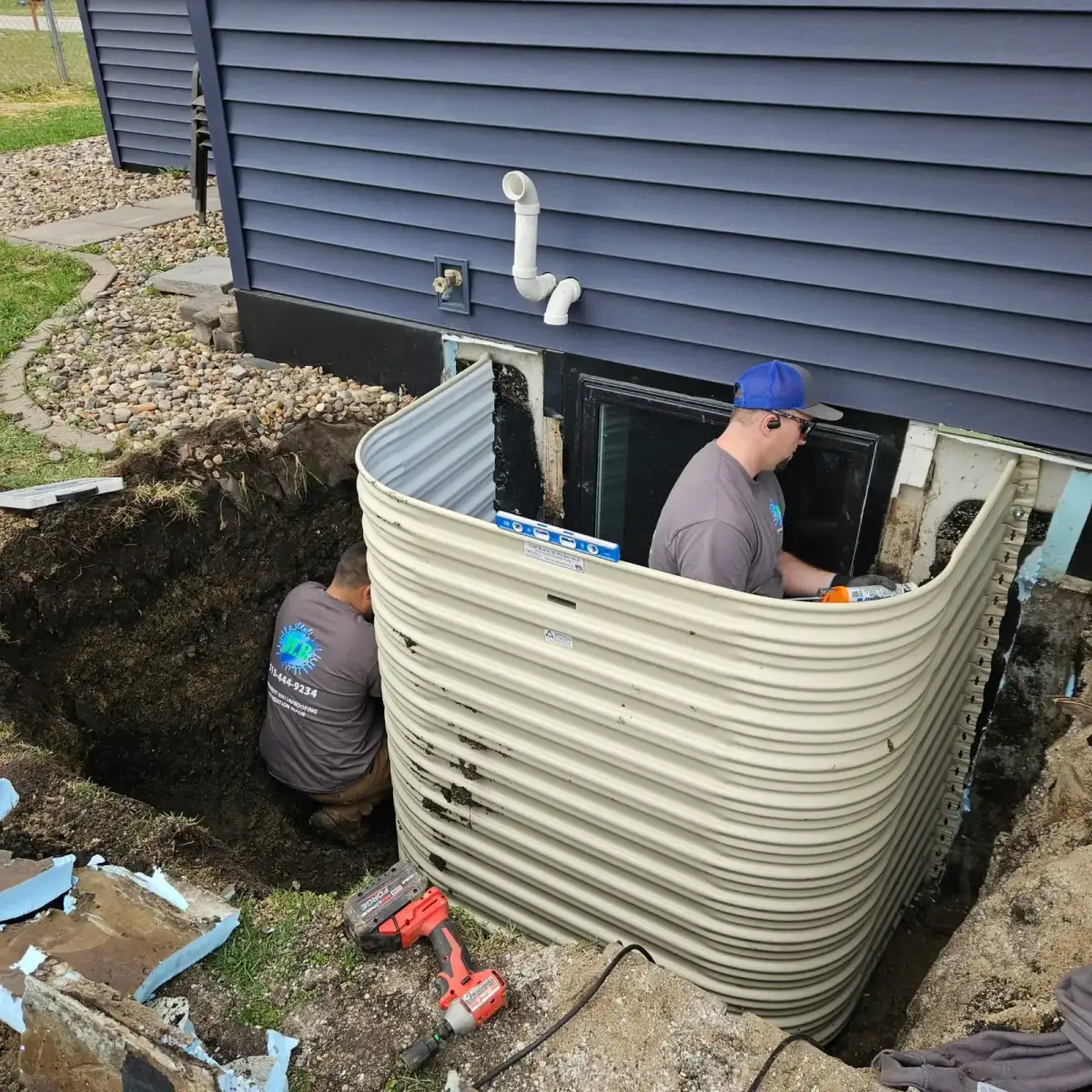
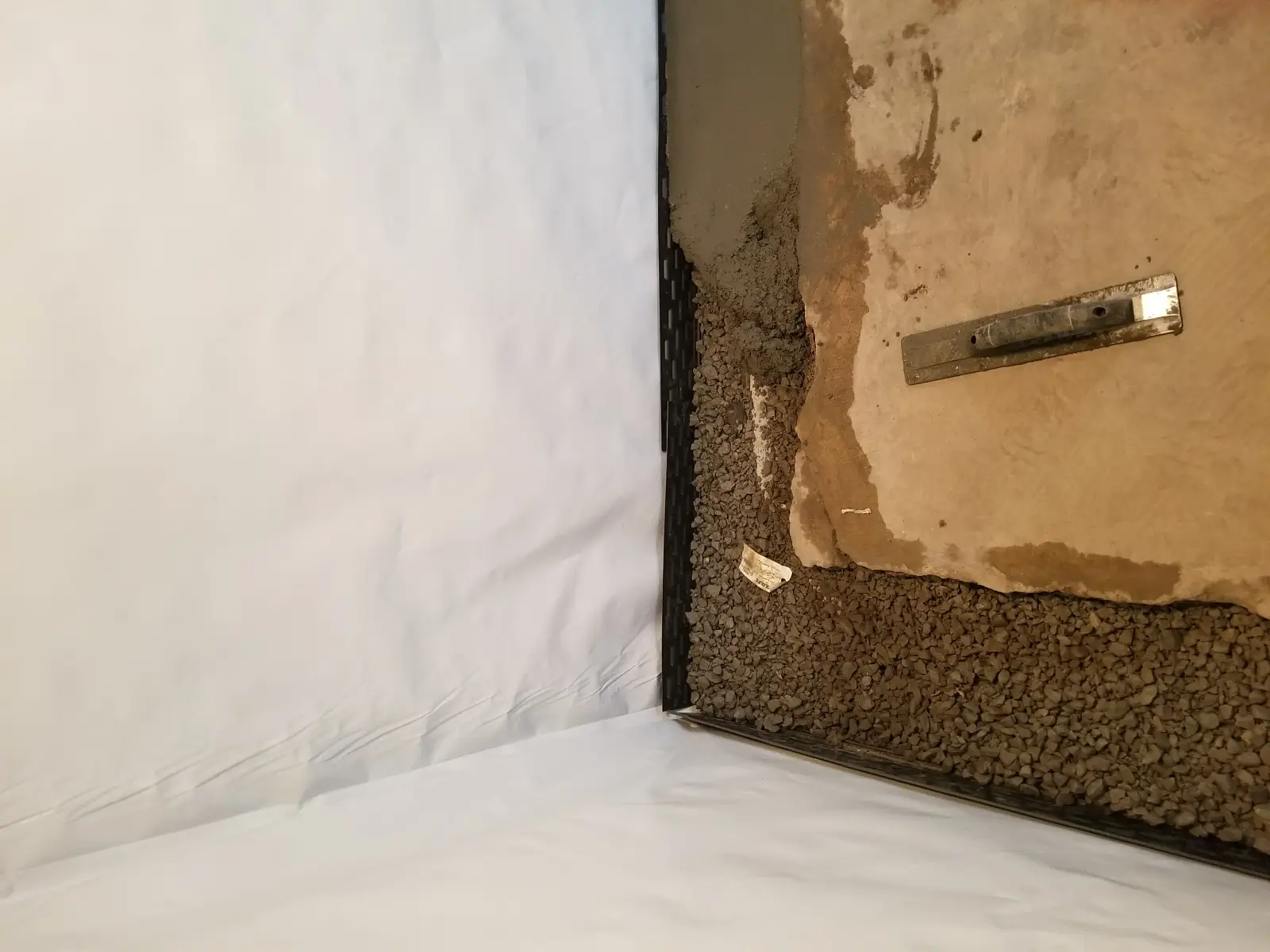
Real Projects. Real Results.
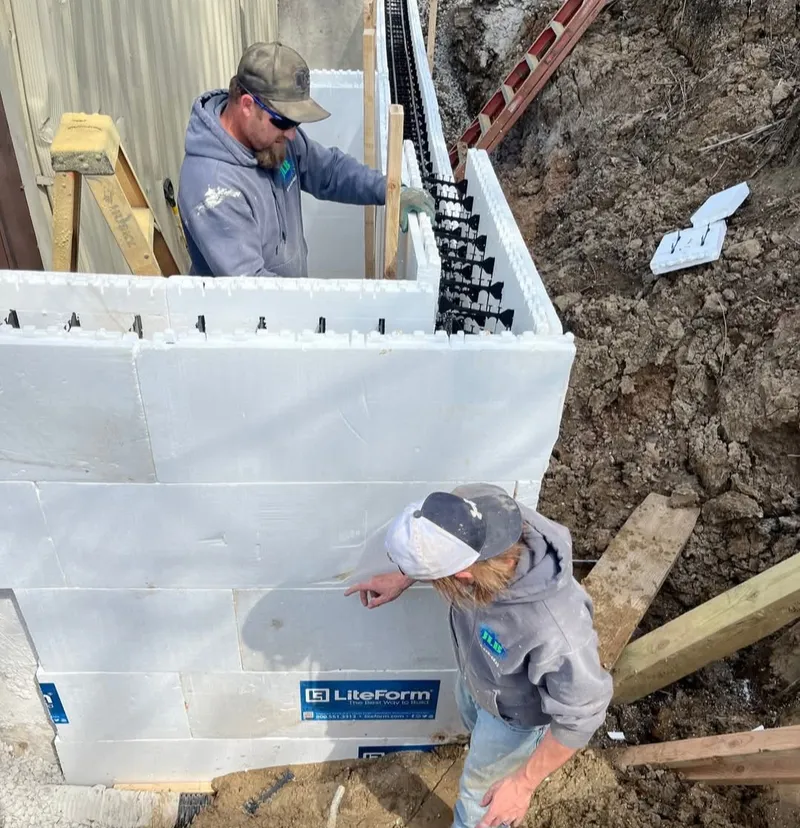
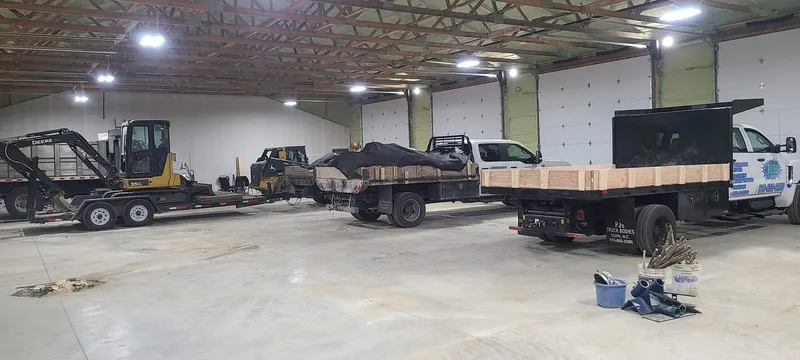
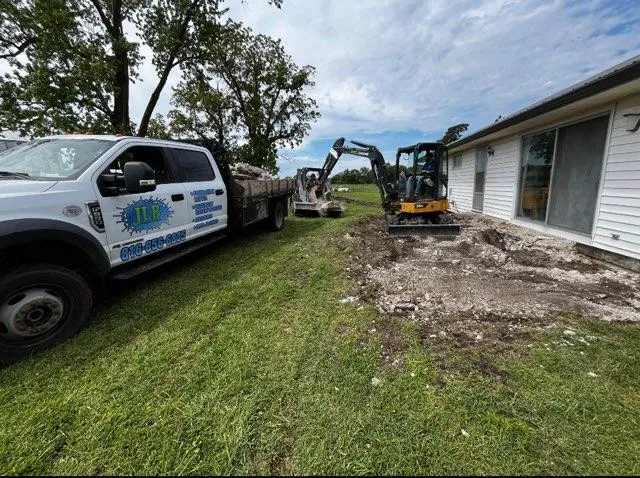
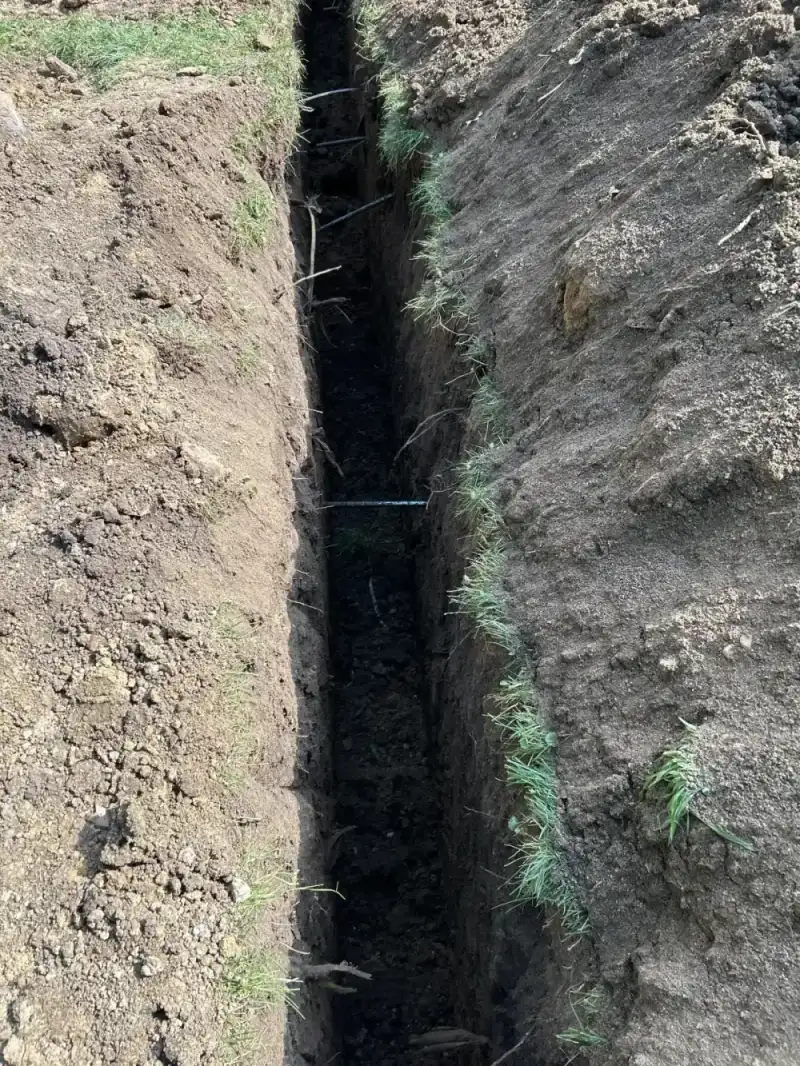
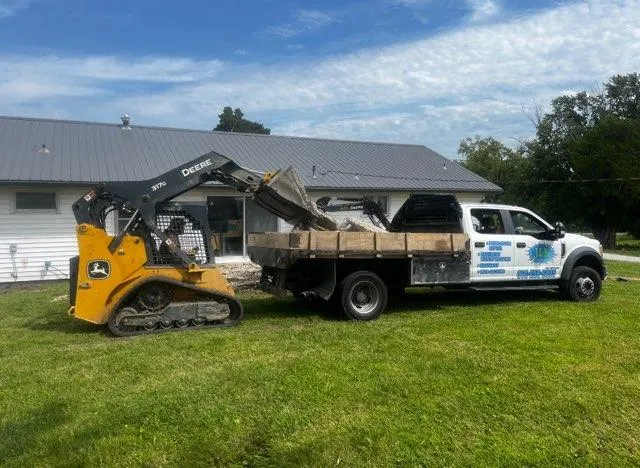
Every photo is from an actual JLB job site — not a stock photo. See the work we do every day across Kansas City and Des Moines.
Two Ways to Pay for It
12 Months Same As Cash
Pay the full balance within 12 months and you pay no interest.
Best if you can pay it off within a year.
5 Years at 6.99% APR
A lower monthly payment, spread over 60 months.
Best for bigger projects.
On approved credit. Ask for full terms at your free estimate.
Foundation Repair & Waterproofing Questions for Grimes Homeowners
Grimes is Iowa's fastest-growing city, and most of its housing stock went up on land that was farmland just a few years before construction. That farmland sat on the Dows Formation — 45 to 60 feet of glacial till deposited by the Des Moines Lobe. When developers graded these sites and backfilled around foundations, the disturbed glacial material hadn't been compacted under structural weight for decades like soil beneath older Des Moines metro neighborhoods. This loosely consolidated fill settles unevenly under your home's load, especially when 36–39 inches of annual rainfall saturates the 35–42% clay content in the Sharpsburg and Otley soil series. You may see stair-step cracks in your basement walls, doors that stick, or gaps forming at wall-ceiling joints within the first 10–20 years.
Push piers in the Grimes area typically run $1,250 to $2,500 per pier, with most homes requiring between 6 and 14 piers depending on the extent of settlement and the home's footprint. The variable composition of glacial till beneath Grimes subdivisions like Gateway Parks and North Ridge — where clay mixes with glacial sand, gravel, and cobbles — means pier depth varies even between neighboring homes. Each pier must reach stable bearing strata below the Dows Formation's upper layers, which can shift from dense clay to gravel pockets within short distances. JLB conducts a thorough assessment of your specific lot conditions, crack patterns, and elevation data before specifying pier count and placement. A typical Polk or Dallas County project falls in the same general range as other metro communities, but the soil variability in Grimes's northern corridor makes site-specific engineering essential.
The most common cause is hydrostatic pressure — and in Grimes, it's driven by a water table that typically sits at 4–10 feet but can rise to 2–3 feet during spring. Snowmelt is the major culprit in the northern corridor: as surface snow melts, the subsurface soil is still frozen at depths approaching 42 inches. That frozen layer acts as a barrier, trapping meltwater between the surface and the frozen zone while the water table simultaneously rises from below. Your basement gets hit from both directions. This double mechanism is why Polk and Dallas County homeowners see water in their basements weeks after the last rain. The flat terrain around Grimes compounds this — without natural slope to move surface water away, it saturates the glacial till surrounding your foundation walls and creates inward pressure that finds every joint and crack.
For most Grimes homes, interior waterproofing is the more effective and practical approach. Exterior excavation in Grimes's glacial till is expensive and disruptive because the Dows Formation's mix of clay, sand, gravel, and cobbles makes digging unpredictable and costly. Interior French drain systems with a sump pump manage the hydrostatic pressure that drives most basement flooding in this corridor and typically cost $4,000 to $7,000 depending on your basement's perimeter length and the severity of water intrusion. Because Grimes sits in the Des Moines metro's NFIP Class 5 community rating — qualifying for a 25% flood insurance discount — addressing water problems proactively can also affect your insurance positioning. JLB installs interior systems designed specifically for the flat terrain and high spring water tables that define the northern growth corridor.
Grimes's 42-inch frost depth creates colder crawlspaces than most Midwest cities experience, which translates directly to cold floors above and higher heating costs throughout winter. But temperature is only half the problem. The glacial till beneath Grimes releases moisture year-round, and an unencapsulated crawlspace allows that dampness to migrate upward into your floor joists, insulation, and living space. Encapsulation in Grimes typically costs $5,000 to $15,000 depending on crawlspace size and condition. JLB uses a dual-seal approach that addresses both the crawlspace and any connected basement areas — important in Polk and Dallas County homes where moisture migrates between the two zones. For homes in subdivisions along SE 37th Street and other Grimes neighborhoods built on this glacial corridor, encapsulation is a functional upgrade that reduces humidity, improves energy efficiency, and protects structural wood from the persistent moisture that glacial till produces.
French drains work well in Grimes, but they must be designed for the specific conditions of this flat northern corridor. Exterior French drains that rely on gravity to carry water away from your foundation struggle here because the terrain offers minimal natural grade — water has nowhere to go without a sump pump or mechanical discharge point. Interior French drains paired with a properly sized sump system are the standard solution for Grimes homes sitting on Dows Formation glacial till. The soil composition matters too: the mix of clay, sand, gravel, and cobbles in Polk and Dallas County glacial deposits can clog poorly designed drain tile, so JLB specifies aggregate and filter fabric suited to the local material. With the water table rising to 2–3 feet in spring across low-lying sections of Grimes, your French drain system needs to handle sustained hydrostatic pressure, not just occasional storm events.
Schedule Your Free Grimes Foundation Inspection
Tell us about your Grimes home — its age, neighborhood, and what you're seeing. We'll assess how the local glacial till and Polk/Dallas County water table conditions are affecting your foundation and recommend specific next steps.
Our Locations
We're always close enough to help — our crews are local to your area.
JLB Basement Waterproofing & Foundation Repair — Van Meter
325 Grand StVan Meter, IA, 50261(515) 642-3406 View on Google Maps
JLB Basement Waterproofing & Foundation Repair — Des Moines
97 Indiana Ave Suite #1Des Moines, IA, 50314(515) 717-8560 View on Google Maps
Stop the Damage. Get Answers Today.
A free estimate takes 45 minutes and tells you exactly what's going on under your house — and exactly what it takes to fix it.