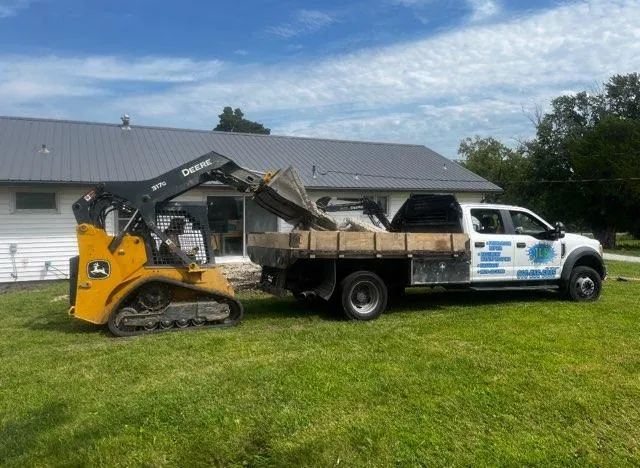
Fixing Grandview's Foundation & Basement Water Issues
Structural repair, basement waterproofing, crawl space encapsulation, and drainage services for homes across southern Jackson County — backed by free estimates, honest scoping, and a transferable warranty on every project.
Free 45-Minute Analysis + Written Report
Get a precise analysis of your foundation and waterproofing situation, and a clear estimate on what any fixes or corrections might cost.
Takes 30 seconds. We'll call within 24 hours.
Thank You!
We'll be in touch within 24 hours.
Meet the Foundation Repair Team Serving Grandview
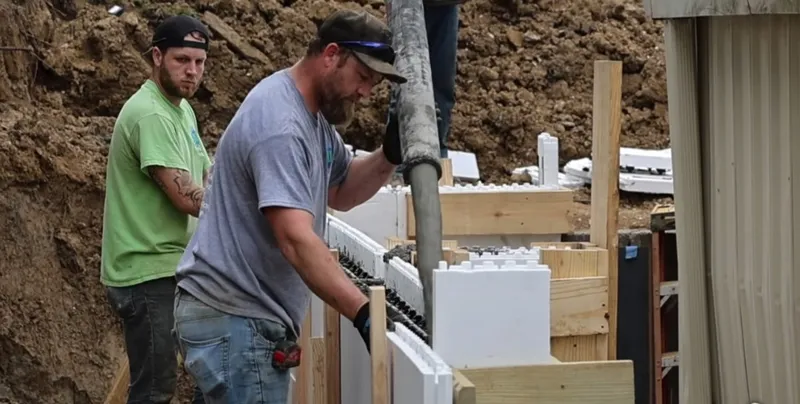
JLB is a local company — not a franchise. Watch to learn who we are and how we approach every foundation repair project across Jackson County and the southern Kansas City metro.
Watch Our Crews in Action
Foundation Repair and Waterproofing Service Options in Grandview
Every foundation problem has a permanent fix. We use engineered systems — not quick patches — backed by transferable warranties and decades of field experience.
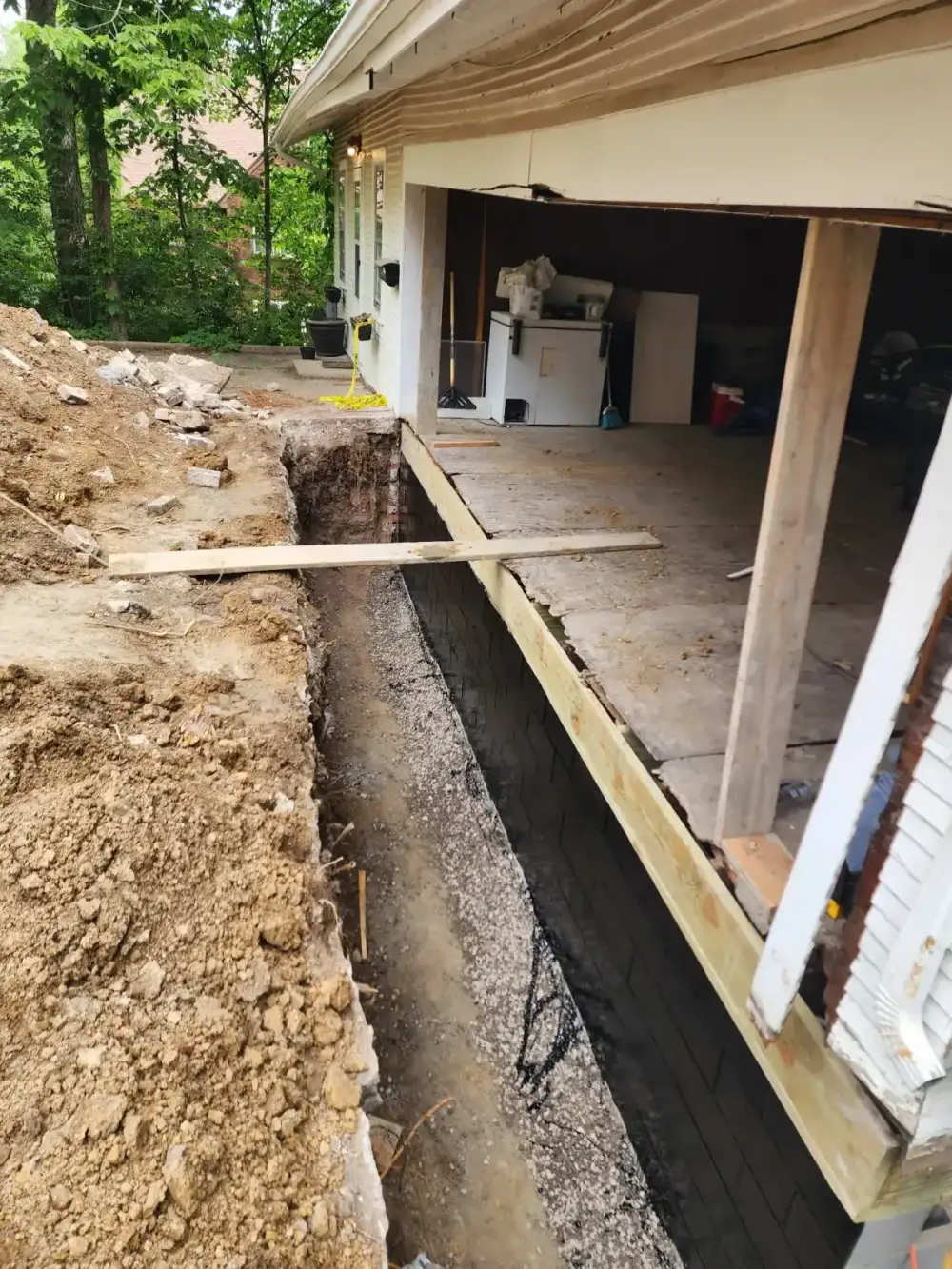
Foundation Repair
Steel push piers and wall anchors to stabilize and lift settling foundations. Stop the cracks, level the floors, save the home.
Learn More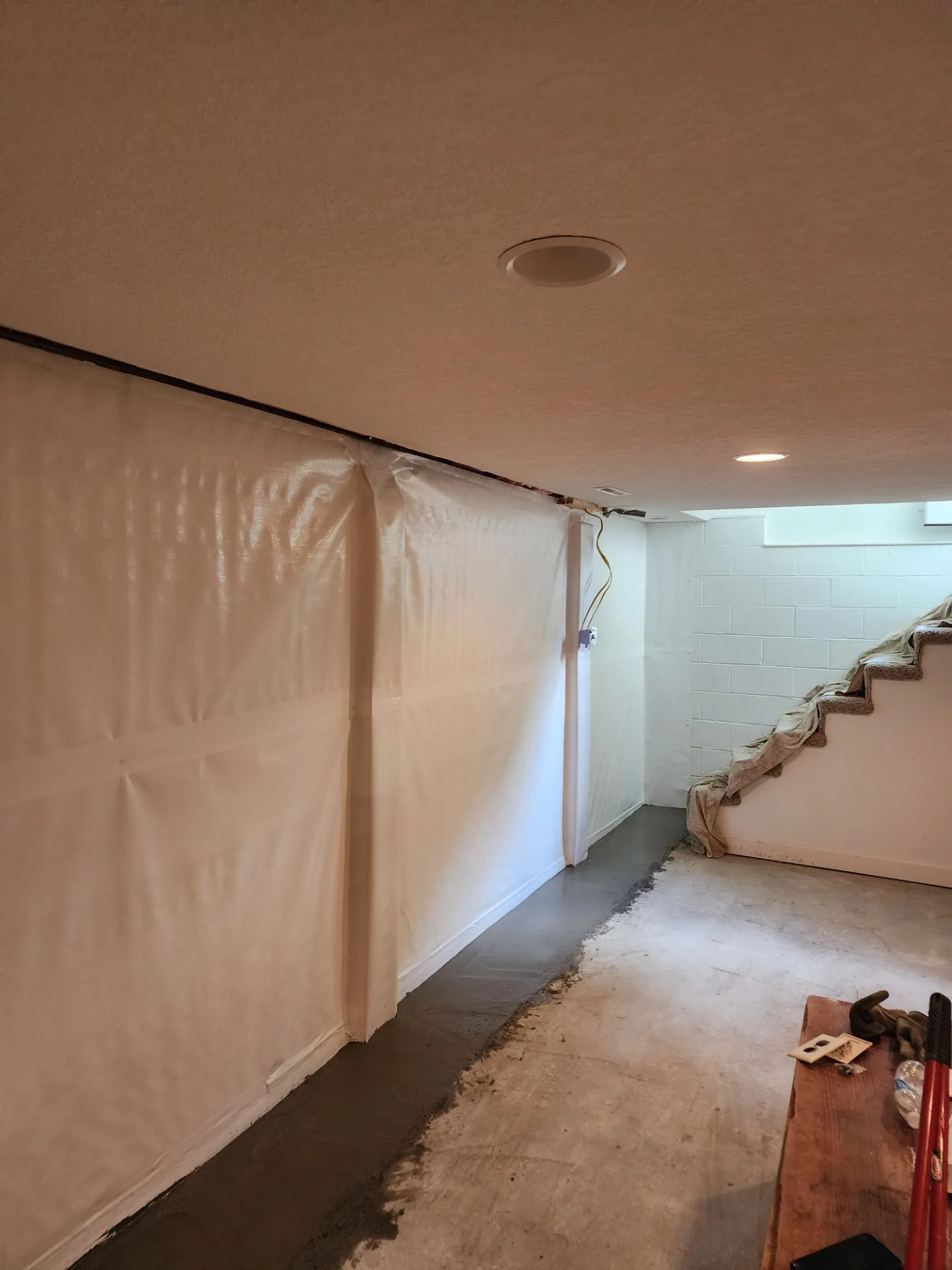
Basement Waterproofing
Interior drainage systems, sump pumps, and vapor barriers to keep your basement permanently dry. No more water. No more worry.
Learn More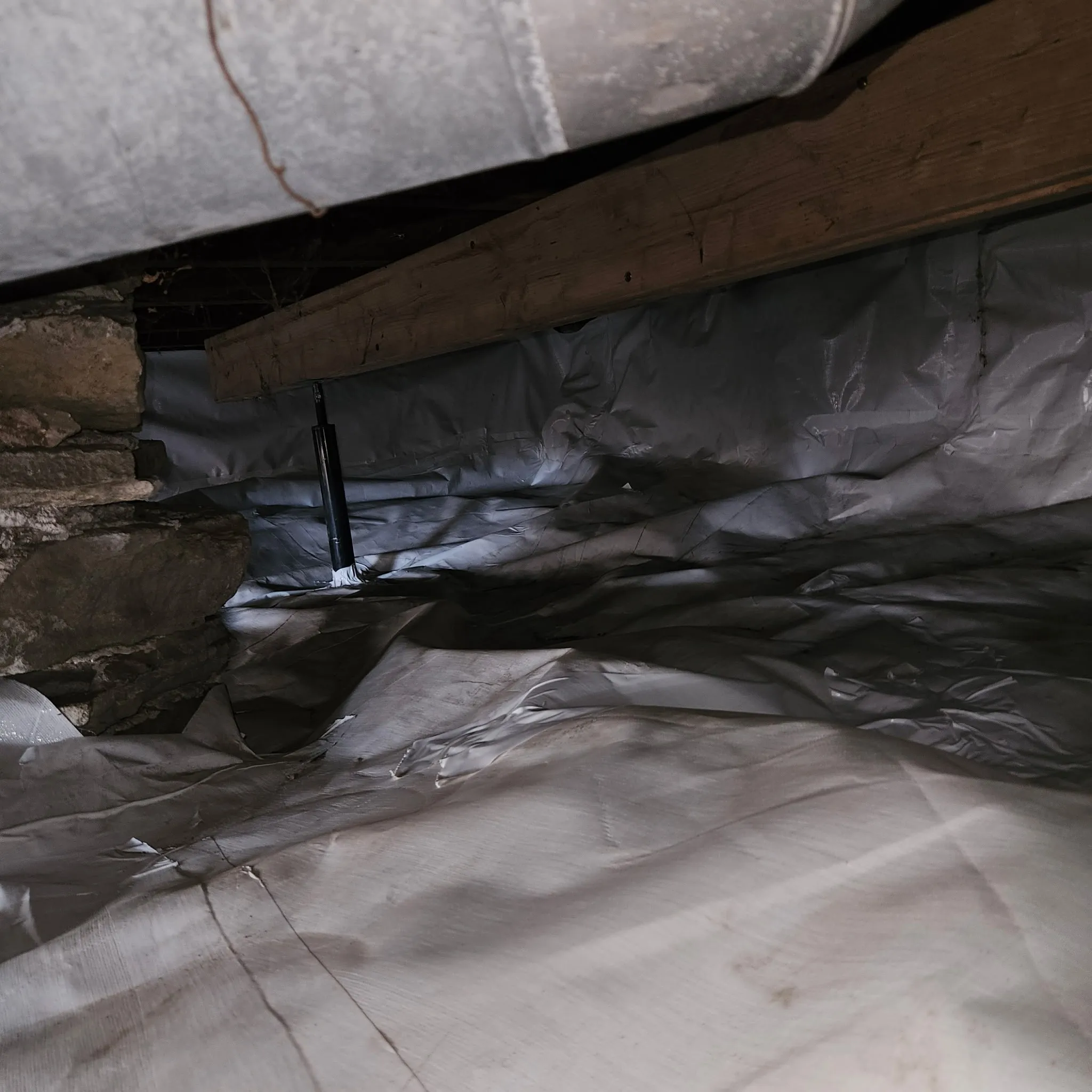
Crawlspace Encapsulation
Full encapsulation with spray foam for BOTH crawlspace and basement — twice the protection competitors offer, at a lower cost.
Learn More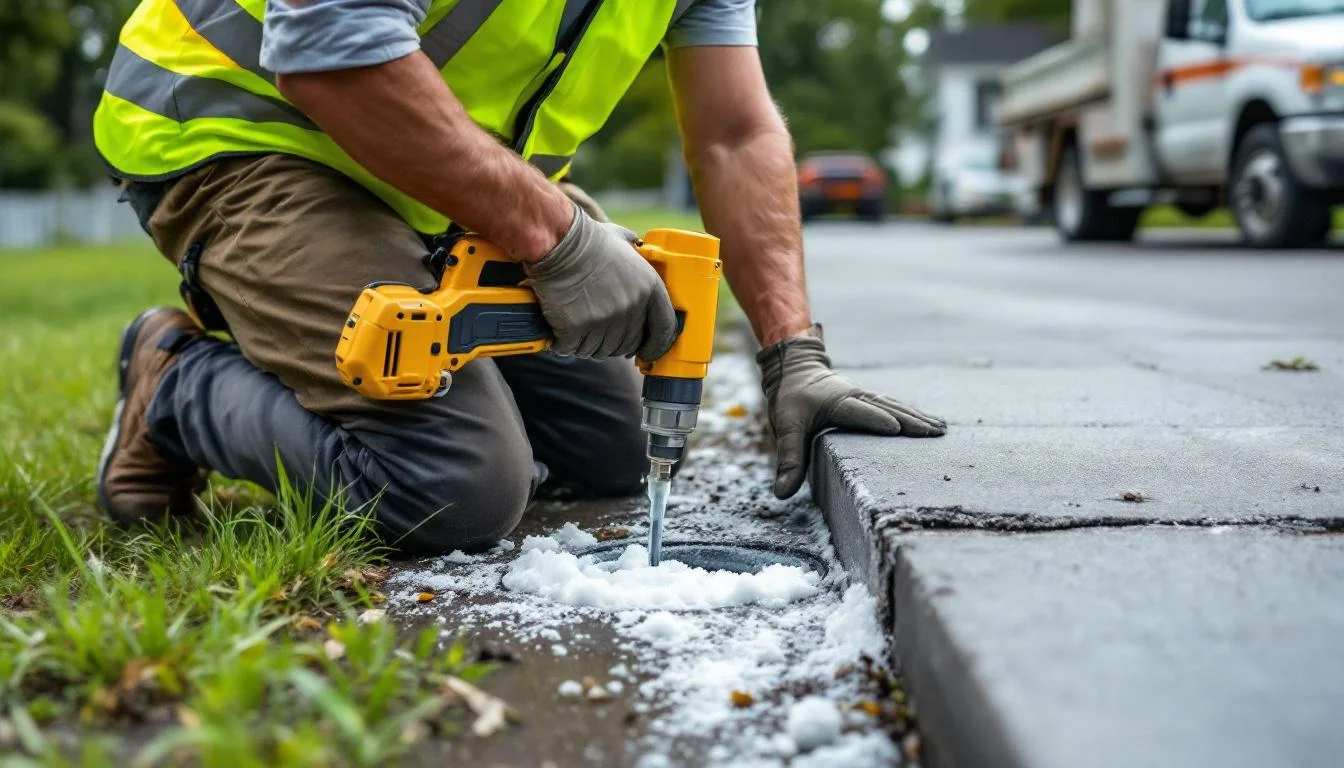
Polyjacking / Concrete Leveling
Lift and level sunken driveways, patios, sidewalks, and garage floors with polyurethane foam injection. Fast, clean, long-lasting.
Learn More
French Drains & Drainage
French drains, extended downspouts, regrading, and drain pipes to redirect water away from your foundation permanently.
Learn More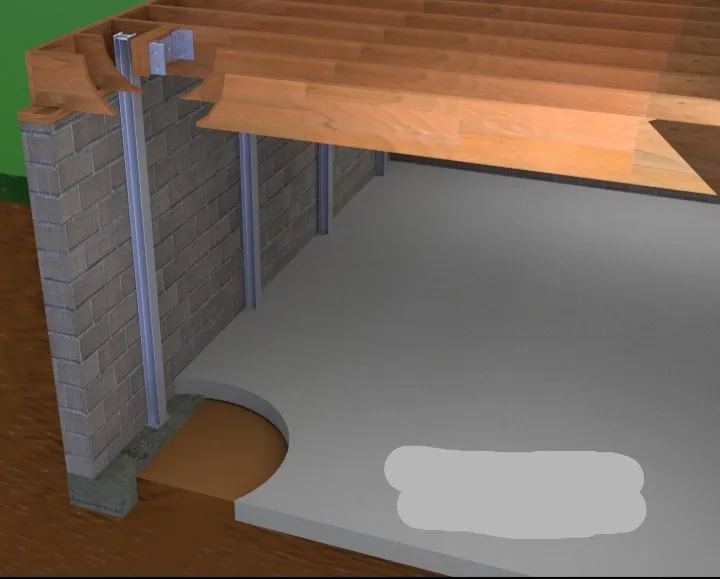
Foundation Wall Replacement
Complete removal and reconstruction of severely damaged foundation walls with new reinforced concrete, drainage, and waterproofing.
Learn MoreTwo Ways to Pay Over Time
12 Months Same As Cash
Pay the full balance within 12 months and you pay no interest.
5 Years at 6.99% APR
A lower monthly payment, spread over 60 months.
On approved credit. Ask for full terms at your free estimate.
Why Do Homes Here Need Foundation Repair and Waterproofing?
Homes in southern Jackson County sit on some of the most aggressive clay in the Kansas City metro. The Wymore-Ladoga soil complex carries a USDA-rated very high shrink-swell classification with 60–80% clay content — soil that expands when wet and contracts when dry, cycling pressure against your structure year after year. The majority of the local housing stock dates from the 1950s through the 1970s, an era of block and poured concrete construction now reaching the 50- to 70-year mark where cumulative soil movement produces visible foundation damage. Along Main Street and throughout established neighborhoods near the View High area, homeowners are seeing the consequences: stair-step cracks, sticking doors, bowing walls, and basement moisture that appeared after decades of staying dry. Foundation repair service addresses these problems before they escalate.
The foundation repair challenges in this part of Jackson County differ from the northern side of the metro in critical ways. The terrain transitions from high ground down into the Blue River valley, creating variable drainage that concentrates water against certain walls while leaving others dry. Hydrologic Soil Group D classification means the clay has the lowest infiltration rate and highest runoff potential — water doesn't absorb, it flows across the surface and pools against your home. With 42 inches of annual rainfall, a 36-inch frost depth driving over 100 freeze-thaw cycles per year, and clay that swells when saturated, lateral pressures can exceed 800 PSF against an 8-foot basement wall. These foundation issues are why structural repair is the most common service local homeowners request from our crew.
JLB's foundation repair approach accounts for the specific challenges of mid-century subdivision lots and 1950s–1970s block and poured concrete construction common in this area. Lot spacing on these properties often limits exterior access, so our crews use compact hydraulic equipment and interior-first repair strategies designed for exactly these conditions. Steel pier systems address settlement in the heavy local clay, installed to stable strata below the active shrink-swell zone — providing permanent underpinning for a sinking foundation. For separated slabs common along the I-49 corridor, concrete leveling lifts and stabilizes surfaces without full replacement. Basement waterproofing systems manage the high pressures specific to Group D soil, and crawl space encapsulation seals moisture-prone areas beneath ranch homes where vented openings allow humidity to enter. Every repair we perform includes a transferable warranty and a thorough foundation inspection.
How Does JLB Handle Foundation Repairs in Jackson County?
Every foundation repair project starts with understanding what is happening beneath your home. Settlement caused by shrinking clay behaves differently than lateral soil pressure from saturated ground — and the repair methods for each are distinct. JLB's pro crew evaluates soil behavior, structural movement patterns, and your home's construction era before designing any scope of work. For homes showing uneven floors, wall cracks, or door alignment problems, our structural assessment identifies whether the cause is settlement, lateral displacement, or a combination that requires a multi-system repair approach. *We document everything during the foundation inspection so you see exactly what we see.*
Foundation repair methods in this area must account for the clay's extreme moisture sensitivity. Steel pier systems are engineered to bypass unstable clay entirely, transferring your home's weight to stable strata below — anchoring your foundation to soil that seasonal moisture changes no longer affect. For basement wall displacement caused by lateral soil pressure, structural bracing halts inward movement and allows gradual correction of bowing walls. Exterior waterproofing and interior drain systems manage the water that the impermeable local clay directs against your walls, capturing it at the footing level before it reaches your living space. Soil stabilization techniques complement these repairs by addressing the root cause of movement beneath your home.
Crawl space repair and encapsulation is another service that delivers significant results for ranch homes in this area. JLB spray foams both the crawl space and the basement for twice the protection at a lower price than competitors who only address one area. This dual-seal approach blocks moisture, controls humidity below the mold threshold, and improves energy efficiency. For settled driveways, sidewalks, and patios, JLB's concrete leveling service uses polyurethane foam injection — similar to mudjacking but lighter and more durable — to restore grade without full replacement. An egress window installation can also be paired with basement waterproofing for added safety and light. Every foundation repair we perform includes a transferable warranty — protecting your investment whether you stay in your home or sell it. Call for a free foundation inspection to get started. Our review from local homeowners speaks to the quality of our service.
Grandview at a Glance
Where Does JLB Provide Foundation Repair Service in This Area?
JLB serves all of southern Jackson County, including homes along Main Street, Blue Ridge Boulevard, and neighborhoods near the View High area and I-49 corridor. Our repair crews know the terrain and soil conditions specific to this part of the metro.
How Does Local Soil Affect Home Structures?
Two common foundation types here react differently to aggressive local clay, and each requires a targeted repair approach.
Concrete Block Basement
Common in 1950s–1970s local construction. Hollow-core block is vulnerable to lateral clay pressure, developing horizontal fractures through mortar joints and stair-step cracking. Structural bracing corrects and prevents further inward displacement, and foundation repair restores wall integrity.
Poured Concrete Basement
Standard in post-1960 local subdivisions. Poured walls resist lateral pressure better than block but still develop settlement cracks from the clay's seasonal shrink-swell cycle. Steel pier systems stop settlement permanently and often restore original elevation through foundation repair.
What Foundation Repair Warning Signs Should You Watch For?
Local 1950s–1970s homes on Jackson County clay show warning signs that intensify during spring rainfall and after summer drought. With 60–80% clay content expanding and contracting beneath your home, these indicators should prompt a repair consultation.
Vertical, diagonal, or stair-step cracks in basement walls indicating foundation settlement requiring professional repair service
Learn about Foundation Repair →Water entering the basement after storms — a wet basement signals structural pressure requiring waterproofing service
Learn about Waterproofing →Musty odors, mold growth, or sagging floors above the crawl space requiring encapsulation and repair
Learn about Crawlspace Encapsulation →Doors and windows that stick or refuse to close — a sign of uneven floors from foundation movement needing repair
Learn about Foundation Repair →Bowing walls or horizontal cracks from lateral clay pressure causing wall movement that requires structural repair
Learn about Foundation Repair →Settled driveways, sidewalks, or patios that need concrete leveling to restore grade and prevent further damage
Learn about Polyjacking →The Foundation Repair Crew Serving Southern Jackson County
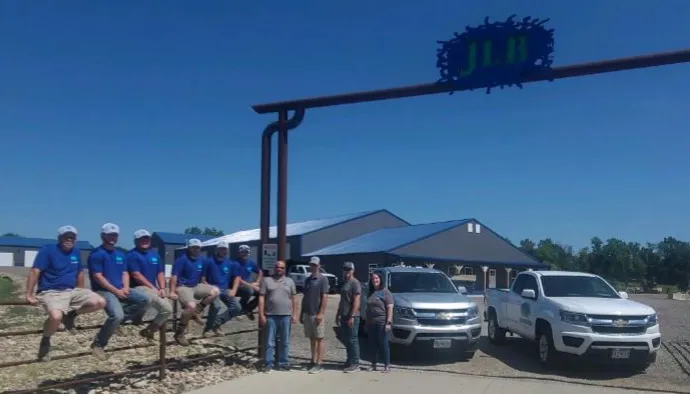
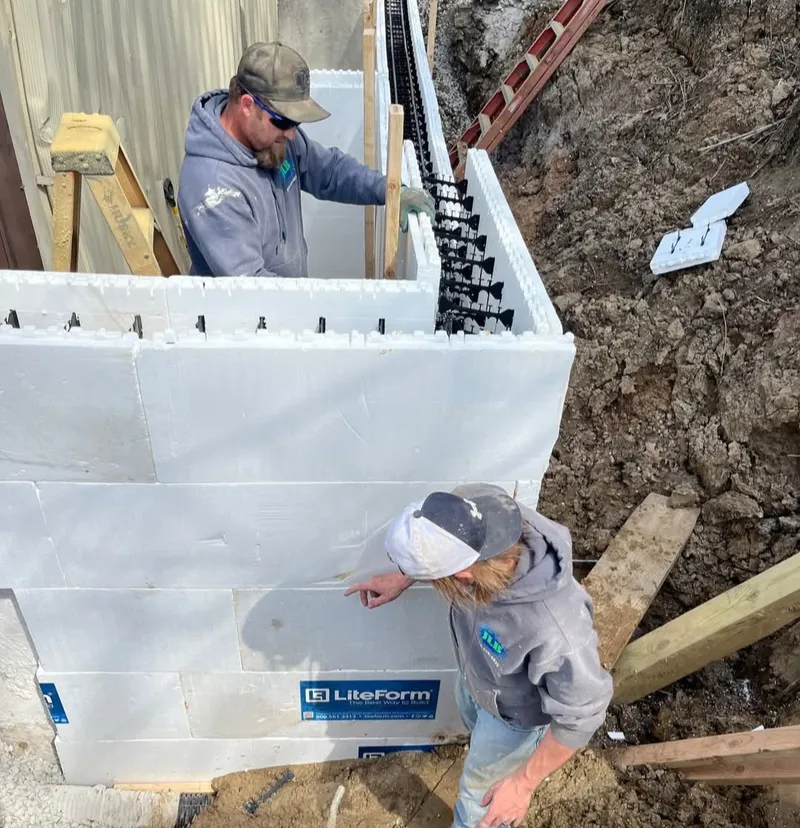
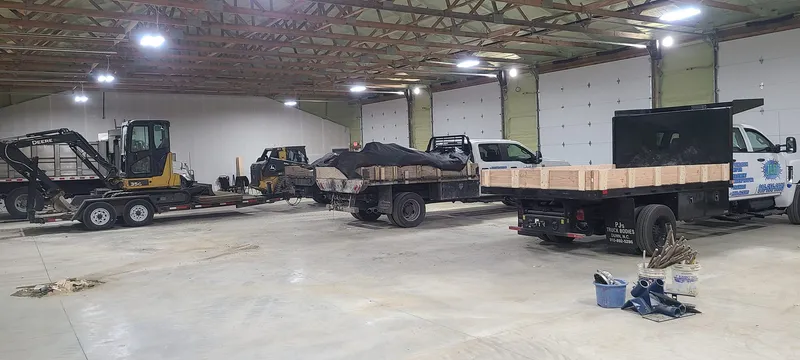
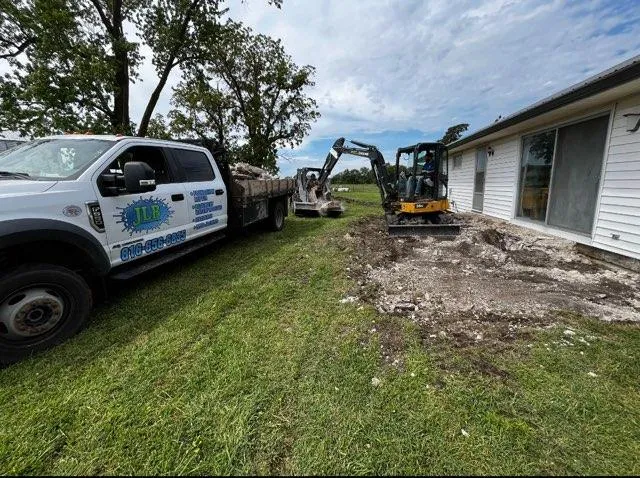
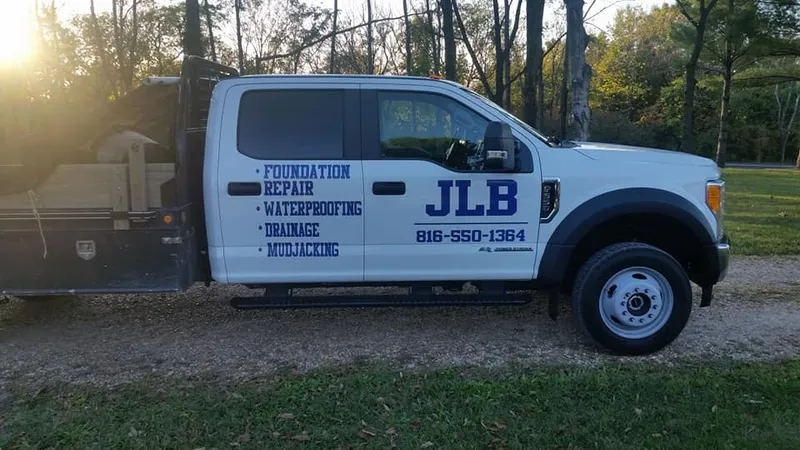
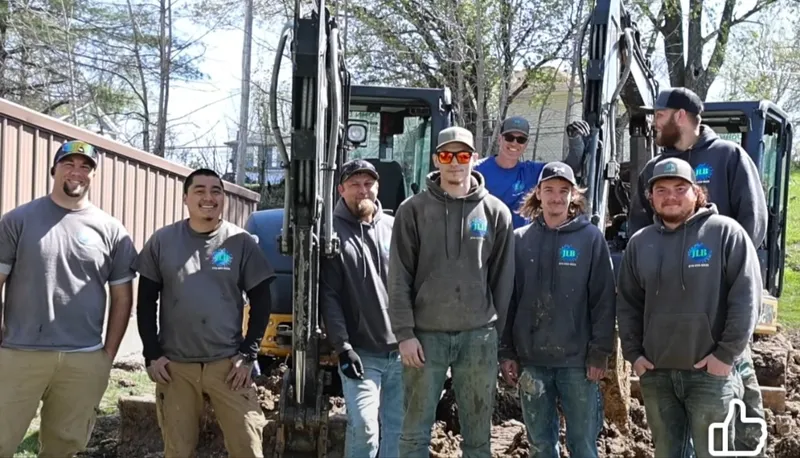
JLB's crews know Jackson County clay from working under homes here where Wymore-Ladoga soil has been acting on block and poured concrete structures for 50 to 70 years. We've completed foundation repair projects on tight subdivision lots along Main Street, installed drainage in ranch homes where the terrain transition toward the Blue River valley funnels runoff to the lowest wall, and performed structural repairs near the I-49 corridor where older development meets aggressive soil conditions. Our pro team understands how this community's specific combination of housing era, terrain, and Kansas City metro climate affects your home's foundation.
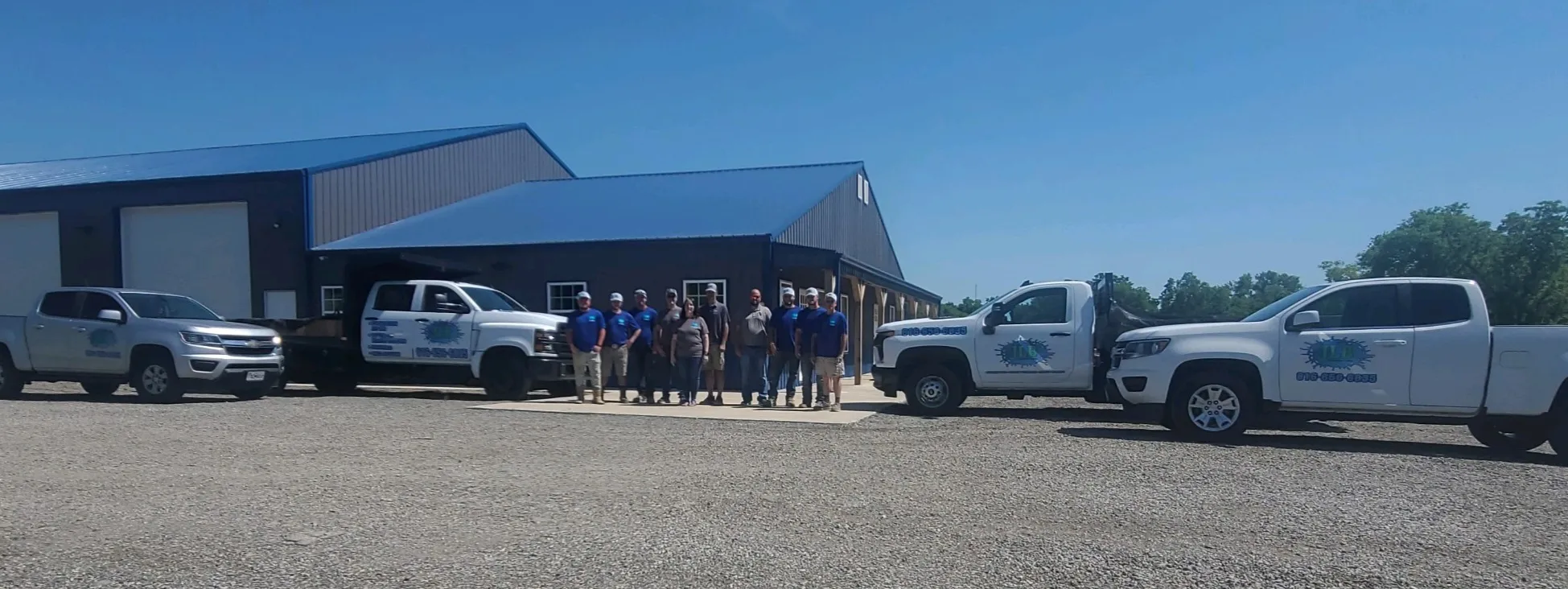
Numbers That Speak for Themselves
Your Foundation Won't Improve on Its Own — Get Answers Now
Jackson County clay is still moving under your home. Every rainfall cycle adds pressure, and every drought pulls soil away from your footings. A free foundation inspection identifies what is happening and what it will take to fix — before the next heavy spring downpour causes more damage. Our service team responds quickly.
Not Sure What You're Dealing With?
Click any symptom below to learn what it means, what's likely causing it, and how we can help. Most of these are more common — and more fixable — than you'd think.
Diagonal, stair-step, or horizontal cracks in drywall, plaster, or brick usually trace back to soil movement beneath your foundation. The heavy clay soils in the Kansas City and Des Moines metros expand and contract seasonally, which can shift your foundation over time. The good news: this is very fixable with the right approach.
Water entering through floor joints, wall cracks, or seeping through porous concrete means groundwater pressure is pushing moisture into your basement. An interior drainage system and sump pump can solve this permanently — and we can usually have it done in a day or two.
When a foundation settles unevenly, it can shift your home's frame just enough to make doors and windows bind. This is one of the earlier signs of foundation movement — and catching it early often means a simpler, less expensive repair.
That musty smell is moisture. Up to 40% of the air in your home rises from below — from your crawlspace and basement. If there's excess humidity down there, it affects your whole home. Encapsulation seals it out, and you'll notice the difference in your air quality right away.
Floors that slope toward the center or an exterior wall usually mean the support structure underneath needs attention. Push piers can stabilize your foundation and often lift it back to level — giving your floors a second life.
When soil washes out or compacts beneath a concrete slab, the slab drops and becomes uneven. Polyjacking uses expanding polyurethane foam to fill the void and lift the concrete back to grade — usually in under a day, with no heavy equipment needed.
Water collecting near your foundation means your grading or drainage isn't directing water away effectively. French drains, regrading, extended downspouts, and drain pipes can redirect water away from the house — protecting your foundation for the long haul.
A basement wall that has bowed more than 2 inches inward, shifted off its footing, or shows multiple structural cracks may have moved beyond what bracing can fix. When carbon fiber straps, I-beams, or wall anchors are not enough, the wall needs to be removed and rebuilt with reinforced concrete. This is the last resort — but it is the permanent fix when the wall itself is compromised.
Why Do Local Homeowners Choose JLB for Foundation Repair?
Jackson County Soil Expertise
The Wymore-Ladoga soil complex here carries a very high shrink-swell rating with 60–80% clay content. Our foundation repair methods are engineered for Group D conditions — not generic approaches borrowed from other soil types.
Built for Mid-Century Homes
Local homes with block and poured concrete basements present specific structural challenges. We've addressed wall crack patterns, lateral wall pressure, and grade-level runoff concentration unique to single-story construction on tight subdivision lots.
Tight-Lot Access Specialists
Many homes here sit close together on smaller subdivision lots. JLB uses compact hydraulic equipment and interior-first repair strategies designed for exactly these conditions — your neighbor's siding stays intact, and your landscaping takes minimal impact during foundation repair service.
Honest Pricing, Real Numbers
Foundation repair projects here typically start around $4,500, with steel pier systems at $1,250–$2,500 per pier and basement waterproofing at $4,000–$7,000 complete. We provide exact quotes based on your home's specific conditions — no vague estimates.
ZIP Codes We Cover for Foundation Repair
What Our Customers Say
"We had cracks running up our walls and doors that wouldn't close. JLB came out, explained exactly what was happening with the soil under our house, and had the piers installed in two days. Floors are level again. Wish we hadn't waited so long."
"Three other companies gave us the runaround. JLB showed up, did a thorough inspection, and gave us a straight answer. The repair held up through an entire Missouri winter with zero new cracking."
"Our crawlspace was a mess — moisture, mold, the works. JLB encapsulated it AND spray-foamed our basement in the same project. The difference in our home's air quality is incredible. Great value for the price."
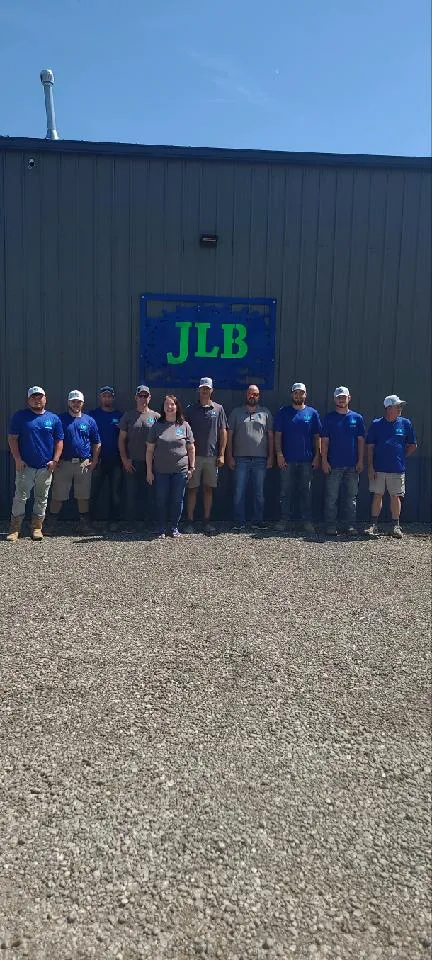
Real Team. Real Work.
Right Here in Kansas City & Des Moines.
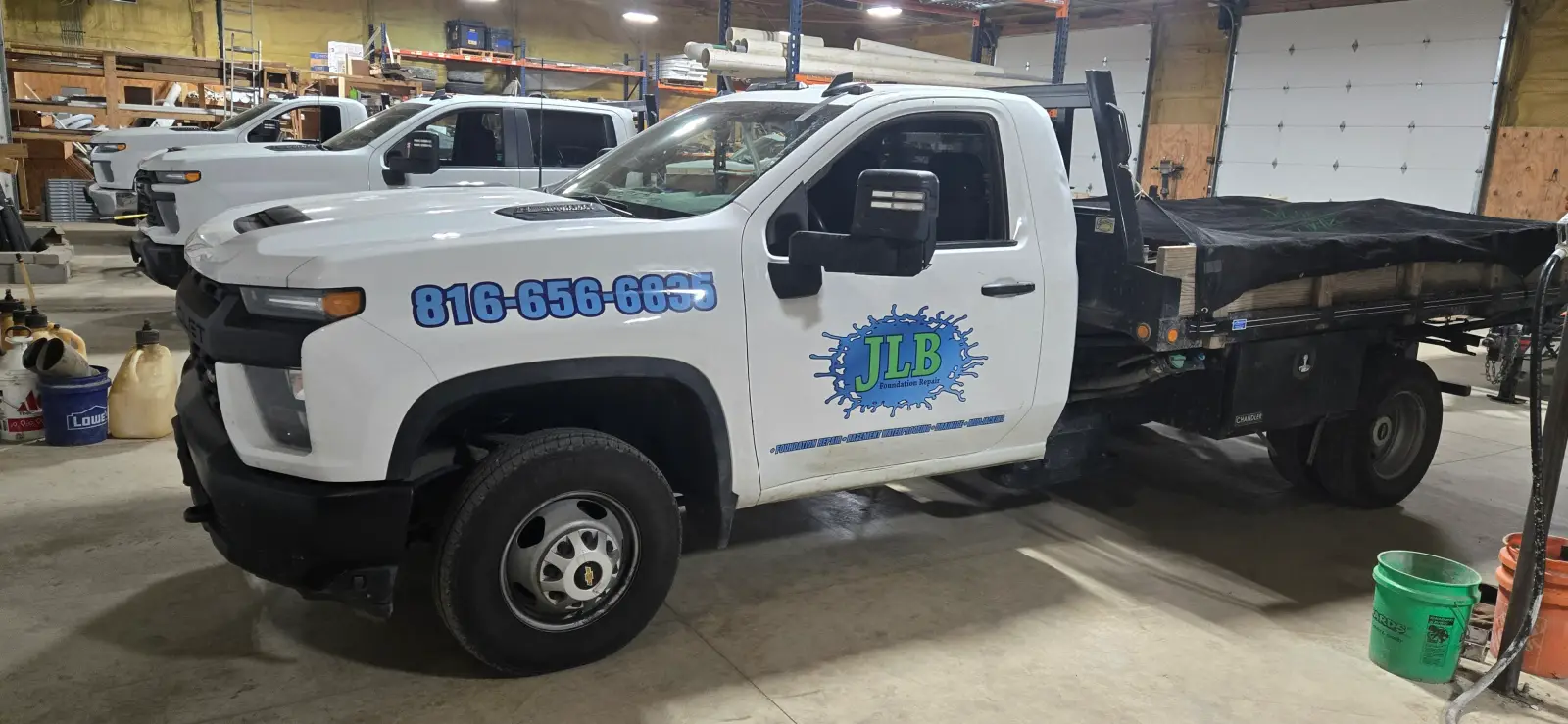
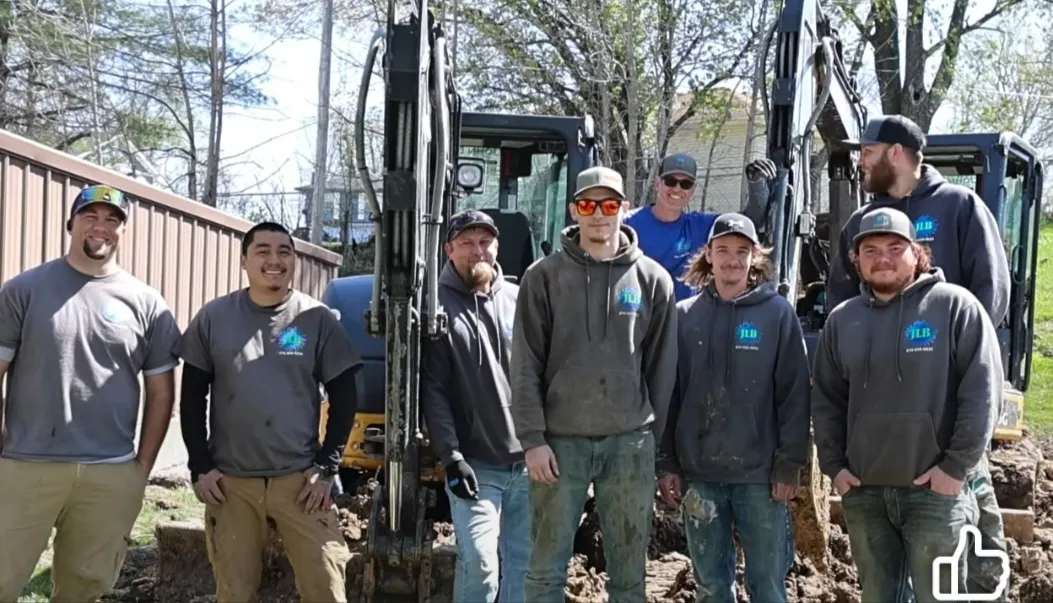
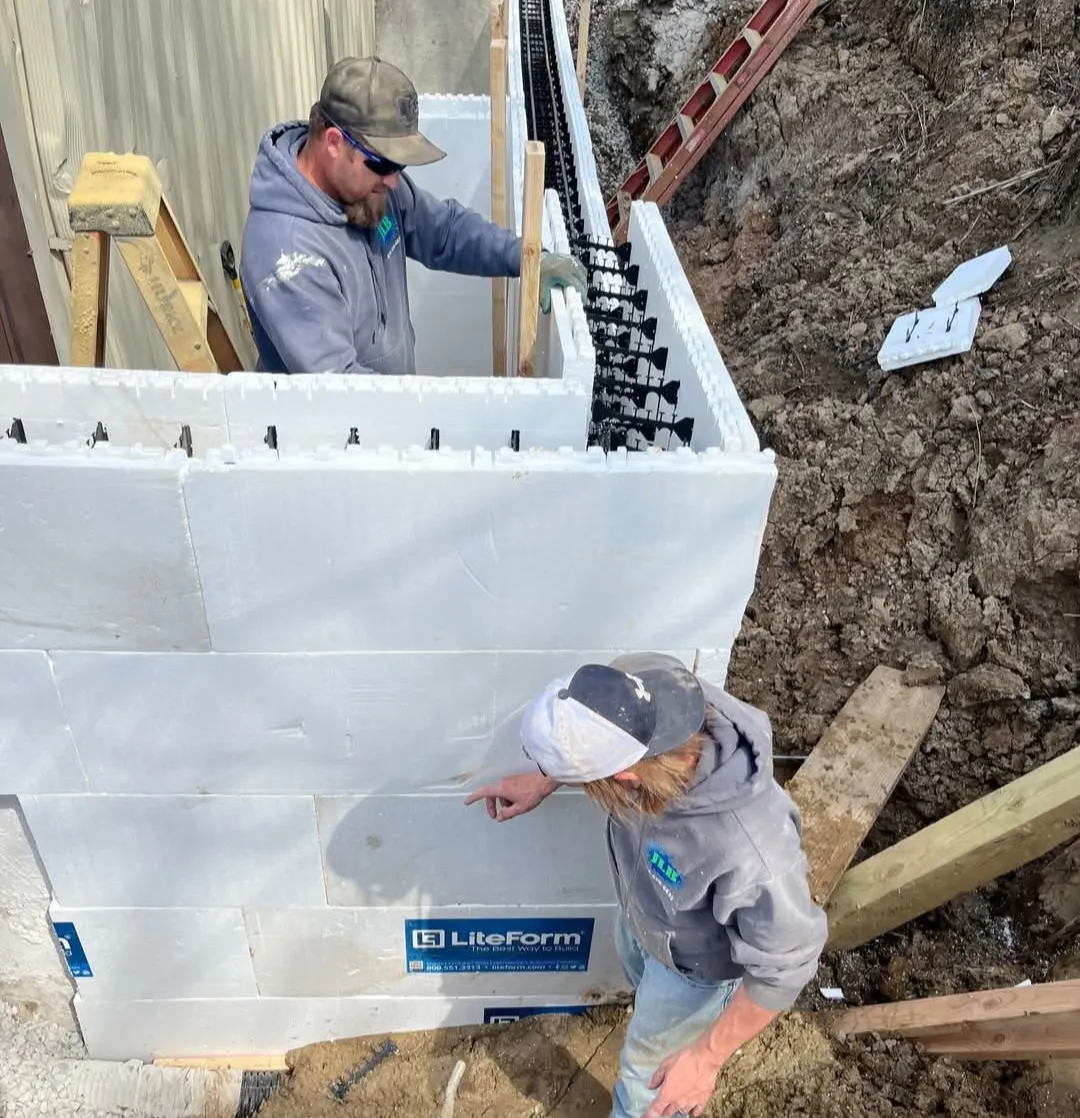
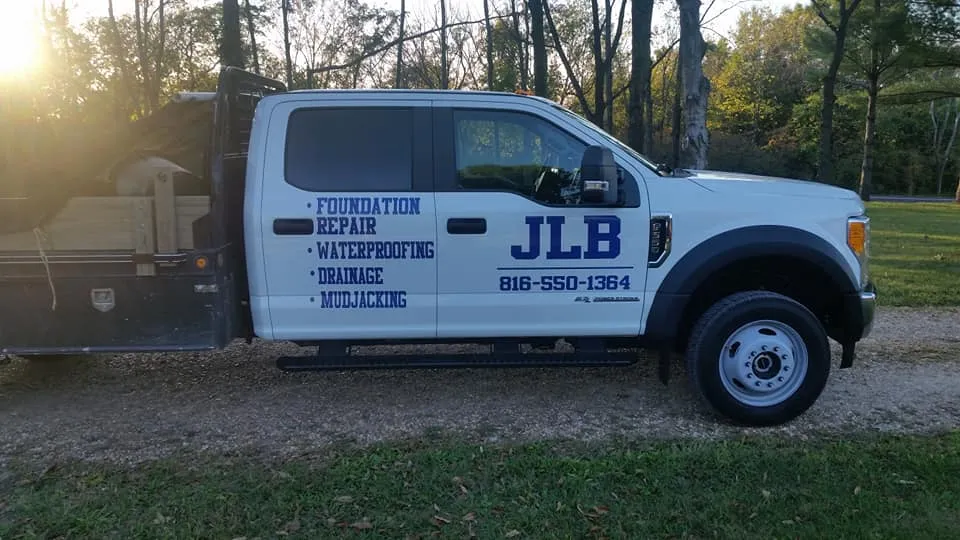
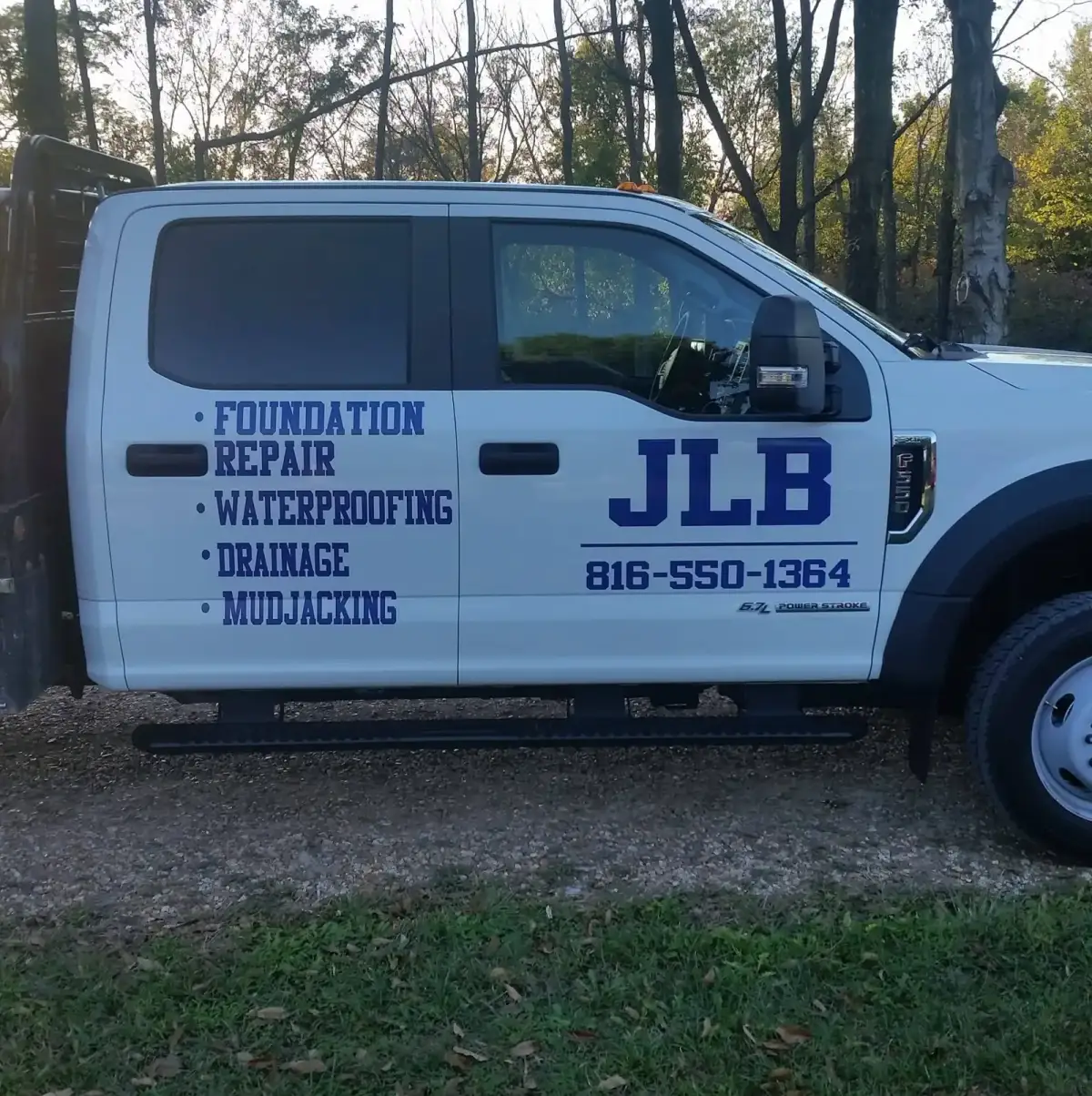
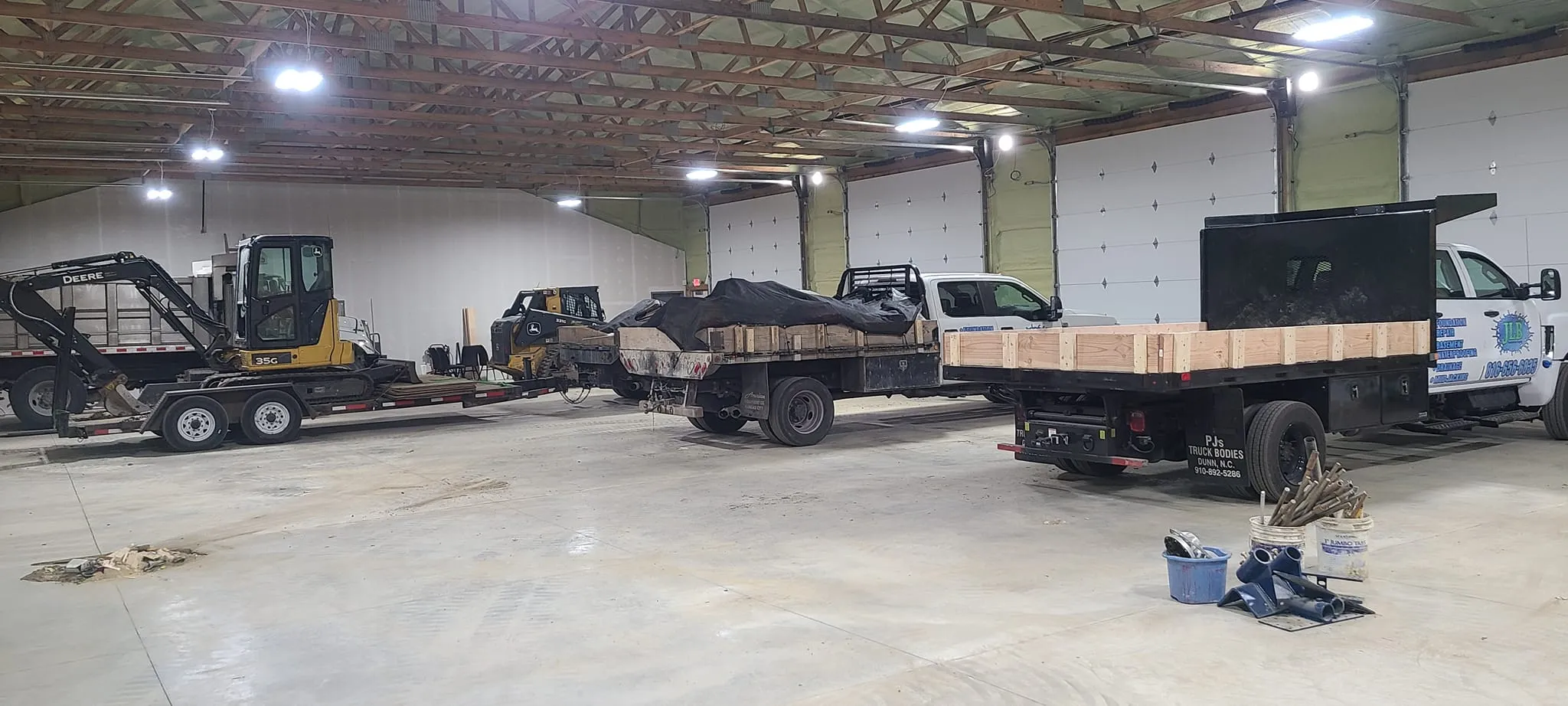
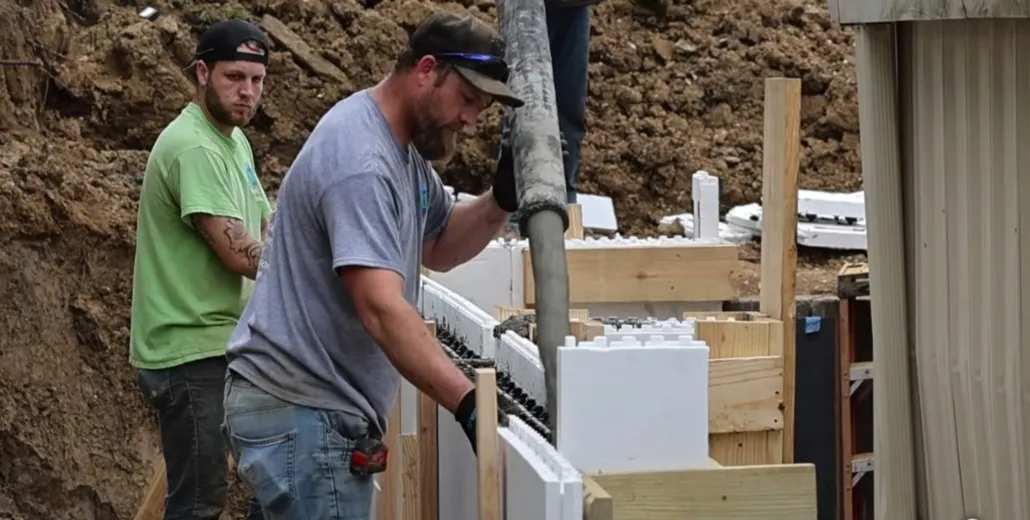
Real Projects. Real Results.
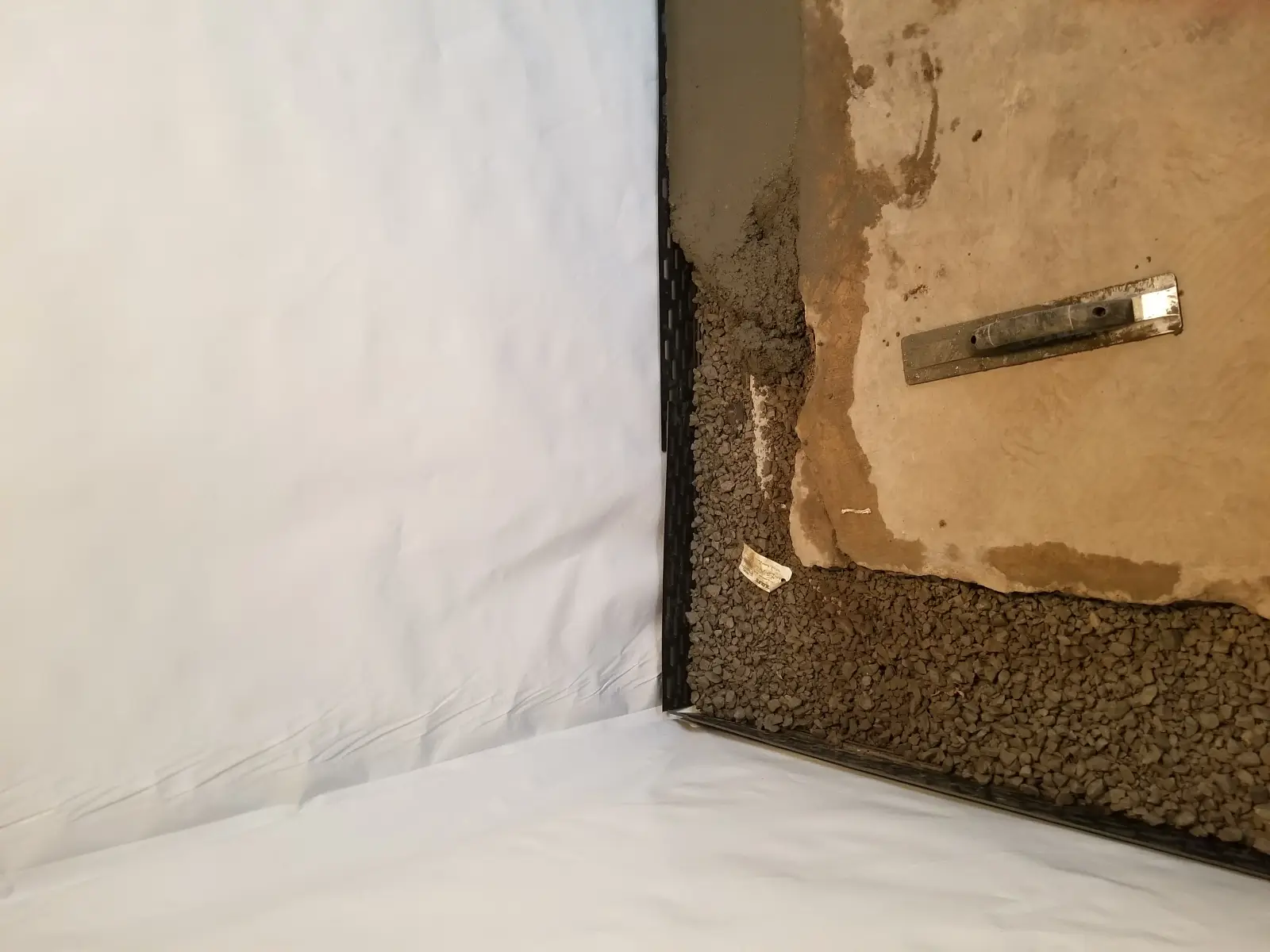
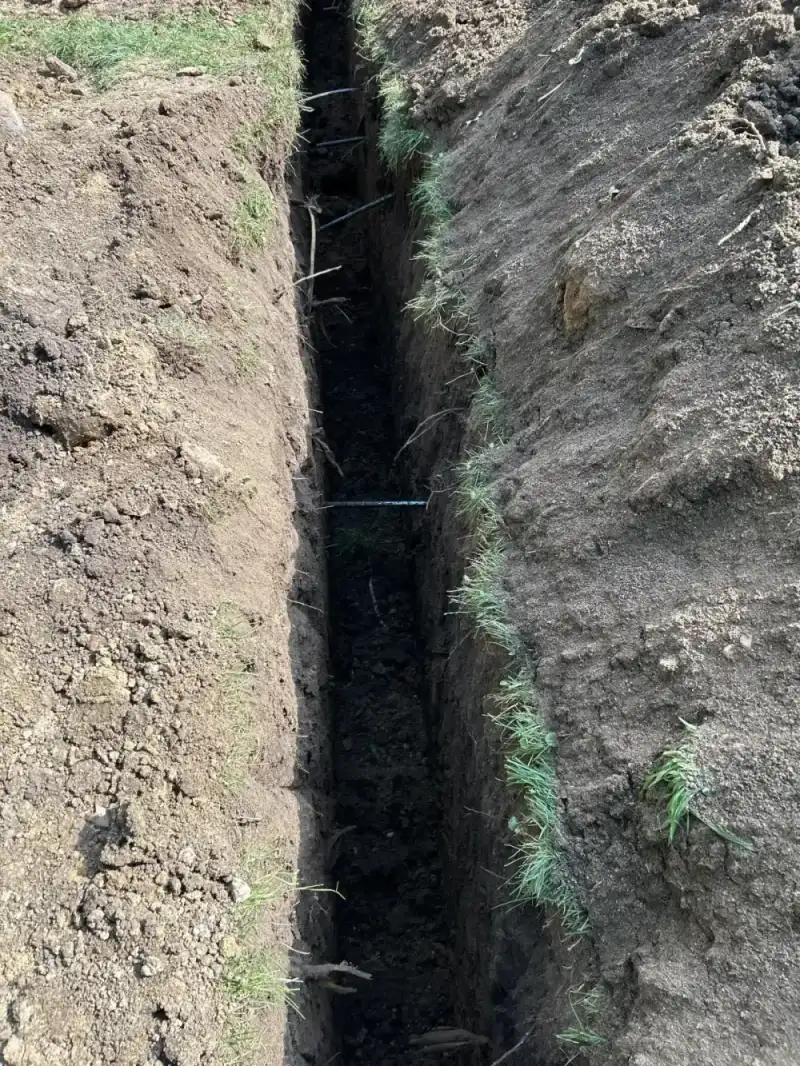
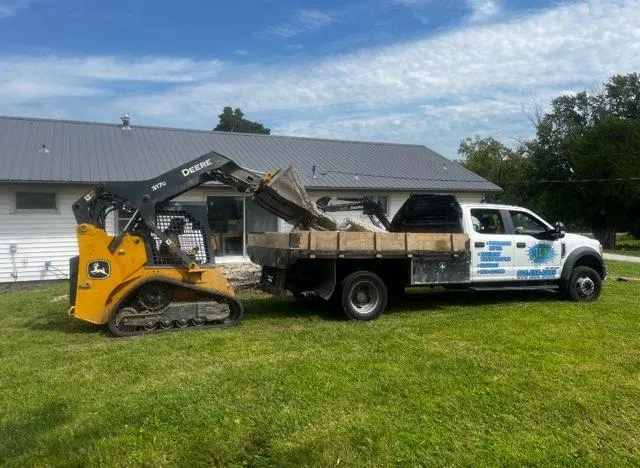
Every photo is from an actual JLB job site — not a stock photo. See the work we do every day across Kansas City and Des Moines.
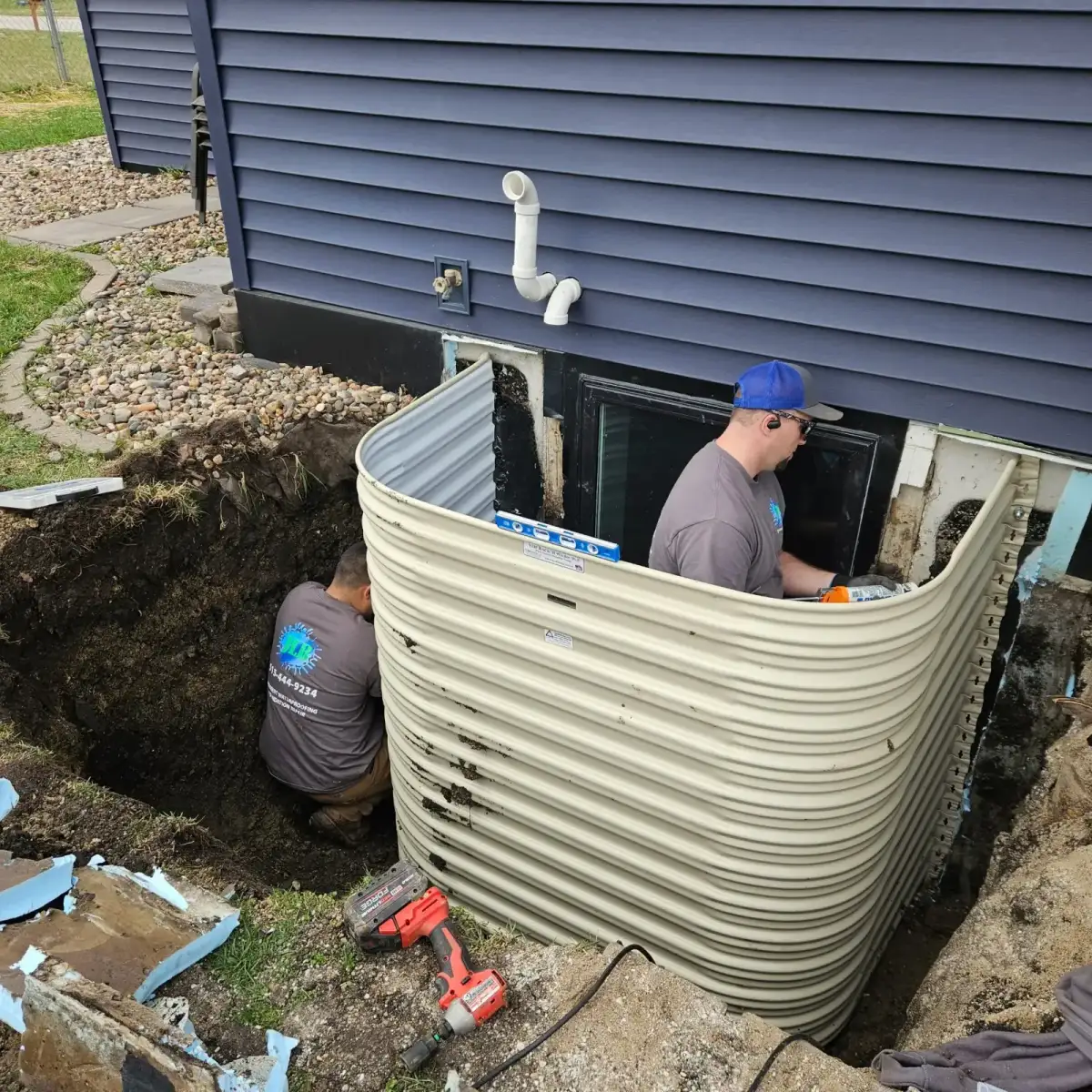
Two Ways to Pay for It
12 Months Same As Cash
Pay the full balance within 12 months and you pay no interest.
Best if you can pay it off within a year.
5 Years at 6.99% APR
A lower monthly payment, spread over 60 months.
Best for bigger projects.
On approved credit. Ask for full terms at your free estimate.
Foundation Repair & Waterproofing Questions From Local Homeowners
The soil across southern Jackson County contains 60–80% clay with a USDA-rated very high shrink-swell classification. This clay expands during wet seasons and contracts during drought, cycling pressure beneath your home year after year. Most local homes were built during the 1950s through 1970s with block or poured concrete basements that have now endured decades of this movement. As uneven floors, wall cracks, and bowing walls appear, foundation repair service becomes necessary. The Hydrologic Group D rating means rainfall runs off rather than absorbing, which amplifies pressure against basement walls and accelerates structural damage.
The average foundation repair project in the Kansas City metro runs approximately $4,500. Steel pier systems typically range from $1,250–$2,500 per pier, with most settlement projects requiring 6–10 piers depending on the extent of movement. Wall reinforcement for bowing walls runs $350–$1,000 per application. Basement waterproofing systems run $4,000–$7,000 complete. JLB provides a written estimate after a free foundation inspection so you understand the exact scope before any work begins. We review every detail with you on site.
Uneven floors, sticking doors and windows, stair-step cracks in block or brick, and diagonal cracking at corners are the most common indicators that foundation repair is needed. A wet basement after storms signals that soil pressure is forcing water against your structure. Bowing walls — whether horizontal fractures in block or diagonal cracks in poured concrete — indicate active movement. For mid-century homes on local clay, these symptoms tend to worsen each season and benefit from professional repair service before damage compounds.
Yes — and combining both services is often the most effective approach for homes on this clay. The soil creates structural issues and water intrusion simultaneously because of its near-zero infiltration rate. Rainfall pools against your walls, causing both settlement and moisture problems. JLB evaluates the full picture during every foundation inspection and designs repair plans that address structural stability and water management together, reducing overall disruption compared to separate projects.
JLB uses engineered repair methods matched to your home's specific conditions. Steel pier systems transfer structural load to stable soil beneath the active clay layer, permanently stopping settlement and providing underpinning for the structure. Structural bracing corrects bowing walls caused by lateral soil pressure. Basement waterproofing captures water at the footing level before it enters your living space. Crawl space encapsulation seals moisture out and improves energy efficiency. Concrete leveling restores settled surfaces using mudjacking techniques without full replacement. Every foundation repair includes a transferable warranty.
Many ranch homes in this part of the metro have partial crawl space areas, especially where additions were built or where terrain made a full basement impractical. In the local climate — 42 inches of annual rain with peak moisture in May — an unsealed crawl space maintains humidity well above the 60% threshold where mold begins growing. Crawl space repair and encapsulation reduces humidity to approximately 52%. JLB's approach includes spray foam for both the crawl space and the basement, providing twice the protection at a competitive price point.
Request Your Free Foundation Inspection
Tell us about your home — the era it was built, what you are seeing, and where the problems are worst. Our Jackson County repair crew will schedule a foundation inspection and provide a detailed assessment with honest pricing.
Our Locations
We're always close enough to help — our crews are local to your area.
JLB Foundation Repair & Basement Waterproofing — Kansas City
111 NE 72nd St, Ste 111Kansas City, MO, 64119(816) 408-3651 View on Google Maps
Stop the Damage. Get Answers Today.
A free estimate takes 45 minutes and tells you exactly what's going on under your house — and exactly what it takes to fix it.