Waukee IA Basement Waterproofing on Settling Prairie Clay
Serving Waukee and Dallas County with 5 specialized foundation and waterproofing services — local crews, engineered repairs, and every estimate is free.
Free 45-Minute Analysis + Written Report
Get a precise analysis of your foundation and waterproofing situation, and a clear estimate on what any fixes or corrections might cost.
Takes 30 seconds. We'll call within 24 hours.
Thank You!
We'll be in touch within 24 hours.
Meet the Team Serving Waukee
JLB Foundation Repair is a local company — not a franchise. We serve Waukee and the surrounding Des Moines metro with foundation repair, waterproofing, crawlspace encapsulation, and drainage solutions. Watch to learn who we are and how we work.
Watch Our Work in Waukee
Foundation Repair and Waterproofing Services in Waukee
Every foundation problem has a permanent fix. We use engineered systems — not quick patches — backed by transferable warranties and decades of field experience.
Foundation Repair
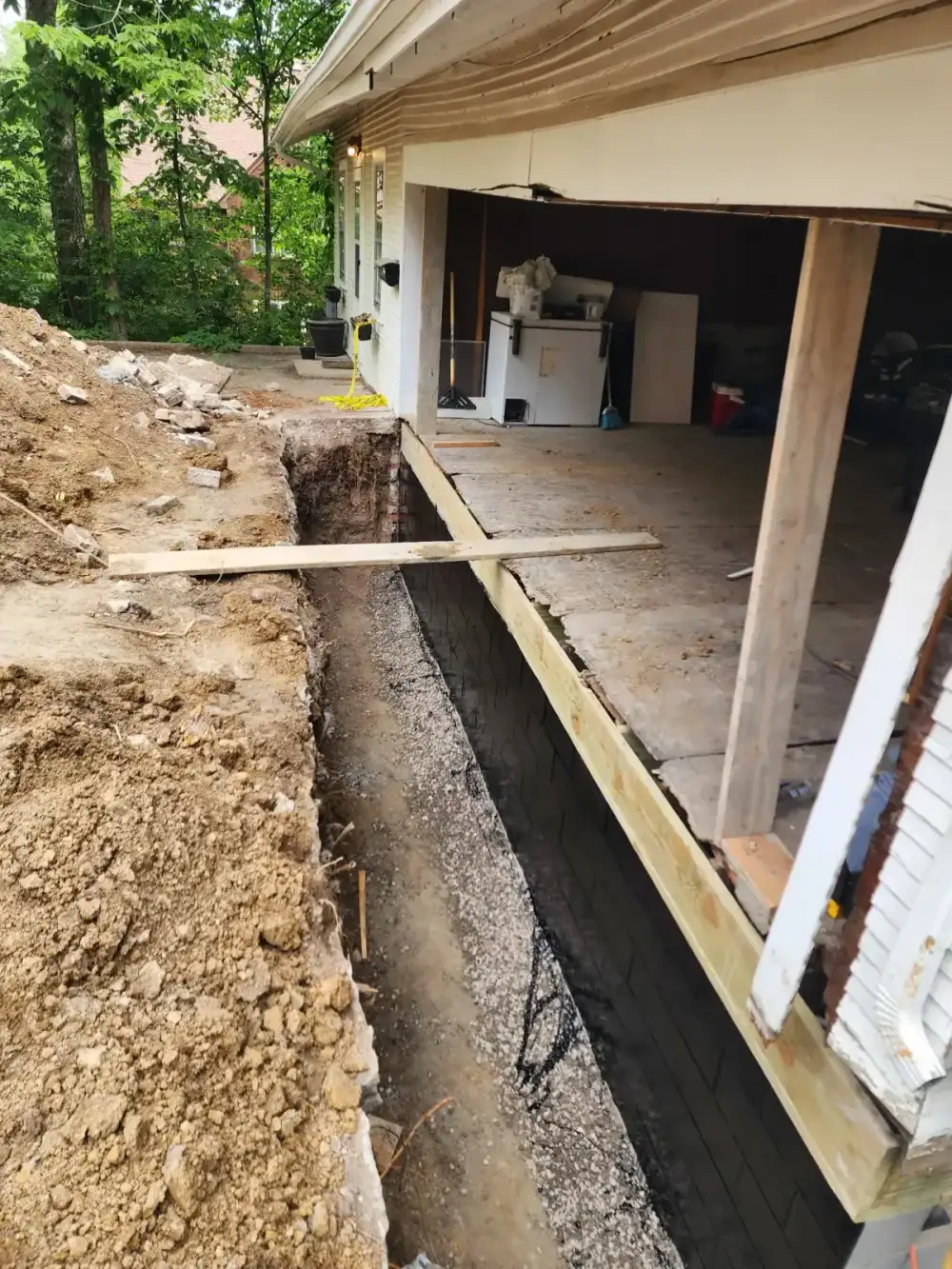
Steel push piers and wall anchors to stabilize and lift settling foundations. Stop the cracks, level the floors, save the home.
Learn More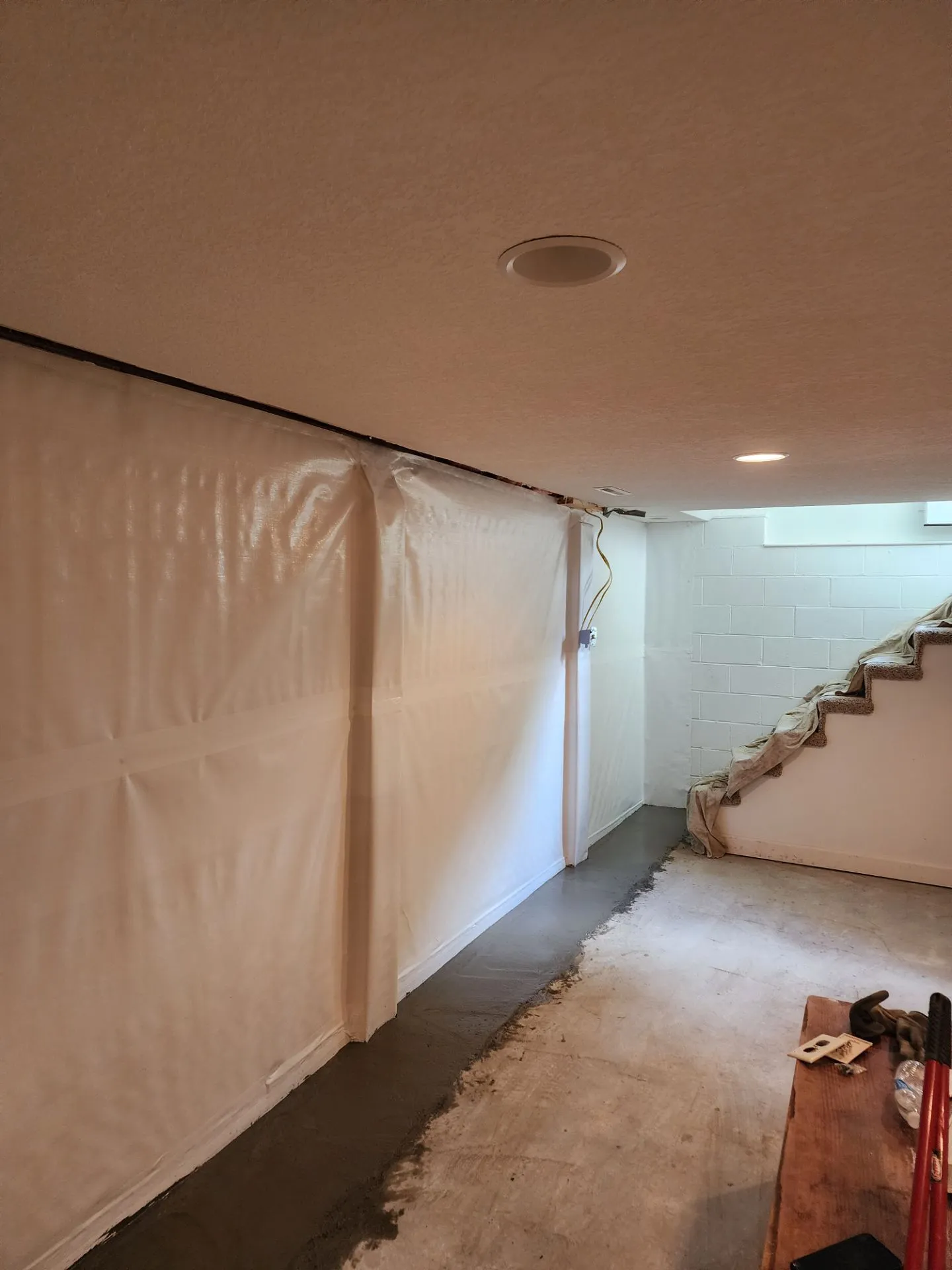
Basement Waterproofing
Interior drainage systems, sump pumps, and vapor barriers to keep your basement permanently dry. No more water. No more worry.
Learn More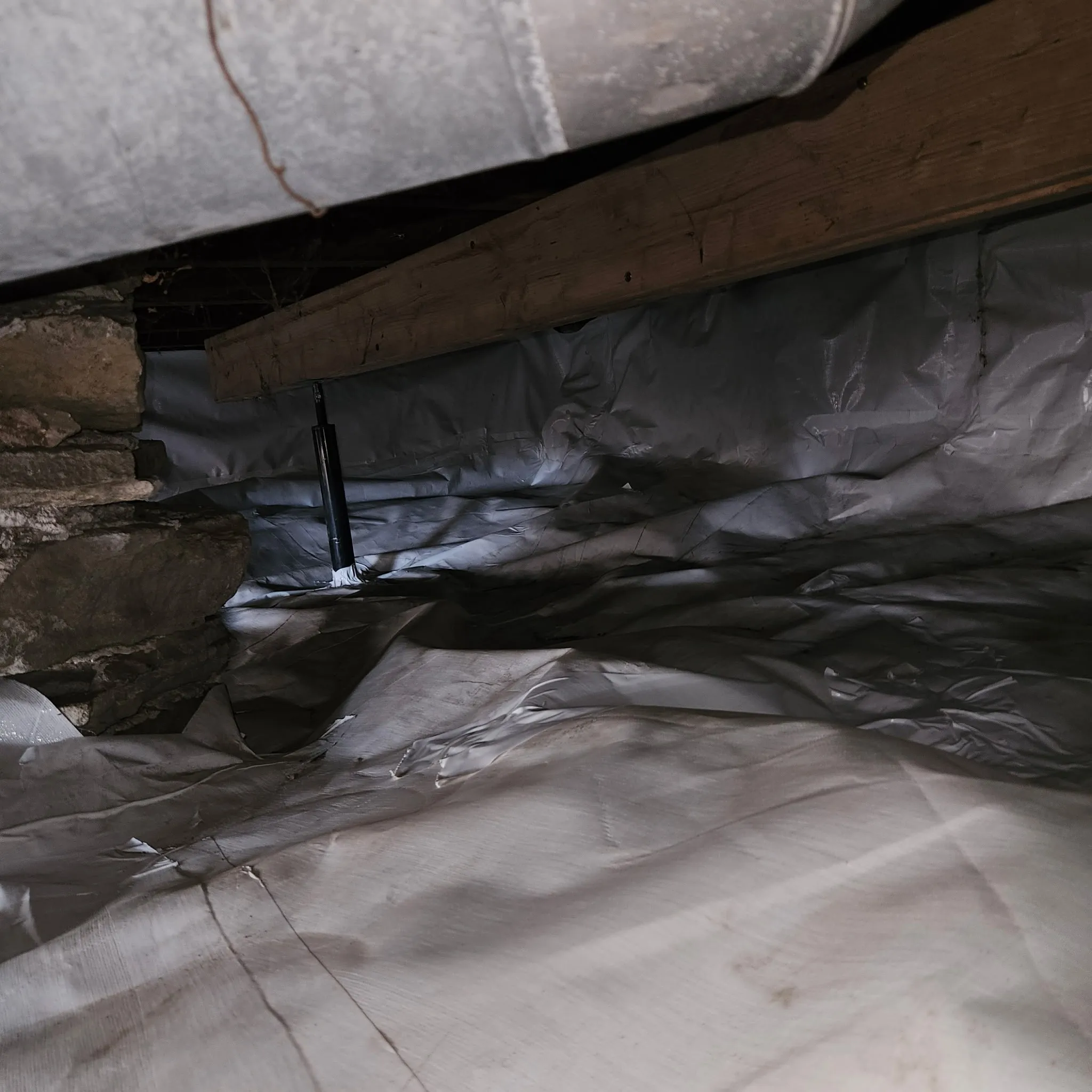
Crawlspace Encapsulation
Full encapsulation with spray foam for BOTH crawlspace and basement — twice the protection competitors offer, at a lower cost.
Learn More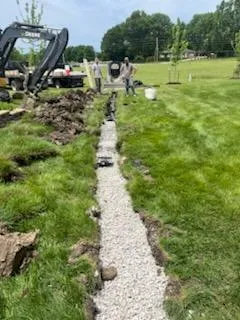
French Drains & Drainage
French drains, extended downspouts, regrading, and drain pipes to redirect water away from your foundation permanently.
Learn More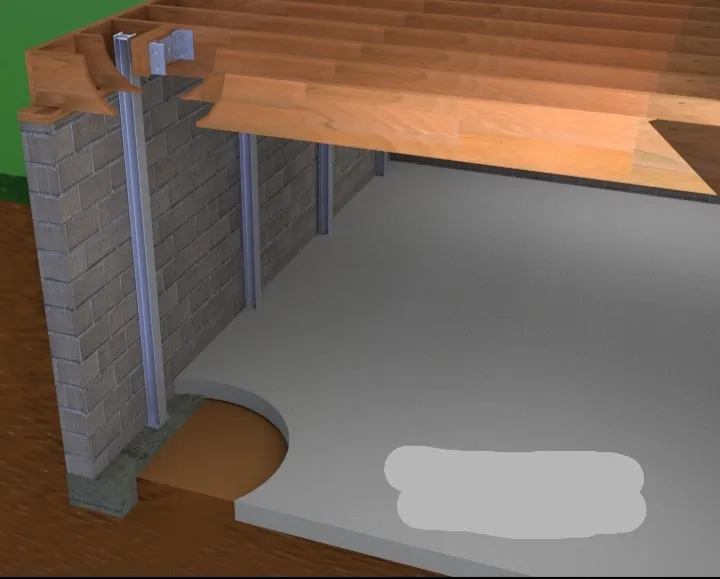
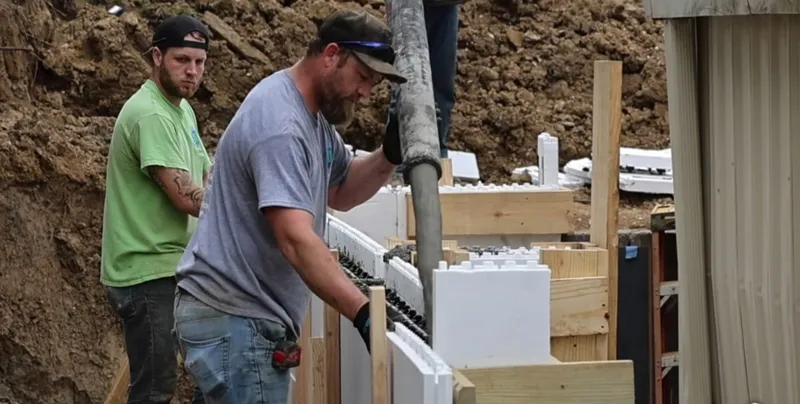
Foundation Wall Replacement
Complete removal and reconstruction of severely damaged foundation walls with new reinforced concrete, drainage, and waterproofing.
Learn MoreTwo Ways to Pay Over Time
12 Months Same As Cash
Pay the full balance within 12 months and you pay no interest.
5 Years at 6.99% APR
A lower monthly payment, spread over 60 months.
On approved credit. Ask for full terms at your free estimate.
What Foundation and Waterproofing Services Are Available in Waukee?
Waukee is one of the fastest-growing cities in Iowa, but the land underneath all that new construction is anything but new. Dallas County's glacial till — part of the Des Moines Lobe's Dows Formation — runs 45 to 60 feet deep beneath neighborhoods like Kettlestone and Grand Prairie. This clay-heavy till, mixed with glacial sand, gravel, and cobbles, creates unpredictable moisture behavior that challenges even modern foundations. Most Waukee homes were built between the 2000s and 2020s, meaning the concrete is relatively young but already contending with soil that has been shifting and holding water since the last glaciation. The combination of new homes on ancient, reactive soil is the defining challenge for Waukee homeowners.
Waukee sits in Dallas County, not Polk, and the soil distinction matters more than most homeowners realize. While both counties rest on glacial till, Dallas County's upland soils — Sharpsburg, Otley, and Ladoga series — carry 35 to 42 percent clay in the subsoil, and Waukee's position along the western edge of the Raccoon River Valley means groundwater patterns differ significantly from Des Moines or Ankeny. The water table here typically sits 4 to 10 feet deep but can rise to 2 to 3 feet during spring snowmelt. Iowa's 42-inch frost depth pushes freeze-thaw cycles deeper into the ground than cities farther south, putting more stress on footings than homeowners from other regions might expect. These compounding factors make Waukee's foundation challenges distinct within the metro.
JLB's approach in Waukee accounts for the specific construction era and terrain of each neighborhood. Homes in Kettlestone and Grand Prairie were built on graded lots carved from Dallas County uplands, where compacted glacial till can trap water against foundation walls and generate hydrostatic pressure — the primary cause of basement flooding in Dallas County. For crawlspace homes, Waukee's 42-inch frost depth means subgrade temperatures stay cold longer, keeping floors uncomfortably cool and ground moisture elevated year-round. JLB uses a dual-seal encapsulation method that addresses both crawlspace and basement moisture entry points. Every project begins with a site-specific evaluation of drainage patterns, soil behavior, and the home's construction details rather than a one-size-fits-all estimate.
Waukee at a Glance
Where Does JLB Provide Foundation Repair in Waukee, IA?
JLB serves homeowners throughout Dallas County, including Waukee's Kettlestone, Grand Prairie, and downtown Waukee neighborhoods. Our service area extends across the western Des Moines metro, covering the Raccoon River Valley's western edge and surrounding developments built from the 2000s through today.
How Does Dallas County's Glacial Till Affect Waukee Foundations?
The homes in Waukee sit on a range of foundation types, each with its own vulnerabilities. Here's what our crews see most often in Dallas County.
Poured concrete basement
Poured concrete basements in Waukee are the most common type across Dallas County. They handle the clay soil better than block, but lateral pressure still creates vertical and diagonal cracks — especially near corners and window wells where the wall is weakest. Catching these early prevents water infiltration.
What Foundation and Basement Warning Signs Appear in Waukee Homes?
Waukee's 2000s-to-2020s homes may look too new for foundation trouble, but Dallas County's glacial till and 42-inch frost depth create conditions that stress even modern poured-concrete walls. Here are the signs Waukee homeowners should watch for.
Vertical or diagonal cracks in Waukee's poured concrete walls — hairline cracks that grow wider as Dallas County's clay continues to shift
Learn about Foundation Repair →Water collecting in your basement after storms — on Waukee's flat terrain, rainwater has nowhere to drain and builds pressure against your foundation walls
Learn about Waterproofing →Musty odors, mold, or sagging floors above crawlspaces — in Waukee's low-lying areas, ground moisture rises into the crawlspace and affects the entire home
Learn about Crawlspace Encapsulation →Doors, windows, or cabinets that stick, jam, or don't close properly — a common sign of foundation movement in Waukee homes
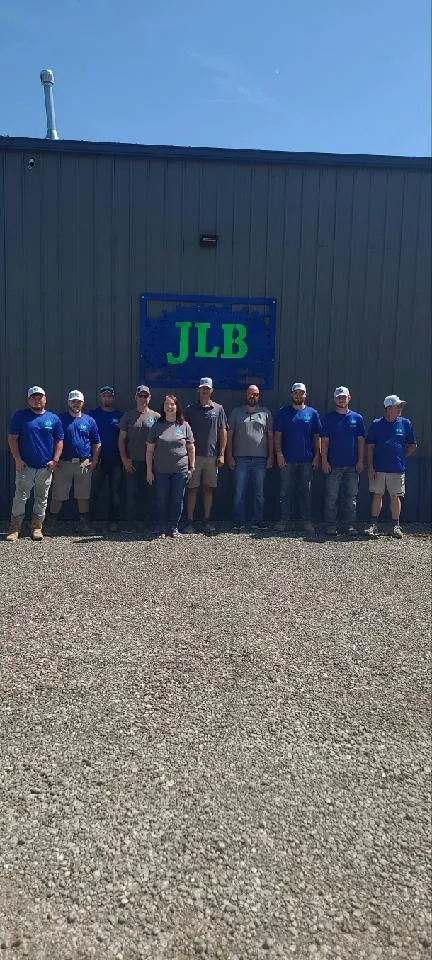
Learn about Foundation Repair →Meet the JLB Team Serving Waukee and Central Iowa
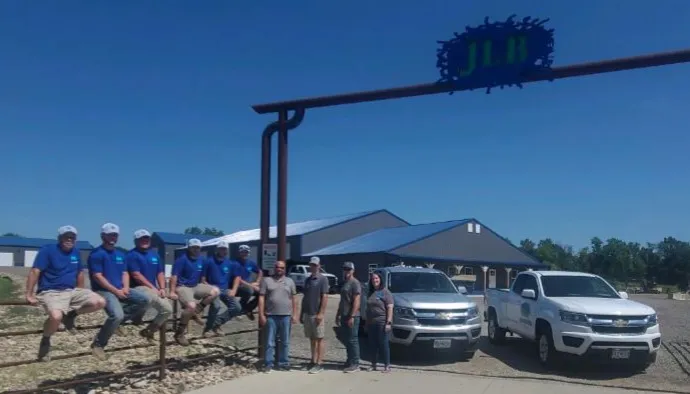
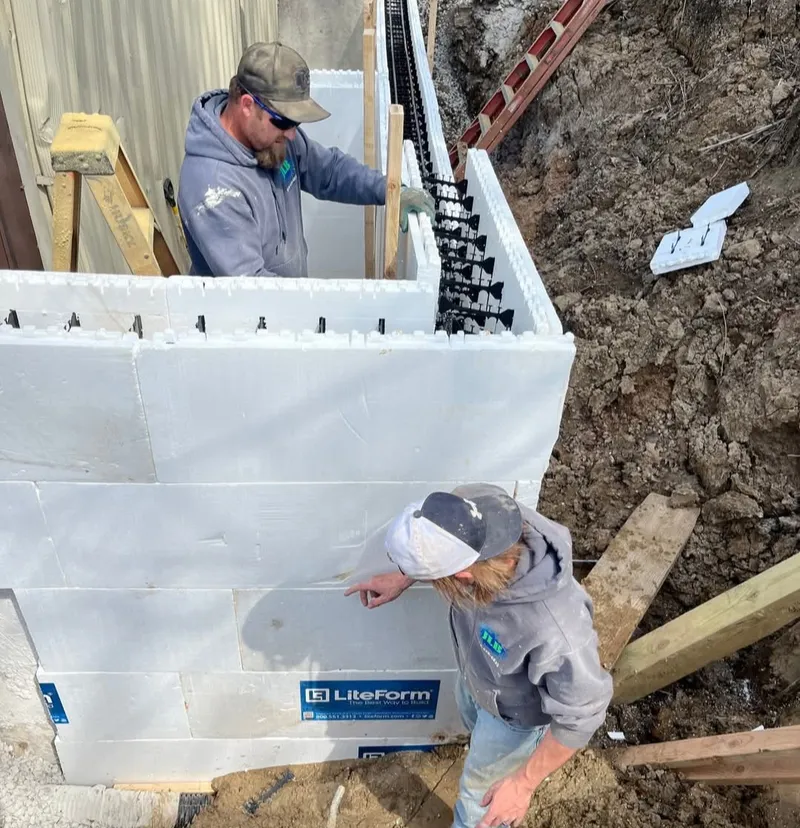
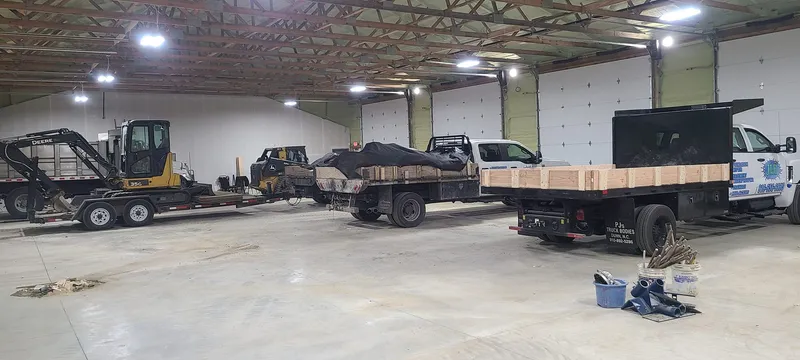
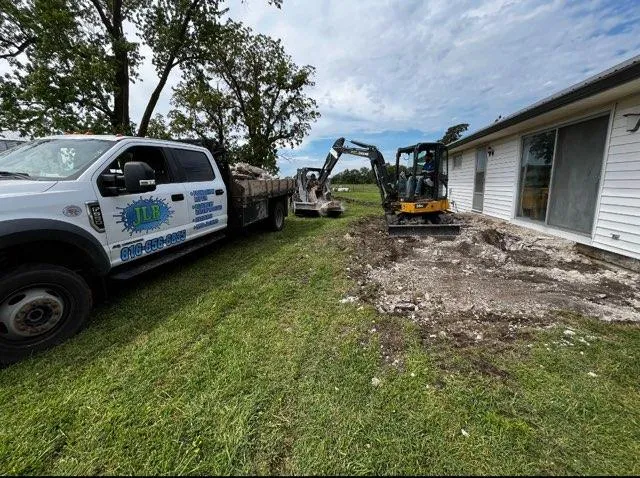
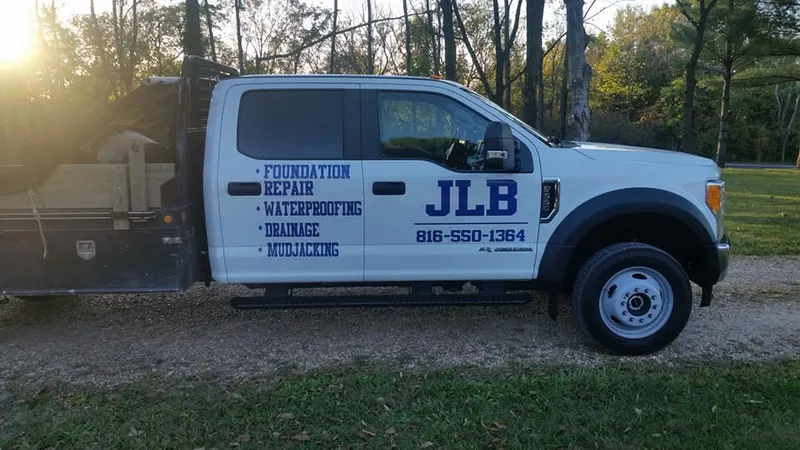
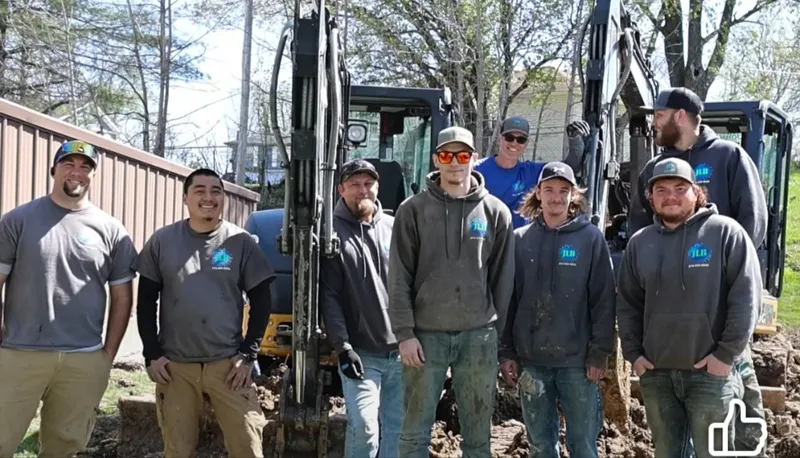
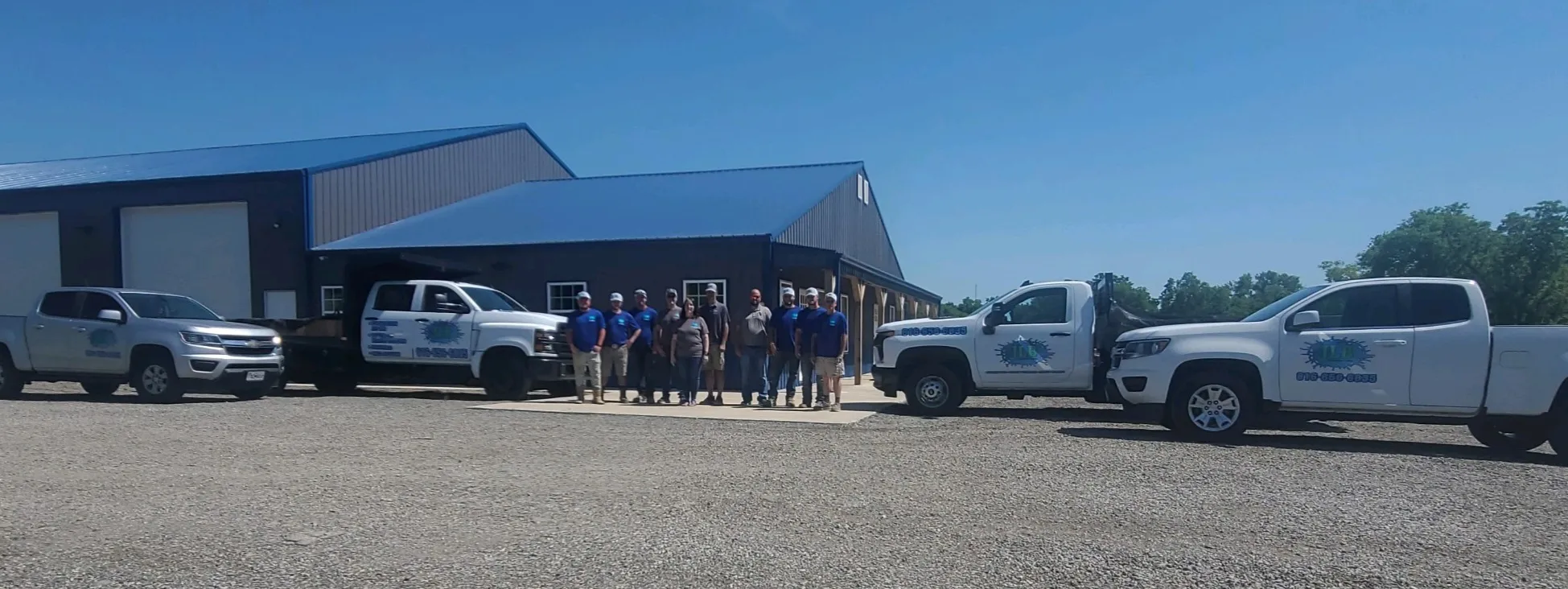
Numbers That Speak for Themselves
Waukee's New Homes Are Settling on Old Glacial Till
Dallas County's Dows Formation glacial till doesn't care how recently your home was built. If you've noticed cracks, sticking doors, or basement moisture in your Waukee home, schedule a free evaluation before spring snowmelt compounds the problem.
Not Sure What You're Dealing With?
Click any symptom below to learn what it means, what's likely causing it, and how we can help. Most of these are more common — and more fixable — than you'd think.
Diagonal, stair-step, or horizontal cracks in drywall, plaster, or brick usually trace back to soil movement beneath your foundation. The heavy clay soils in the Kansas City and Des Moines metros expand and contract seasonally, which can shift your foundation over time. The good news: this is very fixable with the right approach.
Water entering through floor joints, wall cracks, or seeping through porous concrete means groundwater pressure is pushing moisture into your basement. An interior drainage system and sump pump can solve this permanently — and we can usually have it done in a day or two.
When a foundation settles unevenly, it can shift your home's frame just enough to make doors and windows bind. This is one of the earlier signs of foundation movement — and catching it early often means a simpler, less expensive repair.
That musty smell is moisture. Up to 40% of the air in your home rises from below — from your crawlspace and basement. If there's excess humidity down there, it affects your whole home. Encapsulation seals it out, and you'll notice the difference in your air quality right away.
Floors that slope toward the center or an exterior wall usually mean the support structure underneath needs attention. Push piers can stabilize your foundation and often lift it back to level — giving your floors a second life.
Water collecting near your foundation means your grading or drainage isn't directing water away effectively. French drains, regrading, extended downspouts, and drain pipes can redirect water away from the house — protecting your foundation for the long haul.
A basement wall that has bowed more than 2 inches inward, shifted off its footing, or shows multiple structural cracks may have moved beyond what bracing can fix. When carbon fiber straps, I-beams, or wall anchors are not enough, the wall needs to be removed and rebuilt with reinforced concrete. This is the last resort — but it is the permanent fix when the wall itself is compromised.
Why Do Waukee Homeowners Choose JLB Basement Waterproofing & Foundation Repair?
Dallas County Soil Expertise
Waukee's glacial till is a mix of clay, sand, gravel, and cobbles from the Dows Formation — not uniform clay. We evaluate how this variable soil profile affects your specific foundation before recommending any repair approach in Dallas County.
Built for 42-Inch Frost
Iowa's 42-inch frost depth hits Waukee hard. Our pier installations and waterproofing systems are engineered for the deeper freeze-thaw cycles that stress Dallas County footings more severely than homes in cities with shallower frost lines.
Modern Home Specialists
Most Waukee homes were built after 2000, with poured-concrete foundations and modern drainage designs. We know how these newer systems fail in Dallas County's high-clay upland soils and target repairs to how your home was actually constructed.
Raccoon River Valley Knowledge
Waukee's position on the western edge of the Raccoon River Valley means water tables can rise to 2 to 3 feet in spring. We design interior drainage and waterproofing systems that account for this seasonal hydrostatic pressure specific to your location.
What Waukee, IA ZIP Codes Does JLB Cover for Foundation Repair?
What Our Customers Say
"We had cracks running up our walls and doors that wouldn't close. JLB came out, explained exactly what was happening with the soil under our house, and had the piers installed in two days. Floors are level again. Wish we hadn't waited so long."
"Three other companies gave us the runaround. JLB showed up, did a thorough inspection, and gave us a straight answer. The repair held up through an entire Missouri winter with zero new cracking."
"Our crawlspace was a mess — moisture, mold, the works. JLB encapsulated it AND spray-foamed our basement in the same project. The difference in our home's air quality is incredible. Great value for the price."
Real Team. Real Work.
Right Here in Kansas City & Des Moines.
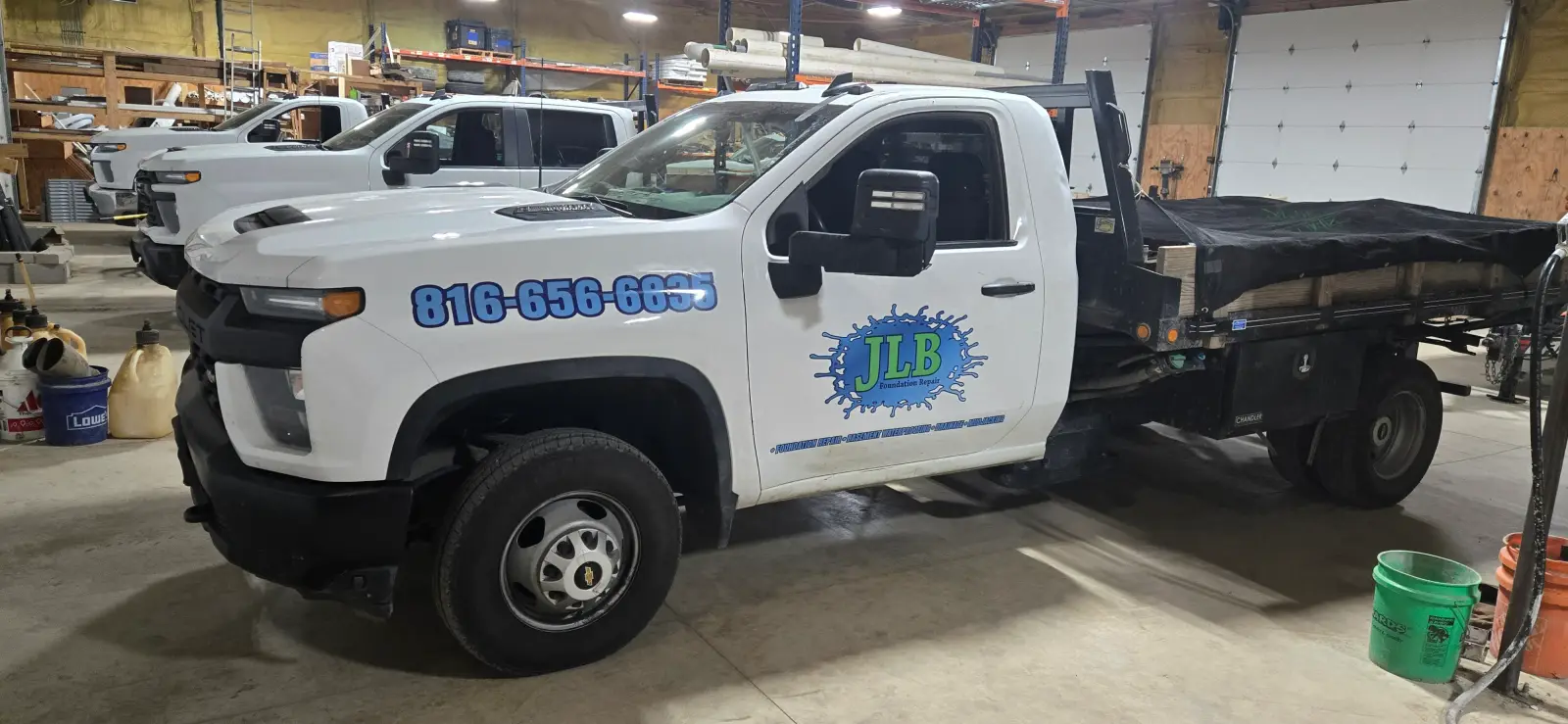
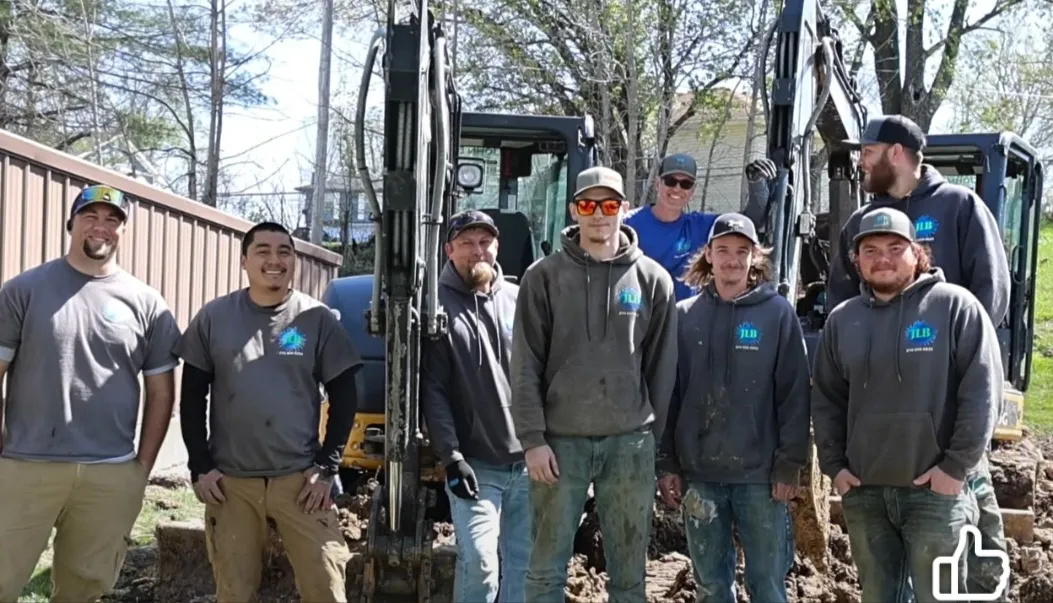
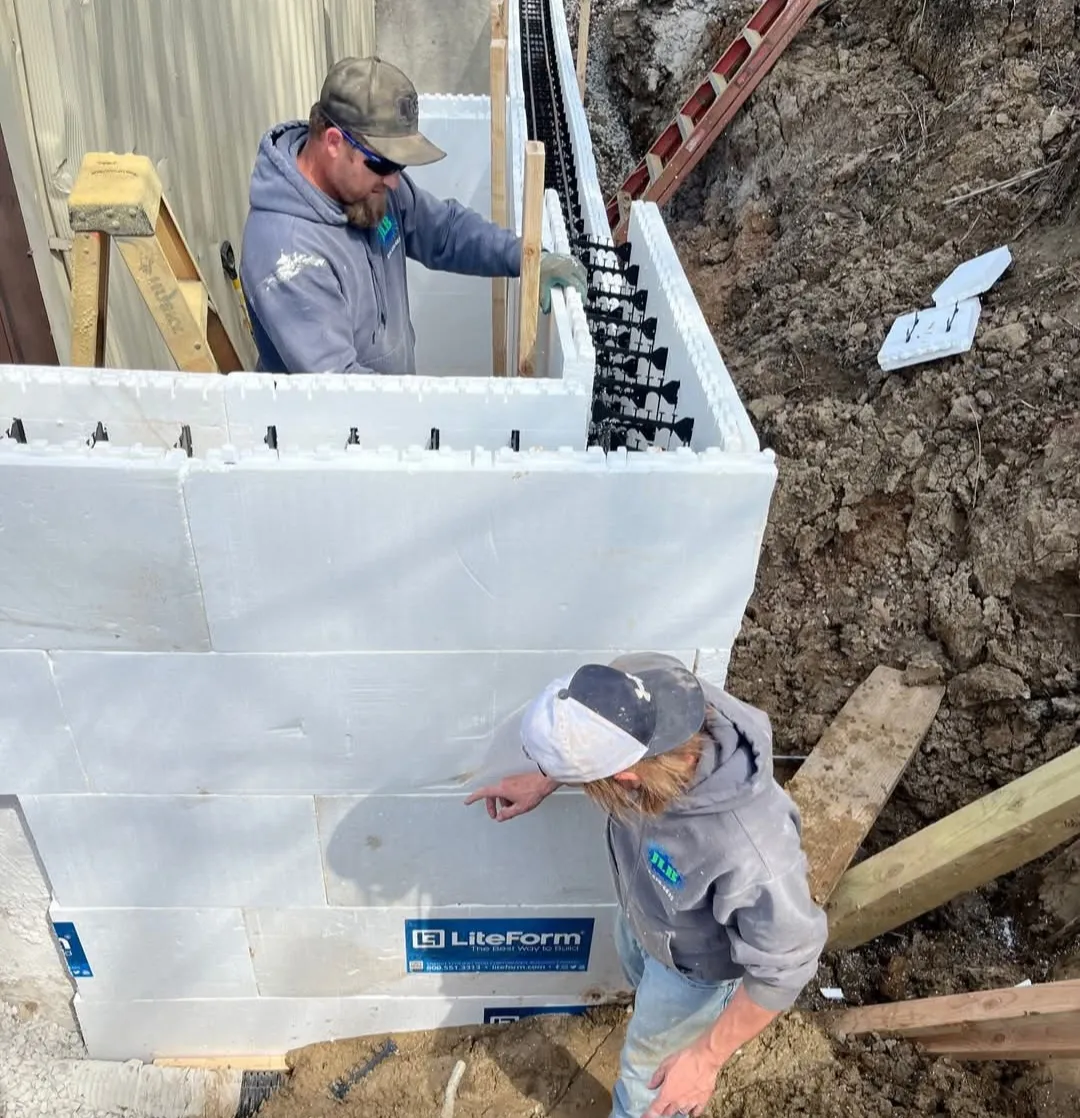
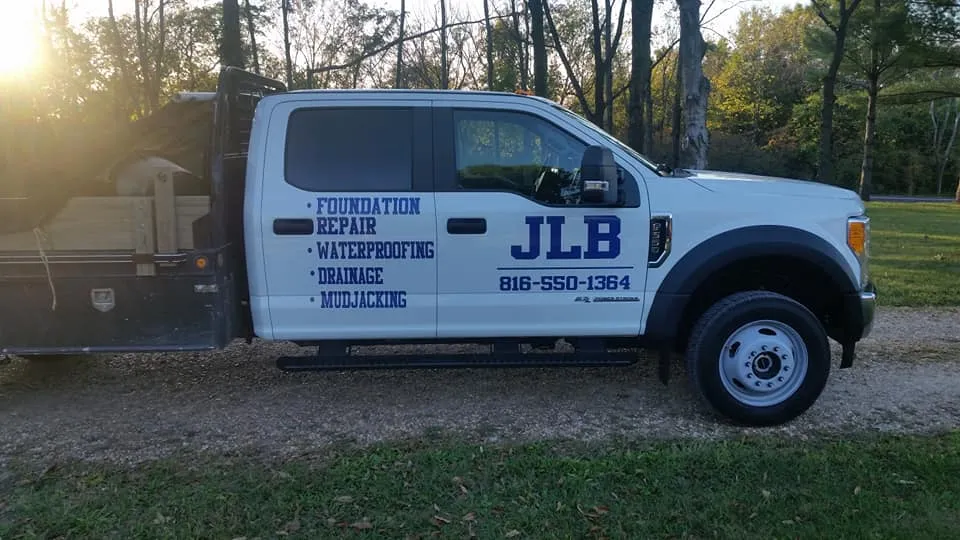
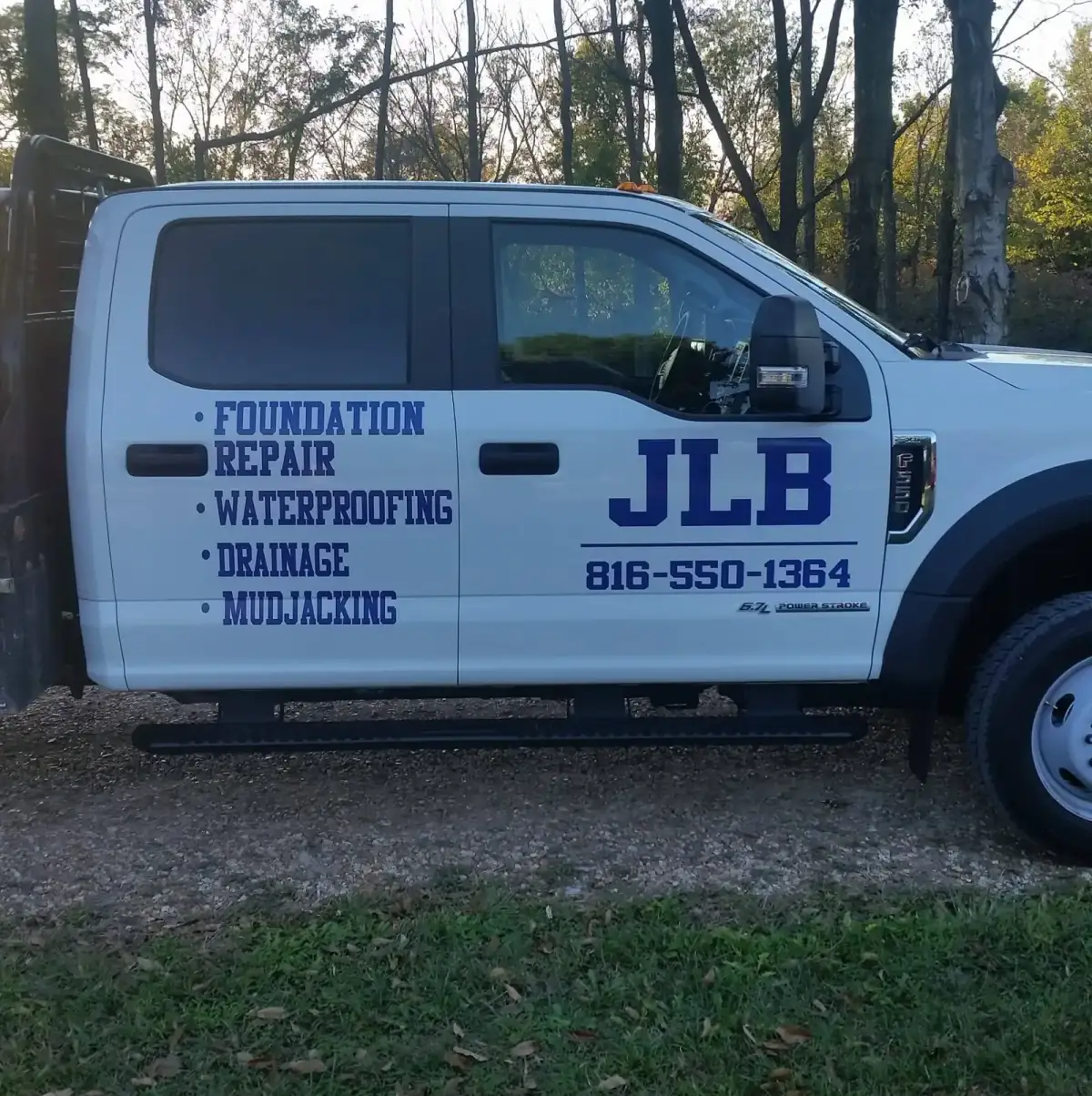
Real Projects. Real Results.
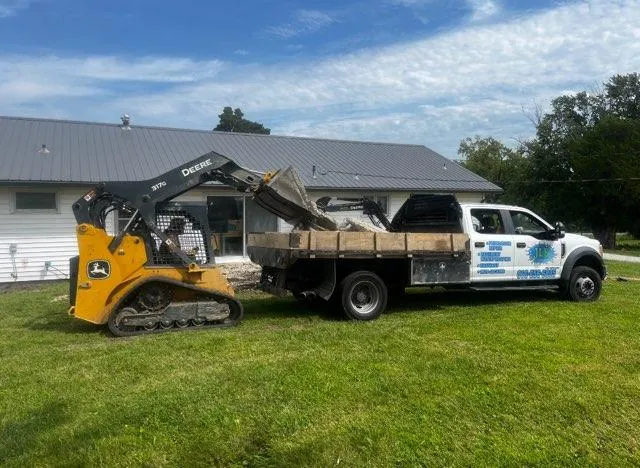
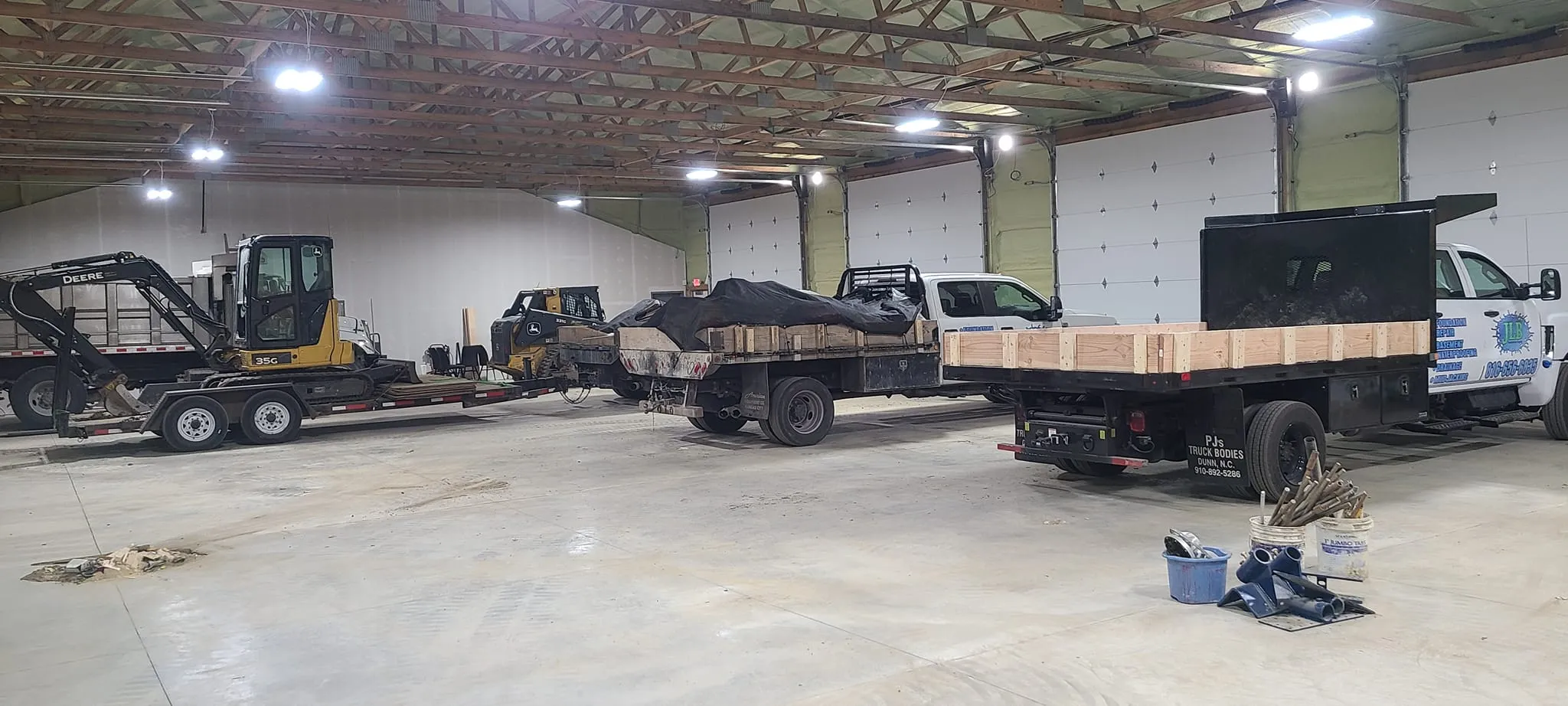
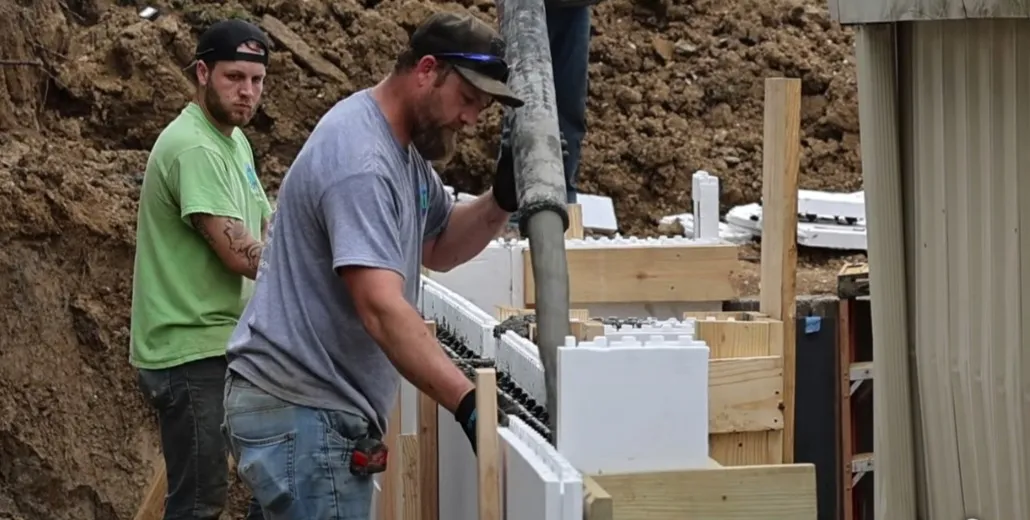
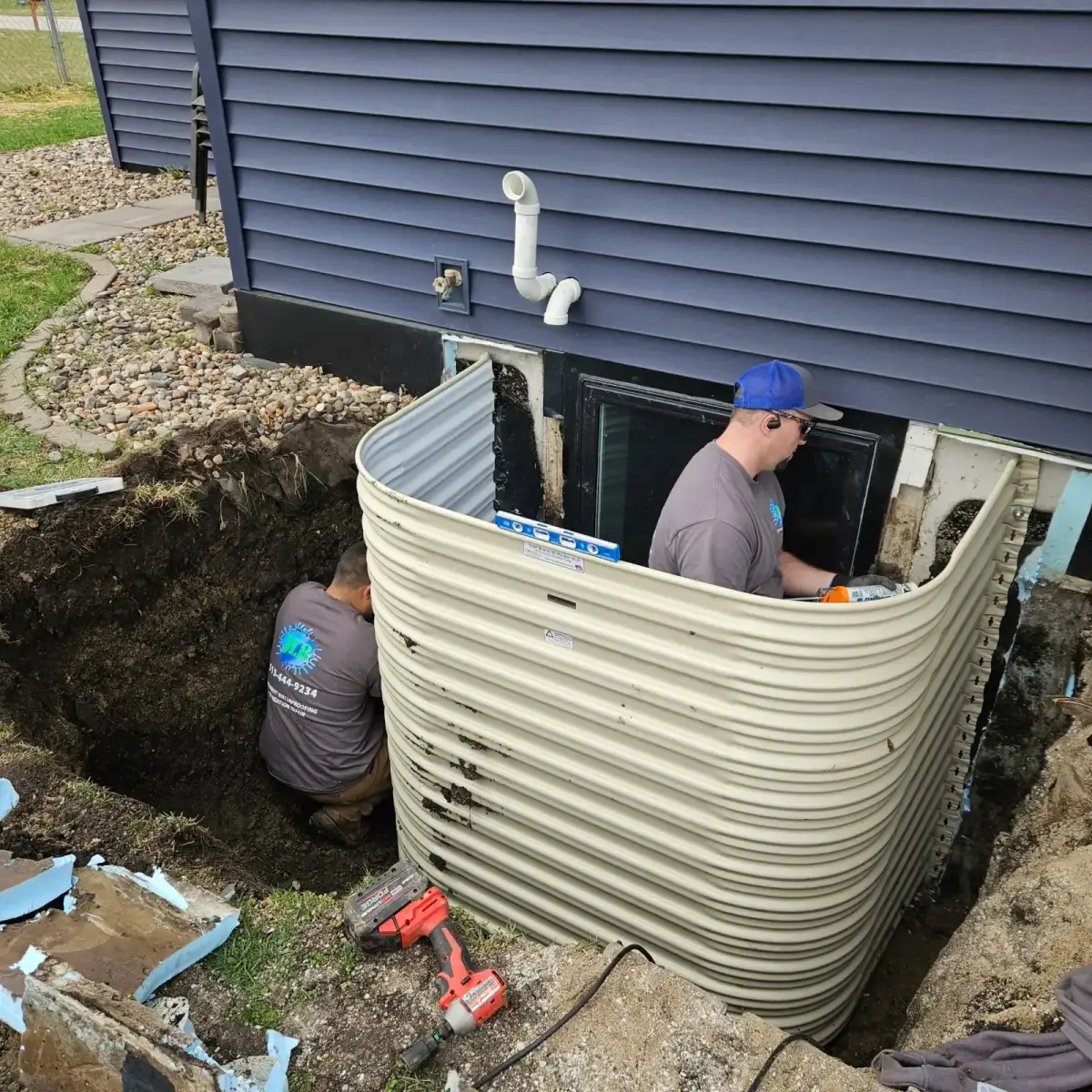
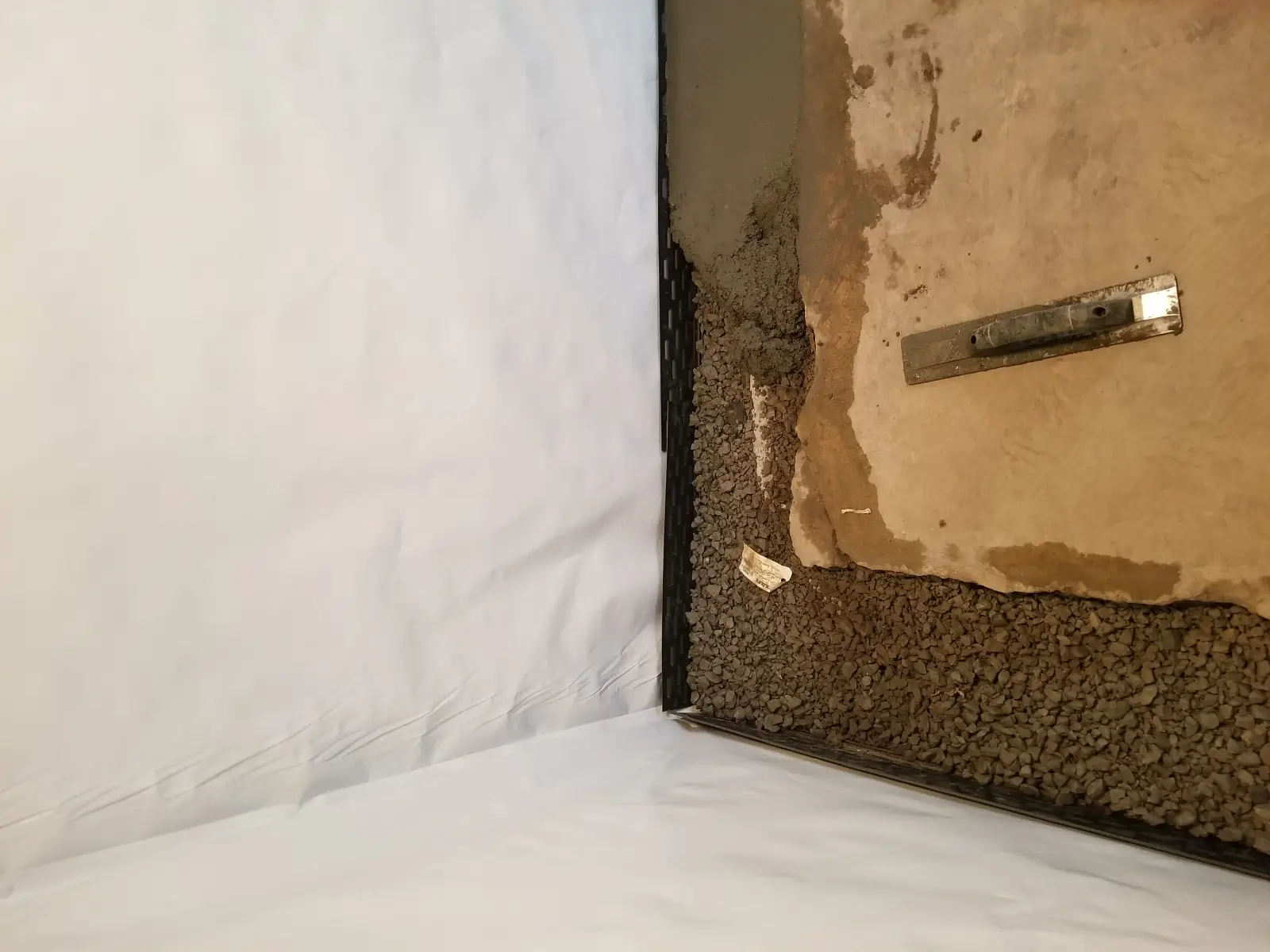
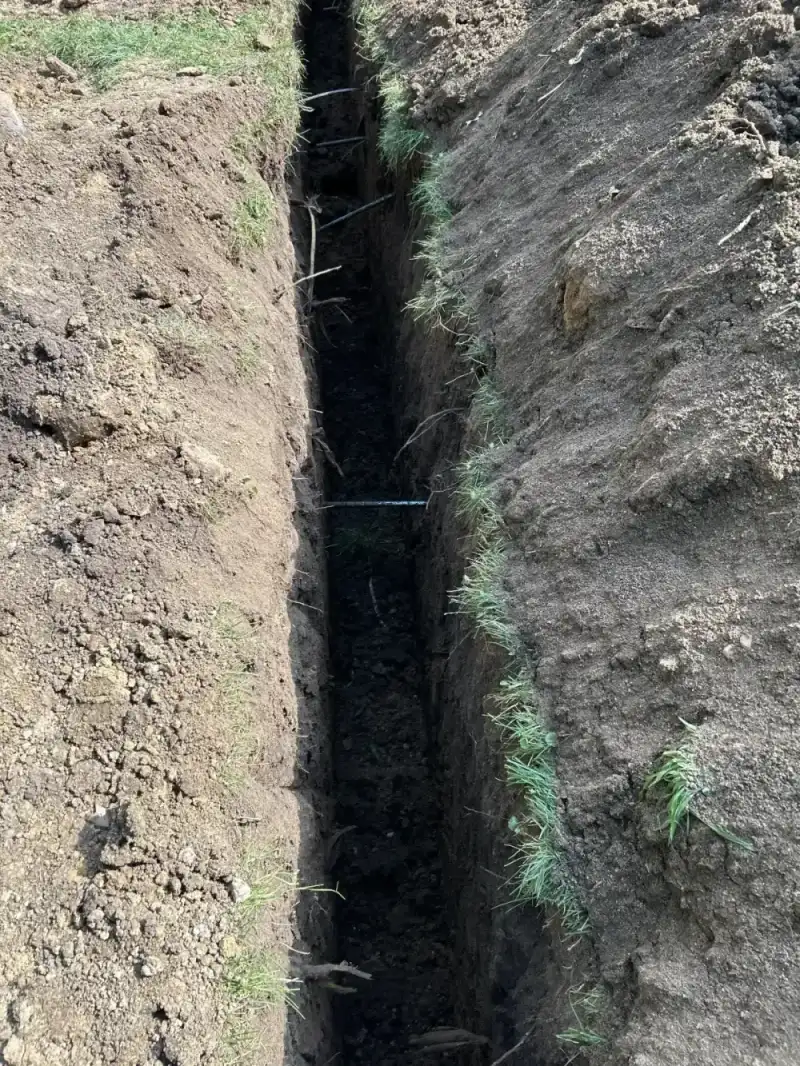
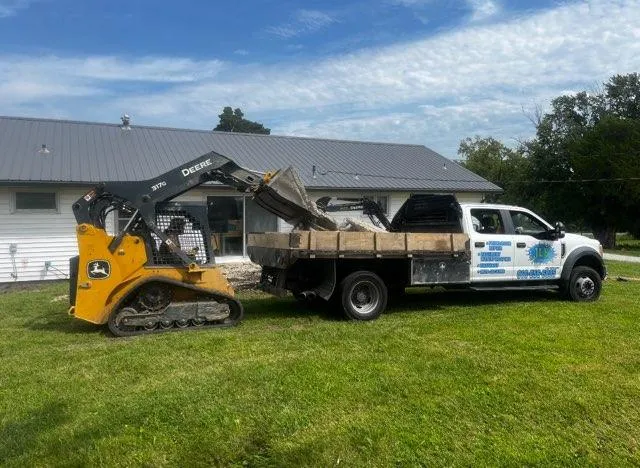
Every photo is from an actual JLB job site — not a stock photo. See the work we do every day across Kansas City and Des Moines.
Two Ways to Pay for It
12 Months Same As Cash
Pay the full balance within 12 months and you pay no interest.
Best if you can pay it off within a year.
5 Years at 6.99% APR
A lower monthly payment, spread over 60 months.
Best for bigger projects.
On approved credit. Ask for full terms at your free estimate.
Foundation Repair & Waterproofing Questions for Waukee Homeowners
Waukee's rapid growth placed thousands of homes on freshly graded Dallas County glacial till — Dows Formation material that runs 45 to 60 feet deep. When developers cut and fill lots in areas like Kettlestone and Grand Prairie, the recompacted soil settles unevenly over the first 10 to 20 years. Dallas County's upland soils in the Sharpsburg, Otley, and Ladoga series carry 35 to 42 percent clay in the subsoil, which swells when wet and shrinks when dry. This seasonal expansion and contraction stresses poured-concrete walls and footings, especially combined with Iowa's 42-inch frost depth pushing freeze-thaw forces deeper than in many Midwest cities. Even well-built modern foundations weren't designed to absorb that much movement indefinitely.
Waukee sits along the western edge of the Raccoon River Valley, which means the terrain slopes toward lower-lying areas where the water table can rise from a typical 4-to-10-foot depth to just 2 to 3 feet during spring. The spring mechanism here is a double hit: snowmelt saturates the surface while the subsurface remains frozen, preventing drainage downward. Water pools against foundation walls, and hydrostatic pressure — the primary cause of basement flooding in Dallas County — pushes moisture through any available crack or joint. Homes in Grand Prairie and newer western subdivisions are particularly exposed because graded lots often redirect runoff toward foundations. An interior French drain system, typically $4,000 to $7,000 in this area, manages that pressure before it enters your basement.
Push piers in the Des Moines metro, including Waukee, run $1,250 to $2,500 per pier. A typical Waukee home showing settlement on one side might need 6 to 10 piers, while homes with more extensive movement along multiple walls could require 12 or more. The number depends on the load distribution of your specific foundation and how Dallas County's glacial till is behaving beneath your lot. Dows Formation till is a mix of clay, sand, gravel, and cobbles, so pier depths can vary even between neighboring homes in Kettlestone or downtown Waukee. JLB drives piers to load-bearing strata below the reactive soil layers, ensuring they rest on stable material rather than the shifting upper till that caused the settlement in the first place.
Waukee's 42-inch frost depth keeps crawlspace temperatures colder for longer than in many Midwest cities, which means cold floors through much of winter and spring. Dallas County's glacial till holds moisture year-round, and that dampness constantly evaporates into your crawlspace, feeding mold growth, wood rot, and elevated humidity throughout your home. Encapsulation in Dallas County typically costs $5,000 to $15,000 depending on the size and condition of the space. JLB uses a dual-seal approach that addresses moisture entry in both the crawlspace and the connected basement — a critical detail in Waukee homes where developers often used hybrid foundation designs. Sealing only one side leaves the other as an open pathway for ground moisture from the Dows Formation till.
French drains are effective in Waukee, but only when designed for Dallas County's specific soil profile. The glacial till here isn't pure clay — it's a mix of clay, sand, gravel, and cobbles from the Dows Formation. The clay component can migrate into drain channels if the system lacks proper aggregate and filter fabric. Interior French drain systems installed along basement footings are the most reliable option because they intercept hydrostatic pressure before it enters your living space, bypassing the exterior clay problem entirely. For Waukee homes in neighborhoods like Grand Prairie where lot grading directs surface water toward foundations, combining interior drainage with exterior grading corrections addresses both the above-ground runoff and the below-ground water table pressure that spikes in spring.
Finishing a basement in Waukee without addressing water management first is one of the most expensive mistakes Dallas County homeowners make. Hydrostatic pressure is the primary cause of basement flooding in this area, and it doesn't require visible water to cause damage — moisture vapor passing through poured-concrete walls can saturate insulation and drywall behind your finished walls for months before you notice. The spring snowmelt cycle here is especially aggressive: frozen subsurface layers block drainage while the water table rises to 2 to 3 feet in low-lying areas. An interior waterproofing system with a perimeter drain and sump, typically $4,000 to $7,000 for Waukee homes, captures water at the wall-floor joint before it reaches your finished space. Install it before the framing goes up — retrofitting after the fact costs significantly more.
Get a Free Foundation Evaluation in Waukee
Tell us about your Waukee home — the neighborhood, the issue, and when you first noticed it. We'll schedule a site visit and give you a detailed assessment based on Dallas County's specific soil and water conditions.
Our Locations
We're always close enough to help — our crews are local to your area.
JLB Basement Waterproofing & Foundation Repair — Van Meter
325 Grand StVan Meter, IA, 50261(515) 642-3406 View on Google Maps
JLB Basement Waterproofing & Foundation Repair — Des Moines
97 Indiana Ave Suite #1Des Moines, IA, 50314(515) 717-8560 View on Google Maps
Stop the Damage. Get Answers Today.
A free estimate takes 45 minutes and tells you exactly what's going on under your house — and exactly what it takes to fix it.