Stop the Water — Permanently
Your home is showing the signs. Cracks spreading, floors dipping, doors that won't close right. These problems don't fix themselves — they get worse. We stop the damage and restore structural stability with engineered solutions built to last.
Free 45-Minute Analysis + Written Report
Get a precise analysis of your foundation and waterproofing situation, and a clear estimate on what any fixes or corrections might cost.
Takes 30 seconds. We'll call within 24 hours.
Thank You!
We'll be in touch within 24 hours.
Why Can't Basement Waterproofing Wait?
You've noticed the cracks. Maybe they started small — a hairline fracture above a door, a subtle gap where the wall meets the ceiling. But they're getting wider. The floors feel uneven. Something is off, and you know it.
The soil beneath your foundation is moving. In Kansas City, the heavy Wymore-Ladoga clay expands when it rains and contracts during droughts. In Des Moines, glacial till and loess deposits create a different but equally damaging cycle of swell and shrink. Every season, the soil pushes and pulls your foundation — and the damage compounds.
A foundation problem that costs $4,000 to fix today can easily become a $15,000 emergency in two years. The cracks widen, the settlement deepens, and eventually the damage spreads to framing, plumbing, and drywall throughout the home. When structural cracks give water a direct path inside, fixing the structure alongside the drainage system is the only way to solve both problems. The earlier you act, the less it costs and the better the outcome.
JLB Foundation Repair uses engineered solutions — steel push piers driven to bedrock, wall anchor systems, structural crack injection — to stop the damage permanently. We don't patch. We don't guess. We diagnose the problem, engineer the fix, and stand behind it with a transferable warranty.
Watch Our Basement Waterproofing Work
Two Ways to Pay Over Time
12 Months Same As Cash
Pay the full balance within 12 months and you pay no interest.
5 Years at 6.99% APR
A lower monthly payment, spread over 60 months.
On approved credit. Ask for full terms at your free estimate.
Foundation and water problems rarely get cheaper while they wait.
What Does It Cost to Delay Foundation Repair?
Foundation damage doesn't plateau. It accelerates. Here's what the data shows about homes where foundation issues go unaddressed:
What Are the Warning Signs You Need Basement Waterproofing?
If you see any of these, your foundation is telling you something. Don't ignore it.
Water Seeping Through Wall Cracks
Active water intrusion through foundation cracks. Every rain event pushes more water in, and the cracks widen over time.
Damp, Stained, or Wet Walls
White mineral deposits (efflorescence), dark stains, or walls that are damp to the touch. Water is migrating through your foundation constantly.
Musty, Moldy Smell
If you can smell it, mold is already growing. That musty odor means moisture has been present long enough to colonize — and it's in the air your family breathes.
Standing Water or Puddles After Rain
Water pooling on the basement floor means groundwater is overwhelming your foundation. Without intervention, every storm is a flood event.
Sump Pump Running Constantly or Failed
A sump pump that runs nonstop is fighting a losing battle. One that's failed means your basement has zero flood protection right now.
Peeling Paint or Bubbling Walls
Hydrostatic pressure is pushing moisture through the concrete itself. The paint is the least of your problems — the concrete is saturated.
How Does JLB Fix Foundation Problems Permanently?
Interior Drainage Systems
A perimeter drain channel installed inside the basement floor, capturing water before it pools. Directs everything to the sump system — quietly and permanently.
Sump Pump Installation & Upgrade
High-capacity sump systems with battery backup. When the power goes out during a Kansas City storm, your basement stays protected.
Foundation Crack Injection
Epoxy and polyurethane injection seals active wall cracks from the inside out. Stops water at the point of entry and reinforces the concrete.
Vapor Barriers & Wall Protection
Interior wall membranes capture seepage and direct it to the drainage system. Keeps your basement walls dry and ready to finish.
Complete System Design
Every basement is different. We assess water entry points, soil conditions, and drainage needs to design a system that solves your specific problem.
What Causes Basement Water Problems?
5 Most Common Basement Water Entry Points
The Cost of Waiting: Foundation Damage Over Time
Understand What's Happening
Under Your Home
You don't need to be an engineer to understand your foundation. Here's what every homeowner should know — in plain English.
How Your Foundation Works
Your foundation does one job: transfer the weight of your entire house into the ground. In Kansas City and Des Moines, that ground is heavy clay soil — and clay moves. It swells when wet, shrinks when dry, and pushes laterally against basement walls during freeze-thaw cycles. When the soil shifts, your foundation has to absorb that stress. Over time, something gives. That's when engineered piering to reach load-bearing soil becomes essential.
Why Foundations Fail
Concrete is strong. Soil is not. When the soil under or around your foundation changes volume — from rain, drought, freeze-thaw, or poor drainage — it creates uneven pressure. One side settles. Walls bow inward. Cracks spread. The foundation itself usually isn't defective. The ground it's sitting on just stopped doing its job.
How Water Gets Into Your Basement
Water enters basements through three main paths: through cracks in walls or floors (the most obvious), through the joint where the wall meets the floor (called the cove joint — the most common), and through porous concrete itself (wicking). All three are caused by hydrostatic pressure — groundwater pushing against your foundation from the outside. No amount of sealant paint fixes this. You need to manage the water with an interior drainage system and sump pump.
How Foundation Repairs Actually Work
Modern foundation repair isn't guesswork. Push piers are steel shafts driven through unstable soil until they hit load-bearing bedrock or stable strata — then hydraulic jacks transfer your home's weight onto them. Helical piers screw into the ground like giant anchors. Wall anchors counter lateral pressure from expanding soil. When a wall has bowed too far or shifted off its footing, tearing out and rebuilding a compromised wall is the last resort. These are engineered systems rated for specific load capacities, and they come with transferable warranties.
Not Sure What You're Dealing With?
Our inspectors assess your foundation in person, explain what they find, and give you a written estimate — all free, no pressure.
Four Steps to a Dry Basement
From "I dread every rainstorm" to "I forgot it used to leak" — here's how we get you there.
Water Source Inspection
We identify exactly where and how water enters your basement — cracks, joints, floor seepage, or wall migration. No guessing, just answers.
Custom Waterproofing Plan
Based on your water entry pattern and soil conditions, we design a system that addresses every vulnerability. You'll know the full scope before we start.
System Installation
Our crew installs your drainage, sump, and sealing systems. Most waterproofing projects complete in 2–4 days with minimal disruption to your home.
Dry Basement — Guaranteed
Your basement stays dry through every storm. We stand behind our work with a warranty because we know the system works.
Not Sure What You're Dealing With?
Click any symptom below to learn what it means, what's likely causing it, and how we can help. Most of these are more common — and more fixable — than you'd think.
Diagonal, stair-step, or horizontal cracks in drywall, plaster, or brick usually trace back to soil movement beneath your foundation. The heavy clay soils in the Kansas City and Des Moines metros expand and contract seasonally, which can shift your foundation over time. The good news: this is very fixable with the right approach.
Water entering through floor joints, wall cracks, or seeping through porous concrete means groundwater pressure is pushing moisture into your basement. An interior drainage system and sump pump can solve this permanently — and we can usually have it done in a day or two.
When a foundation settles unevenly, it can shift your home's frame just enough to make doors and windows bind. This is one of the earlier signs of foundation movement — and catching it early often means a simpler, less expensive repair.
That musty smell is moisture. Up to 40% of the air in your home rises from below — from your crawlspace and basement. If there's excess humidity down there, it affects your whole home. Encapsulation seals it out, and you'll notice the difference in your air quality right away.
Floors that slope toward the center or an exterior wall usually mean the support structure underneath needs attention. Push piers can stabilize your foundation and often lift it back to level — giving your floors a second life.
When soil washes out or compacts beneath a concrete slab, the slab drops and becomes uneven. Polyjacking uses expanding polyurethane foam to fill the void and lift the concrete back to grade — usually in under a day, with no heavy equipment needed.
Water collecting near your foundation means your grading or drainage isn't directing water away effectively. French drains, regrading, extended downspouts, and drain pipes can redirect water away from the house — protecting your foundation for the long haul.
A basement wall that has bowed more than 2 inches inward, shifted off its footing, or shows multiple structural cracks may have moved beyond what bracing can fix. When carbon fiber straps, I-beams, or wall anchors are not enough, the wall needs to be removed and rebuilt with reinforced concrete. This is the last resort — but it is the permanent fix when the wall itself is compromised.
Real Projects. Real Results.
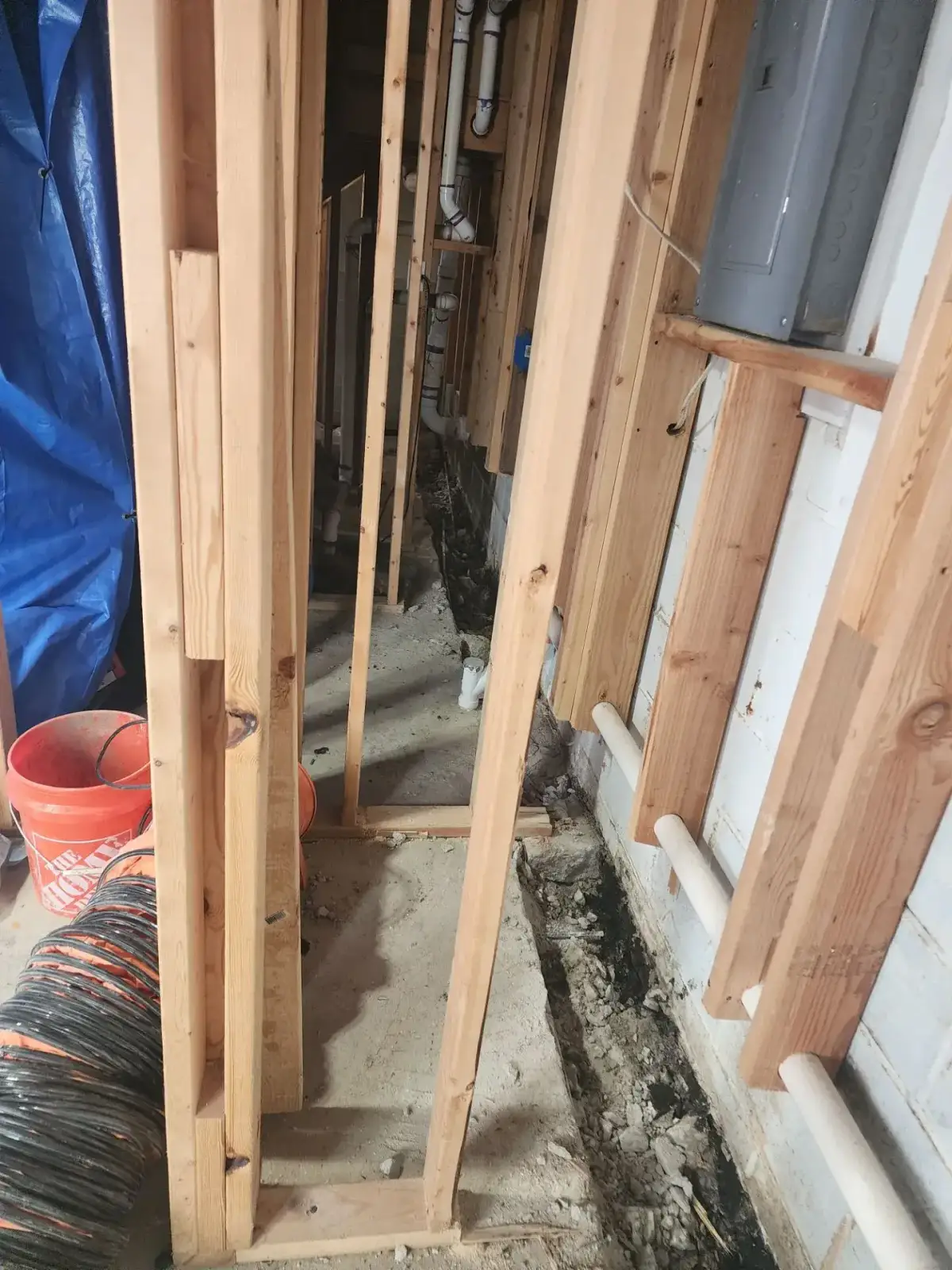
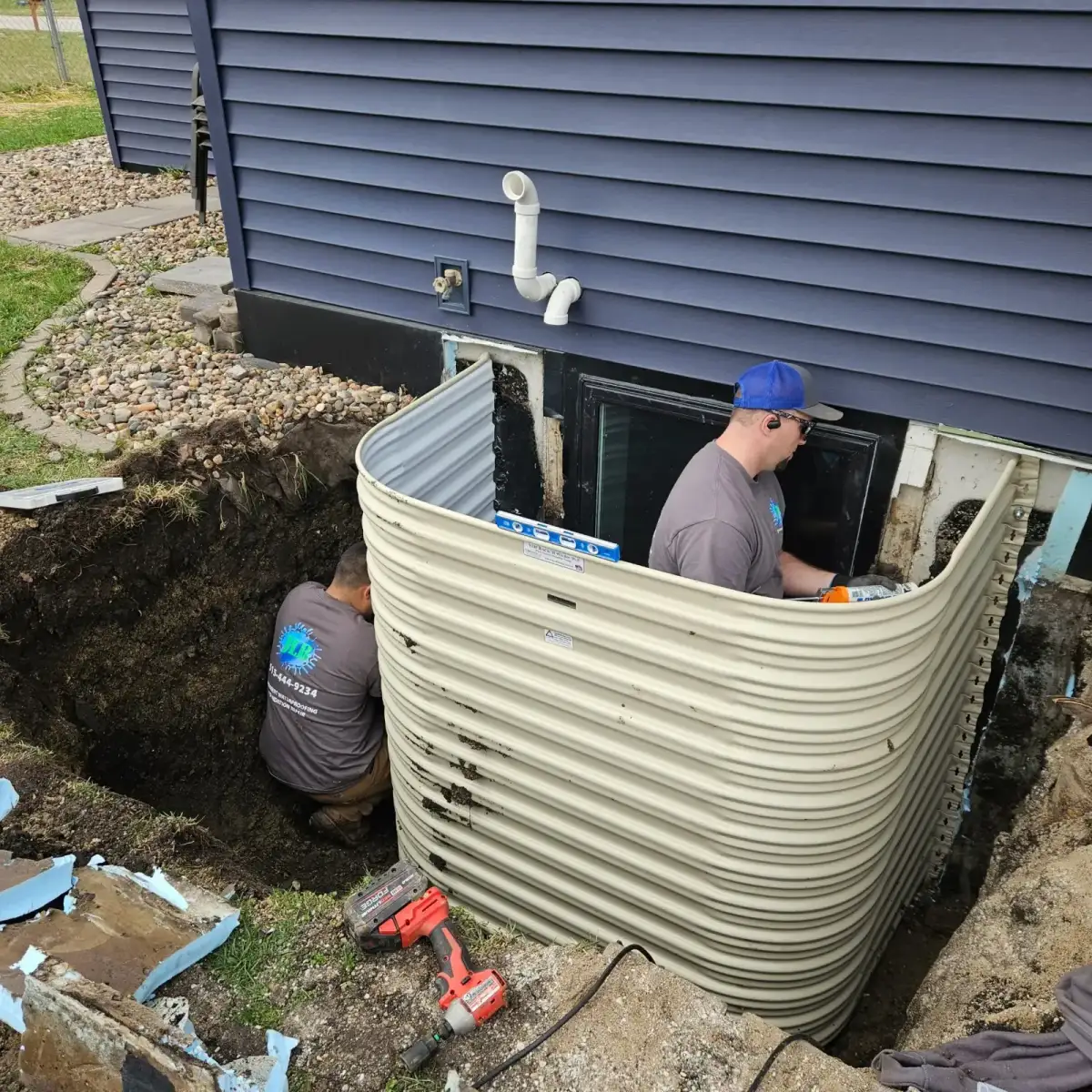
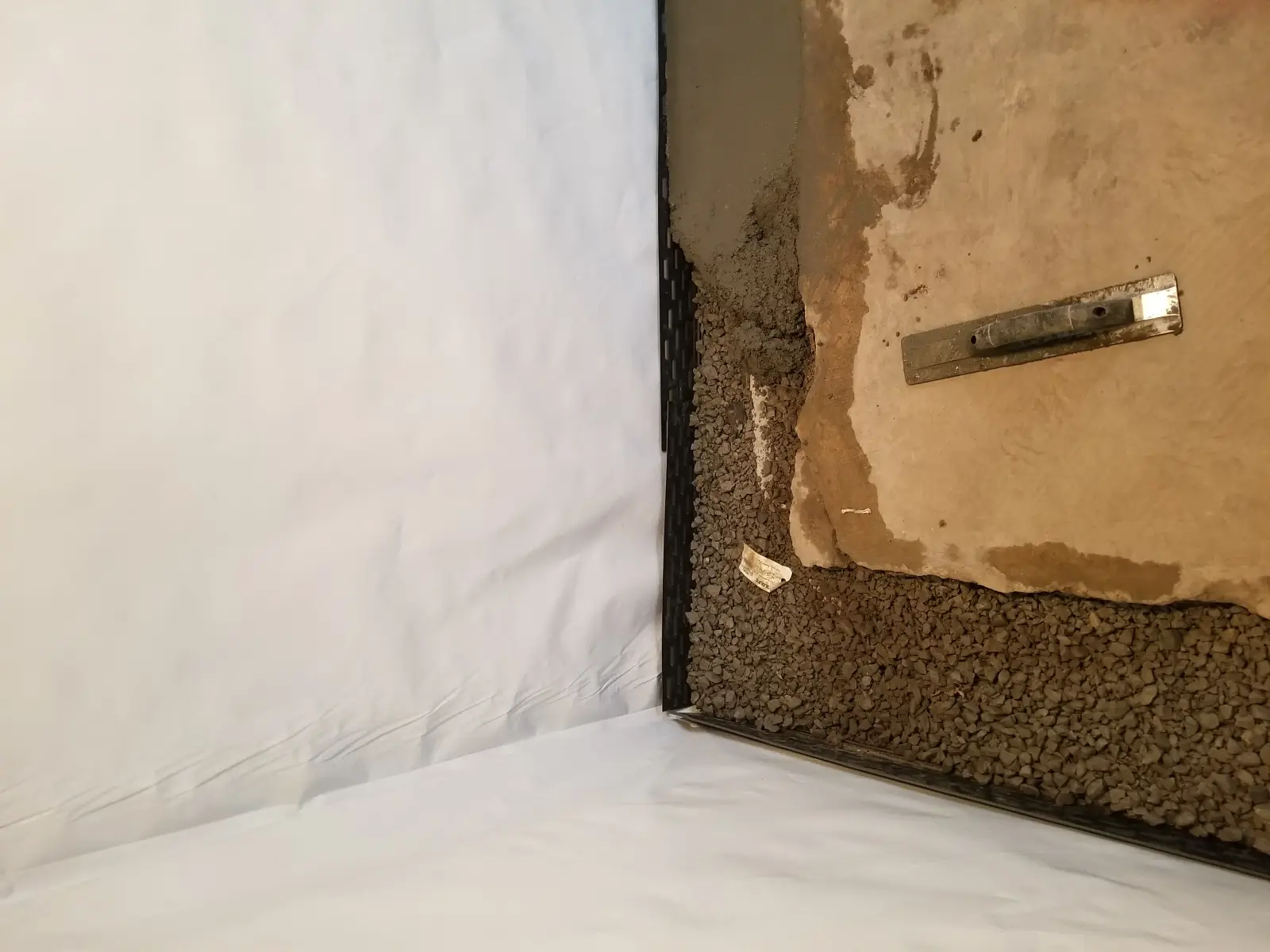
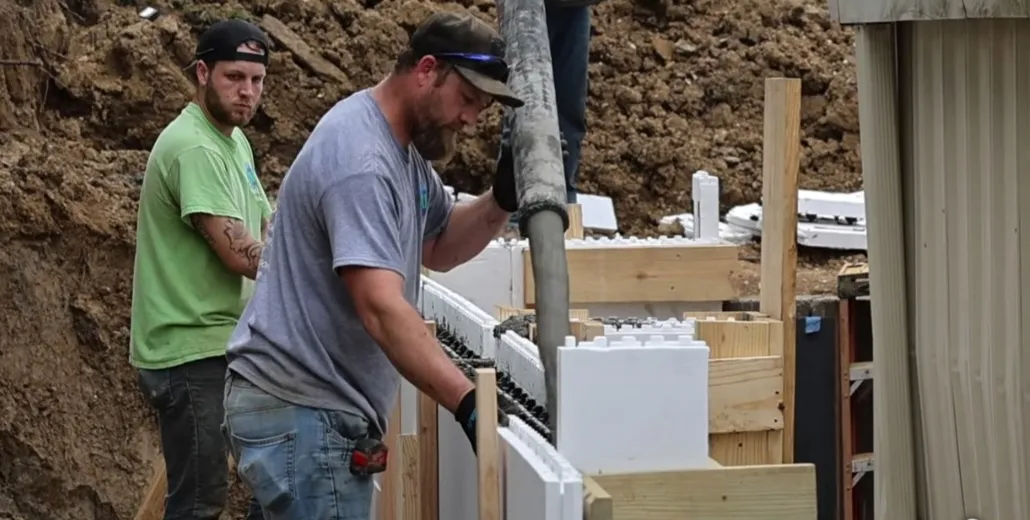
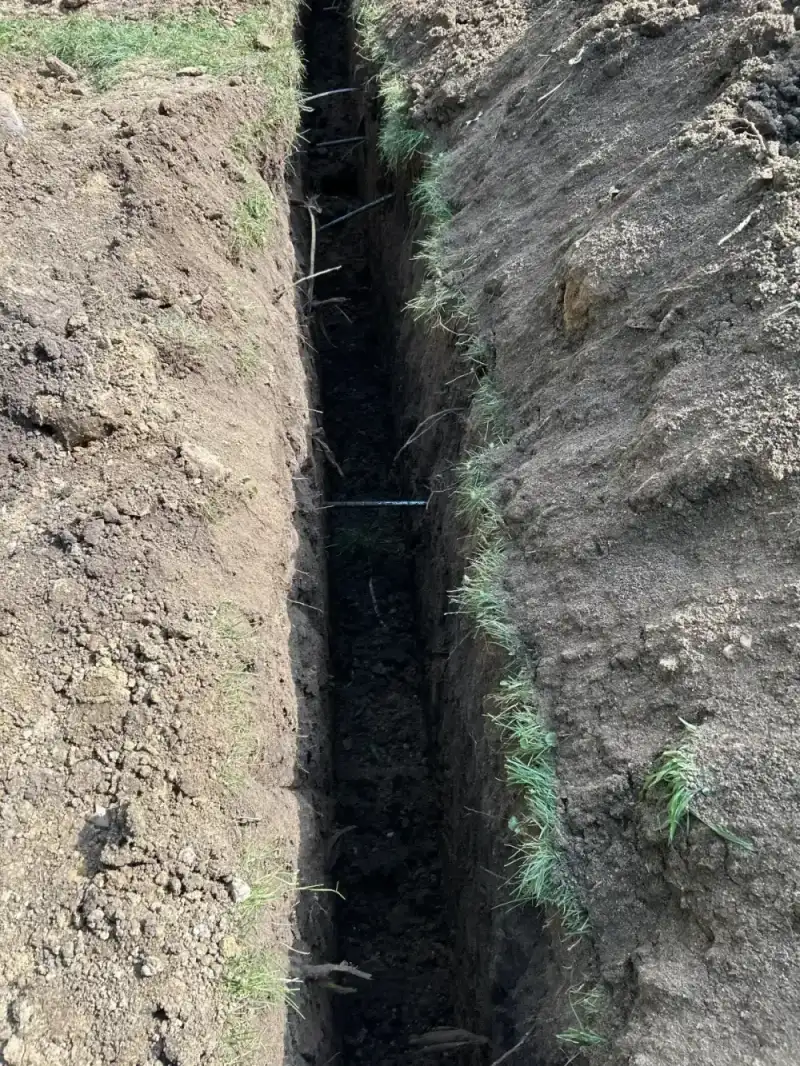
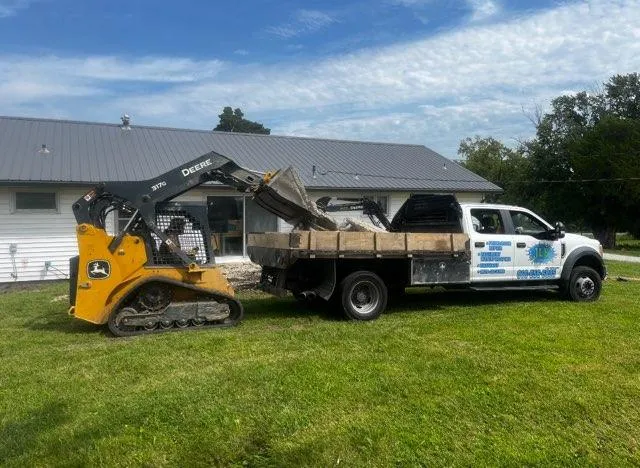
Every photo is from an actual JLB job site — not a stock photo. See the work we do every day across Kansas City and Des Moines.
What Do Homeowners Say About JLB?
"We had water coming in every single time it rained. JLB installed an interior drainage system and sump pump — haven't seen a drop since. We finally finished the basement and it's been bone dry through two years of Kansas City storms."
"Our sump pump died during a spring storm and the basement flooded. JLB replaced the entire system with a high-capacity pump and battery backup. We've had zero issues since, even during power outages."
"The musty smell was so bad we couldn't use the basement at all. JLB found water seeping through multiple wall cracks, injected them, and installed a drainage system. The smell is gone and the basement is dry."
"Every spring when the snow melted, our basement would flood. JLB installed a full interior drainage and sump system. We've been through two Iowa springs since — completely dry. It's like a different house."
"We were worried about mold after finding standing water in the basement. JLB waterproofed the whole space, sealed the cracks, and installed a dehumidifier with the sump system. Air quality in the whole house improved."
"We almost lost our finished basement to water damage twice. JLB installed an interior drain system and upgraded our sump pump with battery backup. Haven't had a single issue since — even during the heavy rains last spring."
What Does Basement Waterproofing Cost?
Every basement waterproofing project is different, but these regional cost ranges give you a realistic starting point. JLB provides free estimates with detailed, written pricing — no surprises.
| Method | Typical Cost Range | Best For |
|---|---|---|
| Interior French drain + sump pump | $3,000–$7,000 | Active water seepage through floor/wall joint |
| Interior wall sealant/coating | $500–$2,500 | Minor dampness, condensation |
| Exterior waterproofing membrane | $8,000–$15,000 | Severe water intrusion, requires excavation |
| Sump pump installation | $1,000–$2,500 | Homes without existing pump, high water table areas |
| Crack injection (per crack) | $250–$800 | Individual foundation wall cracks |
| Complete interior system (drain + pump + wall treatment) | $4,000–$8,000 | Most common full solution |
| Exterior excavation + drain tile | $10,000–$20,000 | Full-perimeter exterior protection |
These ranges reflect typical Kansas City metro pricing as of 2026. Actual costs vary based on basement size, severity of water intrusion, and system type. JLB provides free estimates — call (816) 408-3651 for an accurate quote.
Des Moines Metro Pricing
| Method | Typical Cost Range | Best For |
|---|---|---|
| Interior French drain + sump pump | $2,800–$6,500 | Active water seepage through floor/wall joint |
| Interior wall sealant/coating | $450–$2,200 | Minor dampness, condensation |
| Exterior waterproofing membrane | $7,500–$14,000 | Severe water intrusion, requires excavation |
| Sump pump installation | $900–$2,300 | Homes without existing pump, high water table areas |
| Crack injection (per crack) | $200–$700 | Individual foundation wall cracks |
| Complete interior system (drain + pump + wall treatment) | $3,500–$7,500 | Most common full solution |
| Exterior excavation + drain tile | $9,000–$18,000 | Full-perimeter exterior protection |
Des Moines homes with high water tables (common near the Des Moines and Raccoon rivers) may require higher-capacity sump pump systems, adding $500–$1,500 to interior solutions. JLB provides free estimates — call (515) 717-8560 for an accurate quote.
Two Ways to Pay for It
12 Months Same As Cash
Pay the full balance within 12 months and you pay no interest.
Best if you can pay it off within a year.
5 Years at 6.99% APR
A lower monthly payment, spread over 60 months.
Best for bigger projects.
On approved credit. Ask for full terms at your free estimate.
Foundation and water problems rarely get cheaper while they wait.
Interior vs. Exterior Waterproofing: Which Is Better?
| Factor | Interior Waterproofing | Exterior Waterproofing |
|---|---|---|
| Cost | $3,000–$8,000 | $8,000–$20,000 |
| Approach | Manages water that enters | Prevents water from entering |
| Excavation required | No | Yes — full perimeter |
| Timeline | 1–3 days | 1–2 weeks |
| Yard disruption | None | Significant — landscaping, patios may need removal |
| Effectiveness | Highly effective for most homes | Most complete solution |
| Best for | Active seepage, hydrostatic pressure, high water table | Severe exterior water intrusion, new construction |
| Warranty | Typically lifetime transferable | Typically lifetime transferable |
| Most common in KC/DSM | Yes — ~70% of residential waterproofing | Less common due to cost and disruption |
Basement Waterproofing FAQ
Most interior drainage projects in the Kansas City and Des Moines metros range from $3,000 to $12,000 depending on basement size, system type, and severity. We provide free estimates with a detailed, written estimate.
Most interior drainage installations are completed in 1 to 2 days. Exterior waterproofing may take 3 to 5 days depending on excavation scope.
For most Midwest homes, interior drainage with a sump pump is the most effective and cost-efficient solution. Read our side-by-side comparison of interior and exterior methods for the full breakdown, or explore our complete guide to basement waterproofing approaches.
Yes. That musty odor means moisture is present. Our systems eliminate the source. If the smell comes from below the main floor, encapsulating the space beneath your floors may also be needed.
Yes. We offer flexible financing options to make waterproofing affordable. Ask about payment plans during your free estimate.
DIY sealant paints and crack fillers are temporary Band-Aids that don't address hydrostatic pressure. Professional interior drainage systems manage the water permanently. See our DIY vs. professional comparison for why.
Common Questions About Basement Waterproofing
How much does it cost to waterproof a basement in Kansas City?
Basement waterproofing in Kansas City typically costs between $3,000 and $8,000 for a complete interior system (French drain + sump pump + wall treatment). Basic crack injection starts at $250 per crack. Exterior waterproofing with excavation runs $8,000–$20,000. The most common solution for KC homes on clay soil — an interior drainage system with a sump pump — costs $3,000–$7,000 and is completed in 1–3 days. Call (816) 408-3651 for a free estimate.
What is the best waterproofing method for basements?
An interior French drain system with a sump pump is the most effective and cost-efficient waterproofing method for most Midwest basements. It captures water at the wall-floor joint — where approximately 70% of basement leaks occur — and pumps it away before it reaches your floor. This system handles hydrostatic pressure from KC's clay soil and Des Moines' high water tables without requiring exterior excavation.
Is it better to waterproof a basement from inside or outside?
For most Kansas City and Des Moines homes, interior waterproofing is better — it's equally effective against hydrostatic pressure, costs 50–60% less, takes 1–3 days instead of 1–2 weeks, and doesn't require tearing up landscaping. Exterior waterproofing is only necessary for severe exterior water intrusion or during new construction when the walls are already exposed. Read our complete interior vs. exterior comparison.
Can I waterproof my basement by myself?
DIY basement waterproofing is limited to surface-level solutions: interior sealant paint, dehumidifiers, and crack filler. These treat symptoms, not causes. They don't address hydrostatic pressure — the force of water-saturated clay soil pushing against your foundation walls. Professional interior drainage systems intercept water at the source and manage it permanently. The cost difference between a failed DIY attempt and professional waterproofing is often zero — because you end up calling a pro anyway.
What are the three types of basement waterproofing?
The three types are: (1) Interior waterproofing — French drains, sump pumps, crack injection, and vapor barriers that manage water from inside. Most common and cost-effective for existing homes. (2) Exterior waterproofing — membrane coatings and drain tile installed around the outside of the foundation. Most thorough but most expensive. (3) Drainage management — French drains, grading corrections, and downspout extensions that divert water away from the foundation before it creates pressure.
How long does waterproofing a basement last?
A professionally installed interior waterproofing system lasts the lifetime of the home. The drain channels and sump pit are permanent. Sump pumps have a 7–10 year lifespan and should be replaced proactively. Battery backup systems last 3–5 years. JLB includes a transferable lifetime warranty on our waterproofing systems — the warranty follows the home, not the owner.
Will insurance pay for basement waterproofing?
Standard homeowners insurance typically does not cover basement waterproofing or water damage from groundwater seepage, hydrostatic pressure, or poor drainage. Insurance may cover sudden water damage from burst pipes or sewer backup (if you have sewer backup coverage). Some flood insurance policies cover certain situations. Waterproofing is considered preventive maintenance — which is why it's a smart investment before damage occurs.
What are common waterproofing mistakes?
The most common mistakes are: (1) using interior sealant paint as a long-term solution — it peels under hydrostatic pressure; (2) installing a sump pump without a drainage system to feed it; (3) relying solely on exterior grading without addressing hydrostatic pressure; (4) using a sump pump without battery backup — power outages often coincide with storms; (5) waterproofing over active foundation cracks without addressing the structural issue first.
Is it worth it to waterproof your basement?
Yes. A wet basement reduces home value by 10–15% and creates health hazards (mold, mildew, poor air quality). Waterproofing protects your investment, makes the space usable, and prevents structural damage from ongoing moisture. The average waterproofing project pays for itself in preserved home value alone — before accounting for the usable square footage you gain and the health benefits of eliminating basement moisture.
What are the disadvantages of Drylok?
Drylok and similar masonry sealant paints are not waterproofing solutions — they're moisture barriers that work against minor dampness only. Disadvantages: (1) they cannot withstand hydrostatic pressure and will peel, bubble, and crack when water-saturated clay pushes against the wall; (2) they trap moisture inside the wall, which can worsen deterioration of block and stone foundations; (3) they mask active leaking rather than resolving it; (4) once applied, they can interfere with professional waterproofing adhesion. Professional interior drainage systems address the water at its entry point — Drylok tries to hold it back.
Ready to Fix It? Start Here.
A 45-minute inspection tells you exactly what's going on with your foundation — and exactly what it costs to fix. No obligation. No pressure. Just answers from a licensed structural specialist.
Where Does JLB Provide Basement Waterproofing?
Kansas City Metro
Des Moines Metro
Kansas City Metro Offices
Three locations serving the entire KC metro. We come to you.
JLB Foundation Repair & Basement Waterproofing — Kansas City
111 NE 72nd St, Ste 111Kansas City, MO, 64119(816) 408-3651 View on Google Maps
JLB Foundation Repair & Basement Waterproofing — Leawood
10308 State Line Rd Suite 300Leawood, KS, 66206(913) 660-6308 View on Google Maps
JLB Foundation Repair & Basement Waterproofing — Kearney
24011 State Rte 92Kearney, MO, 64060(816) 656-6835 View on Google Maps
Des Moines Metro Offices
Three locations across central Iowa. We come to you.
JLB Basement Waterproofing & Foundation Repair — Des Moines
97 Indiana Ave Suite #1Des Moines, IA, 50314(515) 717-8560 View on Google Maps
JLB Basement Waterproofing & Foundation Repair — Van Meter
325 Grand StVan Meter, IA, 50261(515) 642-3406 View on Google Maps
JLB Basement Waterproofing & Foundation Repair — Boone
2041 Knezevich RdBoone, IA, 50036(515) 444-9234 View on Google Maps
Stop the Damage. Get Answers Today.
A free estimate takes 45 minutes and tells you exactly what's going on — and exactly what it takes to fix it. Call KC at (816) 408-3651 or DSM at (515) 717-8560.