Belton MO Basement Waterproofing for Block Foundation Homes
Serving Belton and Cass County with 6 specialized foundation and waterproofing services — local crews, engineered repairs, and every estimate is free.
Free 45-Minute Analysis + Written Report
Get a precise analysis of your foundation and waterproofing situation, and a clear estimate on what any fixes or corrections might cost.
Takes 30 seconds. We'll call within 24 hours.
Thank You!
We'll be in touch within 24 hours.
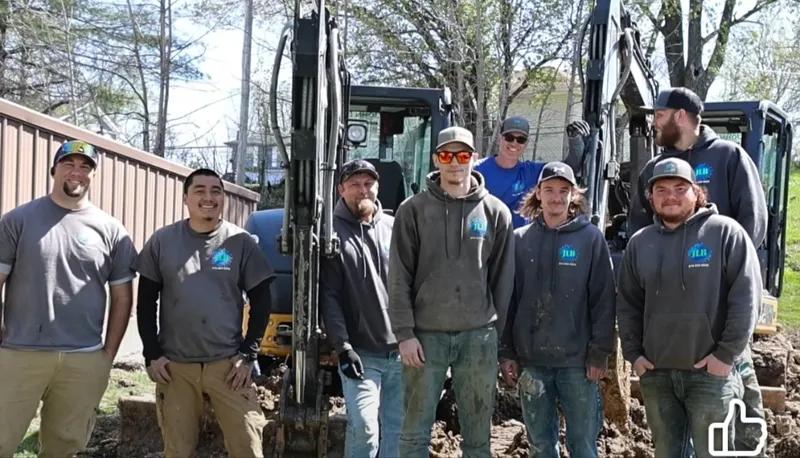
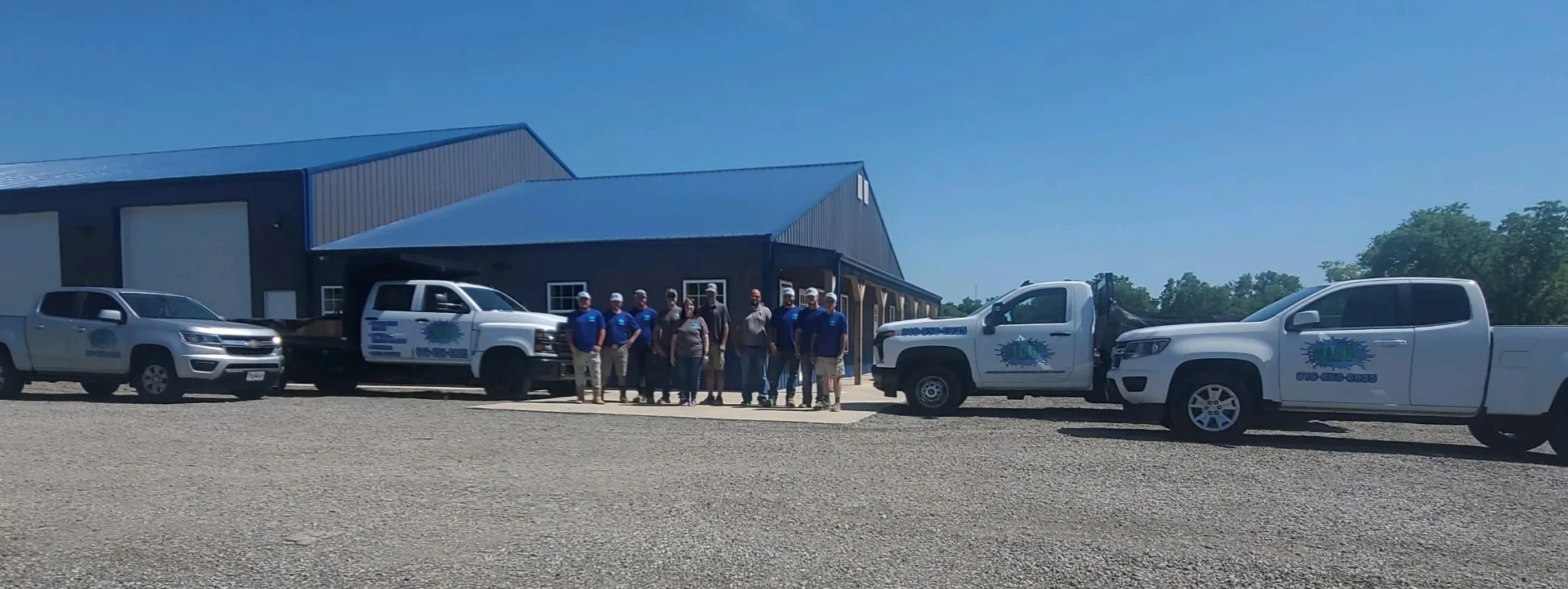
Meet the Team Serving Belton
JLB Foundation Repair is a local company — not a franchise. We serve Belton and the surrounding Kansas City metro with foundation repair, waterproofing, crawlspace encapsulation, and drainage solutions. Watch to learn who we are and how we work.
Watch Our Work in Belton
Foundation Repair and Waterproofing Services in Belton
Every foundation problem has a permanent fix. We use engineered systems — not quick patches — backed by transferable warranties and decades of field experience.
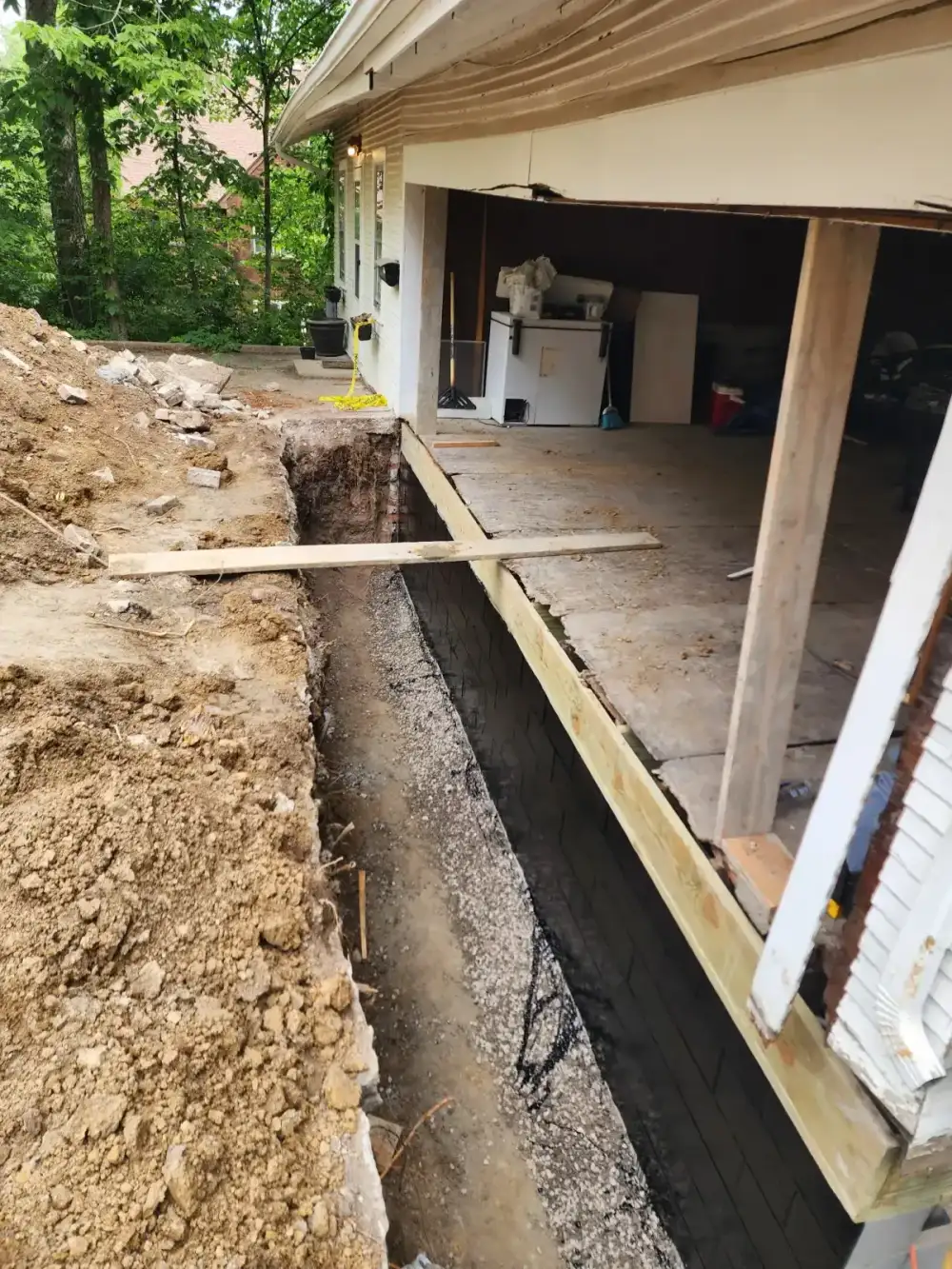
Foundation Repair
Steel push piers and wall anchors to stabilize and lift settling foundations. Stop the cracks, level the floors, save the home.
Learn More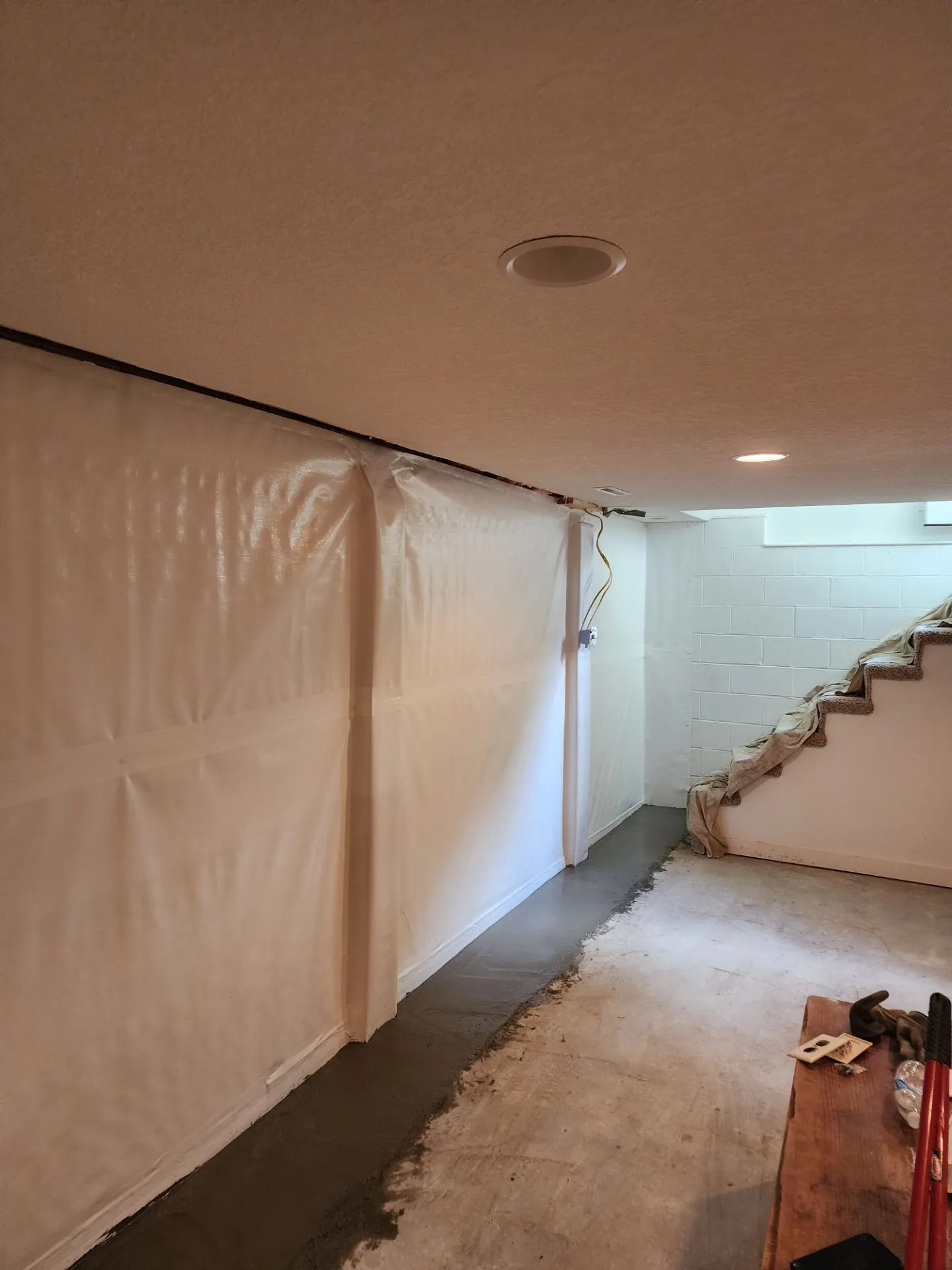
Basement Waterproofing
Interior drainage systems, sump pumps, and vapor barriers to keep your basement permanently dry. No more water. No more worry.
Learn More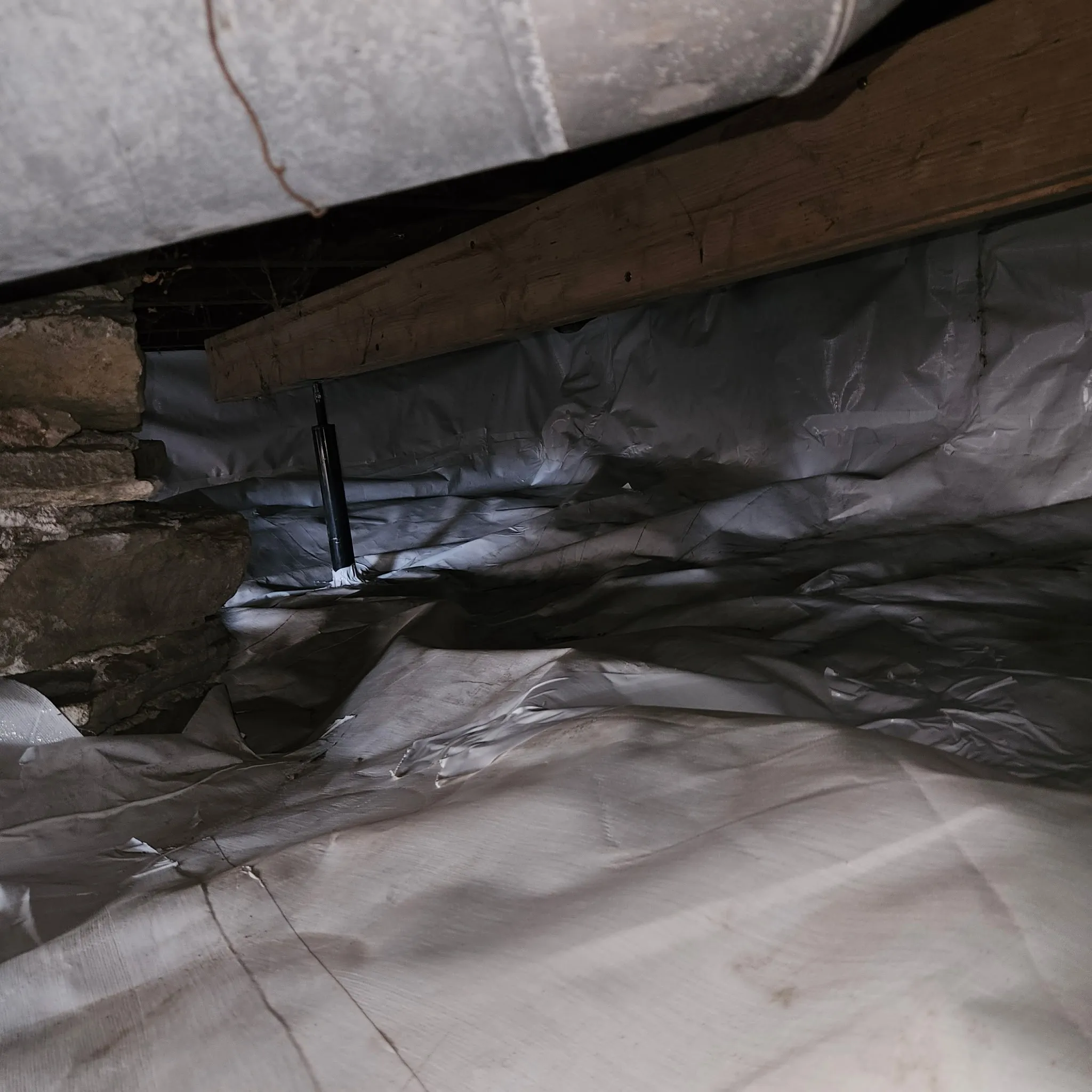
Crawlspace Encapsulation
Full encapsulation with spray foam for BOTH crawlspace and basement — twice the protection competitors offer, at a lower cost.
Learn More
Polyjacking / Concrete Leveling
Lift and level sunken driveways, patios, sidewalks, and garage floors with polyurethane foam injection. Fast, clean, long-lasting.
Learn More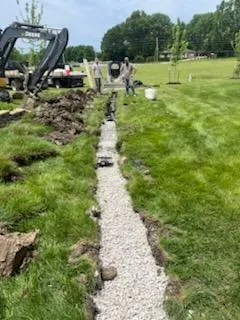
French Drains & Drainage
French drains, extended downspouts, regrading, and drain pipes to redirect water away from your foundation permanently.
Learn More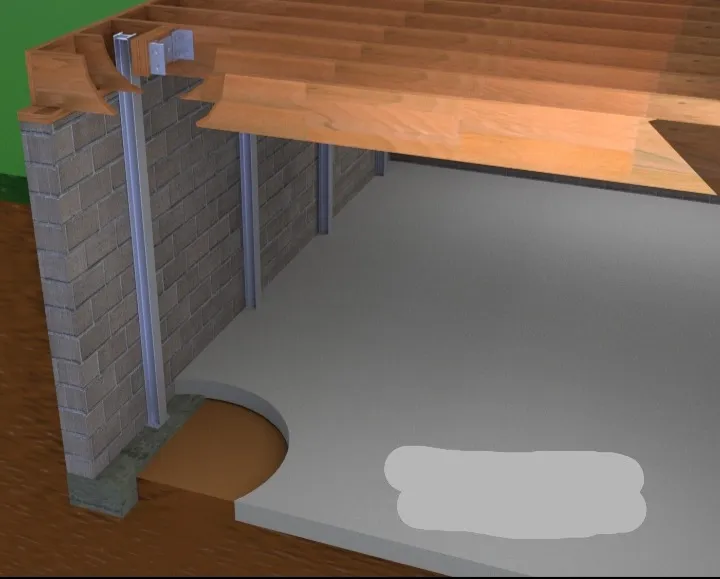
Foundation Wall Replacement
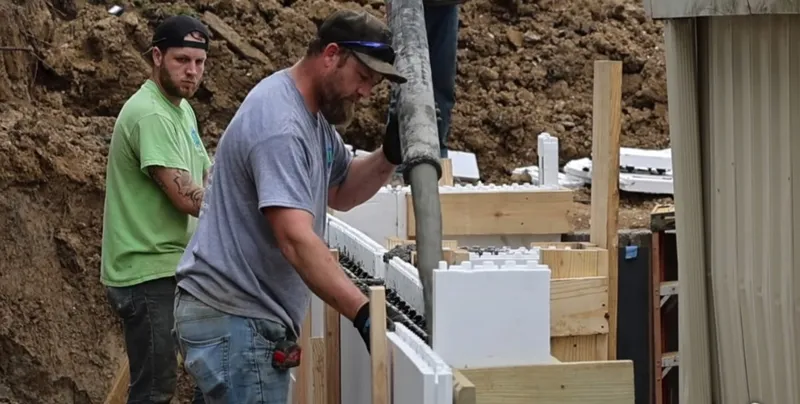
Complete removal and reconstruction of severely damaged foundation walls with new reinforced concrete, drainage, and waterproofing.
Learn MoreTwo Ways to Pay Over Time
12 Months Same As Cash
Pay the full balance within 12 months and you pay no interest.
5 Years at 6.99% APR
A lower monthly payment, spread over 60 months.
On approved credit. Ask for full terms at your free estimate.
Foundation Repair and Waterproofing for Belton's Older Homes
Belton homes sit on Cass County clay with 60–80% clay content and a USDA-NRCS shrink-swell rating of "very high." That means the soil under your foundation expands when saturated and contracts during dry spells, generating lateral pressures that can exceed 800 PSF against an 8-foot basement wall. Over 30% of Belton's housing stock was built between the 1940s and 1960s — many with poured concrete or block foundations that have endured decades of this cycle. Neighborhoods along 58 Highway and near downtown Belton see some of the most persistent damage because the original drainage infrastructure wasn't designed for the runoff volumes Cass County's Hydrologic Soil Group D soils produce. The result is cracking, bowing, and water intrusion that compounds with every season.
Belton's foundation challenges differ from cities farther north in the metro because Cass County sits at a transition zone where Wymore-Ladoga clay complexes meet gently rolling terrain that directs surface water toward homes instead of away from them. Unlike steeper lots in Clay or Jackson County where water moves quickly downhill, Belton's gentle grades allow saturated clay to hold moisture against foundation walls for extended periods. With 42 inches of annual rainfall — peaking at 5.7 inches in May alone — and a 36-inch frost depth driving over 100 freeze-thaw cycles per year, the soil around your foundation rarely reaches equilibrium. Hydrostatic pressure at the base of an 8-foot wall with a 4-foot water table reaches 250 PSF, and saturated Cass County clay weighs 120–130 pounds per cubic foot, pressing relentlessly inward.
JLB crews working in Belton account for the gently rolling terrain and the tight lot spacing common in 1960s–1980s subdivisions along Y Highway and the 58 Highway corridor. Equipment access between homes built 10–15 feet apart requires deliberate staging, and we plan exterior excavation routes before mobilizing. The block and poured concrete foundations typical of Belton's mid-century housing stock respond well to push pier stabilization at $1,250–$2,500 per pier and carbon fiber reinforcement at $350–$1,000 per strap — but only when installed with accurate knowledge of Cass County's clay behavior. We pair every structural repair with drainage solutions because stabilizing a foundation on Group D soil without managing water is a temporary fix.
Belton at a Glance
Where Does JLB Provide Foundation Repair in Belton, MO?
JLB serves homeowners throughout Belton and Cass County, including neighborhoods along 58 Highway, Y Highway, and downtown Belton. Our crews work across the southern Kansas City metro, with deep familiarity in the clay soils and rolling terrain specific to Cass County residential areas.
Why Are Belton's Block Foundations Vulnerable to Cass County Soil Pressure?
The homes in Belton sit on a range of foundation types, each with its own vulnerabilities. Here's what our crews see most often in Cass County.
Concrete block basement
Concrete block foundations are common in Belton's pre-1950s homes. After decades of lateral pressure from expanding clay, the mortar joints weaken and walls begin to bow inward. Horizontal cracks near the midpoint of the wall are the classic warning sign — and they need professional attention before the wall fails.
Poured concrete basement
Poured concrete basements in Belton are the most common type across Cass County. They handle the clay soil better than block, but lateral pressure still creates vertical and diagonal cracks — especially near corners and window wells where the wall is weakest. Catching these early prevents water infiltration.
What Foundation Warning Signs Are Common in Belton's Pre-1950s Homes?
Belton's 1960s–1980s homes on Cass County's high-shrink-swell clay develop warning signs that accelerate quickly once they appear. The combination of block or poured concrete foundations and Group D soil means small cracks can signal significant lateral pressure already building against your walls.
Stair-step or horizontal cracks in Belton's block basement walls — a sign of lateral clay pressure pushing inward
Learn about Foundation Repair →Water wicking through hollow-core block walls or seeping at the floor-wall joint — Belton's block basements are prime targets when Cass County's soil becomes saturated
Learn about Waterproofing →Musty smells, mold, or sagging floors above the crawlspace — Belton's older homes often have unsealed crawlspaces that trap moisture year-round
Learn about Crawlspace Encapsulation →Doors and windows that stick or no longer close squarely — in Belton's older homes, this is usually structural movement, not normal settling
Learn about Foundation Repair →Who Handles Foundation Repair and Waterproofing in Belton and Cass County?
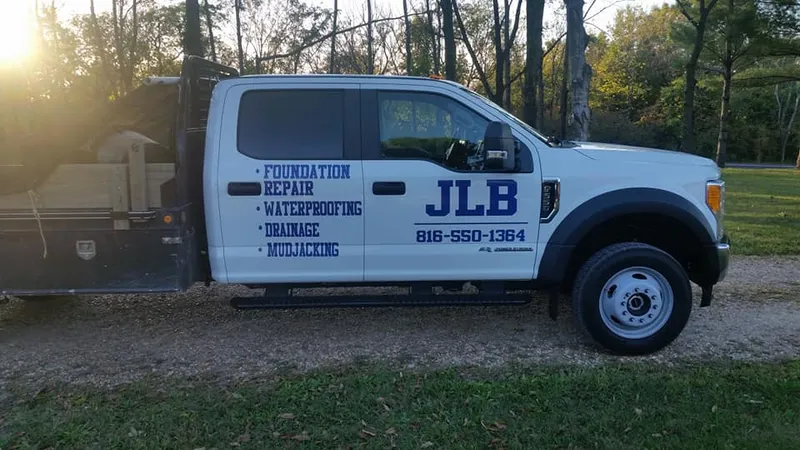
Numbers That Speak for Themselves
Cass County Clay Won't Wait — Get Your Belton Home Assessed
Belton's high-shrink-swell clay and 100-plus annual freeze-thaw cycles mean foundation damage accelerates once it starts. A free inspection identifies what's happening beneath your home on Cass County soil before repair costs escalate. Schedule your Belton assessment today.
Not Sure What You're Dealing With?
Click any symptom below to learn what it means, what's likely causing it, and how we can help. Most of these are more common — and more fixable — than you'd think.
Diagonal, stair-step, or horizontal cracks in drywall, plaster, or brick usually trace back to soil movement beneath your foundation. The heavy clay soils in the Kansas City and Des Moines metros expand and contract seasonally, which can shift your foundation over time. The good news: this is very fixable with the right approach.
Water entering through floor joints, wall cracks, or seeping through porous concrete means groundwater pressure is pushing moisture into your basement. An interior drainage system and sump pump can solve this permanently — and we can usually have it done in a day or two.
When a foundation settles unevenly, it can shift your home's frame just enough to make doors and windows bind. This is one of the earlier signs of foundation movement — and catching it early often means a simpler, less expensive repair.
That musty smell is moisture. Up to 40% of the air in your home rises from below — from your crawlspace and basement. If there's excess humidity down there, it affects your whole home. Encapsulation seals it out, and you'll notice the difference in your air quality right away.
Floors that slope toward the center or an exterior wall usually mean the support structure underneath needs attention. Push piers can stabilize your foundation and often lift it back to level — giving your floors a second life.
When soil washes out or compacts beneath a concrete slab, the slab drops and becomes uneven. Polyjacking uses expanding polyurethane foam to fill the void and lift the concrete back to grade — usually in under a day, with no heavy equipment needed.
Water collecting near your foundation means your grading or drainage isn't directing water away effectively. French drains, regrading, extended downspouts, and drain pipes can redirect water away from the house — protecting your foundation for the long haul.
A basement wall that has bowed more than 2 inches inward, shifted off its footing, or shows multiple structural cracks may have moved beyond what bracing can fix. When carbon fiber straps, I-beams, or wall anchors are not enough, the wall needs to be removed and rebuilt with reinforced concrete. This is the last resort — but it is the permanent fix when the wall itself is compromised.
Why Do Belton Homeowners With Older Foundations Trust JLB?
Cass County Clay Specialists
Belton's Wymore-Ladoga soil complex carries a "very high" shrink-swell rating with 60–80% clay content. Our repair plans are engineered around these specific Cass County soil mechanics, not generic approaches borrowed from areas with different subsurface conditions.
Built for Belton Homes
Over 30% of Belton homes date to the 1940s–1960s, with block and poured concrete foundations that respond to specific repair methods. We match push piers, carbon fiber straps, or wall anchors to your foundation type and the lateral pressures Cass County clay generates against it.
Drainage for Group D Soil
Cass County's Hydrologic Soil Group D classification means the lowest infiltration and highest runoff of any soil group. Every waterproofing system we install in Belton is designed for this reality — managing the full volume of water that 42 inches of annual rainfall puts against your foundation.
Honest Belton Cost Guidance
Average Kansas City metro foundation projects run about $4,500 and interior waterproofing averages $3,708. We provide Belton homeowners with transparent, itemized estimates — pier by pier, linear foot by linear foot — so you know exactly what your Cass County home requires before work begins.
What Belton, MO ZIP Codes Does JLB Cover for Foundation Repair?
What Our Customers Say
"We had cracks running up our walls and doors that wouldn't close. JLB came out, explained exactly what was happening with the soil under our house, and had the piers installed in two days. Floors are level again. Wish we hadn't waited so long."
"Three other companies gave us the runaround. JLB showed up, did a thorough inspection, and gave us a straight answer. The repair held up through an entire Missouri winter with zero new cracking."
"Our crawlspace was a mess — moisture, mold, the works. JLB encapsulated it AND spray-foamed our basement in the same project. The difference in our home's air quality is incredible. Great value for the price."
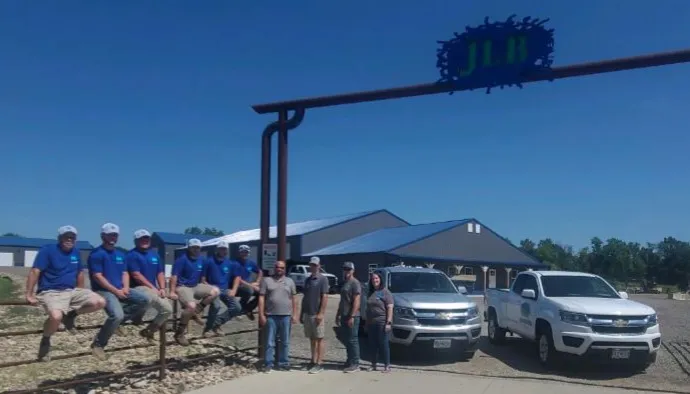
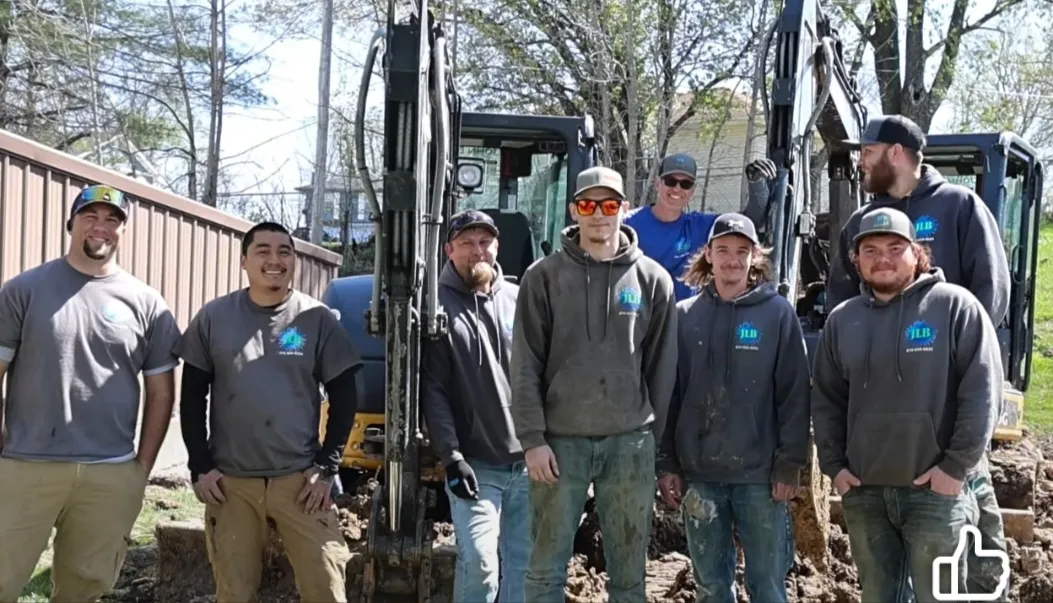
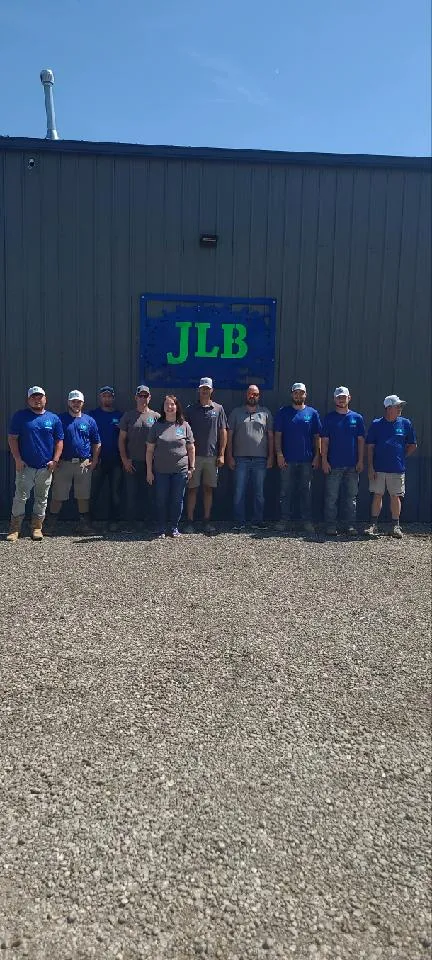
Real Team. Real Work.
Right Here in Kansas City & Des Moines.
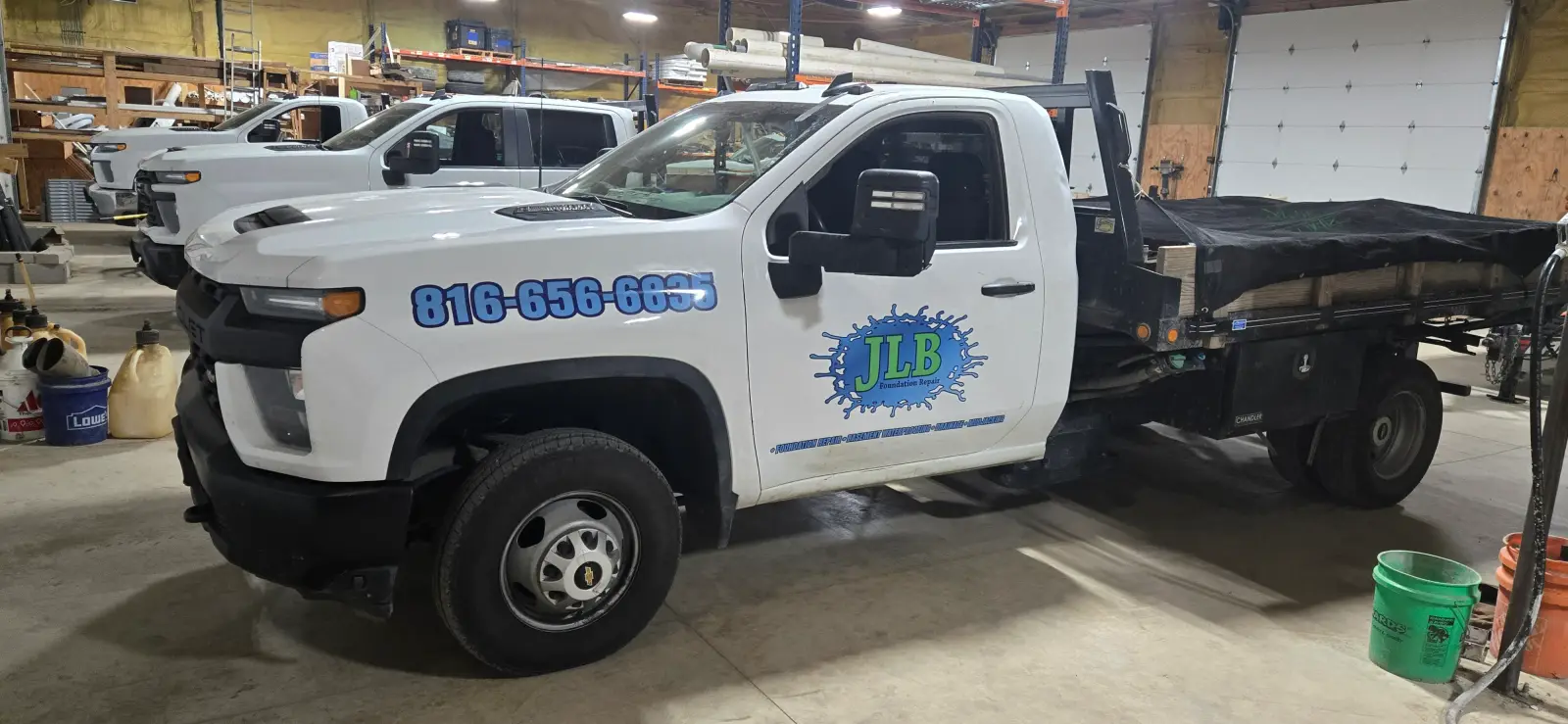
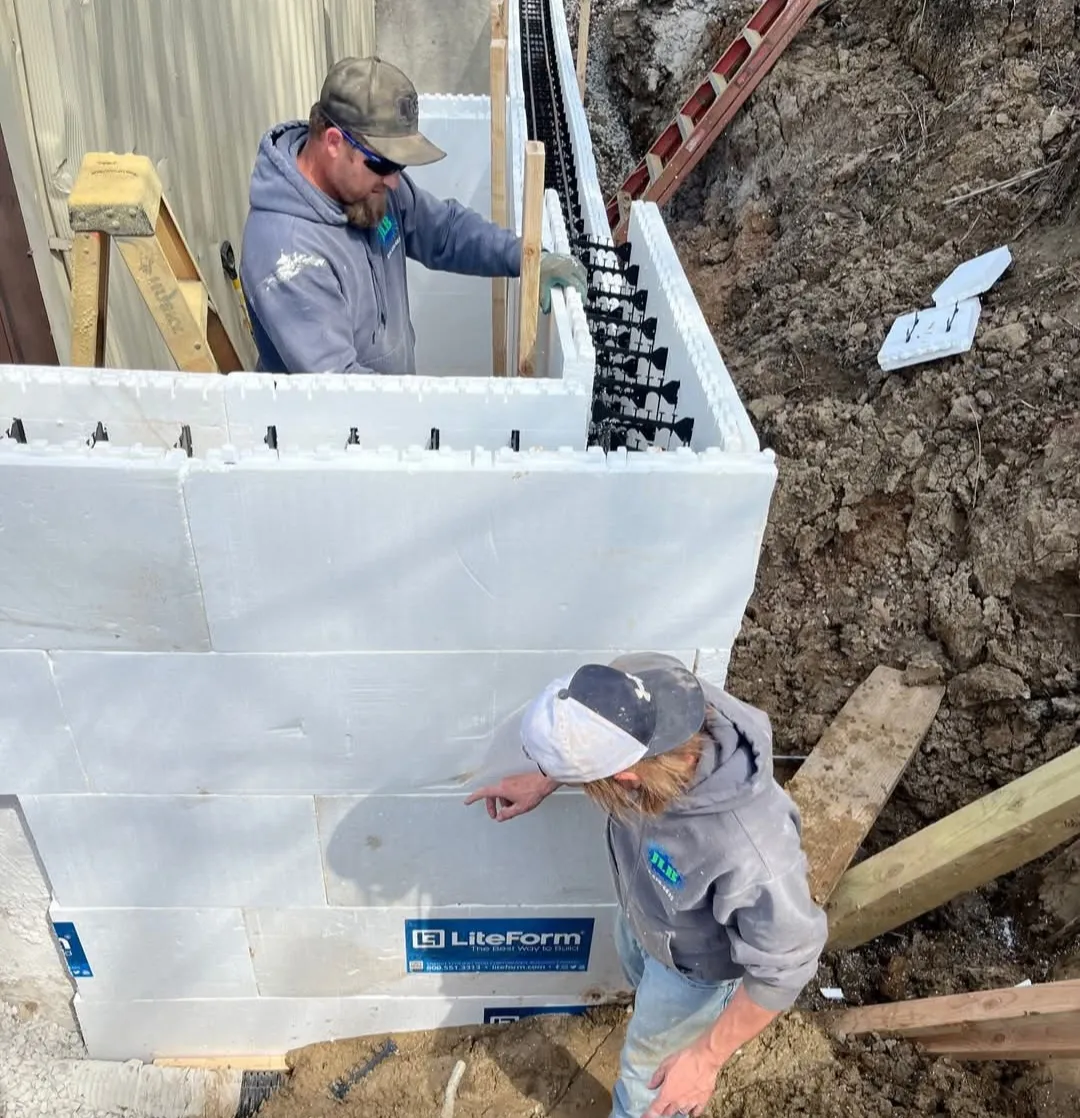
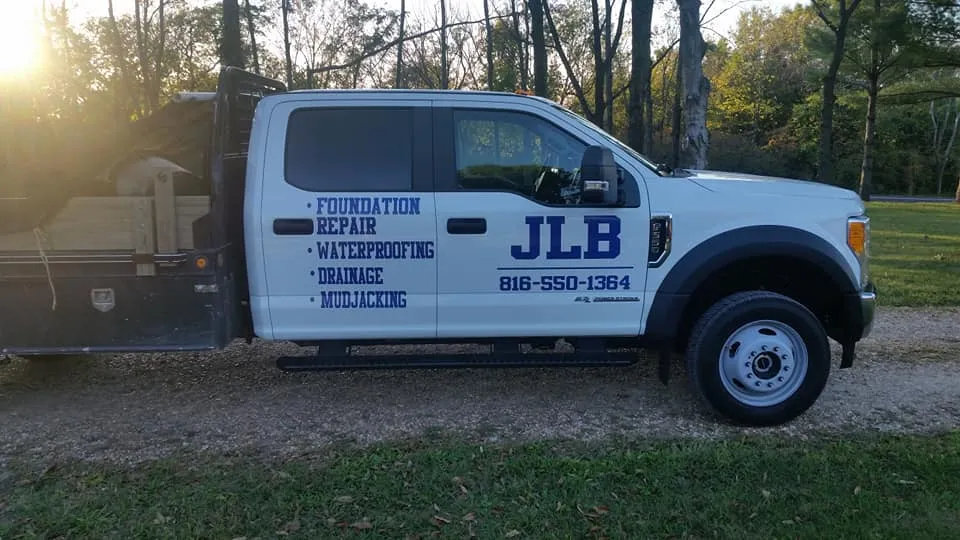
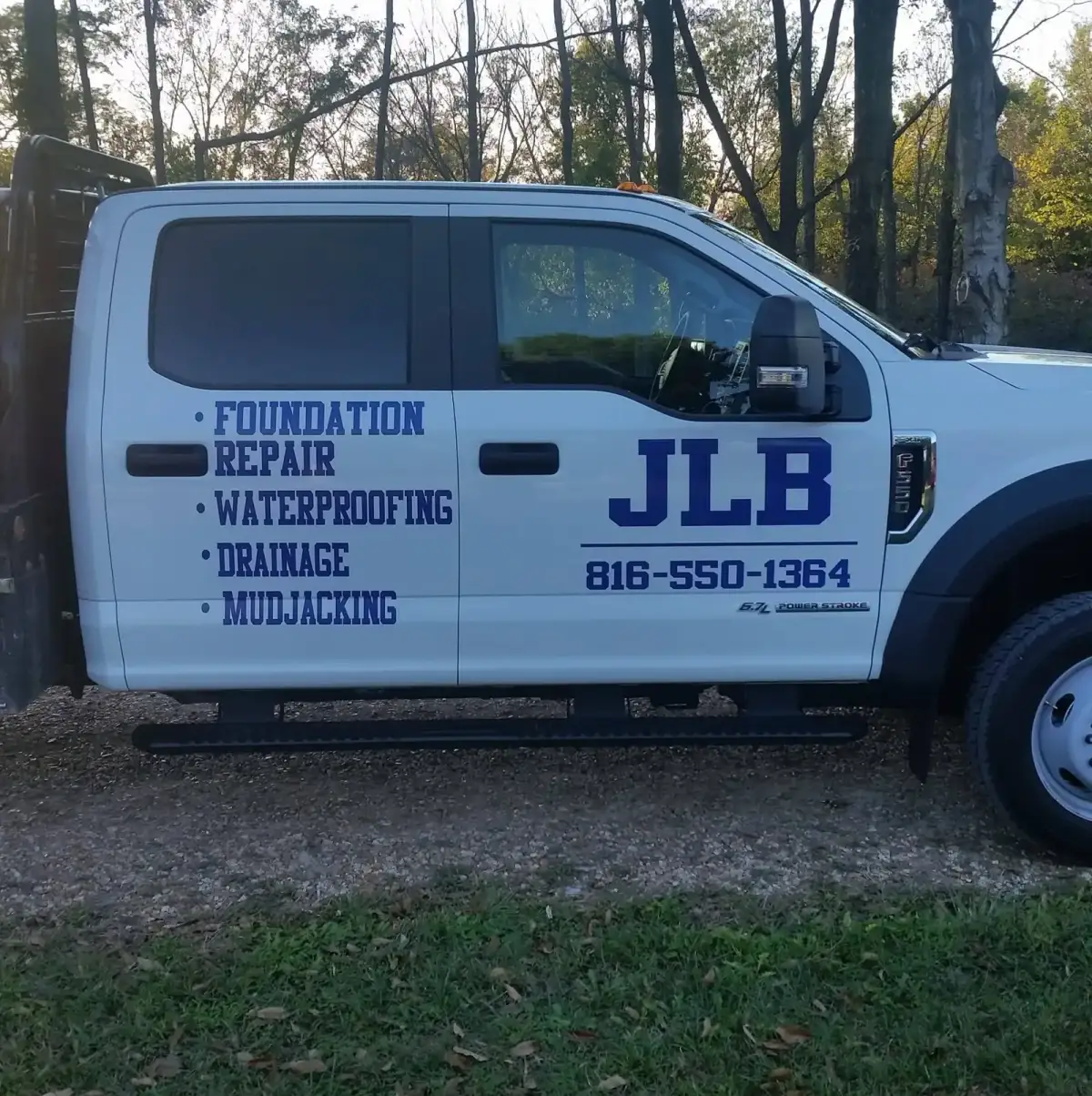
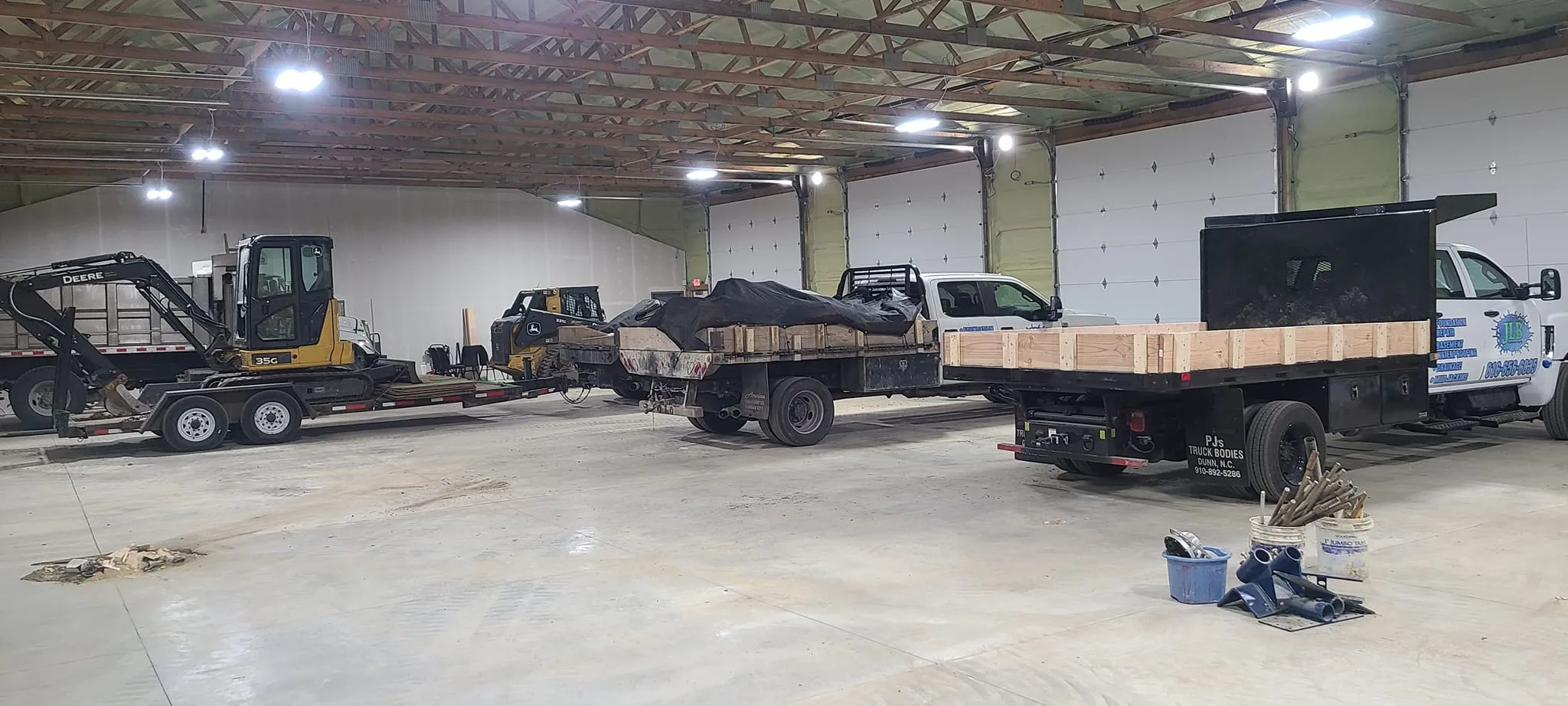
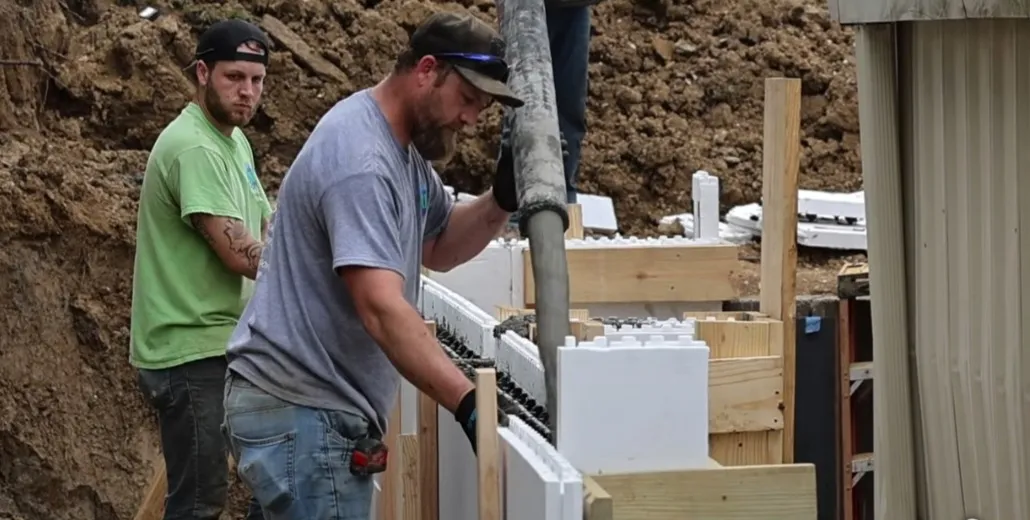
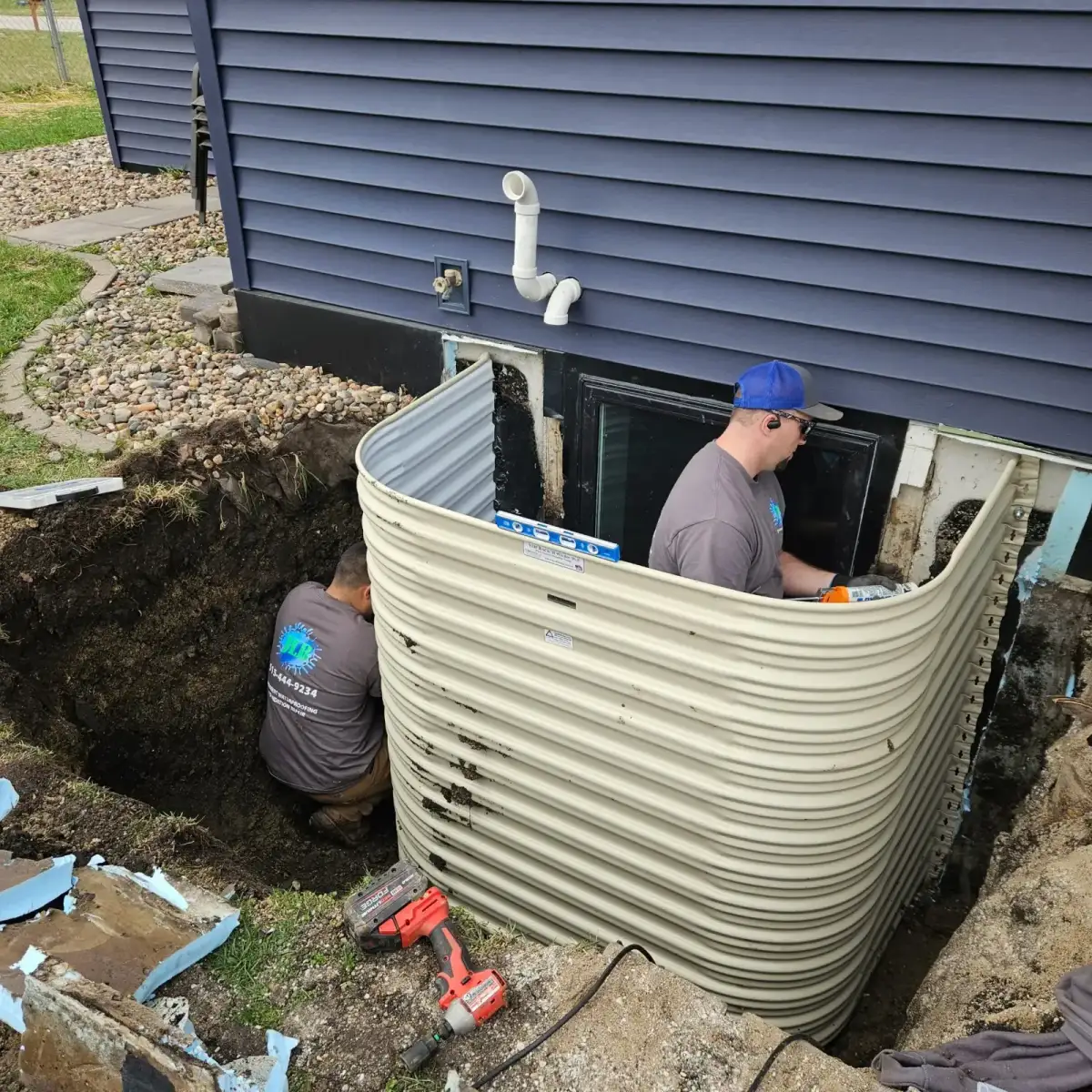
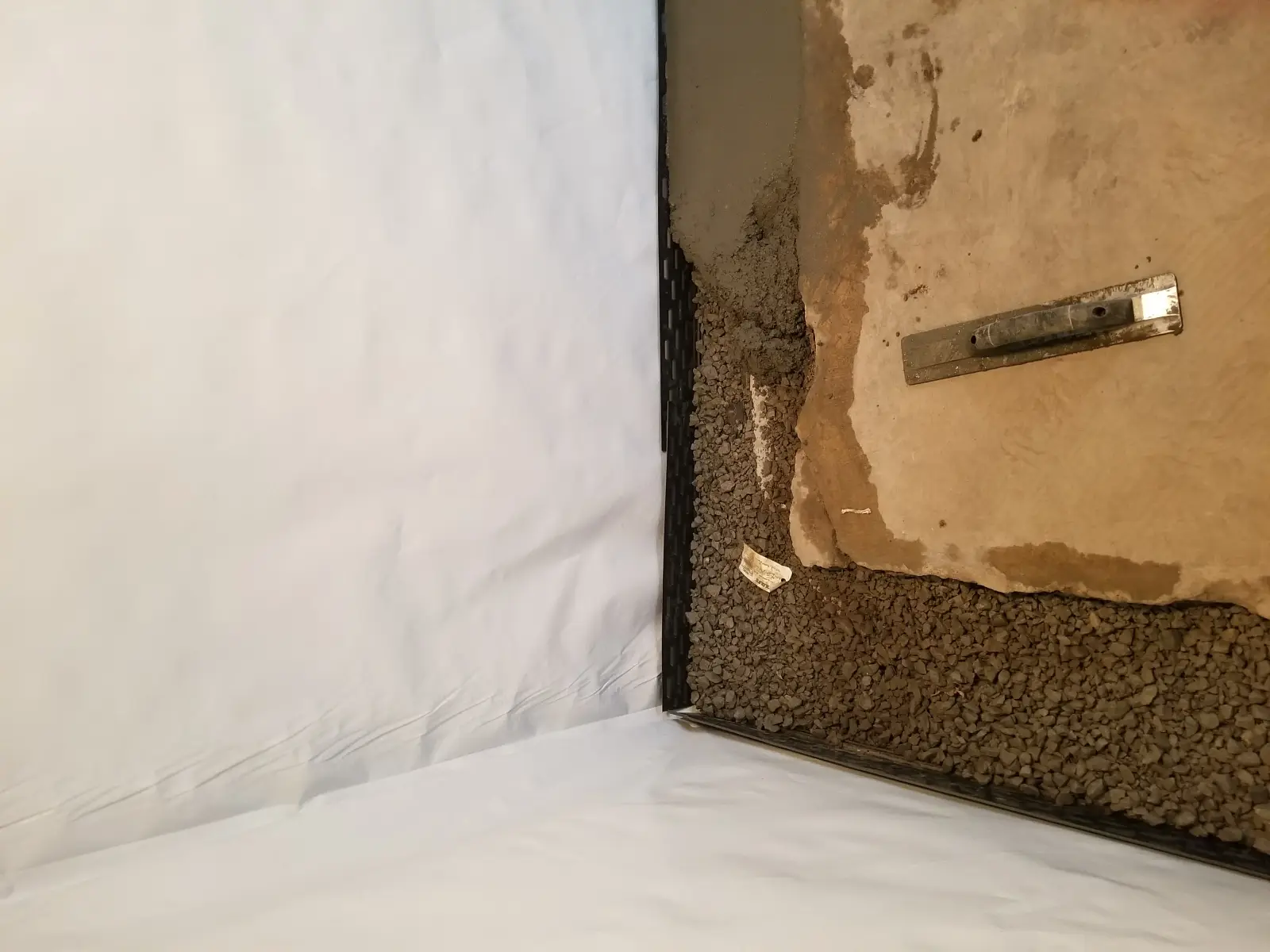
Real Projects. Real Results.
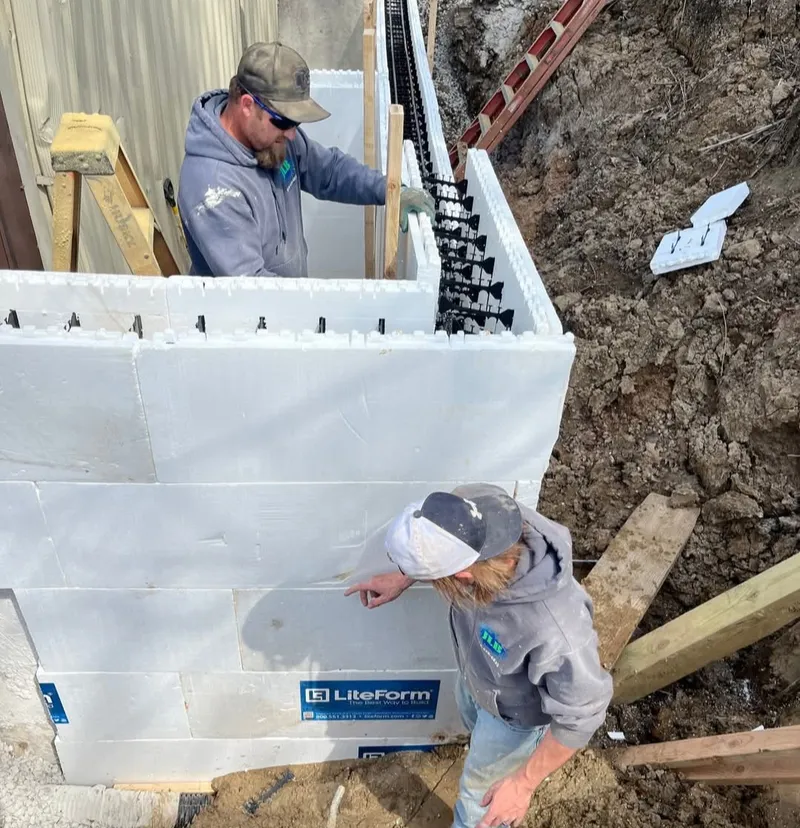
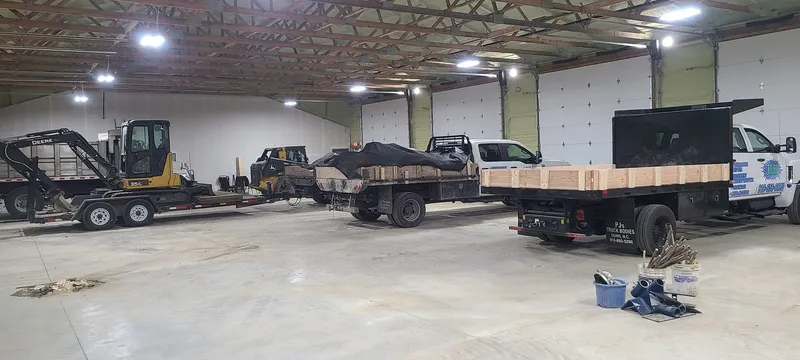
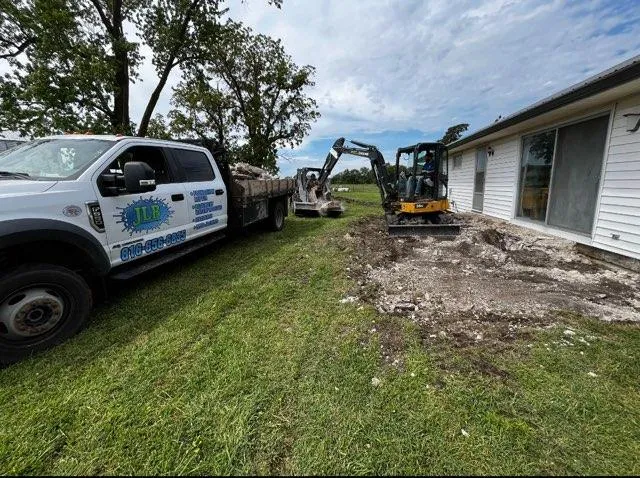
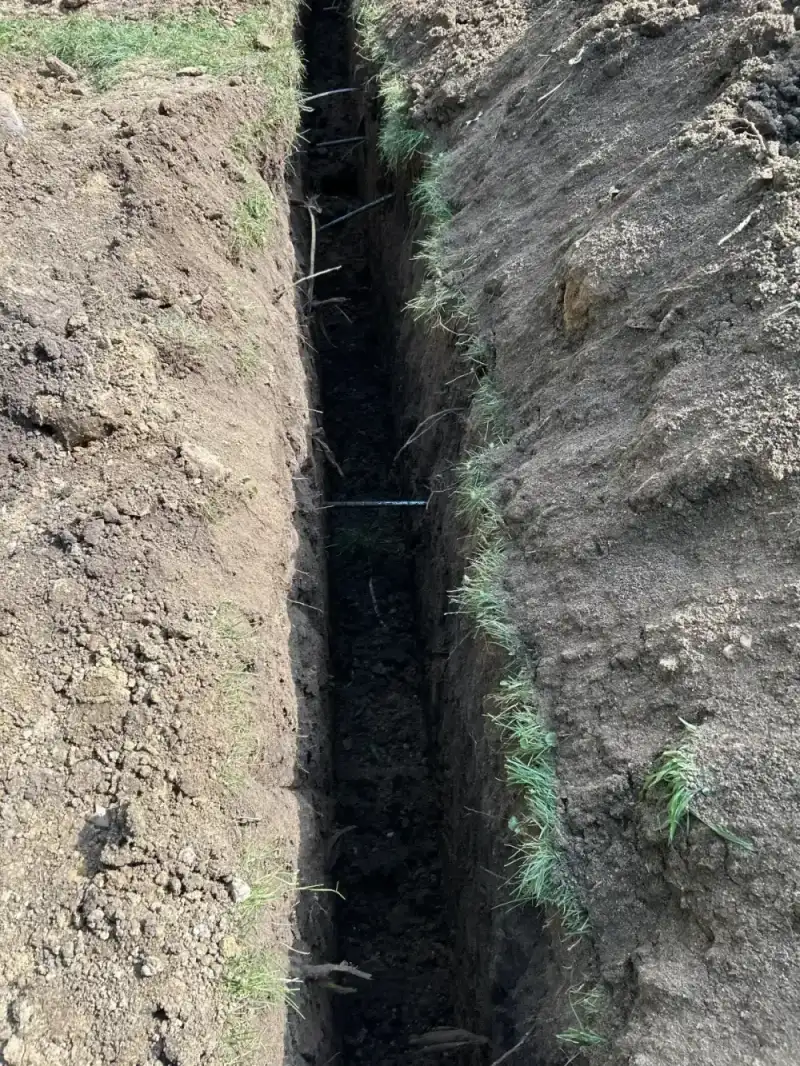
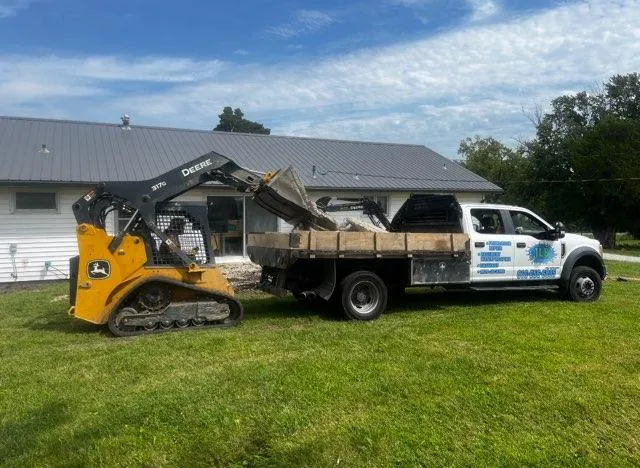
Every photo is from an actual JLB job site — not a stock photo. See the work we do every day across Kansas City and Des Moines.
Two Ways to Pay for It
12 Months Same As Cash
Pay the full balance within 12 months and you pay no interest.
Best if you can pay it off within a year.
5 Years at 6.99% APR
A lower monthly payment, spread over 60 months.
Best for bigger projects.
On approved credit. Ask for full terms at your free estimate.
Foundation Repair & Waterproofing Questions for Belton Homeowners
Homes built along Belton's 58 Highway corridor during the 1960s and 1970s typically have block or poured concrete foundations sitting directly on Cass County's Wymore-Ladoga clay complex. After 50–60 years of seasonal expansion and contraction in soil with 60–80% clay content, cumulative lateral pressure finally exceeds what the walls can resist. An 8-foot basement wall with a 4-foot water table endures roughly 250 PSF of hydrostatic pressure at its base, and combined earth-plus-water forces can exceed 800 PSF. The 100-plus freeze-thaw cycles Belton experiences each year compound this by wedging ice into existing micro-cracks. What looks like sudden damage is usually decades of stress reaching a tipping point. Carbon fiber straps ($350–$1,000 per strap) or wall anchors ($400–$700 each) can stabilize these walls when caught before displacement exceeds two inches.
The average Kansas City metro foundation repair project runs approximately $4,500, and Belton homes fall within that range depending on the scope. Push piers cost $1,250–$2,500 per pier, and most Belton homes with settling need 6–10 piers. Helical piers run $1,800–$3,000 each and work well for lighter structures or areas with variable soil depth — relevant in parts of Cass County where clay layers shift across a property. Wall stabilization using carbon fiber straps costs $350–$1,000 per strap, while steel I-beams range from $200–$500 per beam. A Belton home built in the 1960s with a bowing block wall and moderate settling might require both wall reinforcement and 4–6 piers, putting the total in the $5,000–$9,000 range. Every project depends on what the Cass County soil is doing beneath your specific foundation.
It works — but only when designed specifically for Cass County's Hydrologic Soil Group D conditions, which produce the highest runoff and lowest infiltration of any soil classification. Generic waterproofing approaches fail in Belton because they underestimate water volume. An interior drainage system with drain tile installed at $49–$59 per linear foot, connected to a properly sized sump system, manages the hydrostatic pressure that builds against your basement walls during Belton's peak rainfall months. May alone averages 5.7 inches of rain. Complete interior waterproofing systems in the Kansas City metro typically cost $4,000–$7,000, and the average project runs $3,708. The key for Belton homes is ensuring the drain tile capacity matches the volume that saturated Cass County clay — weighing 120–130 PCF — pushes against your foundation. Undersized systems overflow during the storms that matter most.
Belton's gently rolling terrain and Cass County's high-clay soil create a specific settling pattern. During dry periods, the clay contracts and voids form beneath slabs. During wet periods — especially May through June when rainfall peaks at 5.7 inches monthly — water fills those voids and softens the subgrade. The concrete settles unevenly as the weakened soil compresses under load. Belton's 36-inch frost depth adds another mechanism: freeze-thaw cycles heave slabs upward in winter, then they drop back onto disturbed soil in spring. Polyjacking addresses this by injecting expanding polyurethane foam beneath the slab to fill voids and re-level the surface. It's effective for Cass County conditions because the foam is moisture-resistant and won't degrade in saturated clay. The process takes hours, not days, and works on the driveways, garage aprons, and sidewalks common in Belton's 1960s–1980s subdivisions.
Many of Belton's 1960s–1980s ranch-style homes have vented crawlspaces that perform poorly on Cass County clay. The Advanced Energy study found that sealed crawlspaces maintain 52% relative humidity compared to 77% in vented ones — and mold growth begins above 60% RH. In Belton's climate with 42 inches of annual rainfall and clay soil that holds moisture against your foundation for weeks, a vented crawlspace pulls humid, contaminated air into your living space through the stack effect — roughly 40–50% of first-floor air originates from below. Encapsulation in Cass County typically costs $5,500–$8,000, with full-scope projects reaching $15,000 depending on size and drainage needs. The insulation materials used in encapsulation qualify for a federal 30% tax credit, which meaningfully offsets the cost. For Belton homes on Group D soil, encapsulation paired with interior drainage is the most reliable long-term moisture control strategy.
Belton's terrain is gently rolling — not flat enough for water to pond visibly, but not steep enough for it to drain quickly away from your foundation. This creates a deceptive situation where homeowners don't see standing water but Cass County's Group D clay holds moisture against basement walls for extended periods after rain events. Steep lots in northern metro cities shed water fast but generate high lateral pressure from saturated soil above the foundation. Flat lots in southern Raymore pond water at the surface. Belton's gentle grades do something more insidious: water migrates slowly through the clay, maintaining hydrostatic pressure at the wall base — up to 250 PSF with a 4-foot water table — for days or weeks after rainfall. Homes near downtown Belton and along Y Highway sit on terrain where original grading from the 1960s–1980s construction era has often settled, directing water toward foundations instead of away.
Request Your Free Belton Foundation Inspection
Describe what you're seeing — wall cracks, water intrusion, sticking doors — and we'll schedule a Belton-area assessment. Our team evaluates your home's foundation against Cass County soil conditions and provides a detailed, no-obligation repair plan.
Our Locations
We're always close enough to help — our crews are local to your area.
JLB Foundation Repair & Basement Waterproofing — Kansas City
111 NE 72nd St, Ste 111Kansas City, MO, 64119(816) 408-3651 View on Google Maps
Stop the Damage. Get Answers Today.
A free estimate takes 45 minutes and tells you exactly what's going on under your house — and exactly what it takes to fix it.