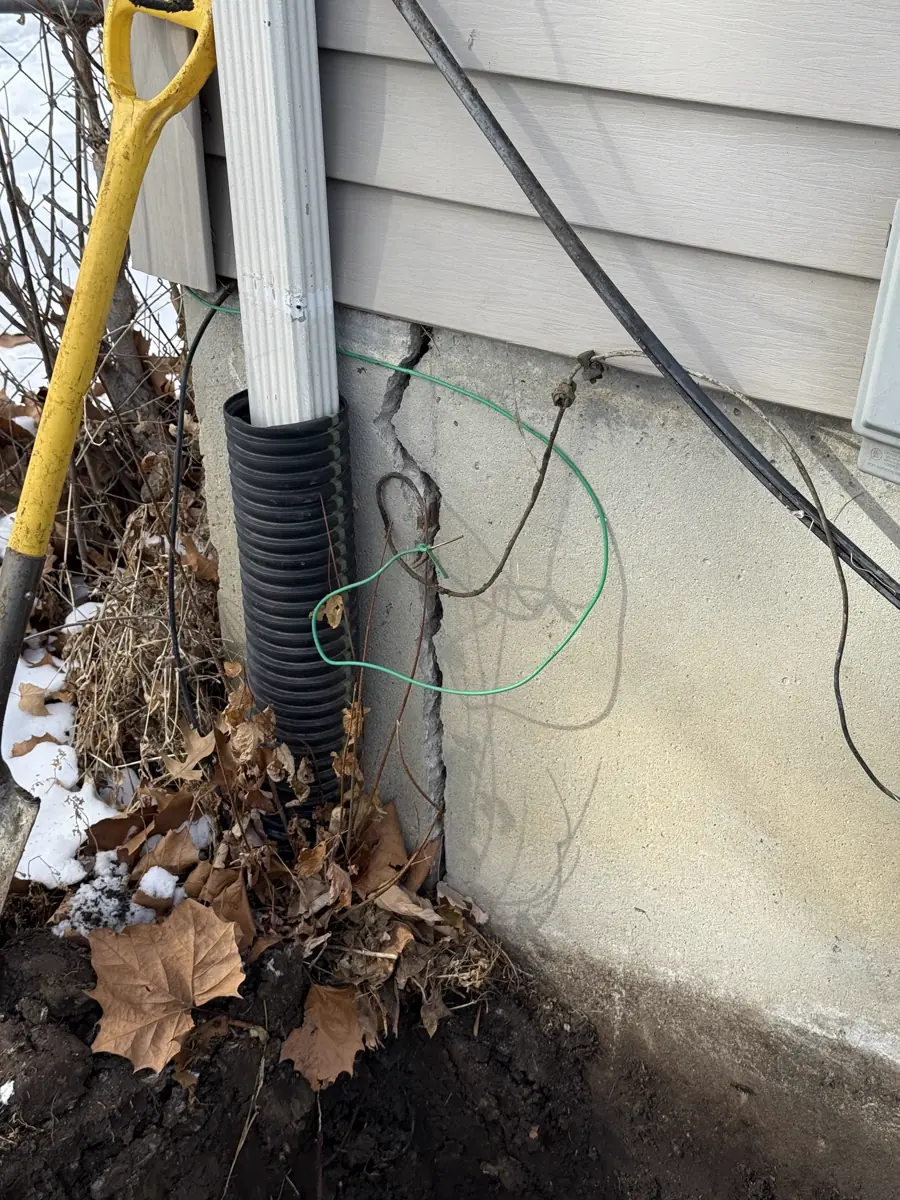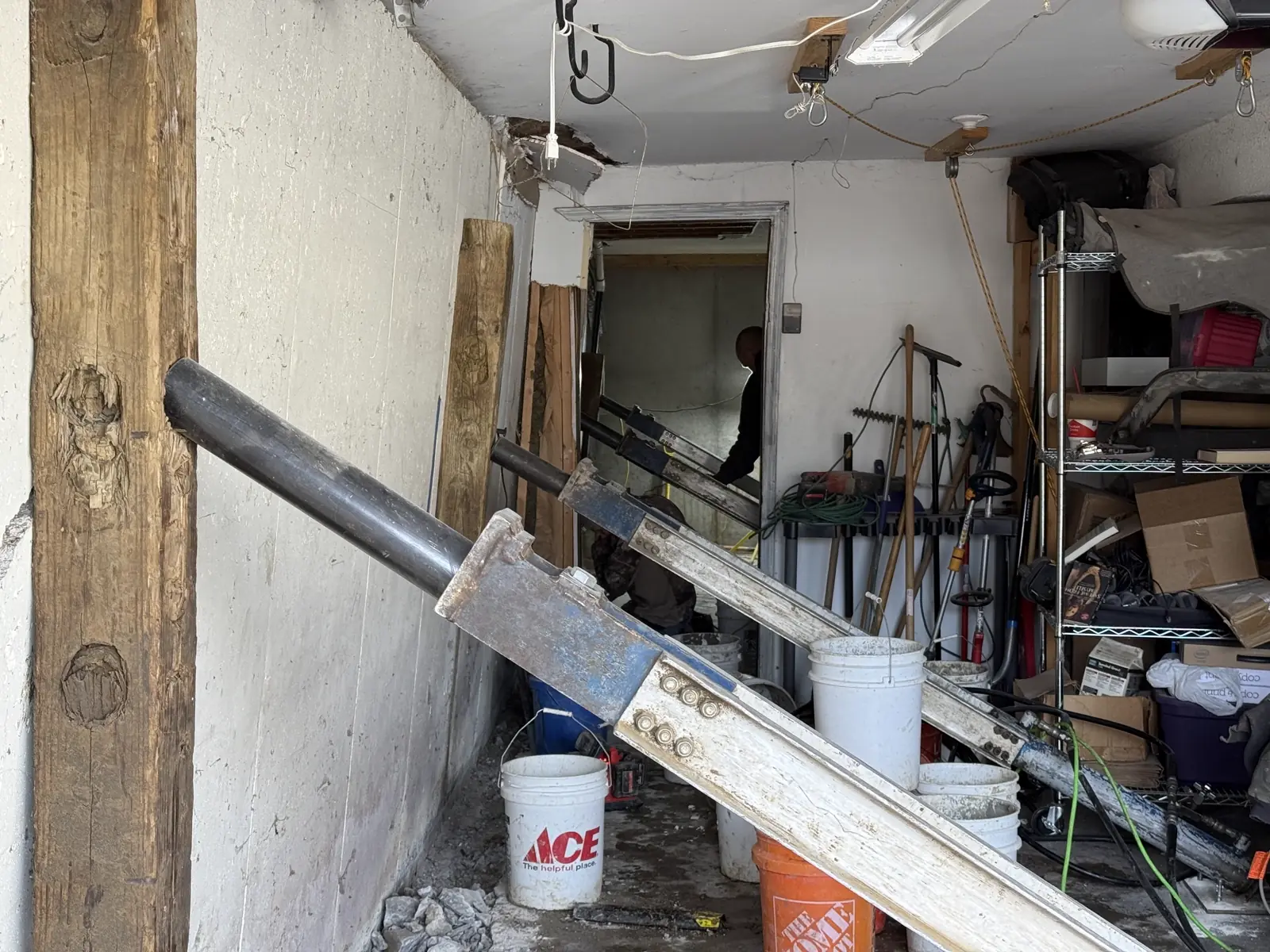
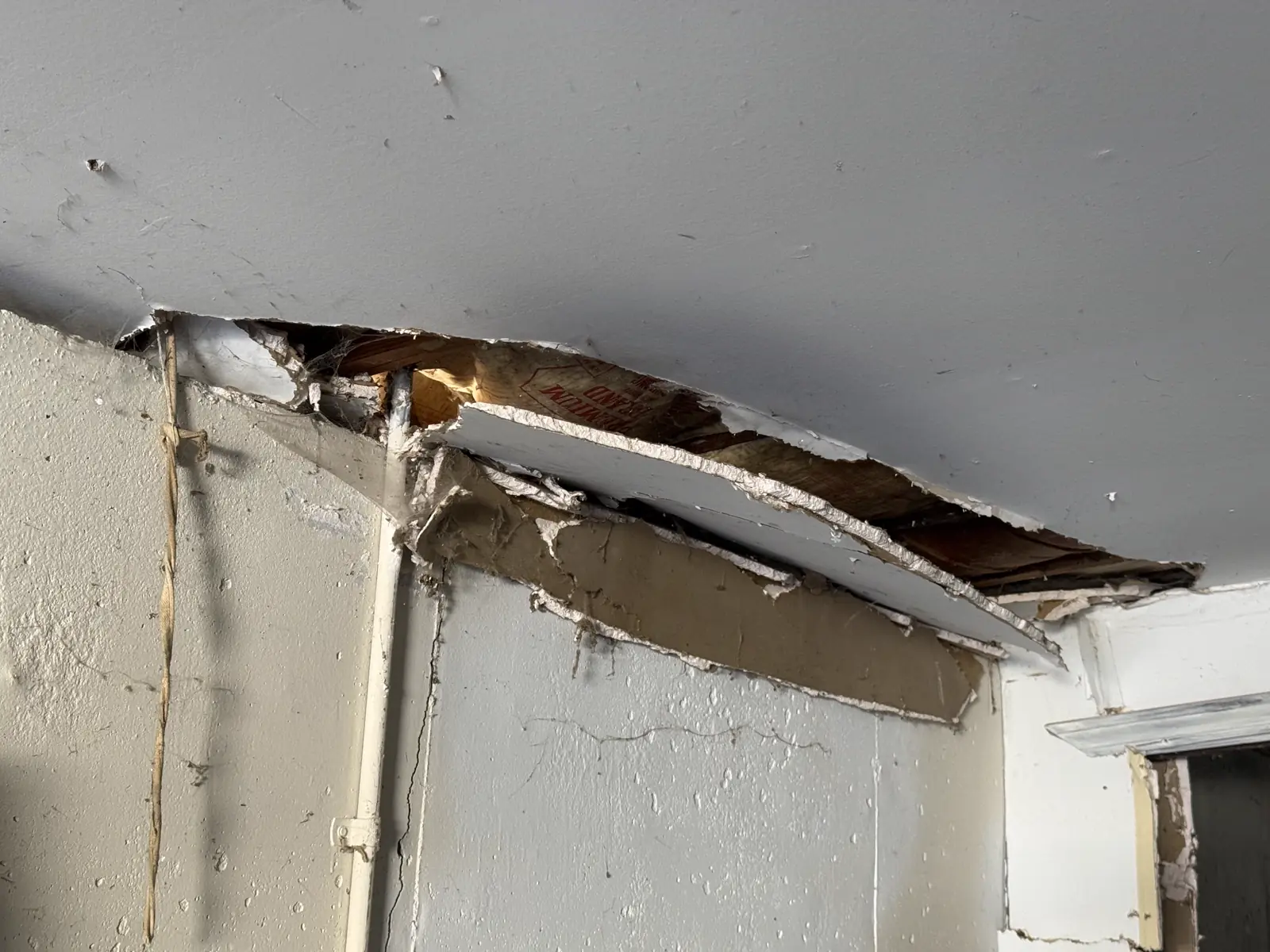
The signs inside this Lee's Summit home were hard to miss. The ceiling had pulled away from the basement wall, leaving a visible gap that ran nearly the full length of the room. Plaster was cracked and peeling around every corner, and the wall itself had a noticeable inward bow that you could see from across the room without even looking for it.
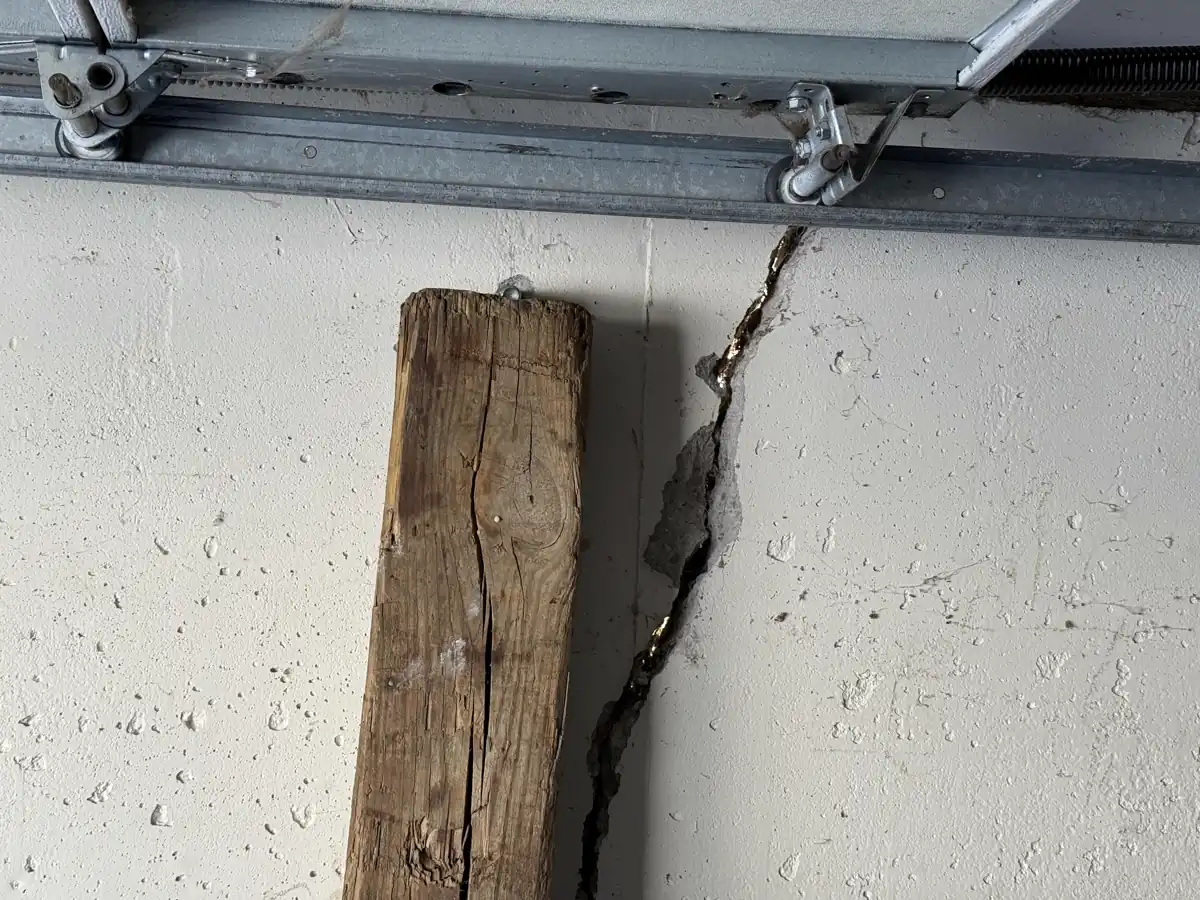
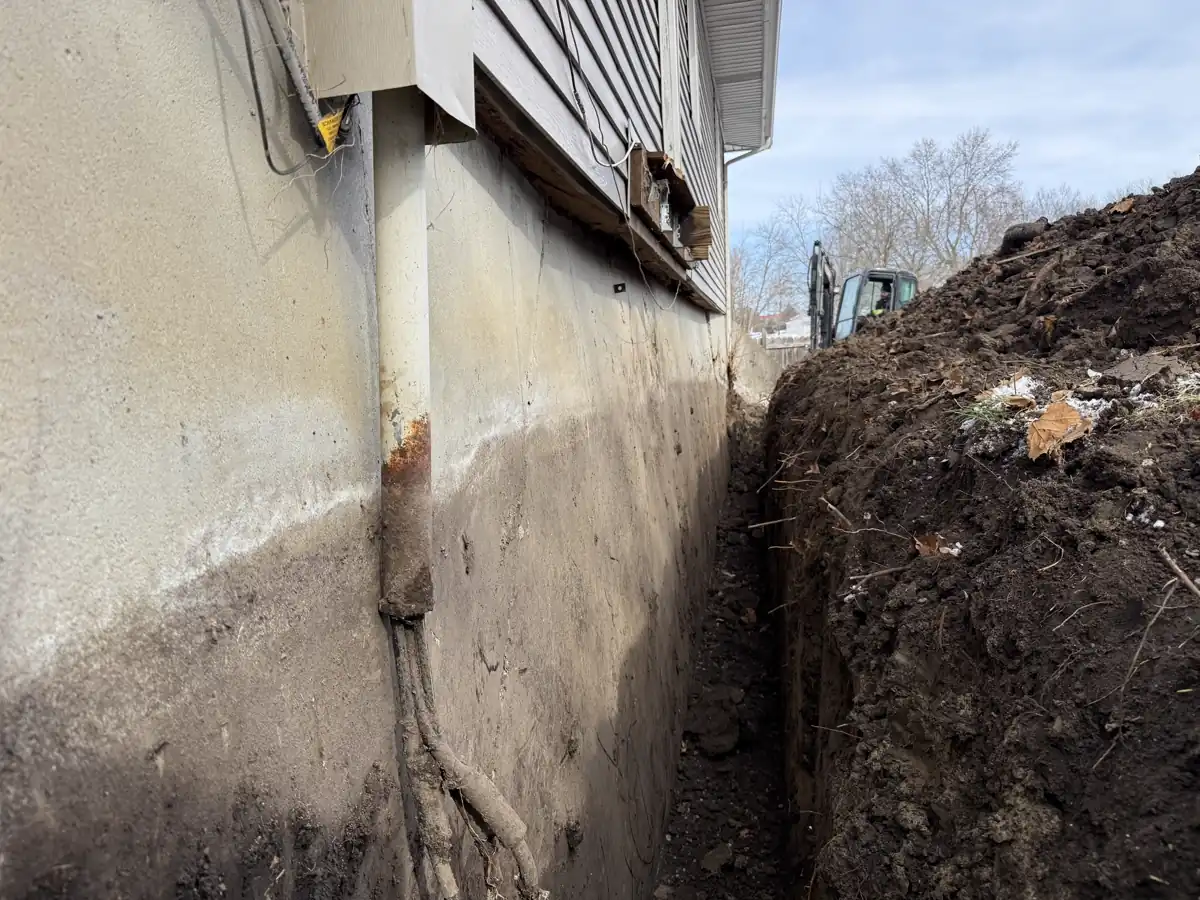
Lee's Summit homes built on Jackson County clay are especially vulnerable to this kind of lateral wall failure. The soil expands dramatically during wet weather, pressing against the exterior side of the basement wall with thousands of pounds of force per linear foot. Over years and decades, even a well-built wall will start to flex inward under that kind of sustained pressure — and this one had flexed well past the cosmetic-damage stage.
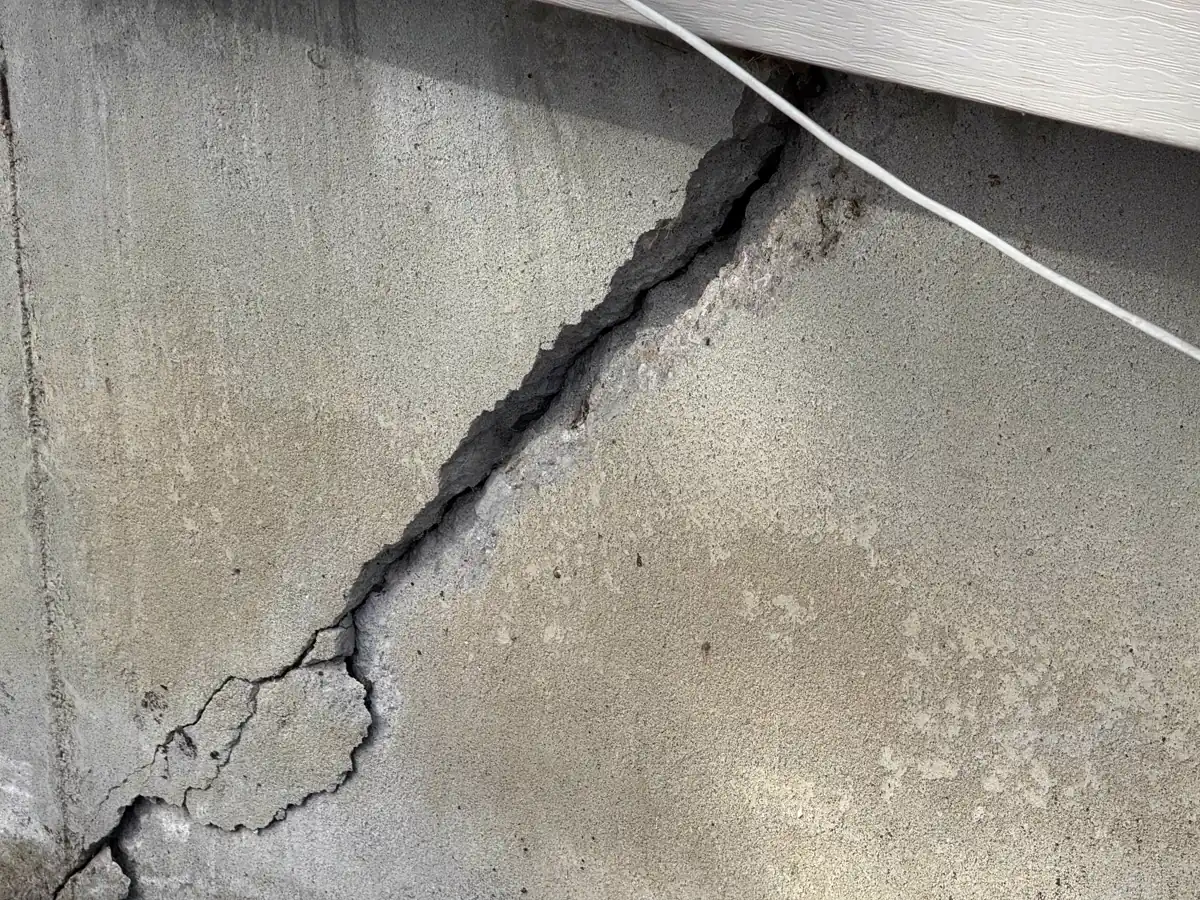
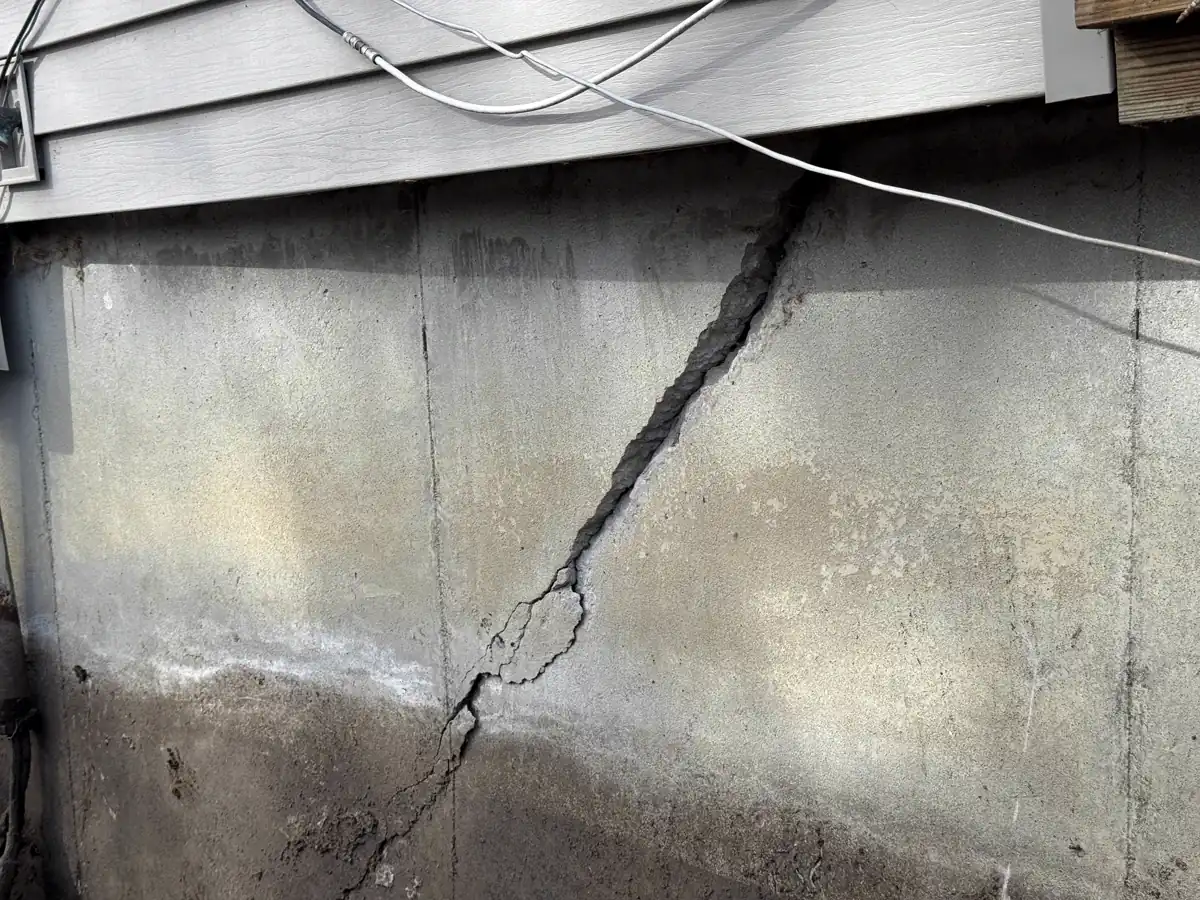
We installed steel wall anchors at regular intervals along the full length of the bowed wall. Each anchor ties the interior wall plate to an earth anchor embedded in stable soil well beyond the foundation. Once tensioned, the system creates a rigid connection that halts further inward movement and — with periodic tightening over the following seasons — gradually draws the wall back toward plumb.
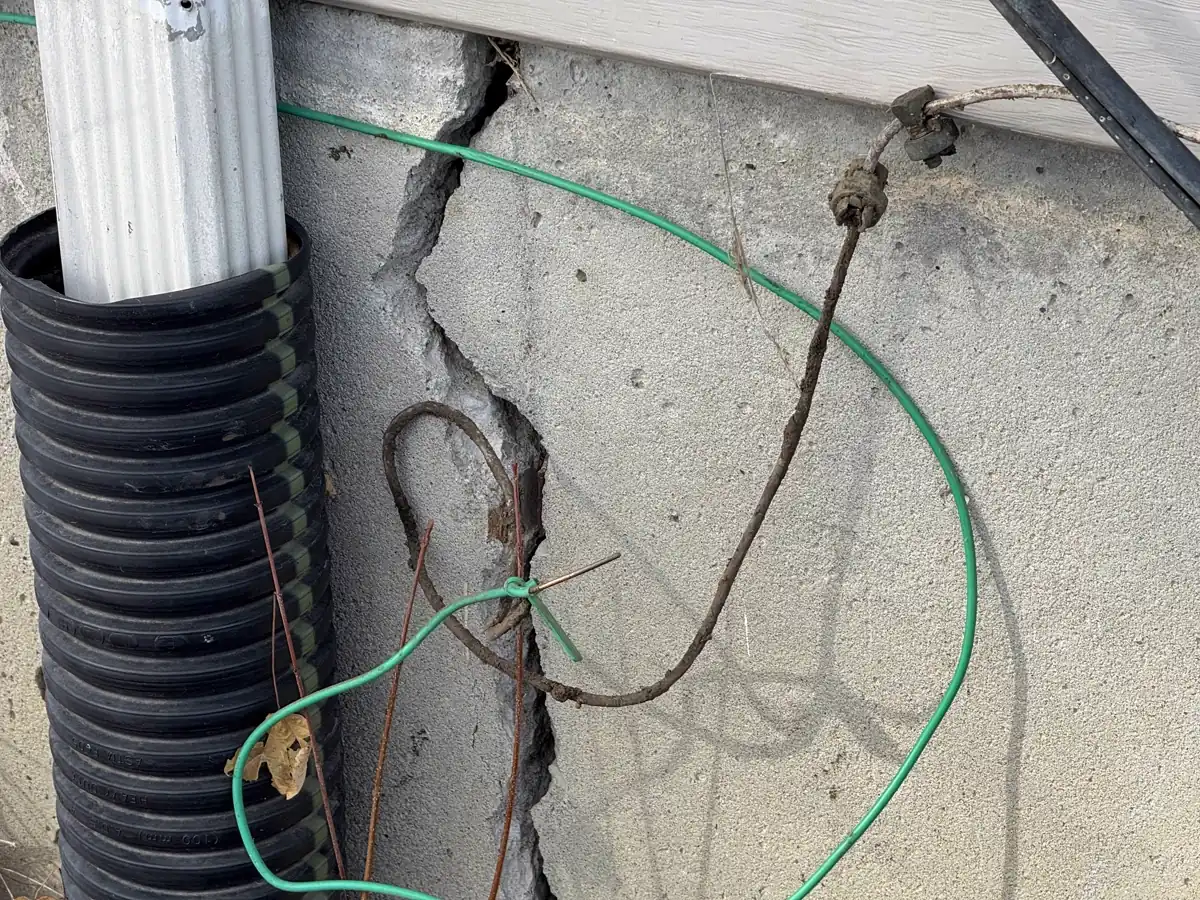
The ceiling gap closed significantly during the initial tensioning, and the homeowner can continue to tighten the anchor nuts seasonally to recover additional straightness as the soil cycles through wet and dry periods. This type of basement wall stabilization avoids the cost and disruption of full excavation. We also assessed whether sump pump and drainage upgrades were needed to reduce the hydrostatic pressure causing the bowing. See our Richmond 24-anchor repair for a similar engineered system.