The basement walls in this Liberty home were perpetually damp. Dark staining ran along both exterior walls, white mineral deposits crusted the block joints, and the musty smell hit you the moment you opened the basement door. The homeowner had tried sealant paints and a dehumidifier but nothing touched the root cause — water was pushing through the block wall from the outside.
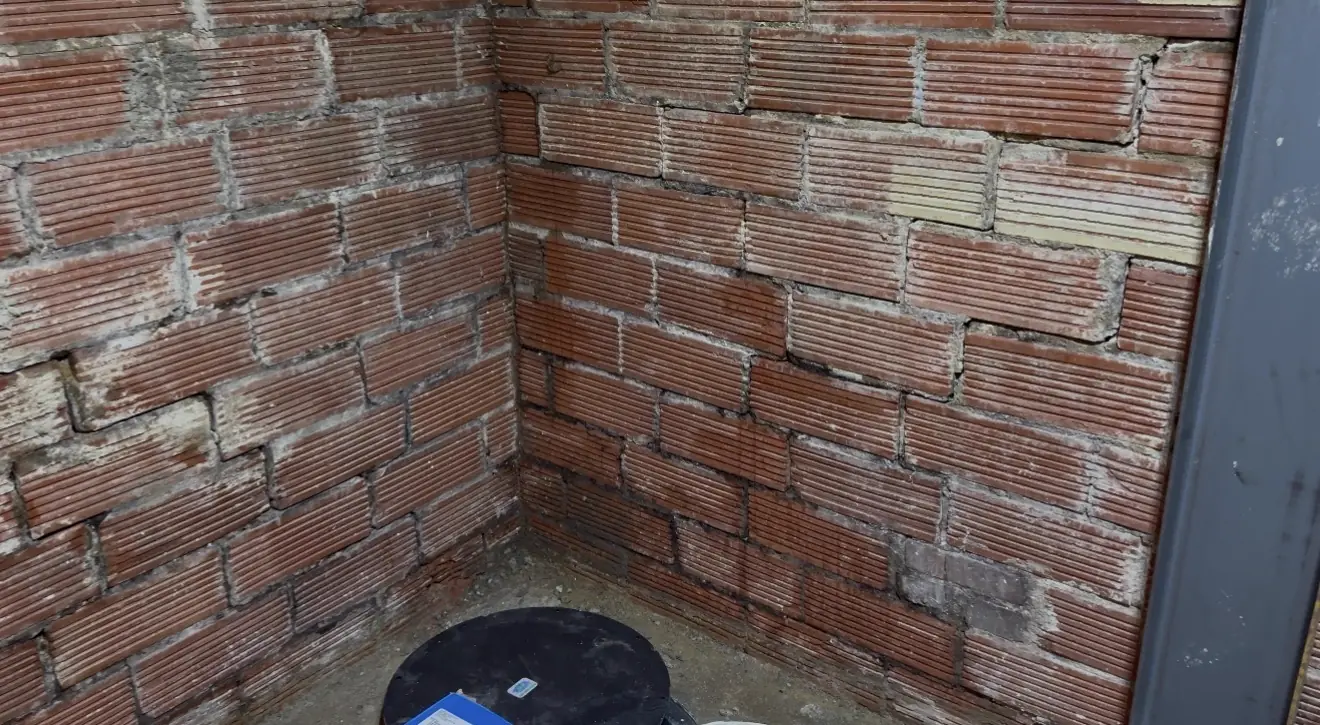
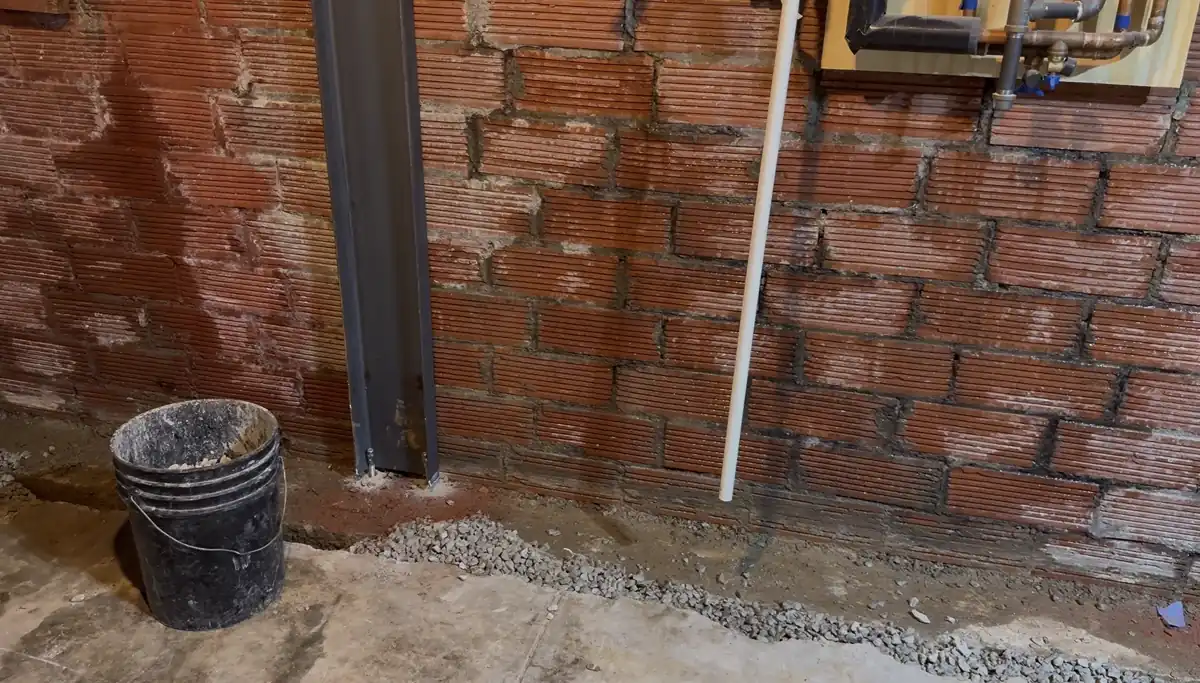
Liberty sits in Clay County where the heavy clay soil holds moisture like a sponge. Spring rains would saturate the ground around the foundation, and hydrostatic pressure would force water through every porous joint in the block wall. Without an interior drainage path, that water had nowhere to go except across the basement floor.
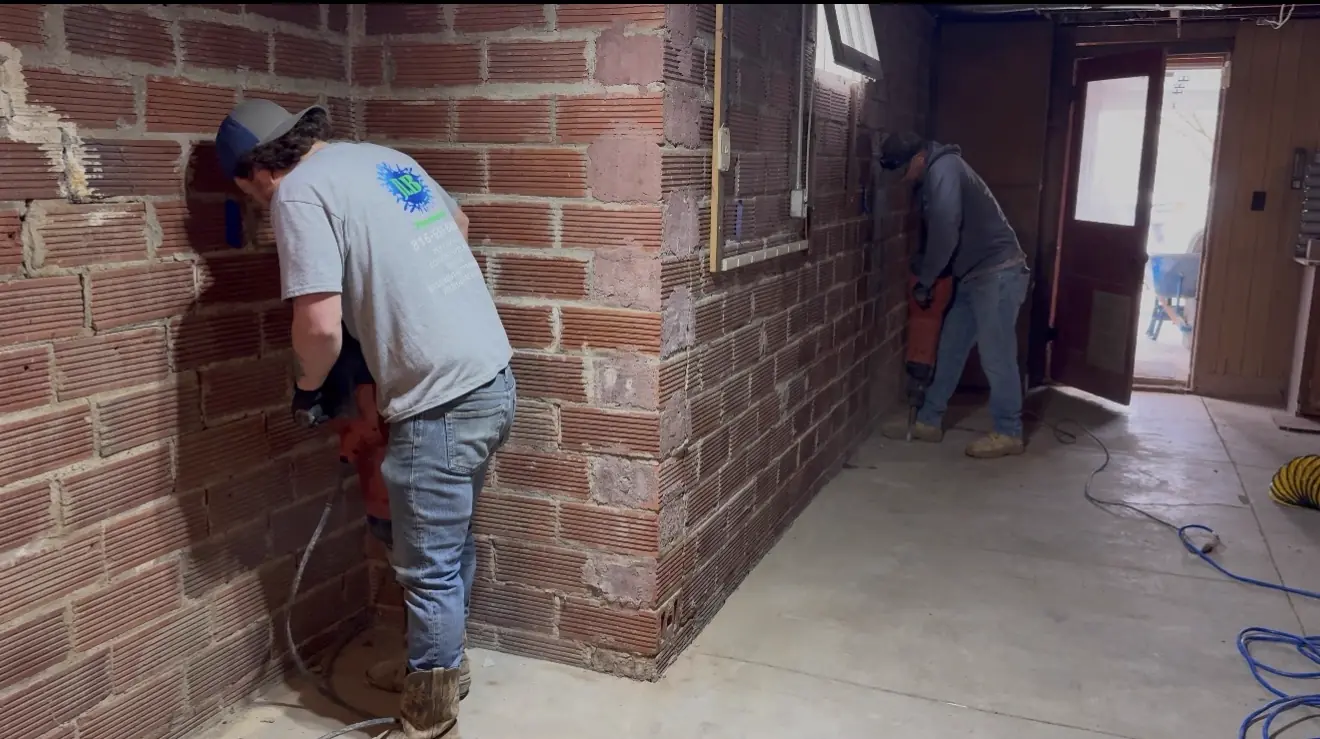
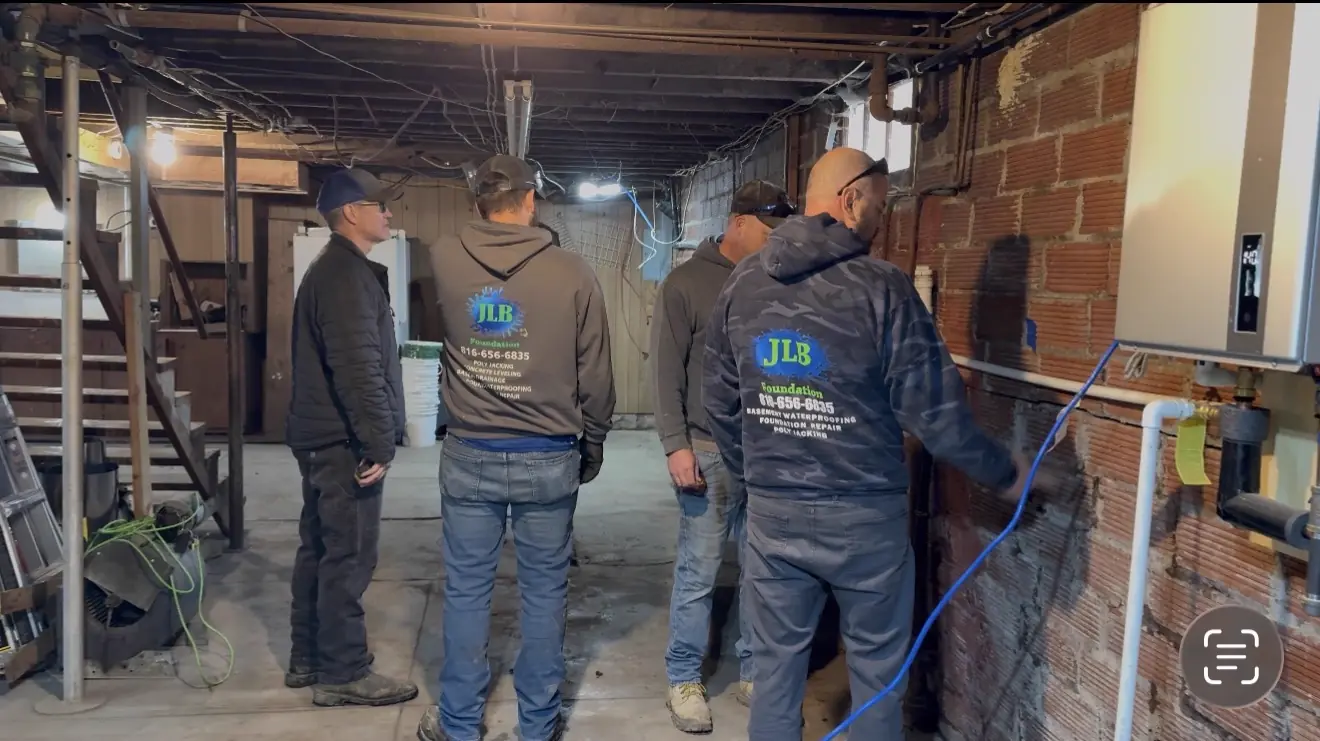
Our crew jackhammered a perimeter trench along both affected walls, installed interior drain tile bedded in washed gravel, and routed everything to a new sump pump location. The trench gives groundwater a clear path to the pump before it ever reaches the living space.
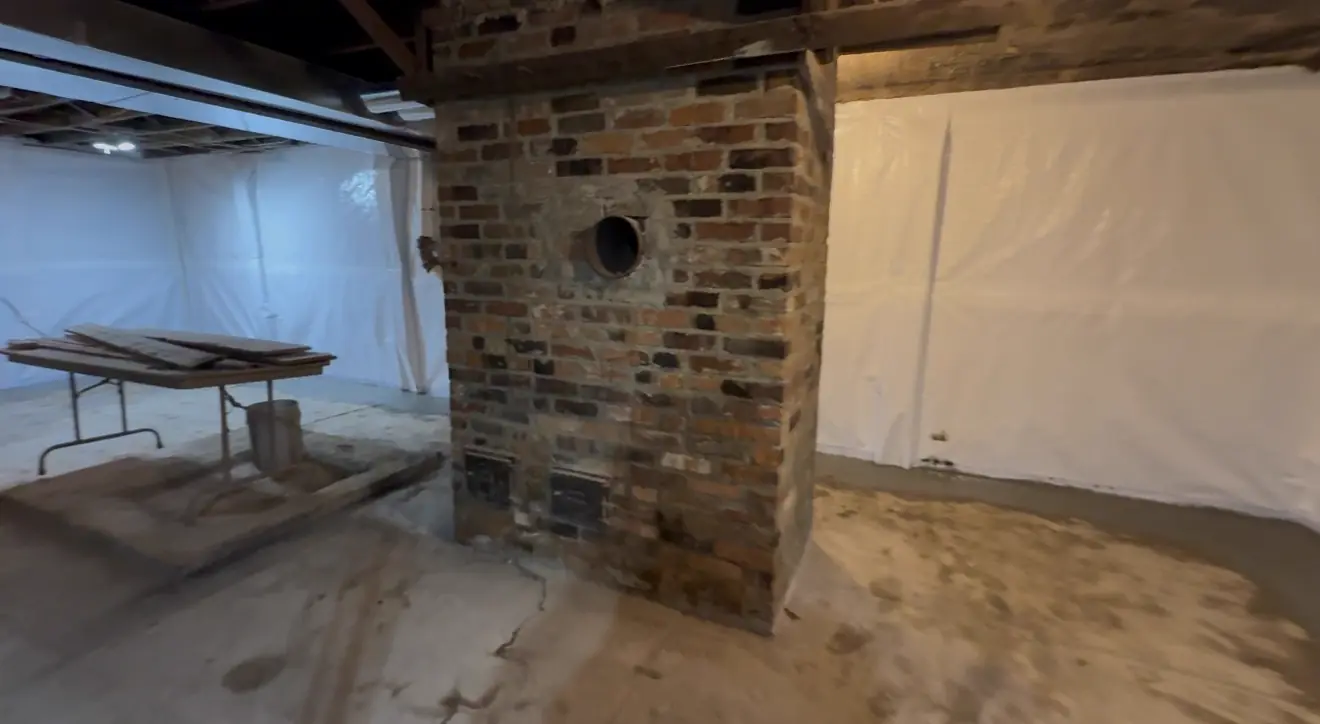
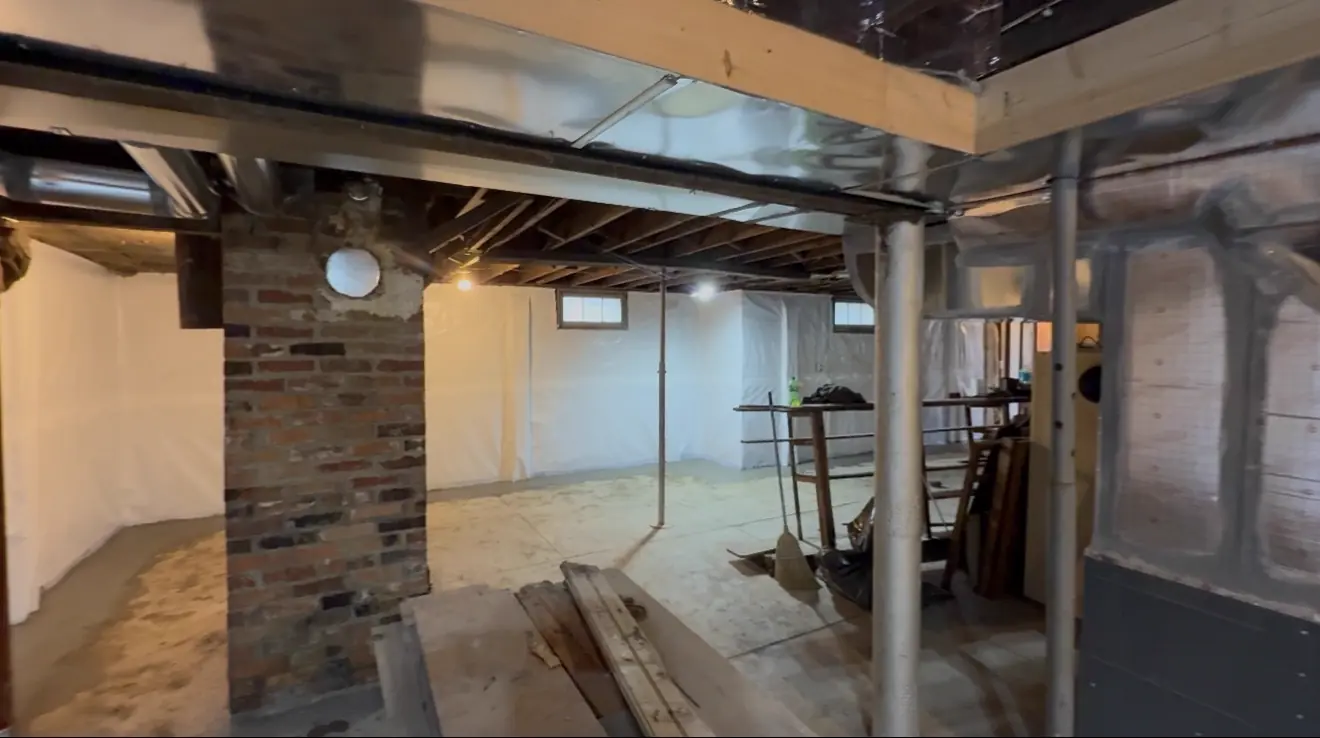
We sealed the trench with fresh concrete and cleaned up the wall surfaces. Within a week of installation, the homeowner said the musty smell was already fading — the first time in years. This system works with the water pressure instead of fighting it, which is why it's the industry standard for block wall basements in the KC metro. We also evaluated the downspouts and recommended extending them away from the foundation to reduce the volume of water reaching the walls in the first place. See our recent Urbandale drainage project for another example of managing water at the source.