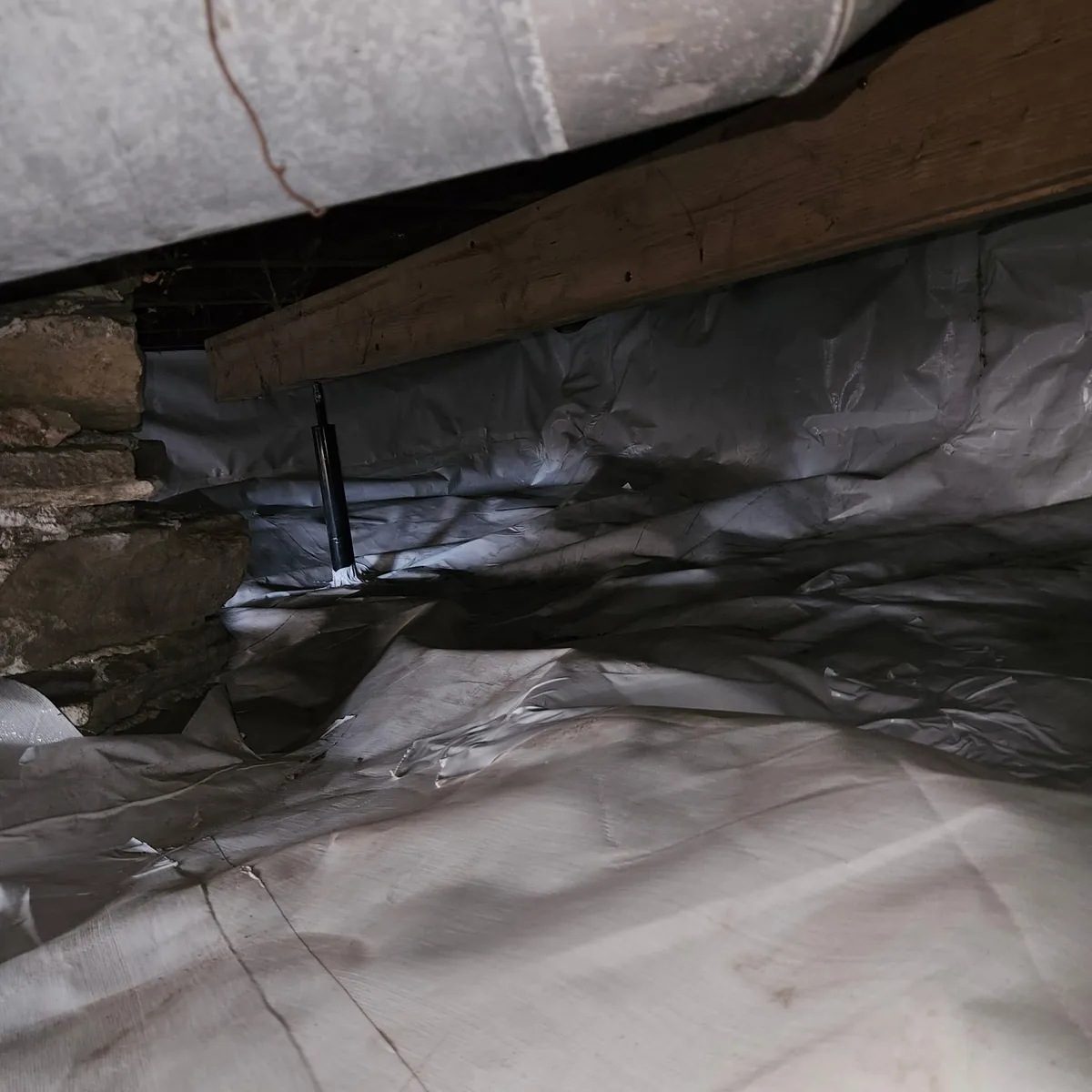
Crawlspace Encapsulation in Leavenworth, Kansas — Seal a Crawl the Glacial Till Wets Unevenly
Leavenworth doesn't sit on the metro's usual clay. The ground here is glacial till — an unsorted jumble of clay, silt, sand, and gravel — and it wets a crawlspace unevenly, soaking one corner while another stays dry. Add the river-bluff slopes and some of the oldest stone foundations in Kansas, and a Leavenworth crawl needs sealing on its own terms, not by a suburban template.
Free 45-Minute Analysis + Written Report
Get a precise analysis of your foundation and waterproofing situation, and a clear estimate on what any fixes or corrections might cost.
Takes 30 seconds. We'll call within 24 hours.
Thank You!
We'll be in touch within 24 hours.
Why is one corner of my Leavenworth crawlspace damp while another stays bone dry?
A Leavenworth crawlspace that's wet in one corner and dry in another isn't a mystery of the house — it's the ground. Most of the Kansas City metro sits on uniform expansive clay that wets and dries as one mass. Leavenworth doesn't. The soil here is Pawnee-series glacial till, an unsorted mix of clay, silt, sand, and gravel dropped by ancient ice, and it drains unevenly by nature. Water races through a sandy pocket and stalls in a clay zone a few feet away, so moisture reaches your crawl in patches. That's why the dampness moves around and never quite makes sense against the weather.
That heterogeneity is the whole signature of a Leavenworth crawl. Because the till's wet and dry zones sit right next to each other, a single crawlspace can have a chronically damp stretch of soil beside ground that looks fine, and the damp stretch can shift as the seasons load different pockets. A ground cover that isn't sealed continuously — one that just lies loose over the dirt — leaves those wandering wet spots free to evaporate up into the framing. The soil under a Leavenworth home has to be treated as one sealed surface precisely because you can't count on where it will be wet next.
The Missouri River bluffs add a direction to it. Many Leavenworth homes are cut into slope, and on a grade the water moving through that mixed till drifts downhill toward the low side of the foundation, loading the crawl on the bluff-facing wall. It's the same moisture, concentrated by terrain — the low corner of a bluff-side crawl is often the one that never dries.
Then there's the age of the housing, which is unlike anywhere else in the state. Leavenworth holds some of the oldest homes in Kansas, with stone and block foundations near Fort Leavenworth and the historic downtown dating back well over a century. Stone and old block are porous; they wick ground moisture and pass it through the wall, so in the oldest homes the crawl takes on humidity through the masonry as much as off the floor. South Leavenworth's newer poured-foundation subdivisions have more conventional crawls, but even there the till underneath behaves the same unpredictable way.
However the moisture gets in, the house moves it upstairs. Warm air rising through the living space pulls crawl air up through joist gaps and the wall the crawl shares with a cellar or basement — the stack effect — carrying the crawl's damp, earthy air, and any soil gas off the exposed ground, into the rooms above. The comfort and air-quality symptoms Leavenworth owners notice — a musty main floor, a lower level that never feels dry, a cold floor over the crawl — start in that unevenly wet ground.
JLB seals a Leavenworth crawl as one continuous system rather than patching the damp spot of the moment. We close the foundation vents, fit a reinforced liner across the whole soil surface and up the walls — detailed to irregular stone in the historic homes and sealed to the block or poured wall in the newer ones — and spray-foam both the crawl and the adjoining cellar or basement so the connected spaces are sealed together. A right-sized dehumidifier then holds the space dry no matter which pocket of till is wet that month. That dual-zone step is the differentiator: where a crawl and an old cellar share air, foaming one and leaving the other lets the wicking wall keep feeding moisture back. The full sequence is on the crawlspace encapsulation page.
Sequence matters most on the bluff lots. Where slope is driving real water downhill into the crawl, drainage gets corrected first with drainage and waterproofing, so the liner seals a managed floor instead of trapping water on the low side. On cost, a full Leavenworth encapsulation typically runs into the four figures and moves with the size of the crawl, the amount of stone or bluff drainage work involved, and whether a dehumidifier and dual-zone foam are included; the closed-cell insulation portion may qualify for a federal energy-efficiency tax credit. Because glacial till varies foot to foot, an exact figure genuinely needs an on-site look.
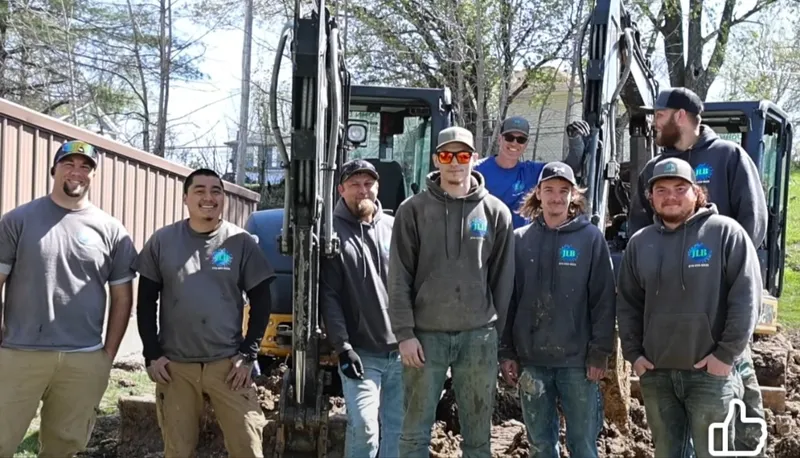
Meet the Team Serving Leavenworth
JLB is a local crew — not a franchise. We handle crawlspace encapsulation across Leavenworth and the Kansas City metro. Watch to see who shows up at your door.
Watch Crawlspace Encapsulation Work in Leavenworth
Two Ways to Pay Over Time
12 Months Same As Cash
Pay the full balance within 12 months and you pay no interest.
5 Years at 6.99% APR
A lower monthly payment, spread over 60 months.
On approved credit. Ask for full terms at your free estimate.
Foundation and water problems rarely get cheaper while they wait.
How Do You Know Your Leavenworth Crawlspace Needs Encapsulation?
Adding a dehumidifier to a vented crawlspace is like running the AC with the windows open. Leavenworth crawlspaces that still have open vents pull in humid Kansas City summer air that condenses on cooler surfaces below. The fix isn't more equipment — it's sealing the space off from outdoor air entirely and controlling what's inside.
Musty Smell Throughout the House
It's not "just an old house smell." That odor is mold and mildew from your crawlspace rising through the floor and circulating through your entire home. In Leavenworth's climate, musty crawlspace air rises into the living space through a process called the "stack effect" — what's below affects everything above.
Unusually High Humidity Indoors
If your home feels clammy even with the AC running, your crawlspace is pumping moisture into the living space. The stack effect pulls that damp air upward all day. In Leavenworth's older homes, sticking doors and windows often mean the foundation has shifted enough to rack the entire frame — a sign the problem is structural, not cosmetic.
Cold Floors in Winter
Freezing floors above the crawlspace mean zero insulation and open air exchange. You're heating the outdoors through the gap beneath your feet. Sloping floors in Leavenworth homes usually mean the foundation beneath has settled unevenly — a structural issue, not a cosmetic one.
Visible Mold in the Crawlspace
If you can see it on the joists, subfloor, or vapor barrier (if there even is one), the mold colony is established. It's releasing spores into your home continuously. In Leavenworth's climate, musty crawlspace air rises into the living space through a process called the "stack effect" — what's below affects everything above.
Standing Water or Damp Soil
A wet crawlspace is a mold factory, a wood rot incubator, and a pest magnet. Nothing good happens when there's water under your house. Leavenworth's stone foundations are porous by nature — water penetrates through the stone itself, not just the joints.
Sagging or Bouncy Floors
Moisture damage weakens floor joists and subfloor over time. If your floors feel soft or bouncy, the structural wood beneath them may be compromised. Sloping floors in Leavenworth homes usually mean the foundation beneath has settled unevenly — a structural issue, not a cosmetic one.
Is your Leavenworth crawlspace costing you money?
An open crawlspace is an open invitation for moisture, mold, and energy loss. Most Leavenworth homeowners don't realize up to 40% of the air they breathe comes from below the floor. A free crawlspace inspection reveals what's really going on down there.
Four Steps to a Sealed Crawlspace
From "I'm afraid to look down there" to "it's cleaner than my garage" — here's how we do it.
Crawlspace Inspection
We go in, assess moisture levels, check for mold and wood damage, measure humidity, and identify water entry points. You get photos and a full report.
Custom Encapsulation Plan
Based on your crawlspace's size, moisture level, and condition, we design the right combination of vapor barrier, drainage, insulation, and dehumidification.
Complete Encapsulation
Our crew installs the full system — vapor barrier, spray foam, drainage (if needed), and dehumidifier. Most crawlspace projects complete in 2–4 days.
Clean, Dry, Protected
Your crawlspace is sealed, insulated, and climate-controlled. No more mold, no more moisture, no more cold floors. The air quality in your entire home improves.
Who Provides Crawlspace Encapsulation in Leavenworth?
Leavenworth is a close-knit community of about 37000, and we treat it that way. Our Kansas City area crew handles every job in Leavenworth personally — the same team that inspects your home is the same team that does the work. No subcontractors, no handoffs.
Call (816) 408-3651“Our crawlspace was a nightmare — standing water, mold on the joists, and you could smell it upstairs. JLB installed drainage, a vapor barrier, and spray foam. The musty smell was gone within a week. Our energy bill dropped $80/month.”
Why Do Leavenworth Homeowners Choose JLB for Crawlspace Encapsulation?
We earn trust the old-fashioned way: honest inspections, fair pricing, and repairs that last.
Licensed in Kansas & Missouri
JLB is fully licensed to perform crawlspace encapsulation work in both Kansas and Missouri. For Leavenworth homeowners in Leavenworth County, that means we handle the Leavenworth County permit applications, coordinate inspections, and ensure code compliance from start to finish.
Dual-Zone Encapsulation
Most contractors seal either the crawlspace or the basement. In Leavenworth, JLB spray foams both — for twice the moisture and energy protection at a lower combined cost than doing one alone. Tight, damp crawl spaces are exactly where our insured crews do their best work.
Small-Town Accountability
In Leavenworth, reputation is everything. We show up when we say we will, we do the work right, and we stand behind it with a transferable warranty. Every job gets our full attention.
Financing for Older Homes
Older homes often need larger repairs that can strain a household budget. We offer flexible financing plans specifically so Leavenworth homeowners with older, damp crawl spaces can get the work done now — before another season of moisture buildup makes it worse.
Real Projects. Real Results.
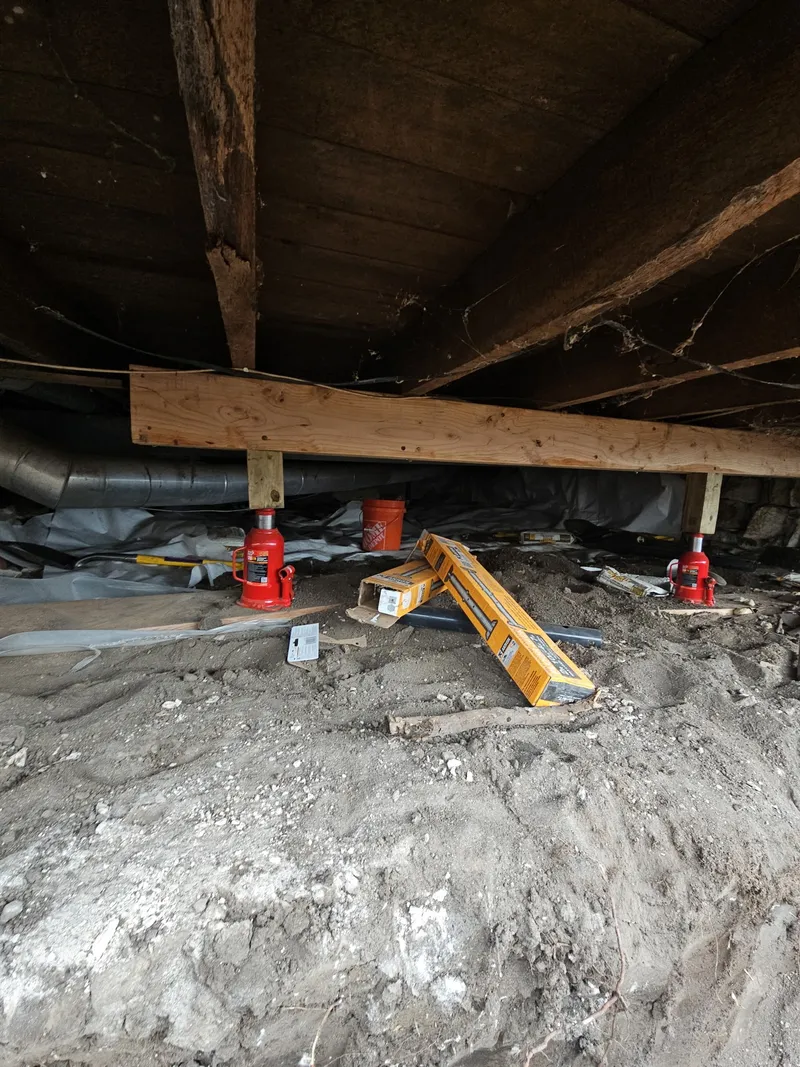
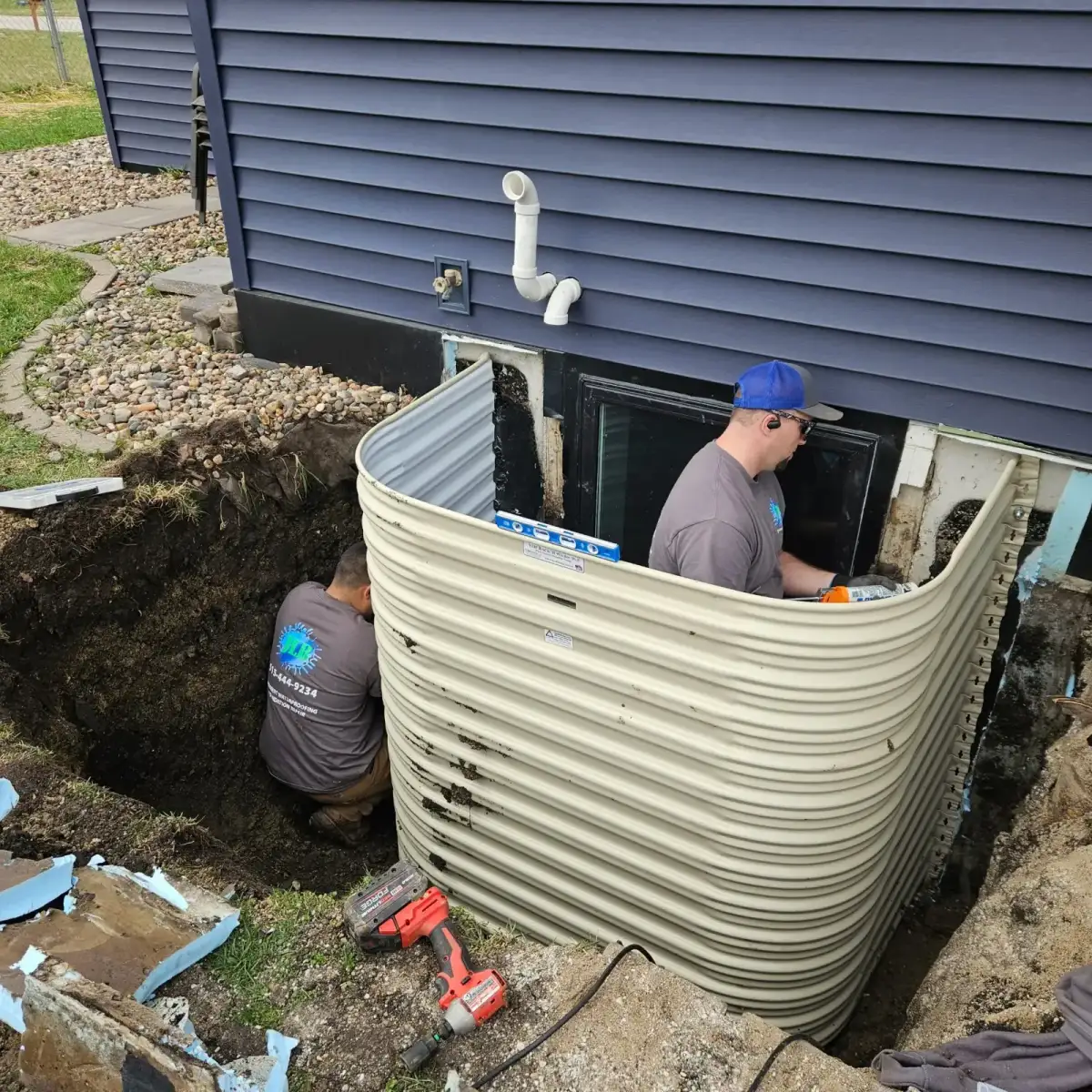
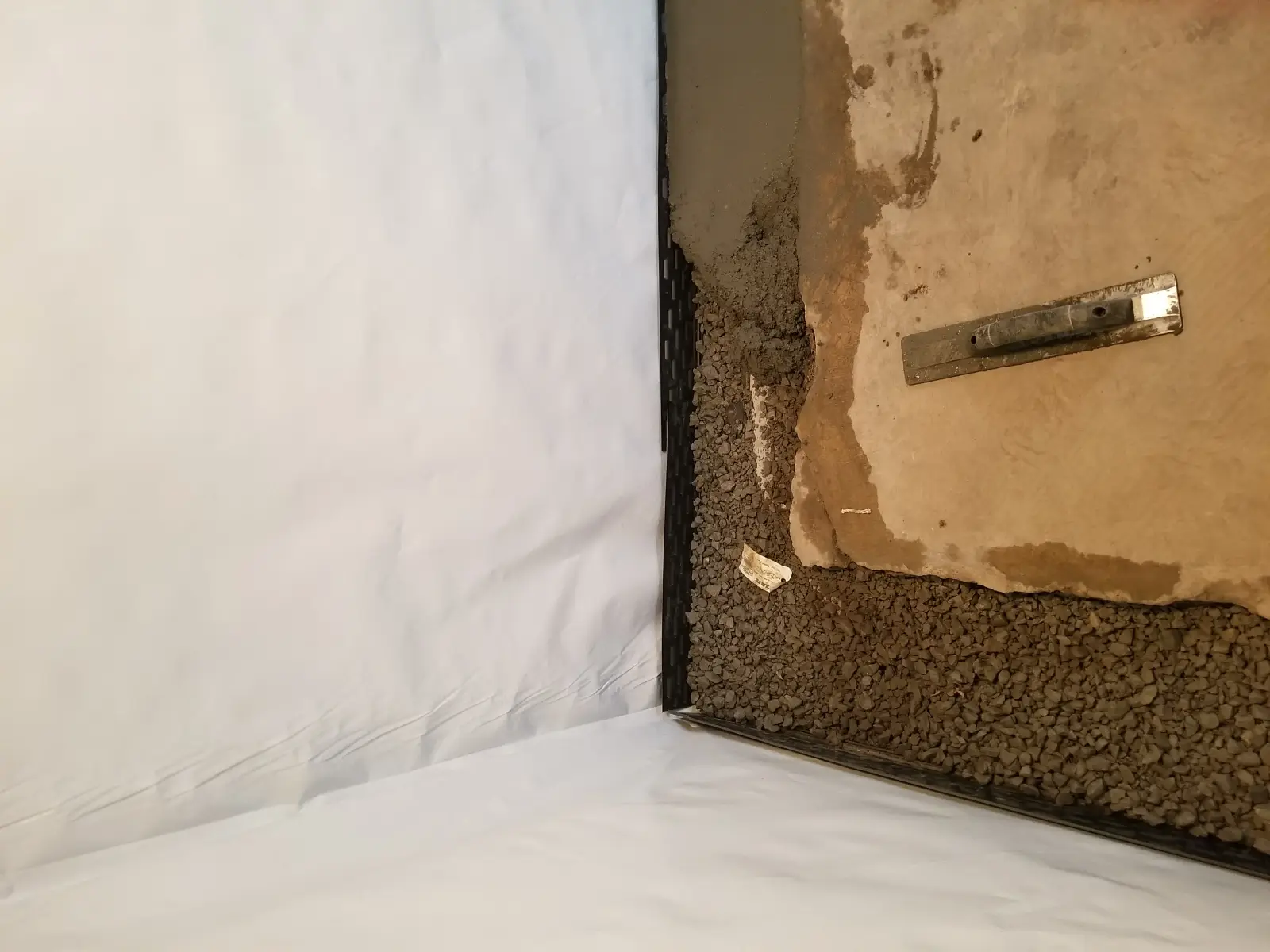
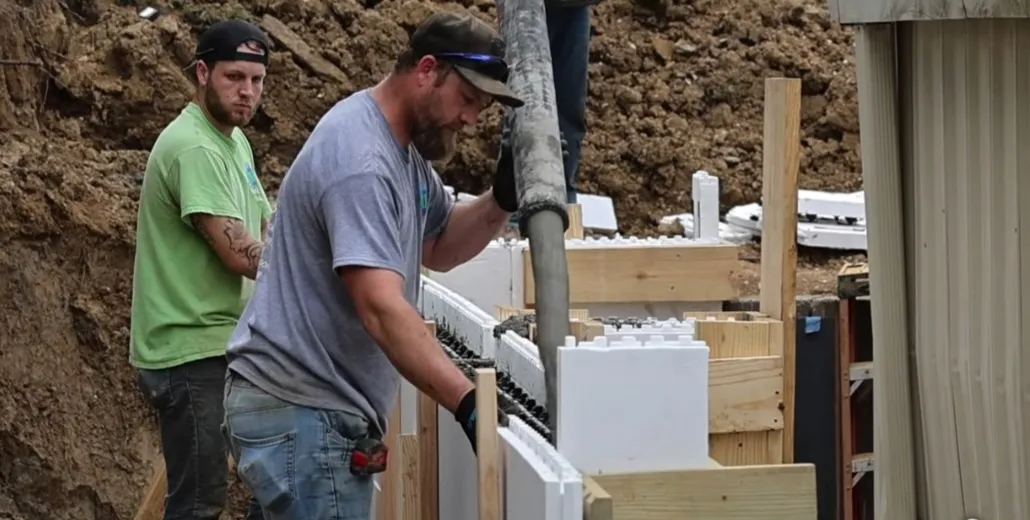
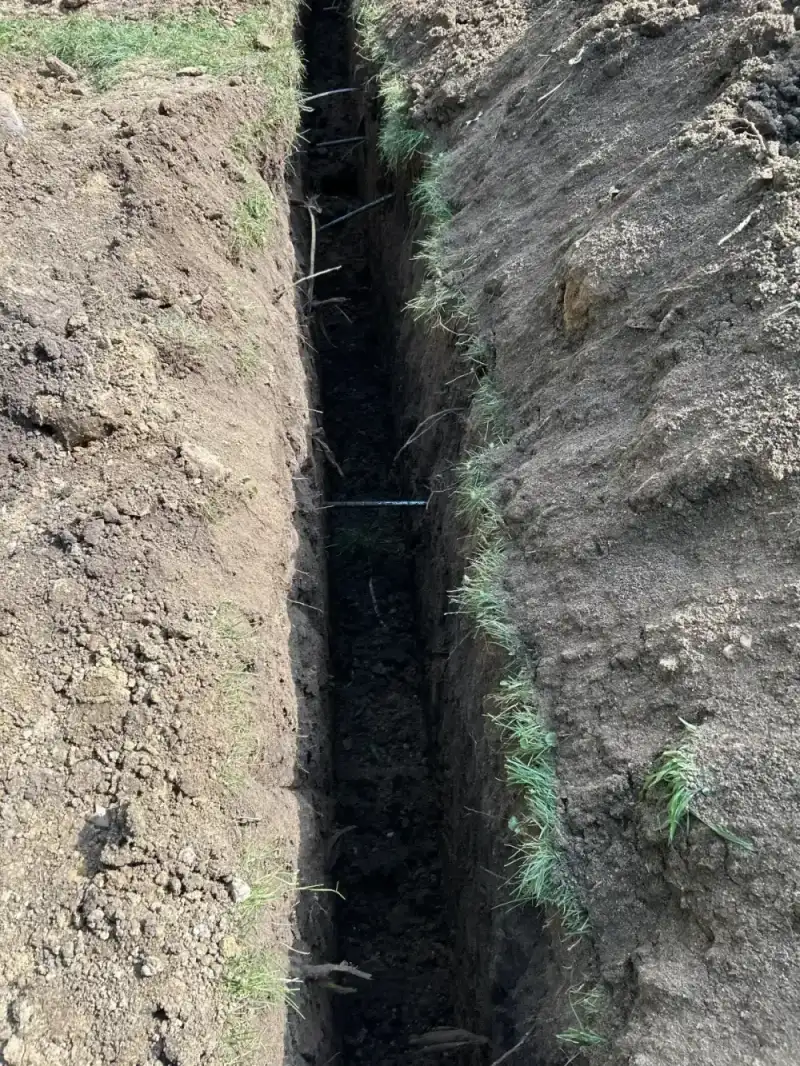
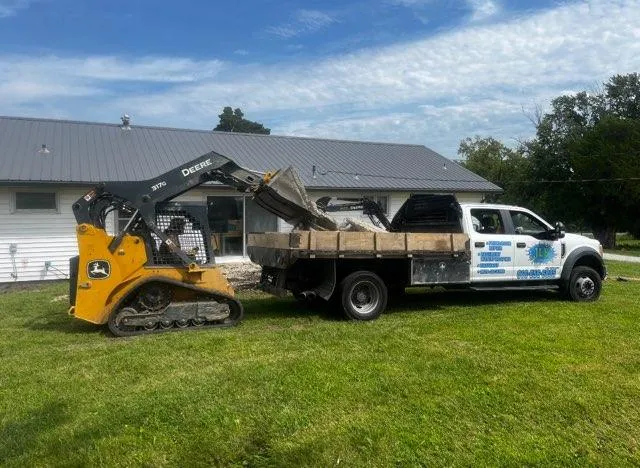
Every photo is from an actual JLB job site — not a stock photo. See the work we do every day across Kansas City and Des Moines.
What Does Crawlspace Encapsulation Cost in Leavenworth, KS?
Older Leavenworth homes were built with vented crawlspaces — a design we now know causes chronic moisture problems in Leavenworth County's climate. Encapsulation seals the space and reverses decades of damage. Here's what it typically costs.
| Component | Typical Cost Range | Notes |
|---|---|---|
| Vapor barrier only (basic) | $1,500–$4,000 | Minimum protection; 6-mil or 12-mil polyethylene |
| Standard encapsulation (barrier + dehumidifier + insulation) | $5,000–$10,000 | Most common package for KC/DSM homes |
| Advanced encapsulation (with drainage + sump + mold remediation) | $10,000–$15,000+ | Homes with existing moisture/mold problems |
| Dehumidifier installation (add-on) | $800–$1,500 | Commercial-grade crawlspace unit; essential for Midwest humidity |
| Spray foam insulation (add-on) | $1.50–$3.50 per sq ft | JLB includes spray foam for BOTH crawlspace and basement |
| Per square foot (total project) | $3–$10 per sq ft | Depends on scope and existing conditions |
JLB spray-foams both the crawlspace AND the basement for twice the protection at a lower combined cost than competitors who only do one. Call (816) 408-3651 (KC) or (515) 717-8560 (DSM) for a free estimate.
Two Ways to Pay for It
12 Months Same As Cash
Pay the full balance within 12 months and you pay no interest.
Best if you can pay it off within a year.
5 Years at 6.99% APR
A lower monthly payment, spread over 60 months.
Best for bigger projects.
On approved credit. Ask for full terms at your free estimate.
Foundation and water problems rarely get cheaper while they wait.
Crawlspace Encapsulation Questions for Leavenworth
Because Leavenworth sits on glacial till instead of the uniform clay found across most of the metro. Pawnee-series till is an unsorted mix of clay, silt, sand, and gravel, and it drains unevenly — water moves fast through a sandy pocket and stalls in a clay zone right beside it. So moisture reaches your crawlspace in patches rather than evenly, and the damp stretch can even move from season to season as different pockets load with water. That's why the soil has to be sealed as one continuous surface: you can't reliably predict where it will be wet next.
The suburbs to the south sit on Wymore-Ladoga clay, a uniform expansive soil that wets and dries as a single mass. Leavenworth County sits on Pawnee-series glacial till — a jumble of clay, silt, sand, and gravel deposited by ancient ice. The practical difference for a crawlspace is predictability: clay is uniformly wet or dry, while till is patchy, draining freely in some spots and trapping moisture in others just feet away. A crawlspace approach borrowed from a Johnson County home doesn't account for that, which is why we seal the whole floor continuously rather than treating an average moisture level.
On a bluff lot the terrain gives the moisture a direction. Water moving through the mixed glacial till drifts downhill on a slope, drawn toward the low side of the foundation, so the bluff-facing wall and the low corner of the crawl collect what the whole grade sheds. That's usually the stretch that never dries. On these lots the drainage has to be corrected first so the slope stops delivering water to the low side, and then the crawl is sealed — sealing over a wall that's still taking on hillside water just traps it underneath.
Yes, though not with the flat-wall method used on newer homes. Leavenworth has some of the oldest housing in Kansas, and the stone and block foundations near Fort Leavenworth and downtown are porous — they wick ground moisture and pass it through the wall, so the crawl takes on humidity through the masonry as much as off the floor. Encapsulation here means a reinforced liner cut and fitted to the irregular stone and across the soil, sealed and fastened, plus closed-cell foam to complete the envelope. It's more hand-work than a poured-wall crawl, but it's very doable and it's what stops old masonry from breathing the ground into the house.
Because in the older homes a crawl and an adjoining stone cellar or basement share air, and sealing one while leaving the other keeps a moisture source in play — a wicking stone wall or damp cellar will feed humidity right back into a crawl you just sealed. JLB's dual-zone approach spray-foams both spaces in one visit so the entire connected lower level is sealed together. On Leavenworth's historic masonry foundations, where the walls themselves are part of the moisture path, treating both zones is what actually holds — and it costs less than hiring separate trades to do the pieces.
It depends on the size of the crawl, whether the foundation is historic stone or newer poured concrete and how much wall detailing that takes, whether the lot is a bluff that needs drainage correction, and whether the job includes a dehumidifier and dual-zone foam. As a general guide a full Leavenworth encapsulation runs into the four figures and rises as those pieces are added. The closed-cell insulation portion may qualify for a federal energy-efficiency tax credit. Because glacial till varies so much from one lot to the next, an exact number needs an on-site look, which JLB provides free.
Not Sure What You're Dealing With?
Click any symptom below to learn what it means, what's likely causing it, and how we can help. Most of these are more common — and more fixable — than you'd think.
Diagonal, stair-step, or horizontal cracks in drywall, plaster, or brick usually trace back to soil movement beneath your foundation. The heavy clay soils in the Kansas City and Des Moines metros expand and contract seasonally, which can shift your foundation over time. The good news: this is very fixable with the right approach.
Water entering through floor joints, wall cracks, or seeping through porous concrete means groundwater pressure is pushing moisture into your basement. An interior drainage system and sump pump can solve this permanently — and we can usually have it done in a day or two.
When a foundation settles unevenly, it can shift your home's frame just enough to make doors and windows bind. This is one of the earlier signs of foundation movement — and catching it early often means a simpler, less expensive repair.
That musty smell is moisture. Up to 40% of the air in your home rises from below — from your crawlspace and basement. If there's excess humidity down there, it affects your whole home. Encapsulation seals it out, and you'll notice the difference in your air quality right away.
Floors that slope toward the center or an exterior wall usually mean the support structure underneath needs attention. Push piers can stabilize your foundation and often lift it back to level — giving your floors a second life.
When soil washes out or compacts beneath a concrete slab, the slab drops and becomes uneven. Polyjacking uses expanding polyurethane foam to fill the void and lift the concrete back to grade — usually in under a day, with no heavy equipment needed.
Water collecting near your foundation means your grading or drainage isn't directing water away effectively. French drains, regrading, extended downspouts, and drain pipes can redirect water away from the house — protecting your foundation for the long haul.
A basement wall that has bowed more than 2 inches inward, shifted off its footing, or shows multiple structural cracks may have moved beyond what bracing can fix. When carbon fiber straps, I-beams, or wall anchors are not enough, the wall needs to be removed and rebuilt with reinforced concrete. This is the last resort — but it is the permanent fix when the wall itself is compromised.
Free Crawlspace Estimate in Leavenworth
We'll inspect your crawlspace for moisture, mold, insulation gaps, and structural concerns. JLB's dual spray-foam approach seals both the crawlspace and the basement for twice the protection. Fill out the form or call us at(816) 408-3651.
Where Else Does JLB Provide Crawlspace Encapsulation?
Our Locations
We're always close enough to help — our crews are local to your area.
JLB Foundation Repair & Basement Waterproofing — Kearney
24011 State Rte 92Kearney, MO, 64060(816) 656-6835 View on Google Maps
JLB Foundation Repair & Basement Waterproofing — Kansas City
111 NE 72nd St, Ste 111Kansas City, MO, 64119(816) 408-3651 View on Google Maps
Stop the Damage. Get Answers Today.
A free estimate takes 45 minutes and tells you exactly what's going on under your house — and exactly what it takes to fix it.