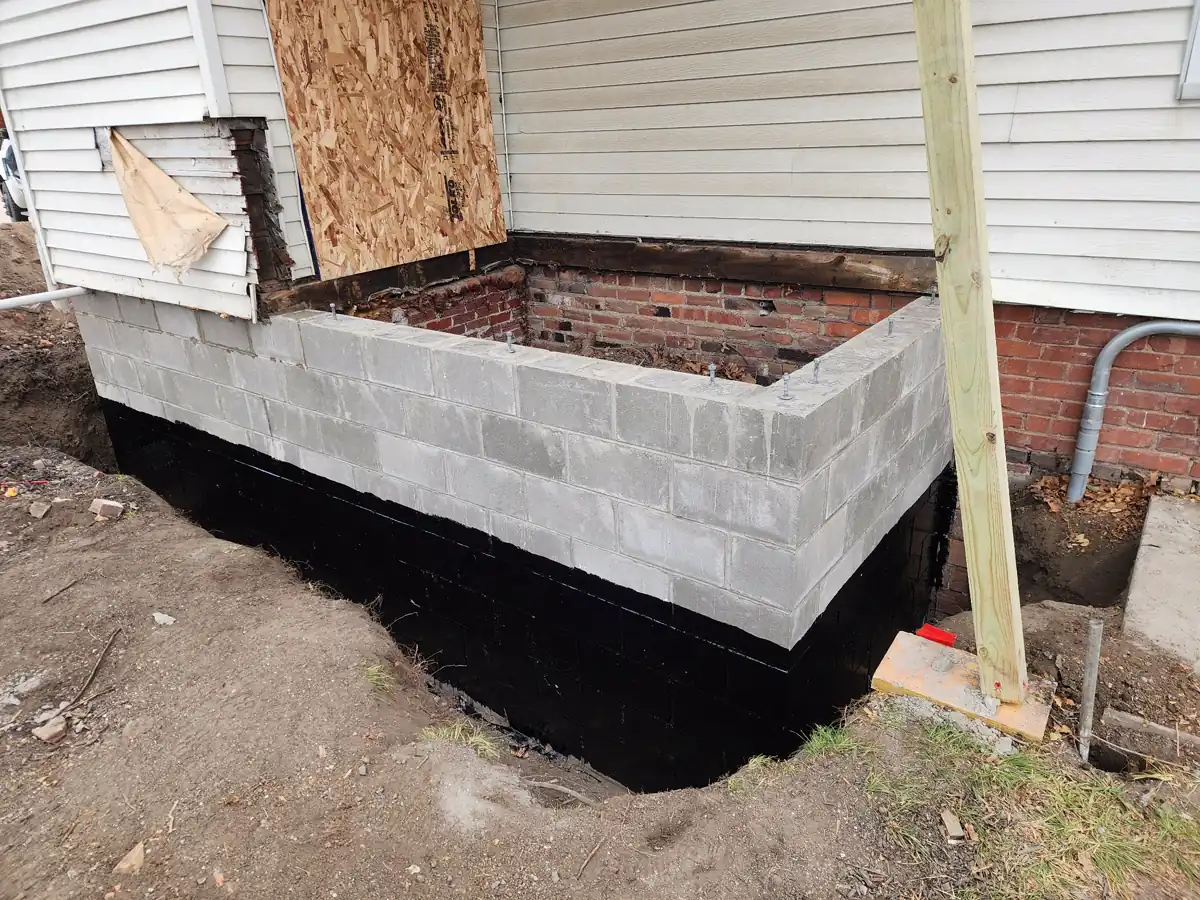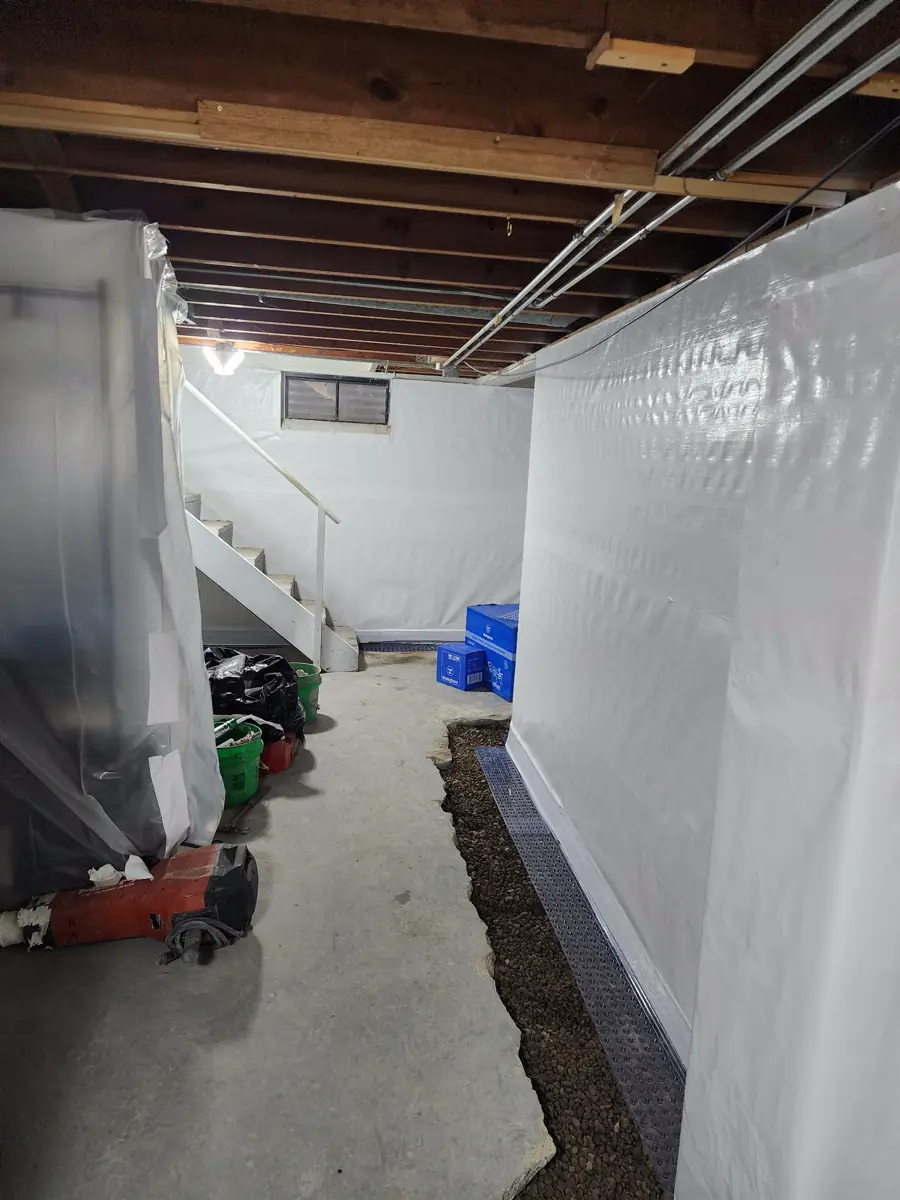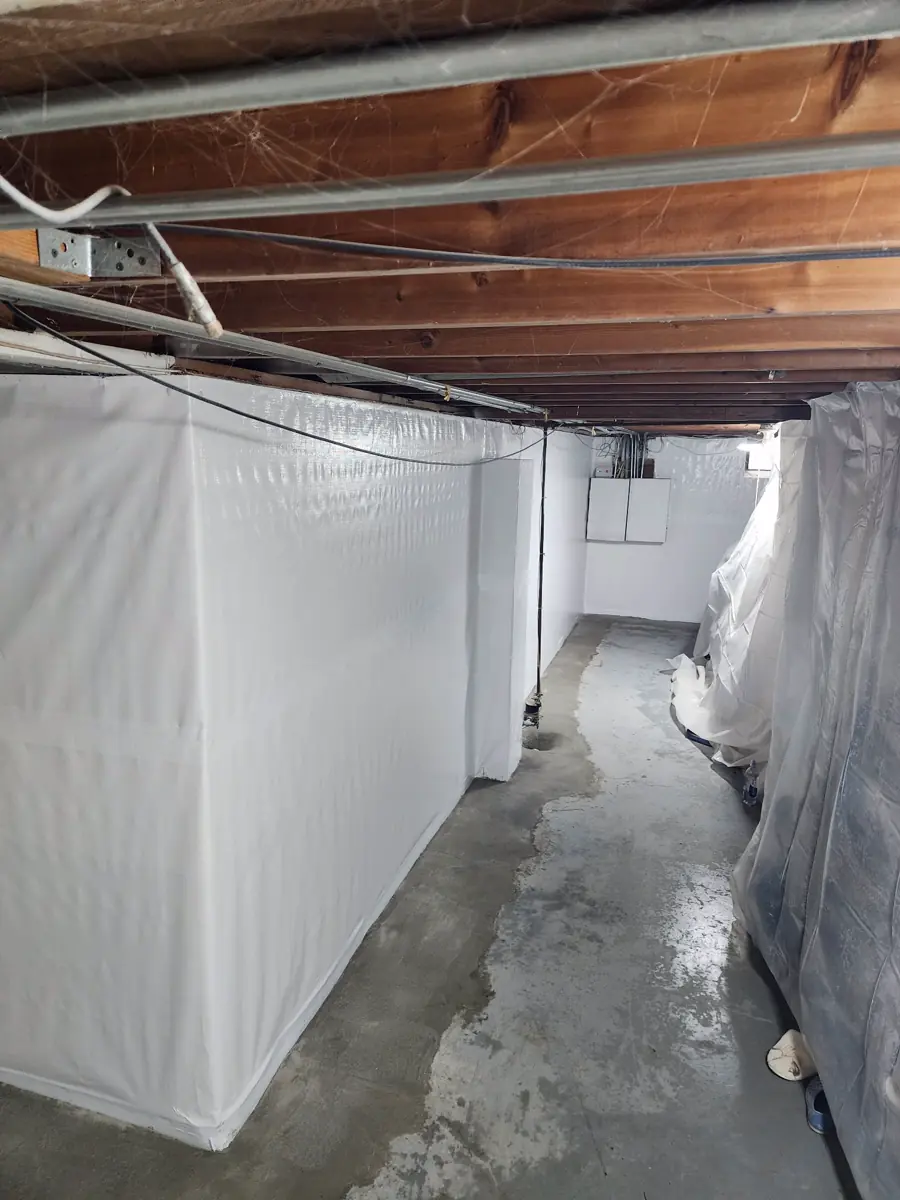
This older Ankeny home still had its original brick-and-mortar foundation — common in Iowa homes built before the 1950s. The mortar joints had deteriorated over decades of Iowa's brutal freeze-thaw cycles, and the wall had reached a point where sections were literally crumbling. Water infiltrated freely during spring snowmelt and heavy rains.
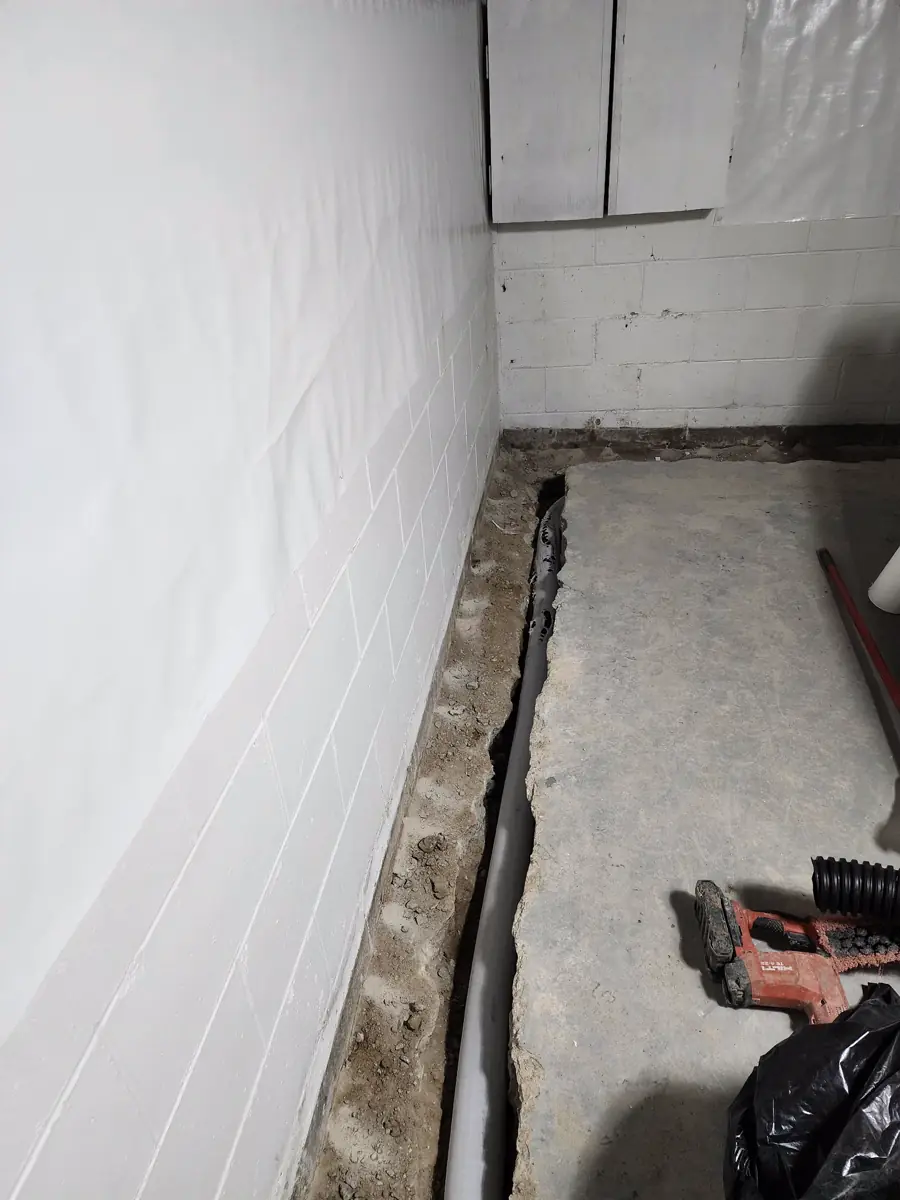
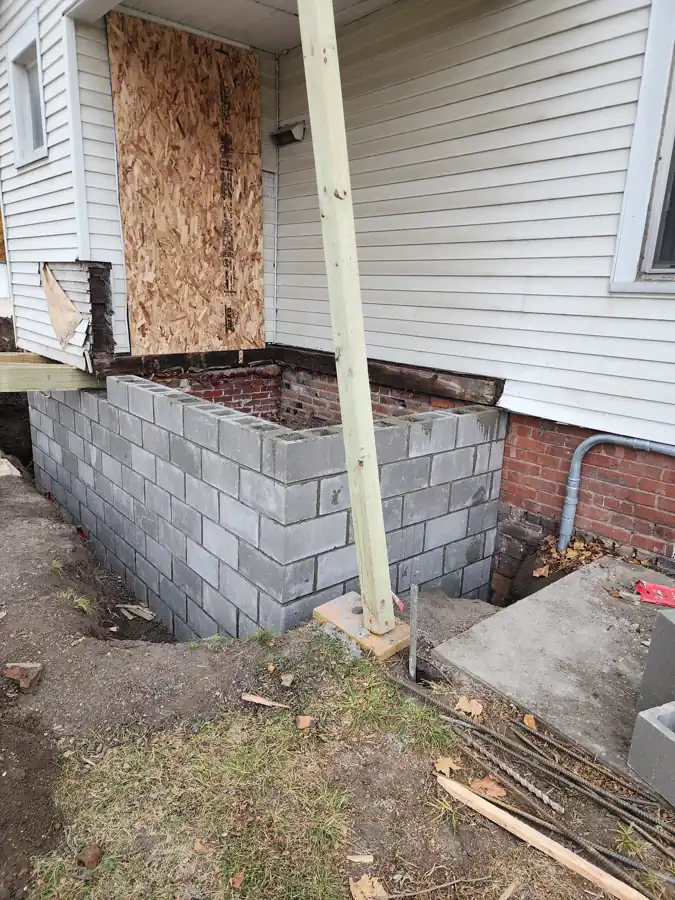
Polk County's glacial till soil retains enormous amounts of moisture, and the hydrostatic pressure against this aging brick wall was more than it could handle. The homeowner had noticed the basement wall bowing inward and mortar falling onto the floor in chunks — clear signs the wall was failing structurally, not just cosmetically.
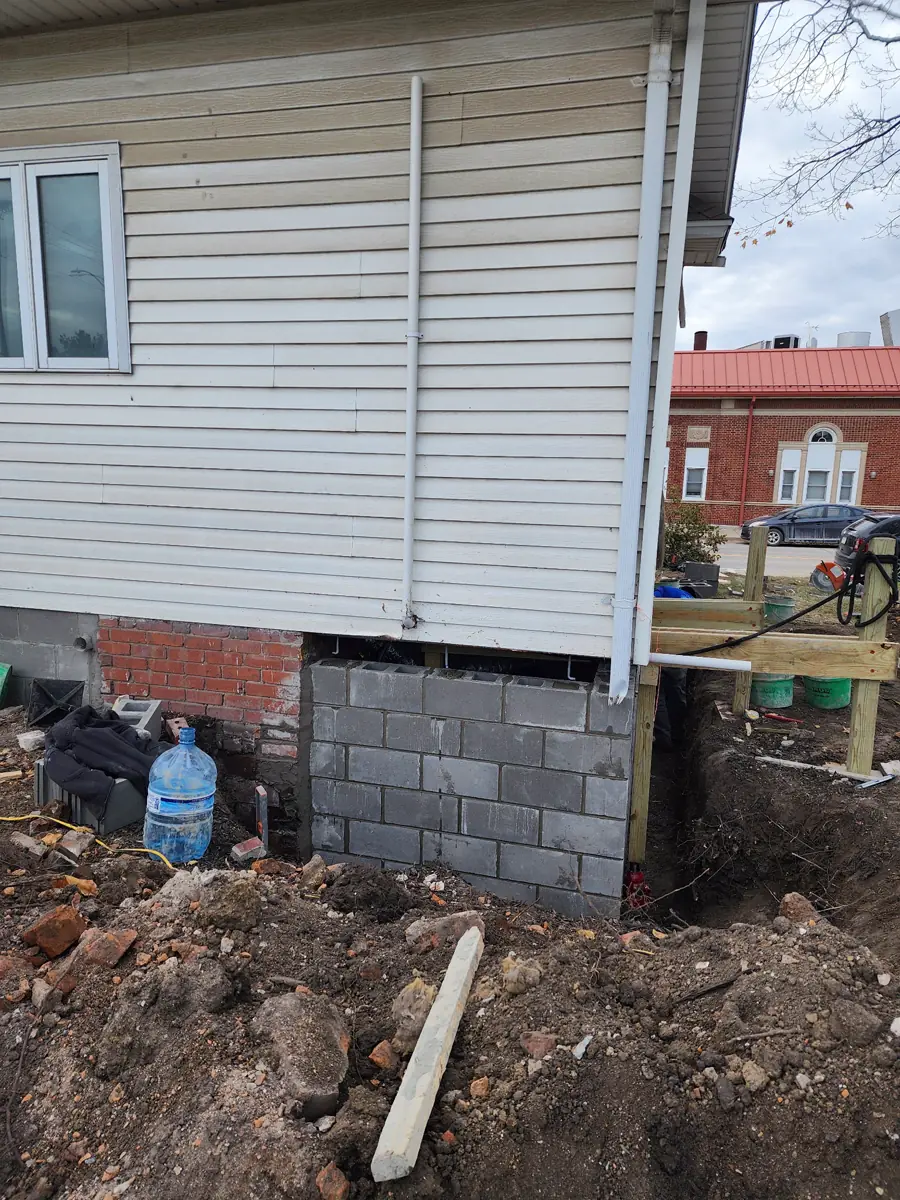
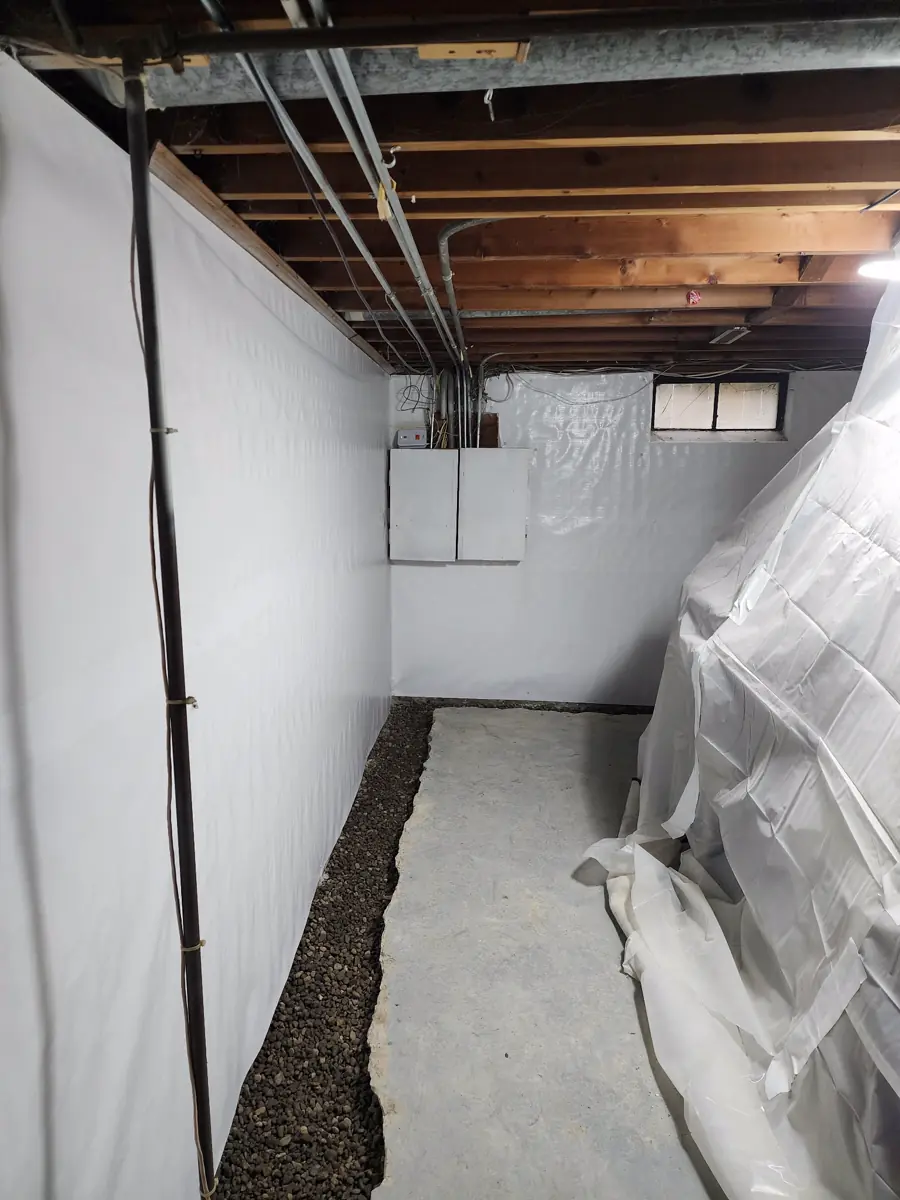
We shored up the structure from above, excavated the full length of the affected wall, and removed the failed brick section down to the original footing. After reinforcing the footing where needed, we set forms with a full rebar grid and poured a new concrete wall that ties into the remaining foundation at both corners.
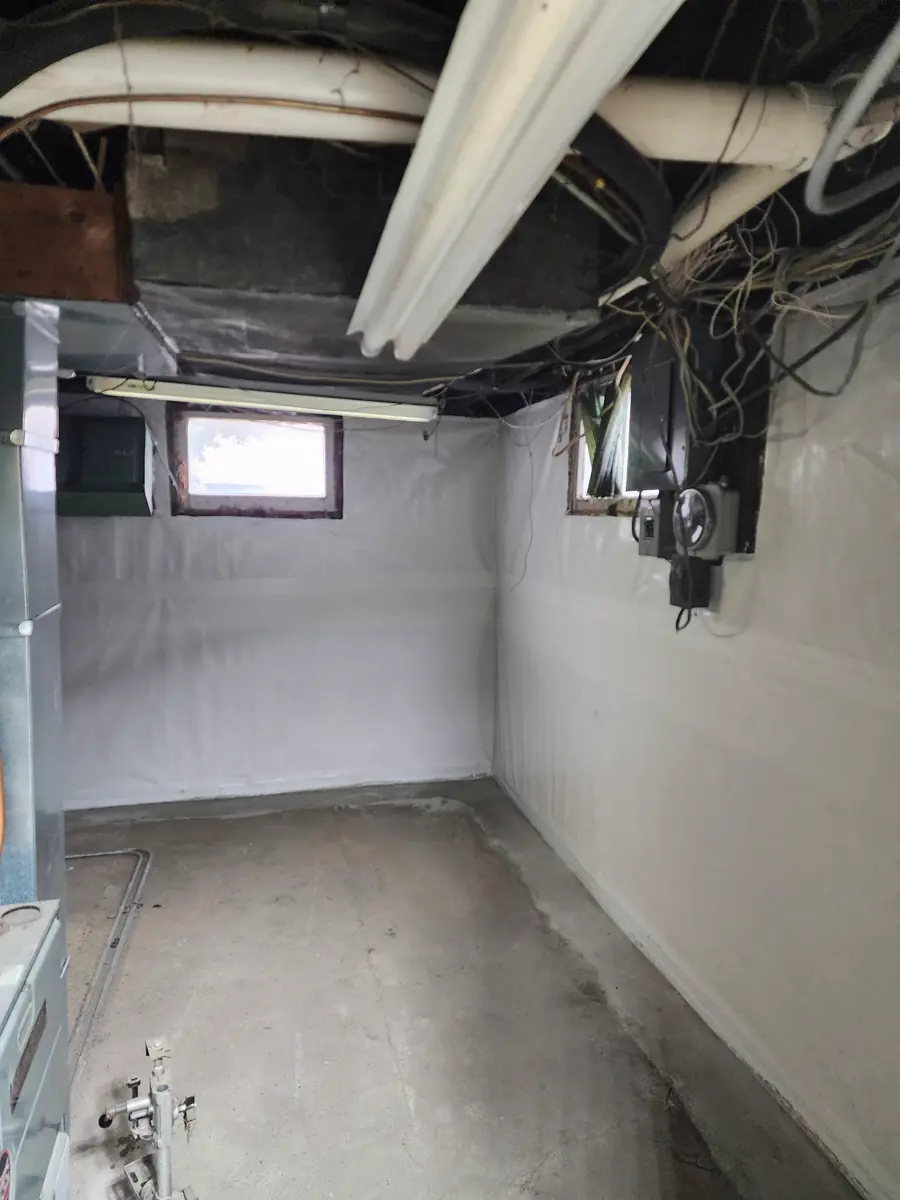
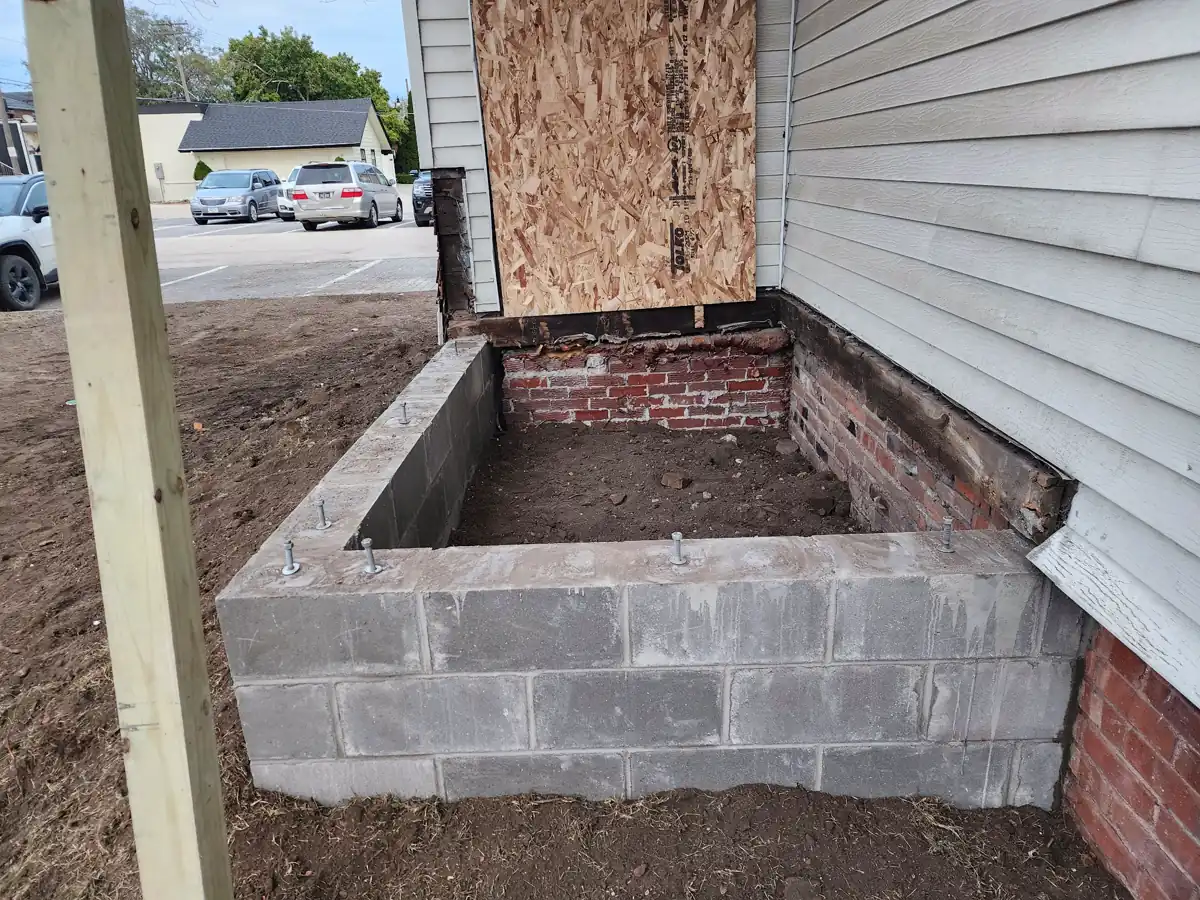
The difference between old deteriorated brick-and-mortar and new reinforced concrete is night and day in terms of structural capacity. We applied basement waterproofing membrane to the exterior before backfilling and corrected the grade to slope away from the house. This kind of structural wall rebuild is the definitive fix when a foundation has deteriorated past the point where anchoring or bracing can help. See our Liberty drain tile install for how we handle water intrusion through block walls that are still structurally sound.