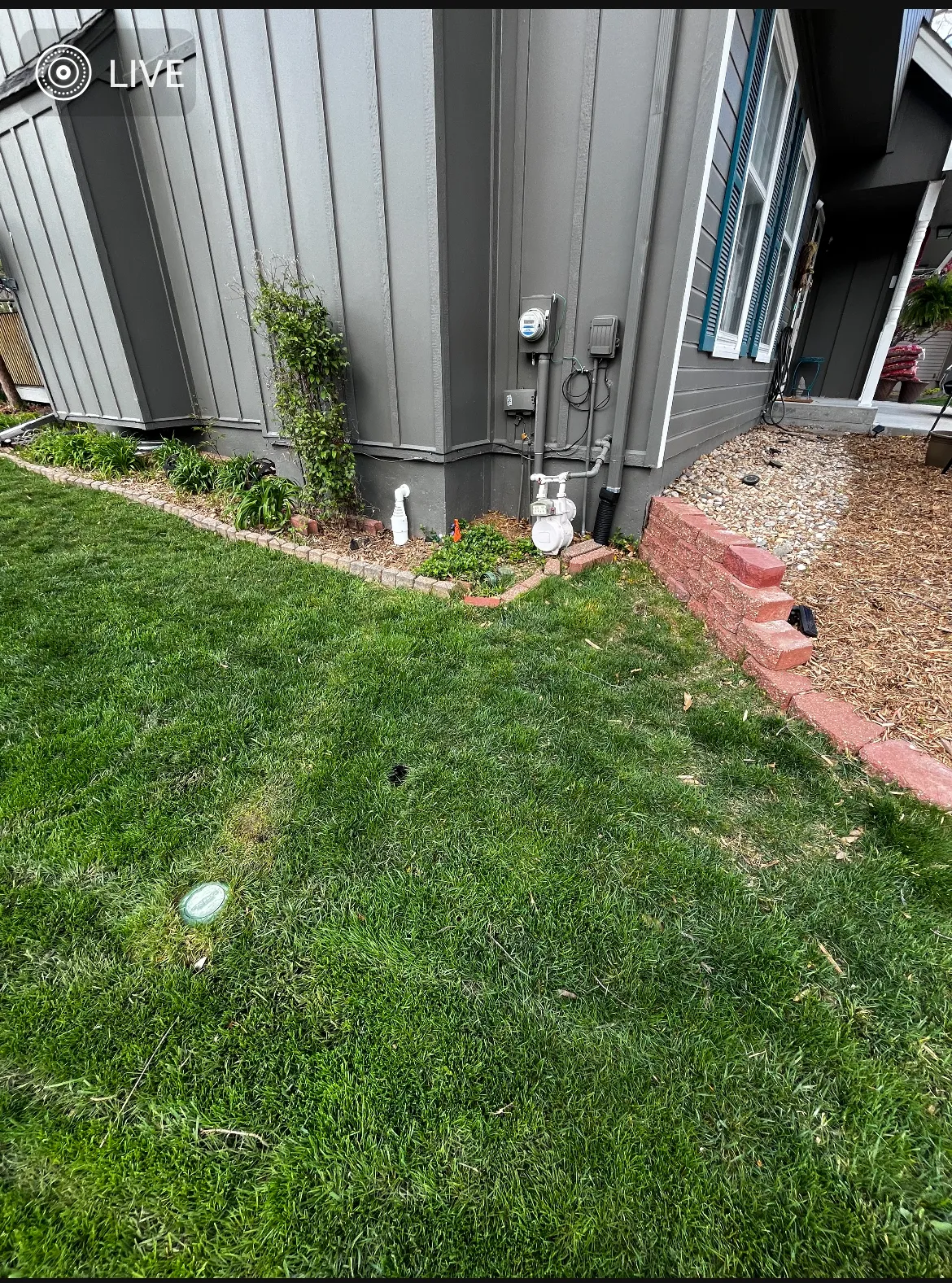
French Drains in Johnston, Iowa — Intercepting the Water That Moves Sideways Toward Beaver Creek
In Johnston the water pressing on your foundation often arrives sideways. The city sits inside the Beaver Creek drainage basin, and glacial till carries water laterally downhill toward the creek — so homes on the descent get wetted from the uphill side by subsurface flow moving through the ground, not just by their own roof runoff. Draining a lot near Pioneer Parkway or Camp Dodge is about intercepting that migrating water before it reaches the wall. JLB reads where your home sits in the watershed first.
Free 45-Minute Analysis + Written Report
Get a precise analysis of your foundation and waterproofing situation, and a clear estimate on what any fixes or corrections might cost.
Takes 30 seconds. We'll call within 24 hours.
Thank You!
We'll be in touch within 24 hours.
Why does the uphill wall of my Johnston basement get wet when it hasn't even rained that hard?
Because the water is moving through the ground toward Beaver Creek, and your uphill wall is in its path. Johnston sits inside the Beaver Creek drainage basin, and the Des Moines Lobe's glacial till doesn't just shed water off the top — it carries it laterally, downhill through the soil, toward the creek. Homes on the descent get wetted from the uphill side by that subsurface flow. It can push against a basement wall days after a rain, or during a slow snowmelt, without any dramatic downpour, because the water is traveling sideways underground rather than falling straight down.
The till here makes this worse than it sounds. The Dows Formation runs 45 to 60 feet deep and behaves unpredictably, holding moisture tightly in its clay fraction while letting water migrate through pockets of sand and gravel. Homes along NW Beaver Drive and the Pioneer Parkway corridor, built mostly between the 1980s and 2000s, are now old enough that their original exterior waterproofing has aged out, and a home down near Camp Dodge sees very different groundwater movement than one on the higher ground toward Pioneer Parkway. Where your lot sits on that slope decides which wall gets the pressure.
So the fix is interception, not just collection. On the uphill side we install an interceptor or curtain drain — a trench of washed aggregate around perforated pipe — to catch the migrating water and carry it around the house before it ever reaches the wall, paired with a footing drain that relieves what's already down at the base. Downspout extensions keep your own roof water from adding to the load, and a catch basin gathers any surface pooling on top. The goal is to cut off the sideways flow at the property's high edge.
Timing is the hard part in Johnston. Iowa's 42-inch frost depth, six inches deeper than Kansas City's, keeps the subsurface frozen well into spring, so meltwater can't percolate down while the water table simultaneously rises to within two or three feet of the surface — a double hit from above and below. We set drain lines below that frost line so they keep working when the ground is still hard. Where water has already come through into the basement, interior drainage and a sump take over, covered on the Johnston waterproofing page.
Cost depends on how much of the uphill perimeter needs interception, how deep the migrating water sits, and how far the collected water must be carried to a safe outlet. Extending downspouts and correcting surface grade is the modest end; a full interceptor and footing drain around the high side runs higher because of the trenching and depth. Every Johnston lot sits at a different point in the Beaver Creek basin, so we price from an on-site look. JLB serves Johnston and nearby Urbandale, Grimes, Polk City, Ankeny, and Des Moines, with Pioneer Parkway and NW Beaver Drive framing the area.
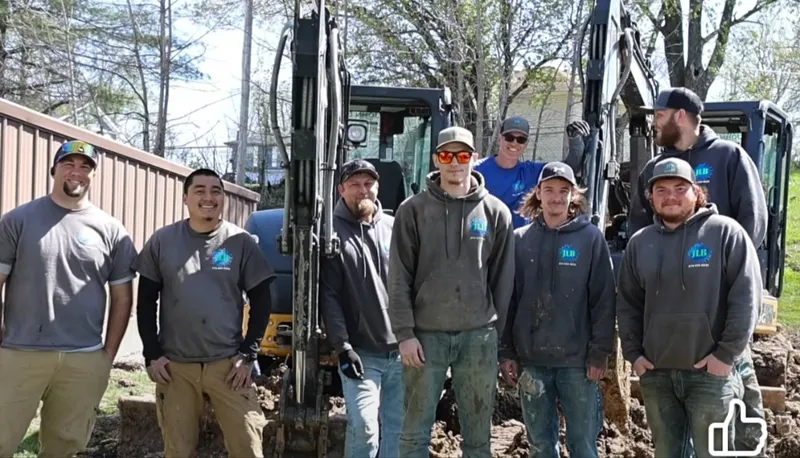
Meet the Team Serving Johnston
JLB is a local crew — not a franchise. We handle french drains & drainage across Johnston and the Des Moines metro. Watch to see who shows up at your door.
Watch French Drains & Drainage Work in Johnston
Two Ways to Pay Over Time
12 Months Same As Cash
Pay the full balance within 12 months and you pay no interest.
5 Years at 6.99% APR
A lower monthly payment, spread over 60 months.
On approved credit. Ask for full terms at your free estimate.
Foundation and water problems rarely get cheaper while they wait.
What Drainage Problems Are Common in Johnston Yards?
The dry season is when drainage systems should go in — not when you realize you need one. In Johnston, mid-summer provides a window when Iowa's water table is lowest and exterior excavation is most practical. Interior systems can go in year-round, but exterior French drains — which require trenching around the foundation — are faster, cleaner, and less disruptive when the soil is dry and the water table is low.
Standing Water Near the Foundation
Water pooling within 5 feet of your foundation wall is directly increasing hydrostatic pressure against your basement. This is the #1 cause of basement leaks. Basement moisture in Johnston typically peaks during spring rains when the clay soil in Polk County is fully saturated.
Yard Flooding After Rain
If your yard holds water for hours or days after rain, the water table is high and your soil isn't draining. That water migrates toward the lowest point — your foundation. Johnston homes on poured concrete basement foundations in Polk County are particularly susceptible to this issue.
Downspouts Dumping at the Base
Downspouts that discharge right at the foundation wall are pouring hundreds of gallons directly against your basement every storm. This is a simple problem with a simple fix. Johnston homes on poured concrete basement foundations in Polk County are particularly susceptible to this issue.
Erosion Along the Foundation
Soil washing away from the foundation means water is flowing there with force. As soil erodes, the foundation loses support and water access gets worse. Johnston homes on poured concrete basement foundations in Polk County are particularly susceptible to this issue.
Soggy, Saturated Ground
If areas of your yard never dry out, the water table is at or near surface level. That saturated soil is pressing against your foundation walls constantly. Johnston homes on poured concrete basement foundations in Polk County are particularly susceptible to this issue.
Neighbor's Water Draining Onto Your Property
Grading issues between properties can redirect your neighbor's runoff directly at your home. It's not their fault, but it's your problem. Basement moisture in Johnston typically peaks during spring rains when the clay soil in Polk County is fully saturated.
Is water running toward your Johnston foundation?
The terrain in Johnston and the clay soil in Polk County work together to channel water toward your home. A properly designed drainage system intercepts it before it reaches the foundation. Our free assessment identifies the flow patterns and designs the solution.
Four Steps to Proper Drainage
From "my yard is a swamp" to "water flows exactly where it should" — here's how we solve it.
Property Drainage Assessment
We survey your property's grading, soil conditions, water flow patterns, and downspout routing. You'll understand exactly why water is pooling where it is.
Custom Drainage Plan
Based on your property's specific issues, we design a drainage system that addresses every water source — surface runoff, downspouts, and groundwater.
Professional Installation
Our crew installs French drains, regrading, downspout extensions, and surface drains. Most drainage projects complete in 1–3 days.
Water Managed Permanently
Rain hits your property and flows exactly where it should — away from your home. Your foundation stays dry, your basement stays dry, and your yard drains properly.
Who Installs French Drains in Johnston and Polk County?
Johnston is a close-knit community of about 26000, and we treat it that way. Our Des Moines area crew handles every job in Johnston personally — the same team that inspects your home is the same team that does the work. No subcontractors, no handoffs.
Call (515) 717-8560“Every spring when the snow melted, our yard flooded and water pushed into the crawlspace. JLB installed French drains and regraded the yard to slope away from the house. We've been through two spring thaws since — no flooding, no water in the crawlspace.”
Why Do Johnston Homeowners Choose JLB for French Drains & Drainage?
We earn trust the old-fashioned way: honest inspections, fair pricing, and repairs that last.
Iowa Licensed & Polk County Permitted
We're licensed in Iowa and experienced with Polk County's building department. From permit applications to final inspections, we handle the paperwork so Johnston homeowners can focus on their home, not the process.
Exterior Drainage Specialists
Water pooling against your Johnston home has to go somewhere. Our crews regrade the soil, extend downspouts, set catch basins, and run exterior French drains that carry runoff to a safe discharge point — sized for Polk County's soil and the slope of your lot.
Small-Town Accountability
In Johnston, reputation is everything. We show up when we say we will, we do the work right, and we stand behind it with a transferable warranty. Every job gets our full attention.
Affordable Solutions
Johnston's terrain means some homes face bigger yard-drainage challenges than others. We offer financing to make sure the cost doesn't prevent you from protecting your home when the soil is working against it.
Real Projects. Real Results.
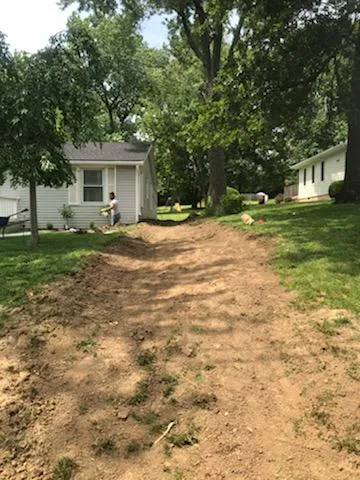
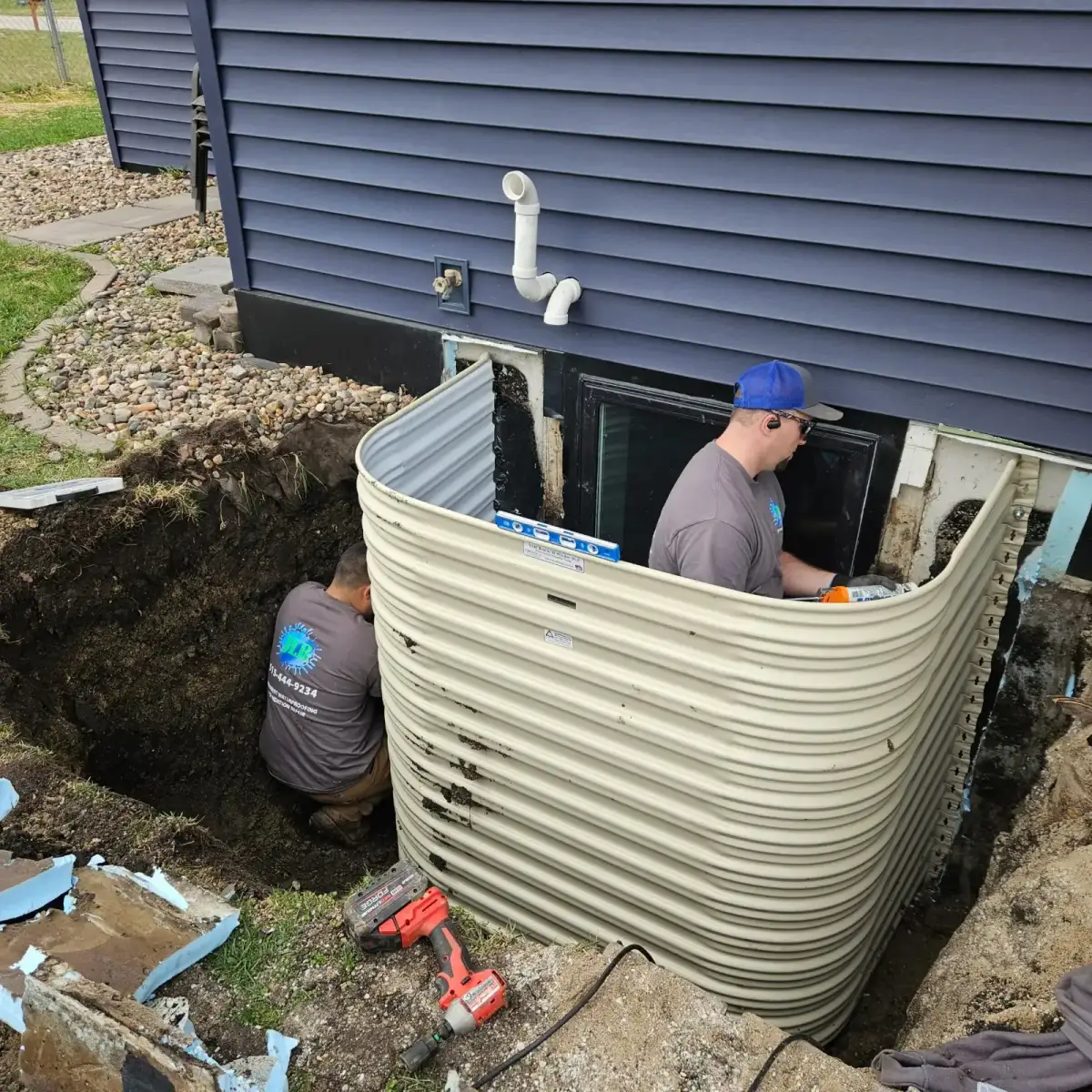
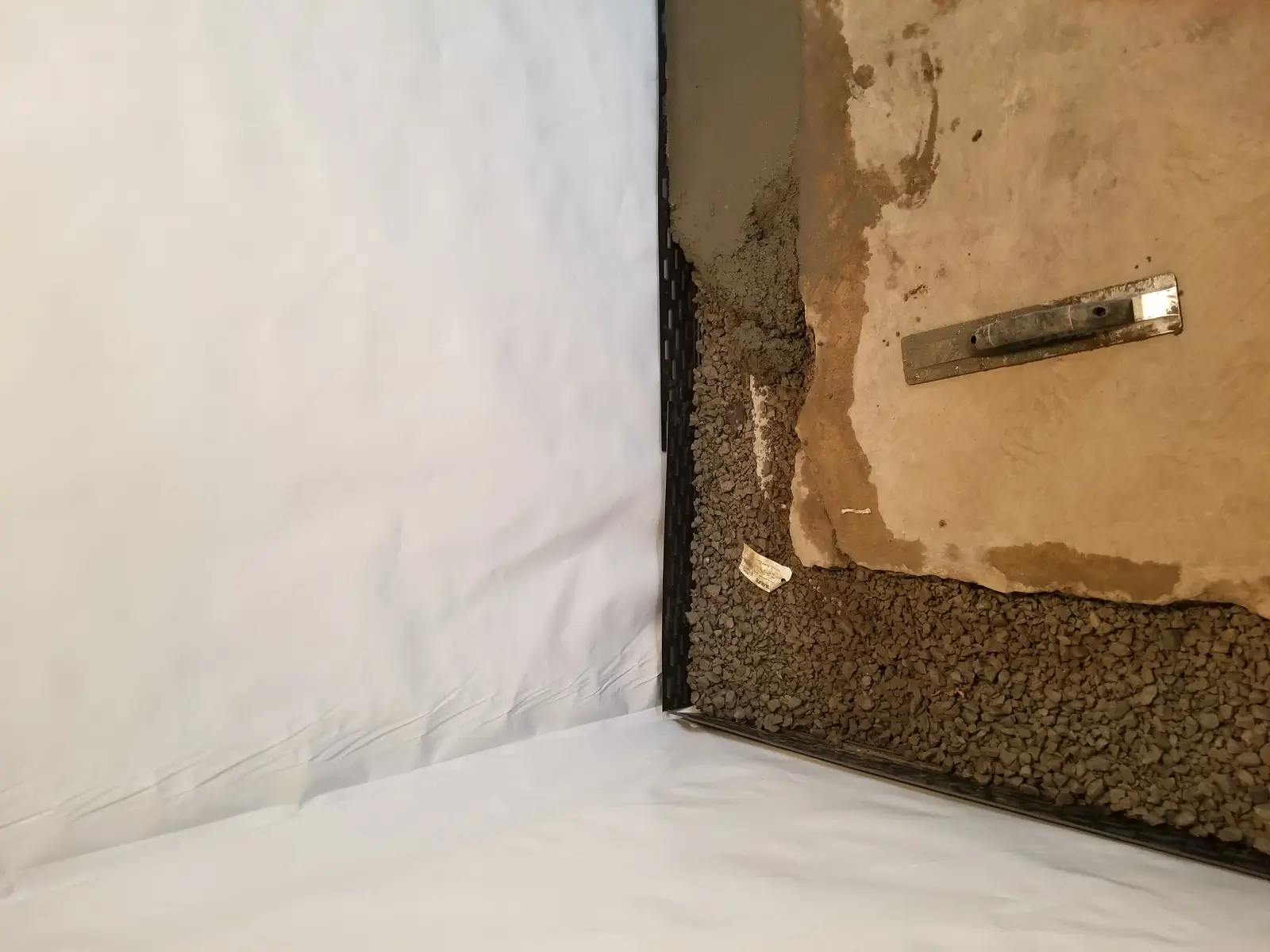
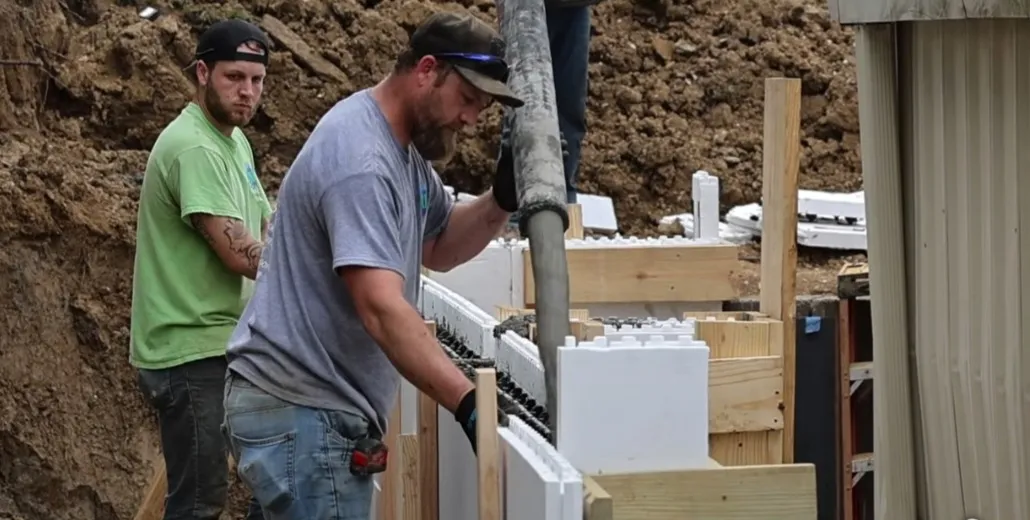
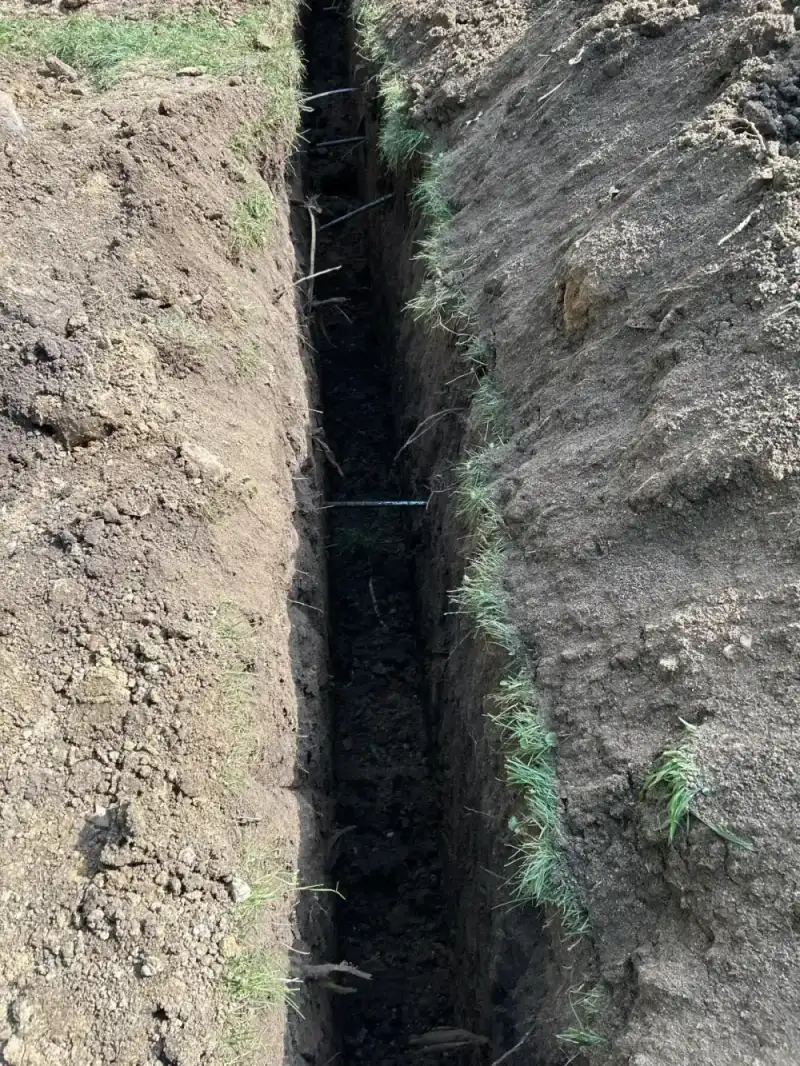
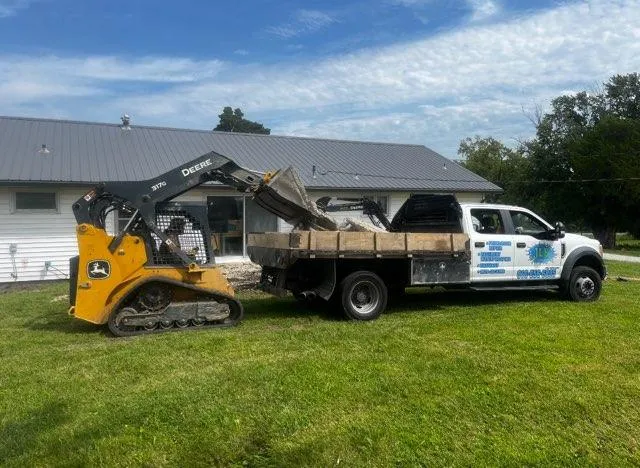
Every photo is from an actual JLB job site — not a stock photo. See the work we do every day across Kansas City and Des Moines.
Two Ways to Pay for It
12 Months Same As Cash
Pay the full balance within 12 months and you pay no interest.
Best if you can pay it off within a year.
5 Years at 6.99% APR
A lower monthly payment, spread over 60 months.
Best for bigger projects.
On approved credit. Ask for full terms at your free estimate.
Foundation and water problems rarely get cheaper while they wait.
French Drain and Drainage Questions for Johnston
Because the water is moving through the ground toward Beaver Creek, not falling from the sky. Johnston sits in the Beaver Creek drainage basin, and the glacial till carries water laterally downhill through the soil. If your home is on that descent, subsurface flow presses against the uphill wall — sometimes days after a rain, or during a slow snowmelt, with no downpour at all. That's why the wetness shows up on one side and doesn't seem tied to heavy storms.
An interceptor or curtain drain is a trench of washed aggregate around perforated pipe, installed on the uphill side of the house to catch water traveling sideways through the soil and carry it around the foundation before it reaches the wall. In Johnston, where glacial till moves water laterally toward Beaver Creek, cutting off that flow at the property's high edge is often more effective than only managing water at the base. We usually pair it with a footing drain to relieve what's already down low.
It does, in two directions at once. Iowa's 42-inch frost depth keeps the subsurface frozen well into spring, so meltwater can't soak down, while the water table simultaneously rises to within two or three feet of the surface. Surface water is trapped above and groundwater pushes up from below at the same time. We set drain lines below the frost line so they keep carrying water when the ground is still hard, which is exactly when Johnston basements are most likely to take on water.
Yes. A home on the lower ground near Camp Dodge sees different groundwater movement than one up on the higher ground toward Pioneer Parkway, because position in the Beaver Creek basin controls how much lateral flow arrives and which wall it hits. That's why we start every Johnston project by reading where your lot falls on the slope before deciding whether the fix leads with an uphill interceptor, a footing drain, or surface grading.
It depends on how much of the uphill perimeter needs interception, how deep the migrating water sits, and how far the collected water has to be carried to a safe outlet. Extending downspouts and correcting surface grade is the modest end; a full interceptor and footing drain around the high side of the house runs higher because of the trenching and depth involved. Every Johnston lot sits at a different point in the watershed, so we price it from an on-site look with a written estimate.
Not Sure What You're Dealing With?
Click any symptom below to learn what it means, what's likely causing it, and how we can help. Most of these are more common — and more fixable — than you'd think.
Diagonal, stair-step, or horizontal cracks in drywall, plaster, or brick usually trace back to soil movement beneath your foundation. The heavy clay soils in the Kansas City and Des Moines metros expand and contract seasonally, which can shift your foundation over time. The good news: this is very fixable with the right approach.
Water entering through floor joints, wall cracks, or seeping through porous concrete means groundwater pressure is pushing moisture into your basement. An interior drainage system and sump pump can solve this permanently — and we can usually have it done in a day or two.
When a foundation settles unevenly, it can shift your home's frame just enough to make doors and windows bind. This is one of the earlier signs of foundation movement — and catching it early often means a simpler, less expensive repair.
That musty smell is moisture. Up to 40% of the air in your home rises from below — from your crawlspace and basement. If there's excess humidity down there, it affects your whole home. Encapsulation seals it out, and you'll notice the difference in your air quality right away.
Floors that slope toward the center or an exterior wall usually mean the support structure underneath needs attention. Push piers can stabilize your foundation and often lift it back to level — giving your floors a second life.
Water collecting near your foundation means your grading or drainage isn't directing water away effectively. French drains, regrading, extended downspouts, and drain pipes can redirect water away from the house — protecting your foundation for the long haul.
A basement wall that has bowed more than 2 inches inward, shifted off its footing, or shows multiple structural cracks may have moved beyond what bracing can fix. When carbon fiber straps, I-beams, or wall anchors are not enough, the wall needs to be removed and rebuilt with reinforced concrete. This is the last resort — but it is the permanent fix when the wall itself is compromised.
Free Drainage Assessment in Johnston
We'll assess the grading, water flow, and soil behavior around your Johnston home — then design a drainage solution that fits. Fill out the form or call us at(515) 717-8560.
Where Else Does JLB Provide French Drains & Drainage?
Our Locations
We're always close enough to help — our crews are local to your area.
JLB Basement Waterproofing & Foundation Repair — Des Moines
97 Indiana Ave Suite #1Des Moines, IA, 50314(515) 717-8560 View on Google Maps
Stop the Damage. Get Answers Today.
A free estimate takes 45 minutes and tells you exactly what's going on under your house — and exactly what it takes to fix it.