Crawlspace Vapor Barrier & Encapsulation in Raytown, MO
Raytown's 1950s-1970s ranch and split-level homes face unique crawlspace moisture challenges from Jackson County clay soil and 42 inches of annual rainfall, making proper encapsulation essential for protecting your home's foundation and indoor air quality.
Why Do Raytown Homes Need Crawlspace Moisture Control?
Your Raytown home's crawlspace battles constant moisture intrusion from Jackson County's expansive clay soil, which holds water against foundation walls throughout the wet seasons. The predominant ranch and split-level construction from the 1950s-1970s era means your crawlspace likely lacks modern moisture barriers, allowing humidity to rise through the stack effect into your living areas. With Raytown receiving 42 inches of rainfall annually and frost penetrating 36 inches deep, your crawlspace experiences dramatic seasonal moisture fluctuations that older construction wasn't designed to handle, creating ideal conditions for mold growth and structural moisture damage.
Crawlspace encapsulation in Raytown requires cost-effective solutions that address the realities of older housing stock without breaking budgets typical of this established community between Kansas City, Independence, and Lee's Summit. Your neighbors along 350 Highway corridor, Blue Ridge Boulevard, and Raytown Road face similar challenges with aging block and poured concrete foundations that need moisture control upgrades. The gently rolling terrain means most Raytown crawlspaces don't face severe drainage issues, making encapsulation a straightforward investment that delivers immediate results for homes where major foundation work isn't necessary but moisture control is critical.
Effective crawlspace encapsulation in your Raytown home starts with addressing Jackson County clay soil conditions through proper vapor barriers that handle seasonal expansion and contraction cycles. The approach focuses on sealing crawlspace walls and floors with heavy-duty polyethylene barriers, followed by controlled mechanical ventilation or dehumidification systems sized for your specific ranch or split-level layout. Spray foam insulation applied to rim joists and foundation walls helps break the stack effect that pulls crawlspace moisture into your living areas, while addressing thermal inefficiencies common in 1950s-1970s construction methods used throughout Raytown's established neighborhoods.
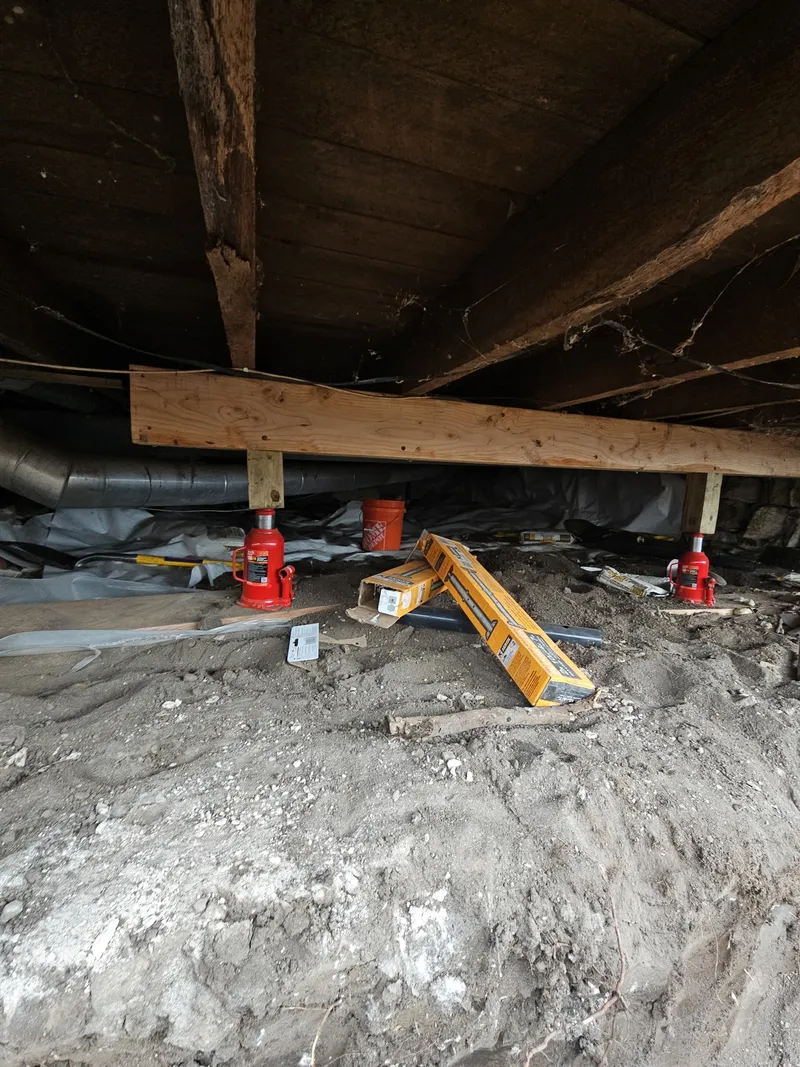
Meet the Team Serving Raytown
JLB is a local crew — not a franchise. We handle crawlspace encapsulation across Raytown and the Kansas City metro. Watch to see who shows up at your door.
Watch Crawlspace Encapsulation Work in Raytown
How Do You Know Your Raytown Crawlspace Needs Encapsulation?
If you notice any of these in your home, don't wait. Early action saves thousands.
Musty Smell Throughout the House
It's not "just an old house smell." That odor is mold and mildew from your crawlspace rising through the floor and circulating through your entire home. In Raytown's climate, musty crawlspace air rises into the living space through a process called the "stack effect" — what's below affects everything above.
Unusually High Humidity Indoors
If your home feels clammy even with the AC running, your crawlspace is pumping moisture into the living space. The stack effect pulls that damp air upward all day. Raytown homeowners often dismiss sticking doors as "the house settling." In Jackson County's clay soil, it usually means the foundation has moved.
Cold Floors in Winter
Freezing floors above the crawlspace mean zero insulation and open air exchange. You're heating the outdoors through the gap beneath your feet. Sloping floors in Raytown homes usually mean the foundation beneath has settled unevenly — a structural issue, not a cosmetic one.
Visible Mold in the Crawlspace
If you can see it on the joists, subfloor, or vapor barrier (if there even is one), the mold colony is established. It's releasing spores into your home continuously. In Raytown's climate, musty crawlspace air rises into the living space through a process called the "stack effect" — what's below affects everything above.
Standing Water or Damp Soil
A wet crawlspace is a mold factory, a wood rot incubator, and a pest magnet. Nothing good happens when there's water under your house. Block basements in Raytown often show efflorescence (white mineral deposits) before active leaking begins — an early warning worth acting on.
Sagging or Bouncy Floors
Moisture damage weakens floor joists and subfloor over time. If your floors feel soft or bouncy, the structural wood beneath them may be compromised. Sloping floors in Raytown homes usually mean the foundation beneath has settled unevenly — a structural issue, not a cosmetic one.
Is your Raytown crawlspace costing you money?
An open crawlspace is an open invitation for moisture, mold, and energy loss. Most Raytown homeowners don't realize up to 40% of the air they breathe comes from below the floor. A free crawlspace inspection reveals what's really going on down there.
Four Steps to a Sealed Crawlspace
From "I'm afraid to look down there" to "it's cleaner than my garage" — here's how we do it.
Crawlspace Inspection
We go in, assess moisture levels, check for mold and wood damage, measure humidity, and identify water entry points. You get photos and a full report.
Custom Encapsulation Plan
Based on your crawlspace's size, moisture level, and condition, we design the right combination of vapor barrier, drainage, insulation, and dehumidification.
Complete Encapsulation
Our crew installs the full system — vapor barrier, spray foam, drainage (if needed), and dehumidifier. Most crawlspace projects complete in 2–4 days.
Clean, Dry, Protected
Your crawlspace is sealed, insulated, and climate-controlled. No more mold, no more moisture, no more cold floors. The air quality in your entire home improves.
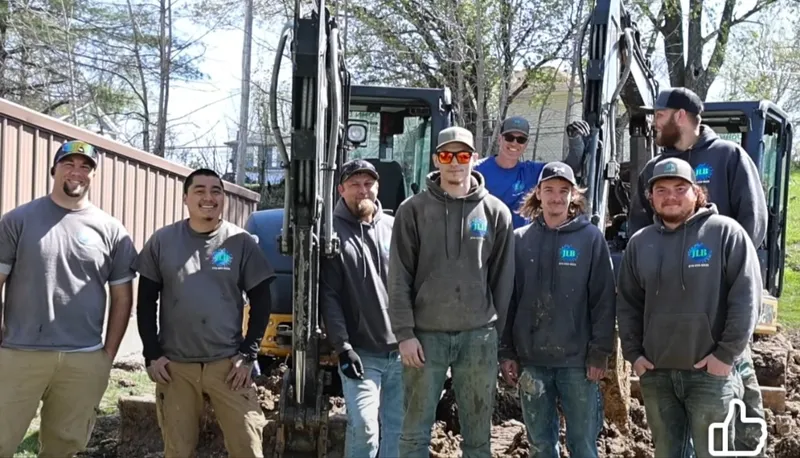
Who Provides Crawlspace Encapsulation in Raytown?
Raytown is a close-knit community of about 30000, and we treat it that way. Our Kansas City area crew handles every job in Raytown personally — the same team that inspects your home is the same team that does the work. No subcontractors, no handoffs.
Call (816) 408-3651“Our crawlspace was a nightmare — standing water, mold on the joists, and you could smell it upstairs. JLB installed drainage, a vapor barrier, and spray foam. The musty smell was gone within a week. Our energy bill dropped $80/month.”
Why Do Raytown Homeowners Choose JLB for Crawlspace Encapsulation?
We earn trust the old-fashioned way: honest inspections, fair pricing, and repairs that last.
Jackson County Permit Expertise
We pull permits and coordinate inspections with Jackson County building officials for every structural project. Our crews have worked with the local building department for years — we know their process inside and out.
Concrete block Specialists
Raytown's concrete block foundations require specific repair techniques. Our crews are trained in wall anchors, carbon fiber reinforcement, and pier systems designed for these older foundation types.
Small-Town Accountability
In Raytown, reputation is everything. We show up when we say we will, we do the work right, and we stand behind it with a transferable warranty. Every job gets our full attention.
Affordable Solutions
Raytown's terrain means some homes face bigger drainage and foundation challenges than others. We offer financing to make sure the cost doesn't prevent you from protecting your home when the soil is working against it.
Real Projects. Real Results.
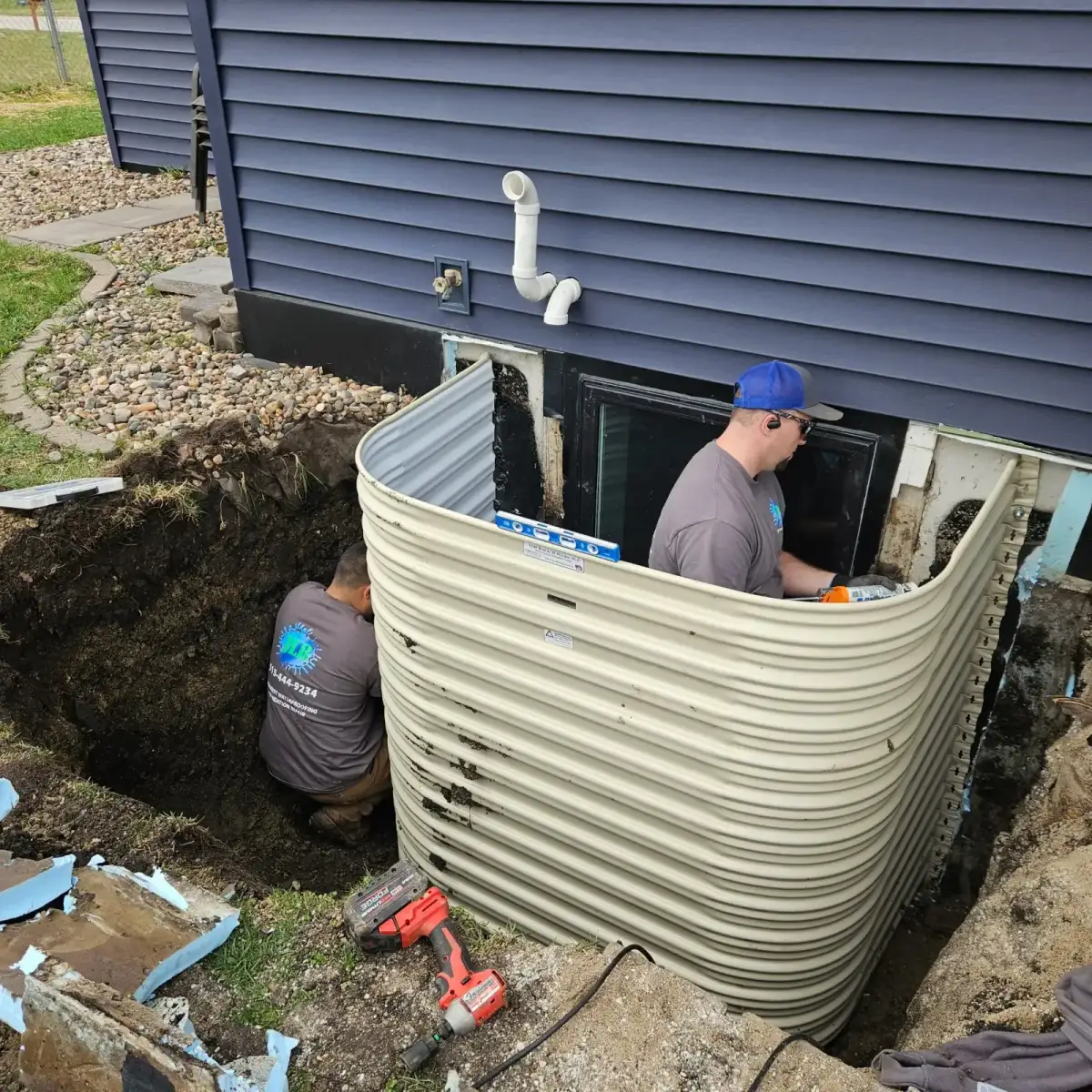
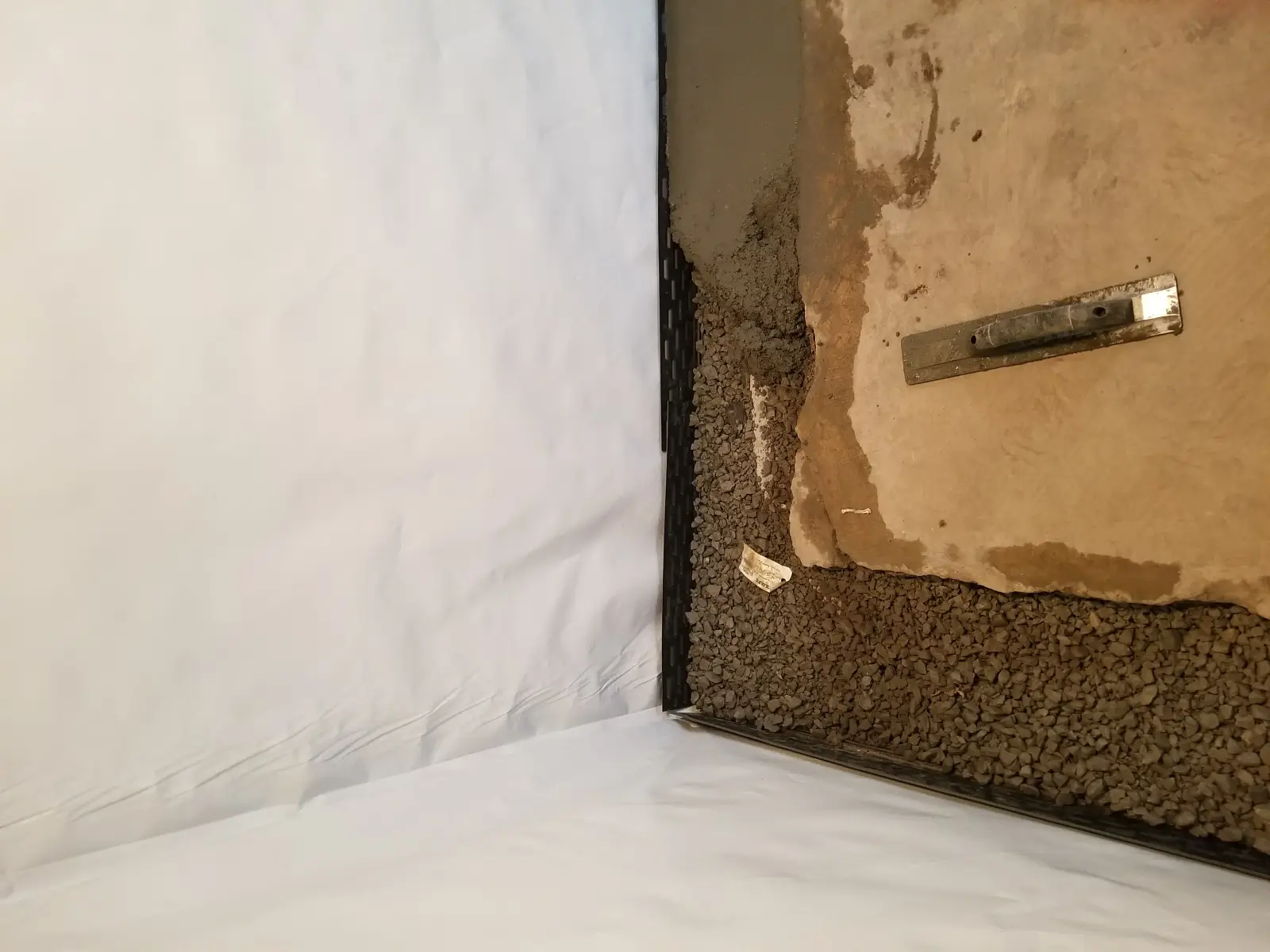
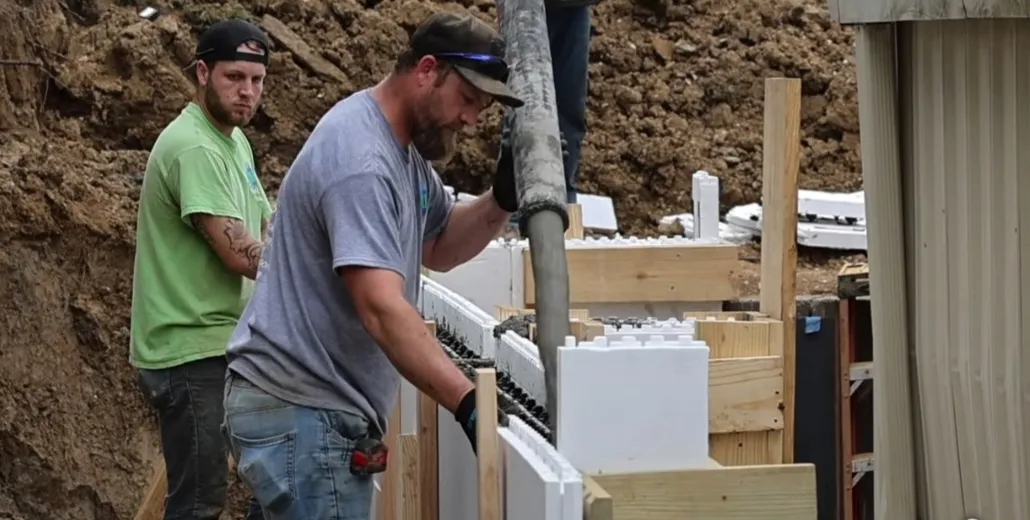
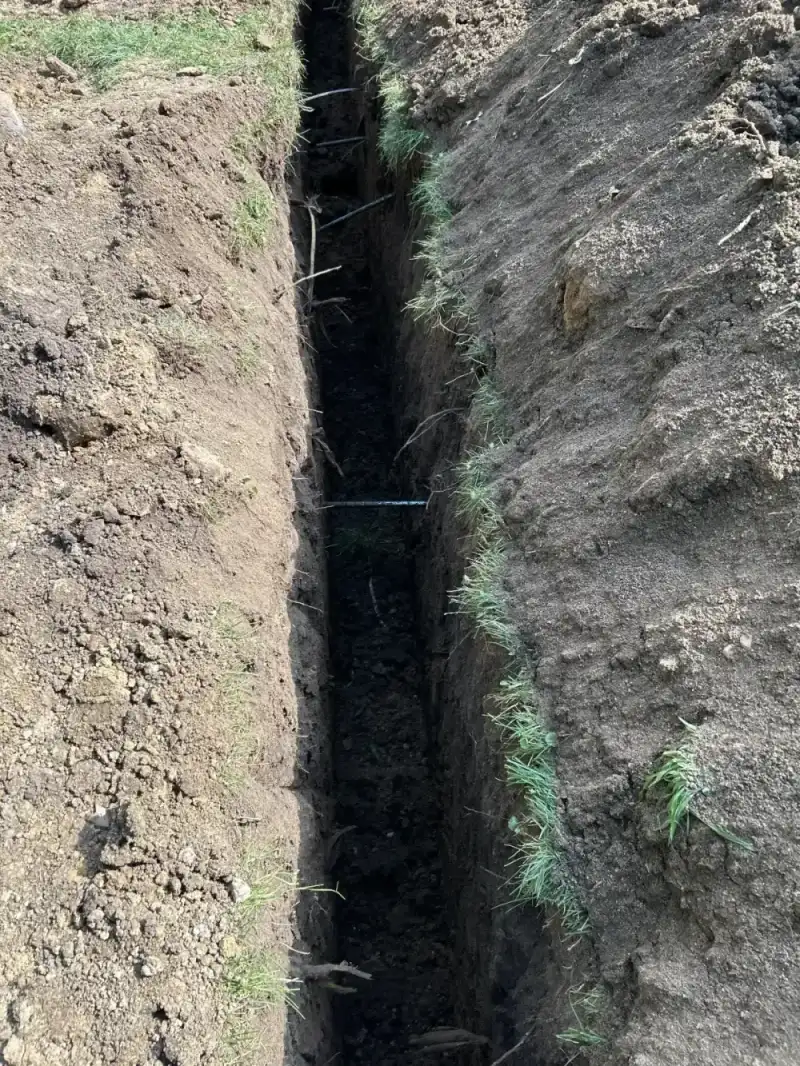
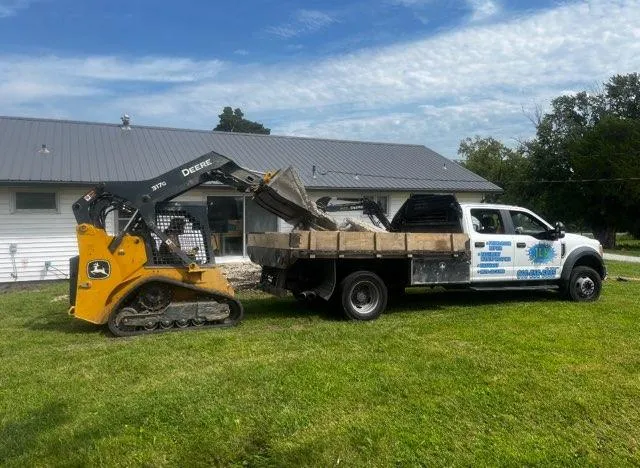
Every photo is from an actual JLB job site — not a stock photo. See the work we do every day across Kansas City and Des Moines.
What Does Crawlspace Encapsulation Cost in Raytown, MO?
For Raytown homes with crawlspace moisture, musty odors, or high humidity, encapsulation eliminates the source. JLB spray-foams both the crawlspace and the basement — a dual-seal approach most competitors skip. Here are typical Kansas City metro costs.
| Component | Typical Cost Range | Notes |
|---|---|---|
| Vapor barrier only (basic) | $1,500–$4,000 | Minimum protection; 6-mil or 12-mil polyethylene |
| Standard encapsulation (barrier + dehumidifier + insulation) | $5,000–$10,000 | Most common package for KC/DSM homes |
| Advanced encapsulation (with drainage + sump + mold remediation) | $10,000–$15,000+ | Homes with existing moisture/mold problems |
| Dehumidifier installation (add-on) | $800–$1,500 | Commercial-grade crawlspace unit; essential for Midwest humidity |
| Spray foam insulation (add-on) | $1.50–$3.50 per sq ft | JLB includes spray foam for BOTH crawlspace and basement |
| Per square foot (total project) | $3–$10 per sq ft | Depends on scope and existing conditions |
JLB spray-foams both the crawlspace AND the basement for twice the protection at a lower combined cost than competitors who only do one. Call (816) 408-3651 (KC) or (515) 717-8560 (DSM) for a free estimate.
Crawlspace Encapsulation Questions for Raytown
Your Raytown ranch home's original construction used different foundation materials and ventilation concepts than modern building standards. The block and poured concrete foundations along Blue Ridge Boulevard and Raytown Road neighborhoods were built before vapor barrier requirements, leaving crawlspaces vulnerable to Jackson County clay soil moisture. Ranch-style layouts with lower floor heights create stronger stack effect patterns, pulling more crawlspace humidity into living areas. The encapsulation approach must account for these older foundation materials and retrofit proper moisture barriers without compromising structural integrity, while addressing the specific ventilation challenges that Raytown's predominant single-story layouts present.
Jackson County's expansive clay soil creates unique challenges for crawlspace vapor barriers in your Raytown home because the clay expands and contracts dramatically with moisture changes throughout the year. The gently rolling terrain means water moves slowly through clay layers, keeping moisture against your foundation walls longer than sandy soils would. Vapor barriers must be installed with proper overlap and sealed edges that can flex with clay soil movement without tearing or separating. Along 350 Highway corridor and established Raytown neighborhoods, the clay soil also requires careful attention to floor vapor barrier installation, ensuring the polyethylene material extends properly up foundation walls to create a complete moisture seal that accommodates seasonal soil shifting.
Your Raytown crawlspace benefits from closed-cell spray foam insulation applied to rim joists and the upper portion of foundation walls, addressing both moisture control and energy efficiency challenges common in 1950s-1970s ranch construction. With 36-inch frost depth and significant seasonal temperature swings, the foam creates a thermal barrier that prevents condensation on cold surfaces while reducing stack effect air movement. The application focuses on sealing air leaks around rim joists and penetrations typical of older construction methods used throughout Jackson County. Split-level homes along Blue Ridge Boulevard require additional attention to foam application at grade changes, ensuring complete air sealing that works with vapor barriers to create comprehensive crawlspace encapsulation.
Stack effect in your Raytown ranch or split-level home pulls crawlspace air upward through floor penetrations, carrying moisture and potential contaminants from Jackson County clay soil conditions into your living spaces. The solution combines complete air sealing of the crawlspace envelope with proper moisture control at the soil level. Vapor barriers on crawlspace floors and walls break the moisture source, while spray foam insulation and careful sealing of rim joists eliminates air pathways that create the stack effect. Along Raytown Road neighborhoods and 350 Highway corridor areas, homes often need mechanical ventilation or dehumidification systems to maintain proper humidity levels once the crawlspace is sealed, ensuring moisture doesn't accumulate in the now-enclosed environment.
Your Raytown home benefits most from crawlspace encapsulation during late summer or early fall, before Jackson County clay soil becomes saturated with autumn rains and winter moisture. This timing allows vapor barriers and spray foam insulation to cure properly before facing peak moisture conditions, while avoiding the wet spring season when clay soil expansion creates challenging working conditions. Cost-sensitive homeowners throughout Raytown neighborhoods can plan encapsulation projects during contractors' slower periods, typically late fall through early spring, when scheduling flexibility may offer better pricing. The 42 inches of annual rainfall means your crawlspace faces moisture challenges year-round, making proper encapsulation a worthwhile investment that pays dividends immediately through improved air quality and long-term protection against mold and structural moisture damage.
Not Sure What You're Dealing With?
Click any symptom below to learn what it means, what's likely causing it, and how we can help. Most of these are more common — and more fixable — than you'd think.
Diagonal, stair-step, or horizontal cracks in drywall, plaster, or brick usually trace back to soil movement beneath your foundation. The heavy clay soils in the Kansas City and Des Moines metros expand and contract seasonally, which can shift your foundation over time. The good news: this is very fixable with the right approach.
Water entering through floor joints, wall cracks, or seeping through porous concrete means groundwater pressure is pushing moisture into your basement. An interior drainage system and sump pump can solve this permanently — and we can usually have it done in a day or two.
When a foundation settles unevenly, it can shift your home's frame just enough to make doors and windows bind. This is one of the earlier signs of foundation movement — and catching it early often means a simpler, less expensive repair.
That musty smell is moisture. Up to 40% of the air in your home rises from below — from your crawlspace and basement. If there's excess humidity down there, it affects your whole home. Encapsulation seals it out, and you'll notice the difference in your air quality right away.
Floors that slope toward the center or an exterior wall usually mean the support structure underneath needs attention. Push piers can stabilize your foundation and often lift it back to level — giving your floors a second life.
When soil washes out or compacts beneath a concrete slab, the slab drops and becomes uneven. Polyjacking uses expanding polyurethane foam to fill the void and lift the concrete back to grade — usually in under a day, with no heavy equipment needed.
Water collecting near your foundation means your grading or drainage isn't directing water away effectively. French drains, regrading, extended downspouts, and drain pipes can redirect water away from the house — protecting your foundation for the long haul.
A basement wall that has bowed more than 2 inches inward, shifted off its footing, or shows multiple structural cracks may have moved beyond what bracing can fix. When carbon fiber straps, I-beams, or wall anchors are not enough, the wall needs to be removed and rebuilt with reinforced concrete. This is the last resort — but it is the permanent fix when the wall itself is compromised.
Free Crawlspace Estimate in Raytown
We'll inspect your crawlspace for moisture, mold, insulation gaps, and structural concerns. JLB's dual spray-foam approach seals both the crawlspace and the basement for twice the protection. Fill out the form or call us at(816) 408-3651.
Get Your Free Estimate
Takes 30 seconds. We'll call within 24 hours.
Thank You!
We received your request. A foundation specialist will contact you within 24 hours to schedule your free estimate.
Where Else Does JLB Provide Crawlspace Encapsulation?
Our Locations
We're always close enough to help — our crews are local to your area.
JLB Foundation Repair & Basement Waterproofing — Kansas City
111 NE 72nd St, Ste 111Kansas City, MO, 64119(816) 408-3651 View on Google Maps
Stop the Damage. Get Answers Today.
A free estimate takes 45 minutes and tells you exactly what's going on under your house — and exactly what it takes to fix it.