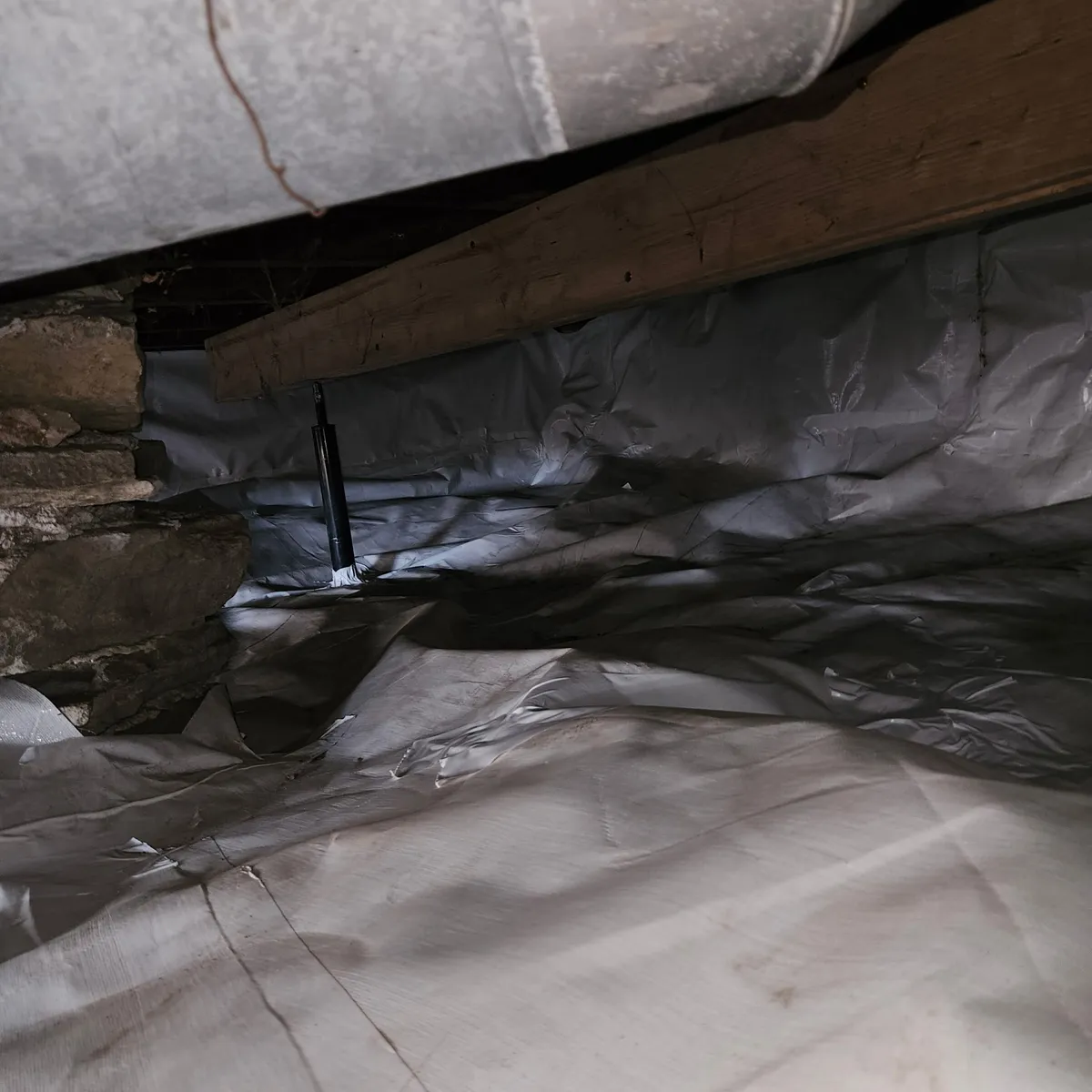
Crawlspace Encapsulation in Kansas City, Missouri — A Liner the Old Stone Can't Be, and Foam on Both Zones
Much of Kansas City's pre-1940 core — Brookside, Waldo, the Historic Northeast — stands on stone and limestone laid up in lime mortar, and a crawlspace ringed by that loose, porous perimeter is essentially always breathing. Ground moisture and soil gas wick straight through the old walls, which is why the fix here starts with a liner the stone can't be, and a foam envelope over both the crawl and the cellar beside it.
Free 45-Minute Analysis + Written Report
Get a precise analysis of your foundation and waterproofing situation, and a clear estimate on what any fixes or corrections might cost.
Takes 30 seconds. We'll call within 24 hours.
Thank You!
We'll be in touch within 24 hours.
Why does a century-old Kansas City house with a stone foundation stay musty even after the crawlspace floor looks dry?
In a newer house, a dry-looking crawlspace floor usually means a dry crawlspace. In Kansas City's pre-war core it often doesn't, because the moisture problem in these homes is less the puddle on the ground than the vapor moving through the walls. Stone and limestone set in century-old lime mortar is porous and open; it wicks ground moisture and lets soil gas pass through in a way a newer poured wall never would. You can wipe the floor and still be breathing the ground.
This is a KC-specific situation because of when and how the urban core was built. Brookside, Waldo, and the Historic Northeast filled in largely between the 1900s and the 1940s on quarried stone and limestone foundations. Many of these homes are not one clean basement but a hybrid — a dug-out cellar under the main house plus a shallow crawlspace under a rear kitchen, a back porch, or a later addition. The cellar and the crawl connect, and they share air. Treat one and the other keeps working against you.
The ground they sit on doesn't help. Jackson County's heavy clay holds surface water rather than draining it, so the soil under an urban-core crawl stays damp and feeds evaporation upward for weeks after rain. Then the architecture amplifies it: century homes were often balloon-framed, with wall cavities that run uninterrupted from the crawl all the way to the attic. Those cavities behave like chimneys. Warm air rising through them draws crawl air up behind the plaster and into the living space, humidity, musty odor, and soil gas included — the same soil gas that can carry radon. That's how a crawl that "looks dry" still delivers damp, stale air to the rooms you live in.
There's a water-source wrinkle unique to these old blocks, too. On the mature-canopy streets around Loose Park and the Country Club Plaza, big established trees pull moisture through the soil in cycles; elsewhere in the core, original clay sewer laterals as old as the houses seep at their joints and keep one stretch of ground quietly loaded year-round. Either way, the soil beside the foundation rarely gets a real chance to dry, and the crawl above it keeps evaporating that moisture into the house.
All of which is why encapsulating a Kansas City stone-foundation home can't be a sheet of poly thrown over the dirt. A reinforced liner has to be fitted, mechanically fastened, and sealed across irregular stone, around piers, and up walls that were never flat to begin with. And because the cellar and crawl breathe together, JLB spray-foams both zones — the crawlspace and the adjoining basement or cellar — so the whole connected underfloor is sealed rather than half of it. That's twice the envelope in one visit, and it costs less than bringing in separate trades to seal the pieces one at a time. The step-by-step is on the crawlspace encapsulation page.
Sequence matters most on these houses. Where a cracked lateral or poor drainage is adding real water, that gets addressed first with drainage and waterproofing, because a liner over an actively wet stone floor just traps the water. On cost, the driver here is rarely square footage — it's the hand-detailing the old stone demands, sealing a liner to a surface that fights you the whole way. A typical urban-core encapsulation runs into the four figures and rises with the amount of stone work, dual-zone foam, and dehumidification involved. An exact figure needs an on-site estimate; nobody can price a stone cellar they haven't stood in.
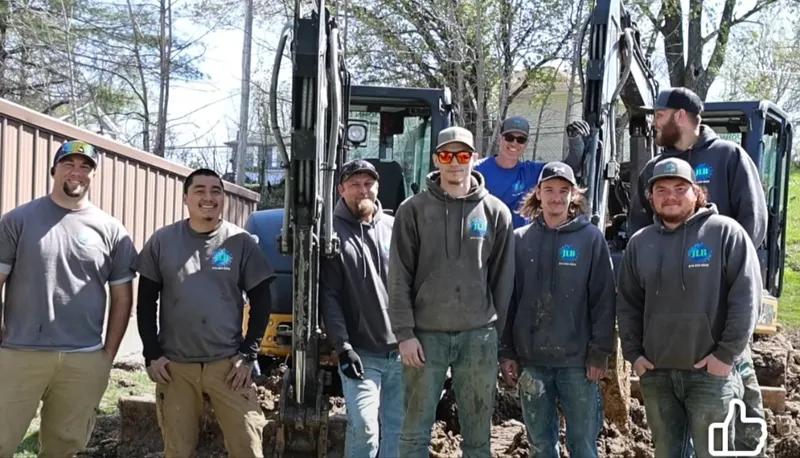
Meet the Team Serving Kansas City
JLB is a local crew — not a franchise. We handle crawlspace encapsulation across Kansas City and the Kansas City metro. Watch to see who shows up at your door.
Watch Crawlspace Encapsulation Work in Kansas City
Two Ways to Pay Over Time
12 Months Same As Cash
Pay the full balance within 12 months and you pay no interest.
5 Years at 6.99% APR
A lower monthly payment, spread over 60 months.
On approved credit. Ask for full terms at your free estimate.
Foundation and water problems rarely get cheaper while they wait.
How Do You Know Your Kansas City Crawlspace Needs Encapsulation?
Freezing temperatures outside mean condensation problems inside your crawlspace. In Kansas City, winter cold chills crawlspace walls and floor surfaces while the soil below stays warmer. That condensation cycle runs from late fall through early spring, giving biological growth four to five months of ideal conditions every year.
Musty Smell Throughout the House
It's not "just an old house smell." That odor is mold and mildew from your crawlspace rising through the floor and circulating through your entire home. In Kansas City's climate, musty crawlspace air rises into the living space through a process called the "stack effect" — what's below affects everything above.
Unusually High Humidity Indoors
If your home feels clammy even with the AC running, your crawlspace is pumping moisture into the living space. The stack effect pulls that damp air upward all day. Kansas City homeowners often dismiss sticking doors as "the house settling." In Jackson County's clay soil, it usually means the foundation has moved.
Cold Floors in Winter
Freezing floors above the crawlspace mean zero insulation and open air exchange. You're heating the outdoors through the gap beneath your feet. Sloping floors in Kansas City homes usually mean the foundation beneath has settled unevenly — a structural issue, not a cosmetic one.
Visible Mold in the Crawlspace
If you can see it on the joists, subfloor, or vapor barrier (if there even is one), the mold colony is established. It's releasing spores into your home continuously. In Kansas City's climate, musty crawlspace air rises into the living space through a process called the "stack effect" — what's below affects everything above.
Standing Water or Damp Soil
A wet crawlspace is a mold factory, a wood rot incubator, and a pest magnet. Nothing good happens when there's water under your house. Kansas City's stone foundations are porous by nature — water penetrates through the stone itself, not just the joints.
Sagging or Bouncy Floors
Moisture damage weakens floor joists and subfloor over time. If your floors feel soft or bouncy, the structural wood beneath them may be compromised. Sloping floors in Kansas City homes usually mean the foundation beneath has settled unevenly — a structural issue, not a cosmetic one.
Is your Kansas City crawlspace costing you money?
An open crawlspace is an open invitation for moisture, mold, and energy loss. Most Kansas City homeowners don't realize up to 40% of the air they breathe comes from below the floor. A free crawlspace inspection reveals what's really going on down there.
Four Steps to a Sealed Crawlspace
From "I'm afraid to look down there" to "it's cleaner than my garage" — here's how we do it.
Crawlspace Inspection
We go in, assess moisture levels, check for mold and wood damage, measure humidity, and identify water entry points. You get photos and a full report.
Custom Encapsulation Plan
Based on your crawlspace's size, moisture level, and condition, we design the right combination of vapor barrier, drainage, insulation, and dehumidification.
Complete Encapsulation
Our crew installs the full system — vapor barrier, spray foam, drainage (if needed), and dehumidifier. Most crawlspace projects complete in 2–4 days.
Clean, Dry, Protected
Your crawlspace is sealed, insulated, and climate-controlled. No more mold, no more moisture, no more cold floors. The air quality in your entire home improves.
Who Provides Crawlspace Encapsulation in Kansas City?
With nearly 509000 residents, Kansas City keeps our Jackson County crews busy year-round. From established neighborhoods to newer developments, we know the soil, we know the foundations, and we know the local permit process. When we show up at your door, you're getting the same team from inspection through final walkthrough.
Call (816) 408-3651“Our crawlspace was a nightmare — standing water, mold on the joists, and you could smell it upstairs. JLB installed drainage, a vapor barrier, and spray foam. The musty smell was gone within a week. Our energy bill dropped $80/month.”
Why Do Kansas City Homeowners Choose JLB for Crawlspace Encapsulation?
We earn trust the old-fashioned way: honest inspections, fair pricing, and repairs that last.
Jackson County Permit Expertise
We pull permits and coordinate inspections with Jackson County building officials for every encapsulation project. Our crews have worked with the local building department for years — we know their process inside and out.
Dual-Zone Encapsulation
Most contractors seal either the crawlspace or the basement. In Kansas City, JLB spray foams both — for twice the moisture and energy protection at a lower combined cost than doing one alone. Tight, damp crawl spaces are exactly where our insured crews do their best work.
Hundreds of Kansas City Homes
With nearly 509000 residents, Kansas City generates steady demand for crawlspace work. Our crews have worked on crawl spaces and basements across every part of town — there's not a neighborhood we haven't been to.
Financing for Older Homes
Older homes often need larger repairs that can strain a household budget. We offer flexible financing plans specifically so Kansas City homeowners with older, damp crawl spaces can get the work done now — before another season of moisture buildup makes it worse.
Real Projects. Real Results.
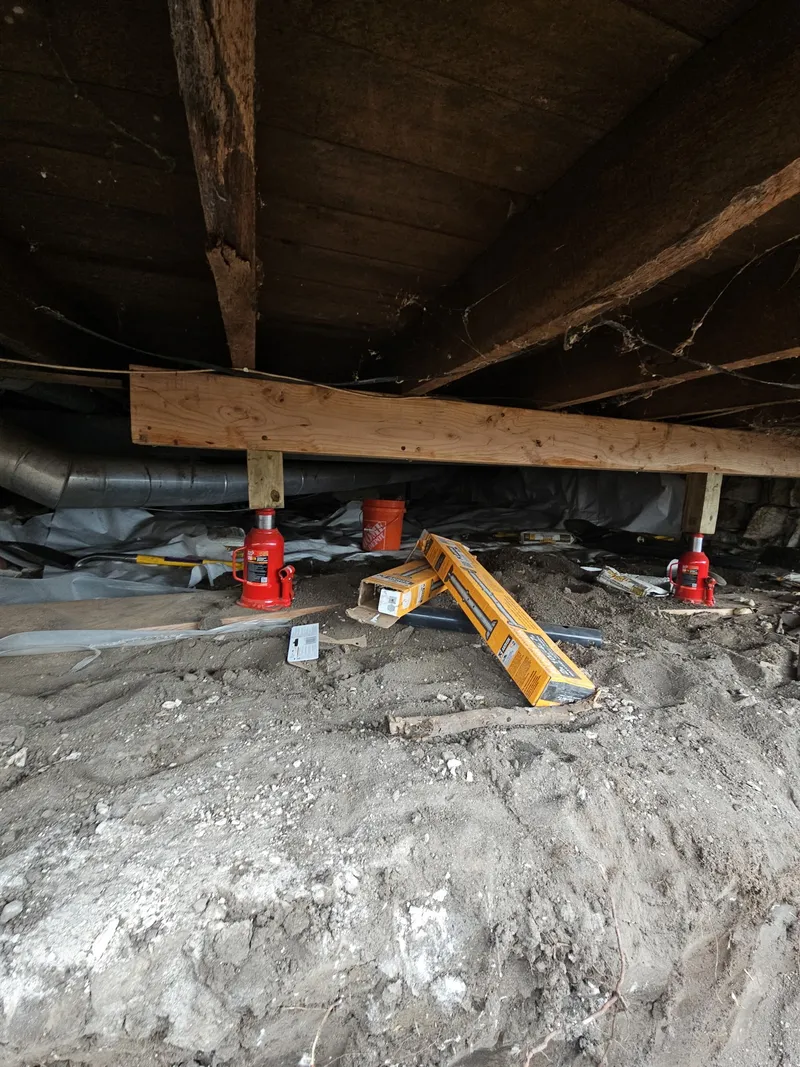
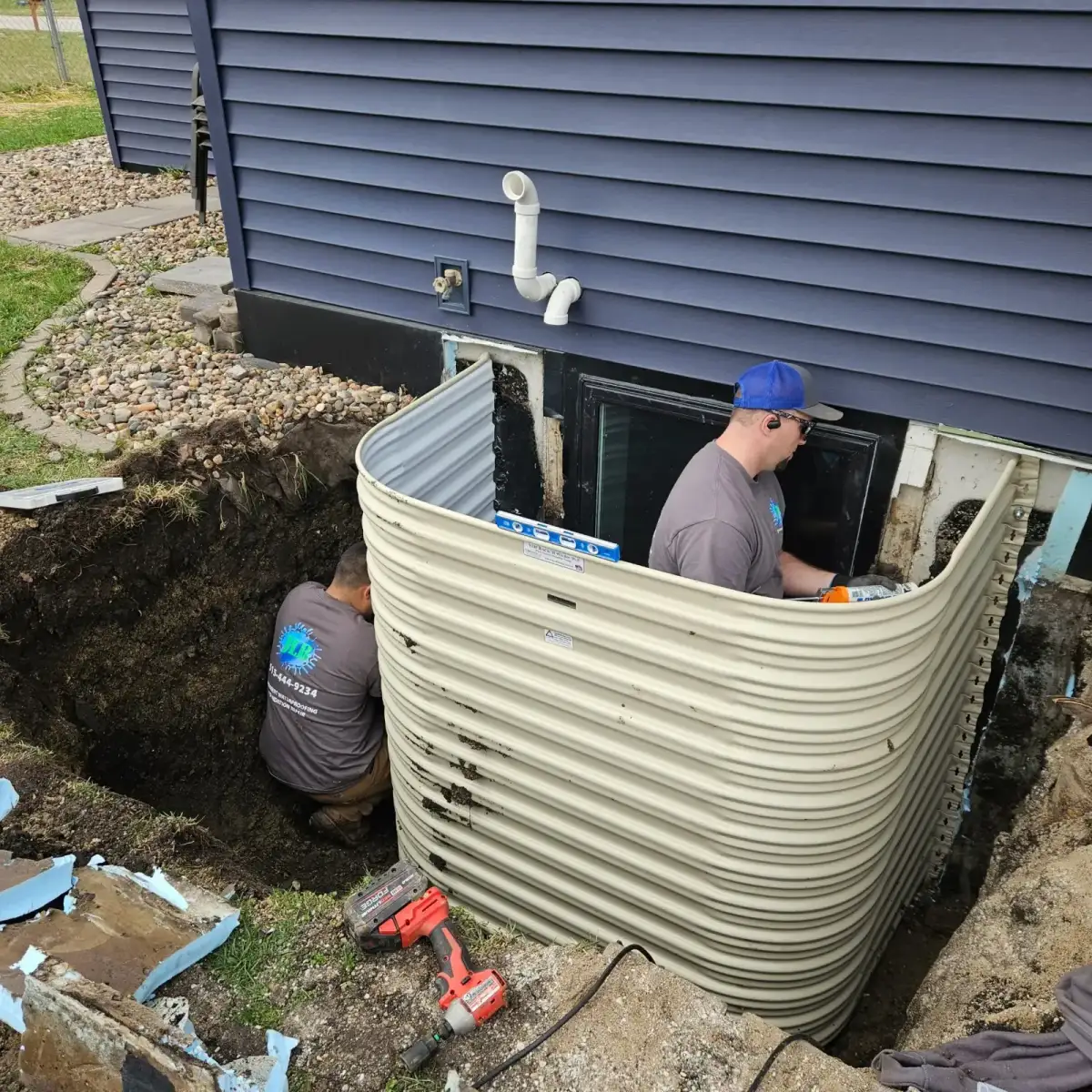
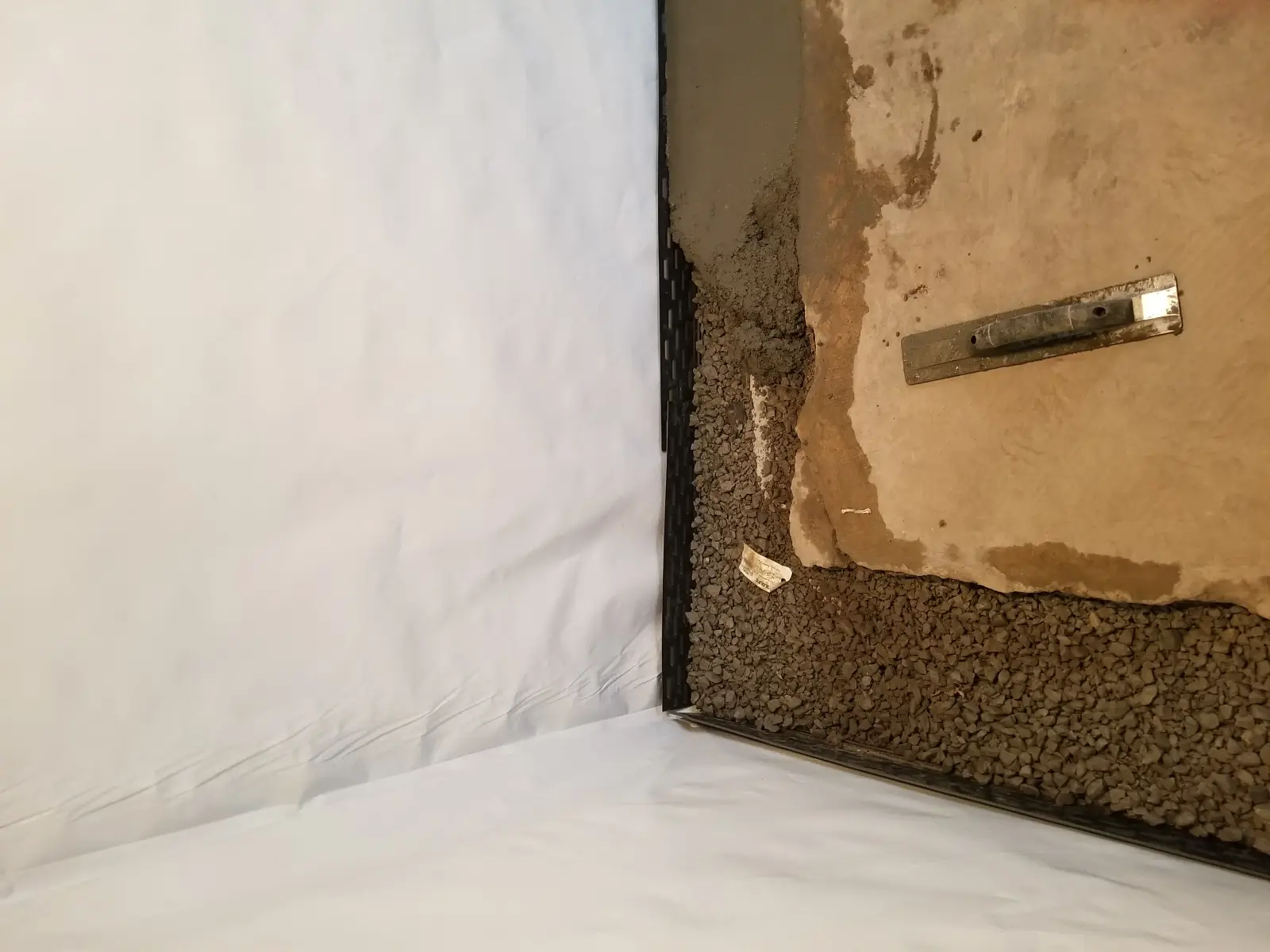
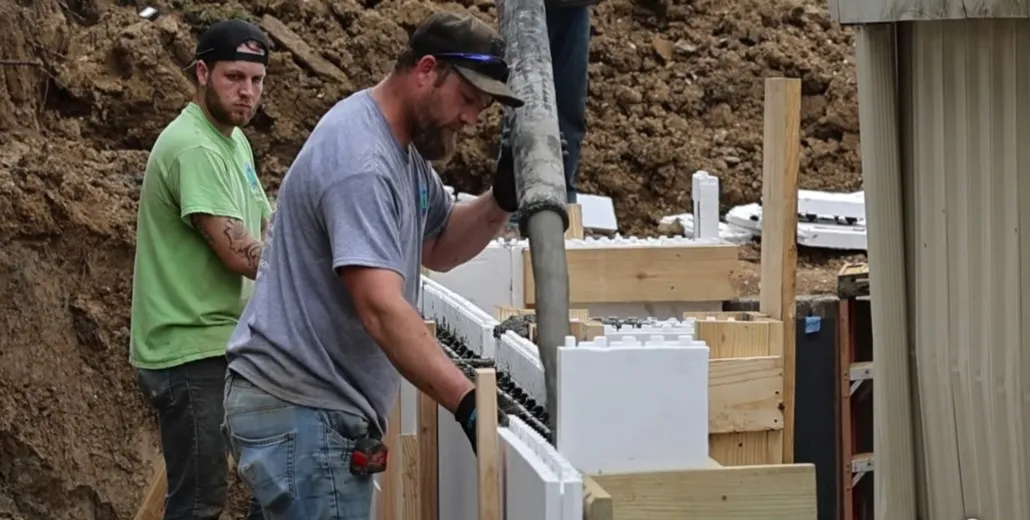
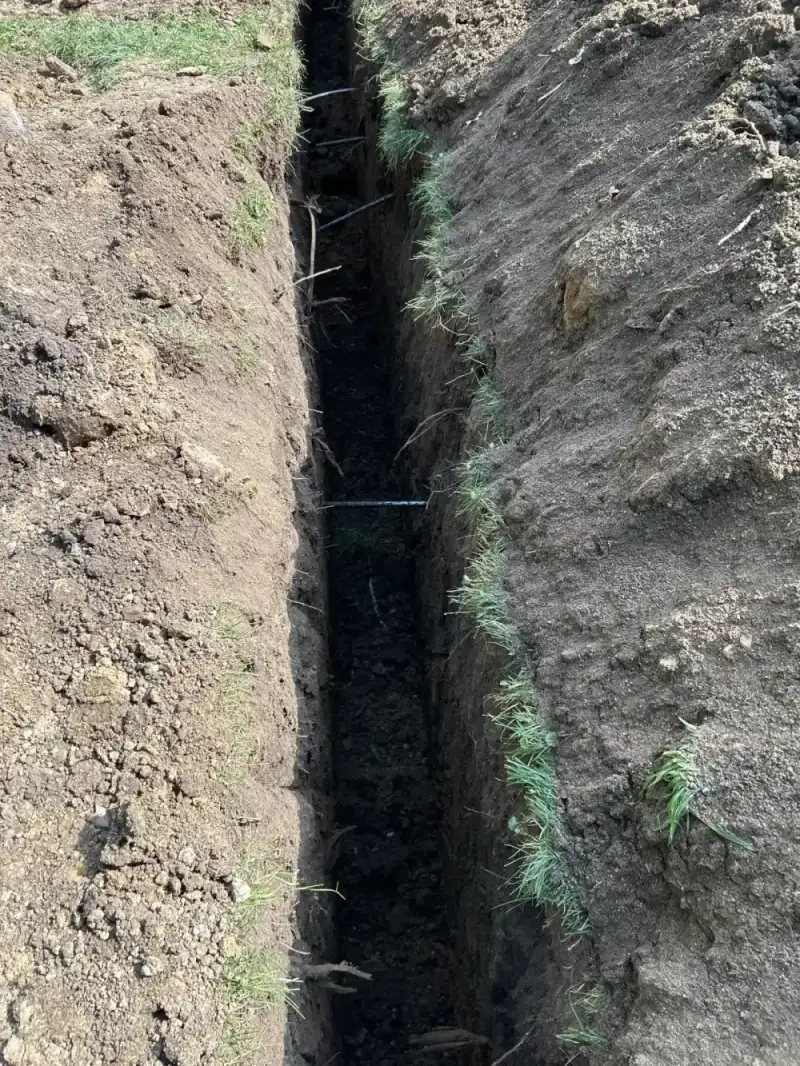
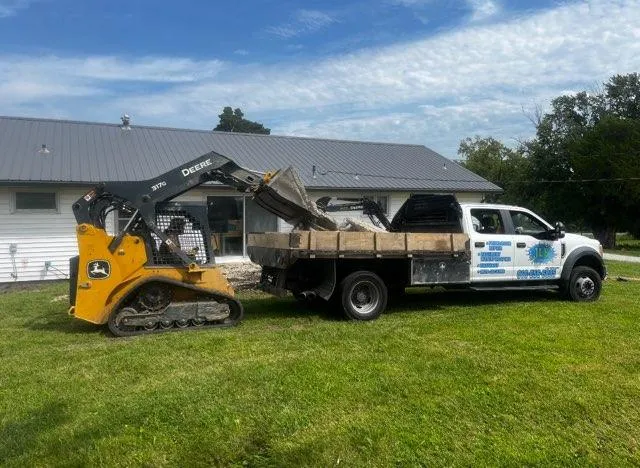
Every photo is from an actual JLB job site — not a stock photo. See the work we do every day across Kansas City and Des Moines.
What Does Crawlspace Encapsulation Cost in Kansas City, MO?
Older Kansas City homes were built with vented crawlspaces — a design we now know causes chronic moisture problems in Jackson County's climate. Encapsulation seals the space and reverses decades of damage. Here's what it typically costs.
| Component | Typical Cost Range | Notes |
|---|---|---|
| Vapor barrier only (basic) | $1,500–$4,000 | Minimum protection; 6-mil or 12-mil polyethylene |
| Standard encapsulation (barrier + dehumidifier + insulation) | $5,000–$10,000 | Most common package for KC/DSM homes |
| Advanced encapsulation (with drainage + sump + mold remediation) | $10,000–$15,000+ | Homes with existing moisture/mold problems |
| Dehumidifier installation (add-on) | $800–$1,500 | Commercial-grade crawlspace unit; essential for Midwest humidity |
| Spray foam insulation (add-on) | $1.50–$3.50 per sq ft | JLB includes spray foam for BOTH crawlspace and basement |
| Per square foot (total project) | $3–$10 per sq ft | Depends on scope and existing conditions |
JLB spray-foams both the crawlspace AND the basement for twice the protection at a lower combined cost than competitors who only do one. Call (816) 408-3651 (KC) or (515) 717-8560 (DSM) for a free estimate.
Two Ways to Pay for It
12 Months Same As Cash
Pay the full balance within 12 months and you pay no interest.
Best if you can pay it off within a year.
5 Years at 6.99% APR
A lower monthly payment, spread over 60 months.
Best for bigger projects.
On approved credit. Ask for full terms at your free estimate.
Foundation and water problems rarely get cheaper while they wait.
Crawlspace Encapsulation Questions for Kansas City
Crawlspace Encapsulation in Kansas City
Because in a pre-war stone-foundation home the moisture that reaches your living space mostly comes through the walls, not up off the floor. Quarried stone and limestone in century-old lime mortar is porous; it wicks ground moisture and passes soil gas through the perimeter even when the dirt floor looks dry. Balloon-framed wall cavities then carry that damp, earthy air upward like chimneys. A dry-looking floor tells you very little — the fix is sealing the whole space with a liner and foam so the walls stop breathing the ground into the house.
Yes, but not with the flat-wall method used on newer homes. Stone and limestone walls are irregular, and the mortar joints between them are the porous part. Encapsulation here means a reinforced liner cut and fitted to the actual surface, mechanically fastened, and sealed around every pier and up the uneven wall — plus closed-cell foam to complete the envelope. It's more hand-work than a poured-wall crawl, which is what drives the cost, but it's very much doable and it's the right way to stop an old stone foundation from wicking moisture into the home.
In almost every case, yes, and that's the crux of it. Many urban-core homes have a dug-out cellar under the main house and a shallow crawl under a rear addition or porch, and the two are connected and share air. Sealing the crawl but leaving the cellar open, or vice versa, leaves an untreated space feeding moisture straight back into the sealed one. JLB's dual-zone approach spray-foams both the crawl and the adjoining cellar in one visit so the entire connected underfloor is dry — for less than treating them as two separate jobs.
It helps with the pathway. A sealed liner and foam envelope closes off the bare soil and porous stone that let soil gas — including radon-carrier vapor — pass into the crawl and rise into the house through those balloon-framed cavities. Encapsulation is a moisture and air-quality system, not a certified radon mitigation system, so if radon is a specific concern it should be tested and, if elevated, handled by dedicated mitigation. But sealing the crawl removes a major route that damp, gas-laden ground air uses to get upstairs in a century-old home.
In the pre-war neighborhoods the sewer laterals are often as old as the houses, and they fail at the joints rather than in the middle. A cracked joint doesn't flood the basement; it quietly seeps water into the soil beside the foundation all year, keeping one stretch of ground permanently damp. That soil then feeds moisture up through the porous stone and into the crawl. If your dampness is concentrated on one wall with no obvious source above ground, it's worth having the lateral scoped before sealing, so drainage is corrected first and the liner isn't trapping an active leak.
Less predictable per square foot than on a modern home, because the cost is driven by the stone. Fitting and sealing a liner to irregular limestone, detailing around piers, and completing the foam envelope is hand-work, so a small but heavily detailed cellar-and-crawl can cost more than a larger, simpler modern crawl. As a rough guide it runs into the four figures and climbs with the amount of stone detailing, dual-zone foam, and dehumidification involved. JLB's on-site assessment is free and gives you a real figure with honest options rather than a number over the phone.
Crawl Space Encapsulation
Crawl space encapsulation seals the crawl space with a heavy-duty vapor barrier over the floor and walls, often adding drainage, a dehumidifier, and sealed vents. It creates a clean, dry, controlled space that blocks ground moisture and improves the health of the home above.
Encapsulation reduces moisture, mold, and musty odors, protects wood framing from rot, discourages pests, and can improve energy efficiency and indoor air quality. In Kansas City's humid, clay-heavy environment, it is one of the most effective ways to control crawl space moisture.
Encapsulation typically costs from a couple thousand dollars up, depending on crawl space size, condition, and whether drainage or a dehumidifier is added. A larger or wetter space costs more. JLB inspects the crawl space and provides a written estimate for the recommended system.
Yes. By sealing out ground moisture and controlling humidity, encapsulation directly targets the conditions that allow mold and wood rot to develop. Paired with a dehumidifier, it keeps the crawl space consistently dry, protecting the structure and air quality above.
If your crawlspace smells musty, has visible moisture or condensation on surfaces, or if your floors feel cold in winter, encapsulation will likely solve the problem. Up to 40% of the air in your home enters from below through the stack effect, carrying mold spores, humidity, and odors with it. JLB's dual-seal approach spray-foams both the crawlspace and the basement — twice the protection at a competitive price. After encapsulation, most homeowners notice improved air quality, warmer floors, and lower energy bills within the first few months.
Not Sure What You're Dealing With?
Click any symptom below to learn what it means, what's likely causing it, and how we can help. Most of these are more common — and more fixable — than you'd think.
Diagonal, stair-step, or horizontal cracks in drywall, plaster, or brick usually trace back to soil movement beneath your foundation. The heavy clay soils in the Kansas City and Des Moines metros expand and contract seasonally, which can shift your foundation over time. The good news: this is very fixable with the right approach.
Water entering through floor joints, wall cracks, or seeping through porous concrete means groundwater pressure is pushing moisture into your basement. An interior drainage system and sump pump can solve this permanently — and we can usually have it done in a day or two.
When a foundation settles unevenly, it can shift your home's frame just enough to make doors and windows bind. This is one of the earlier signs of foundation movement — and catching it early often means a simpler, less expensive repair.
That musty smell is moisture. Up to 40% of the air in your home rises from below — from your crawlspace and basement. If there's excess humidity down there, it affects your whole home. Encapsulation seals it out, and you'll notice the difference in your air quality right away.
Floors that slope toward the center or an exterior wall usually mean the support structure underneath needs attention. Push piers can stabilize your foundation and often lift it back to level — giving your floors a second life.
When soil washes out or compacts beneath a concrete slab, the slab drops and becomes uneven. Polyjacking uses expanding polyurethane foam to fill the void and lift the concrete back to grade — usually in under a day, with no heavy equipment needed.
Water collecting near your foundation means your grading or drainage isn't directing water away effectively. French drains, regrading, extended downspouts, and drain pipes can redirect water away from the house — protecting your foundation for the long haul.
A basement wall that has bowed more than 2 inches inward, shifted off its footing, or shows multiple structural cracks may have moved beyond what bracing can fix. When carbon fiber straps, I-beams, or wall anchors are not enough, the wall needs to be removed and rebuilt with reinforced concrete. This is the last resort — but it is the permanent fix when the wall itself is compromised.
Free Crawlspace Estimate in Kansas City
We'll inspect your crawlspace for moisture, mold, insulation gaps, and structural concerns. JLB's dual spray-foam approach seals both the crawlspace and the basement for twice the protection. Fill out the form or call us at(816) 408-3651.
Where Does JLB Provide Crawlspace Encapsulation in Kansas City?
We serve every corner of Kansas City. Click a neighborhood to learn about local foundation conditions.
Where Else Does JLB Provide Crawlspace Encapsulation?
Our Locations
We're always close enough to help — our crews are local to your area.
JLB Foundation Repair & Basement Waterproofing — Kansas City
111 NE 72nd St, Ste 111Kansas City, MO, 64119(816) 408-3651 View on Google Maps
Stop the Damage. Get Answers Today.
A free estimate takes 45 minutes and tells you exactly what's going on under your house — and exactly what it takes to fix it.