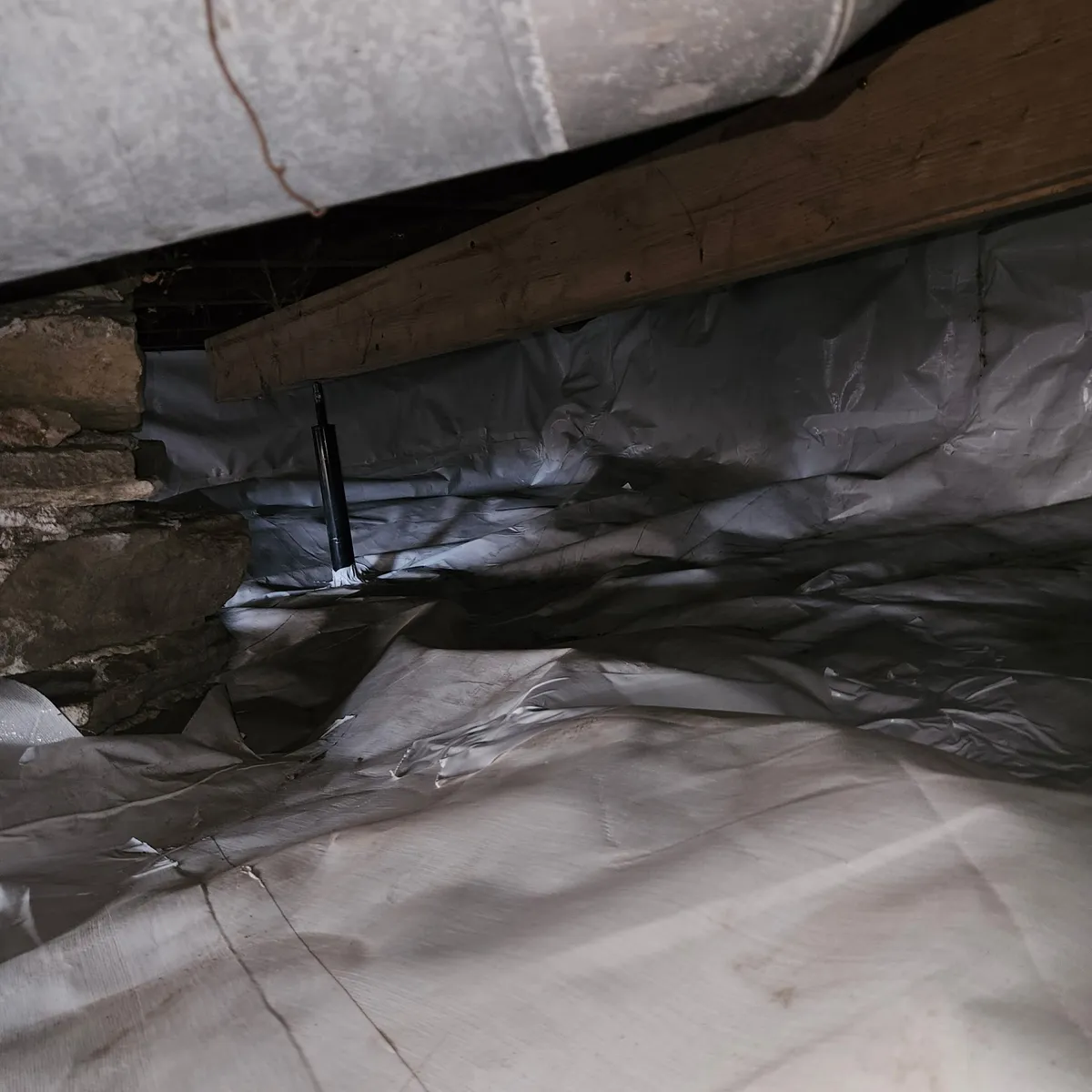
Crawlspace Encapsulation in Altoona, Iowa — Dry the Crawl That Flat Ground Won't Drain
Altoona sits where the Des Moines metro flattens out into Iowa's open farmland, and that dead-flat ground is the root of a lot of crawlspace moisture here. With almost no natural slope, water has nowhere to run off to, so the soil stays saturated and a crawl has no downhill to hand its moisture to. In Altoona's older mid-century homes, block-walled crawls then wick that standing ground moisture straight through the mortar joints. JLB seals the crawlspace and the basement together so the whole lower level stays dry.

Free 45-Minute Analysis + Written Report
Get a precise analysis of your foundation and waterproofing situation, and a clear estimate on what any fixes or corrections might cost.
Takes 30 seconds. We'll call within 24 hours.
Thank You!
We'll be in touch within 24 hours.
Why does Altoona's flat ground east of Des Moines keep my crawlspace from drying out?
What holds moisture in an Altoona crawlspace is the flatness. Altoona sits on the east edge of the metro, where the land levels off into the open agricultural plains, and that dead-flat terrain drains poorly by nature — there's almost no grade to carry surface water or shallow groundwater away. Water that would run off a hillside lot in a matter of hours instead sits and soaks into the ground, so the soil under a crawl here stays saturated far longer than it would on rolling terrain, and a vented crawl over saturated ground never gets a dry stretch to catch up.
Altoona's housing mix decides how that ground moisture gets inside. The city has a stable mid-century residential core alongside its 1990s and 2000s suburban expansion, and those older homes often stand on concrete block foundations. Block is hollow and its mortar joints are porous, so when the surrounding soil stays wet, the block walls of a crawl wick that moisture through the joints by capillary action — you can have a crawl that reads damp and smells earthy without a drop of standing water, just steady wicking through the block.
Here's how Altoona's housing maps to where the moisture comes from:
| Altoona area & era | Typical foundation | How moisture reaches the crawl | What a real seal covers |
|---|---|---|---|
| Mid-century core (mixed older stock) | Concrete block basement + block-walled crawl | Saturated flat-ground soil wicks through porous block mortar joints | A liner up the block walls + dual-zone foam at the rim |
| 1990s–2000s expansion | Poured basement + partial crawl under a wing | The flat lot can't drain, so ground vapor rises into a vented crawl | Vent sealing + a mechanically sealed floor liner |
| Any Altoona lot after a heavy rain | Vented crawl beside conditioned space | Standing surface water soaks in and keeps the crawl soil wet for days | Interior drainage and a sump before the liner goes down |
The comfort side of this is what homeowners actually notice: a lower level that smells musty, a floor over the crawl that stays cool and clammy, and humidity the rest of the house inherits. The home's rising airflow pulls the crawl's damp, earthy air up through joist gaps into the living levels, so the crawl quietly sets the humidity of the rooms above it. It's also why sumps work harder in Altoona than in hillier towns — with no natural drainage, the pump is doing the job the terrain can't, which is exactly why a battery backup matters here.
JLB treats the crawl and basement as one system because the air between them is connected — seal one and leave the other, and the untreated zone just feeds moisture back. We spray-foam both zones in a single visit, for less than hiring separate trades. A full Altoona encapsulation covers:
- Interior drainage and a sump — with a battery backup that matters on flat ground where the pump can't rely on gravity — wherever active water is present
- Sealing the foundation vents that let humid Iowa summer air condense on cool crawl soil and joists
- A reinforced liner mechanically sealed across the floor and up the block or poured walls
- Dual-zone closed-cell foam at both rim bands so the crawl and basement seal as one envelope
- A right-sized dehumidifier to hold the sealed space dry when the flat ground stays wet
On Altoona's flat lots the order matters more than most places: because the ground can't drain itself, active water gets a drainage system and a backed-up sump first — paired with waterproofing — so the liner seals a dry floor instead of trapping water under it. The full step-by-step is on the crawlspace encapsulation page. Cost here typically lands in the low-to-mid four figures and rises with drainage, a sump, a dehumidifier, or dual-zone foam; the closed-cell insulation portion may qualify for a federal energy-efficiency tax credit. An exact number needs an on-site look.
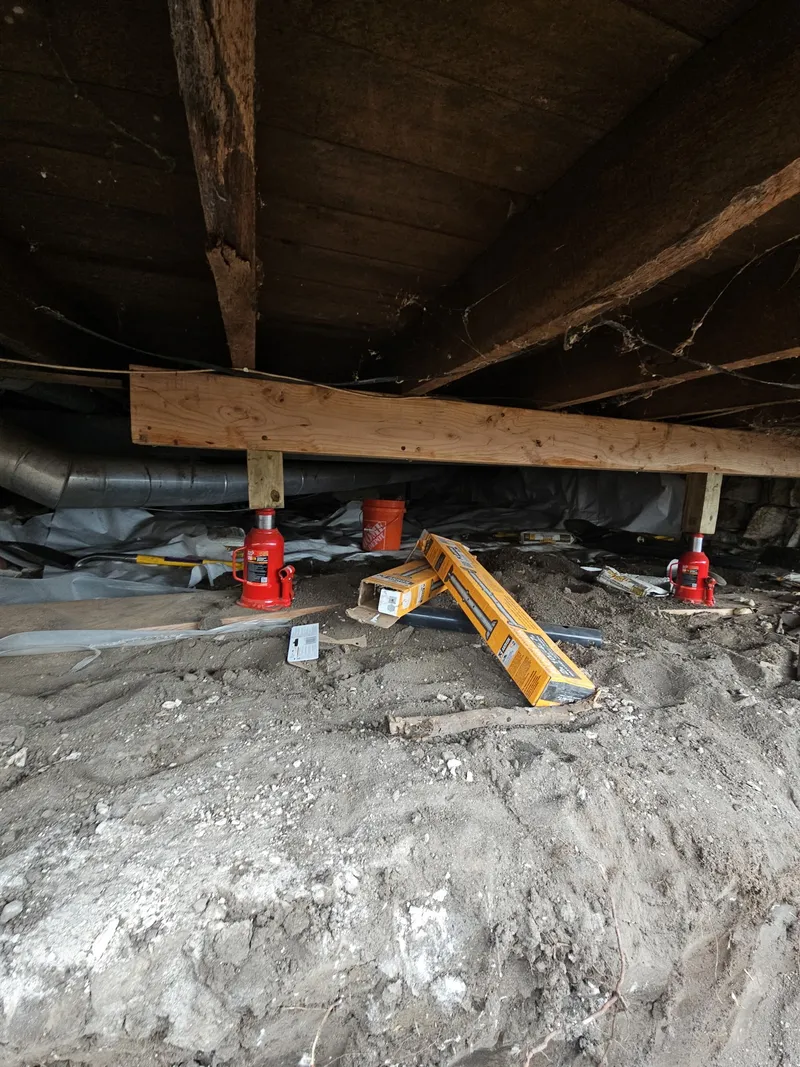
Meet the Team Serving Altoona
JLB is a local crew — not a franchise. We handle crawlspace encapsulation across Altoona and the Des Moines metro. Watch to see who shows up at your door.
Watch Crawlspace Encapsulation Work in Altoona
Two Ways to Pay Over Time
12 Months Same As Cash
Pay the full balance within 12 months and you pay no interest.
5 Years at 6.99% APR
A lower monthly payment, spread over 60 months.
On approved credit. Ask for full terms at your free estimate.
Foundation and water problems rarely get cheaper while they wait.
How Do You Know Your Altoona Crawlspace Needs Encapsulation?
The soil under your Altoona crawlspace isn't just dirt — it's a moisture source. Polk County's glacial till composition holds moisture at the depth where most crawlspaces sit. An exposed dirt floor in this soil type acts as a constant humidifier, pushing ground moisture into the crawlspace air throughout the year. The soil type is the reason encapsulation is more critical here than in areas with sandy, free-draining ground.
Musty Smell Throughout the House
It's not "just an old house smell." That odor is mold and mildew from your crawlspace rising through the floor and circulating through your entire home. In Altoona's climate, musty crawlspace air rises into the living space through a process called the "stack effect" — what's below affects everything above.
Unusually High Humidity Indoors
If your home feels clammy even with the AC running, your crawlspace is pumping moisture into the living space. The stack effect pulls that damp air upward all day. Even newer Altoona homes experience this when the clay soil shifts enough to move the foundation, pulling door and window frames out of square.
Cold Floors in Winter
Freezing floors above the crawlspace mean zero insulation and open air exchange. You're heating the outdoors through the gap beneath your feet. Sloping floors in Altoona homes usually mean the foundation beneath has settled unevenly — a structural issue, not a cosmetic one.
Visible Mold in the Crawlspace
If you can see it on the joists, subfloor, or vapor barrier (if there even is one), the mold colony is established. It's releasing spores into your home continuously. In Altoona's climate, musty crawlspace air rises into the living space through a process called the "stack effect" — what's below affects everything above.
Standing Water or Damp Soil
A wet crawlspace is a mold factory, a wood rot incubator, and a pest magnet. Nothing good happens when there's water under your house. Block basements in Altoona often show efflorescence (white mineral deposits) before active leaking begins — an early warning worth acting on.
Sagging or Bouncy Floors
Moisture damage weakens floor joists and subfloor over time. If your floors feel soft or bouncy, the structural wood beneath them may be compromised. Sloping floors in Altoona homes usually mean the foundation beneath has settled unevenly — a structural issue, not a cosmetic one.
Is your Altoona crawlspace costing you money?
An open crawlspace is an open invitation for moisture, mold, and energy loss. Most Altoona homeowners don't realize up to 40% of the air they breathe comes from below the floor. A free crawlspace inspection reveals what's really going on down there.
Four Steps to a Sealed Crawlspace
From "I'm afraid to look down there" to "it's cleaner than my garage" — here's how we do it.
Crawlspace Inspection
We go in, assess moisture levels, check for mold and wood damage, measure humidity, and identify water entry points. You get photos and a full report.
Custom Encapsulation Plan
Based on your crawlspace's size, moisture level, and condition, we design the right combination of vapor barrier, drainage, insulation, and dehumidification.
Complete Encapsulation
Our crew installs the full system — vapor barrier, spray foam, drainage (if needed), and dehumidifier. Most crawlspace projects complete in 2–4 days.
Clean, Dry, Protected
Your crawlspace is sealed, insulated, and climate-controlled. No more mold, no more moisture, no more cold floors. The air quality in your entire home improves.
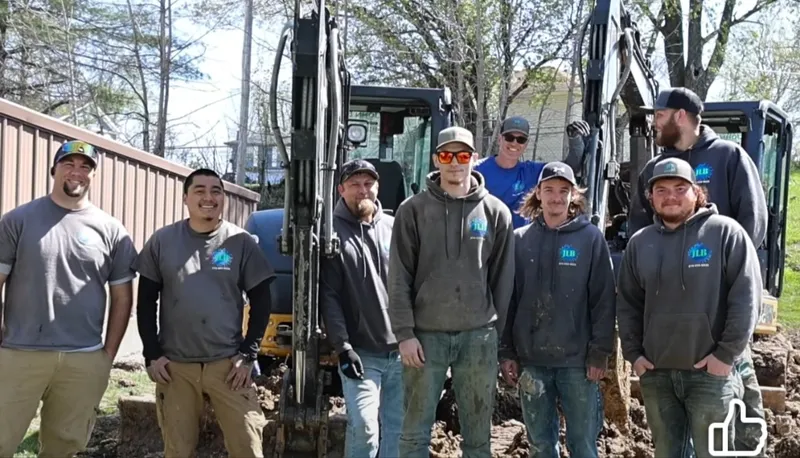
Who Provides Crawlspace Encapsulation in Altoona?
Altoona is a close-knit community of about 24000, and we treat it that way. Our Des Moines area crew handles every job in Altoona personally — the same team that inspects your home is the same team that does the work. No subcontractors, no handoffs.
Call (515) 717-8560“Our floors were freezing in winter and the musty smell never went away. JLB spray foamed the rim joists, installed a vapor barrier, and put in a dehumidifier. The house is warmer, drier, and the smell is completely gone.”
Why Do Altoona Homeowners Choose JLB for Crawlspace Encapsulation?
We earn trust the old-fashioned way: honest inspections, fair pricing, and repairs that last.
Iowa Licensed & Polk County Permitted
We're licensed in Iowa and experienced with Polk County's building department. From permit applications to final inspections, we handle the paperwork so Altoona homeowners can focus on their home, not the process.
Dual-Zone Encapsulation
Most contractors seal either the crawlspace or the basement. In Altoona, JLB spray foams both — for twice the moisture and energy protection at a lower combined cost than doing one alone. Tight, damp crawl spaces are exactly where our insured crews do their best work.
Small-Town Accountability
In Altoona, reputation is everything. We show up when we say we will, we do the work right, and we stand behind it with a transferable warranty. Every job gets our full attention.
Financing That Fits
Crawlspace moisture and humidity problems only get more expensive over time. We offer flexible payment plans so Altoona homeowners can act now instead of watching a small problem grow into a costly one.
Real Projects. Real Results.
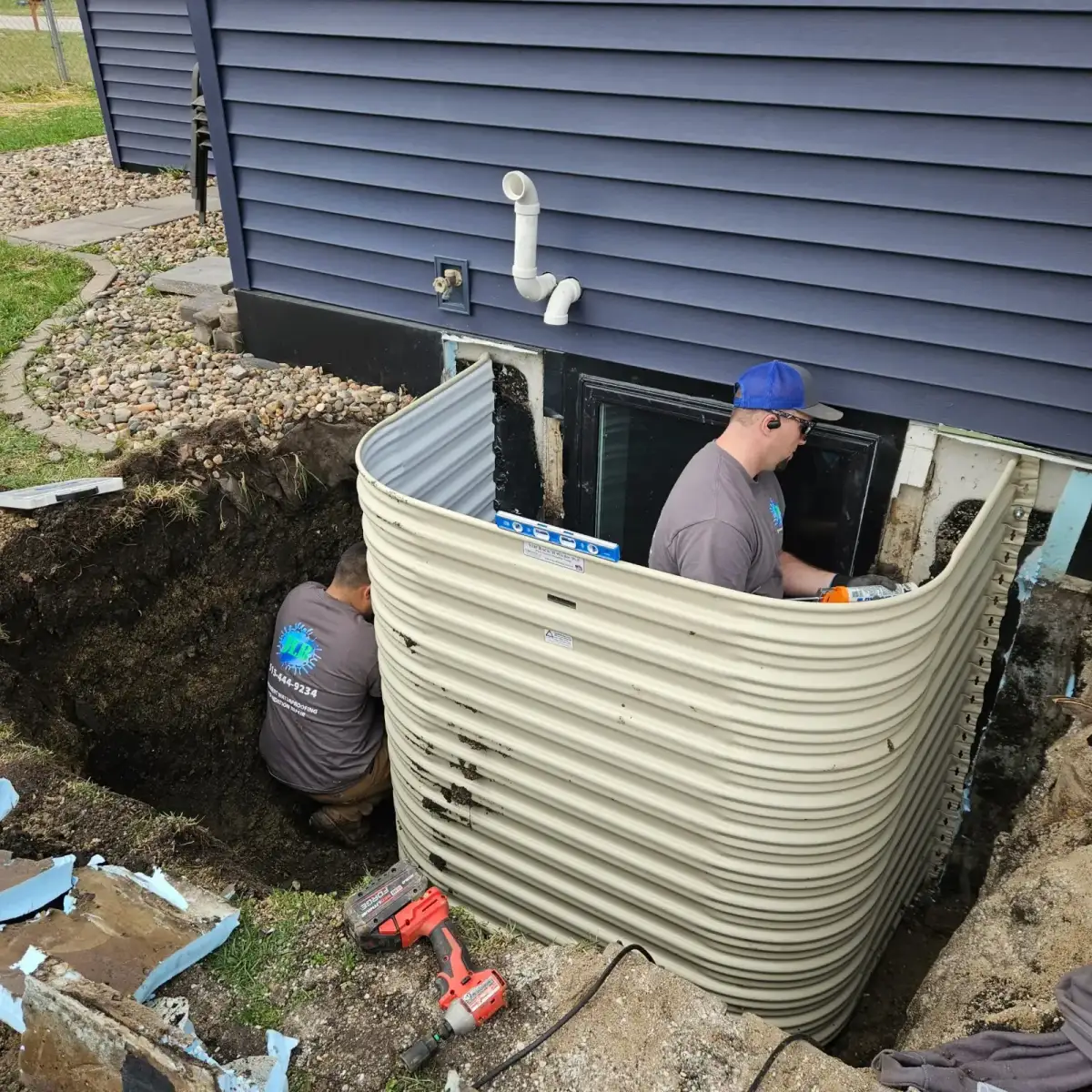
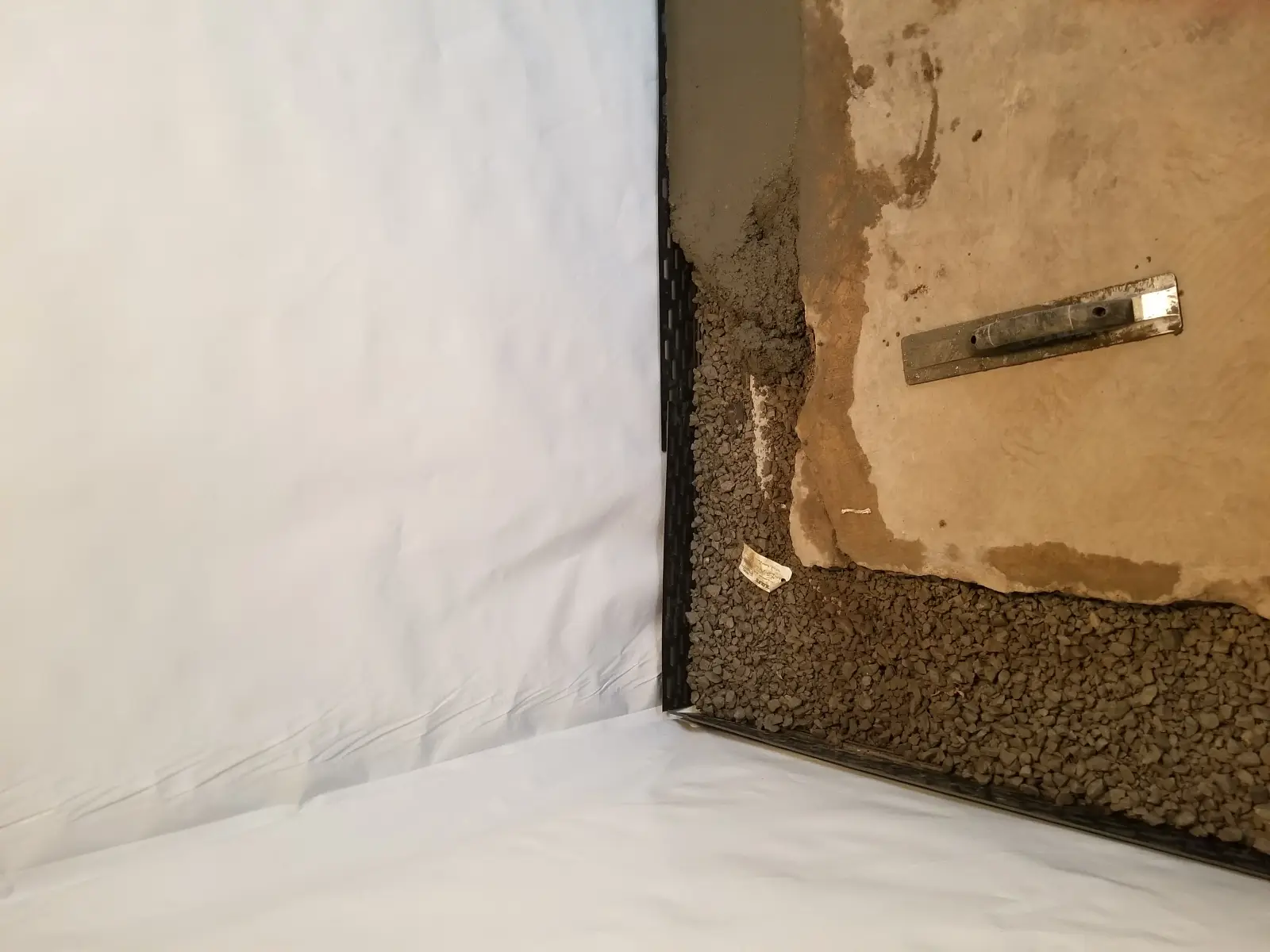
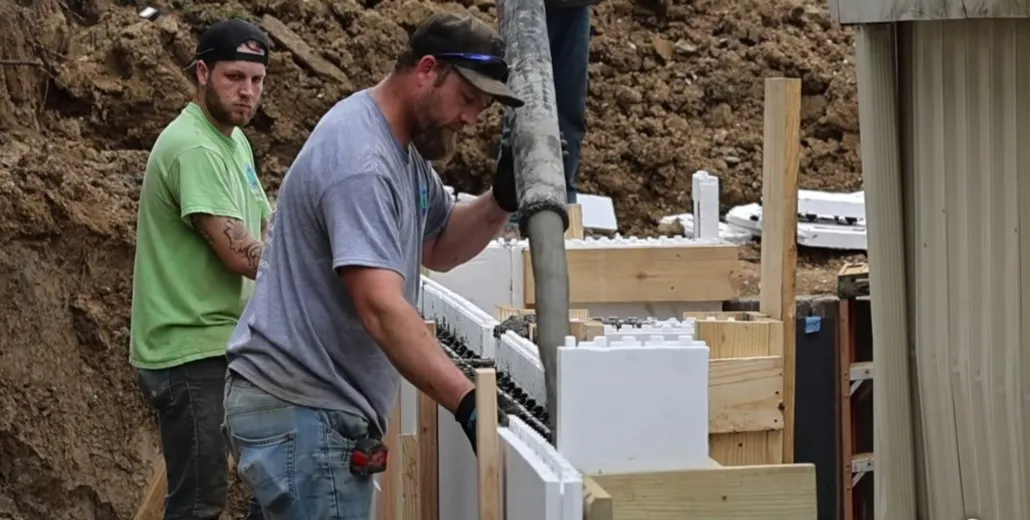
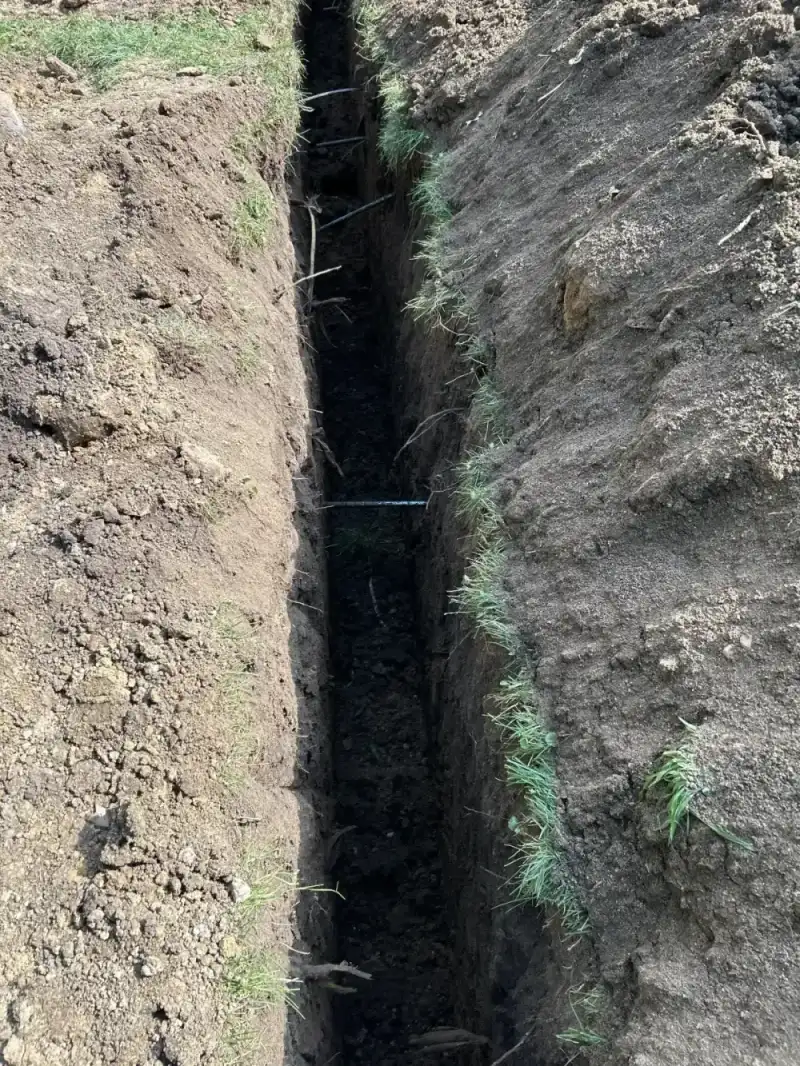
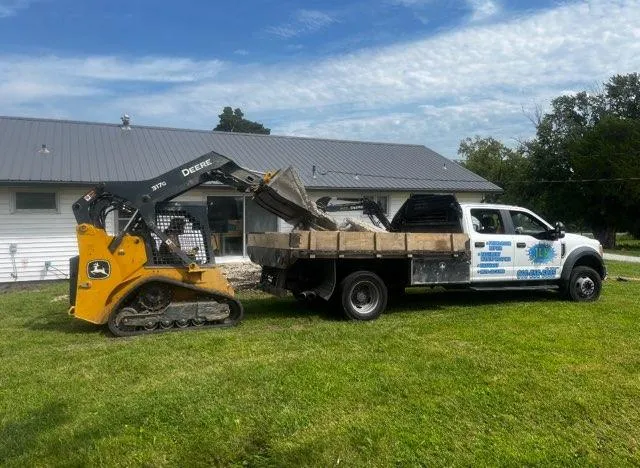
Every photo is from an actual JLB job site — not a stock photo. See the work we do every day across Kansas City and Des Moines.
What Does Crawlspace Encapsulation Cost in Altoona, IA?
Crawlspace encapsulation costs in Altoona depend on square footage, current condition, and how much work is needed before the vapor barrier goes down. Polk County's clay soil means ground moisture is a given — the question is how to control it. Here's what you'll typically pay.
| Component | Typical Cost Range | Notes |
|---|---|---|
| Vapor barrier only (basic) | $1,500–$4,000 | Minimum protection; 6-mil or 12-mil polyethylene |
| Standard encapsulation (barrier + dehumidifier + insulation) | $5,000–$10,000 | Most common package for KC/DSM homes |
| Advanced encapsulation (with drainage + sump + mold remediation) | $10,000–$15,000+ | Homes with existing moisture/mold problems |
| Dehumidifier installation (add-on) | $800–$1,500 | Commercial-grade crawlspace unit; essential for Midwest humidity |
| Spray foam insulation (add-on) | $1.50–$3.50 per sq ft | JLB includes spray foam for BOTH crawlspace and basement |
| Per square foot (total project) | $3–$10 per sq ft | Depends on scope and existing conditions |
JLB spray-foams both the crawlspace AND the basement for twice the protection at a lower combined cost than competitors who only do one. Call (816) 408-3651 (KC) or (515) 717-8560 (DSM) for a free estimate.
Two Ways to Pay for It
12 Months Same As Cash
Pay the full balance within 12 months and you pay no interest.
Best if you can pay it off within a year.
5 Years at 6.99% APR
A lower monthly payment, spread over 60 months.
Best for bigger projects.
On approved credit. Ask for full terms at your free estimate.
Foundation and water problems rarely get cheaper while they wait.
Crawlspace Encapsulation Questions for Altoona
Because flat ground drains poorly. Altoona sits where the metro levels off into Iowa's farmland, and with almost no slope, surface water and shallow groundwater have nowhere to run off to. They soak in and keep the soil saturated, so a vented crawl over that ground never gets a dry stretch — the moisture just keeps evaporating up into the space.
Yes. Concrete block is hollow with porous mortar joints, so when the surrounding soil stays wet, the block wicks that moisture through the joints by capillary action. A block-walled crawl can read damp and smell earthy with no standing water at all, just steady wicking — which is common in Altoona's mid-century core.
Because it's doing the job the flat terrain can't. In hillier towns gravity carries a lot of water away on its own; on Altoona's level ground the pump is the drainage. That's also why a battery backup is worth it here — if the power drops during a storm, there's no slope to keep water moving while the pump is down.
Dual-zone means we spray-foam both the crawlspace and the adjoining basement in one visit. They share a connected column of air, so sealing only one lets the other feed moisture back. Doing both at once — for less than separate trades — is what actually holds an Altoona lower level dry.
On flat ground, almost always. Because the terrain can't drain itself, any active water needs an interior drain and a backed-up sump first, paired with waterproofing, so the new liner seals a dry floor instead of trapping water beneath it. A crawl that's only humid, not wet, can go straight to encapsulation.
It depends on the crawl's size, whether the walls are block or poured, the condition of any existing cover, and whether the job adds drainage, a sump, a dehumidifier, or dual-zone foam. A full encapsulation here typically lands in the low-to-mid four figures, and the closed-cell insulation portion may qualify for a federal energy-efficiency tax credit. We price it after an on-site look.
Not Sure What You're Dealing With?
Click any symptom below to learn what it means, what's likely causing it, and how we can help. Most of these are more common — and more fixable — than you'd think.
Diagonal, stair-step, or horizontal cracks in drywall, plaster, or brick usually trace back to soil movement beneath your foundation. The heavy clay soils in the Kansas City and Des Moines metros expand and contract seasonally, which can shift your foundation over time. The good news: this is very fixable with the right approach.
Water entering through floor joints, wall cracks, or seeping through porous concrete means groundwater pressure is pushing moisture into your basement. An interior drainage system and sump pump can solve this permanently — and we can usually have it done in a day or two.
When a foundation settles unevenly, it can shift your home's frame just enough to make doors and windows bind. This is one of the earlier signs of foundation movement — and catching it early often means a simpler, less expensive repair.
That musty smell is moisture. Up to 40% of the air in your home rises from below — from your crawlspace and basement. If there's excess humidity down there, it affects your whole home. Encapsulation seals it out, and you'll notice the difference in your air quality right away.
Floors that slope toward the center or an exterior wall usually mean the support structure underneath needs attention. Push piers can stabilize your foundation and often lift it back to level — giving your floors a second life.
Water collecting near your foundation means your grading or drainage isn't directing water away effectively. French drains, regrading, extended downspouts, and drain pipes can redirect water away from the house — protecting your foundation for the long haul.
A basement wall that has bowed more than 2 inches inward, shifted off its footing, or shows multiple structural cracks may have moved beyond what bracing can fix. When carbon fiber straps, I-beams, or wall anchors are not enough, the wall needs to be removed and rebuilt with reinforced concrete. This is the last resort — but it is the permanent fix when the wall itself is compromised.
Free Crawlspace Estimate in Altoona
We'll inspect your crawlspace for moisture, mold, insulation gaps, and structural concerns. JLB's dual spray-foam approach seals both the crawlspace and the basement for twice the protection. Fill out the form or call us at(515) 717-8560.
Where Else Does JLB Provide Crawlspace Encapsulation?
Our Locations
We're always close enough to help — our crews are local to your area.
JLB Basement Waterproofing & Foundation Repair — Des Moines
97 Indiana Ave Suite #1Des Moines, IA, 50314(515) 717-8560 View on Google Maps
Stop the Damage. Get Answers Today.
A free estimate takes 45 minutes and tells you exactly what's going on under your house — and exactly what it takes to fix it.