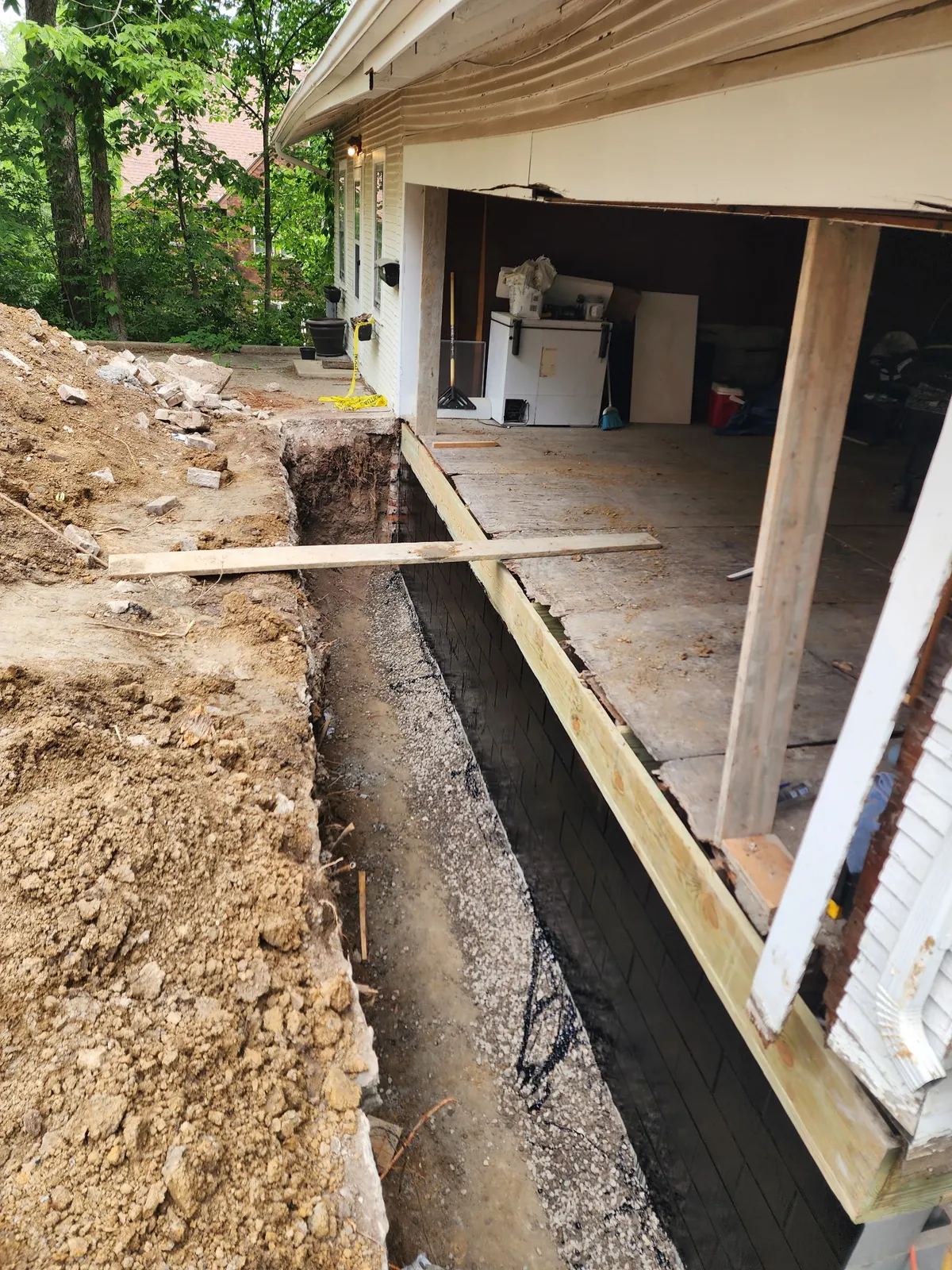
Foundation Repair in Altoona, Iowa — Honest Findings and Engineered Repairs for Every Era of Home
Altoona sits dead flat on the eastern edge of the metro, where the suburbs meet Iowa's farm plains — and flat ground has nowhere to send its water. Rain and snowmelt sit and saturate the soil around every foundation. What decides your repair isn't the neighborhood; it's what your foundation is made of, because Altoona's mid-century block basements and its newer poured walls give way to that standing water in very different ways.

Free 45-Minute Analysis + Written Report
Get a precise analysis of your foundation and waterproofing situation, and a clear estimate on what any fixes or corrections might cost.
Takes 30 seconds. We'll call within 24 hours.
Thank You!
We'll be in touch within 24 hours.
Does it matter whether my Altoona basement is block or poured concrete?
Foundation repair in Altoona comes down to one local fact and one question. The fact is the ground: Altoona sits dead flat on the eastern edge of the metro, right where the suburbs give way to Iowa's open farm plains, and flat ground has nowhere to send its water. Rain and snowmelt don't run off — they sit and soak in, saturating the soil around every foundation in town more or less evenly. The question that decides your repair, then, isn't which neighborhood you're in; it's what your foundation is made of, because Altoona's older concrete-block basements and its newer poured-wall homes respond to that standing water very differently.
Altoona grew in two waves, and the eras left two kinds of wall in the ground. The stable mid-century core was built on concrete block — walls of stacked units held together with mortar joints. When flat-ground saturation keeps the soil against a block wall wet, that soil presses inward, and because the mortar joints are the weak lines, the wall gives along them: a stair-step crack climbing the joints, or a horizontal crack across the middle where the wall starts to bow inward. The 1990s and 2000s expansion, by contrast, went up on poured concrete. A poured wall has no joints to hinge on, so it resists that lateral push far longer — but the same saturated ground raises hydrostatic pressure against it and under the floor, which shows up instead as slab cracks, seepage, and, where the soft wet soil gives up bearing, slow differential settlement. Same water, two different failures, decided by the material.
That material split is why a diagnosis in Altoona always starts with reading the wall itself. It's a different situation than the hillier parts of the metro, where slope sends water one direction and settlement follows the grade. Here the ground is level and the water is everywhere; what changes from house to house is whether it's working on mortar joints or on a solid poured wall.
How Altoona's foundations behave by type, and how each is repaired:
| Foundation | What the standing water does | What you see | The repair |
|---|---|---|---|
| Mid-century concrete block | Saturated soil presses on the mortar joints | Stair-step cracks, a wall bowing inward | Wall anchors or carbon-fiber straps to straighten and hold; drainage to relieve the pressure |
| 1990s–2000s poured wall | Hydrostatic pressure on wall and floor | Slab and wall cracks, seepage | Crack repair and drainage; anchors only if the wall has moved |
| Either type, a footing on soft wet soil | Saturated ground loses bearing | A settling corner, diagonal cracks | Push or helical piers to firm strata below, torque-monitored |
So the repair is matched to what the water has done to your particular wall. A bowing block wall is straightened and held with wall anchors or carbon-fiber straps, and relieving the water behind it keeps the pressure from returning; a poured wall that has cracked but not moved often needs the crack sealed and the water managed rather than structural bracing; and where either kind of footing has settled into soft, saturated ground, push or helical piers are driven to load-bearing strata below and torque-monitored before the load is transferred — the ICC-ES-evaluated systems described on the foundation repair page. Because Altoona's real driver is standing water, drainage is almost always part of the plan; that side of the work — interior drain tile, a sump with a battery backup for the flat lots where pumps run hard — lives on our Altoona waterproofing page, and the Altoona service overview connects them.
On cost, an Altoona job scales with the failure the water caused — straightening a bowing block wall is a different number than sealing a poured wall's crack, and piering a settled corner is different again. As a market reference, wall anchors and carbon-fiber are quoted by the wall, push piers commonly run about $1,250 to $2,500 each, and helical piers roughly $1,800 to $3,000 — but which applies to your home depends on reading the wall in person. JLB Basement Waterproofing & Foundation Repair serves Altoona and its neighbors — Des Moines, Pleasant Hill, Bondurant, and Ankeny — along I-80, US-65, and 8th Street SW near Adventureland and Prairie Meadows.
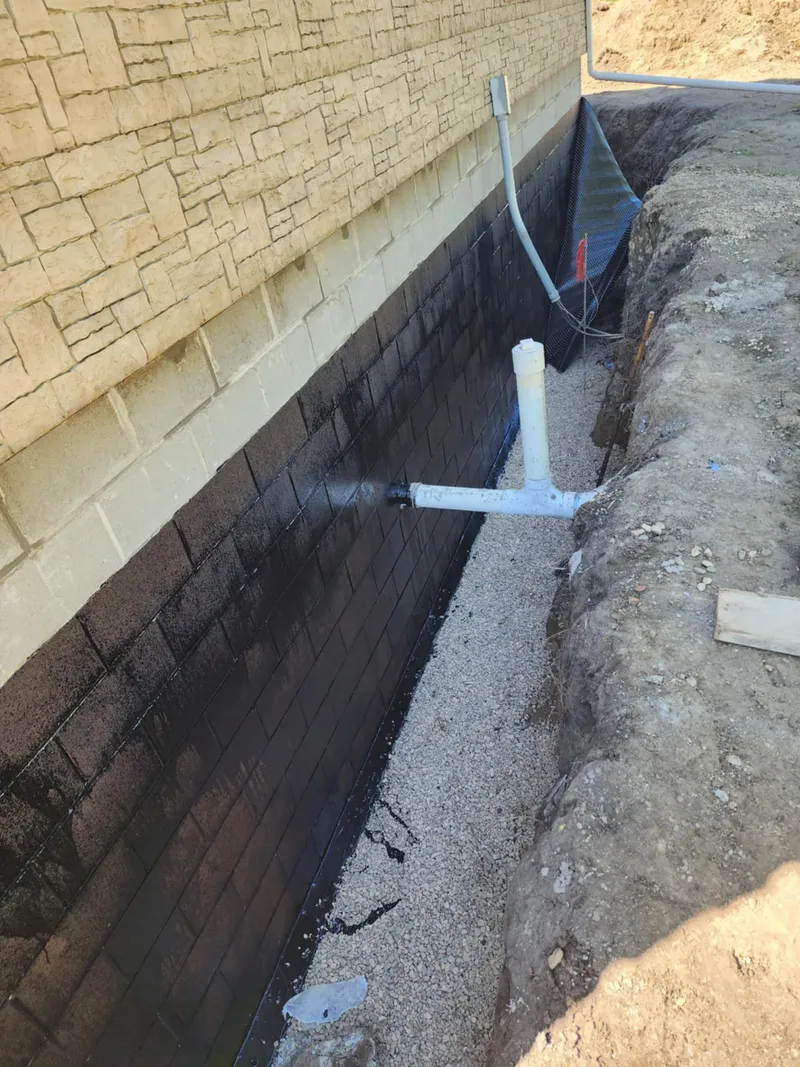
Meet the Team Serving Altoona
JLB is a local crew — not a franchise. We handle foundation repair across Altoona and the Des Moines metro. Watch to see who shows up at your door.
Watch Foundation Repair Work in Altoona
Two Ways to Pay Over Time
12 Months Same As Cash
Pay the full balance within 12 months and you pay no interest.
5 Years at 6.99% APR
A lower monthly payment, spread over 60 months.
On approved credit. Ask for full terms at your free estimate.
Foundation and water problems rarely get cheaper while they wait.
What Foundation Problems Develop in Newer Altoona Homes?
The slope of your lot determines which walls take the most punishment. In Altoona, hillside lots concentrate frost heave and soil pressure on the retaining wall, while the exposed wall moves freely. That asymmetric load is why sloped-lot foundation repairs in Polk County often require a different approach on each wall — anchors on the pressure side, piers on the settling side.
Cracks Spreading Across Walls
Diagonal cracks above doors and windows, stair-stepping in brick — this is your structure pulling apart. In Altoona's concrete block homes, stair-step cracks along mortar joints are especially common — a direct result of lateral clay pressure.
Floors Sloping or Uneven
Put a ball on the floor. If it rolls, your foundation is settling unevenly. This gets worse, never better. Sloping floors in Altoona homes usually mean the foundation beneath has settled unevenly — a structural issue, not a cosmetic one.
Doors and Windows That Stick
Frames are shifting because the foundation underneath them is moving. It's not the door — it's the house. Even newer Altoona homes experience this when the clay soil shifts enough to move the foundation, pulling door and window frames out of square.
Gaps Between Walls and Ceiling
Visible separations where the walls meet the ceiling or floor. Your home is literally pulling itself apart. Gaps between walls and ceilings in Altoona homes indicate active foundation movement — the clay soil in Polk County is still pushing.
Exterior Brick Cracking
Stair-step cracks in the mortar joints. Once you can see it from the outside, the problem is serious. In Altoona's concrete block homes, stair-step cracks along mortar joints are especially common — a direct result of lateral clay pressure.
One Side of the Home Visibly Lower
If you can see it, the soil has already failed. This is active structural movement that accelerates over time. Altoona homes on poured concrete basement foundations in Polk County are particularly susceptible to this issue.
Noticed cracks in your Altoona basement walls?
The concrete block foundations common in Altoona develop predictable failure patterns — and early detection makes the difference between a straightforward repair and a major structural project. A free estimate takes about an hour and tells you exactly where you stand.
Four Steps to a Stable Home
No surprises. No upsells. Just a clear path from "something's wrong" to "it's permanently fixed."
Free Estimate
We come to your home, assess the damage, and explain exactly what's happening — in plain English, not contractor jargon.
Custom Repair Plan
An engineered solution designed for your home's soil conditions, damage pattern, and foundation type.
Professional Install
Our crew handles everything. Most repairs completed in 1–3 days with minimal disruption.
Permanent Stability
Your foundation is stabilized for the life of the home. The settlement stops. Done.
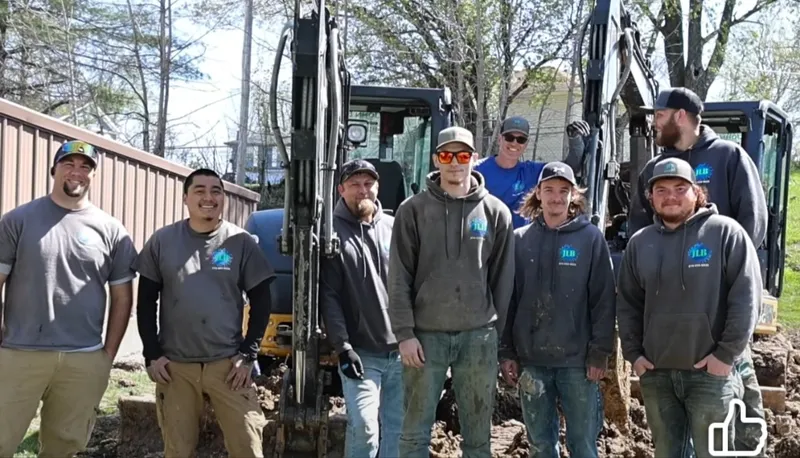
Who Handles Foundation Repair in Altoona?
Altoona is a close-knit community of about 24000, and we treat it that way. Our Des Moines area crew handles every job in Altoona personally — the same team that inspects your home is the same team that does the work. No subcontractors, no handoffs.
Call (515) 717-8560“We noticed the cracks getting worse every spring after the thaw. JLB came out, explained the soil issues specific to our area, and had piers installed in two days. No more movement since.”
Why Do Altoona Homeowners Trust JLB for Foundation Repair?
We earn trust the old-fashioned way: honest inspections, fair pricing, and repairs that last.
Iowa Licensed & Polk County Permitted
We're licensed in Iowa and experienced with Polk County's building department. From permit applications to final inspections, we handle the paperwork so Altoona homeowners can focus on their home, not the process.
Concrete block Specialists
Altoona's concrete block foundations require specific repair techniques. Our crews are trained in wall anchors, carbon fiber reinforcement, and pier systems designed for these older foundation types.
Small-Town Accountability
In Altoona, reputation is everything. We show up when we say we will, we do the work right, and we stand behind it with a transferable warranty. Every job gets our full attention.
Financing That Fits
Foundation and waterproofing problems only get more expensive over time. We offer flexible payment plans so Altoona homeowners can act now instead of watching a small problem grow into a costly one.
Real Projects. Real Results.
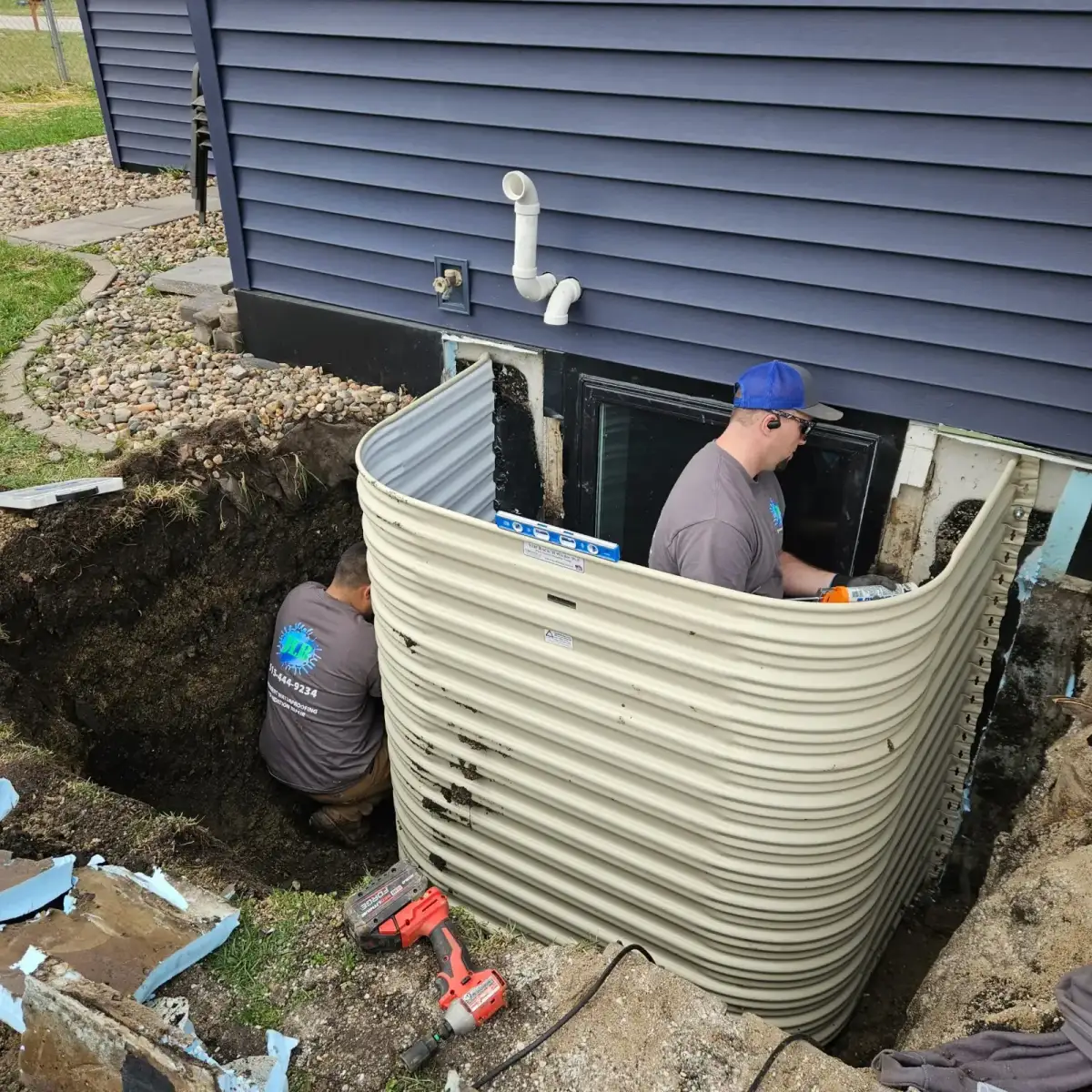
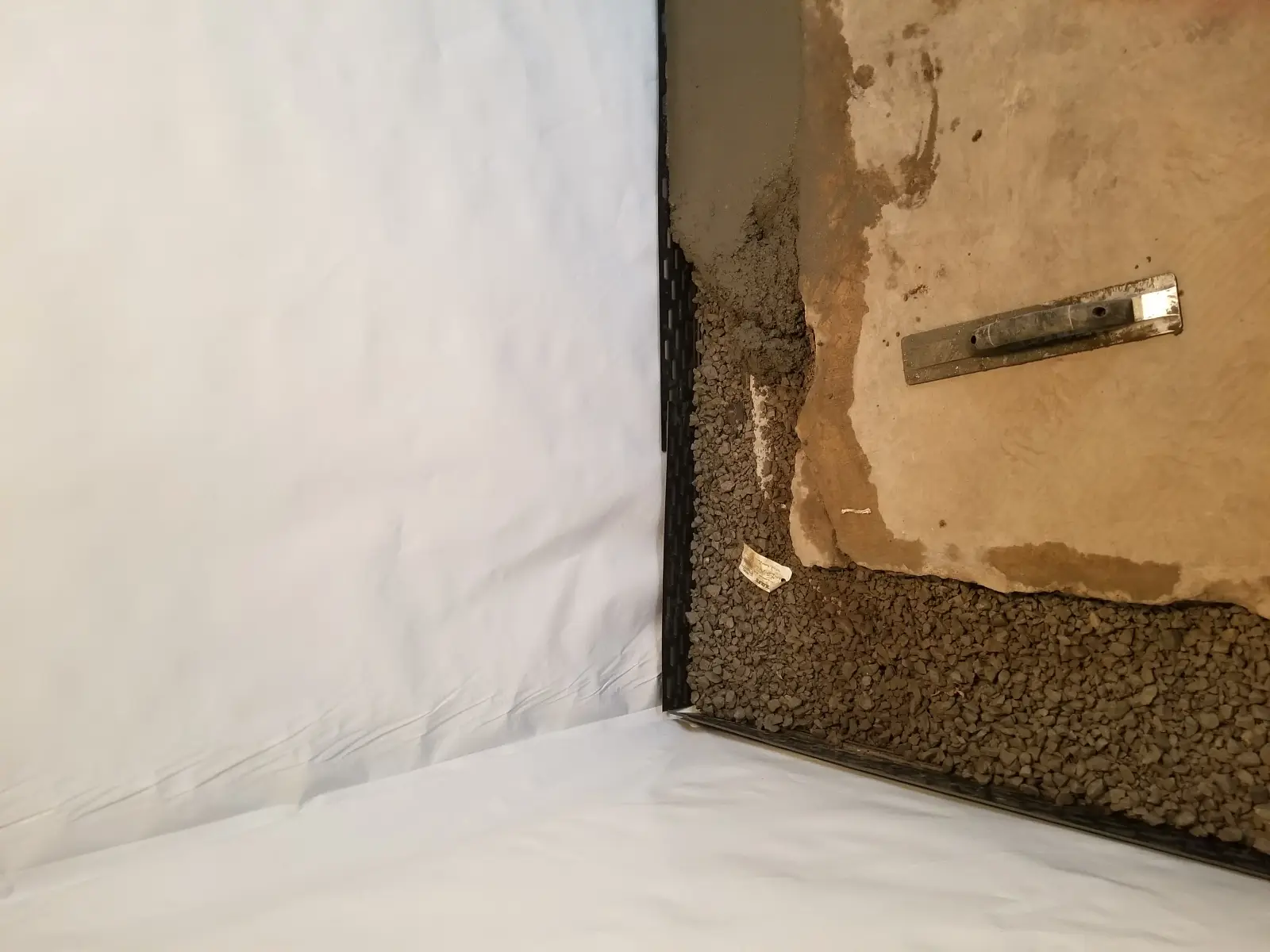
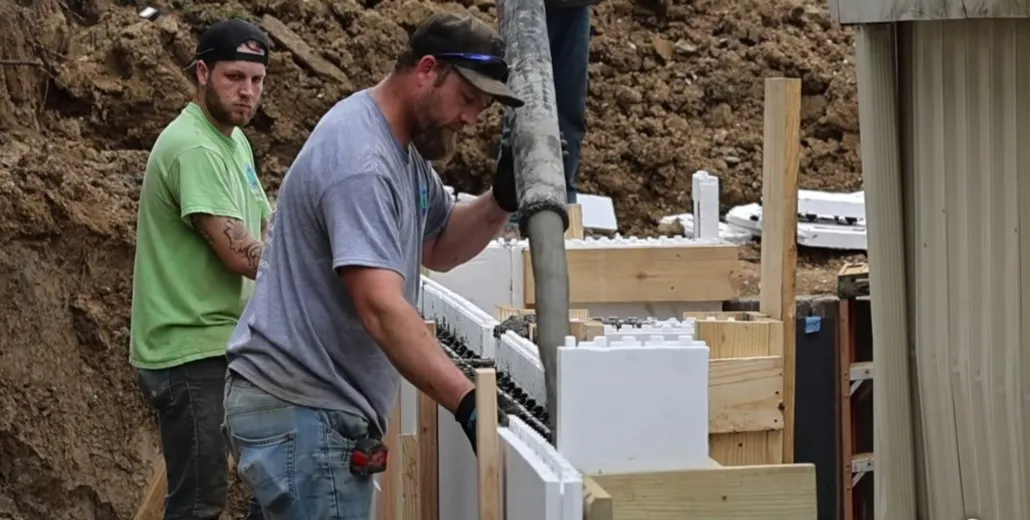
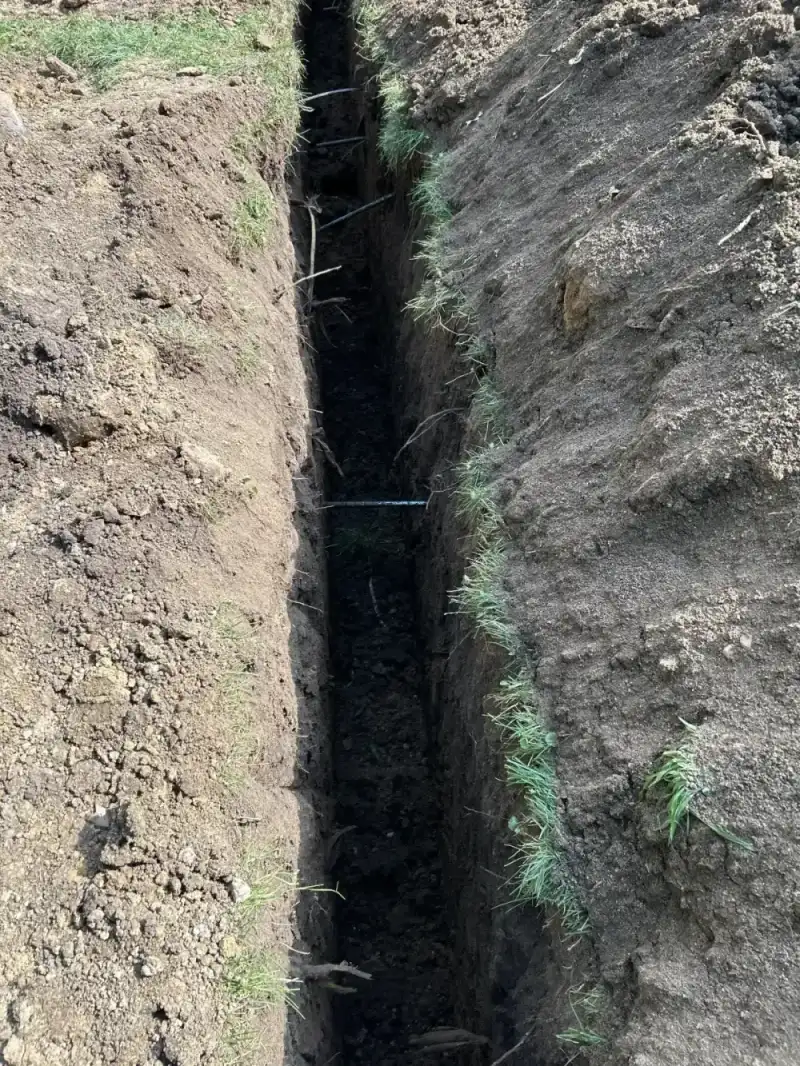
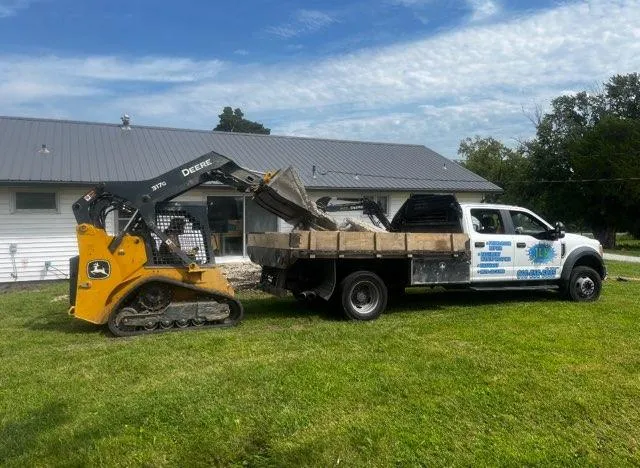
Every photo is from an actual JLB job site — not a stock photo. See the work we do every day across Kansas City and Des Moines.
What Does Foundation Repair Cost in Altoona, IA?
Concrete block foundations are the norm in Altoona, and their hollow-core design makes them especially vulnerable to Polk County's clay pressure. Repair costs depend on how many walls are affected and whether you need piers, anchors, or both. These Des Moines metro ranges reflect what we see in Polk County.
| Repair Type | Typical Cost Range | Notes |
|---|---|---|
| Crack repair (epoxy/polyurethane injection) | $200–$700 per crack | Non-structural hairline cracks |
| Steel push piers | $900–$2,700 per pier | Permanent fix for settling foundations; most homes need 6–12 piers |
| Helical piers | $1,300–$3,100 per pier | Used when soil conditions require screwing into load-bearing strata |
| Wall anchors | $450–$900 per anchor | Stabilizes bowing basement walls; typically 4–8 per wall |
| Carbon fiber reinforcement | $250–$500 per strip | For minor to moderate wall bowing; less invasive than anchors |
| Minor foundation repair (total project) | $1,300–$4,500 | Small cracks, minor settling |
| Major foundation repair (total project) | $4,500–$13,000+ | Multiple piers, structural wall repair, significant settling |
| Structural engineer report | $250–$700 | Sometimes required before repair, sometimes included in estimate |
Des Moines metro pricing is typically 10–15% lower than Kansas City due to lower labor rates. Glacial till soil conditions may reduce the number of piers needed compared to KC's expansive clay. JLB provides free estimates — call (515) 717-8560 for an accurate quote.
Two Ways to Pay for It
12 Months Same As Cash
Pay the full balance within 12 months and you pay no interest.
Best if you can pay it off within a year.
5 Years at 6.99% APR
A lower monthly payment, spread over 60 months.
Best for bigger projects.
On approved credit. Ask for full terms at your free estimate.
Foundation and water problems rarely get cheaper while they wait.
Foundation Repair Questions From Altoona Homeowners
Because Altoona's two building eras left two kinds of basement wall, and they fail differently. The mid-century core was built on concrete block, which cracks and bows along its mortar joints when wet soil presses on it. The 1990s and 2000s expansion used poured concrete, which has no joints to give along, so it resists that push and instead shows slab cracks, seepage, and slow settlement. On Altoona's flat, evenly-saturated ground the water load is similar across town — so what your foundation is made of, tied to when it was built, is what points to the right fix.
Because flat ground has nowhere to drain. On a slope, rain and snowmelt run off; in Altoona, out on the level eastern edge of the metro near the farm plains, the water sits and soaks straight down, keeping the soil around foundations saturated. That saturated soil does two things to a foundation — it presses inward on basement walls with hydrostatic pressure, and it loses bearing strength under footings. It's also why sump pumps in Altoona run harder than in hillier towns. The flatness that makes the lots easy to build on is exactly what makes water the main foundation stressor here.
Stair-step cracks climbing the mortar joints of a block wall mean the wall is under lateral pressure from wet soil and has started to give along its weakest lines. How serious depends on whether the wall has also begun to bow inward — a crack with little movement is an earlier stage than a wall that's visibly leaning. Either way it doesn't reverse on its own, because the water load returns every wet season. Wall anchors or carbon-fiber straps straighten and hold the wall, and relieving the water behind it keeps the pressure from rebuilding. Catching it before the bow grows keeps the repair simpler.
That's the poured-wall version of Altoona's water problem. A poured wall resists the inward push that cracks block walls, so instead of bowing you see the pressure come up through the floor — slab cracks, damp spots, seepage at the cove joint where wall meets floor. It usually means hydrostatic pressure under and beside the basement rather than a structural failure of the wall. The answer is typically sealing the cracks and managing the water with interior drainage and a good sump system, rather than the anchors a bowing wall would need — though if the wall has started to move, that changes the plan.
In Altoona, usually yes. The town's flat ground is the reason the foundation is stressed in the first place, so relieving the standing water is what keeps a repair from being undone. Bracing a wall or piering a footing fixes what the water already did; interior drain tile and a reliable sump with a battery backup keep it from happening again by taking the pressure off the wall and keeping the bearing soil from staying saturated. How much drainage you need depends on how wet your lot runs, which a site visit determines.
It depends on what the water did to your foundation. Straightening a bowing block wall with anchors or carbon-fiber is one scope; sealing a poured wall's cracks and adding drainage is another; piering a settled corner is another again. As a market reference, push piers commonly run about $1,250 to $2,500 each and helical piers roughly $1,800 to $3,000, with wall bracing quoted by the wall. Because the right repair depends on reading your specific wall in person, the real number comes from an on-site visit — JLB's is a free written analysis you keep.
Not Sure What You're Dealing With?
Click any symptom below to learn what it means, what's likely causing it, and how we can help. Most of these are more common — and more fixable — than you'd think.
Diagonal, stair-step, or horizontal cracks in drywall, plaster, or brick usually trace back to soil movement beneath your foundation. The heavy clay soils in the Kansas City and Des Moines metros expand and contract seasonally, which can shift your foundation over time. The good news: this is very fixable with the right approach.
Water entering through floor joints, wall cracks, or seeping through porous concrete means groundwater pressure is pushing moisture into your basement. An interior drainage system and sump pump can solve this permanently — and we can usually have it done in a day or two.
When a foundation settles unevenly, it can shift your home's frame just enough to make doors and windows bind. This is one of the earlier signs of foundation movement — and catching it early often means a simpler, less expensive repair.
That musty smell is moisture. Up to 40% of the air in your home rises from below — from your crawlspace and basement. If there's excess humidity down there, it affects your whole home. Encapsulation seals it out, and you'll notice the difference in your air quality right away.
Floors that slope toward the center or an exterior wall usually mean the support structure underneath needs attention. Push piers can stabilize your foundation and often lift it back to level — giving your floors a second life.
Water collecting near your foundation means your grading or drainage isn't directing water away effectively. French drains, regrading, extended downspouts, and drain pipes can redirect water away from the house — protecting your foundation for the long haul.
A basement wall that has bowed more than 2 inches inward, shifted off its footing, or shows multiple structural cracks may have moved beyond what bracing can fix. When carbon fiber straps, I-beams, or wall anchors are not enough, the wall needs to be removed and rebuilt with reinforced concrete. This is the last resort — but it is the permanent fix when the wall itself is compromised.
Get Your Free Foundation Estimate in Altoona
Altoona's concrete block foundations need specialized assessment. Fill out the form and our crew will evaluate your walls, footings, and soil conditions — all at no cost. Or call us now at(515) 717-8560.
Where Else Does JLB Provide Foundation Repair Near Altoona?
Our Locations
We're always close enough to help — our crews are local to your area.
JLB Basement Waterproofing & Foundation Repair — Des Moines
97 Indiana Ave Suite #1Des Moines, IA, 50314(515) 717-8560 View on Google Maps
Stop the Damage. Get Answers Today.
A free estimate takes 45 minutes and tells you exactly what's going on under your house — and exactly what it takes to fix it.