Drainage Solutions for Des Moines, IA Stone & Block Basements
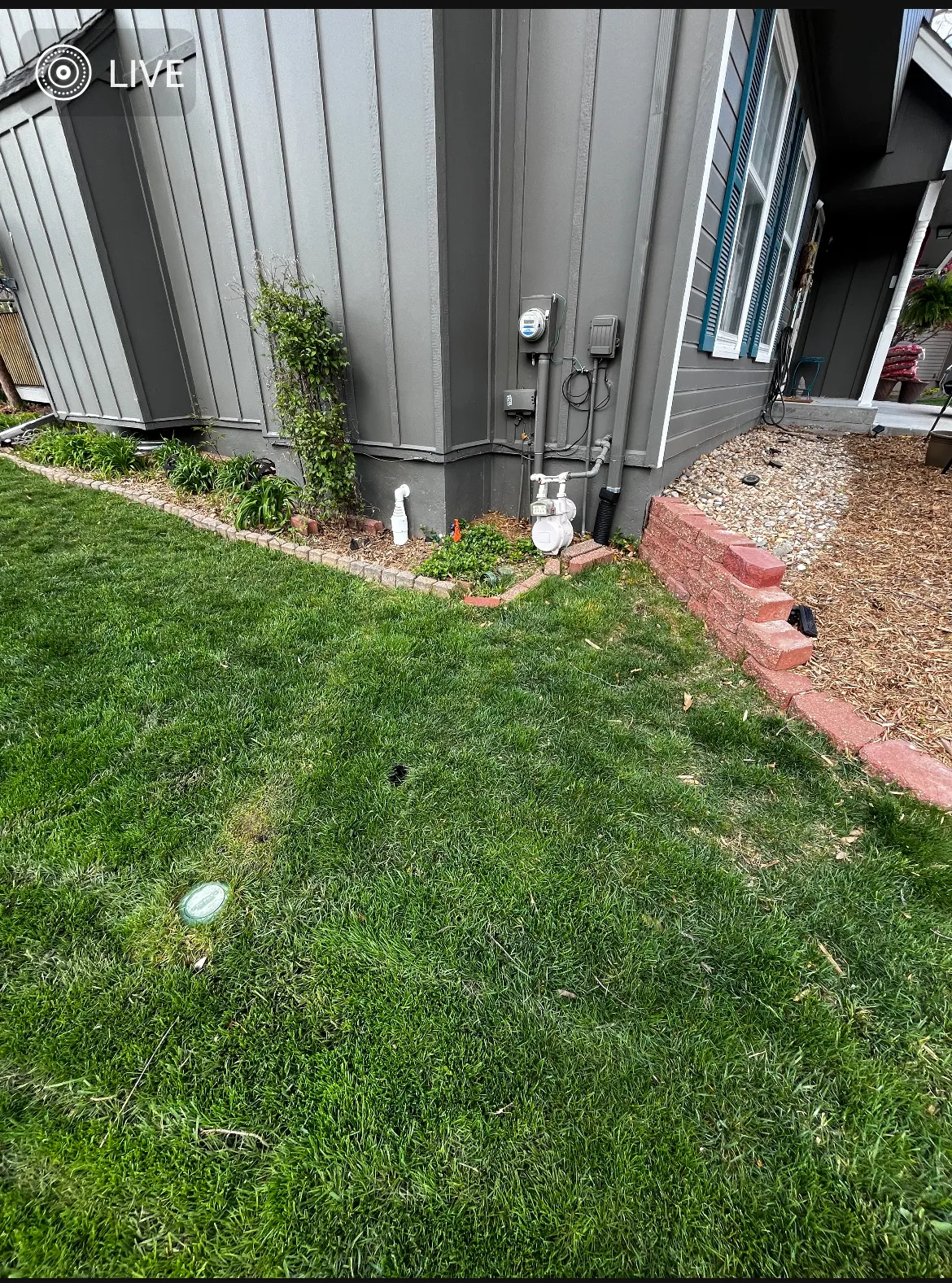
Des Moines sits where the Des Moines and Raccoon Rivers meet, and that confluence keeps the water table high across much of the city. Exterior drainage — aggressive grading and extended downspouts — buys down how much water ever reaches your foundation, but on flat ground with groundwater this close, the real goal is keeping surface water off the wall so it isn't stacking on top of the river. JLB grades for Iowa ground, honestly.

Free 45-Minute Analysis + Written Report
Get a precise analysis of your foundation and waterproofing situation, and a clear estimate on what any fixes or corrections might cost.
Takes 30 seconds. We'll call within 24 hours.
Thank You!
We'll be in touch within 24 hours.
Can exterior drainage keep my Des Moines basement dry when the water table sits so close?
Exterior drainage does real, worthwhile work in Des Moines — but the honest answer is that it manages one of your two water sources, not both. The city sits on Des Moines Lobe glacial till at the confluence of the Des Moines and Raccoon Rivers, where the seasonal water table can rest just a few feet down. That splits your problem cleanly: there is surface water — rain and roof runoff landing on the lot — and there is groundwater rising from below. Exterior grading, downspout extensions, and an exterior French drain can eliminate the surface half. The groundwater half is a job for an interior system. Knowing which one is soaking your basement is the whole diagnosis.
On flat Des Moines ground, controlling the surface half matters more, not less. Because the terrain has little natural fall and the loess-capped till does not drain quickly, water that lands near the house does not run off on its own — it lingers against the wall and soaks straight down into a zone where the groundwater is already high. Every gallon of roof and yard water you leave against the foundation is a gallon added to a load that spring snowmelt and Iowa's wet months are already pushing up from below. Aggressive grading to a positive slope away from the wall, plus downspout extensions carried well past the backfill, take that surface contribution off the table so your interior system only has to fight the river, not the roof too.
The old urban core makes keeping water off the wall especially valuable. Sherman Hill and Drake are full of 1880s-1920s brick and stone foundations that are porous by nature, and Beaverdale's post-war bungalows from the 1940s-60s sit on aging block. On a porous old wall, the cheapest protection you can buy is simply not letting exterior water stand against the wall face in the first place — which is exactly what exterior drainage and grading do.
Where exterior work reaches its limit, there is no shame in saying so: near the river confluence the groundwater itself cannot be graded away. That is where a footing drain, an interior perimeter drain, and a reliable sump pump become the primary safeguard — the systems our Des Moines waterproofing page covers in full. The right sequence is to strip away the surface load with exterior drainage first, then size the interior system for the groundwater that genuinely remains. Iowa's roughly 42-inch frost line also shapes the exterior work: buried drain lines and downspout runs have to sit deep enough to avoid freezing, and the flat glacial terrain offers few natural low outlets, so a dry well or a carried line to a safe discharge is often part of the plan.
On cost, restoring grade and extending downspouts is the modest end and sometimes noticeably cuts a damp-basement problem on its own; a full exterior drain with a dry well or carried outlet runs higher, and pairing it with the interior system a high-water-table lot needs is a larger project. Because the balance between surface and groundwater is different on every Des Moines lot, the number comes from an on-site look, not a chart. For the exterior systems themselves, see our drainage page. JLB serves the metro through West Des Moines, Urbandale, Clive, Johnston, and Altoona, with I-35, I-80, and I-235 connecting the service area.
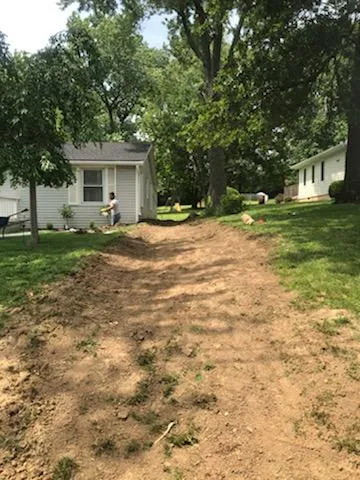
Meet the Team Serving Des Moines
JLB is a local crew — not a franchise. We handle french drains & drainage across Des Moines and the Des Moines metro. Watch to see who shows up at your door.
Watch French Drains & Drainage Work in Des Moines
Two Ways to Pay Over Time
12 Months Same As Cash
Pay the full balance within 12 months and you pay no interest.
5 Years at 6.99% APR
A lower monthly payment, spread over 60 months.
On approved credit. Ask for full terms at your free estimate.
Foundation and water problems rarely get cheaper while they wait.
What Drainage Problems Are Common in Des Moines Yards?
Most homeowners start by fixing the wall that leaks. Then the next wall starts. In Des Moines, glacial till maintains water pressure on all sides of the foundation. Addressing drainage on one wall without solving the perimeter problem just redirects the water to the next weak point. That's why a perimeter French drain system — interior or exterior — is usually the right scope from the start.
Standing Water Near the Foundation
Water pooling within 5 feet of your foundation wall is directly increasing hydrostatic pressure against your basement. This is the #1 cause of basement leaks. Des Moines's stone foundations are porous by nature — water penetrates through the stone itself, not just the joints.
Yard Flooding After Rain
If your yard holds water for hours or days after rain, the water table is high and your soil isn't draining. That water migrates toward the lowest point — your foundation. Des Moines homes on stone foundation foundations in Polk County are particularly susceptible to this issue.
Downspouts Dumping at the Base
Downspouts that discharge right at the foundation wall are pouring hundreds of gallons directly against your basement every storm. This is a simple problem with a simple fix. Des Moines homes on stone foundation foundations in Polk County are particularly susceptible to this issue.
Erosion Along the Foundation
Soil washing away from the foundation means water is flowing there with force. As soil erodes, the foundation loses support and water access gets worse. Des Moines homes on stone foundation foundations in Polk County are particularly susceptible to this issue.
Soggy, Saturated Ground
If areas of your yard never dry out, the water table is at or near surface level. That saturated soil is pressing against your foundation walls constantly. Des Moines homes on stone foundation foundations in Polk County are particularly susceptible to this issue.
Neighbor's Water Draining Onto Your Property
Grading issues between properties can redirect your neighbor's runoff directly at your home. It's not their fault, but it's your problem. Des Moines's stone foundations are porous by nature — water penetrates through the stone itself, not just the joints.
Is water running toward your Des Moines foundation?
The terrain in Des Moines and the clay soil in Polk County work together to channel water toward your home. A properly designed drainage system intercepts it before it reaches the foundation. Our free assessment identifies the flow patterns and designs the solution.
Four Steps to Proper Drainage
From "my yard is a swamp" to "water flows exactly where it should" — here's how we solve it.
Property Drainage Assessment
We survey your property's grading, soil conditions, water flow patterns, and downspout routing. You'll understand exactly why water is pooling where it is.
Custom Drainage Plan
Based on your property's specific issues, we design a drainage system that addresses every water source — surface runoff, downspouts, and groundwater.
Professional Installation
Our crew installs French drains, regrading, downspout extensions, and surface drains. Most drainage projects complete in 1–3 days.
Water Managed Permanently
Rain hits your property and flows exactly where it should — away from your home. Your foundation stays dry, your basement stays dry, and your yard drains properly.
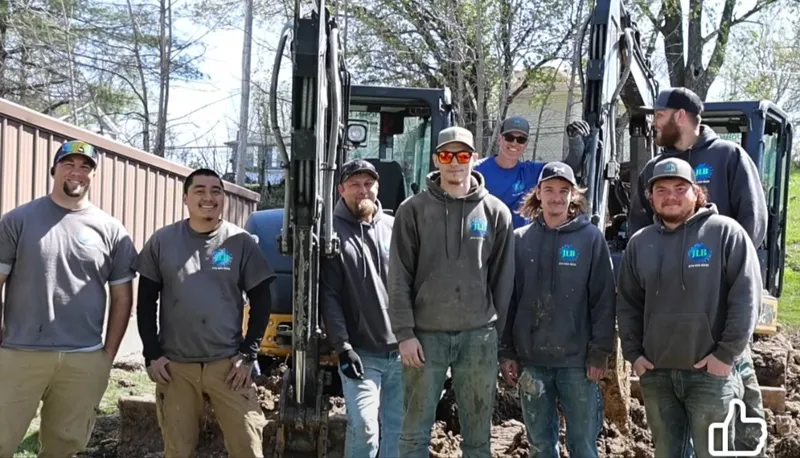
Who Installs French Drains in Des Moines and Polk County?
With nearly 213000 residents, Des Moines keeps our Polk County crews busy year-round. From established neighborhoods to newer developments, we know the soil, we know the foundations, and we know the local permit process. When we show up at your door, you're getting the same team from inspection through final walkthrough.
Call (515) 717-8560“Every spring when the snow melted, our yard flooded and water pushed into the crawlspace. JLB installed French drains and regraded the yard to slope away from the house. We've been through two spring thaws since — no flooding, no water in the crawlspace.”
Why Do Des Moines Homeowners Choose JLB for French Drains & Drainage?
We earn trust the old-fashioned way: honest inspections, fair pricing, and repairs that last.
Iowa Licensed & Polk County Permitted
We're licensed in Iowa and experienced with Polk County's building department. From permit applications to final inspections, we handle the paperwork so Des Moines homeowners can focus on their home, not the process.
Exterior Drainage Specialists
Water pooling against your Des Moines home has to go somewhere. Our crews regrade the soil, extend downspouts, set catch basins, and run exterior French drains that carry runoff to a safe discharge point — sized for Polk County's soil and the slope of your lot.
Hundreds of Des Moines Homes
With nearly 213000 residents, Des Moines generates steady demand for drainage work. Our crews have worked on yard drainage and grading projects across every part of town — there's not a neighborhood we haven't been to.
Financing for Older Homes
Older homes often need larger repairs that can strain a household budget. We offer flexible financing plans specifically so Des Moines homeowners with poor exterior drainage can get the work done now — before another season of uncontrolled runoff makes it worse.
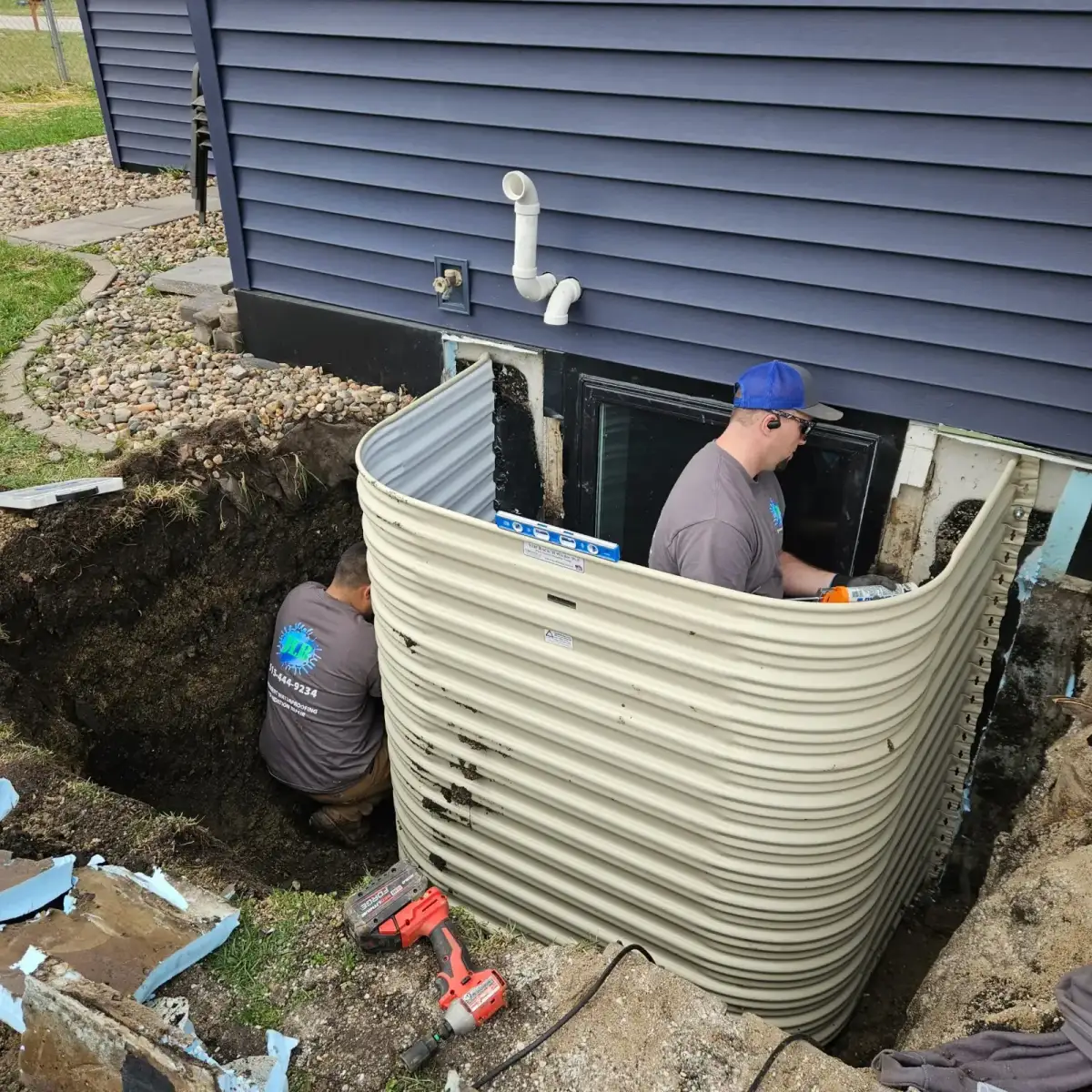
Real Projects. Real Results.
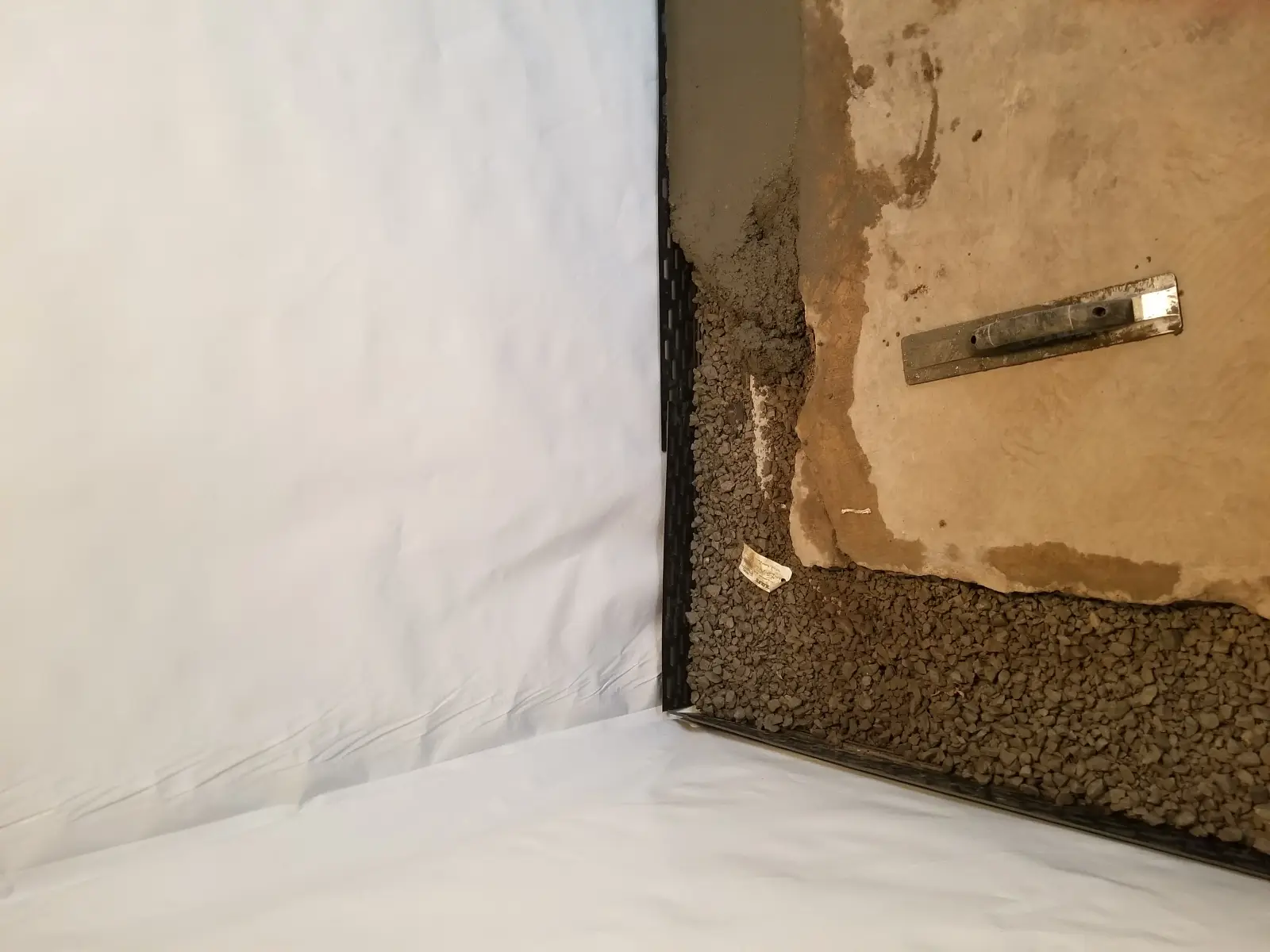
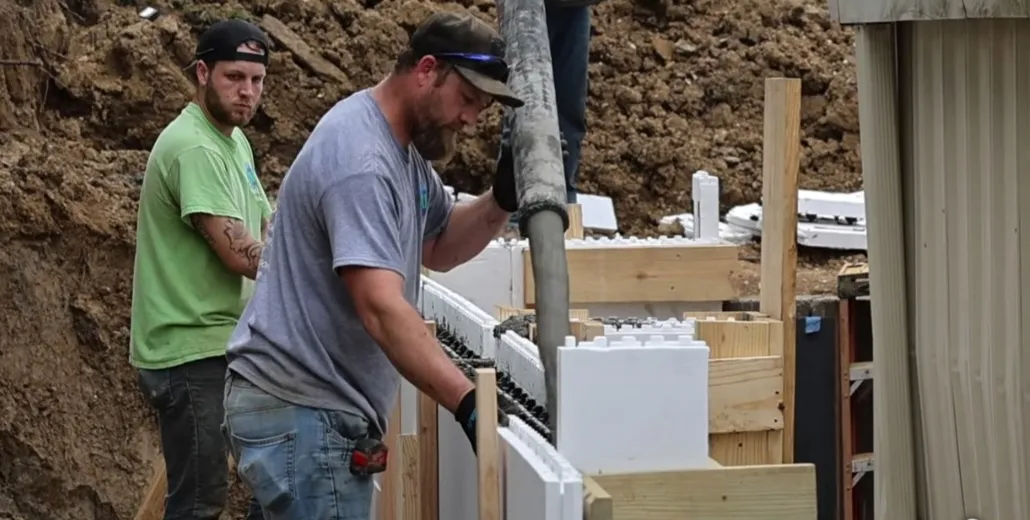
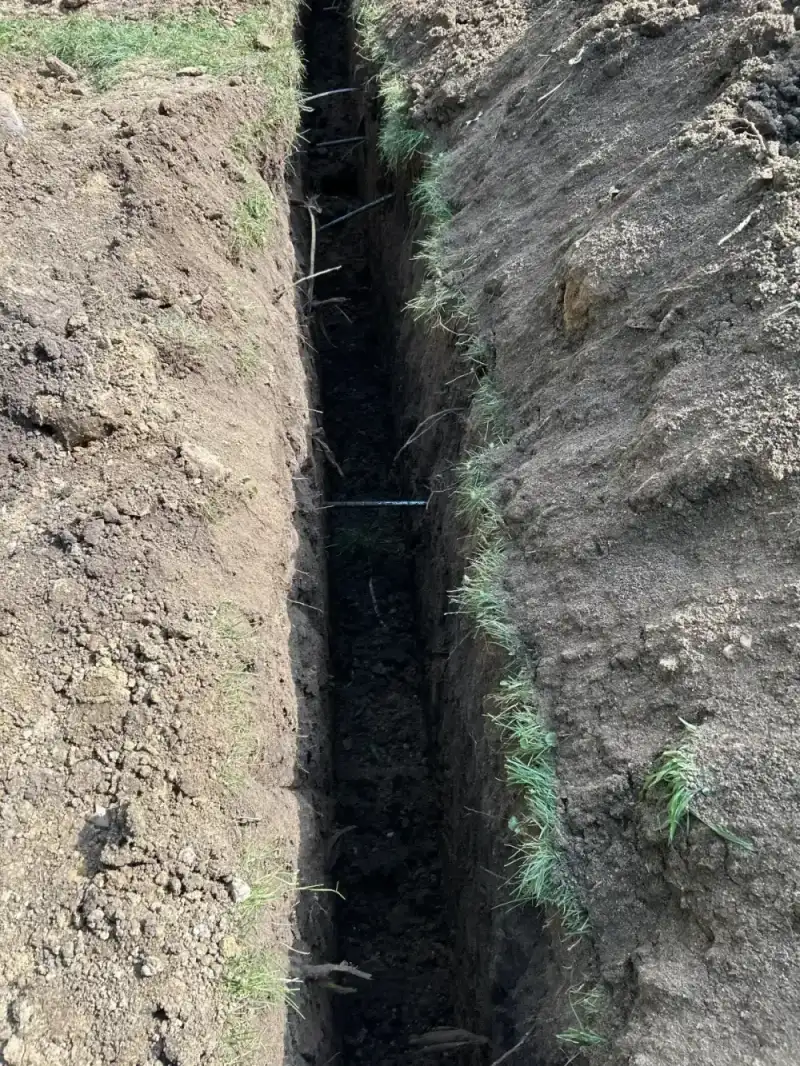
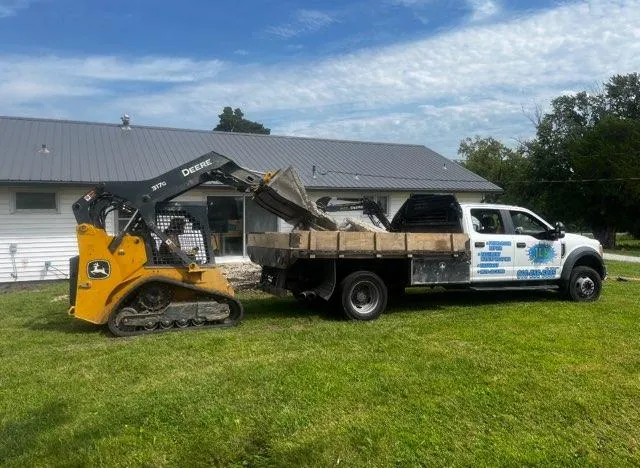
Every photo is from an actual JLB job site — not a stock photo. See the work we do every day across Kansas City and Des Moines.
Two Ways to Pay for It
12 Months Same As Cash
Pay the full balance within 12 months and you pay no interest.
Best if you can pay it off within a year.
5 Years at 6.99% APR
A lower monthly payment, spread over 60 months.
Best for bigger projects.
On approved credit. Ask for full terms at your free estimate.
Foundation and water problems rarely get cheaper while they wait.
French Drain and Drainage Questions for Des Moines
French Drains & Drainage in Des Moines
It is one of the most useful questions you can answer, because the fix is different for each. Surface water comes from rain and roof runoff landing on the lot and soaking down against the wall; groundwater rises from below, and near the Des Moines and Raccoon river confluence the water table sits just a few feet down for much of the year. Exterior drainage and grading solve the surface half. The groundwater half needs an interior drain and sump. Water that appears only during and just after rain points to surface; water that lingers through wet weeks points to the table. We trace the timing and entry points to tell which you have.
Because flat ground has no natural fall to shed water, so if the grade next to your house is level or tipped toward the wall, water simply sits there and soaks in. On Des Moines Lobe till with a high water table, that standing surface water goes straight down into ground that is already near saturation. Re-establishing a positive slope away from the foundation, and carrying downspouts well past the backfill, is the single most cost-effective step — it removes the surface water your interior system would otherwise have to handle on top of the groundwater already rising from below.
They ask for more attention because they are porous. The 1880s-1920s brick and stone foundations common in Sherman Hill and Drake, and the aging block under Beaverdale's post-war bungalows, absorb and pass water more readily than modern poured concrete. On walls like these, the most valuable thing exterior drainage does is keep water from standing against the wall face at all — grading and downspout extensions that move surface water away are the cheapest first line of protection before any interior work is considered.
Iowa's frost line runs roughly 42 inches down, so buried drain lines and downspout runs need to sit low enough that they do not freeze and heave through winter. A line placed too shallow can lift, lose its slope, and stop draining. On the flat glacial terrain around Des Moines there are also few natural low points to daylight to, so the discharge often goes to a dry well or a carried line reaching a safe outlet rather than a simple downhill release. Both the depth and the outlet are set by what your specific lot allows.
It is one of the peak loads a Des Moines system has to handle. Melting snow plus Iowa's wet spring months push the water table up right when saturated ground is least able to take more, so both the surface runoff and the groundwater arrive at once. Exterior drainage sized only for a summer shower can be overwhelmed. We design grading, downspout capacity, and the discharge path with that snowmelt-and-spring peak in mind, and where the groundwater rise is the dominant factor, that is the point at which the interior system and sump carry the load.
Sump Pumps & Drainage
Sump pump cost depends on the pump type, whether a battery backup is added, and the basin and discharge work involved. Because it's usually installed as part of an interior drainage system, the reliable way to price it is a free written estimate. A sump pump is essential in Des Moines given spring snowmelt and the high water table.
The main types are submersible pumps, which sit in the basin and run quietly, and pedestal pumps, with the motor above the basin. Many Central Iowa homes add a battery backup pump so the system keeps working during the power outages that often accompany the spring storms that cause flooding.
In Des Moines, a battery backup is strongly recommended. Spring storms that overwhelm a basement often knock out power at the same time, leaving a standard pump useless right when you need it. A battery backup keeps discharging water during outages, protecting your basement when hydrostatic pressure peaks.
A French drain is a gravel-filled trench with a perforated pipe that collects and redirects water away from your foundation. Exterior French drains manage surface and yard water, while interior versions channel water to a sump pump. In Central Iowa they help relieve the hydrostatic pressure that pushes water against basement walls.
Interior drain tile is a perforated drainage channel installed beneath the basement slab along the footing. It captures water entering at the cove joint and routes it to a sump basin for discharge. Because the cove joint is the #1 water-entry path in Des Moines basements, interior drain tile is the core of most reliable waterproofing systems.
Not Sure What You're Dealing With?
Click any symptom below to learn what it means, what's likely causing it, and how we can help. Most of these are more common — and more fixable — than you'd think.
Diagonal, stair-step, or horizontal cracks in drywall, plaster, or brick usually trace back to soil movement beneath your foundation. The heavy clay soils in the Kansas City and Des Moines metros expand and contract seasonally, which can shift your foundation over time. The good news: this is very fixable with the right approach.
Water entering through floor joints, wall cracks, or seeping through porous concrete means groundwater pressure is pushing moisture into your basement. An interior drainage system and sump pump can solve this permanently — and we can usually have it done in a day or two.
When a foundation settles unevenly, it can shift your home's frame just enough to make doors and windows bind. This is one of the earlier signs of foundation movement — and catching it early often means a simpler, less expensive repair.
That musty smell is moisture. Up to 40% of the air in your home rises from below — from your crawlspace and basement. If there's excess humidity down there, it affects your whole home. Encapsulation seals it out, and you'll notice the difference in your air quality right away.
Floors that slope toward the center or an exterior wall usually mean the support structure underneath needs attention. Push piers can stabilize your foundation and often lift it back to level — giving your floors a second life.
Water collecting near your foundation means your grading or drainage isn't directing water away effectively. French drains, regrading, extended downspouts, and drain pipes can redirect water away from the house — protecting your foundation for the long haul.
A basement wall that has bowed more than 2 inches inward, shifted off its footing, or shows multiple structural cracks may have moved beyond what bracing can fix. When carbon fiber straps, I-beams, or wall anchors are not enough, the wall needs to be removed and rebuilt with reinforced concrete. This is the last resort — but it is the permanent fix when the wall itself is compromised.
Free Drainage Assessment in Des Moines
We'll assess the grading, water flow, and soil behavior around your Des Moines home — then design a drainage solution that fits. Fill out the form or call us at(515) 717-8560.
Where Does JLB Provide French Drains & Drainage in Des Moines?
We serve every corner of Des Moines. Click a neighborhood to learn about local foundation conditions.
Where Else Does JLB Provide French Drains & Drainage?
Our Locations
We're always close enough to help — our crews are local to your area.
JLB Basement Waterproofing & Foundation Repair — Des Moines
97 Indiana Ave Suite #1Des Moines, IA, 50314(515) 717-8560 View on Google Maps
Stop the Damage. Get Answers Today.
A free estimate takes 45 minutes and tells you exactly what's going on under your house — and exactly what it takes to fix it.