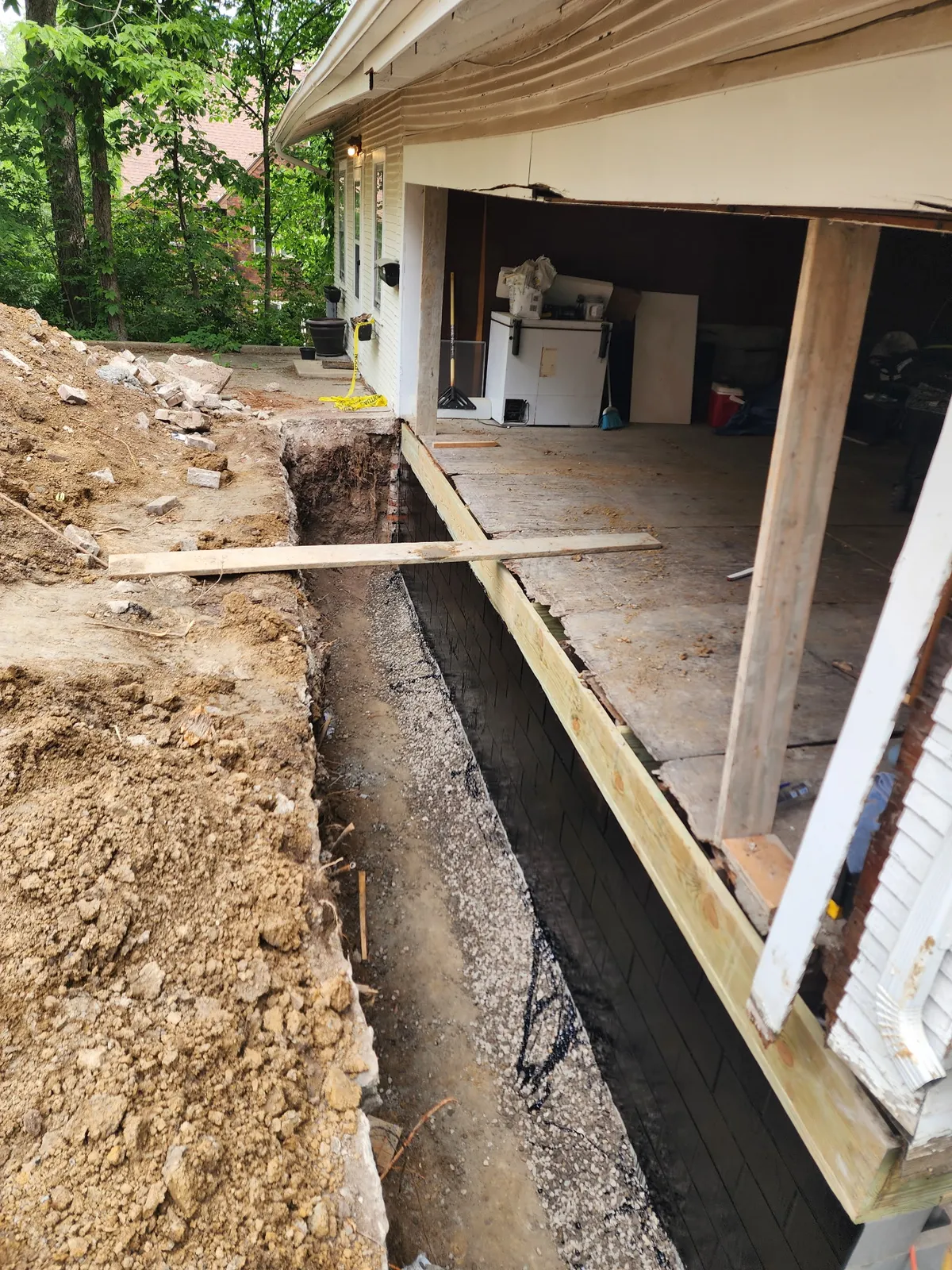
Foundation Repair in Lee's Summit, Missouri — Local Repairs for Rolling-Terrain Homes on Expansive Clay
Lee's Summit is unusual in this metro: almost every house here stands on the same kind of foundation. Poured concrete, built in one long wave from the 1970s through the 2000s. That takes material off the table as a variable and leaves two others — how long the pour has been in the ground, and where on the slope it was set. Both matter more here than the crack you are looking at.

Free 45-Minute Analysis + Written Report
Get a precise analysis of your foundation and waterproofing situation, and a clear estimate on what any fixes or corrections might cost.
Takes 30 seconds. We'll call within 24 hours.
Thank You!
We'll be in touch within 24 hours.
Why do so many Lee's Summit houses start showing foundation movement around the same time?
Foundation repair in Lee's Summit is a different diagnostic problem than it is elsewhere in the metro, and the reason is that the housing is so consistent. Where Kansas City stacks stone, block, and poured walls within a few miles of each other, Lee's Summit built almost entirely in poured concrete across a single long expansion from the 1970s into the 2000s. Material is therefore rarely the answer to why a particular house is moving. The two variables that are left are age and position on the ground.
Take age first. A poured wall does not fail the way a mortared one does — there are no joints to wash out. What it does instead is cure and shrink for a long time after the pour, and its weak lines are the ones designed into it: control joints, cold joints where one pour met another, and the penetrations cut for utilities. Those are where a Jackson County clay load finds its way in. Because whole Lee's Summit subdivisions went up within a few seasons of each other, the houses on a street tend to reach the same stage of that process together, which is why neighbors so often compare notes about cracks appearing the same spring.
Position is the second variable, and in Lee's Summit it is the more powerful one. This is rolling terrain dotted with lakes — the ground around Longview Lake and out toward the airport runs in long grades rather than flats. On sloped ground, water does not soak in where it lands. It travels across and just under the surface until something stops it, and a basement wall set into a hillside is exactly that kind of obstacle. The house is not merely sitting in wet clay; it is standing in the path of water moving downhill.
That distinction explains the pattern local homeowners describe most often: everything is fine for years, then during a heavy spring rain the basement takes water or a crack that had been quiet suddenly widens. What changed is not the soil's average moisture but the volume arriving at one elevation of the house over a few hours. The local expression of this is hydrostatic pressure — clay that cannot drain, holding water against the wall and pushing.
Where a house sits on its grade tends to predict what it will show you:
| Position on the grade | What usually appears | What is driving it | What the repair addresses |
|---|---|---|---|
| Uphill or cut side of the lot | Horizontal or diagonal cracking on the buried wall; wall reads out of plane | Water and clay loading one elevation from the high side | Relieve the load: exterior drainage and grading, with anchors or bracing if the wall has moved |
| Mid-slope walk-out | Cracking that steps down toward the daylight corner; doors binding on one end of the house | Uneven bearing where a full-depth wall meets a shallow one | Piers under the settling corner to reach load-bearing strata |
| Downhill or fill side | Vertical cracking wider at the top; floors out of level across the span | Fill placed to build up the low side still consolidating | Push or helical piers, sized to the load above |
Reading that correctly is what keeps a Lee's Summit repair from being over-sold or under-built. A wall being pushed by water on the high side is a drainage-and-restraint problem — piering it does not stop the push. A corner that has dropped on the low side is a bearing problem, and no amount of drainage work lifts it back. The homes that need both are usually the walk-outs, where one part of the foundation is deep and another is shallow and the two are being asked to move together.
On method, the choice follows the load. Push piers advance using the weight of the structure itself, so they suit the substantial two-story homes common across Lee's Summit. Helical piers are turned into the ground and develop capacity through their plates, which makes them the better answer under lighter elements — a porch, a sunroom addition, a garage footing. Either way the installation should be torque-monitored so what the pier reaches is measured rather than assumed. Wall restraint, where it is needed, runs from carbon-fiber straps on a wall that has barely moved to steel bracing or anchors on one that has. The full specification detail sits on the foundation repair page.
As for cost, the honest framing is that pier count drives the number and the count is not knowable from a description. Typical market ranges put push piers somewhere around $1,250 to $2,500 apiece, helical a little above, but a house needing three piers under one settled corner and a house needing drainage plus restraint along a whole buried wall are not the same project at all. An exact price needs an on-site estimate with elevations actually measured. Because water is so often the driver on this terrain, many repairs here are paired with drainage and waterproofing work so the corrected wall stays corrected. JLB covers the same ground through Blue Springs, Raymore, Grandview, Independence, and Kansas City, with I-470, US-50, and 291 Highway putting most of eastern Jackson County within a short drive.
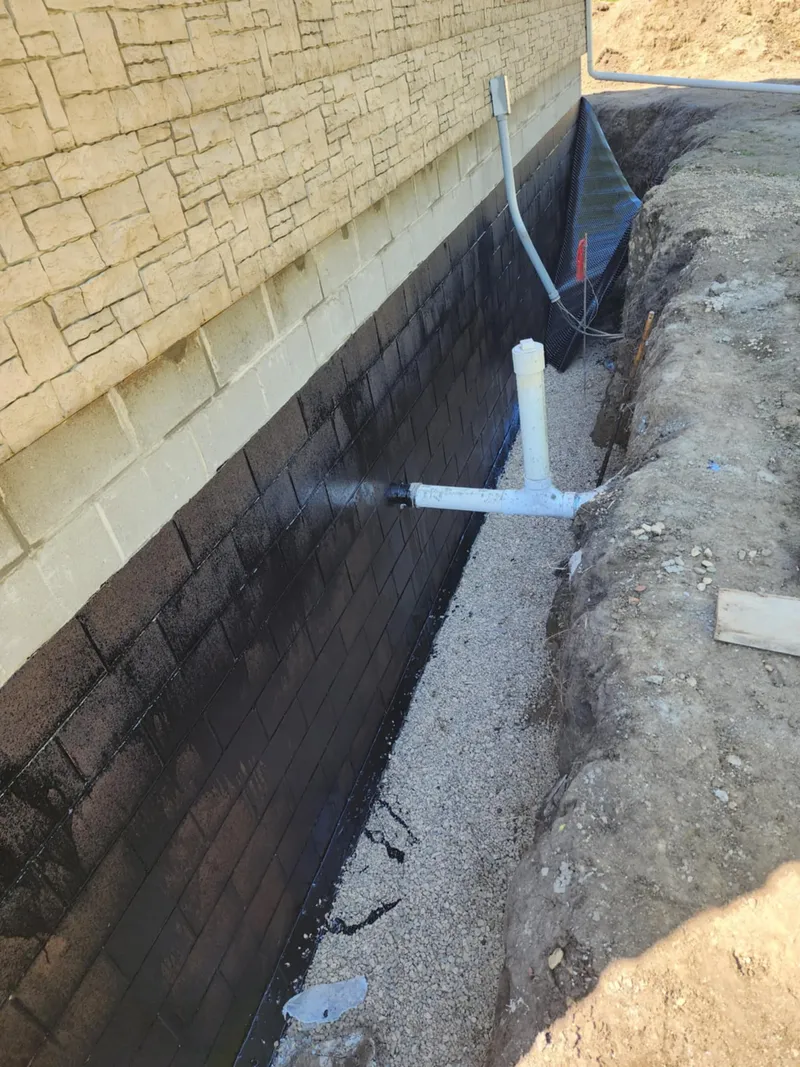
Meet the Team Serving Lee's Summit
JLB is a local crew — not a franchise. We handle foundation repair across Lee's Summit and the Kansas City metro. Watch to see who shows up at your door.
Watch Foundation Repair Work in Lee's Summit
Two Ways to Pay Over Time
12 Months Same As Cash
Pay the full balance within 12 months and you pay no interest.
5 Years at 6.99% APR
A lower monthly payment, spread over 60 months.
On approved credit. Ask for full terms at your free estimate.
Foundation and water problems rarely get cheaper while they wait.
What Foundation Problems Develop in Newer Lee's Summit Homes?
Lee's Summit homes sit on poured concrete foundations — and each type fails in a specific way. Poured concrete walls crack under stress rather than bowing, and the crack patterns tell an engineer exactly what's causing the movement. Kansas City's clay makes the underlying force predictable — which means the repair can target it precisely.
Cracks Spreading Across Walls
Diagonal cracks above doors and windows, stair-stepping in brick — this is your structure pulling apart. Poured concrete walls in Lee's Summit typically crack vertically near corners or along the center — the weakest points under lateral soil pressure.
Floors Sloping or Uneven
Put a ball on the floor. If it rolls, your foundation is settling unevenly. This gets worse, never better. Sloping floors in Lee's Summit homes usually mean the foundation beneath has settled unevenly — a structural issue, not a cosmetic one.
Doors and Windows That Stick
Frames are shifting because the foundation underneath them is moving. It's not the door — it's the house. Even newer Lee's Summit homes experience this when the clay soil shifts enough to move the foundation, pulling door and window frames out of square.
Gaps Between Walls and Ceiling
Visible separations where the walls meet the ceiling or floor. Your home is literally pulling itself apart. Gaps between walls and ceilings in Lee's Summit homes indicate active foundation movement — the clay soil in Jackson County is still pushing.
Exterior Brick Cracking
Stair-step cracks in the mortar joints. Once you can see it from the outside, the problem is serious. Poured concrete walls in Lee's Summit typically crack vertically near corners or along the center — the weakest points under lateral soil pressure.
One Side of the Home Visibly Lower
If you can see it, the soil has already failed. This is active structural movement that accelerates over time. Lee's Summit homes on poured concrete basement foundations in Jackson County are particularly susceptible to this issue.
Is your Lee's Summit home showing signs of foundation trouble?
The clay soil under your home doesn't rest — it swells when wet, shrinks when dry, and pushes against your walls year after year. A free estimate tells you exactly what's happening beneath your Lee's Summit home and what it takes to fix it.
Four Steps to a Stable Home
No surprises. No upsells. Just a clear path from "something's wrong" to "it's permanently fixed."
Free Estimate
We come to your home, assess the damage, and explain exactly what's happening — in plain English, not contractor jargon.
Custom Repair Plan
An engineered solution designed for your home's soil conditions, damage pattern, and foundation type.
Professional Install
Our crew handles everything. Most repairs completed in 1–3 days with minimal disruption.
Permanent Stability
Your foundation is stabilized for the life of the home. The settlement stops. Done.
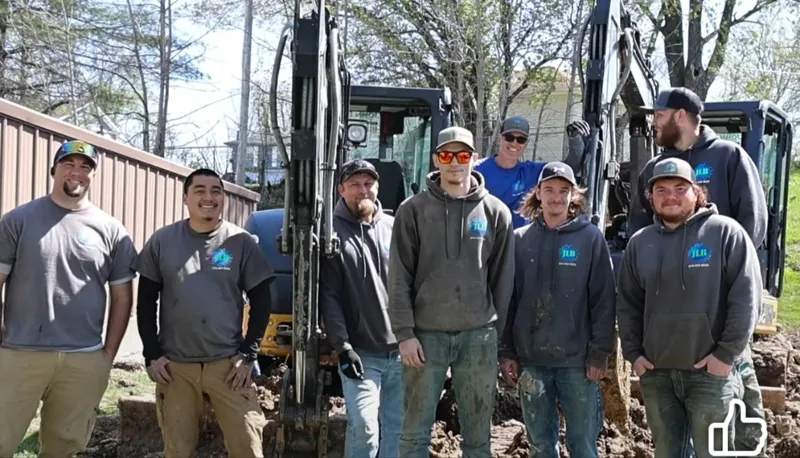
Who Handles Foundation Repair in Lee's Summit?
With nearly 101000 residents, Lee's Summit keeps our Jackson County crews busy year-round. From established neighborhoods to newer developments, we know the soil, we know the foundations, and we know the local permit process. When we show up at your door, you're getting the same team from inspection through final walkthrough.
Call (816) 408-3651“We had cracks running up our walls and doors that wouldn't close. JLB came out, explained exactly what was happening with the soil under our house, and had the piers installed in two days. Floors are level again. Wish we hadn't waited so long.”
Why Do Lee's Summit Homeowners Trust JLB for Foundation Repair?
We earn trust the old-fashioned way: honest inspections, fair pricing, and repairs that last.
Jackson County Permit Expertise
We pull permits and coordinate inspections with Jackson County building officials for every structural project. Our crews have worked with the local building department for years — we know their process inside and out.
Engineered for This Soil
Every repair we install in Lee's Summit is engineered for Jackson County's specific soil conditions. We don't use generic solutions — we match the repair method to the foundation type and the forces acting on it.
Hundreds of Lee's Summit Homes
With nearly 101000 residents, Lee's Summit generates steady demand for foundation work. Our crews have worked on poured concrete foundations across every part of town — there's not a neighborhood we haven't been to.
Flexible Payment Plans
We know a major home repair isn't always in the budget. That's why we offer financing options that let Lee's Summit homeowners address foundation problems on a timeline that works — without waiting for the damage to compound.
Real Projects. Real Results.
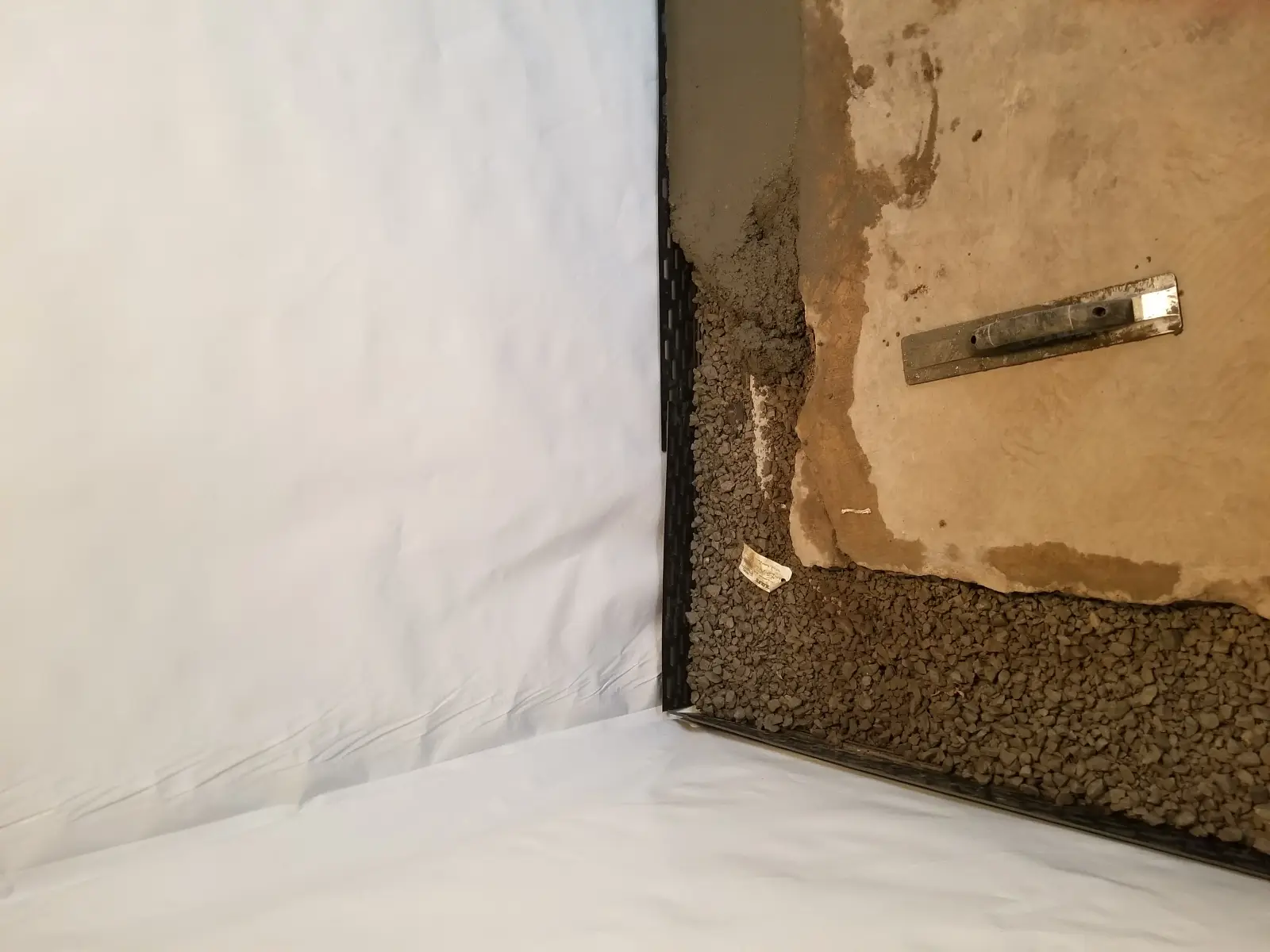
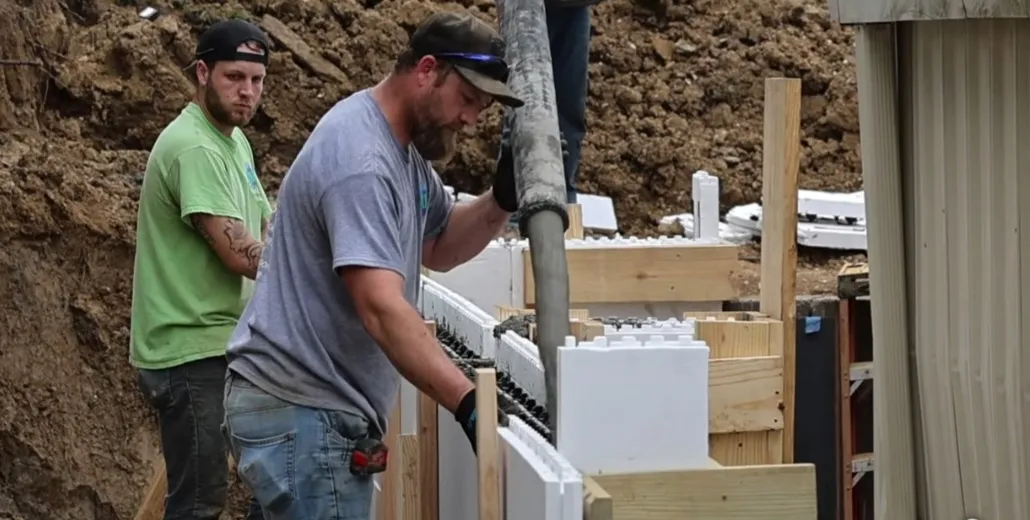
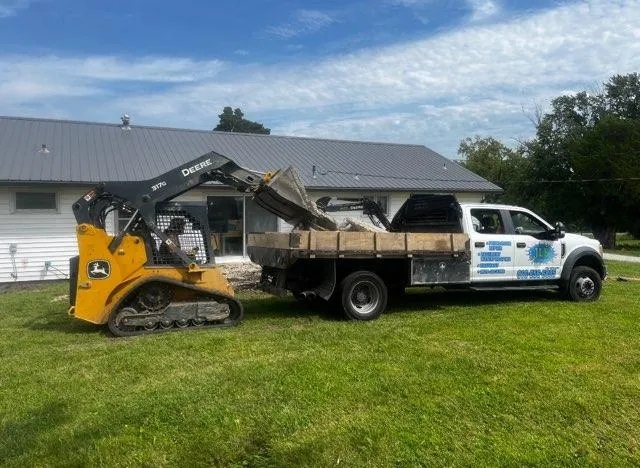
Every photo is from an actual JLB job site — not a stock photo. See the work we do every day across Kansas City and Des Moines.
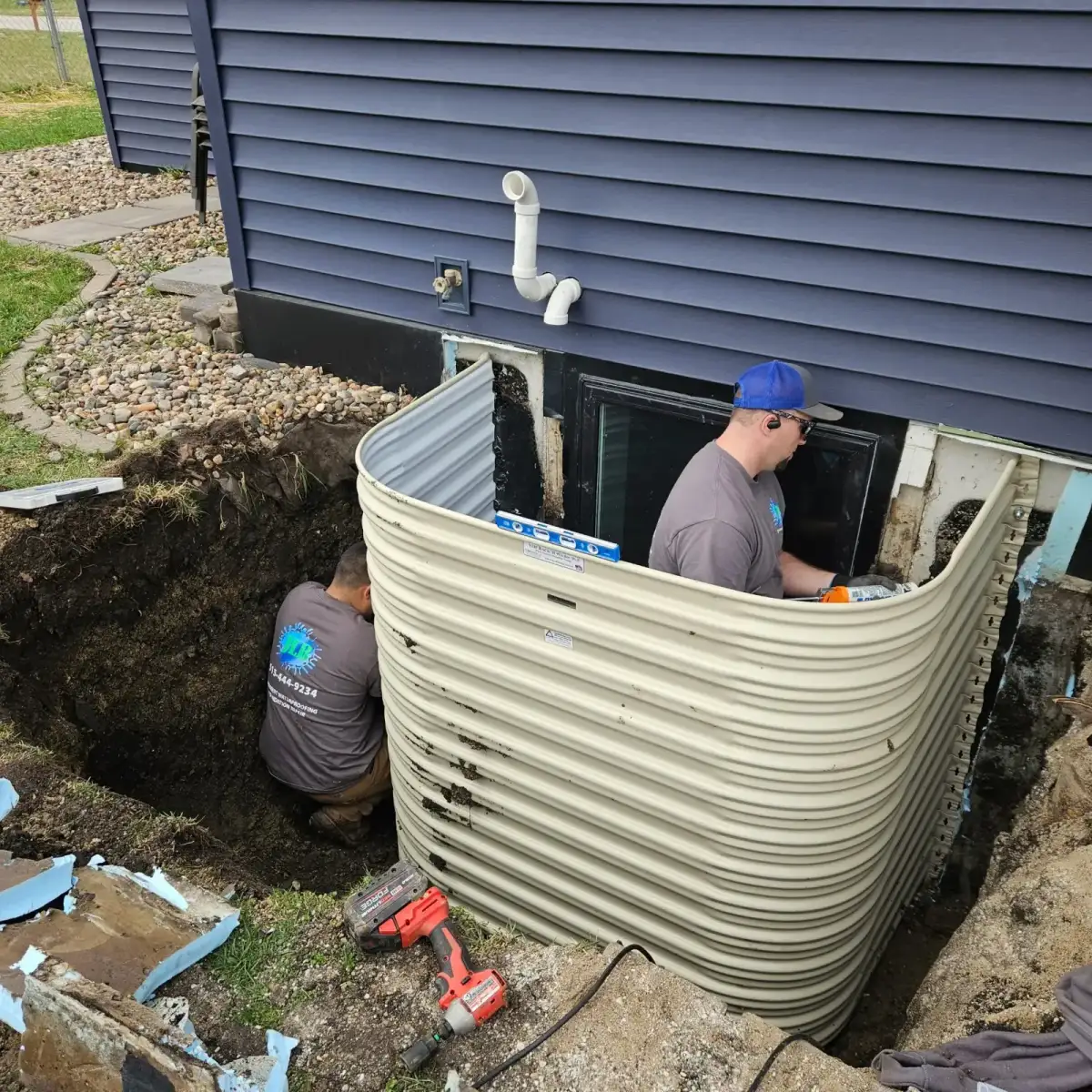
What Does Foundation Repair Cost in Lee's Summit, MO?
Even newer Lee's Summit homes on Jackson County's clay develop foundation issues faster than most homeowners expect. Whether it's settling from poorly compacted fill or cracks from curing and soil pressure, here's what repair typically costs across the Kansas City metro.
| Repair Type | Typical Cost Range | Notes |
|---|---|---|
| Crack repair (epoxy/polyurethane injection) | $250–$800 per crack | Non-structural hairline cracks |
| Steel push piers | $1,000–$3,000 per pier | Permanent fix for settling foundations; most homes need 6–12 piers |
| Helical piers | $1,500–$3,500 per pier | Used when soil conditions require screwing into load-bearing strata |
| Wall anchors | $500–$1,000 per anchor | Stabilizes bowing basement walls; typically 4–8 per wall |
| Carbon fiber reinforcement | $300–$600 per strip | For minor to moderate wall bowing; less invasive than anchors |
| Minor foundation repair (total project) | $1,500–$5,000 | Small cracks, minor settling |
| Major foundation repair (total project) | $5,000–$15,000+ | Multiple piers, structural wall repair, significant settling |
| Structural engineer report | $300–$800 | Sometimes required before repair, sometimes included in estimate |
These ranges reflect typical Kansas City metro pricing as of 2026. Actual costs vary based on the severity of damage, accessibility, and specific repair method. JLB provides free estimates — call (816) 408-3651 for an accurate quote.
Two Ways to Pay for It
12 Months Same As Cash
Pay the full balance within 12 months and you pay no interest.
Best if you can pay it off within a year.
5 Years at 6.99% APR
A lower monthly payment, spread over 60 months.
Best for bigger projects.
On approved credit. Ask for full terms at your free estimate.
Foundation and water problems rarely get cheaper while they wait.
Foundation Repair Questions From Lee's Summit Homeowners
Because they are effectively the same house at the same age. Lee's Summit subdivisions were built in tight windows, so a whole street often shares a pour date within a season or two, the same wall design, and the same backfill practice. Poured concrete keeps curing and shrinking for years, and its weak lines are the control joints and cold joints designed into it. When a heavy spring rain loads those walls, houses at the same stage respond in much the same way. It is not evidence of a neighborhood-wide defect; it means the diagnostic questions are the same next door, though the answers can still differ by where each house sits on the grade.
It is a warning worth taking seriously even though the basement is dry most of the year. On Lee's Summit's rolling ground the issue is not average soil moisture, it is the volume of water arriving at one elevation of the house over a few hours. Clay cannot pass that water, so it stands against the wall and pushes. Each cycle works the wall a little further. Water appearing at the same spot every spring, or a crack that visibly opens during a storm and closes afterward, means the load is real and repeating, and it is far cheaper to relieve it before the wall moves than after.
Often, yes, because a walk-out asks one foundation to do two jobs. One end of the house sits on a full-depth wall in undisturbed ground; the other opens to daylight on a much shallower footing. Those two conditions bear differently and can move independently. The signature is cracking that steps down toward the daylight corner, or doors that bind at one end of the house while the other end is fine. On a walk-out it is common to need restraint on the buried wall and piering under the shallow end, which is not over-selling — they are two different problems that happen to share a house.
Usually less serious than the same crack elsewhere, but it still deserves reading. A control joint is a deliberate weak line, placed so that the shrinkage every poured wall goes through happens where you want it rather than at random. A hairline separation there is often just the joint doing its job. What matters is whether the crack is still moving and whether it is passing water. A joint crack that has widened since you last looked, that is offset so one side sits proud of the other, or that weeps during a storm has stopped being a shrinkage crack and is telling you about load.
Proximity to the water itself is not really the mechanism. What matters is that the ground through that part of Lee's Summit runs in long grades, and grade is what decides where surface and shallow subsurface water goes during a storm. A house partway down a slope intercepts water moving toward the low ground whether or not there is a lake at the bottom. The practical questions are the same anywhere on this terrain: what is uphill of you, where do your downspouts discharge, and does the ground fall away from the house for the first several feet.
Sometimes, and it depends entirely on whether the wall has already moved. Correcting grade and drainage removes the load, and for a wall that is still in plane with a hairline crack, that is occasionally the whole repair. Once a wall has bowed, or a corner has dropped, the structure has to be held or lifted first — drainage alone will not bring it back. The order matters too: restrain or support, then correct the water, because fixing the water around a wall that is still moving simply slows a process that is already underway.
It comes down to direction. If the wall is coming inward — bowing, horizontal cracking, out of plane when you sight along it — that is a lateral load and the answer is restraint: carbon-fiber straps for slight movement, steel bracing or anchors for more. If the house is going down — vertical cracks wider at the top, floors out of level, doors racking — that is a bearing problem and the answer is piers taken to load-bearing strata. The measurement that settles it is elevations across the floor, which is why a written analysis should precede any quote.
Not Sure What You're Dealing With?
Click any symptom below to learn what it means, what's likely causing it, and how we can help. Most of these are more common — and more fixable — than you'd think.
Diagonal, stair-step, or horizontal cracks in drywall, plaster, or brick usually trace back to soil movement beneath your foundation. The heavy clay soils in the Kansas City and Des Moines metros expand and contract seasonally, which can shift your foundation over time. The good news: this is very fixable with the right approach.
Water entering through floor joints, wall cracks, or seeping through porous concrete means groundwater pressure is pushing moisture into your basement. An interior drainage system and sump pump can solve this permanently — and we can usually have it done in a day or two.
When a foundation settles unevenly, it can shift your home's frame just enough to make doors and windows bind. This is one of the earlier signs of foundation movement — and catching it early often means a simpler, less expensive repair.
That musty smell is moisture. Up to 40% of the air in your home rises from below — from your crawlspace and basement. If there's excess humidity down there, it affects your whole home. Encapsulation seals it out, and you'll notice the difference in your air quality right away.
Floors that slope toward the center or an exterior wall usually mean the support structure underneath needs attention. Push piers can stabilize your foundation and often lift it back to level — giving your floors a second life.
When soil washes out or compacts beneath a concrete slab, the slab drops and becomes uneven. Polyjacking uses expanding polyurethane foam to fill the void and lift the concrete back to grade — usually in under a day, with no heavy equipment needed.
Water collecting near your foundation means your grading or drainage isn't directing water away effectively. French drains, regrading, extended downspouts, and drain pipes can redirect water away from the house — protecting your foundation for the long haul.
A basement wall that has bowed more than 2 inches inward, shifted off its footing, or shows multiple structural cracks may have moved beyond what bracing can fix. When carbon fiber straps, I-beams, or wall anchors are not enough, the wall needs to be removed and rebuilt with reinforced concrete. This is the last resort — but it is the permanent fix when the wall itself is compromised.
Schedule Your Free Foundation Estimate in Lee's Summit
We'll check your foundation for cracks, settlement, and structural movement — then give you an honest assessment and clear pricing. No pressure, no scare tactics. Fill out the form or call us at(816) 408-3651.
Where Else Does JLB Provide Foundation Repair Near Lee's Summit?
Our Locations
We're always close enough to help — our crews are local to your area.
JLB Foundation Repair & Basement Waterproofing — Kansas City
111 NE 72nd St, Ste 111Kansas City, MO, 64119(816) 408-3651 View on Google Maps
Stop the Damage. Get Answers Today.
A free estimate takes 45 minutes and tells you exactly what's going on under your house — and exactly what it takes to fix it.