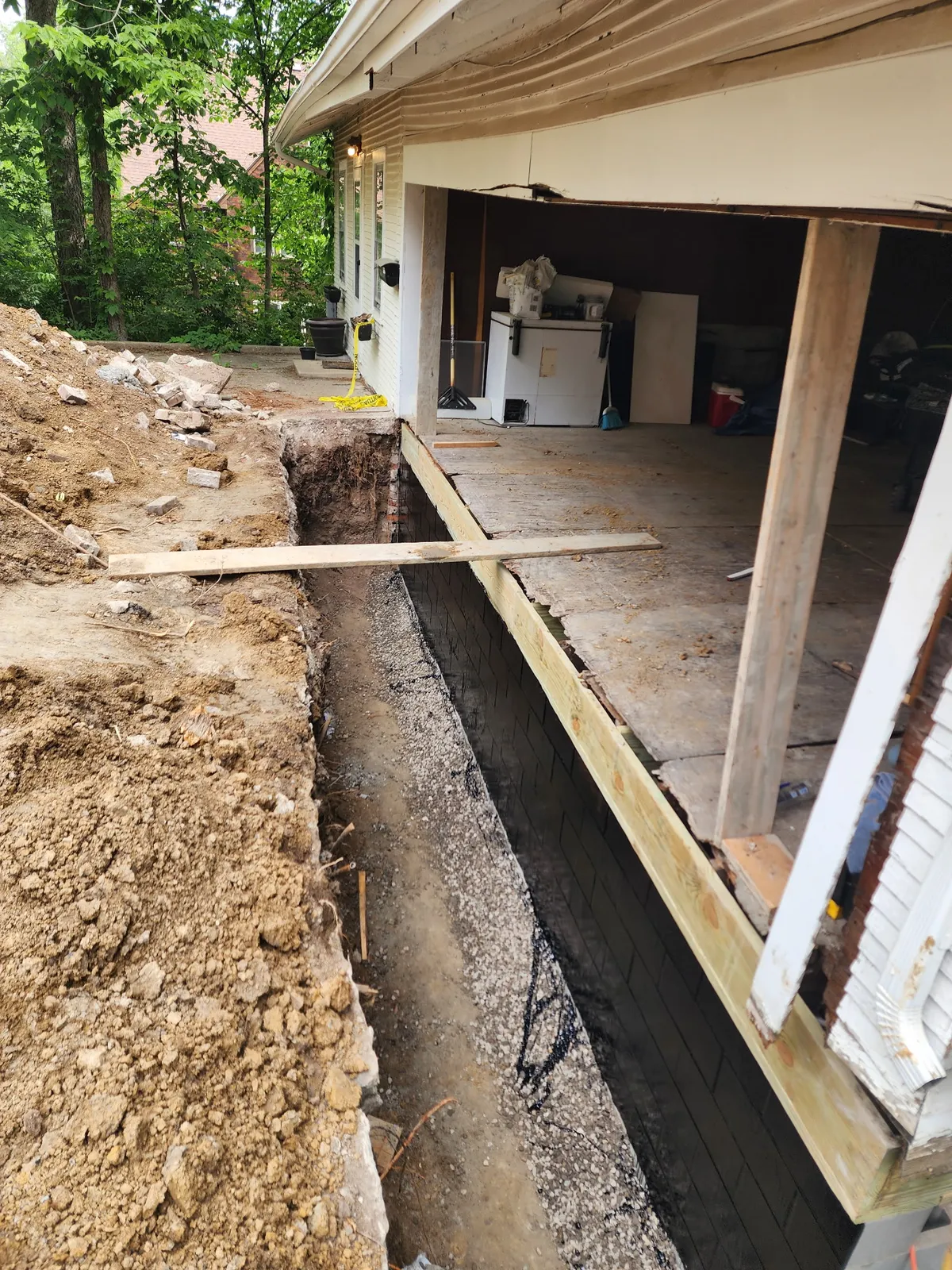
Foundation Repair in Kansas City, Missouri — Stop the Bowing and Mortar Loss at Its Source
Kansas City is really three foundation cities stacked on one clay bed. The pre-1940 core — Brookside, Waldo, the Historic Northeast — stands on stone and limestone laid up in lime mortar. South Kansas City is 1950s and 1960s block. The Northland is largely post-1990 poured concrete. Those three materials meet Jackson County's clay in three different ways, and the water that reaches them arrives from two different directions depending on which one you own.
Free 45-Minute Analysis + Written Report
Get a precise analysis of your foundation and waterproofing situation, and a clear estimate on what any fixes or corrections might cost.
Takes 30 seconds. We'll call within 24 hours.
Thank You!
We'll be in touch within 24 hours.
What makes a century-old Kansas City stone foundation fail differently than a Northland poured wall?
In most cities the first question about a failing foundation is how bad it is. In Kansas City the more useful first question is what the foundation is made of. This city built in three distinct waves, and each wave used a different material that answers Jackson County's clay in its own way. A stone wall, a block wall, and a poured wall on the same street would each show you a different symptom for the same underlying soil movement — and would each need a different repair.
Start with the oldest layer. Brookside, Waldo, and the Historic Northeast were largely built between the 1900s and the 1940s, on foundations of quarried stone and limestone laid up in lime mortar. Stone itself is durable; the mortar between it is the wear surface. A century of moisture cycling through those joints slowly washes the binder out, and once enough mortar is gone the courses are no longer locked to each other. What the homeowner sees is a wall that has begun to belly inward, or individual stones that have shifted out of plane, or a fine trickle of sand-colored dust on the basement floor where a joint is failing. That is a material problem first and a soil problem second, and it will not respond to the pier-and-bracket approach that suits a newer house.
The moisture reaching those old walls is where Kansas City gets genuinely unusual, because it arrives from two opposite directions depending on the block you live on. In the mature-canopy neighborhoods — the streets around Loose Park and the Country Club Plaza, much of Brookside — large established trees pull enormous volumes of water out of the clay through a dry August. The soil shrinks away from the footing on the side nearest the tree and stays fuller on the far side, and the foundation is asked to bridge the difference. On other blocks in the same era of housing, the problem is the reverse: original clay sewer laterals of the same vintage as the house have cracked at the joints and are quietly adding water to the soil year-round, keeping one stretch of wall permanently loaded while the rest of the perimeter dries out normally.
That asymmetry is why two neighbors with identical houses can have completely different foundations problems, and why a diagnosis that stops at "it's the clay" is not much of a diagnosis in this city. Before specifying anything on a pre-war Kansas City house, it is worth knowing which side the mature trees are on, where the downspouts discharge, and whether the sewer lateral has ever been scoped. Those three answers usually explain the pattern of movement better than the crack itself does.
South Kansas City is the second wave — the 1950s and 1960s ranch stock — and there the walls are concrete block. Block behaves nothing like stone. It carries vertical load well and resists sideways pressure poorly, so when Jackson County clay swells against it after a wet spring the failure shows up as stair-step cracking that tracks the mortar joints, or as a single horizontal crack running the length of the wall near mid-height. That horizontal line is the one worth acting on: it means the wall is being pushed, not settling, and the correct answer is to resist the push with anchors, carbon-fiber straps, or steel bracing rather than to lift anything.
The Northland is the third wave, largely post-1990 and largely poured concrete. Poured walls handle lateral load better than block, so the failures up there tend to be vertical instead — a crack wider at the top than the bottom, or a floor that reads out of level across a span. The driver is the ground rather than the wall. This is rolling terrain near the Missouri River, and making a level building pad on a slope means cutting into undisturbed soil on the high side and placing fill on the low side. Where that fill kept consolidating after the house went up, the wall bridging the seam settles unevenly no matter how sound the concrete is.
Laid side by side, the three waves look like this:
| Kansas City area and era | Typical foundation | How it usually fails | What is driving it | What the repair looks like |
|---|---|---|---|---|
| Urban core — Brookside, Waldo, Historic Northeast (1900s–1940s) | Stone or limestone in lime mortar | Mortar washing out, courses shifting, wall bowing inward | Century-old mortar plus sustained clay pressure and moisture | Repointing where the stone is sound; anchors or bracing where the wall has moved; rebuilding a failed section |
| South Kansas City (1950s–1960s ranch) | Concrete block | Stair-step cracking along mortar joints; horizontal crack near mid-height | Lateral clay pressure against a hollow-core wall | Wall anchors, carbon-fiber straps, or steel bracing |
| Northland (post-1990) | Poured concrete | Vertical cracking, wider at the top; floors out of level | Differential settlement on graded hillside lots near the river | Push or helical piers to load-bearing strata |
Matching the method to the material is the whole job here. A stone wall with sound stone and failed mortar can often be repointed; a stone wall that has already moved needs to be held with anchors or bracing, and a section too far gone gets rebuilt. A block wall being pushed inward gets anchored or braced. A poured wall dropping because the ground under the footing lost bearing gets piers carried to load-bearing strata — push piers where there is enough structure to drive against, helical piers where there is not, both torque-monitored during installation so the capacity is measured rather than assumed. Plenty of Kansas City houses need more than one of these at once. How each system gets specified is set out on the foundation repair page.
On what it costs: typical market ranges put push piers in the neighborhood of $1,250 to $2,500 each with helical somewhat higher, but on an older Kansas City house the pier count is often not the main variable at all — the length of wall needing repointing, anchoring, or rebuilding usually is. An exact figure needs an on-site estimate, because no one can price a stone wall they have not stood in front of. Since so much of the movement above traces back to water, many repairs in the urban core pair the structural work with drainage and waterproofing correction. JLB works the same clay across Independence, Raytown, Gladstone, North Kansas City, Lee's Summit, and Overland Park, and the I-70, I-35, and I-435 loops put most of the metro inside a short drive.
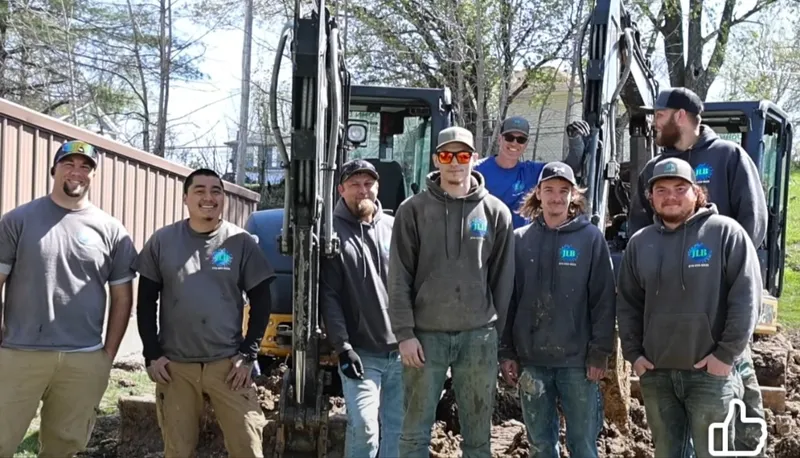
Meet the Team Serving Kansas City
JLB is a local crew — not a franchise. We handle foundation repair across Kansas City and the Kansas City metro. Watch to see who shows up at your door.
Watch Foundation Repair Work in Kansas City
Two Ways to Pay Over Time
12 Months Same As Cash
Pay the full balance within 12 months and you pay no interest.
5 Years at 6.99% APR
A lower monthly payment, spread over 60 months.
On approved credit. Ask for full terms at your free estimate.
Foundation and water problems rarely get cheaper while they wait.
What Foundation Repair Warning Signs Appear in Kansas City Homes?
Foundation repair gets simpler and cheaper the earlier you address it. In Kansas City, a wall at the first sign of inward movement can often be stabilized with carbon fiber straps or wall anchors. Wait two or three more seasons of clay pressure, and the same wall may need excavation, full replacement, or a dozen piers instead of six. Early assessment doesn't commit you to a repair — it tells you what the repair costs now versus later.
Cracks Spreading Across Walls
Diagonal cracks above doors and windows, stair-stepping in brick — this is your structure pulling apart. Kansas City's older stone foundations often show cracks where original mortar has deteriorated after decades of moisture and soil movement.
Floors Sloping or Uneven
Put a ball on the floor. If it rolls, your foundation is settling unevenly. This gets worse, never better. Sloping floors in Kansas City homes usually mean the foundation beneath has settled unevenly — a structural issue, not a cosmetic one.
Doors and Windows That Stick
Frames are shifting because the foundation underneath them is moving. It's not the door — it's the house. Kansas City homeowners often dismiss sticking doors as "the house settling." In Jackson County's clay soil, it usually means the foundation has moved.
Gaps Between Walls and Ceiling
Visible separations where the walls meet the ceiling or floor. Your home is literally pulling itself apart. Gaps between walls and ceilings in Kansas City homes indicate active foundation movement — the clay soil in Jackson County is still pushing.
Exterior Brick Cracking
Stair-step cracks in the mortar joints. Once you can see it from the outside, the problem is serious. Kansas City's older stone foundations often show cracks where original mortar has deteriorated after decades of moisture and soil movement.
One Side of the Home Visibly Lower
If you can see it, the soil has already failed. This is active structural movement that accelerates over time. Kansas City homes on stone foundation foundations in Jackson County are particularly susceptible to this issue.
When Repair Isn't Enough: Foundation Wall Replacement
Some walls are too far gone for bracing or anchoring. If your Kansas City home has severely bowed, cracked, or crumbling foundation walls, full replacement may be the safest long-term solution. JLB handles complete wall rebuilds — excavation, demolition, and new poured-concrete construction.
Learn about foundation wall replacement in Kansas CityNoticed cracks in your Kansas City basement walls?
The stone and limestone foundations common in Kansas City develop predictable failure patterns — and early detection makes the difference between a straightforward repair and a major structural project. A free estimate takes about an hour and tells you exactly where you stand.
Four Steps to a Stable Home
No surprises. No upsells. Just a clear path from "something's wrong" to "it's permanently fixed."
Free Estimate
We come to your home, assess the damage, and explain exactly what's happening — in plain English, not contractor jargon.
Custom Repair Plan
An engineered solution designed for your home's soil conditions, damage pattern, and foundation type.
Professional Install
Our crew handles everything. Most repairs completed in 1–3 days with minimal disruption.
Permanent Stability
Your foundation is stabilized for the life of the home. The settlement stops. Done.
Who Handles Foundation Repair in Kansas City?
With nearly 509000 residents, Kansas City keeps our Jackson County crews busy year-round. From established neighborhoods to newer developments, we know the soil, we know the foundations, and we know the local permit process. When we show up at your door, you're getting the same team from inspection through final walkthrough.
Call (816) 408-3651“We had cracks running up our walls and doors that wouldn't close. JLB came out, explained exactly what was happening with the soil under our house, and had the piers installed in two days. Floors are level again. Wish we hadn't waited so long.”
Why Do Kansas City Homeowners Trust JLB for Foundation Repair?
We earn trust the old-fashioned way: honest inspections, fair pricing, and repairs that last.
Jackson County Permit Expertise
We pull permits and coordinate inspections with Jackson County building officials for every structural project. Our crews have worked with the local building department for years — we know their process inside and out.
Stone and limestone Specialists
Kansas City's stone and limestone foundations require specific repair techniques. Our crews are trained in wall anchors, carbon fiber reinforcement, and pier systems designed for these older foundation types.
Hundreds of Kansas City Homes
With nearly 509000 residents, Kansas City generates steady demand for foundation work. Our crews have worked on stone and limestone foundations across every part of town — there's not a neighborhood we haven't been to.
Financing for Older Homes
Older homes often need larger repairs that can strain a household budget. We offer flexible financing plans specifically so Kansas City homeowners with aging foundations can get the work done now — before another season of soil movement makes it worse.
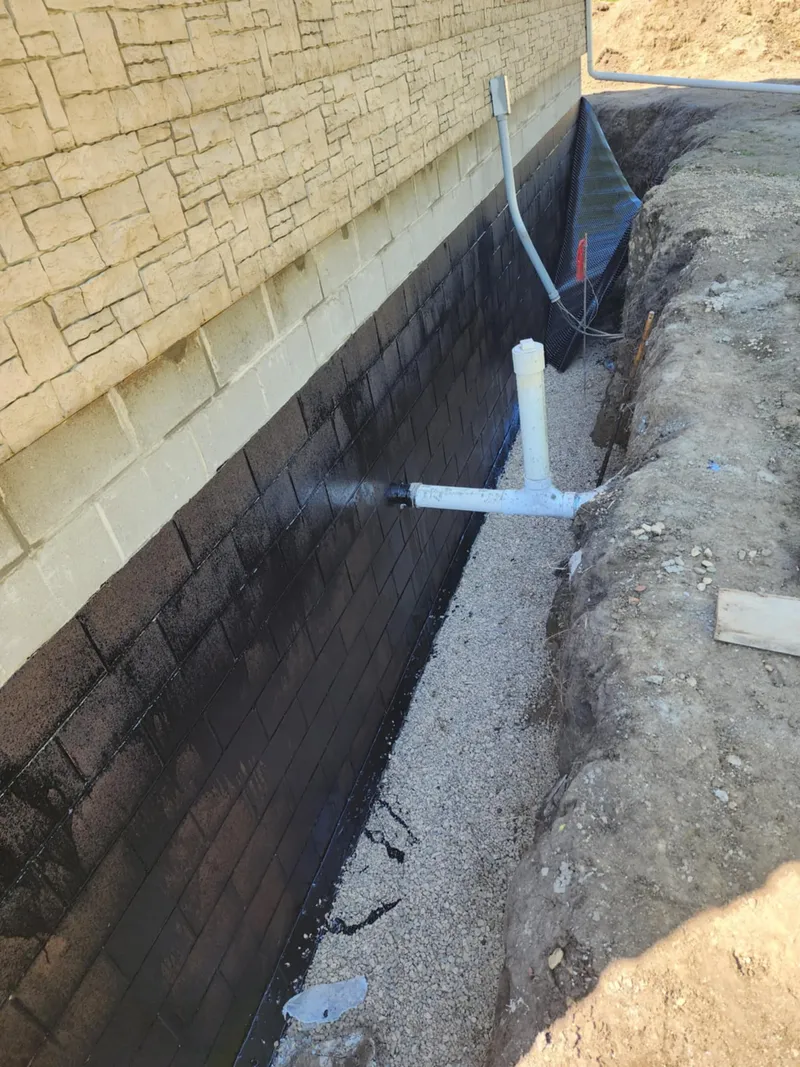
Real Projects. Real Results.
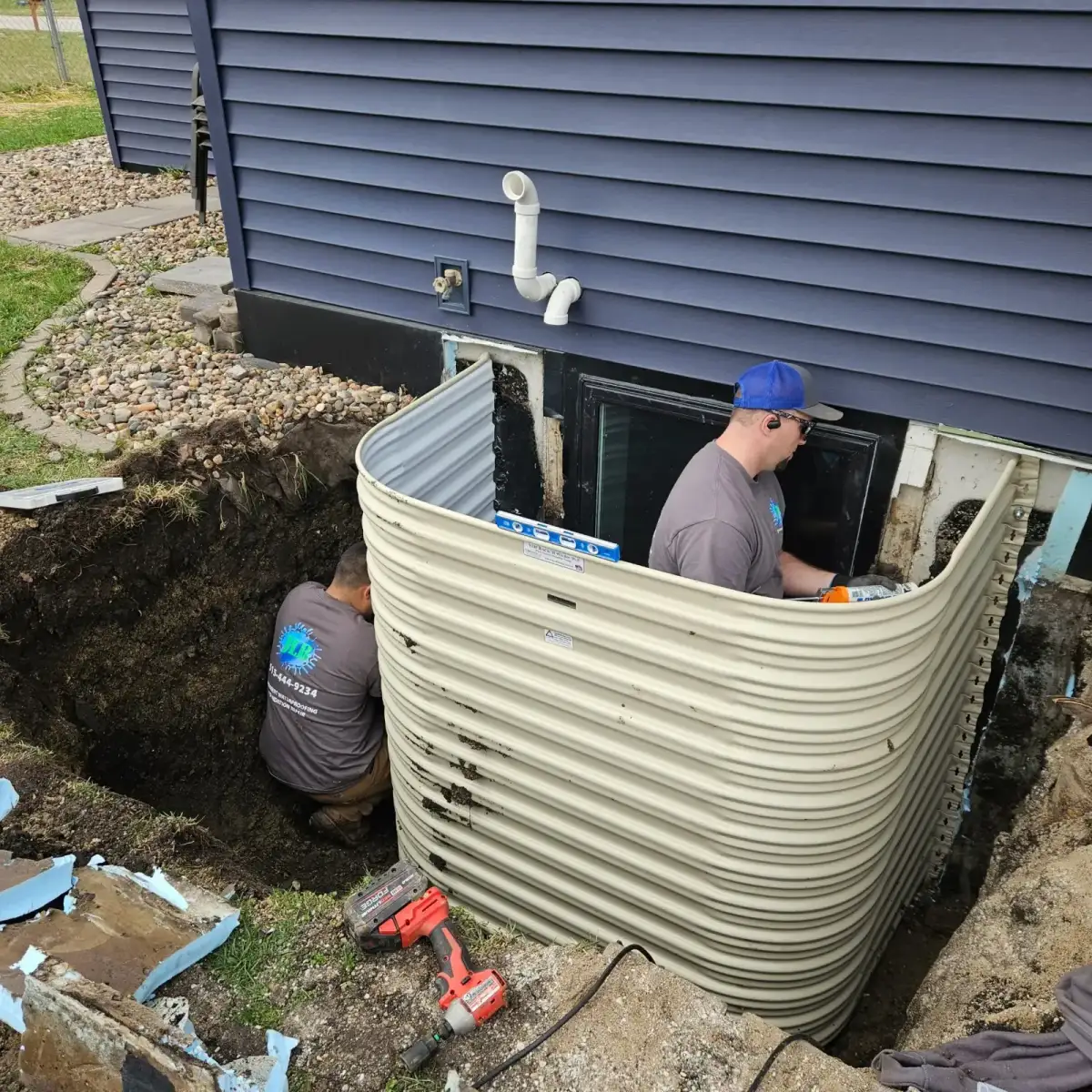
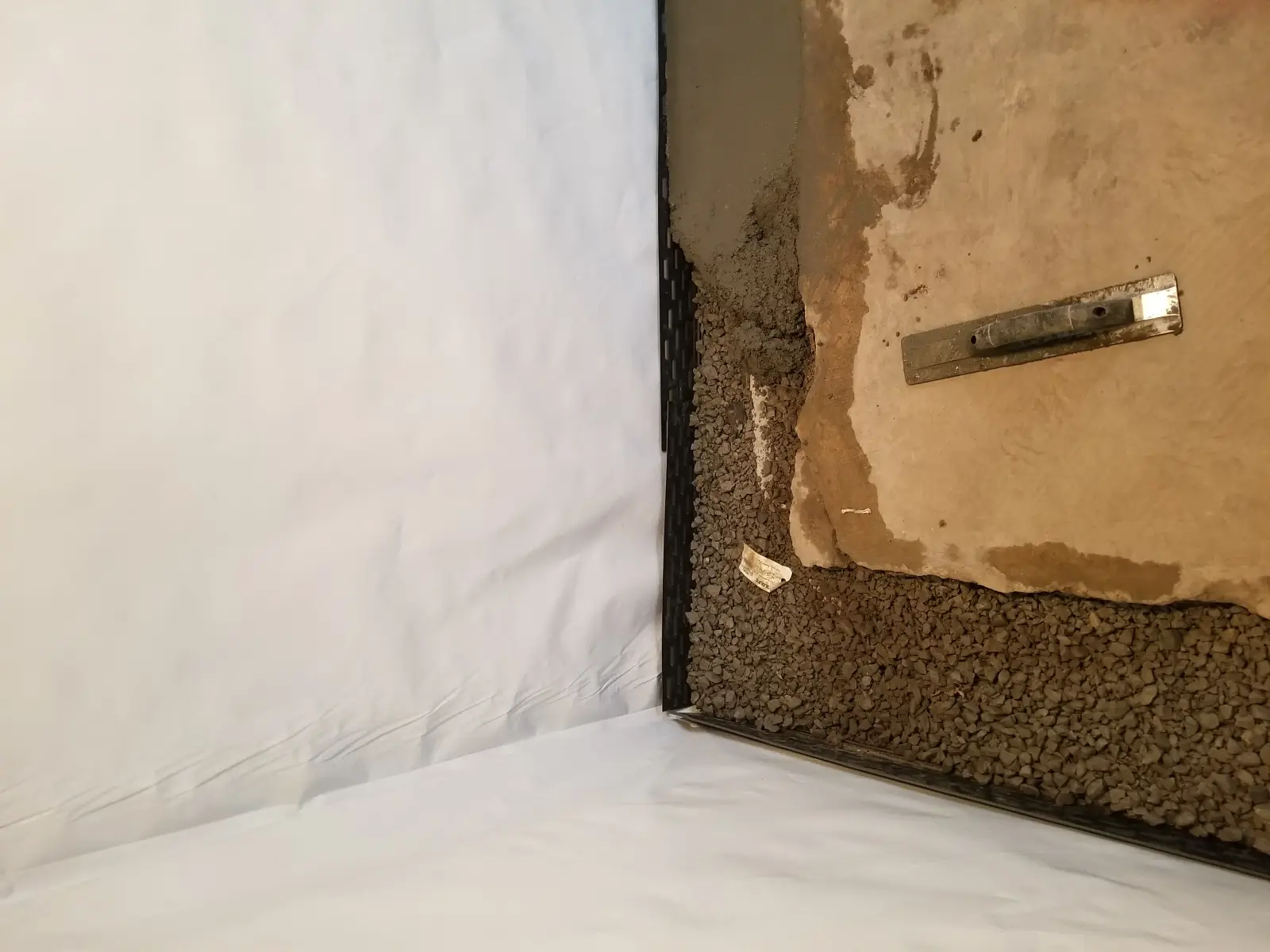
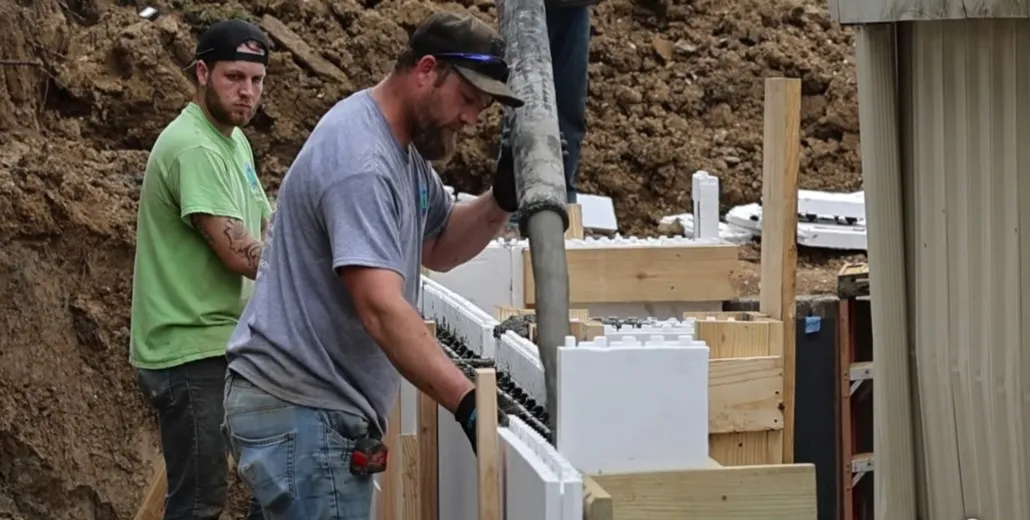
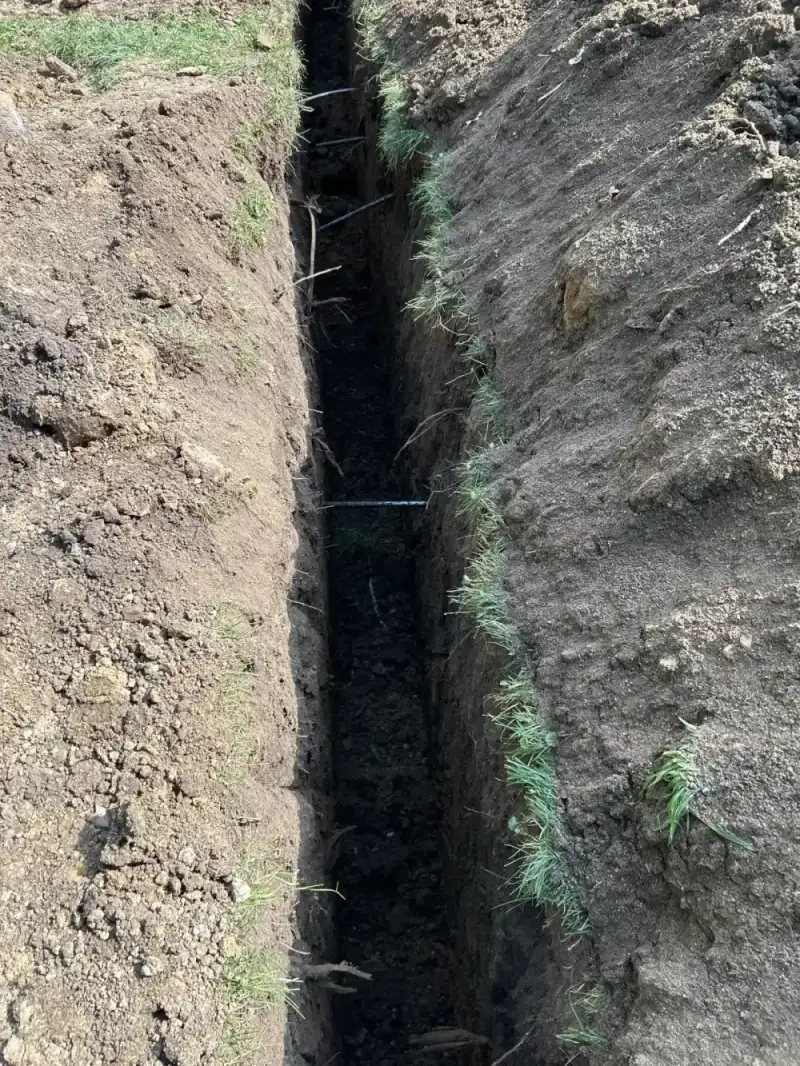
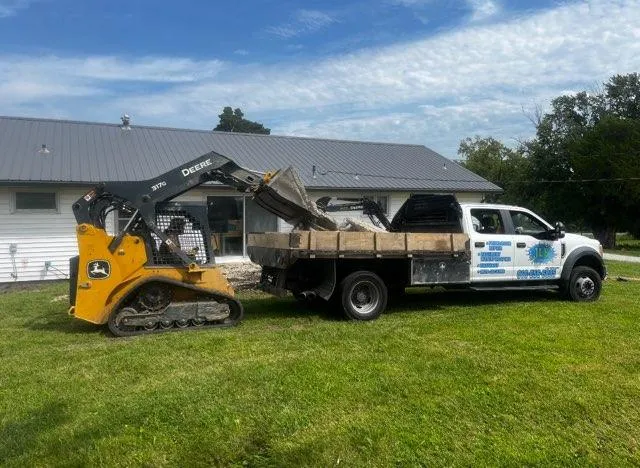
Every photo is from an actual JLB job site — not a stock photo. See the work we do every day across Kansas City and Des Moines.
What Does Foundation Repair Cost in Kansas City, MO?
Kansas City's older housing stock — many homes built on stone and limestone foundations from the Diverse: 1900s-1940s in the urban core (Brookside/Waldo) — often requires more extensive structural work than newer suburbs. Here's what Jackson County homeowners typically pay for foundation repair in 2026.
| Repair Type | Typical Cost Range | Notes |
|---|---|---|
| Crack repair (epoxy/polyurethane injection) | $250–$800 per crack | Non-structural hairline cracks |
| Steel push piers | $1,000–$3,000 per pier | Permanent fix for settling foundations; most homes need 6–12 piers |
| Helical piers | $1,500–$3,500 per pier | Used when soil conditions require screwing into load-bearing strata |
| Wall anchors | $500–$1,000 per anchor | Stabilizes bowing basement walls; typically 4–8 per wall |
| Carbon fiber reinforcement | $300–$600 per strip | For minor to moderate wall bowing; less invasive than anchors |
| Minor foundation repair (total project) | $1,500–$5,000 | Small cracks, minor settling |
| Major foundation repair (total project) | $5,000–$15,000+ | Multiple piers, structural wall repair, significant settling |
| Structural engineer report | $300–$800 | Sometimes required before repair, sometimes included in estimate |
These ranges reflect typical Kansas City metro pricing as of 2026. Actual costs vary based on the severity of damage, accessibility, and specific repair method. JLB provides free estimates — call (816) 408-3651 for an accurate quote.
Two Ways to Pay for It
12 Months Same As Cash
Pay the full balance within 12 months and you pay no interest.
Best if you can pay it off within a year.
5 Years at 6.99% APR
A lower monthly payment, spread over 60 months.
Best for bigger projects.
On approved credit. Ask for full terms at your free estimate.
Foundation and water problems rarely get cheaper while they wait.
Foundation Repair Questions From Kansas City Homeowners
Foundation Repair in Kansas City
Repaired, in most cases. On the pre-war stone and limestone foundations common through Brookside and Waldo, the stone is usually still sound and the lime mortar between it is what has failed. Where the wall is still in plane, repointing restores the bond and buys decades. Where the wall has already moved inward, it has to be held — anchors or bracing — before or alongside any mortar work, because repointing a wall that is still being pushed just puts fresh mortar into a moving joint. Full rebuilding is reserved for sections where enough stone has shifted that the wall no longer stacks properly.
Because you are not comparing the same wall. A pre-1940 stone or limestone foundation resists inward pressure through the friction and bond of its mortar joints, and once a century of moisture has washed enough binder out of those joints the wall loses the ability to act as one piece. A newer poured wall next door is a single monolithic element and shrugs off the same lateral load. The clay pressing on both is identical; the capacity to resist it is not. That is also why the fix differs — the newer house may never need anything, while the older one needs the wall physically restrained.
It is worth ruling out, and in the older Kansas City neighborhoods it comes up often. The original clay laterals under pre-war houses are the same age as the houses, and they fail at the joints rather than in the middle. A cracked joint does not usually announce itself indoors; it quietly discharges water into the soil beside the footing all year. The result is one stretch of foundation that stays loaded and mobile while the rest of the perimeter dries out and stabilizes on a normal seasonal cycle. If your movement is concentrated on one wall with no obvious drainage explanation above ground, having the lateral scoped is a reasonable next step before anyone specifies structural work.
Because a mature tree is a moisture pump, and Jackson County clay changes volume with moisture. Through a hot, dry stretch a large established tree can draw a very large volume of water out of the soil within its root zone. The clay on that side of the house shrinks and loses bearing while the soil on the far side, out of reach, stays fuller. The foundation is then asked to span two different ground conditions, which is what produces movement concentrated on one elevation. This is not an argument for removing trees — it is an argument for knowing which side they are on before reading the crack pattern, and for keeping soil moisture as even as the season allows.
The wall is almost certainly fine; the question is what it is standing on. The Northland is rolling terrain near the Missouri River, and creating a level pad on a slope means cutting into undisturbed ground on the uphill side and placing fill on the downhill side. Where that fill was not fully compacted it keeps consolidating under the weight of the house for years afterward. A poured wall spanning the boundary between cut and fill settles unevenly, and the signature is a vertical crack wider at the top, or a floor that measures out of level across the span. Age has very little to do with it.
Not on its own. Repointing addresses the material — it replaces the binder that has washed out of the joints and restores the wall's ability to act as one piece. It does nothing about the load that pushed the wall out of plane in the first place. If a limestone or stone wall has visibly bellied inward, the sequence matters: restrain the wall so it stops moving, correct whatever water is driving the pressure, then repoint. Doing the mortar work first is the most common way homeowners end up paying for the same wall twice.
It depends far more on what your house is made of than on a per-unit price. On a Northland poured foundation the number tends to track pier count, and typical market ranges put push piers around $1,250 to $2,500 each with helical somewhat above that. On a pre-war stone foundation in the urban core, the cost is usually driven by linear feet of wall needing repointing, anchoring, or rebuilding, which no per-pier figure captures. Either way an exact price needs an on-site estimate — JLB's is a free 45-minute analysis with a written report you keep, including when the finding is that the wall is stable and nothing needs doing yet.
Foundation Repair Basics (Kansas City)
Foundation repair stabilizes and corrects a home's foundation after it settles, cracks, or shifts. Depending on the problem, crews install piers to reach stable soil, brace or straighten bowing walls, seal cracks, or replace failed sections. In Kansas City, most movement traces back to expansive clay soil, so a proper repair addresses both the structure and the underlying moisture or drainage cause.
Watch for stair-step cracks in brick or block, doors and windows that stick, sloping or uneven floors, gaps around trim, and water in the basement. Any one sign can be minor, but several together usually mean movement. A free on-site inspection, like JLB's 45-minute analysis with a written report, confirms whether repair is needed.
Most standard homeowners policies exclude foundation damage caused by soil movement, settling, or poor drainage, which covers the majority of Kansas City cases. Coverage may apply if the damage results from a covered event like a burst pipe. Always check your specific policy, and keep the written inspection report to support any claim.
Yes. Most residential foundation repairs let you stay in the home. Work is typically done from the exterior or the basement/crawl space, and even pier installation is usually completed in a few days with limited disruption. Larger jobs like full wall replacement may involve more noise and access needs, which your crew will explain up front.
Small hairline cracks are common and often not urgent, but widening, horizontal, or stair-step cracks signal active movement that gets worse and more expensive over time. Water intrusion and bowing walls should be assessed quickly. When in doubt, schedule a free inspection so a professional can rate the severity before it escalates.
Bowing & Leaning Walls
Bowing walls are usually caused by lateral pressure from expansive clay soil and hydrostatic water pressure pushing against the outside of the wall. Freeze-thaw cycles and poor drainage add to it. Over time the wall bends inward, which is a structural concern that needs professional attention.
Common repairs include carbon-fiber straps for minor bowing, steel I-beams or wall anchors for moderate cases, and wall rebuilding for severe failure. The right method depends on how far the wall has moved. JLB assesses the severity and recommends an engineered solution.
A bowing wall is a serious structural issue because it can continue to move and, if ignored, ultimately fail. Early bowing is often correctable with less invasive methods, so prompt assessment can save both the wall and money. Have it inspected as soon as you notice it.
Costs depend on the method and the number of braces or anchors needed. Carbon-fiber solutions cost less per location than steel beams or anchors, and full wall rebuilds cost the most. JLB provides a written estimate after determining the severity.
Many bowing wall repairs, such as installing carbon-fiber straps or anchors, are completed in one to a few days. More extensive stabilization or wall replacement takes longer. Your crew will provide a timeline with the written estimate.
Foundation Cracks
Common types include hairline cracks (often cosmetic), vertical cracks (frequently from settling or curing), stair-step cracks in block or brick (soil movement), and horizontal cracks (pressure against the wall). Horizontal and stair-step cracks are the most concerning and warrant a professional look.
Horizontal cracks, wide stair-step cracks, and any crack accompanied by bowing, offset, or water intrusion are serious and signal active structural movement. Cracks wider than about a quarter inch or that keep growing should be inspected promptly. Hairline cracks are usually less urgent.
Options range from epoxy or polyurethane injection for non-structural cracks to carbon-fiber reinforcement, wall anchors, or piering when cracks stem from movement. The correct fix depends on the cause. Sealing a crack without addressing movement is only a temporary patch.
No. Crack sealing stops water and cosmetically closes a crack, but it does not correct underlying movement. If the crack is caused by settling or soil pressure, structural repair such as piering or wall reinforcement is needed to stop the cause. An inspection distinguishes the two.
Mark the ends of the crack with a dated pencil line or measure its width, then check periodically for growth. Take photos over time. If it widens, lengthens, or is joined by sticking doors or water, schedule a professional inspection right away.
Piering & Underpinning
Foundation piering drives steel piers deep into stable soil or bedrock beneath a settling foundation, transferring the home's weight to solid ground. The piers can stabilize and often lift the foundation back toward its original position, providing a permanent fix for settlement.
Helical piers are screwed into the soil and work well for lighter loads and certain soil types, while push piers are hydraulically driven to deep load-bearing strata and suit heavier structures. JLB selects the pier type based on your home's load and soil conditions.
Underpinning strengthens and extends a foundation deeper to reach stable soil, redistributing the load and halting settlement. Modern pier systems are a form of underpinning that stabilize the foundation with minimal disruption compared with older methods.
Quality pier systems are engineered to reach load-bearing soil and are designed to be permanent, which is why they are typically backed by long-term, often transferable, warranties. Proper installation and correct diagnosis are key to lasting results.
Many residential piering projects are completed in a few days, depending on the number of piers and access. JLB provides a specific timeline with the written estimate.
Not Sure What You're Dealing With?
Click any symptom below to learn what it means, what's likely causing it, and how we can help. Most of these are more common — and more fixable — than you'd think.
Diagonal, stair-step, or horizontal cracks in drywall, plaster, or brick usually trace back to soil movement beneath your foundation. The heavy clay soils in the Kansas City and Des Moines metros expand and contract seasonally, which can shift your foundation over time. The good news: this is very fixable with the right approach.
Water entering through floor joints, wall cracks, or seeping through porous concrete means groundwater pressure is pushing moisture into your basement. An interior drainage system and sump pump can solve this permanently — and we can usually have it done in a day or two.
When a foundation settles unevenly, it can shift your home's frame just enough to make doors and windows bind. This is one of the earlier signs of foundation movement — and catching it early often means a simpler, less expensive repair.
That musty smell is moisture. Up to 40% of the air in your home rises from below — from your crawlspace and basement. If there's excess humidity down there, it affects your whole home. Encapsulation seals it out, and you'll notice the difference in your air quality right away.
Floors that slope toward the center or an exterior wall usually mean the support structure underneath needs attention. Push piers can stabilize your foundation and often lift it back to level — giving your floors a second life.
When soil washes out or compacts beneath a concrete slab, the slab drops and becomes uneven. Polyjacking uses expanding polyurethane foam to fill the void and lift the concrete back to grade — usually in under a day, with no heavy equipment needed.
Water collecting near your foundation means your grading or drainage isn't directing water away effectively. French drains, regrading, extended downspouts, and drain pipes can redirect water away from the house — protecting your foundation for the long haul.
A basement wall that has bowed more than 2 inches inward, shifted off its footing, or shows multiple structural cracks may have moved beyond what bracing can fix. When carbon fiber straps, I-beams, or wall anchors are not enough, the wall needs to be removed and rebuilt with reinforced concrete. This is the last resort — but it is the permanent fix when the wall itself is compromised.
Get Your Free Foundation Estimate in Kansas City
Kansas City's stone and limestone foundations need specialized assessment. Fill out the form and our crew will evaluate your walls, footings, and soil conditions — all at no cost. Or call us now at(816) 408-3651.
Which Kansas City Neighborhoods Need Foundation Repair Most?
We serve every corner of Kansas City. Click a neighborhood to learn about local foundation conditions.
Where Else Does JLB Provide Foundation Repair Near Kansas City?
Our Locations
We're always close enough to help — our crews are local to your area.
JLB Foundation Repair & Basement Waterproofing — Kansas City
111 NE 72nd St, Ste 111Kansas City, MO, 64119(816) 408-3651 View on Google Maps
Stop the Damage. Get Answers Today.
A free estimate takes 45 minutes and tells you exactly what's going on under your house — and exactly what it takes to fix it.