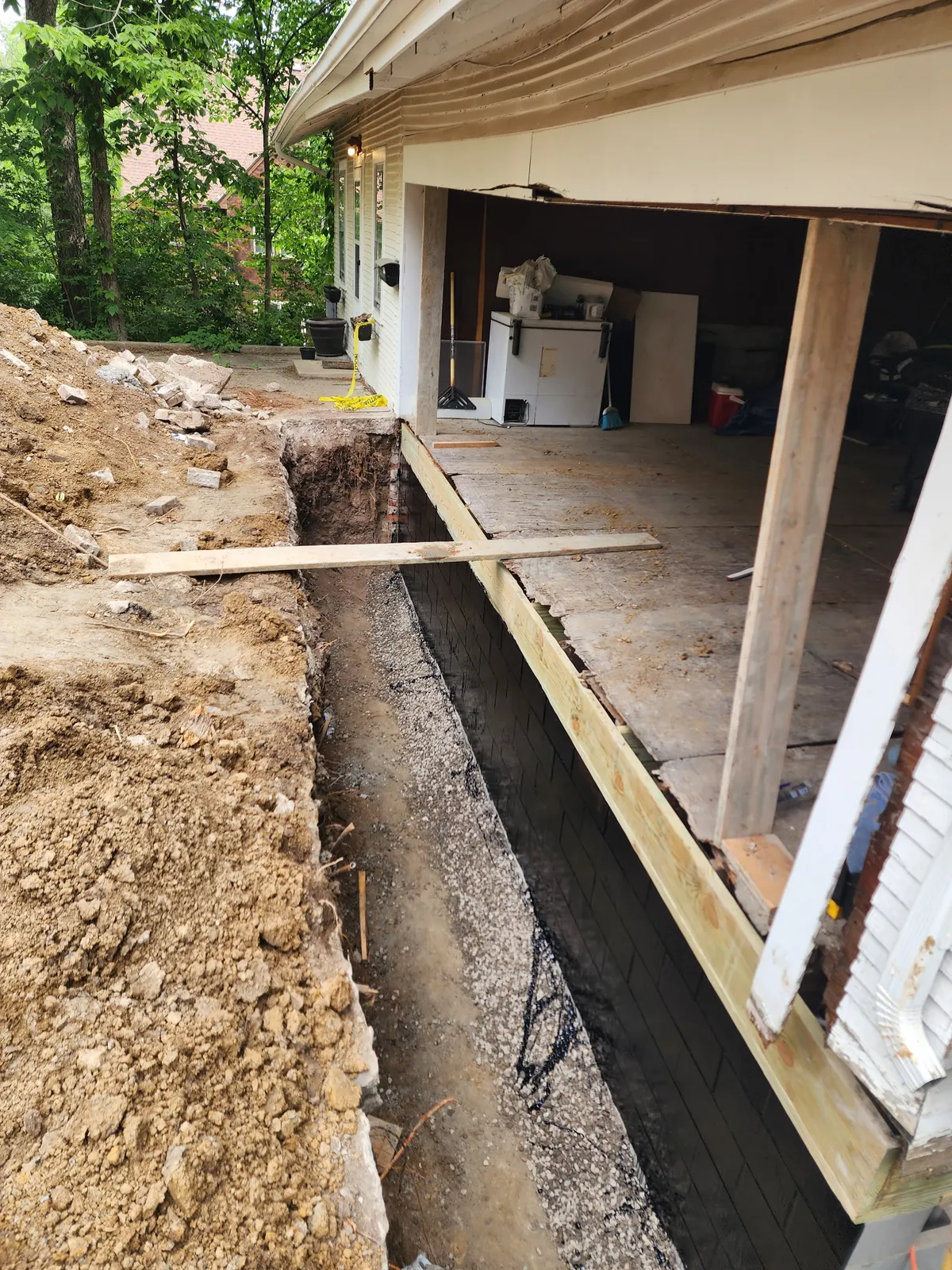
Foundation Repair in Prairie Village, Kansas — Settlement Repair Anchored Below the Active Clay Zone
Prairie Village is the metro's iconic post-war suburb — block after block of 1940s-60s cape cods and small ranches on flat Johnson County ground. Those homes were built compact and built shallow, and that shallowness is the whole story here: their footings sit high in the soil, right inside the layer of clay that swells and shrinks with every season, so they feel the ground move in a way a deeper modern foundation doesn't.

Free 45-Minute Analysis + Written Report
Get a precise analysis of your foundation and waterproofing situation, and a clear estimate on what any fixes or corrections might cost.
Takes 30 seconds. We'll call within 24 hours.
Thank You!
We'll be in touch within 24 hours.
Why do Prairie Village's shallow 1950s foundations move with the seasons more than newer homes do?
Foundation repair in Prairie Village comes down to a detail most homeowners never think about: how deep the foundation sits. This is one of the most uniform stretches of post-war housing in the metro — mile after mile of 1940s-60s cape cods and small ranches, built quickly and built modest on flat Johnson County ground. Modest homes got modest foundations: shallow footings and short basement or crawlspace walls that don't reach far into the ground. On Johnson County's very-high-swell Wymore-Ladoga clay, that depth is the thing that matters, because clay only changes volume in the upper zone that the weather reaches — the layer that soaks up water in spring and dries out in summer. A shallow 1950s footing sits right in that active zone. A deep modern basement carries its footing below it. Same clay, very different exposure.
That's why a Prairie Village home often moves with the calendar. When the active clay swells in a wet spring, a shallow footing gets lifted; when it dries and shrinks in late summer, the footing drops. Because that movement happens in the exact layer the foundation rests in, the house rides the seasonal cycle — cracks that open in one season and partly close in another, doors that stick in spring and swing free in fall, a floor that feels slightly different across the year. Over many cycles the movement stops being fully reversible: the footing ratchets down into differential settlement, and the seasonal cracks become permanent diagonal cracks from window and door corners. The uniformity of the neighborhood means it's rarely just one house — a whole block of similar cape cods on the same clay tends to show similar timing.
Prairie Village's foundations aren't all identical, though, and the differences change the repair. A true shallow-footing home sits most fully in the active zone and settles seasonally. A home with a short block basement wall has part of its wall in that zone and can also take a lateral push, showing stair-step cracks and a mild bow. A few homes with fuller basements behave more like deeper foundations. Reading which type a given house has — and how far into the active clay it really sits — is the first thing an honest inspection sorts out, because it decides whether the answer is depth, restraint, or both.
How the foundation's depth shapes the problem:
| Foundation type | How it sits in the clay | What shows up | The repair |
|---|---|---|---|
| Shallow footing (cape cod / small ranch) | Fully in the active seasonal zone | Seasonal cracks, then diagonal settlement cracks | Push or helical piers carried below the active zone to load-bearing strata |
| Short block basement wall | Partly in the active zone | Stair-step cracks, mild inward bow | Wall anchors or carbon-fiber straps, plus piers if the footing has dropped |
| Fuller basement (some homes) | Mostly below the active zone | Occasional settlement, less seasonal swing | Targeted piers where a footing has lost bearing |
The reason piers are the headline repair in Prairie Village is exactly that depth problem. A shallow footing that's settling can't be stabilized by anything that stays inside the same seasonal clay that's causing the movement — the fix has to reach below it. Push or helical piers are driven down past the active zone to load-bearing strata and torque-monitored so each one is confirmed to carry its load, transferring the weight of the house to soil that doesn't swell and shrink with the weather — the ICC-ES-evaluated systems detailed on the foundation repair page. Where a short block wall is also being pushed, wall anchors or carbon-fiber straps restrain it. And because the whole cycle is driven by the active clay wetting and drying, steadying the moisture with grading and downspout work helps hold the result, which is why some repairs here are paired with drainage correction.
On cost, Prairie Village's small footprints keep many jobs contained, but the number tracks how many piers a settled section needs and whether wall restraint is involved. As a market reference, push piers commonly run about $1,250 to $2,500 each and helical roughly $1,800 to $3,000, while wall anchors and strapping are quoted by the wall and hardware, but the pier count and depth only come from measuring on site, so an exact figure needs an on-site estimate. JLB works the same Johnson County clay through Leawood, Overland Park, and Mission, close to Prairie Village along Mission Road, 75th Street, and State Line Road near the Village Shops and Harmon Park.
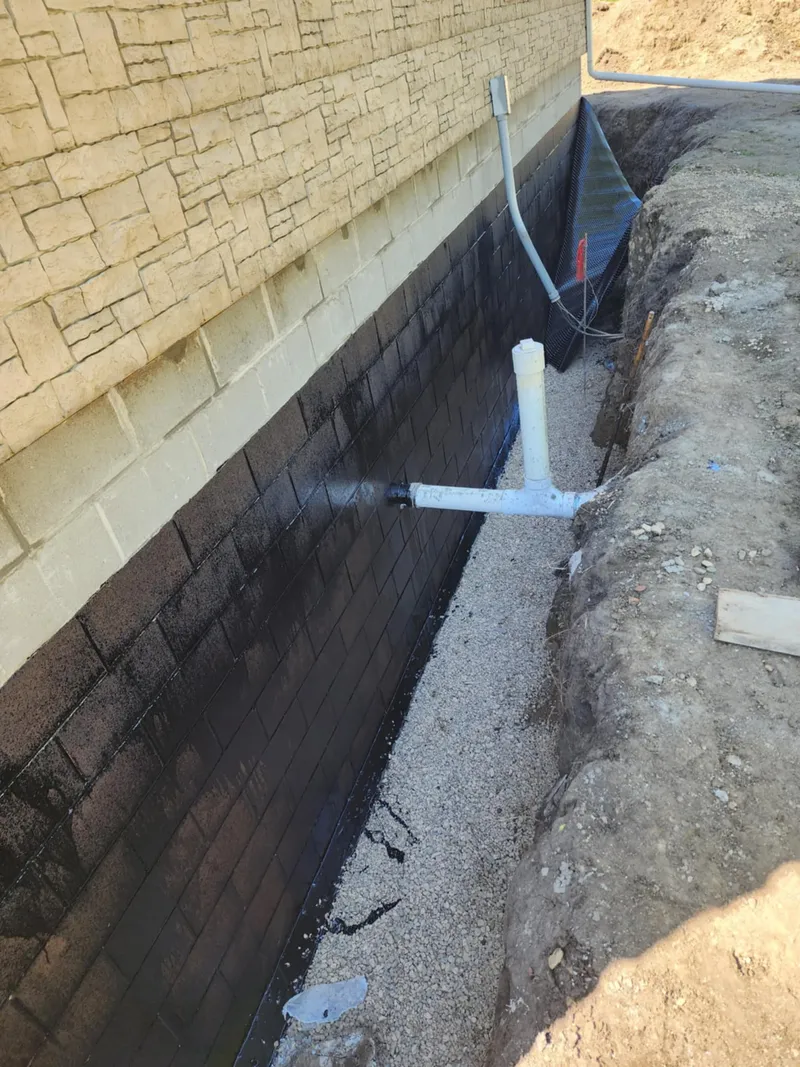
Meet the Team Serving Prairie Village
JLB is a local crew — not a franchise. We handle foundation repair across Prairie Village and the Kansas City metro. Watch to see who shows up at your door.
Watch Foundation Repair Work in Prairie Village
Two Ways to Pay Over Time
12 Months Same As Cash
Pay the full balance within 12 months and you pay no interest.
5 Years at 6.99% APR
A lower monthly payment, spread over 60 months.
On approved credit. Ask for full terms at your free estimate.
Foundation and water problems rarely get cheaper while they wait.
What Foundation Repair Warning Signs Appear in Prairie Village Homes?
The months when your foundation seems fine are the best months to repair it. In Prairie Village, late summer dry conditions let the clay contract and pull away from the wall, giving contractors clear access to the full face. Repairing during stable conditions means the fix is calibrated to the wall's resting position — not its pressure-loaded position during wet or frozen months. The result is a more accurate restoration and a longer-lasting repair.
Cracks Spreading Across Walls
Diagonal cracks above doors and windows, stair-stepping in brick — this is your structure pulling apart. In Prairie Village's concrete block homes, stair-step cracks along mortar joints are especially common — a direct result of lateral clay pressure.
Floors Sloping or Uneven
Put a ball on the floor. If it rolls, your foundation is settling unevenly. This gets worse, never better. Sloping floors in Prairie Village homes usually mean the foundation beneath has settled unevenly — a structural issue, not a cosmetic one.
Doors and Windows That Stick
Frames are shifting because the foundation underneath them is moving. It's not the door — it's the house. Prairie Village homeowners often dismiss sticking doors as "the house settling." In Johnson County's clay soil, it usually means the foundation has moved.
Gaps Between Walls and Ceiling
Visible separations where the walls meet the ceiling or floor. Your home is literally pulling itself apart. Gaps between walls and ceilings in Prairie Village homes indicate active foundation movement — the clay soil in Johnson County is still pushing.
Exterior Brick Cracking
Stair-step cracks in the mortar joints. Once you can see it from the outside, the problem is serious. In Prairie Village's concrete block homes, stair-step cracks along mortar joints are especially common — a direct result of lateral clay pressure.
One Side of the Home Visibly Lower
If you can see it, the soil has already failed. This is active structural movement that accelerates over time. Prairie Village homes on concrete block basement foundations in Johnson County are particularly susceptible to this issue.
Noticed cracks in your Prairie Village basement walls?
The concrete block foundations common in Prairie Village develop predictable failure patterns — and early detection makes the difference between a straightforward repair and a major structural project. A free estimate takes about an hour and tells you exactly where you stand.
Four Steps to a Stable Home
No surprises. No upsells. Just a clear path from "something's wrong" to "it's permanently fixed."
Free Estimate
We come to your home, assess the damage, and explain exactly what's happening — in plain English, not contractor jargon.
Custom Repair Plan
An engineered solution designed for your home's soil conditions, damage pattern, and foundation type.
Professional Install
Our crew handles everything. Most repairs completed in 1–3 days with minimal disruption.
Permanent Stability
Your foundation is stabilized for the life of the home. The settlement stops. Done.
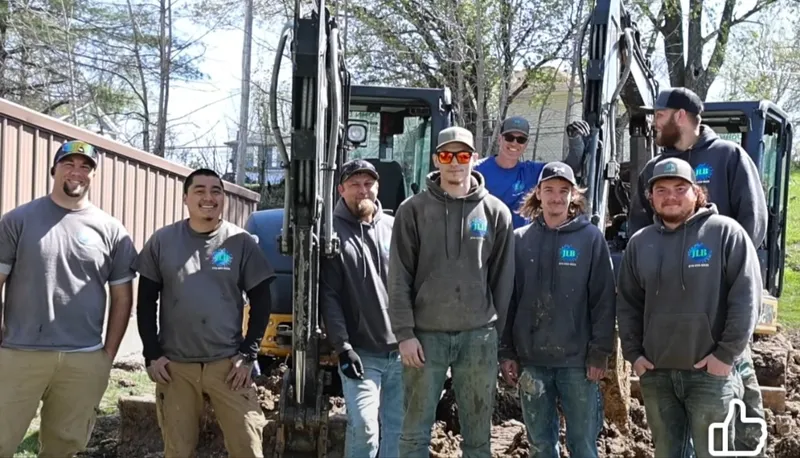
Who Handles Foundation Repair in Prairie Village?
Prairie Village is a close-knit community of about 23000, and we treat it that way. Our Kansas City area crew handles every job in Prairie Village personally — the same team that inspects your home is the same team that does the work. No subcontractors, no handoffs.
Call (816) 408-3651“We had cracks running up our walls and doors that wouldn't close. JLB came out, explained exactly what was happening with the soil under our house, and had the piers installed in two days. Floors are level again. Wish we hadn't waited so long.”
Why Do Prairie Village Homeowners Trust JLB for Foundation Repair?
We earn trust the old-fashioned way: honest inspections, fair pricing, and repairs that last.
Licensed in Kansas & Missouri
JLB is fully licensed to perform structural work in both Kansas and Missouri. For Prairie Village homeowners in Johnson County, that means we handle the Johnson County permit applications, coordinate inspections, and ensure code compliance from start to finish.
Concrete block Specialists
Prairie Village's concrete block foundations require specific repair techniques. Our crews are trained in wall anchors, carbon fiber reinforcement, and pier systems designed for these older foundation types.
Small-Town Accountability
In Prairie Village, reputation is everything. We show up when we say we will, we do the work right, and we stand behind it with a transferable warranty. Every job gets our full attention.
Financing That Fits
Foundation and waterproofing problems only get more expensive over time. We offer flexible payment plans so Prairie Village homeowners can act now instead of watching a small problem grow into a costly one.
Real Projects. Real Results.
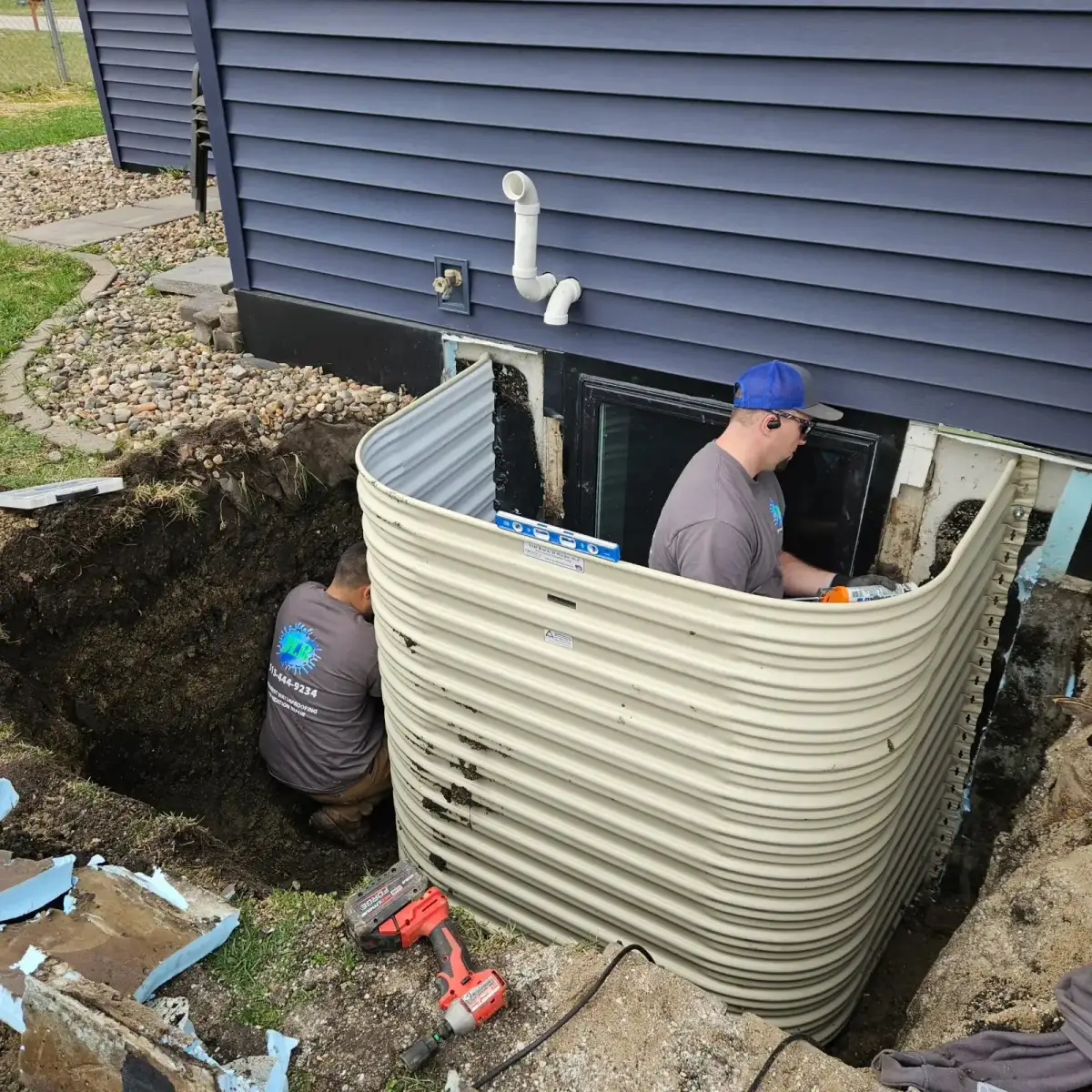
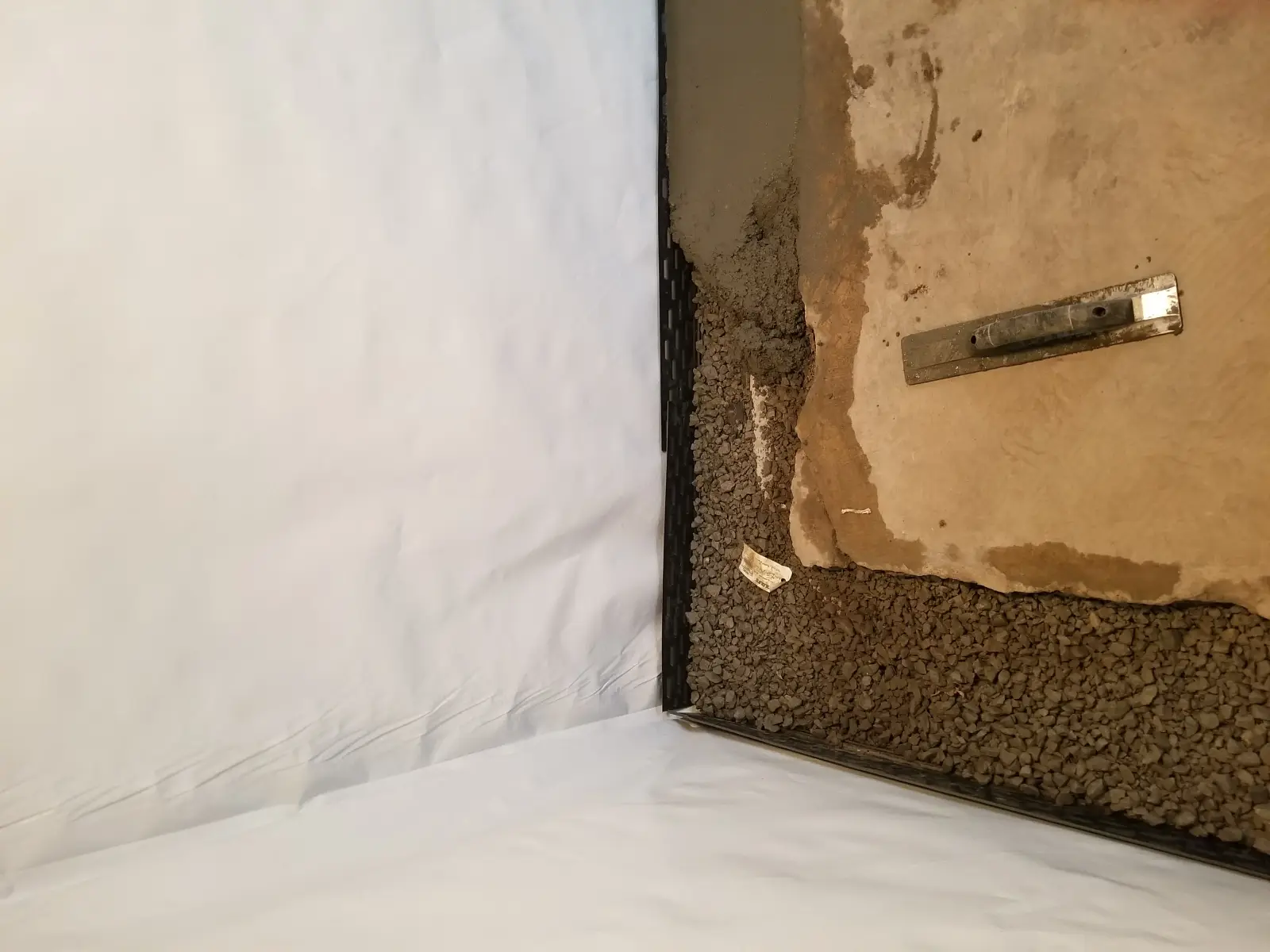
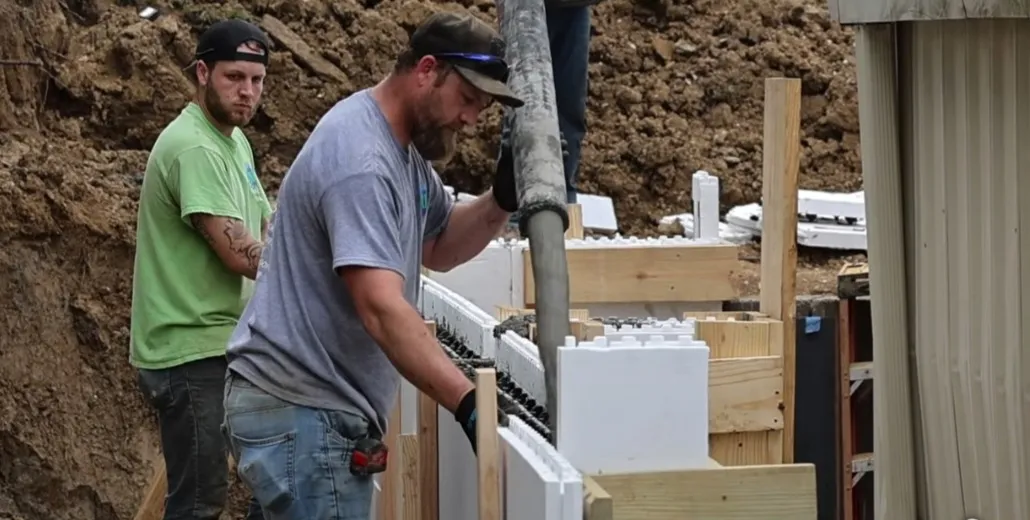
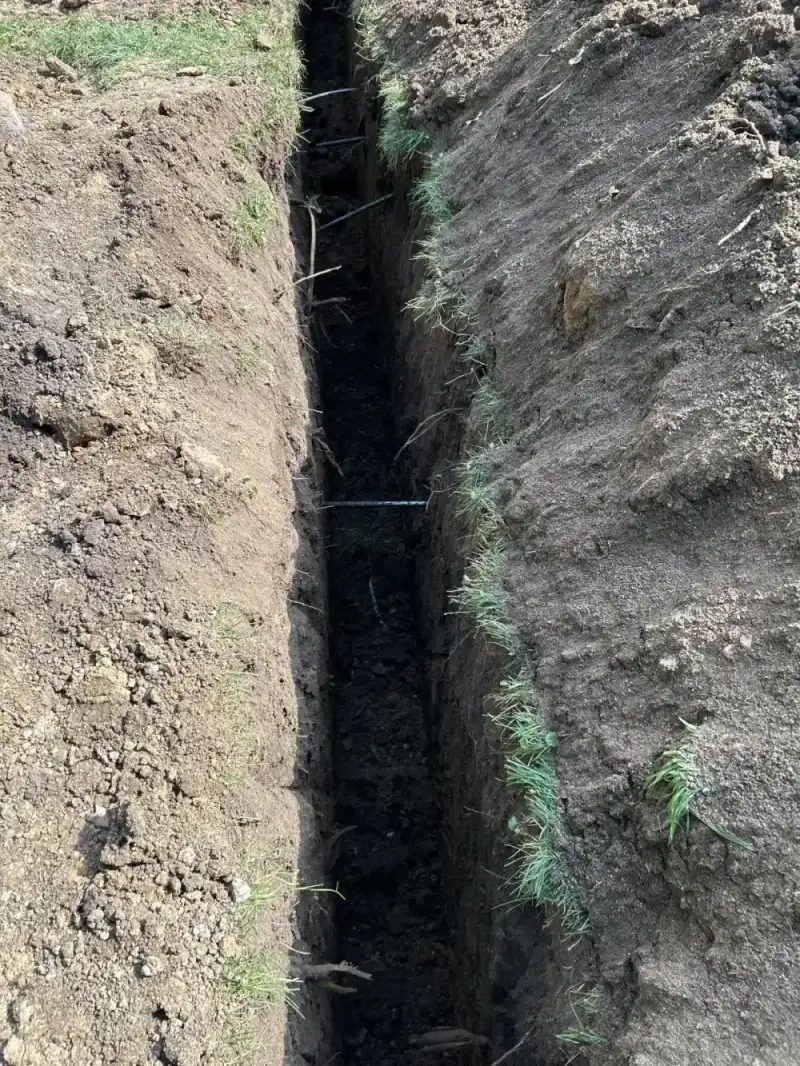
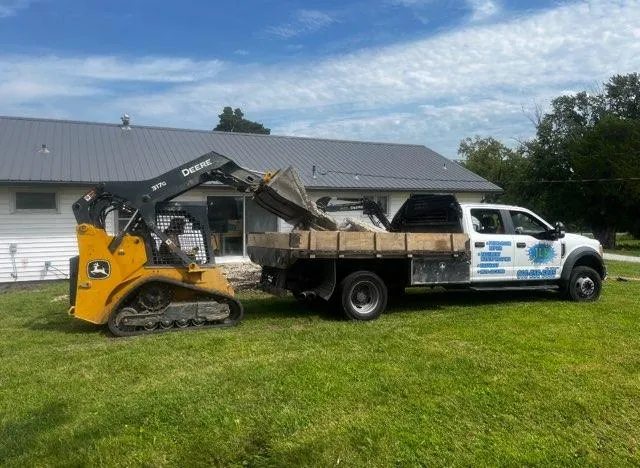
Every photo is from an actual JLB job site — not a stock photo. See the work we do every day across Kansas City and Des Moines.
What Does Foundation Repair Cost in Prairie Village, KS?
Concrete block foundations are the norm in Prairie Village, and their hollow-core design makes them especially vulnerable to Johnson County's clay pressure. Repair costs depend on how many walls are affected and whether you need piers, anchors, or both. These Kansas City metro ranges reflect what we see in Johnson County.
| Repair Type | Typical Cost Range | Notes |
|---|---|---|
| Crack repair (epoxy/polyurethane injection) | $250–$800 per crack | Non-structural hairline cracks |
| Steel push piers | $1,000–$3,000 per pier | Permanent fix for settling foundations; most homes need 6–12 piers |
| Helical piers | $1,500–$3,500 per pier | Used when soil conditions require screwing into load-bearing strata |
| Wall anchors | $500–$1,000 per anchor | Stabilizes bowing basement walls; typically 4–8 per wall |
| Carbon fiber reinforcement | $300–$600 per strip | For minor to moderate wall bowing; less invasive than anchors |
| Minor foundation repair (total project) | $1,500–$5,000 | Small cracks, minor settling |
| Major foundation repair (total project) | $5,000–$15,000+ | Multiple piers, structural wall repair, significant settling |
| Structural engineer report | $300–$800 | Sometimes required before repair, sometimes included in estimate |
These ranges reflect typical Kansas City metro pricing as of 2026. Actual costs vary based on the severity of damage, accessibility, and specific repair method. JLB provides free estimates — call (816) 408-3651 for an accurate quote.
Two Ways to Pay for It
12 Months Same As Cash
Pay the full balance within 12 months and you pay no interest.
Best if you can pay it off within a year.
5 Years at 6.99% APR
A lower monthly payment, spread over 60 months.
Best for bigger projects.
On approved credit. Ask for full terms at your free estimate.
Foundation and water problems rarely get cheaper while they wait.
Foundation Repair Questions From Prairie Village Homeowners
It's because of how shallow the foundation sits. Prairie Village's cape cods and small ranches from the 1940s-60s were built modest, with shallow footings and short walls that don't reach far into the ground. Johnson County's clay only swells and shrinks in its upper layer — the zone the weather reaches, which soaks up water in spring and dries out in summer — and a shallow footing sits right inside that active zone. So when the clay swells your footing gets lifted, and when it dries your footing drops, and the house rides that cycle: cracks that open and partly close with the seasons, doors that stick in spring and swing free in fall. A newer home with a deep basement carries its footing below that active layer, so it feels far less of the same movement. Same soil — the difference is depth.
The active zone is the upper layer of clay that actually changes volume as its moisture changes — the part near the surface that gets wet from rain and dries from heat and drought. Below a certain depth the clay's moisture stays fairly constant year-round, so it doesn't swell or shrink much; above it, the clay expands and contracts with the seasons. That distinction is the key to Prairie Village foundations. A shallow post-war footing rests inside the active zone, so it moves every time the clay does. The practical consequence is that you can't permanently stabilize a shallow, settling footing with a repair that stays inside that same moving layer — the fix has to reach down past it to soil that isn't swelling and shrinking. That's exactly what piers do, and it's why they're the common answer here.
Early on they're often seasonal, and later they become permanent — and telling which stage you're at is worth doing. In the seasonal stage, a shallow footing is being lifted and dropped by the clay, so cracks open a bit in one season and partly close in another, and doors stick at some times of year and not others. That back-and-forth can go on for a while. But each cycle tends to ratchet the footing a little further down, and over years the movement stops fully reversing: the seasonal hairlines widen into permanent diagonal cracks running from window and door corners, and floors take on a lasting slope. A crack that no longer closes up, or one that keeps widening season over season, has crossed from seasonal movement into settlement. Measuring whether the crack is still moving and whether the floor is out of level on site is how we tell the two apart.
Because the problem is depth, and piers are what solve a depth problem. A shallow 1950s footing settles because it sits inside the active clay zone that swells and shrinks with the weather. Anything that tries to support it from within that same layer is still resting on moving ground, so it can't hold the house steady for good. Push or helical piers are driven down through the active zone to load-bearing strata below — soil whose moisture, and therefore volume, stays stable year-round — and each is torque-monitored so we can confirm it reaches capacity. The weight of the house then transfers to that stable soil instead of riding the seasonal clay. On homes where a short block wall is also being pushed inward, piers are paired with wall anchors or carbon-fiber straps, but for the classic settling cape cod, reaching below the active zone is the whole point.
Often they're similar, because the neighborhood is so uniform. Prairie Village was built out as a planned post-war suburb, so a given block tends to be the same era of cape cods and small ranches, on the same flat Johnson County clay, with the same kind of shallow foundation. When the underlying cause is the active clay lifting and dropping shallow footings, homes that were built alike on the same soil tend to move on similar timing — which is why neighbors sometimes compare notes and find they're all seeing seasonal cracks or sticking doors around the same time. That said, small differences matter: whether a particular home has a shallow footing, a short block basement wall, or a fuller basement changes how much it moves and what it needs. So a shared neighborhood pattern is common, but each home still gets read on its own.
The homes here are small, which often keeps a job contained, but the price tracks how many piers a settled section needs and whether any wall restraint is involved rather than the size of the house. As a market reference, push piers commonly run somewhere around $1,250 to $2,500 each and helical piers roughly $1,800 to $3,000, while wall anchors and carbon-fiber strapping are quoted by the wall and the hardware. Because a shallow footing has to be reached and stabilized below the active clay, the pier count and how deep they must go can only be settled by measuring on site, so an exact figure needs an on-site estimate. JLB's is a free 45-minute analysis with a written report you keep, including an honest read on whether a crack is still seasonal and worth monitoring or has become settlement that needs work now.
Not Sure What You're Dealing With?
Click any symptom below to learn what it means, what's likely causing it, and how we can help. Most of these are more common — and more fixable — than you'd think.
Diagonal, stair-step, or horizontal cracks in drywall, plaster, or brick usually trace back to soil movement beneath your foundation. The heavy clay soils in the Kansas City and Des Moines metros expand and contract seasonally, which can shift your foundation over time. The good news: this is very fixable with the right approach.
Water entering through floor joints, wall cracks, or seeping through porous concrete means groundwater pressure is pushing moisture into your basement. An interior drainage system and sump pump can solve this permanently — and we can usually have it done in a day or two.
When a foundation settles unevenly, it can shift your home's frame just enough to make doors and windows bind. This is one of the earlier signs of foundation movement — and catching it early often means a simpler, less expensive repair.
That musty smell is moisture. Up to 40% of the air in your home rises from below — from your crawlspace and basement. If there's excess humidity down there, it affects your whole home. Encapsulation seals it out, and you'll notice the difference in your air quality right away.
Floors that slope toward the center or an exterior wall usually mean the support structure underneath needs attention. Push piers can stabilize your foundation and often lift it back to level — giving your floors a second life.
When soil washes out or compacts beneath a concrete slab, the slab drops and becomes uneven. Polyjacking uses expanding polyurethane foam to fill the void and lift the concrete back to grade — usually in under a day, with no heavy equipment needed.
Water collecting near your foundation means your grading or drainage isn't directing water away effectively. French drains, regrading, extended downspouts, and drain pipes can redirect water away from the house — protecting your foundation for the long haul.
A basement wall that has bowed more than 2 inches inward, shifted off its footing, or shows multiple structural cracks may have moved beyond what bracing can fix. When carbon fiber straps, I-beams, or wall anchors are not enough, the wall needs to be removed and rebuilt with reinforced concrete. This is the last resort — but it is the permanent fix when the wall itself is compromised.
Get Your Free Foundation Estimate in Prairie Village
Prairie Village's concrete block foundations need specialized assessment. Fill out the form and our crew will evaluate your walls, footings, and soil conditions — all at no cost. Or call us now at(816) 408-3651.
Where Else Does JLB Provide Foundation Repair Near Prairie Village?
Our Locations
We're always close enough to help — our crews are local to your area.
JLB Foundation Repair & Basement Waterproofing — Leawood
10308 State Line Rd Suite 300Leawood, KS, 66206(913) 660-6308 View on Google Maps
JLB Foundation Repair & Basement Waterproofing — Kansas City
111 NE 72nd St, Ste 111Kansas City, MO, 64119(816) 408-3651 View on Google Maps
Stop the Damage. Get Answers Today.
A free estimate takes 45 minutes and tells you exactly what's going on under your house — and exactly what it takes to fix it.