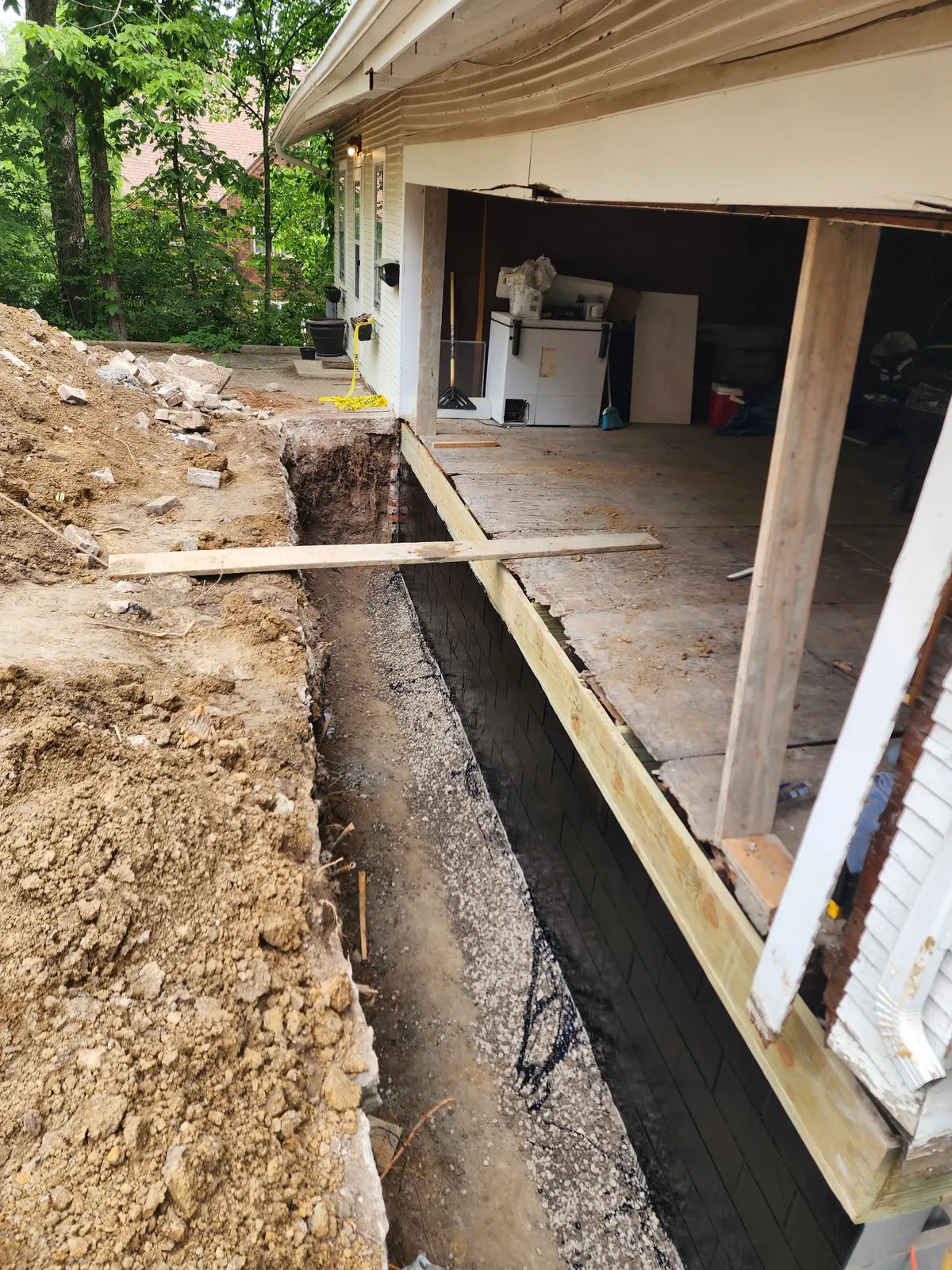
Foundation Repair in Des Moines, Iowa — From Hairline Cracks to Bowing Walls, Fixed at the Cause
In Des Moines the structural story starts with the water table, not the soil. The old core sits at the confluence of the Des Moines and Raccoon Rivers, where groundwater climbs toward the surface each spring and drops several feet by late summer. A porous stone or brick foundation in Sherman Hill or Drake is loaded and unloaded on that cycle every year, which is why the failures here read as water-driven bowing and mortar loss rather than the up-and-down clay movement seen elsewhere.
Free 45-Minute Analysis + Written Report
Get a precise analysis of your foundation and waterproofing situation, and a clear estimate on what any fixes or corrections might cost.
Takes 30 seconds. We'll call within 24 hours.
Thank You!
We'll be in touch within 24 hours.
Why do Sherman Hill and Drake stone foundations stay wet when the water table climbs toward the surface each spring?
Foundation repair in Des Moines is a groundwater problem before it is a soil problem. The oldest and densest housing sits near where the Des Moines and Raccoon Rivers meet, and through that low ground the water table rises to within a couple of feet of the surface during a wet spring and falls several feet through a dry August. A foundation that spends part of every year standing in groundwater is being pushed on and then released in a cycle a dry-ground foundation never experiences, and that cycle is what drives most of the structural movement in the older neighborhoods.
The pre-war foundations feel it first because of what they are made of. Sherman Hill and Drake were largely built between the 1880s and the 1920s on quarried stone and early brick, laid up in soft lime mortar — porous masonry by nature. When the water table climbs, that masonry wicks and saturates, the mortar softens, and the water-logged soil outside presses inward with hydrostatic force. What the homeowner sees is a wall that has begun to belly in, mortar washing out of the joints, or individual stones and bricks working out of plane. It is a wall being pushed by water, and it will not respond to the pier-and-lift approach that suits a settling house.
The ground underneath is Des Moines Lobe glacial till — the Dows Formation — a jumble of clay, sand, gravel, and cobbles the glacier left behind, capped in places by wind-blown loess. That mix is the second half of the story, because it does not carry load uniformly. A single footing can span dense, competent till at one end and a softer, wetter lens at the other, so even where hydrostatic pressure is not the main actor, settlement here tends to be differential — one part of the house drops while the rest holds.
Beaverdale and the post-war neighborhoods are the second wave, built through the 1940s to the 1960s on concrete block. Block carries downward weight adequately and resists sideways pressure poorly, so when the spring water table loads it the failure shows up as stair-step cracking along the mortar joints or a horizontal crack running the wall near mid-height. Same rising water, a newer wall, a different signature — and a different repair from the stone core a few miles away.
Telling a water-pushed wall from a settling one is the whole diagnostic task here, because they call for opposite work:
| Des Moines foundation and era | Typical construction | How it usually fails | What is driving it | What the repair addresses |
|---|---|---|---|---|
| Sherman Hill and Drake (1880s–1920s) | Quarried stone and early brick in lime mortar | Bowing inward, mortar washout, units working out of plane | High water table and hydrostatic load on porous masonry | Anchors or bracing, repoint or rebuild, with interior drainage |
| Beaverdale and post-war core (1940s–60s) | Concrete block | Stair-step or horizontal cracking near mid-height | Spring water table loading a hollow-core wall from outside | Wall anchors, carbon-fiber straps, or bracing, plus drainage |
| Any era over a soft, wet till lens | Stone, block, or poured | Vertical cracking wider at the top; floors out of level | Differential bearing in mixed glacial till | Push or helical piers to competent strata |
The methods follow the direction of the failure. A wall being pushed inward by saturated soil is a lateral problem, and it gets restrained — carbon-fiber straps where the movement is slight, anchors or steel bracing where it is not. A house dropping because a footing lost bearing in a soft till lens is a settlement problem, and it gets piers carried down to competent strata — push piers where there is enough structure to drive against, helical piers under lighter loads, both torque-monitored so the capacity each reaches is measured rather than assumed. What makes Des Moines distinct is that the groundwater driving so much of this rarely goes away on its own, so structural work in the old core is almost always paired with interior drainage and a reliable sump system rather than offered as an afterthought. How each structural method is specified is on the foundation repair page, and the water side is covered under drainage and waterproofing.
On cost, the useful framing is that no per-unit price captures a Des Moines project, because what you are paying for depends on which failure you have. A settling corner tracks pier count, and typical market ranges put push piers around $1,250 to $2,500 each with helical roughly $1,800 to $3,000. A bowing stone wall in Sherman Hill is priced by the linear feet needing restraint, repointing, or rebuilding, which no pier figure describes, and either one usually carries drainage alongside it. An exact number needs an on-site estimate — no one can price a saturated stone wall they have not stood in front of. JLB works the same glacial ground through West Des Moines, Urbandale, Clive, Johnston, and Altoona, with I-235, I-35, and I-80 keeping most of Polk County within a short drive.
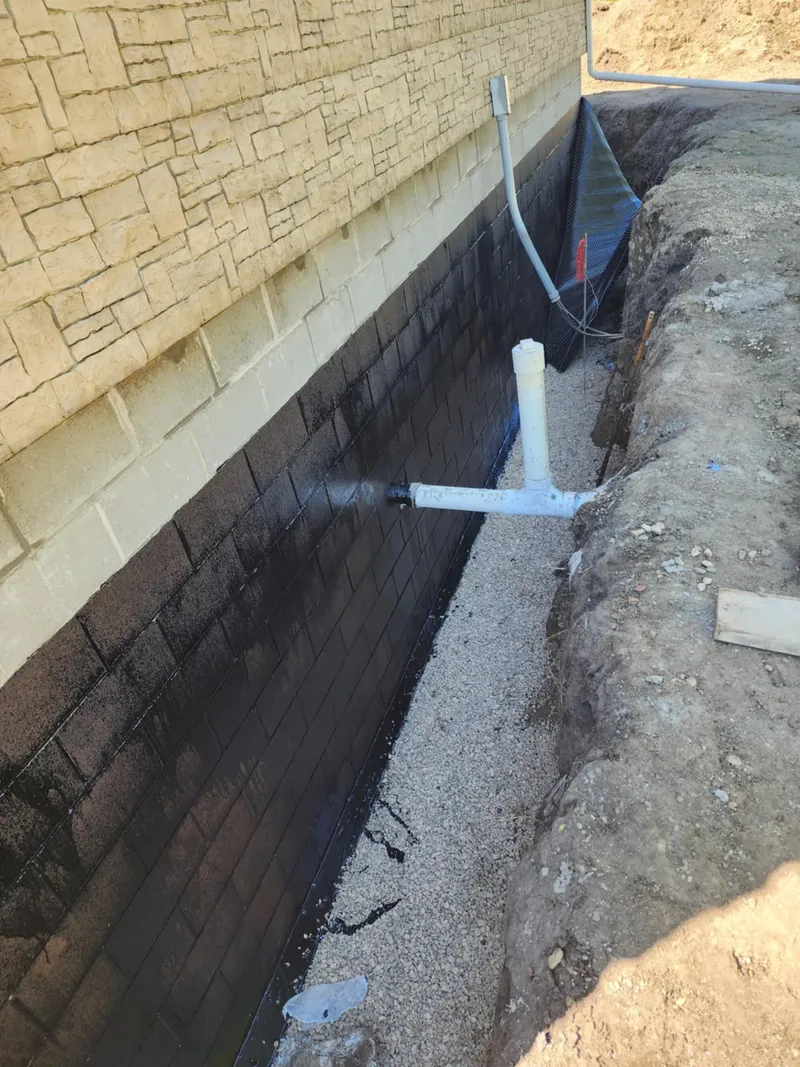
Meet the Team Serving Des Moines
JLB is a local crew — not a franchise. We handle foundation repair across Des Moines and the Des Moines metro. Watch to see who shows up at your door.
Watch Foundation Repair Work in Des Moines
Two Ways to Pay Over Time
12 Months Same As Cash
Pay the full balance within 12 months and you pay no interest.
5 Years at 6.99% APR
A lower monthly payment, spread over 60 months.
On approved credit. Ask for full terms at your free estimate.
Foundation and water problems rarely get cheaper while they wait.
What Foundation Warning Signs Are Common in Des Moines's Older Homes?
Foundation gaps don't just let walls move — they let conditioned air escape. In Des Moines, cracks and separations in your stone and limestone foundation create pathways for air exchange between your conditioned space and the soil-temperature zone outside the walls. In an Iowa winter, heated air escapes through foundation gaps while cold soil air replaces it. Sealing and stabilizing the foundation closes those pathways.
Cracks Spreading Across Walls
Diagonal cracks above doors and windows, stair-stepping in brick — this is your structure pulling apart. Des Moines's older stone foundations often show cracks where original mortar has deteriorated after decades of moisture and soil movement.
Floors Sloping or Uneven
Put a ball on the floor. If it rolls, your foundation is settling unevenly. This gets worse, never better. Sloping floors in Des Moines homes usually mean the foundation beneath has settled unevenly — a structural issue, not a cosmetic one.
Doors and Windows That Stick
Frames are shifting because the foundation underneath them is moving. It's not the door — it's the house. In Des Moines's older homes, sticking doors and windows often mean the foundation has shifted enough to rack the entire frame — a sign the problem is structural, not cosmetic.
Gaps Between Walls and Ceiling
Visible separations where the walls meet the ceiling or floor. Your home is literally pulling itself apart. Gaps between walls and ceilings in Des Moines homes indicate active foundation movement — the clay soil in Polk County is still pushing.
Exterior Brick Cracking
Stair-step cracks in the mortar joints. Once you can see it from the outside, the problem is serious. Des Moines's older stone foundations often show cracks where original mortar has deteriorated after decades of moisture and soil movement.
One Side of the Home Visibly Lower
If you can see it, the soil has already failed. This is active structural movement that accelerates over time. Des Moines homes on stone foundation foundations in Polk County are particularly susceptible to this issue.
When Repair Isn't Enough: Foundation Wall Replacement
Some walls are too far gone for bracing or anchoring. If your Des Moines home has severely bowed, cracked, or crumbling foundation walls, full replacement may be the safest long-term solution. JLB handles complete wall rebuilds — excavation, demolition, and new poured-concrete construction.
Learn about foundation wall replacement in Des MoinesNoticed cracks in your Des Moines basement walls?
The stone and limestone foundations common in Des Moines develop predictable failure patterns — and early detection makes the difference between a straightforward repair and a major structural project. A free estimate takes about an hour and tells you exactly where you stand.
Four Steps to a Stable Home
No surprises. No upsells. Just a clear path from "something's wrong" to "it's permanently fixed."
Free Estimate
We come to your home, assess the damage, and explain exactly what's happening — in plain English, not contractor jargon.
Custom Repair Plan
An engineered solution designed for your home's soil conditions, damage pattern, and foundation type.
Professional Install
Our crew handles everything. Most repairs completed in 1–3 days with minimal disruption.
Permanent Stability
Your foundation is stabilized for the life of the home. The settlement stops. Done.
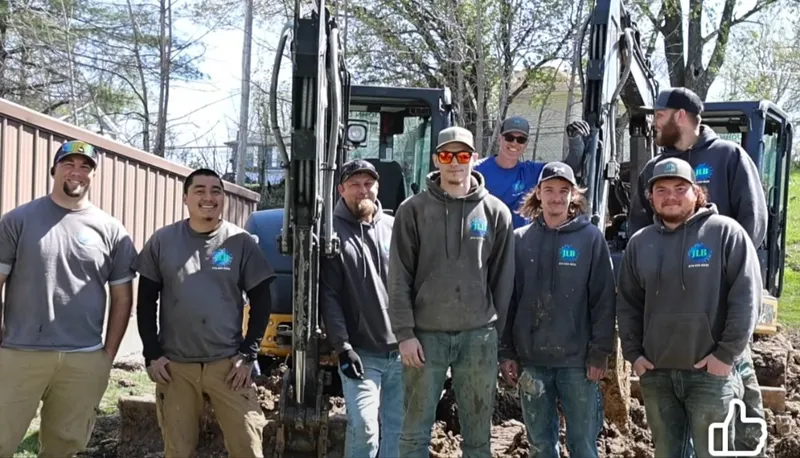
Who Handles Foundation Repair in Des Moines?
With nearly 213000 residents, Des Moines keeps our Polk County crews busy year-round. From established neighborhoods to newer developments, we know the soil, we know the foundations, and we know the local permit process. When we show up at your door, you're getting the same team from inspection through final walkthrough.
Call (515) 717-8560“We noticed the cracks getting worse every spring after the thaw. JLB came out, explained the soil issues specific to our area, and had piers installed in two days. No more movement since.”
Why Do Des Moines Homeowners Trust JLB for Foundation Repair?
We earn trust the old-fashioned way: honest inspections, fair pricing, and repairs that last.
Iowa Licensed & Polk County Permitted
We're licensed in Iowa and experienced with Polk County's building department. From permit applications to final inspections, we handle the paperwork so Des Moines homeowners can focus on their home, not the process.
Stone and limestone Specialists
Des Moines's stone and limestone foundations require specific repair techniques. Our crews are trained in wall anchors, carbon fiber reinforcement, and pier systems designed for these older foundation types.
Hundreds of Des Moines Homes
With nearly 213000 residents, Des Moines generates steady demand for foundation work. Our crews have worked on stone and limestone foundations across every part of town — there's not a neighborhood we haven't been to.
Financing for Older Homes
Older homes often need larger repairs that can strain a household budget. We offer flexible financing plans specifically so Des Moines homeowners with aging foundations can get the work done now — before another season of soil movement makes it worse.
Real Projects. Real Results.
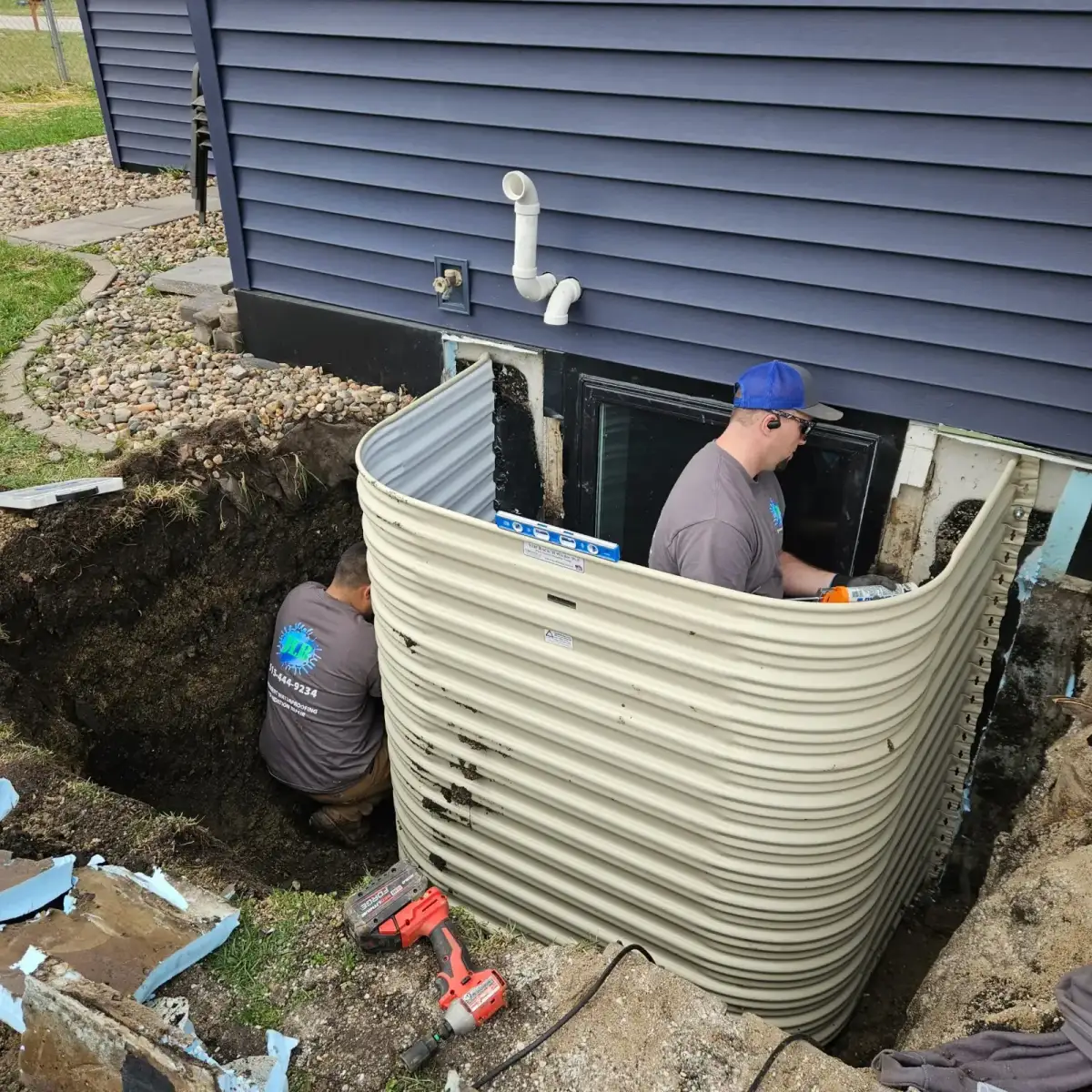
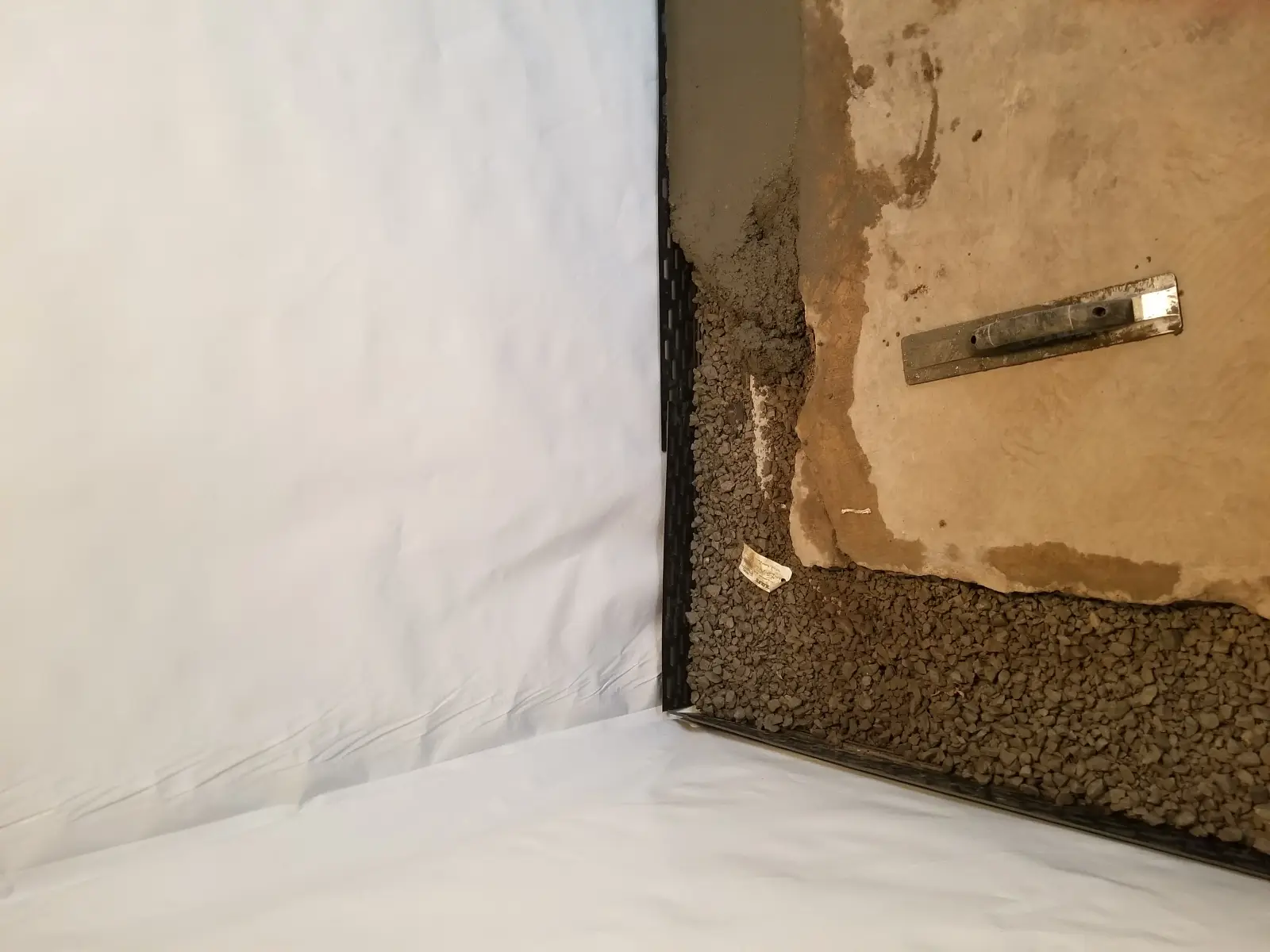
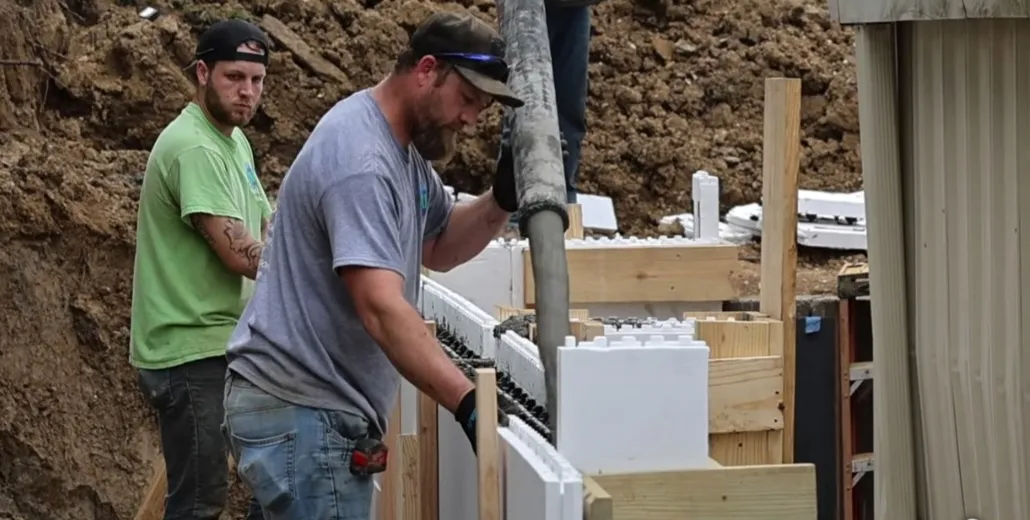
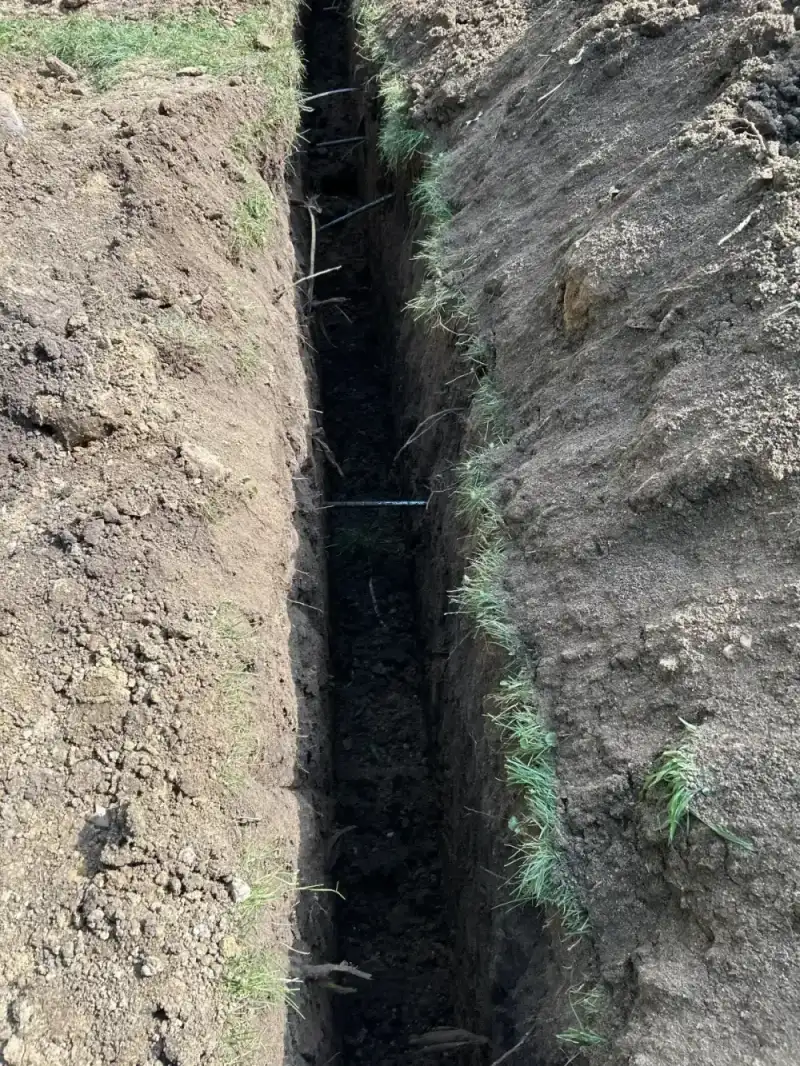
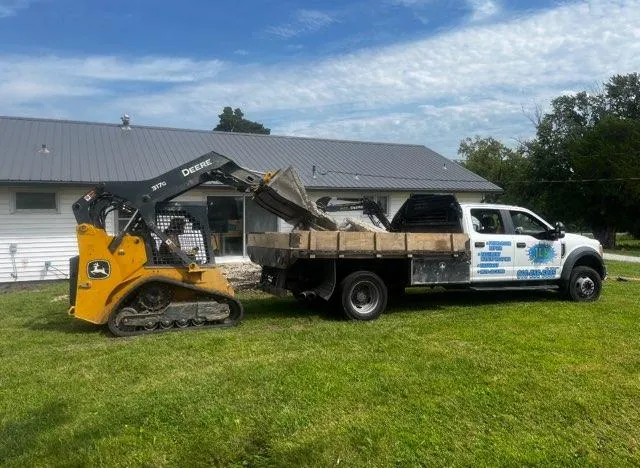
Every photo is from an actual JLB job site — not a stock photo. See the work we do every day across Kansas City and Des Moines.
What Does Foundation Repair Cost in Des Moines, IA?
Des Moines's older housing stock — many homes built on stone and limestone foundations from the Historic 1880s-1920s in Sherman Hill and Drake — often requires more extensive structural work than newer suburbs. Here's what Polk County homeowners typically pay for foundation repair in 2026.
| Repair Type | Typical Cost Range | Notes |
|---|---|---|
| Crack repair (epoxy/polyurethane injection) | $200–$700 per crack | Non-structural hairline cracks |
| Steel push piers | $900–$2,700 per pier | Permanent fix for settling foundations; most homes need 6–12 piers |
| Helical piers | $1,300–$3,100 per pier | Used when soil conditions require screwing into load-bearing strata |
| Wall anchors | $450–$900 per anchor | Stabilizes bowing basement walls; typically 4–8 per wall |
| Carbon fiber reinforcement | $250–$500 per strip | For minor to moderate wall bowing; less invasive than anchors |
| Minor foundation repair (total project) | $1,300–$4,500 | Small cracks, minor settling |
| Major foundation repair (total project) | $4,500–$13,000+ | Multiple piers, structural wall repair, significant settling |
| Structural engineer report | $250–$700 | Sometimes required before repair, sometimes included in estimate |
Des Moines metro pricing is typically 10–15% lower than Kansas City due to lower labor rates. Glacial till soil conditions may reduce the number of piers needed compared to KC's expansive clay. JLB provides free estimates — call (515) 717-8560 for an accurate quote.
Two Ways to Pay for It
12 Months Same As Cash
Pay the full balance within 12 months and you pay no interest.
Best if you can pay it off within a year.
5 Years at 6.99% APR
A lower monthly payment, spread over 60 months.
Best for bigger projects.
On approved credit. Ask for full terms at your free estimate.
Foundation and water problems rarely get cheaper while they wait.
Foundation Repair Questions From Des Moines Homeowners
Foundation Repair in Des Moines
Because the wall is responding to the water table, and the water table moves with the season. Sherman Hill sits on low ground near the river confluence, where groundwater rises close to the surface after spring rain and snowmelt, then drops several feet through the dry months. When it is high, the soil against your foundation is saturated and presses inward with real force; when it falls, that pressure eases and the wall relaxes. On a porous stone or brick foundation that annual push-and-release slowly works the masonry loose. A crack or bulge that visibly changes between April and August is telling you the load is real and repeating, and each cycle moves the wall a little further, which is why it is cheaper to relieve the water and restrain the wall before the movement compounds.
Usually yes, and rebuilding the whole wall is the exception rather than the rule. On the 1880s-to-1920s stone and brick foundations common through Sherman Hill and Drake, the masonry is often still sound and the mortar is what has failed, softened by years of a rising water table. Where the wall is still in plane, repointing and drainage can stabilize it. Where it has bowed inward, it has to be held — anchors or bracing — and the groundwater relieved with interior drainage and a sump, because restraining a wall while leaving it standing in water just slows a process already underway. Only sections that have moved so far the masonry no longer stacks properly get rebuilt.
It usually comes down to what each footing happens to be sitting on. The ground under Des Moines is glacial till — a mix of clay, sand, gravel, and cobbles the glacier left in no particular order — often capped by loess. That means bearing can change over a short distance: your footing may span firm till at one end and a softer, wetter lens at the other, while the neighbor's sits on more uniform ground. A foundation supported unevenly settles unevenly, which shows as a vertical crack wider at the top or a floor out of level across one span. It is not that your house was built worse; it is that the till beneath it is not the same everywhere, which is exactly what an elevation survey is meant to map before any repair is specified.
In the older parts of Des Moines, very often yes, and the two address different things. Piers solve a bearing problem — they carry the house down to competent strata so a settled section stops dropping. They do nothing about groundwater pressing on the walls. Because the water table here rises against the foundation every spring, structural work in the core is normally paired with interior drainage and a reliable sump so the wall is not left standing in the same water that helped load it. On a settling corner with dry walls, piers alone may be enough; on a bowing wall in a wet basement, the drainage is not optional. Which combination you need is what the on-site analysis sorts out.
The choice follows the load and what the till offers at depth. Push piers are advanced using the weight of the house, so they suit heavier full-height walls where there is enough structure to drive against. Helical piers are turned into the ground and develop capacity through their plates, which makes them the better fit under lighter loads — porches, additions, and lighter footings. The mixed till here, with its sand lenses and cobbles, means the depth to competent bearing genuinely varies across a lot, so torque monitoring during installation matters: it confirms when each pier has actually reached capacity rather than assuming it hit a set depth. That is decided pier by pier on site, not from a plan drawn in advance.
It depends far more on which failure you have than on any per-unit rate. A settling corner tracks pier count, and typical market ranges put push piers around $1,250 to $2,500 each with helical roughly $1,800 to $3,000. A bowing stone or brick wall in the old core is priced instead by the linear feet needing restraint, repointing, or rebuilding, which no pier figure captures — and either kind of project in these neighborhoods usually carries interior drainage alongside it. An exact number needs an on-site estimate, because a saturated stone wall cannot be priced sight unseen. JLB's is a free 45-minute analysis with a written report you keep, including when the finding is that the wall is stable and only the water needs attention.
Foundation Repair Basics
Foundations in Des Moines fail because of the soil, not the concrete. The area's glacial till and loess are clay-heavy soils that swell when wet and shrink when dry, creating voids and uneven pressure. Combined with a 42-inch frost depth and freeze-thaw cycles, this movement causes settlement, cracking, and bowing walls over 5 to 15 years.
Modern foundation repair transfers your home's weight onto stable soil. Steel push piers are driven through unstable clay to load-bearing strata—often 20 to 30 feet deep—then hydraulic jacks lift and stabilize the foundation. Wall anchors counter lateral pressure on bowing walls. These are engineered, load-rated systems, not surface patches.
Yes, when done with engineered systems. Push and helical piers driven to load-bearing soil, and wall anchors rated for specific loads, permanently stabilize the structure and come with transferable warranties. Surface patches and sealants are not permanent because they do not address the shifting soil underneath—the true cause of the problem.
Reputable Des Moines foundation repairs include a transferable warranty on the engineered components and workmanship. Transferability matters at resale, since it reassures buyers the fix is backed long-term. Ask for the warranty terms in writing and confirm which systems—piers, anchors, or drainage—are covered.
Bowing & Cracked Walls
A bowing basement wall is fixed by countering the lateral soil pressure that pushed it inward. Wall anchors installed through the wall to stable soil outside, steel I-beam braces, or carbon-fiber straps hold the wall and can gradually straighten it. In Des Moines, bowing usually comes from expansive clay, so the fix must address ongoing soil pressure.
Horizontal cracks and stair-step cracks are the most concerning because they often indicate soil pressure, bowing, or settlement. Wide, growing, or leaking cracks also warrant inspection. Thin vertical hairline cracks are frequently minor. Because appearances can deceive, a free inspection is the safe way to know whether a Des Moines wall crack is structural.
Carbon-fiber straps can stabilize walls with minor to moderate bowing by resisting further inward movement. For walls that have bowed significantly or shifted off the footing, wall anchors or full wall replacement are more appropriate. An inspection measures the deflection to determine which method your Des Moines wall needs.
A wall is usually beyond simple repair when it has bowed several inches, sheared, or shifted off its footing. In those cases, foundation wall replacement—removing and rebuilding with reinforced concrete plus new drainage and waterproofing—is the durable solution. This is the last resort after anchors or bracing are ruled out.
Foundation Settlement
Settlement happens when the soil supporting a foundation loses volume or strength and the structure sinks into the gap. In Des Moines, drying clay, poor drainage, and freeze-thaw cycles create voids beneath footings. Because the soil, not the concrete, is the cause, permanent repair transfers the load to deeper, stable soil with piers.
Uneven, or differential, settlement means the soil under one part of the home changed more than the rest—often from a drainage problem, a dried-out clay pocket, or a void beneath the footing. This racks door frames and slopes floors. Piers installed under the settled area can lift and stabilize it.
A soil void is an empty gap that forms beneath a footing when expansive clay shrinks or erodes away. The unsupported foundation then drops into the void, causing settlement and cracks. Des Moines' wet-dry clay cycles are a frequent cause. Piers driven past the void to stable strata provide permanent support.
Often, yes. Hydraulic jacks working against push or helical piers can lift a settled foundation back toward its original elevation, and foundation repairs can restore much of the original structural integrity. The achievable lift depends on the damage; an inspection sets realistic expectations for your Des Moines home.
The amount of lift depends on the settlement, soil, and structure, and is verified with measurements during the job. Crews aim to recover as much elevation as can be done safely without cracking finishes, then stabilize the home permanently. In many cases piering restores foundations close to level and up to about 95% of original integrity.
Pier & Method Types
Push piers are interlocking steel shafts hydraulically driven beneath the foundation footing until they reach stable strata or bedrock, then the home's weight is transferred onto them. They can permanently stabilize and often lift a settled foundation back toward level. Push piers suit heavier structures and are a mainstay of Des Moines foundation repair in deep, clay-heavy soil. Most installations are completed in one to three days.
Helical piers are steel shafts with helix plates that are screwed into the ground like giant anchors until they reach stable soil. They provide support without relying on the structure's weight to install, making them well suited to lighter loads and new construction in Central Iowa.
Wall anchors resist and can reverse inward bowing of basement walls. A steel plate on the wall connects by a rod to an anchor set in stable soil outside; tightening the system counters the lateral pressure from expanding clay. They're a common, minimally disruptive fix for bowing Des Moines walls.
It depends on load and soil. Push piers use the home's weight to reach deep strata and suit heavier, settled structures. Helical piers screw in and work well for lighter loads or new builds. A foundation inspection in Des Moines determines which system fits your home's weight and soil profile.
Piers are driven until they reach stable, load-bearing soil or bedrock, which in Des Moines is often 20 to 30 feet deep because the upper clay is unstable. The exact depth is verified during installation by resistance and load testing, ensuring each pier can permanently support its share of the structure.
Not Sure What You're Dealing With?
Click any symptom below to learn what it means, what's likely causing it, and how we can help. Most of these are more common — and more fixable — than you'd think.
Diagonal, stair-step, or horizontal cracks in drywall, plaster, or brick usually trace back to soil movement beneath your foundation. The heavy clay soils in the Kansas City and Des Moines metros expand and contract seasonally, which can shift your foundation over time. The good news: this is very fixable with the right approach.
Water entering through floor joints, wall cracks, or seeping through porous concrete means groundwater pressure is pushing moisture into your basement. An interior drainage system and sump pump can solve this permanently — and we can usually have it done in a day or two.
When a foundation settles unevenly, it can shift your home's frame just enough to make doors and windows bind. This is one of the earlier signs of foundation movement — and catching it early often means a simpler, less expensive repair.
That musty smell is moisture. Up to 40% of the air in your home rises from below — from your crawlspace and basement. If there's excess humidity down there, it affects your whole home. Encapsulation seals it out, and you'll notice the difference in your air quality right away.
Floors that slope toward the center or an exterior wall usually mean the support structure underneath needs attention. Push piers can stabilize your foundation and often lift it back to level — giving your floors a second life.
Water collecting near your foundation means your grading or drainage isn't directing water away effectively. French drains, regrading, extended downspouts, and drain pipes can redirect water away from the house — protecting your foundation for the long haul.
A basement wall that has bowed more than 2 inches inward, shifted off its footing, or shows multiple structural cracks may have moved beyond what bracing can fix. When carbon fiber straps, I-beams, or wall anchors are not enough, the wall needs to be removed and rebuilt with reinforced concrete. This is the last resort — but it is the permanent fix when the wall itself is compromised.
Get Your Free Foundation Estimate in Des Moines
Des Moines's stone and limestone foundations need specialized assessment. Fill out the form and our crew will evaluate your walls, footings, and soil conditions — all at no cost. Or call us now at(515) 717-8560.
Which Des Moines Neighborhoods Need Foundation Repair Most?
We serve every corner of Des Moines. Click a neighborhood to learn about local foundation conditions.
Where Else Does JLB Provide Foundation Repair Near Des Moines?
Our Locations
We're always close enough to help — our crews are local to your area.
JLB Basement Waterproofing & Foundation Repair — Des Moines
97 Indiana Ave Suite #1Des Moines, IA, 50314(515) 717-8560 View on Google Maps
Stop the Damage. Get Answers Today.
A free estimate takes 45 minutes and tells you exactly what's going on under your house — and exactly what it takes to fix it.